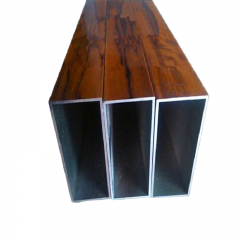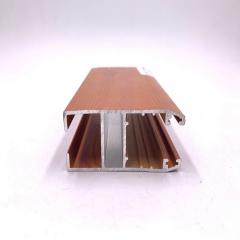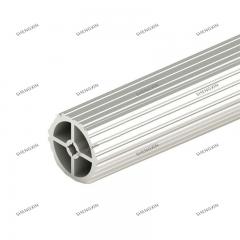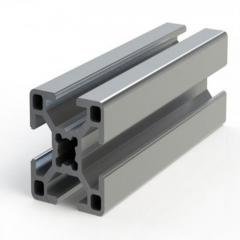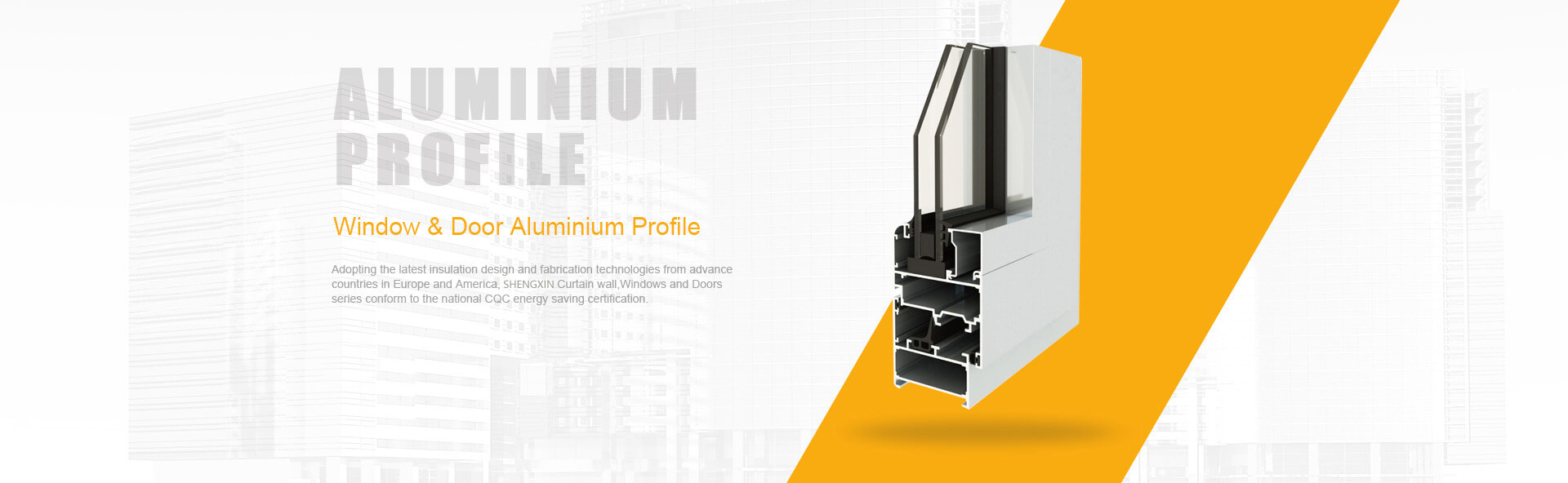
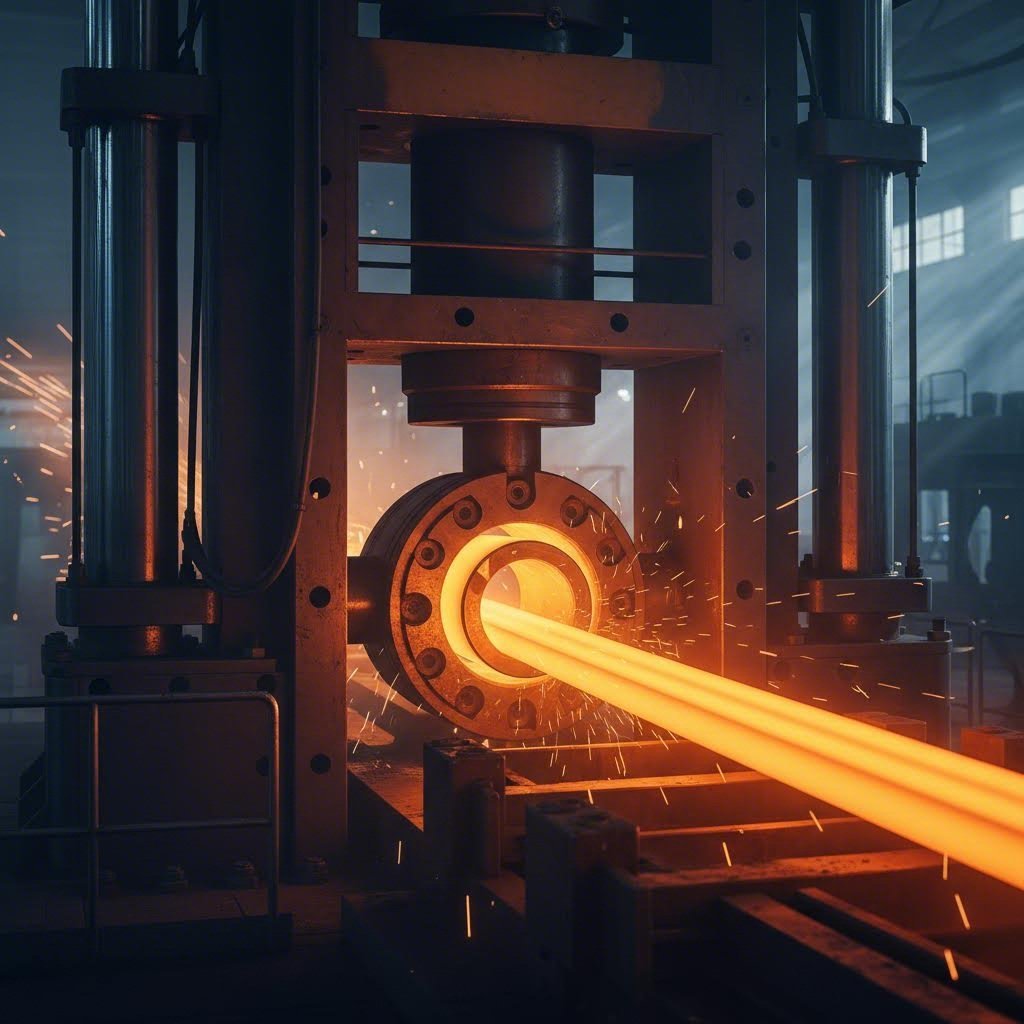
When you're sourcing custom aluminum extrusions for your next project, have you ever wondered why quotes from different suppliers can vary so dramatically? The answer lies in understanding what actually drives aluminum extrusion cost—a complex equation that combines global commodity markets, precision tooling, and specialized manufacturing processes.
At its core, pricing for custom extrusions reflects the total investment required to transform raw aluminum billets into precisely shaped profiles. This isn't a single number pulled from thin air. Instead, it's a calculated sum of interconnected variables that savvy buyers must understand to make informed procurement decisions.
Think of aluminum extrusion pricing as a layered structure. The foundation starts with raw material costs, which fluctuate based on global market conditions tracked by the London Metal Exchange (LME)—the authoritative benchmark for base aluminum pricing worldwide. From there, additional cost layers stack on top, each contributing to your final quote.
The primary cost components include:
Here's the reality: most procurement professionals piece together pricing information from scattered sources, often missing critical factors that impact their bottom line. Without a complete picture, you might optimize for one variable—like per-unit price—while overlooking hidden costs in tooling amortization or finishing requirements.
This guide consolidates the nine essential factors that make or break your aluminum extrusion quote into one comprehensive resource. Rather than approaching this from a manufacturer's perspective, we've structured everything around what you, as a buyer, need to know to budget accurately, negotiate effectively, and select the right supplier for your specific requirements.
Whether you're sourcing small aluminum extrusions for electronics enclosures or large structural profiles for construction applications, understanding these cost drivers transforms you from a passive quote recipient into an informed decision-maker who can identify value—and spot overcharges—at a glance.
Ever looked at an aluminum extrusion quote and wondered why the material cost seems to shift from month to month? The answer starts thousands of miles away on trading floors where global aluminum prices are set—and understanding this connection is essential for accurate budget planning.
Raw material typically represents 40-60% of your total custom aluminum extrusion cost. Unlike fixed manufacturing expenses, this component fluctuates daily based on commodity markets, making it both a potential savings opportunity and a budget risk you'll want to manage carefully.
The London Metal Exchange (LME) serves as the global reference point for aluminum pricing. When suppliers quote your custom extrusion project, they typically start with this benchmark—currently hovering around $1.17 per pound for primary aluminum—then build upward from there.
But here's what many buyers miss: the LME price is just the starting point. Your actual material cost includes several additional layers:
These premiums and discounts exist because the LME reference price reflects a standardized metal grade and shape. Any deviation—whether in alloy composition, form factor, or delivery location—gets negotiated into your final price through these adjustments.
When specifying your custom aluminium extrusion, alloy selection creates one of the most significant cost variables—yet it's often overlooked during initial budgeting. The two most common extrusion alloys, 6063 and 6061, offer different performance characteristics at different price points.
| Alloy Grade | Average Cost (USD/kg) | Strength Level | Corrosion Resistance | Best Applications |
|---|---|---|---|---|
| 6063 | $3.2 – $4.0 | Medium | High | Window frames, curtain walls, architectural profiles |
| 6061 | $3.5 – $4.5 | Medium-High | High | Structural frames, load-bearing components |
| 5052 | $3.0 – $3.5 | Medium | Very High | Marine applications, outdoor exposure |
| 7075 | $5.0 – $6.5 | Very High | Moderate | Aerospace, high-stress structural components |
Notice the price difference between 6063 and 6061? For architectural custom extrusion applications where surface finish matters more than structural strength, 6063 delivers excellent extrudability and a smooth finish at a lower cost. However, if your project demands higher load-bearing capacity, the 10-15% premium for 6061 often proves worthwhile.
Here's a critical insight competitors often miss: alloy selection affects more than just material cost. The 6063 alloy extrudes more easily, meaning faster production speeds and lower processing costs. Meanwhile, 7075—while offering exceptional strength—commands premium pricing not just for its alloying elements but also for the specialized handling and heat treatment it requires.
Aluminum prices have risen steadily since 2020, driven by energy costs, supply chain disruptions, and growing global demand. This volatility creates real budget risk—but also opportunity for strategic buyers.
For spot purchases, you're exposed to daily price fluctuations. A quote generated today might shift significantly by the time production begins. However, for larger projects or ongoing requirements, consider these approaches:
Understanding how raw material costs flow through to your quote empowers you to time purchases strategically and structure contracts that protect your budget. With this foundation in place, you're ready to examine the next major cost driver: the upfront investment in dies and tooling that shapes your unique profiles.
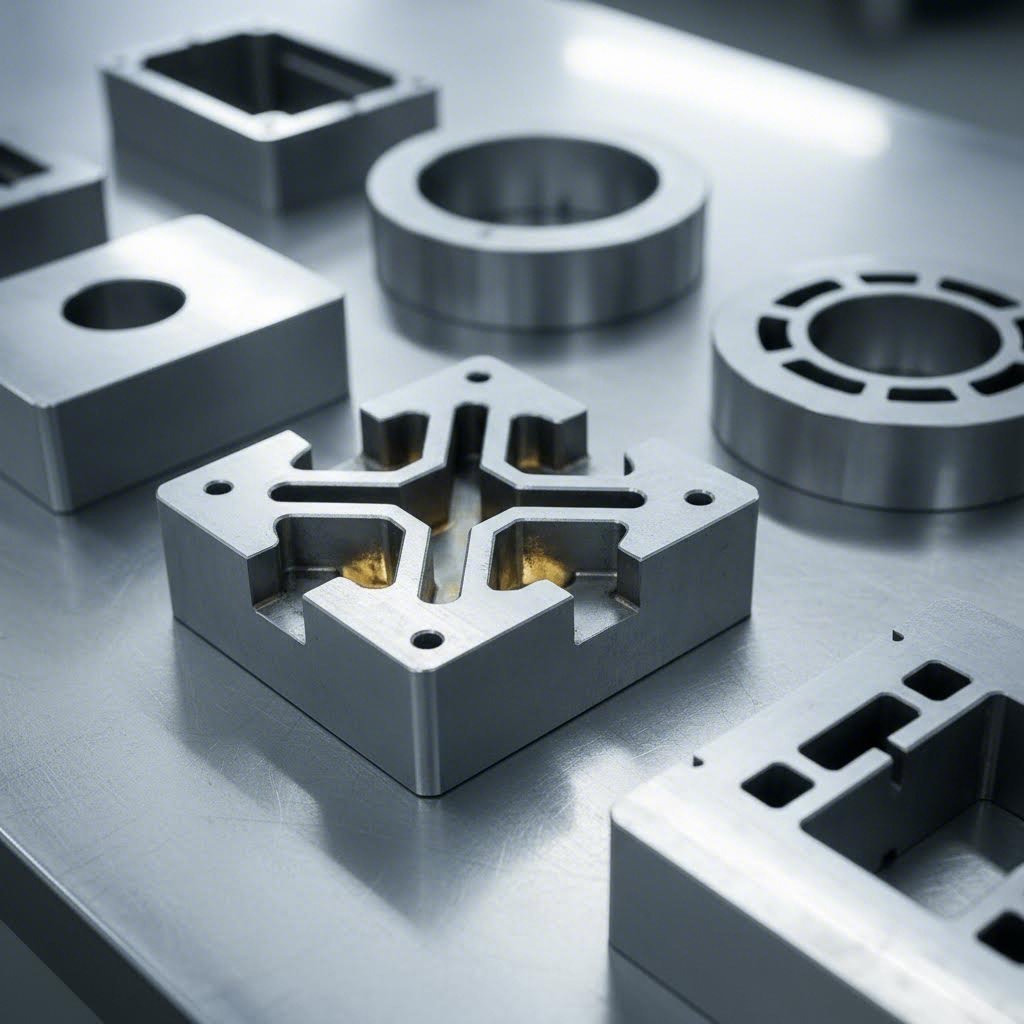
Imagine ordering a custom-shaped cookie cutter before baking a single batch. That's essentially what happens with aluminum extrusion tooling—you invest in a precision-machined die before a single foot of profile rolls off the press. This upfront investment often surprises first-time buyers, but understanding how aluminum extrusion die costs work transforms what feels like a barrier into a strategic planning opportunity.
Unlike raw material costs that fluctuate with markets, your die investment is a fixed, one-time expense. The key question isn't just "how much does the die cost?" but rather "how does this investment translate to my per-unit pricing at different production volumes?"
An aluminum extrusion die is a precision tool, typically machined from H13 tool steel, that shapes molten aluminum as it's forced through under tremendous pressure. The complexity of your profile directly determines how much engineering, machining, and testing goes into creating this tool.
According to industry analysis from Ya Ji Aluminum, die costs typically range from $300 for simple solid profiles to over $5,000 for highly complex multi-void designs. Here's how different die types compare:
| Die Type | Structure | Typical Cost Range | Common Applications |
|---|---|---|---|
| Solid Die | One-piece, no bridge or mandrel | $300 – $800 | Angles, channels, flat bars |
| Semi-Hollow Die | Narrow openings, partial bridge | $800 – $1,500 | Mounting brackets, C-channels |
| Hollow Die | Mandrel and bridge assembly | $1,000 – $3,000 | Tubes, square hollow sections |
| Multi-Cavity Die | Multiple identical cavities | $1,500 – $5,000+ | LED housings, heat sink fins |
What drives these price differences? Several factors combine to determine your aluminum extrusion tooling investment:
Here's where strategic thinking pays off. That $2,000 die investment looks very different depending on your production volume. The math is straightforward but powerful:
The true per-unit tooling cost equals your die investment divided by total lifetime production volume. A $2,000 hollow die producing 40,000 kg of extrusions adds just $0.05 per kilogram to your cost—essentially negligible at scale.
Die lifespan varies significantly based on profile type and alloy selection. Solid dies typically last 20,000-50,000 kg of production, while hollow dies may yield 10,000-30,000 kg before requiring replacement. High-strength alloys like 7075 can reduce die life by up to 30% due to increased wear.
This amortization principle explains why minimum order quantities (MOQs) exist—and why they matter for your per-unit pricing. Consider this comparison across volume tiers:
| Order Volume | Die Cost ($1,500) | Per-Unit Die Cost | Impact on Total Price |
|---|---|---|---|
| 100 pieces | $1,500 | $15.00 each | Significant—may double unit cost |
| 1,000 pieces | $1,500 | $1.50 each | Moderate—noticeable but manageable |
| 10,000 pieces | $1,500 | $0.15 each | Minimal—nearly invisible in pricing |
| 100,000 pieces | $1,500 | $0.015 each | Negligible—raw material dominates |
This is precisely why MOQs aren't arbitrary restrictions. As KMC Aluminium explains, minimum quantities cover the overhead costs of die preparation, quality checks during initial runs, and potential die corrections. When a new die first runs, additional systems ensure tolerances are met—and achieving specifications sometimes requires multiple attempts with die adjustments between runs.
Planning for repeat orders? Understanding die ownership policies becomes critical for long-term cost management. Most suppliers retain physical possession of dies but grant customers exclusive usage rights. This means:
One often-overlooked strategy: batch die orders. If your project requires multiple profile variations, ordering dies together can reduce costs through shared setup charges, bulk steel pricing, and parallel machining. Some suppliers offer 10-15% discounts for multiple dies ordered simultaneously.
With your tooling investment properly understood, you'll want to examine how the actual extrusion process—profile size, complexity, and tolerance requirements—layers additional costs onto your quote.
You've invested in the die—now what happens when aluminum actually meets steel under thousands of tons of pressure? The processing phase is where profile design decisions translate directly into hourly press rates, production speeds, and ultimately, your per-kilogram cost. Understanding these dynamics helps you design smarter and budget more accurately.
Think of extrusion processing like highway traffic. Simple profiles flow smoothly at high speeds, while complex geometries create bottlenecks that slow everything down. The press doesn't care about your deadline—it responds to physics, and physics has clear cost implications.
The size of your custom extruded aluminum profile determines which press handles your job—and press tonnage directly affects your hourly rate. Extrusion presses range from 500-ton machines for small aluminum extrusions to massive 10,000-ton presses for large structural sections.
Here's what this means for your budget:
Sounds straightforward? Here's where it gets interesting. Small aluminum extrusions often benefit from multi-cavity dies that produce 2-6 identical pieces per stroke. A 4-cavity die essentially quadruples output without increasing press time, dramatically reducing per-unit processing costs for high-volume orders.
Conversely, large aluminum extrusions face different economics. According to Gabrian International, tool costs for large parts made on 2,000-4,000 ton presses can reach $2,000 or higher—but the sheer volume of material produced per press stroke often offsets this premium at production scale.
Not all profiles extrude equally. The internal structure of your custom extrusion aluminum profile significantly impacts production speed, die wear, and ultimately cost.
| Profile Type | Complexity Rating | Relative Processing Cost | Production Speed | Typical Applications |
|---|---|---|---|---|
| Solid (bars, angles) | Low | Baseline | Fast (20-40 m/min) | Flat bars, simple angles, mounting rails |
| Semi-hollow (C-channels) | Medium | +15-25% | Moderate (15-30 m/min) | Track systems, brackets, edge trim |
| Hollow (tubes, rectangles) | Medium-High | +25-40% | Slower (10-25 m/min) | Structural tubes, window frames |
| Multi-void hollow | High | +40-60% | Slow (5-15 m/min) | Heat sinks, thermal breaks, complex frames |
Why the cost difference? Hollow profiles require bridge dies with internal mandrels that create the void. Metal must flow around these obstructions and weld back together—a process demanding precise temperature control, slower speeds, and more experienced operators.
Wall thickness adds another variable. As Ya Ji Aluminum's design guidelines note, walls thinner than 1mm become difficult to extrude without defects. Extremely thin walls require slower extrusion speeds, higher-grade dies, and increased scrap rates—all translating to higher per-unit costs.
Imagine asking a chef to slice vegetables to exactly 3.175mm thickness every single time. That precision takes specialized equipment, careful attention, and inevitably, more time. The same principle applies to custom extruded aluminum profiles.
Standard aluminum extrusion tolerances per ASTM B221 typically allow ±0.25mm for most dimensions. Tightening these requirements triggers a cascade of cost additions:
The practical takeaway? Specify tight tolerances only where functionally necessary. A mounting surface that interfaces with precision equipment might need ±0.10mm, but decorative edges visible to end users rarely require anything beyond standard specifications.
Your extrusion emerges from the press as a continuous length of shaped aluminum. Getting it to a finished, usable component typically requires additional processing—and these secondary operations can sometimes equal or exceed base extrusion costs.
According to Sino Extrud, machining and secondary operations commonly add 15-40% to base extrusion costs, depending on complexity. Here's how common operations compare:
Here's a cost-saving insight many buyers miss: design features into your extrusion profile that eliminate secondary operations. T-slots for hardware insertion, integrated mounting holes, and snap-fit features can all be extruded directly—eliminating drilling, tapping, or assembly steps entirely.
With processing costs properly mapped, the next major factor to examine is surface treatment—where finish selection affects both your upfront investment and the long-term durability of your custom aluminum profiles.
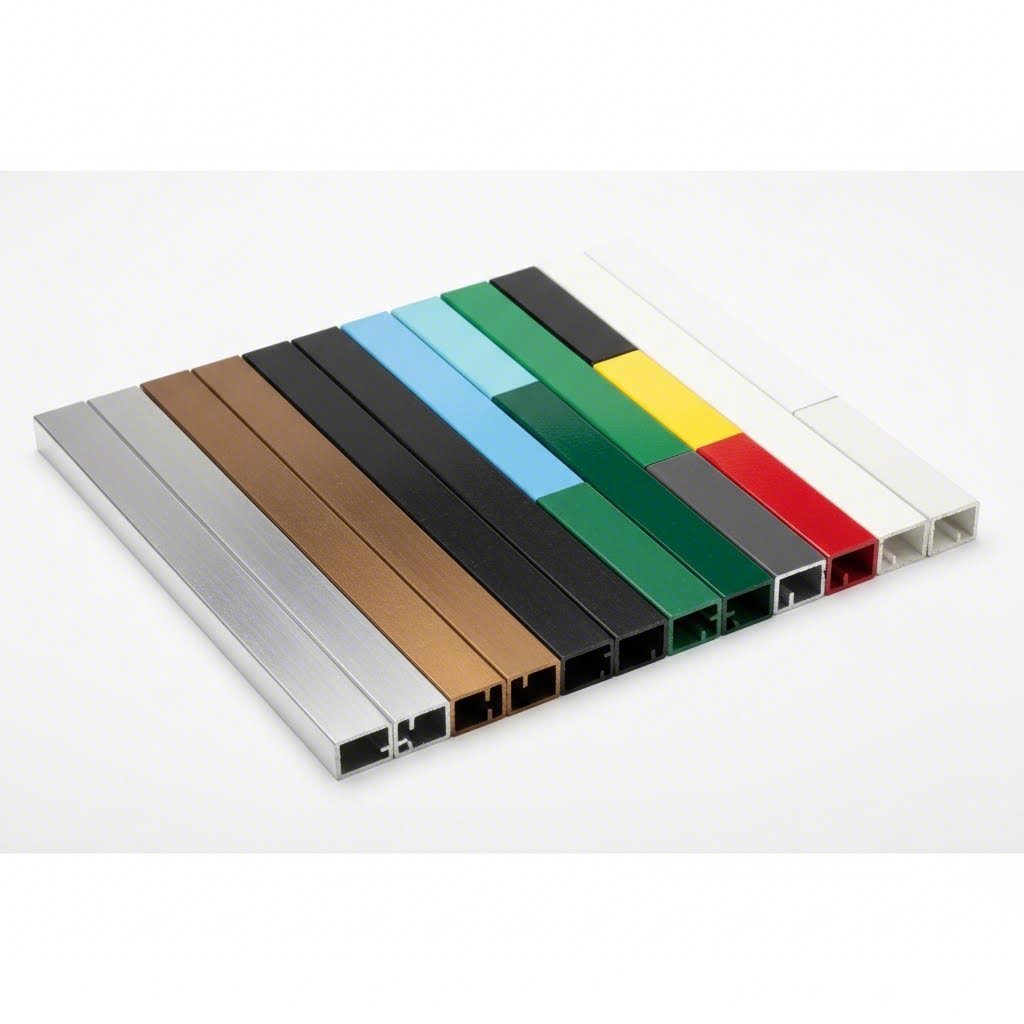
Your custom aluminum profiles emerge from the press with a natural mill finish—functional, but rarely ready for their final application. Surface treatment transforms raw extrusions into durable, visually appealing components that meet architectural specifications, resist environmental degradation, and align with your project's aesthetic vision. But here's the catch: finishing choices significantly impact both your upfront aluminum extrusion cost and long-term ownership economics.
According to Ya Ji Aluminum's 2025 cost analysis, surface treatments typically represent 5-15% of total extrusion cost—a seemingly modest percentage that can translate to substantial dollars at volume. More importantly, the right finish selection can dramatically reduce lifecycle costs through extended service life and minimized maintenance.
Two finishing methods dominate the custom extruded aluminum profiles market: anodizing and powder coating. Each offers distinct advantages, and understanding their cost implications helps you make smarter specification decisions.
Anodizing creates a protective oxide layer that's actually integrated with the aluminum surface—not merely applied on top. This electrochemical process typically costs $0.10-$0.30 per kilogram depending on coating thickness and color requirements. The result? A finish that won't peel, chip, or flake because it's become part of the metal itself.
Powder coating applies a dry powder electrostatically, then cures it under heat to form a tough, uniform layer. Costs range from $0.20-$0.50 per kilogram for standard colors, with the trade-off being a broader color palette and textured finish options that anodizing simply cannot match.
As Xometry's technical comparison explains, powder coating often has higher initial equipment and setup costs, but can prove more cost-effective for large-scale projects. Anodizing typically has lower entry costs but may become more expensive when custom colors are required.
| Characteristic | Anodizing | Powder Coating |
|---|---|---|
| Cost per kg | $0.10-$0.30 | $0.20-$0.50 |
| Color Options | Limited (clear, bronze, black) | Virtually unlimited |
| Scratch Resistance | Excellent—integrated layer | Good—may chip under impact |
| Corrosion Protection | Superior—especially coastal areas | Very good—sealed surface |
| Best Applications | Architectural, marine, aerospace | Consumer products, decorative uses |
When standard finishes won't meet your project requirements, specialty treatments enter the picture—along with their premium price tags. Understanding when these upgrades deliver genuine value versus unnecessary cost helps you optimize your bespoke aluminium profiles budget.
PVDF (Polyvinylidene Fluoride) coatings represent the premium tier for architectural applications. According to Prance Building's analysis, PVDF coatings offer exceptional weather resistance, superior color and gloss retention, and outstanding resistance to chalking, fading, UV degradation, and airborne chemicals. The cost? Typically $0.50-$1.00+ per kilogram—significantly higher than standard options, but often justified for high-rise buildings or structures in harsh environmental conditions.
Here's the finishing options hierarchy from most economical to premium:
Sounds expensive to upgrade finishes? Consider this: the cheapest upfront option rarely delivers the lowest total cost over your project's lifecycle. This total cost of ownership perspective transforms how smart buyers evaluate finishing decisions.
PVDF-coated aluminum panels, while initially pricier, maintain their original appearance for decades—significantly reducing repainting and maintenance costs. For a building facade expected to last 30+ years, that premium coating investment often proves more economical than repeated maintenance cycles on standard finishes.
The same principle applies to anodizing versus powder coating in corrosive environments. A coastal installation might see powder coating degrade within 5-7 years, requiring costly refinishing. Anodized profiles in the same location typically maintain performance for 15-20+ years without intervention.
When evaluating finishing costs, factor in these long-term considerations:
Custom colors and specialty finishes command premium pricing for good reason—they require specialized equipment, smaller batch processing, and often extended lead times. A standard white powder coat might add $0.25/kg, while a custom-matched RAL color could push that to $0.40-$0.50/kg due to color formulation, quality verification, and reduced batch efficiency.
With surface treatment costs properly understood, the next critical factor to examine is geographic sourcing—where the decision between domestic and overseas suppliers affects not just pricing, but lead times, quality control, and your true landed cost.
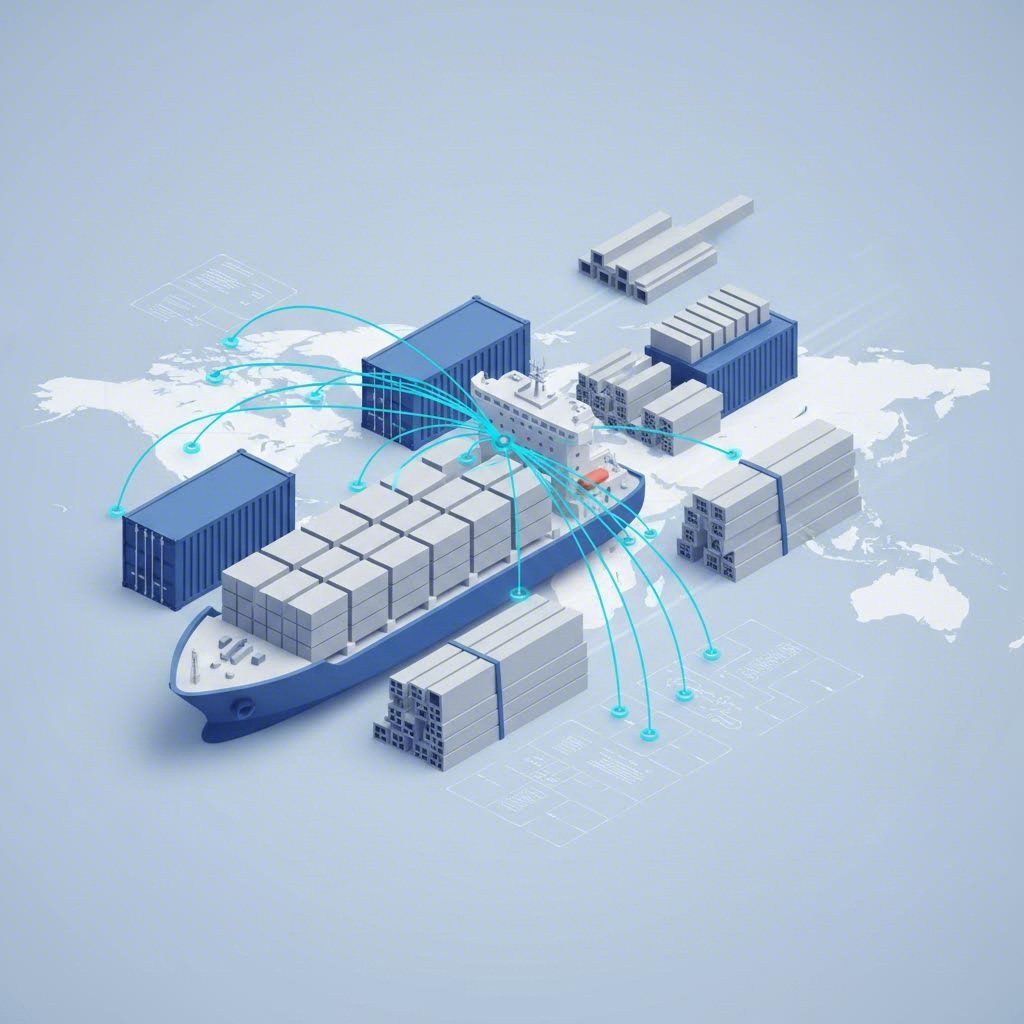
You've optimized your profile design, selected the right alloy, and specified an appropriate finish. Now comes a decision that can swing your total project cost by 20-45%: where do you source your custom aluminum extrusion suppliers? Geographic sourcing isn't just about finding the lowest quote—it's about calculating true landed cost while balancing lead times, quality assurance, and communication efficiency.
Here's the reality many buyers discover too late: a compelling per-kilogram price from overseas can evaporate once you factor in tariffs, freight, customs delays, and quality control challenges. Conversely, domestic premium pricing often includes hidden value through faster response times, simplified logistics, and reduced inventory carrying costs.
What drives the price differences between custom aluminum extruders in different regions? Three primary factors create the geographic cost landscape:
Labor costs vary dramatically across manufacturing regions. North American and Western European facilities operate with higher wage structures but often compensate through automation, skilled workforce efficiency, and reduced rework rates. Asian manufacturers typically offer lower base labor costs, though this advantage has narrowed significantly as wages in major manufacturing hubs like China have risen steadily.
Energy costs directly impact extrusion economics since aluminum processing is energy-intensive. According to Simmal's 2025 supply chain analysis, European smelters have reduced output dramatically, with more than 50% of smelting capacity idle due to high electricity costs. This energy price volatility has driven up European premiums even when global base prices ease.
Regulatory compliance adds another layer. Environmental regulations, worker safety requirements, and quality certifications vary by region. Suppliers meeting ISO 9001, IATF 16949 (automotive), or AS9100 (aerospace) standards invest significantly in compliance infrastructure—costs that appear in their pricing but deliver documented quality assurance.
The quote on your desk represents just the starting point. True landed cost—what you actually pay to have usable extrusions at your facility—includes multiple additional components that savvy procurement professionals track carefully.
Consider this breakdown for a typical international shipment:
As Ya Ji Aluminum notes, overseas production may reduce unit prices but adds logistical complexity and delay. Local sourcing generally offers shorter lead times, lower shipping costs, and easier quality control—but at higher production rates. The key is evaluating total landed cost, not just ex-works pricing.
When evaluating custom aluminum extruders across regions, this comparison framework helps structure your decision:
| Factor | North America | Western Europe | China | Southeast Asia (Vietnam) |
|---|---|---|---|---|
| Typical Lead Time | 2-4 weeks | 3-5 weeks | 6-10 weeks (including shipping) | 5-8 weeks (including shipping) |
| Shipping Cost Impact | Low (domestic) | Moderate (EU internal) | High (ocean freight + duties) | Moderate-High |
| Quality Control | Direct oversight possible | Direct oversight possible | Remote—requires third-party inspection | Remote—improving infrastructure |
| Communication | Same timezone, language | Minimal timezone gap | 12+ hour difference, language barriers | 10+ hour difference |
| Metric Aluminum Extrusion | Available, may require specification | Standard | Standard | Standard |
Notice the trade-offs emerging? Lowest unit price rarely equals lowest total cost. A North American buyer might save 15-20% on per-kilogram pricing from Asian sources, only to lose those savings through extended lead times requiring larger safety stock, quality issues requiring rework, or communication delays extending project timelines.
The China sourcing question deserves specific attention given current trade dynamics. According to Ghonor's 2025 comparative analysis, U.S. tariffs on Chinese aluminum extrusions have reached cumulative levels of up to 70% when Section 232, Section 301, and supplementary duties combine.
Here's what this means practically:
This tariff landscape has accelerated supply chain diversification. Many buyers now source from Vietnam, Thailand, or India to capture manufacturing cost advantages while avoiding punitive China-specific duties. However, these alternatives come with their own considerations—Vietnam, for instance, relies on imported aluminum ingots from Australia and Malaysia, adding raw material logistics complexity.
Beyond tariffs, logistics itself represents a significant and often underestimated cost component. Packaging specifications, transport methods, and delivery requirements all affect your final expense.
As industry analysis confirms, the method of packaging—bulk versus crated, interleaved versus shrink-wrapped—affects shipping volume and handling costs. Sea freight proves economical for large orders, while air freight accelerates timelines at a substantial premium.
Custom packaging requirements for scratch-free delivery, humidity protection, or specialized crating add cost per shipment. For metric aluminum extrusion orders destined for precision applications, these packaging investments often prove essential to avoid damage-related rework.
UK-specific factors illustrate how regional logistics challenges compound costs. According to Simmal's analysis, Brexit-related customs requirements have added costs and delays even though tariffs were avoided. Transport issues persist with driver shortages making domestic deliveries slower and more expensive.
Smart procurement strategy increasingly emphasizes supply chain resilience over pure cost optimization. Many buyers now maintain relationships with multiple regional suppliers, balancing cost efficiency against risk mitigation.
Consider these approaches:
Understanding geographic sourcing and logistics considerations positions you to make informed supplier selection decisions. With this foundation in place, you're ready to examine how aluminum extrusion compares against alternative manufacturing methods—a critical analysis for determining when extrusion delivers the best value for your specific application.
You've mapped out material costs, tooling investments, processing variables, finishing options, and sourcing strategies. But here's a question that should come even earlier in your planning process: is aluminum extrusion actually the right manufacturing method for your application? Comparing custom aluminium extrusions against alternatives like steel fabrication, plastic injection molding, and die casting reveals when extrusion delivers unbeatable value—and when other methods might serve you better.
This isn't about declaring a universal winner. Each manufacturing process excels in specific scenarios, and understanding these trade-offs helps you allocate your budget where it delivers maximum return.
Aluminum extrusion shines brightest in applications requiring linear profiles with consistent cross-sections. Think structural framing, heat sinks, curtain wall mullions, or conveyor system rails. The physics of the process—forcing heated aluminum through a shaped die—naturally produces these continuous profiles more efficiently than any alternative.
According to strength testing comparisons, extruded aluminum parts consistently outperform cast equivalents under load. The extrusion process aligns metal grains along the part's length, boosting directional strength. In fatigue tests, extruded parts survived more than 500,000 cycles while cast components failed closer to 300,000 due to internal voids growing into cracks.
Here's where extrusion typically wins on cost-effectiveness:
As Silver City Aluminum explains, the force used to extrude aluminum makes it even more compressive, enhancing its natural strength and durability. Custom extrusion dies can provide a high extrusion ratio, enabling complex shapes that would otherwise require welding multiple parts together.
Choosing your manufacturing method requires balancing multiple factors beyond simple unit cost. This comparison framework helps structure your decision:
| Factor | Aluminum Extrusion | Die Casting | Plastic Injection Molding | Steel Fabrication |
|---|---|---|---|---|
| Tooling Cost | $300–$5,000 (relatively inexpensive) | $5,000–$100,000+ (expensive) | $10,000–$100,000+ (expensive) | Minimal (fixtures only) |
| Tooling Lead Time | 2–4 weeks (short) | 8–16 weeks (long) | 8–12 weeks (long) | 1–2 weeks (very short) |
| Per-Unit Cost at Volume | Low–Medium | Low (at high volumes) | Very Low (at high volumes) | Medium–High |
| Design Flexibility | 2D cross-section, any length | Full 3D complexity | Full 3D complexity | Limited by fabrication methods |
| Strength-to-Weight | Excellent | Good (porosity concerns) | Low–Variable | Good (but heavy) |
| Corrosion Resistance | Excellent (self-healing oxide layer) | Good | Excellent | Poor (requires coating) |
| Recyclability | High (retains properties) | High | Low (loses properties) | High |
Notice the tooling economics highlighted by the Aluminum Extruders Council: extrusion tooling is relatively inexpensive, with simple shapes costing only a few hundred dollars and featuring short lead times. Compare this to casting or injection molding where tooling investments reach tens of thousands of dollars with months-long lead times.
When does each method make financial sense? The break-even point depends on your production volume, part complexity, and material requirements.
Aluminum extrusion custom projects typically become cost-effective at 500–1,000+ units for simple profiles. The relatively low die investment amortizes quickly, and per-unit costs stabilize at attractive levels. For complex aluminum extrusion custom designs requiring multi-void dies, the break-even point may shift to 2,000–5,000 units.
Die casting demands higher volumes to justify its expensive tooling. According to comparative analysis, casting tooling costs more than extrusion, but per-part cost evens out in complex or high-volume scenarios due to minimal machining requirements. Expect break-even at 10,000+ units for most applications.
Plastic injection molding offers the lowest per-unit costs at very high volumes (50,000+ units), but material properties differ dramatically. Tensile strength varies from 0.08 to 0.8 that of aluminum for glass-filled compounds, making plastics unsuitable for structural applications.
Steel fabrication wins for low-volume, one-off, or highly customized projects where tooling investment cannot be justified. However, steel weighs approximately three times as much as aluminum—a critical factor for transportation equipment or portable applications where weight matters.
Here's a cost consideration many procurement teams overlook: end-of-life value and sustainability credentials. These factors increasingly influence total cost of ownership calculations and project specifications.
Aluminum stands apart in recyclability. According to the Aluminum Extruders Council, aluminum has high scrap value and is routinely reprocessed to generate new extrusions without losing properties. This creates tangible economic benefits:
Compare this to plastics, where the material comparison data notes that plastic is routinely reprocessed but loses properties, with reprocessed material added to new stock rather than maintaining original specifications. Low scrap value makes plastic recycling economically challenging.
Steel offers good recyclability but requires energy-intensive processing. For organizations tracking carbon footprints, recycled aluminum requires only 5% of the energy needed to produce primary aluminum—a significant sustainability advantage.
So when should you choose aluminum extrusion over alternatives? Consider these decision guidelines:
Choose aluminum extrusion when:
Consider alternatives when:
Understanding these trade-offs positions you to select the manufacturing method that delivers optimal value for your specific requirements. With this comparative foundation established, you're ready to explore practical strategies for reducing costs within your chosen approach—negotiation tactics, design optimization, and supplier relationship strategies that directly impact your bottom line.

You've analyzed material pricing, tooling investments, processing complexities, finishing options, geographic sourcing, and manufacturing alternatives. Now comes the question every procurement professional asks: how do I actually reduce aluminum extrusion cost without sacrificing quality or reliability? The answer lies in strategic design choices, smart negotiation tactics, and building supplier relationships that unlock pricing advantages unavailable to transactional buyers.
Here's the reality: custom aluminum extrusion cost isn't fixed. Suppliers build flexibility into their pricing structures, and buyers who understand where that flexibility exists can capture savings of 15-30% compared to those who simply accept first quotes. Let's explore the practical strategies that deliver real results.
The most powerful cost reduction decisions happen before you ever request a quote. Design-for-manufacturability (DFM) principles can dramatically reduce aluminum extrusion pricing strategies by simplifying production, minimizing waste, and eliminating secondary operations.
According to American Douglas Metals' engineering analysis, raw material expenses constitute 90% of basic extrusion costs—meaning design decisions that reduce material usage deliver outsized savings. Their research also reveals that breaking intricate profiles into simpler components enhances manufacturability and cost-effectiveness.
Consider these design optimization principles:
As Profile Precision Extrusions recommends, working directly with engineers during the design phase helps simplify profiles, select cost-effective tolerances, and avoid costly secondary machining. Early collaboration with your extrusion partner can identify modifications that maintain functionality while reducing manufacturing complexity.
Sounds counterintuitive, but specifying tighter tolerances than necessary is one of the most common—and costly—mistakes buyers make. Every tolerance band beyond standard specifications triggers additional processing time, quality checkpoints, and potential scrap.
Ask these questions for each dimension on your drawing:
Standard ASTM B221 tolerances (typically ±0.25mm) accommodate most applications. Restricting tight-tolerance callouts to only critical mating surfaces can reduce aluminum extrusion costs by 10-25% compared to over-specified drawings.
Armed with a cost-optimized design, you're ready to negotiate effectively with custom extruders. Successful negotiation isn't about demanding lower prices—it's about structuring arrangements that reduce supplier risk and cost, enabling better pricing for both parties.
According to GoldApple Aluminum's contract guidance, negotiating competitive pricing requires considering factors such as volume, order frequency, and material specifications. Here's how to apply these principles:
Volume commitments unlock better pricing. Suppliers face fixed costs in die maintenance, quality systems, and administrative overhead. When you commit to predictable volumes, you reduce their risk and earn pricing advantages:
Timing affects pricing more than most buyers realize. Extrusion facilities operate on production schedules with varying capacity utilization. Ordering during slower periods (often Q1 and mid-summer) may secure better rates than peak-demand seasons. Flexible delivery windows give suppliers scheduling options that translate to cost savings passed back to you.
Payment terms create negotiating leverage. According to industry negotiation guidance, discussing payment methods, timelines, and potential discounts for bulk orders or long-term contracts represents a key negotiation area. Early payment discounts (2-3% for payment within 10 days) or extended terms for larger commitments can meaningfully impact total cost.
Transactional buying—requesting quotes from multiple suppliers for each order—rarely delivers the best pricing over time. Building strategic supplier relationships creates value through:
As Profile Precision Extrusions notes, even with no minimum order requirements, bundling or forecasting production runs can help optimize die longevity and reduce the per-part cost over time.
Before submitting your next RFQ, review this actionable checklist to ensure you're positioned for optimal pricing:
Large-scale construction and industrial projects require disciplined budget planning that accounts for aluminum extrusion cost variability. Consider these approaches:
Material cost contingency: Given LME price volatility, budget 5-10% contingency for material cost fluctuations on projects with extended timelines. Alternatively, negotiate index-based pricing or fixed-price agreements with your supplier.
Tooling capitalization: For custom profiles used across multiple projects, capitalize die investments and amortize across expected lifetime production. This accounting approach provides more accurate project-level costing.
Total cost of ownership modeling: Extend your analysis beyond purchase price to include installation labor, maintenance requirements, and expected service life. A premium finish that eliminates repainting over 20 years often proves more economical than lower-cost alternatives requiring periodic maintenance.
One often-overlooked cost reduction strategy involves supplier selection based on vertical integration. When you work with custom extruders offering end-to-end capabilities—from die development through extrusion, machining, and surface treatment—you eliminate coordination costs between multiple vendors.
Consider the hidden costs of fragmented supply chains:
Suppliers with comprehensive in-house capabilities—like Shengxin Aluminium, whose facility houses 35 extrusion presses ranging from 600T to 5500T alongside CNC machining centers—streamline this entire process. Their integrated service model covers die development through mass production, with surface treatment options including anodizing, powder coating, and PVDF available under one roof. This consolidation reduces coordination complexity while providing single-point accountability for quality and delivery.
For buyers seeking factory-direct pricing on custom extrusions with end-to-end support, integrated suppliers eliminate the hidden costs of managing multiple vendor relationships.
With these practical cost reduction strategies in your toolkit, you're equipped to optimize spending while maintaining quality and performance requirements. The final step is consolidating everything you've learned into a systematic cost estimation framework—ensuring you can accurately budget projects and effectively compare quotes from potential suppliers.
You've explored the nine critical factors driving aluminum extrusion cost—from LME-based material pricing through tooling investments, processing complexities, finishing options, geographic sourcing, and manufacturing alternatives. Now it's time to synthesize everything into a practical decision-making framework you can apply to every project, every quote request, and every supplier evaluation.
Think of this framework as your procurement compass. Rather than reacting to quotes, you'll proactively model costs, identify optimization opportunities, and compare suppliers on equal footing. This buyer-focused approach transforms you from a passive price-taker into a strategic sourcing professional who understands exactly where your budget goes.
Accurate aluminum extrusion cost estimation requires systematically accounting for each cost layer. Miss one component, and your budget projections fall short. Capture them all, and you'll forecast expenses with confidence.
Here's the step-by-step process for estimating total project cost:
This structured approach reveals cost drivers that single-number quotes obscure. When a supplier quotes $4.50 per kilogram, you'll understand whether that reflects competitive material sourcing, efficient processing, or simply incomplete scope.
The most critical insight for extrusion project budgeting: balance your upfront tooling investment against per-unit costs at projected volumes. A $3,000 die adds $3.00 per unit at 1,000 pieces but only $0.03 at 100,000 pieces—transforming what looks expensive into negligible overhead at scale.
Your aluminum extrusion quote comparison accuracy depends entirely on the information you provide and request. Incomplete RFQs generate incomparable responses, making supplier selection guesswork rather than analysis.
When requesting quotes, include:
When comparing responses, normalize quotes to identical scope. One supplier's "all-in" price may include finishing while another quotes extrusion only. Create a comparison matrix breaking out material, tooling, processing, finishing, and logistics separately. This reveals where each supplier delivers value—and where they're less competitive.
After examining all nine cost factors, these principles should guide your total cost of ownership extrusion decisions:
Smart extrusion project budgeting means thinking beyond the quote on your desk. What does this profile cost to install? To maintain? To replace at end of life? These questions reveal total cost of ownership that separates good procurement from great procurement.
For buyers ready to explore custom extrusion options with full cost transparency, working with vertically integrated suppliers simplifies the estimation process. Rather than coordinating quotes from separate extrusion, machining, and finishing vendors, integrated partners provide comprehensive project pricing upfront.
Suppliers like Shengxin Aluminium offer technical support spanning die development through mass production, with surface treatment options including anodizing, powder coating, and PVDF available under one roof. This end-to-end capability enables accurate total project cost estimation from the initial inquiry—eliminating the surprises that fragmented supply chains create.
Armed with this complete cost estimation framework, you're positioned to budget accurately, negotiate effectively, and select suppliers who deliver genuine value. The nine factors that make or break your quote are no longer mysteries—they're tools you control.
Aluminum extrusion pricing typically ranges from $2.50 to $8.00 per kilogram depending on region, alloy, complexity, and finishing requirements. In the U.S., prices often range from $1.60 to $3.50 per pound for basic extrusions, while Canadian pricing averages $3 to $8 per pound. These figures reflect base extrusion costs—add 5-15% for surface treatments like anodizing or powder coating, plus die costs that range from $300 to $5,000 for custom profiles.
Several factors drive aluminum extrusion costs: raw material prices tied to the London Metal Exchange (representing 40-60% of total cost), custom die tooling investments, labor shortages affecting production capacity, energy-intensive manufacturing processes, and surface finishing requirements. Regional premiums, tariffs on imported extrusions, and tight tolerance specifications further increase expenses. However, at higher production volumes, per-unit costs drop significantly as tooling investments amortize across more pieces.
Aluminum extrusion die costs vary based on complexity and size. Simple solid dies for basic shapes like angles and flat bars cost $300-$800. Semi-hollow dies range from $800-$1,500, while hollow dies for tubes and rectangular sections cost $1,000-$3,000. Complex multi-cavity dies can exceed $5,000. Dies for large profiles made on 2,000-4,000 ton presses may reach $2,000 or higher. Die ownership typically remains with the customer for reorders without additional tooling charges.
Custom aluminum extrusion offers significant cost advantages for linear profiles with consistent cross-sections at medium-to-high volumes (1,000+ units). Tooling costs ($300-$5,000) are far lower than die casting ($5,000-$100,000+) or injection molding ($10,000-$100,000+), with shorter lead times of 2-4 weeks versus 8-16 weeks. Extrusion becomes cost-effective when you need continuous lengths, strength-to-weight optimization, and integrated features that eliminate secondary operations.
Reduce costs through design optimization—simplify profile geometry, maintain uniform wall thickness, and specify tight tolerances only where functionally necessary. Volume commitments unlock better pricing, with significant per-unit savings at 1,000+ quantities. Consider standard dies from supplier catalogs to eliminate custom tooling costs. Work with vertically integrated suppliers like Shengxin Aluminium offering end-to-end capabilities from die development through finishing, reducing coordination costs and providing single-point pricing transparency.



 online service
 0086 136 3563 2360
 sales@sxalu.com
 +86 136 3563 2360
 English
 français
 Deutsch
 русский
 español
 português
 العربية
 ไทย
 Việt
 Українська