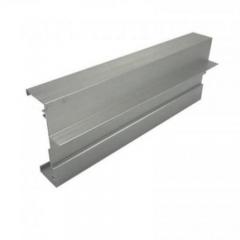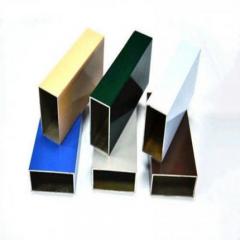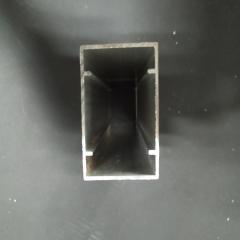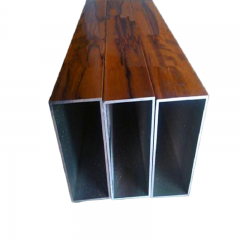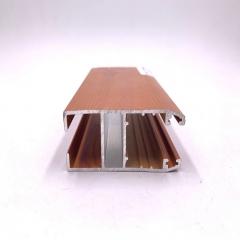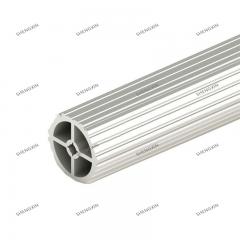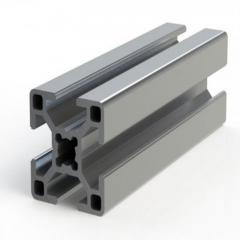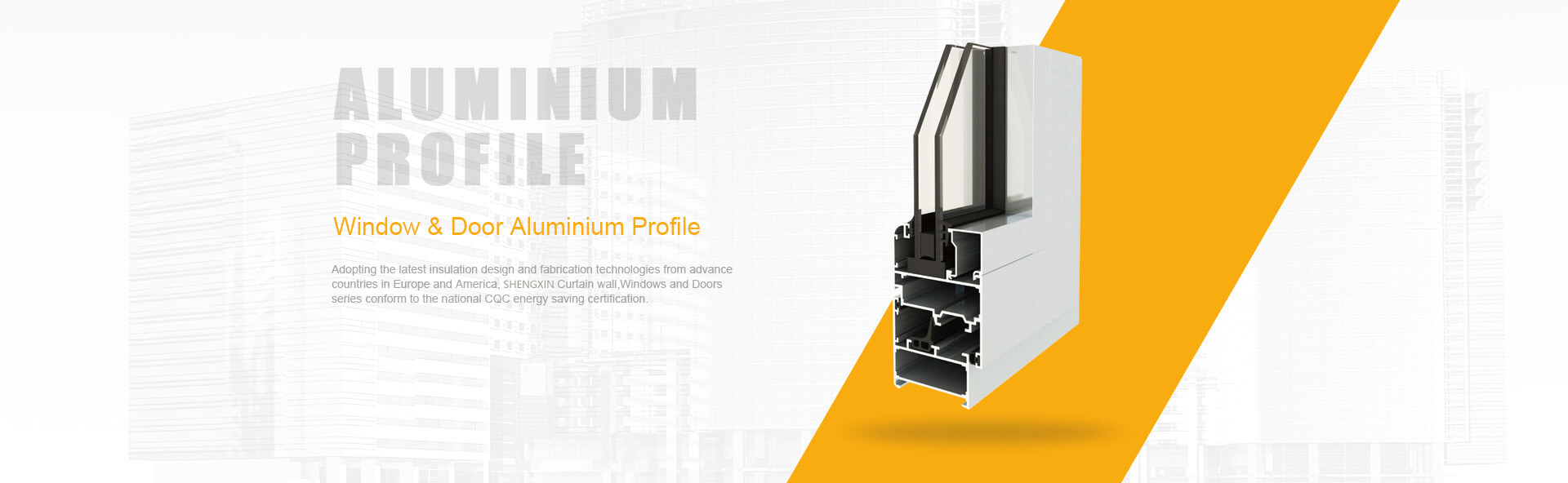
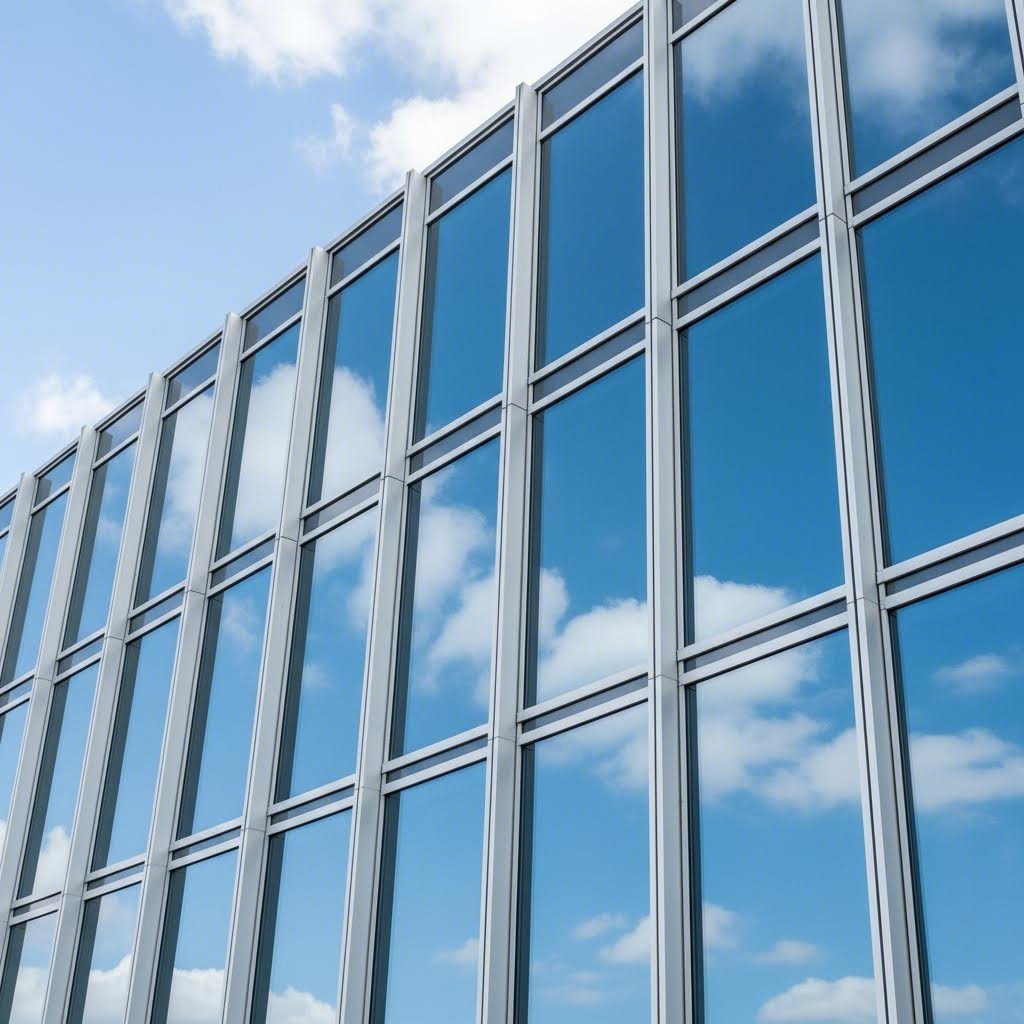
Have you ever wondered what holds those stunning floor-to-ceiling glass panels in place? Or how architects achieve those impossibly sleek window frames that seem to disappear into the structure? The answer lies in aluminum extrusions for glass—precision-engineered profiles that have quietly revolutionized modern construction.
Simply put, aluminum extrusions are aluminum products manufactured by pushing heated metal through a shaped die to create precise profiles. These profiles serve as the framework that holds, supports, and frames glass panels in everything from residential windows to towering commercial curtain walls. Think of it like squeezing Play-Doh through a star-shaped mold—except on an industrial scale with temperatures reaching around 900 degrees Fahrenheit and hydraulic pressure of approximately 3,600 tons.
When you're selecting materials to frame glass, the options seem endless. Yet aluminum consistently outperforms the competition. Why? It comes down to a unique combination of properties that no other material can match.
Aluminum is lightweight, corrosion-resistant, and incredibly resilient. Its strength-to-weight ratio is exceptional, and unlike many alternatives, it's non-combustible and non-toxic—making it ideal for glass framing applications where safety and longevity matter.
The extruded frame you see in modern glass installations offers something vinyl and steel simply cannot match: infinite recyclability. According to The Aluminum Association, nearly 75 percent of all aluminum ever produced remains in use today, with recycling rates in building applications exceeding 90 percent. This sustainability factor, combined with aluminum's ability to achieve virtually any color through anodizing or powder coating, makes it the go-to choice for architects worldwide.
Beyond aesthetics, aluminum extrusions excel at creating narrow sightlines—those ultra-thin frames that maximize your view through the glass. As the trend toward all-glass facades and unobstructed views continues to grow, aluminum's ability to be extruded into complex shapes gives designers nearly limitless creative freedom.
Understanding how your extrusion frame is made helps you appreciate why quality matters. The process begins with aluminum logs that undergo heating until they become malleable. These logs are then cut into smaller pieces called billets.
Here's where the magic happens: a hydraulic ram forces the heated billet through a custom-designed die—essentially a steel template cut to the exact cross-sectional shape needed for your glass application. Whether you need a simple U-channel or a complex extruded aluminum housing for LED-integrated glass systems, the die determines the final profile geometry.
After extrusion, the aluminum cools on specialized racks before undergoing additional processing. Some manufacturers add an extra homogenization step before extrusion to eliminate impurities and improve metallurgical consistency. This attention to quality ensures the item extruded aluminium maintains consistent properties throughout—critical when you're relying on these profiles to securely hold glass panels for decades.
The resulting aluminum extrusion can be customized in virtually any shape, size, or finish. From sleek minimalist designs to intricate geometric patterns, the only real limitation is your imagination.
What most guides miss—and what this article will cover comprehensively—is the critical connection between alloy selection, thermal performance, and specific glass applications. You'll discover why the right aluminum alloy can slash your energy costs, which profile types work best for different glass thicknesses, and how thermal break technology transforms standard frames into high-performance building envelopes. Ready to dive deeper? Let's explore the alloy secrets that separate average installations from exceptional ones.
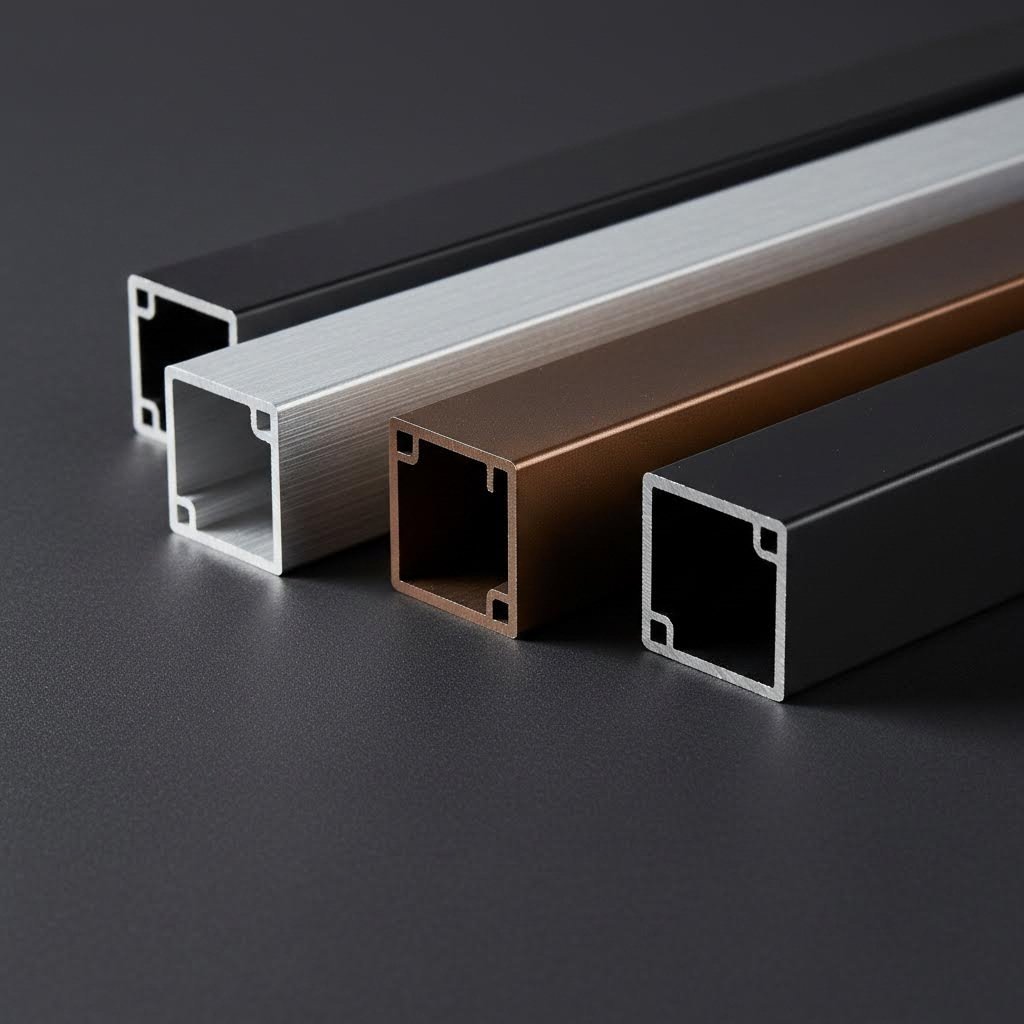
Choosing the right aluminum alloy for your glass project might sound like a minor detail—but it's actually one of the most consequential decisions you'll make. The wrong alloy can lead to premature corrosion, surface finish problems, or structural inadequacy. The right one? It ensures your aluminum window extrusions perform flawlessly for decades.
Most competitors gloss over alloy selection, treating it as an afterthought. But here's the reality: the alloy you choose directly impacts strength, appearance, finishing options, and even energy efficiency. Let's break down exactly what you need to know.
If you've admired sleek aluminum frame extrusions on modern buildings, you've likely been looking at 6063 aluminum. Often called "architectural aluminum," this alloy has earned its reputation as the industry standard for visible glass framing applications.
What makes 6063 special? According to Gabrian International, this alloy has been specifically optimized for extrudability, meaning it flows beautifully through dies to create complex, precise profiles with exceptional surface quality. When your aluminum window frame extrusions will be visible—think storefront glazing, interior glass partitions, or residential windows—surface appearance matters immensely.
The chemical composition tells the story. With magnesium content between 0.45 and 0.9% and silicon between 0.2 and 0.6%, 6063 strikes an ideal balance. Lower alloying elements compared to structural grades mean easier extrusion and smoother finishes. This translates directly to better anodizing results—whether you want clear, bronze, black, or custom colors.
Corrosion resistance is another standout feature. Because 6063 contains minimal copper (less than 0.1%), it resists atmospheric corrosion better than higher-strength alternatives. For aluminum extrusions for panels exposed to weather or humidity, this longevity advantage becomes critical.
Sounds simple—just use 6063 everywhere, right? Not quite. When structural demands increase, you need to consider stronger alternatives.
6061 Aluminum: The Structural Workhorse
Known as "structural aluminum," 6061 delivers higher strength when glass installations face significant loads. Its yield strength reaches approximately 276 MPa in T6 temper—notably higher than 6063's 240 MPa, according to data from Yaji Aluminum.
When should you specify 6061 for your aluminium window extrusions? Consider it for structural framing supporting large glass facades, high-stress applications like overhead glazing, or any installation where engineering calculations demand enhanced load capacity. The trade-off? Slightly reduced extrudability and surface finish quality compared to 6063—though for many structural applications, aesthetics take a back seat to performance.
One important note: 6061 contains copper (around 0.28%), which boosts strength but marginally reduces corrosion resistance. For exterior applications, appropriate surface treatments become even more important.
6005A Aluminum: The Structural Extrusion Specialist
Here's an alloy many competitors never mention: 6005A. This medium-strength structural alloy bridges the gap between 6063's extrudability and 6061's strength. With yield strength around 260 MPa, it handles demanding structural glass walls while remaining more extrusion-friendly than 6061.
What sets 6005A apart is its excellent weldability—critical for aluminum extrusion panels that require field assembly or custom fabrication. If your project involves modular glass wall systems or requires extensive welding, 6005A deserves serious consideration.
Selecting the right alloy requires understanding how each performs across multiple criteria. The following comparison helps you match alloy properties to your specific glass application requirements:
| Property | 6063-T6 | 6061-T6 | 6005A-T6 |
|---|---|---|---|
| Yield Strength | ~240 MPa | ~276 MPa | ~260 MPa |
| Tensile Strength | ~270 MPa | ~310 MPa | ~310 MPa |
| Formability/Extrudability | Excellent | Moderate | Good |
| Surface Finish Quality | Excellent | Good | Good |
| Corrosion Resistance | Excellent | Good (copper reduces slightly) | Good |
| Weldability | Good | Good | Excellent |
| Anodizing Quality | Exceptional | Good | Good |
| Typical Glass Applications | Window frames, storefronts, interior partitions, decorative glazing | Structural facades, high-load curtain walls, overhead glazing | Structural glass walls, modular systems, welded assemblies |
Your alloy decision echoes throughout the project's lifespan. Consider these downstream effects:
Surface Treatment Compatibility: If you're planning decorative anodizing with custom colors, 6063 produces superior results. Its low iron and manganese content creates more uniform, aesthetically pleasing finishes. For powder coating applications, all three alloys perform well—though 6063's smoother base surface often yields the best final appearance.
Fabrication Flexibility: Need extensive CNC machining? 6061 offers excellent machinability. Require complex thin-wall profiles? 6063's superior extrudability handles intricate shapes that would challenge other alloys. Planning welded connections? 6005A's weld zone retains strength better than alternatives.
Climate Considerations: Coastal installations or humid environments demand maximum corrosion resistance—pointing toward 6063. Industrial areas with chemical exposure may require additional protective coatings regardless of alloy choice.
The bottom line? Don't accept generic alloy recommendations. Match your aluminum alloy to your specific glass application's structural requirements, aesthetic demands, and environmental conditions. This thoughtful approach to alloy selection sets the foundation for everything that follows—from profile design to finishing to installation.
Now that you understand which alloys work best for different scenarios, let's explore the specific profile types and shapes that secure glass panels in various applications.
You've selected your alloy—now what? The next critical decision involves choosing the right profile shape to securely hold your glass panels. Think of profiles as the hands that grip, support, and protect every piece of glass in your installation. Choose wisely, and your system performs flawlessly. Choose poorly, and you're facing leaks, rattling panels, or worse—glass failure.
When browsing an extruded aluminum shapes catalog, the options can feel overwhelming. Channels, angles, tubes, custom profiles—each serves distinct purposes. Let's demystify the essential profile categories you'll encounter in glass framing applications.
Channel profiles form the backbone of most glass installations. According to Hydro Extrusion, these extruded aluminum sections are strips of metal formed into specific shapes designed for framing, protection, and decoration. Here are the primary channel types you'll work with:
U-Channel (Glazing Channel)
The workhorse of glass installations, U-channels form the shape of the letter "U" with two equal-sized legs connected by a bottom surface. They're your go-to choice for securing glass panel edges to walls, ceilings, or floors. C.R. Laurence offers glazing channels sized to accommodate standard glass thicknesses including 3/8 inch, 1/2 inch, 5/8 inch, and 3/4 inch—ensuring you can match channel dimensions precisely to your glass specifications.
H-Channel
When you need to join two glass panels edge-to-edge, H-channels provide the solution. Imagine two U-channels connected back-to-back, creating a central web with channels opening on opposite sides. Each panel slides into its respective channel, creating clean, minimal joints between glass sections—perfect for interior partitions and continuous glass walls.
C-Channel (Architectural Angle)
Similar to U-channel but with shorter sides relative to the bottom width, C-channels offer versatility for trim applications and lighter-duty glass retention. They're frequently used as aluminum extrusion trim around door frames and window openings where full U-channel depth isn't required.
J-Channel
Resembling the letter "J," this profile excels at edge protection and decorative trim applications. According to Hydro Extrusion, J-channels commonly appear in mirror installations, door and window trim, and finishing details where a single-sided retention approach works best.
Hat Channel
With a cross-section resembling a top hat's profile—horizontal flanges, vertical legs, and a flat top surface—hat channels serve specialized structural functions. C.R. Laurence notes that their hat channels support monolithic tempered glass in thicknesses from 3/8 inch to 1/2 inch, with glass secured using silicone sealant for high-performance entryway systems.
Z-Channel
Shaped like the letter "Z," these profiles provide supports, reinforcements, and hinge points. They're commonly found in display cases, showcases, and wall-mounted installations where pivoting or hinged glass doors are required.
Modern architecture increasingly demands minimal visible framing—or none at all. This is where specialized profiles and custom extrusions shine. According to research from Haomei Aluminum, aluminum extrusion enables the creation of lean, sharp-edged profiles that amplify the modernist appeal of frameless glass partitions while providing essential structural support.
Frameless glass systems don't actually eliminate aluminum entirely—they minimize its visibility. Custom extruded profiles hide within floors, ceilings, or adjacent structures, providing secure retention without interrupting sightlines. These systems rely on precision-engineered aluminium extrusion rail profiles that accept gaskets or silicone sealant for glass retention.
Understanding which profiles suit specific applications streamlines your specification process. Here's a practical breakdown:
Here's something many aluminum shapes catalog listings don't emphasize enough: tolerances determine success or failure in glass applications. Glass panels are manufactured to precise dimensions—typically within 1/16 inch or tighter. Your aluminium extrusion trim and channel profiles must accommodate these dimensions while allowing for gaskets, sealants, and thermal movement.
What happens when tolerances slip? Undersized channels won't accept your glass panels. Oversized channels create gaps that compromise weathersealing and allow panel movement. Either scenario leads to callbacks, rework, and frustrated clients.
The difference between wet glaze and dry glaze systems further illustrates why precision matters. According to C.R. Laurence, wet glaze U-channels use silicone sealant for weather-resistant exterior applications like storefronts and glass facades. Dry glaze systems rely on pre-fitted gaskets or vinyl inserts, enabling faster interior installations for office partitions and indoor railings. Each approach demands different dimensional considerations.
When specifying profiles for your projects, work with manufacturers who understand glass-specific requirements. Request samples to verify fit with your glass thickness, and confirm that fabrication tolerances will accommodate your chosen glazing method. This upfront verification prevents costly surprises during installation.
With your profile types selected, the next consideration becomes equally important: understanding how different glass applications—from interior partitions to exterior curtain walls—demand different extrusion configurations and performance characteristics.
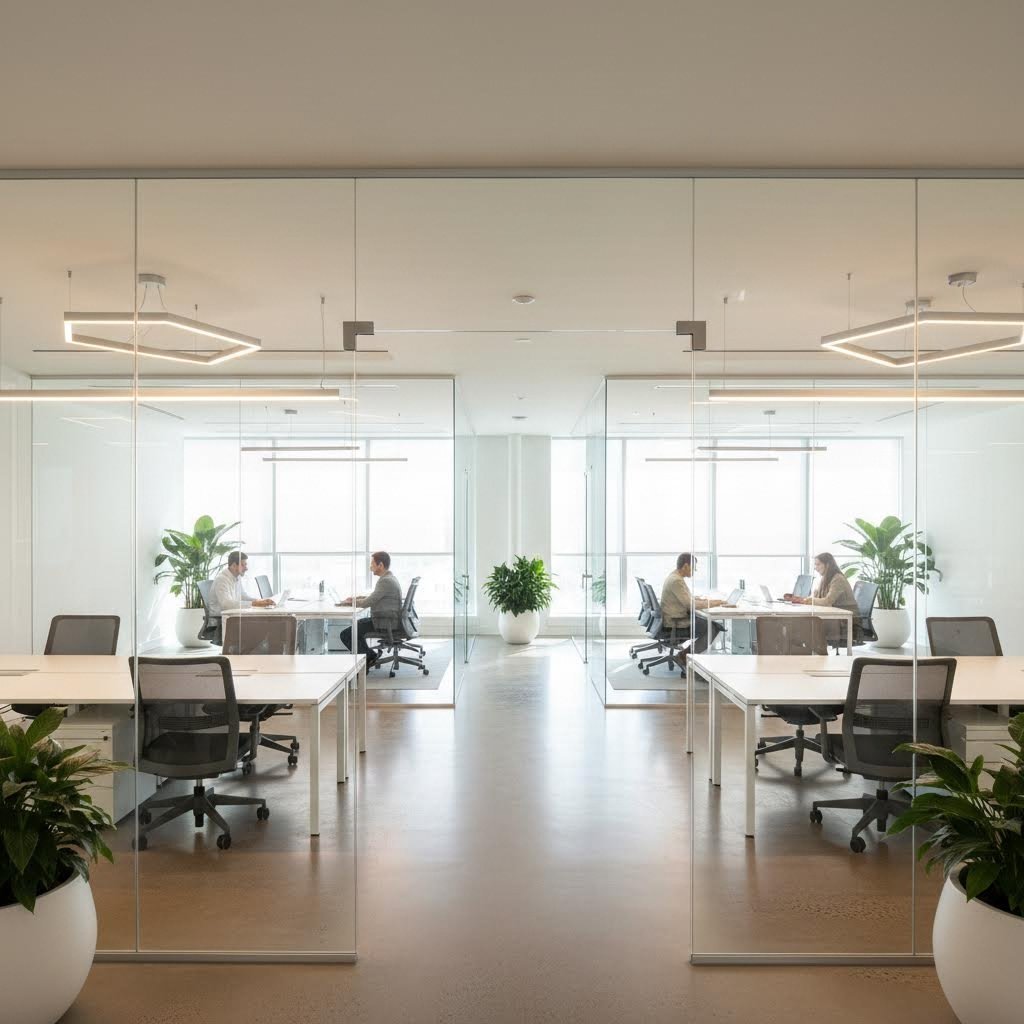
Imagine walking into a modern office with floor-to-ceiling glass partitions that flood the space with natural light. Now picture a towering commercial building wrapped in a seamless glass curtain wall. These installations look worlds apart—and their aluminum extrusion requirements are just as different. Understanding which profiles, alloys, and design considerations apply to each application category separates successful projects from costly mistakes.
The reality is that a glass showcase in a retail environment demands entirely different framing characteristics than a hurricane-rated storefront or a multi-story curtain wall. Let's explore how extrusion requirements shift across the full spectrum of glass applications.
When you're designing interior glass installations, aesthetics typically take priority over structural demands. Office partitions, conference room dividers, and retail glass displays face minimal weather exposure and lighter load requirements—freeing you to focus on visual appeal and functional flexibility.
What does this mean for your aluminum door frame extrusions and partition profiles? You can often specify lighter-gauge materials and prioritize surface finish quality. According to industry research, modern office environments increasingly demand frameless or semi-frameless systems where aluminum profiles virtually disappear—hidden within floor tracks or ceiling channels.
Key extrusion considerations for interior applications include:
For retail environments, an aluminum extrusion display case or glass show case requires profiles that maximize product visibility while providing security. These applications typically use minimal frame depth and often integrate LED lighting channels—a specialty use case where custom extrusion profiles accommodate both structural and electrical requirements within a single component.
An aluminum extrusion cabinet with glass doors presents similar requirements: clean sightlines, smooth operation, and finish quality that complements interior design themes.
Step outside, and everything changes. Exterior glass installations face weather exposure, security concerns, and building code requirements that interior systems never encounter. Your extrusion specifications must address these demanding conditions.
Storefront Systems
According to Building Enclosure Online, commercial storefront systems are designed as single-span structures with anchors at the head and sill only. Throughout North America, these systems predominantly use extruded aluminum framing with basic dimensions including 1.75-inch or 2-inch sightlines and 4.5- to 6.5-inch depths accommodating 1-inch insulating glass units.
What sets storefront extrusion requirements apart?
Curtain Wall Systems
When your glass installation spans multiple floors—sometimes starting at ground level and extending dozens of stories—curtain wall systems become the only viable option. These installations demand heavier extrusion profiles and more sophisticated engineering.
Curtain wall framing dimensions exceed storefront specifications significantly. Industry sources indicate basic curtain wall dimensions include 2-inch or 2.5-inch sightlines with depths ranging from 6 to 10 inches. The heavy-wall extrusions, called "back members," form the framework supporting both glass and building anchorage.
Critical extrusion considerations for curtain walls include:
Beyond standard storefronts and curtain walls, several glass applications present specialized extrusion challenges:
Skylights and Overhead Glazing
When glass goes horizontal, water drainage becomes paramount. Skylight extrusions require integrated channels that direct water to designated drainage points. Structural requirements also intensify—profiles must support not only the glass weight but also potential snow loads and maintenance access. Look for robust 6061 or 6005A alloy profiles with proven structural ratings for overhead applications.
Glass Doors and Entrances
High-traffic entrances demand durability that standard framing cannot provide. Aluminum door frame extrusions for commercial entrances require reinforced sections for hardware mounting, dimensional stability to maintain proper door operation over thousands of cycles, and surface finishes that resist wear from constant contact. According to C.R. Laurence, commercial entrance systems support monolithic tempered glass secured with silicone sealant for high-performance applications.
Glass Railings and Guards
Safety-critical applications like glass railings require profiles engineered for specific load capacities. Base shoe channels must secure glass panels against horizontal forces while accommodating glass thicknesses from 3/8 inch through 3/4 inch. Top rails provide additional rigidity and a graspable surface. Many jurisdictions require engineering certification for guard rail installations.
LED-Integrated Systems
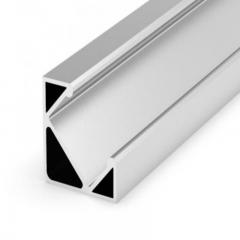
Modern architectural designs increasingly incorporate LED lighting within glass framing systems. Custom extrusion profiles address this specialty application by integrating channels for LED strips, diffuser lenses, and wiring management. These dual-purpose profiles require careful thermal design to dissipate LED heat while maintaining glass retention functionality.
Every glass application involves load considerations—but the specific requirements vary dramatically. Interior partitions primarily address dead loads (the weight of the glass itself) with minimal live load concerns. Exterior systems must additionally resist wind pressure, potential impact forces, and in some regions, seismic movement.
Rather than relying on generic load ratings, work with extrusion suppliers who understand glass-specific engineering. Provide your project's design pressures, glass weights, and span requirements. Qualified manufacturers can recommend appropriate profile sections, wall thicknesses, and alloy selections to meet your calculated demands.
The key takeaway? Don't assume one extrusion profile works universally. A profile perfectly suited for an interior glass showcase would fail catastrophically in a coastal curtain wall application. By matching extrusion specifications to your specific application category, you ensure both performance and longevity.
Understanding application requirements sets the stage for one of the most impactful decisions in exterior glass systems: whether to specify standard aluminum profiles or invest in thermally broken alternatives that dramatically improve energy efficiency.
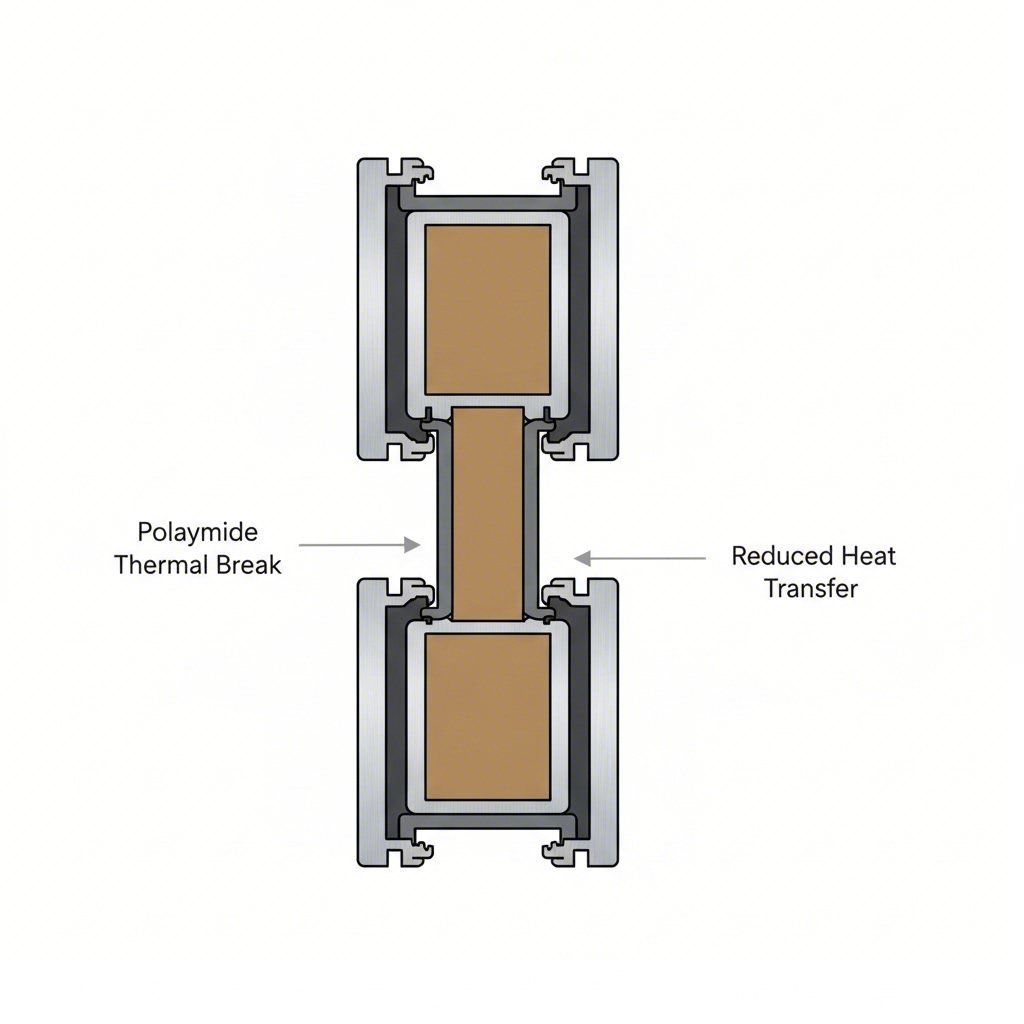
Here's a question that keeps building owners awake at night: why are energy bills still climbing despite investing in quality glass? The answer often lies not in the glass itself—but in the aluminum frames surrounding it. Without thermal break technology, even the most advanced glazing becomes an energy liability.
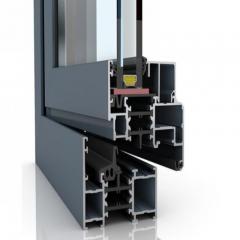
Standard aluminum conducts heat approximately 1,000 times faster than wood and 200 times faster than PVC. This exceptional conductivity—while beneficial for many applications—creates serious challenges for aluminum window extrusion profiles in building envelopes. The result? Heat rushes through your window frames like water through an open pipe, driving up HVAC costs and creating uncomfortable cold spots along every glass installation.
Thermal break technology changes everything. By interrupting the continuous metal pathway, thermally broken profiles transform aluminum from an energy weakness into a high-performance solution that rivals—and often exceeds—other framing materials.
Imagine your aluminum window extrusion as a bridge connecting your climate-controlled interior to the outside elements. In traditional frames, heat travels freely across this bridge—escaping during winter and invading during summer. This phenomenon, called thermal bridging, accounts for approximately 30 percent of energy waste in buildings with inadequately insulated window systems.
Thermal breaks solve this problem by inserting an insulating barrier between the interior and exterior aluminum sections. According to METRA Building, this barrier completely interrupts the passage of heat from inside to outside and vice versa, eliminating heat loss while neutralizing aluminum's natural conductivity.
The most common thermal break material is glass-fiber reinforced polyamide—a specialized plastic that delivers exceptional insulating properties while maintaining structural integrity. This material offers several critical advantages:
But energy savings represent only half the story. Condensation control delivers equally important benefits. When warm, moisture-laden interior air contacts cold frame surfaces, water droplets form—leading to mold growth, water damage, and compromised indoor air quality. Thermally broken profiles keep interior frame surfaces warmer, preventing the temperature differential that triggers condensation.
For any aluminum enclosure extrusion used in exterior applications—whether curtain walls, storefronts, or residential windows—thermal break technology has become essential rather than optional.
Not all thermal breaks perform equally. The width of the thermal break significantly impacts insulation effectiveness, with wider breaks generally providing better thermal resistance. Advanced aluminum glazing extrusions feature thermal breaks ranging from 24mm to 35mm, delivering exceptional performance for demanding climates.
Climate zone determines your minimum performance requirements. Buildings in extreme cold regions need maximum thermal resistance to prevent heat loss and interior condensation. Hot climates require thermal breaks that prevent exterior heat from infiltrating conditioned spaces. Mixed climates demand profiles that perform well in both heating and cooling seasons.
Building codes increasingly mandate minimum thermal performance standards for window extrusion systems. Energy codes like ASHRAE 90.1 and the International Energy Conservation Code specify maximum U-factor values that often require thermally broken profiles to achieve compliance. Before specifying standard aluminum, verify that non-thermally broken options can meet your jurisdiction's requirements.
Advanced manufacturing techniques further enhance thermal break performance. The pour-and-debridge method—where liquid polyurethane is poured into aluminum channels and then mechanically separated—creates thermal breaks with exceptional precision and structural strength. Some cutting-edge systems incorporate aerogel insulation with thermal conductivity as low as 0.013 W/mK, pushing performance boundaries even further.
Multi-chamber designs represent another advancement in extruded aluminum enclosures for high-performance applications. By creating multiple air spaces within the frame profile, these sophisticated systems add thermal barriers beyond the primary break—further reducing heat transfer while improving acoustic isolation.
Understanding the performance gap between standard and thermally broken aluminum helps justify the investment decision. The following comparison highlights key differences across factors that matter most for glass installations:
| Performance Factor | Standard Aluminum Profiles | Thermally Broken Profiles |
|---|---|---|
| Thermal Conductivity (U-Value) | 4.0–6.0 W/(m²K)—high heat transfer | 0.8–2.0 W/(m²K)—70-85% improvement |
| Condensation Resistance | Poor—cold interior surfaces promote moisture buildup | Excellent—warmer surfaces prevent condensation |
| Energy Efficiency | Limited—frames create significant thermal bridges | High—thermal breaks eliminate heat loss pathways |
| Interior Comfort | Cold spots near frames; drafty feeling | Consistent temperatures; improved occupant comfort |
| Initial Cost | Lower upfront investment | Higher initial cost; offset by energy savings |
| Long-Term Value | Higher operating costs; potential moisture damage | Reduced energy bills; protected building envelope |
| Code Compliance | May not meet current energy codes | Meets or exceeds most energy efficiency requirements |
| Best Applications | Interior partitions; unconditioned spaces; mild climates | Exterior windows; curtain walls; facades; all climate zones |
The numbers tell a compelling story. According to Rhea Windows, thermally broken systems achieve U-values representing 70-85% improvement over traditional aluminum—a dramatic difference that translates directly to energy cost savings. While standard profiles might achieve U-values of 4.0-6.0 W/(m²K), thermally broken alternatives routinely deliver 0.8-2.0 W/(m²K).
Consider this investment perspective: although thermally broken profiles carry higher upfront costs, they function as long-term investments that recoup their cost through significantly reduced heating and cooling expenses. For commercial buildings operating for decades, the cumulative savings often dwarf the initial price difference.
The bottom line? For any exterior aluminum enclosure extrusion application—from residential windows to commercial curtain walls—thermally broken profiles represent the smart choice. They eliminate thermal bridges, prevent condensation, reduce energy consumption, and meet increasingly stringent building codes. Standard aluminum profiles remain appropriate for interior applications or unconditioned spaces where thermal performance isn't critical.
With thermal performance addressed, the next consideration becomes equally visible: selecting surface treatments and finishes that protect your aluminum extrusions while enhancing architectural aesthetics.
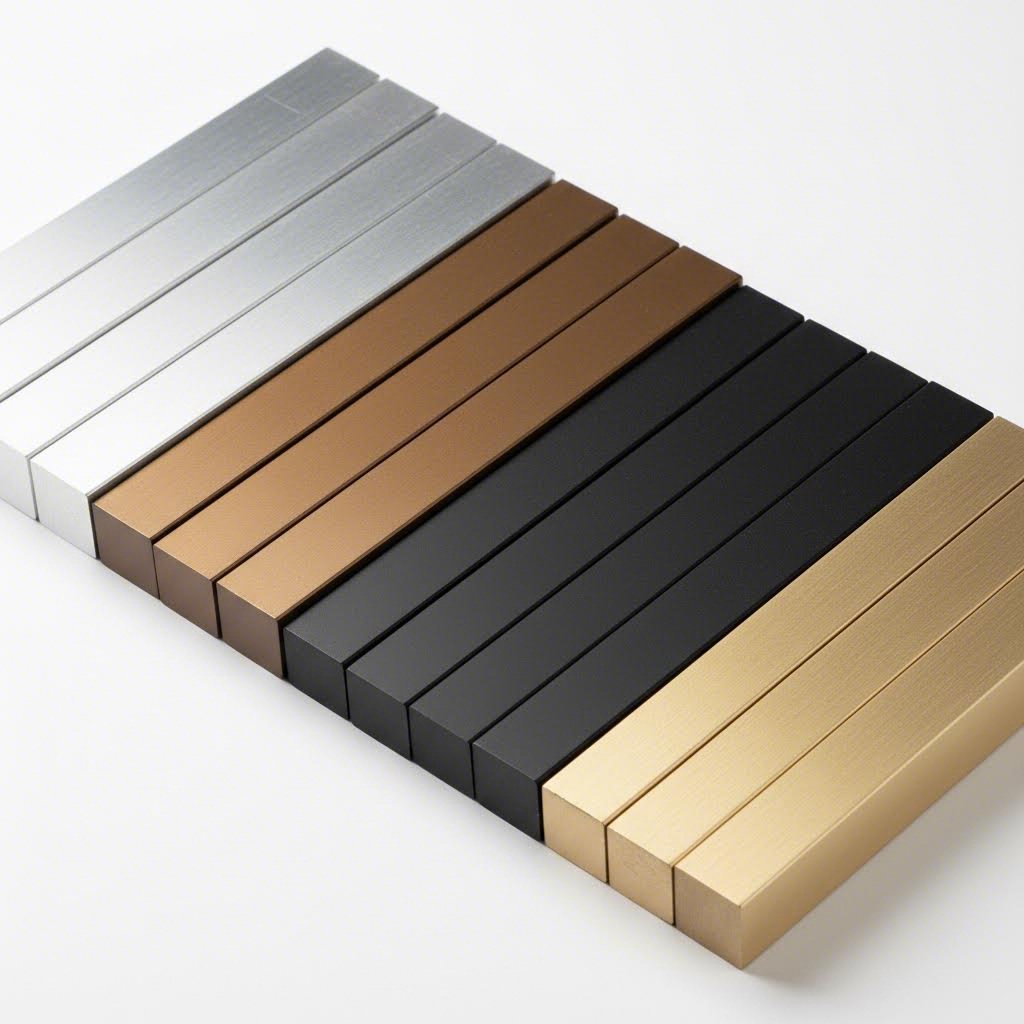
You've selected the perfect alloy, chosen the ideal profile shape, and specified thermally broken technology for energy efficiency. But here's what many project teams overlook until it's too late: the surface finish on your aluminium extrusions determines how your glass installation looks on day one—and how it performs for decades to come.
Think of surface treatments as armor for your aluminum. Without proper finishing, even the highest-quality aluminum profile extrusions will oxidize, fade, or show wear within years. The right finish, however, protects against corrosion, resists UV degradation, and maintains the aesthetic appeal that architects and building owners expect.
According to Gabrian International, choosing between surface treatments ultimately depends on your product's application—but understanding the options empowers you to make informed decisions that balance performance, appearance, and budget.
Anodizing remains the gold standard for architectural aluminum finishes—and for good reason. This electrochemical process doesn't simply coat the aluminum surface; it transforms it. By thickening aluminum's natural oxide layer through controlled electrolysis, anodizing creates an integral finish that becomes part of the metal itself.
What makes anodizing particularly attractive for glass framing applications? The process enhances several properties simultaneously:
Color options extend far beyond basic clear anodizing. According to Aplank, bronze and black anodizing remain popular choices for commercial spaces, delivering sleek, even finishes on curtain walls and window frames. But the palette doesn't stop there—manufacturers with comprehensive finishing capabilities offer champagne, gold, and custom shades that enable distinctive architectural expressions.
When specifying anodized finishes, thickness matters significantly. Class I anodizing (0.7 mils or thicker) is recommended for outdoor architectural applications where maximum durability is essential. Class II (0.4 mils minimum) suits interior projects with less demanding exposure. ASTM International standards govern these specifications, ensuring consistent quality across suppliers.
The sealing process following anodization proves equally important. Proper sealing locks in dyes and blocks contaminants from penetrating the porous oxide layer. Inadequate sealing leads to fading, chalking, and premature degradation—problems that undermine both appearance and performance. Reputable suppliers provide certifications verifying their anodizing meets ASTM and industry standards.
When your project demands vibrant colors, unique textures, or superior weathering performance, powder coating and PVDF finishes offer compelling alternatives to anodizing.
Powder Coating: Versatility Meets Sustainability
Powder coating has emerged as a formidable option for aluminum panel extrusions over the past two decades. According to Master Craft Finishers, advances in powder formulation have led to AAMA 2605-certified finishes offering warranties of 20 to 30 years—placing powder coatings on par with traditional liquid paints in durability.
The application process itself distinguishes powder coating from alternatives. A spray gun applies electrostatically charged powder particles to the grounded aluminum part. These particles cling uniformly to the surface before heat curing transforms them into a solid, continuous layer. No solvents are used, making powder coating an environmentally friendly choice with low to no volatile organic compound emissions.
Key advantages for glass framing applications include:
However, powder coating presents certain limitations. Surface imperfections like orange peel texture can occur if application parameters aren't precisely controlled. Color matching often requires larger order quantities compared to liquid paints. And damaged powder-coated parts prove more difficult to touch up than painted surfaces.
PVDF Coatings: The Premium Choice for Exterior Exposure
For exterior glass installations facing decades of sun exposure, PVDF (polyvinylidene fluoride) coatings—commonly known by the trade name Kynar—deliver unmatched performance. Since 1965, these liquid-applied finishes have proven themselves on countless architectural projects worldwide.
What sets PVDF apart? According to Master Craft Finishers, these coatings maintain their color and finish under prolonged exposure to sunlight and weather, providing consistent aesthetic reliability that architects can specify with confidence. The chemistry behind PVDF creates exceptional resistance to chalking, fading, and environmental degradation.
PVDF advantages include:
The trade-offs? PVDF requires primer and pretreatment, adding complexity to application. Higher curing temperatures (around 450°F) can be unsuitable for some substrates. Costs typically exceed powder coating. And environmental concerns about VOC content make PVDF less sustainable than powder alternatives.
Beyond standard anodizing, powder coating, and PVDF, specialty finishes address unique project requirements:
Micro-Arc Oxidation: This advanced electrochemical process creates exceptionally hard, wear-resistant ceramic-like surfaces on aluminum. Ideal for aluminum extrusion furniture components or high-wear applications where standard anodizing falls short.
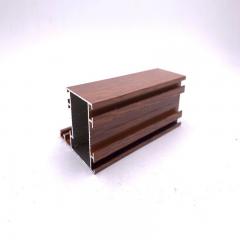
Wood-Grain and Decorative Films: Sublimation processes transfer realistic wood patterns onto aluminum surfaces, creating an aluminium extrusion box or framing profile that mimics natural materials while delivering aluminum's durability and weather resistance.
Mechanical Finishes: Brushed, polished, or bead-blasted surfaces create distinctive textures before protective coatings are applied. FHC aluminum products and similar architectural hardware often feature mechanical finishes that complement glass aesthetics.
Selecting the right finish requires matching treatment durability to environmental exposure. Consider these guidelines:
Manufacturers with comprehensive finishing capabilities—like Shengxin Aluminium's deep processing services—can offer the full spectrum of surface treatments from anodizing in custom colors like champagne and rose gold to powder coating, PVDF, and micro-arc oxidation. This end-to-end capability ensures your specified finish aligns precisely with project requirements, eliminating coordination challenges between multiple suppliers.
With surface treatments selected to protect and beautify your aluminum extrusions, the next critical consideration involves proper installation techniques that ensure your glass systems perform as designed throughout their service life.
You've specified the perfect alloy, selected the ideal profile, and chosen a finish that will look stunning for decades. But here's the uncomfortable truth: even the highest-quality aluminum extrusions for glass will fail if installation falls short. Water infiltration, rattling panels, thermal stress cracks—these problems rarely stem from defective materials. They stem from installation mistakes that could have been avoided.
Most product guides stop at specifications and leave you on your own when the extrusions arrive on site. This section bridges that gap with practical installation guidance that separates professional-grade results from costly callbacks.
Successful aluminum-glass installations begin with proper planning and sequencing. According to industry installation guides, the process requires meticulous attention at every stage—from initial measurement through final weathersealing.
Follow this sequence for reliable aluminum extrusion assembly:
What makes precision-cut extrusions so valuable? When aluminum extrusion track components arrive with accurate drilling, machining, and dimensional tolerances, field installation becomes dramatically simpler. Pre-drilled anchor holes align perfectly with substrate conditions. Pre-cut lengths eliminate jobsite fabrication errors. The result? Faster installation, fewer mistakes, and reduced labor costs.
Here's something many installers learn the hard way: aluminum moves. According to research on common window problems, extreme weather conditions subject aluminum frames to significant thermal stress. During hot summer days, frames expand; cold winter temperatures cause contraction. Over time, repeated thermal cycling can lead to frame distortion, joint failures, or glass stress if proper allowances aren't incorporated.
How do you accommodate this movement? The answer involves strategic design decisions:
Building settlement and structural movement also place pressure on window frames, potentially causing permanent deformation. Proper installation accommodates these movements while maintaining weathertight performance.
Exterior aluminum-glass systems live or die based on weathersealing performance. According to Conservation Technology, selecting the best weatherseal requires matching seal shape, material, and size to your specific application demands.
Seal Shape Considerations
Different seal profiles perform optimally under different conditions. Understanding your options guides better selection:
Material Selection Matters
For compression seals on hinged windows and doors, silicone rubber delivers unbeatable performance. According to Conservation Technology, silicone offers superior compression-set resistance, low-temperature elasticity, longevity, and color quality compared to other elastomers. While more expensive initially, high-grade silicone formulations maintain flexibility and sealing effectiveness for decades.
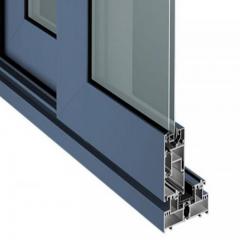
For sliding applications like aluminum extrusion slider mechanisms or extruded aluminum slide tracks, silicone's friction becomes problematic. Slippery plastics—polypropylene or nylon—prevent grabbing and tearing that silicone would cause. An extruded aluminium track designed for sliding glass panels requires compatible low-friction seals.
Aluminium track extrusions for sliding doors and windows benefit from nylon brush seals when threshold surfaces are rough or uneven. Smooth thresholds work well with silicone sweeps.
Sizing and Positioning
Larger seals offer wider effective sealing ranges but increase visibility and cost. Choose the largest seal feasible within aesthetic and economic constraints. According to weatherseal specialists, positioning seals to contact the face of windows or doors—rather than edges—minimizes the impact of seasonal expansion and contraction on seal effectiveness.
Surface-mounted seals use aluminum track extrusion channels that attach with concealed fasteners and clips. Quality anodized or powder-coated finishes on these mounting channels withstand decades of severe exposure.
Even careful installations occasionally develop issues. Understanding common problems helps you identify causes and implement effective solutions:
Water Infiltration
When water penetrates your aluminum-glass assembly, trace the path systematically. According to common problem research, weather seals and gaskets deteriorate over time due to UV exposure, temperature fluctuations, and aging. Initially flexible seals gradually lose elasticity and create gaps. Condensation around window edges often indicates seal failure requiring gasket replacement.
Check drainage provisions carefully. Exterior systems must weep water to the outside—blocked weep holes or improper slope can trap water within frame cavities. Verify that all drainage pathways remain clear and functional.
Thermal Movement Stress
Symptoms include binding, difficult operation, or visible frame distortion. Poor installation exacerbates thermal issues by creating stress points where frames cannot move naturally. Solutions involve ensuring adequate expansion allowances, using flexible connections, and verifying that anchoring allows designed movement.
Improper Glass Fit
Glass panels that fit too tightly risk stress fractures as frames expand. Panels with excessive clearance allow movement, rattling, and compromised weathersealing. The solution lies in verifying dimensional tolerances before installation and using properly sized gaskets or setting blocks that accommodate expected variations.
Operational Difficulties
According to industry research, dirt and debris accumulation in window tracks represents the primary cause of operational problems. Regular cleaning with soft brushes and mild detergent, by silicone-based lubricant application to hinges and locks, prevents most operational issues. Misaligned frames from building settlement require professional assessment to determine whether adjustment or replacement provides the better solution.
Hardware Failures
Worn handles, failed locking mechanisms, and sagging hinges result from repeated use and environmental exposure. Quarterly inspections identify developing problems before they become serious. When replacement becomes necessary, ensure new hardware matches your specific aluminum extrusion track system specifications.
Field fabrication introduces variables that factory processing eliminates. When your aluminum extrusions arrive pre-cut to exact lengths with accurately positioned holes, notches, and hardware prep, installation proceeds faster and more reliably.
Precision CNC machining delivers:
The bottom line? Installation quality determines whether your carefully specified aluminum-glass system delivers the performance you expect. By following proper mounting sequences, accommodating thermal movement, selecting appropriate weatherseals, and addressing problems promptly, you protect your investment and ensure long-term satisfaction.
With installation fundamentals covered, the final consideration involves selecting the right manufacturing partner—one capable of delivering precision extrusions, comprehensive finishing, and the technical support that complex glass projects demand.
You've mastered alloy selection, profile types, thermal break technology, surface treatments, and installation best practices. But here's the question that ties everything together: who actually manufactures your aluminum extrusions for glass? The supplier you choose can make the difference between a seamless project and months of frustrating delays, quality issues, and budget overruns.
Finding aluminum extrusions for sale is easy. Finding a manufacturing partner who understands glass-specific requirements, delivers consistent quality, and supports your project from concept through completion? That's considerably more challenging.
According to industry sourcing experts, a qualified aluminum extrusion supplier offers much more than extruded profiles—they provide engineering collaboration, quality assurance, and integrated production capabilities that align with your business goals. Let's explore exactly what separates adequate suppliers from exceptional partners.
When your glass project requires custom profiles—whether specialized U-channels for frameless installations or complex thermally broken curtain wall sections—supplier capabilities become critically important. Not every aluminum window extrusions supplier can deliver the precision, surface quality, and technical support that glass applications demand.
Start your evaluation by examining these fundamental capabilities:
Press Capacity and Range
Extrusion presses come in various tonnages, and each size handles different profile requirements. Smaller presses (600T-1500T) excel at intricate profiles with fine details and tight tolerances—ideal for decorative trim and small-scale glass framing components. Larger presses (3000T-5500T or more) produce heavy structural profiles like curtain wall mullions and large-format framing systems.
Why does this matter? According to MMG Engineered Extrusions, state-of-the-art extrusion presses combined with advanced quench systems and precision aging ovens enable manufacturers to meet the most demanding industry requirements for custom aluminum extrusion profiles. Suppliers with multiple press sizes offer flexibility—handling both delicate architectural trim and robust structural members without outsourcing.
CNC Machining Capabilities
Raw extrusions rarely go directly into glass installations. They require precise cutting, drilling, tapping, notching, and sometimes complex multi-axis machining. Look for suppliers with in-house CNC capabilities that can handle:
According to MMG, manufacturers with over two dozen CNC machines and experienced machining teams provide precision machining for highly detailed extruded aluminum parts—including long custom profiles over 60 inches in length. This integrated capability eliminates coordination between multiple vendors and ensures dimensional consistency throughout your project.
Surface Treatment Options
As covered earlier, surface treatments protect your extrusions and define their aesthetic appearance. Evaluate whether potential suppliers offer comprehensive finishing capabilities in-house or through verified partners. The ideal aluminum extrusion kit of services includes anodizing (clear and colors), powder coating (AAMA 2603, 2604, and 2605 specifications), PVDF/Kynar coatings for demanding exterior applications, and specialty finishes like micro-arc oxidation.
Suppliers with in-house finishing reduce lead times and quality risks compared to those who ship extrusions elsewhere for treatment.
Custom glass profiles require custom dies—and die development represents a critical capability that separates full-service manufacturers from basic extrusion shops. Top-tier suppliers guide you through this process:
Design Collaboration
Before any metal flows, experienced suppliers review your CAD drawings, offer tolerance advice, and suggest design modifications that improve extrudability without compromising function. According to industry guidance, this early-stage technical support—including extrusion optimization and CAD file consultation—helps improve your final product design while reducing tooling revisions.
Die Design and Fabrication
Custom dies represent significant investments. Quality suppliers maintain extensive die libraries and can often modify existing dies to meet your specifications faster and more economically than starting from scratch. When new dies are required, look for suppliers who handle die design and fabrication in-house or through established partnerships.
Prototyping and First Article Inspection
Before committing to mass production, request physical samples to validate extrusion precision, surface finish, and material consistency. First article inspections verify that production profiles match specifications—catching problems before they multiply across thousands of parts.
Scalable Production
Can the supplier scale from prototype quantities to full production runs without delays? Evaluate their capacity planning and ask about lead time consistency. According to industry research, facilities with multiple extrusion lines and automated systems often outperform smaller shops in meeting delivery windows—especially when demand fluctuates.
Building a structured evaluation framework helps you assess potential partners objectively. Consider developing a weighted scorecard covering these essential factors:
According to sourcing best practices, suppliers with diversified material sources, automated tracking systems, and local warehousing options prove more reliable and scalable over time. Don't hesitate to request references from companies with similar needs—real-world performance feedback reveals capabilities that sales presentations cannot.
Imagine coordinating separate vendors for die development, extrusion, surface treatment, machining, and assembly. Each handoff introduces potential delays, quality variations, and communication gaps. Now imagine a single partner handling everything from initial design consultation through finished, packaged components ready for installation.
End-to-end service providers deliver significant advantages for glass framing projects:
Experienced manufacturers with decades of expertise and comprehensive processing capabilities exemplify this integrated approach. For instance, Shengxin Aluminium's deep processing services demonstrate what full-service capability looks like: 35 advanced extrusion presses ranging from 600T to 5500T, state-of-the-art CNC machining centers for precise cutting, drilling, and bending, plus comprehensive surface treatment options including anodizing in custom colors like champagne and rose gold, powder coating, PVDF, and micro-arc oxidation. With over 30 years of industry experience supporting industries from construction to furniture and industrial equipment, their technical team provides end-to-end support from die development through mass production—exactly the partnership model that complex glass projects require.
Price-focused decisions represent the most frequent sourcing error. According to supplier evaluation research, choosing based solely on price or speed without verifying technical capability or quality consistency leads to problems that far exceed any initial savings.
Watch for these warning signs:
Remember that switching suppliers mid-project creates significant challenges. According to industry guidance, transitioning requires careful planning—ensuring new suppliers can replicate current specifications while revalidating materials through first-article inspections. Choosing correctly the first time prevents these costly disruptions.
The best supplier relationships extend beyond individual transactions. When you find an aluminum extrusion partner who understands glass applications, delivers consistent quality, and communicates effectively, invest in that relationship.
Long-term partnerships deliver compounding benefits: suppliers learn your specifications and preferences, reducing errors over time. Volume commitments may unlock better pricing. Priority scheduling ensures your orders receive attention during capacity constraints. And collaborative problem-solving becomes natural when both parties share investment in mutual success.
Whether you're specifying CRL US aluminum products for a standard installation or developing custom profiles for an innovative facade design, the right manufacturing partner transforms your vision into reality. Take time to evaluate capabilities thoroughly, verify claims through samples and references, and prioritize partners who demonstrate genuine commitment to your project's success.
The aluminum extrusions framing your glass installation will perform for decades. Choose a supplier partnership built to last just as long.
An aluminum extrusion display case uses precision-engineered aluminum profiles to frame and secure glass panels for retail showcases, museum displays, and product presentations. These cases typically feature U-channels, H-channels, and Z-channels that maximize product visibility while providing security. LED lighting channels can be integrated into custom extrusion profiles, combining structural support with illumination. The 6063 aluminum alloy is preferred for display cases due to its exceptional surface finish quality and corrosion resistance, allowing for sleek anodized or powder-coated aesthetics.
The 6063 aluminum alloy dominates architectural glass window frames due to its excellent extrudability, superior surface finish, and outstanding corrosion resistance. Its lower alloying elements create smoother profiles ideal for anodizing in clear, bronze, black, or custom colors. For structural applications requiring higher strength—like large curtain walls or overhead glazing—6061 aluminum offers approximately 15% greater yield strength. The 6005A alloy bridges both needs, providing medium strength with excellent weldability for modular glass wall systems requiring field assembly.
Thermal breaks interrupt aluminum's high heat conductivity by inserting glass-fiber reinforced polyamide barriers between interior and exterior frame sections. Without thermal breaks, aluminum conducts heat 1,000 times faster than wood, creating significant energy loss. Thermally broken profiles achieve U-values of 0.8-2.0 W/(m²K) compared to 4.0-6.0 W/(m²K) for standard aluminum—representing a 70-85% improvement. This technology prevents condensation, eliminates cold spots near windows, and meets increasingly stringent building energy codes while reducing heating and cooling expenses over the building's lifetime.
Glass installations rely on several specialized channel profiles. U-channels (glazing channels) secure glass panel edges to walls, floors, or ceilings and come sized for standard glass thicknesses from 3/8 inch to 3/4 inch. H-channels join two glass panels edge-to-edge for seamless partition walls. J-channels provide single-sided edge protection for mirror installations. Hat channels support monolithic tempered glass in commercial entrances using silicone sealant. Z-channels enable hinged display cases and showcases. Each profile type addresses specific retention, weathersealing, and aesthetic requirements.
The choice depends on your application requirements. Anodizing creates an integral finish that becomes part of the aluminum, offering excellent wear resistance, corrosion protection, and a distinctive metallic appearance—ideal for architectural applications where aesthetics matter. Powder coating provides extensive color options, texture possibilities, and environmental benefits with low VOC emissions. For maximum exterior durability, PVDF coatings deliver unmatched UV stability and weathering resistance with 20-30 year warranties. Interior applications typically use Class II anodizing or standard powder coating, while exposed exterior installations benefit from AAMA 2605 powder coating or PVDF.



 online service
 0086 136 3563 2360
 sales@sxalu.com
 +86 136 3563 2360
 English
 français
 Deutsch
 русский
 español
 português
 العربية
 ไทย
ไทย Việt
Việt Українська