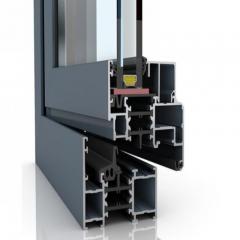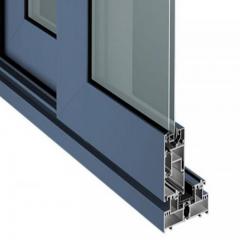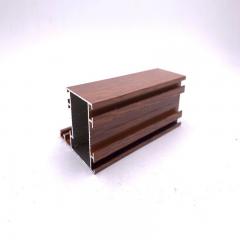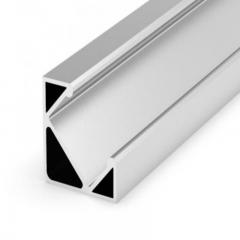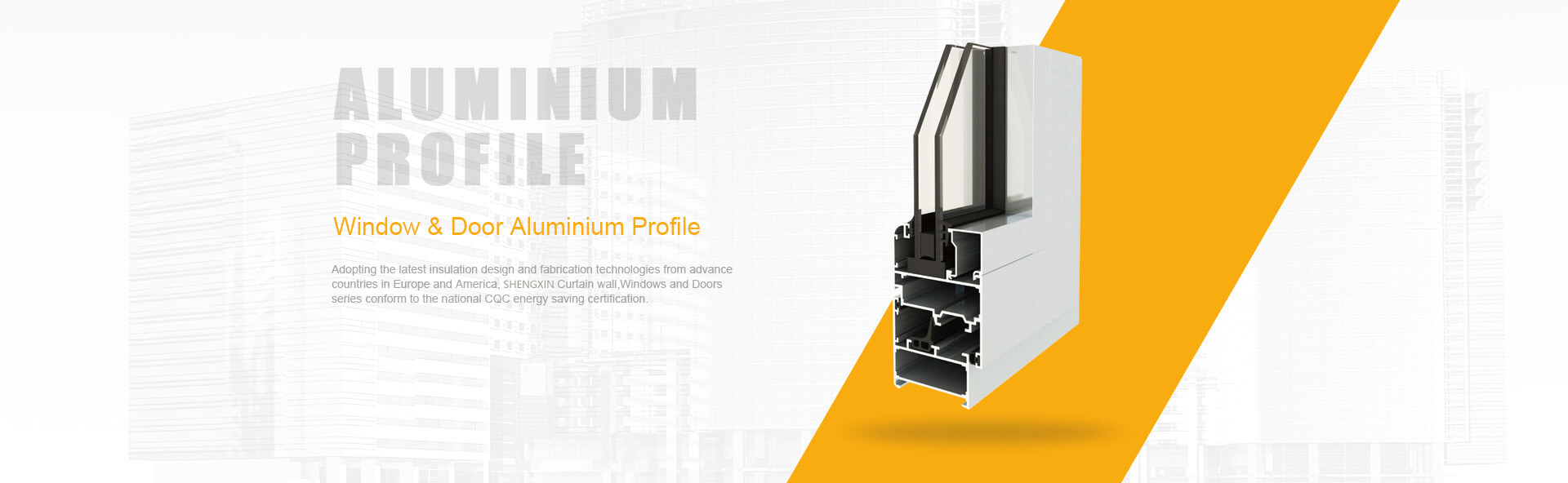
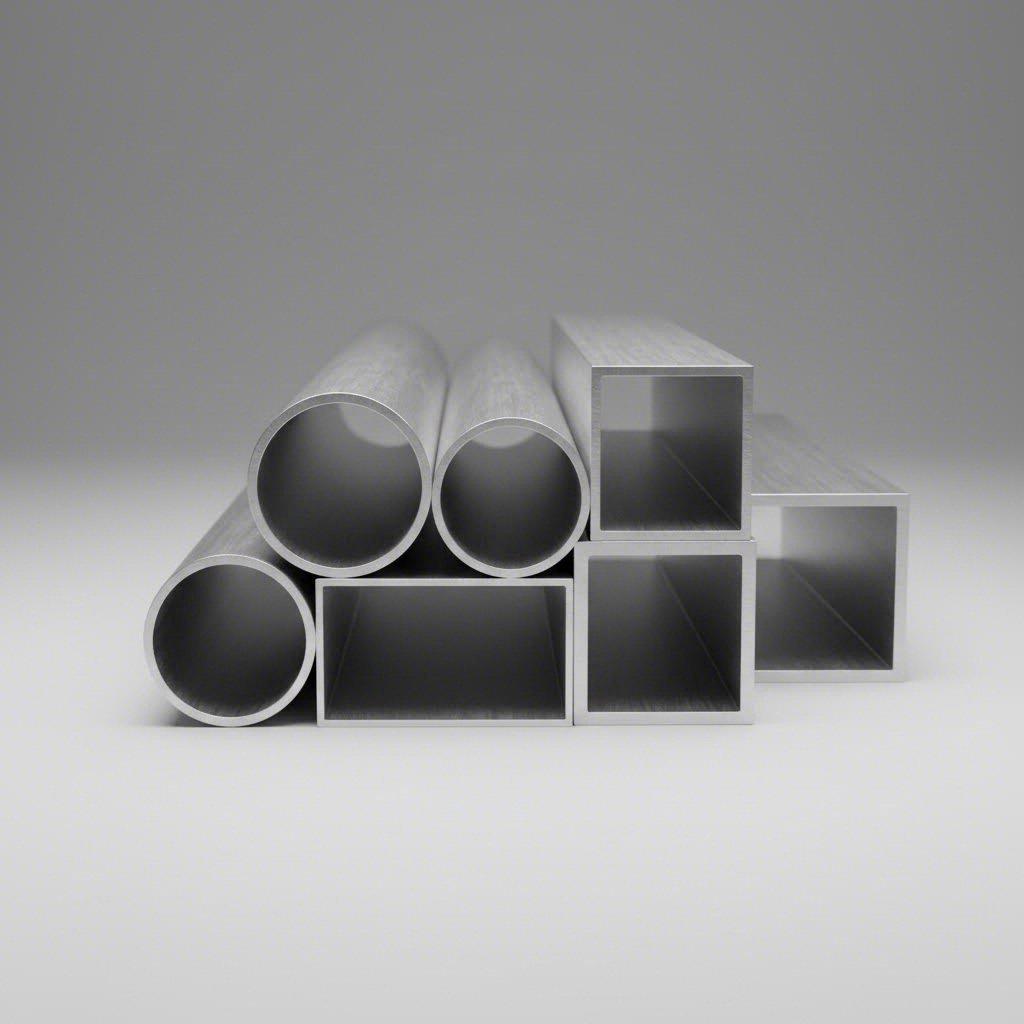
When you need hollow metal profiles that combine precision, strength, and design versatility, aluminum tube extrusions stand out as the go-to solution across countless industries. But what exactly makes this manufacturing method so widely adopted? Let's break it down.
Aluminum tube extrusion is a fabrication process where a heated aluminum billet is forced through a custom-shaped steel die to produce continuous hollow tubular profiles with consistent cross-sections and excellent dimensional accuracy.
Imagine squeezing toothpaste through a shaped nozzle—that's essentially how aluminum extrusion works, just with far greater precision and pressure. An extruded tube is created when softened aluminum flows through a die opening, emerging as a hollow profile that maintains its shape throughout its entire length. This tubing extrusion method produces everything from simple round pipes to complex multi-chambered profiles.
The beauty of extruded aluminum tubing lies in its combination of inherent material advantages:
The aluminum tube extrusion process follows a carefully controlled sequence. First, a custom steel die is preheated to around 750 to 900°F to ensure optimal metal flow. Meanwhile, the aluminum billet is heated to approximately 800-925°F—hot enough to become malleable but not molten.
Here's where extrusion aluminum truly demonstrates its capabilities. A powerful hydraulic ram applies tremendous pressure—often up to 15,000 tons—pushing the softened billet through the die. The aluminum emerges in the precise shape defined by the die's cross-section, then undergoes rapid cooling, stretching for straightness, and final cutting.
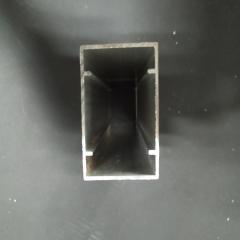
You might wonder how this differs from seamless drawn tubes. With tube extrusion, hollow sections can be created through two methods: the porthole process (structural tubes) and seamless extrusion. In porthole extrusion, metal flows around internal tooling and rejoins, creating a longitudinal seam. Seamless extruded tubes use a mandrel inserted into the billet, producing profiles without any seam—critical for applications involving internal pressure or significant deformation.
Why choose extrusion over other manufacturing methods? The process excels at producing complex hollow shapes with tight tolerances in a single operation. While seamless drawn tubes work well for simple round profiles, extruded aluminum can achieve intricate geometries—think multi-void sections, integrated mounting features, or asymmetrical designs—all with remarkable consistency from the first piece to the last.
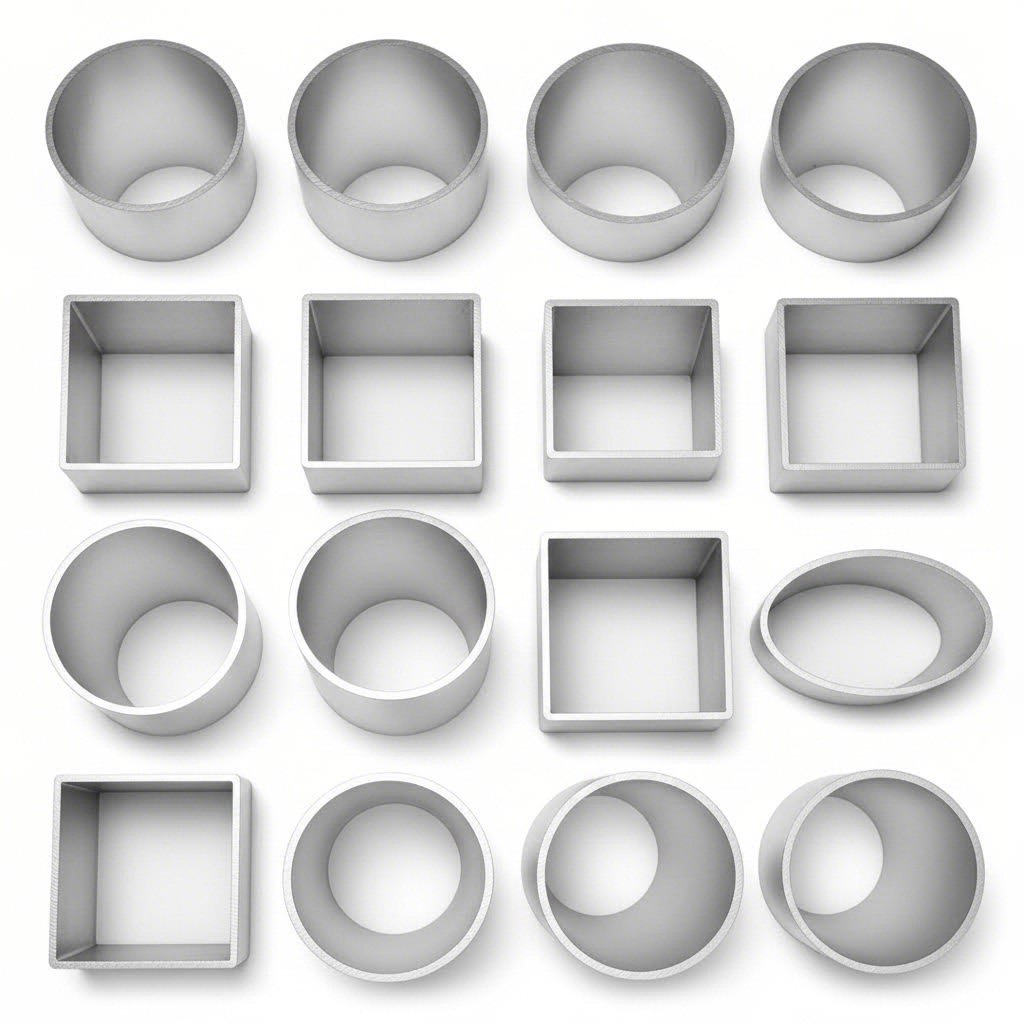
Now that you understand how aluminum tube extrusions are manufactured, the next question becomes: what shapes are actually available? The answer might surprise you. While most people picture cylindrical pipes when they hear "tubing," aluminum extrusion profiles encompass a remarkably diverse range of geometries—each engineered for specific structural and aesthetic purposes.
The main profile categories available through aluminum tubing extrusion include:
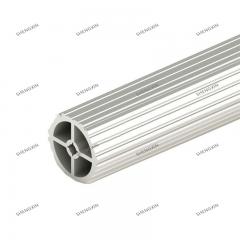
The aluminum round tube remains the workhorse of hollow extrusions—and for good reason. Its symmetrical cross-section distributes stress evenly in all directions, making it inherently stronger than other shapes of equal weight. According to aerospace industry research, round tube is stronger than square tube of equal length and weight, with higher resistance to both flex and torsional twisting.
When should you choose round aluminum tubing? Consider these applications:
The consistent wall thickness around the circumference also simplifies connection methods—whether you're using compression fittings, welding, or mechanical fasteners, the uniform geometry ensures predictable results.
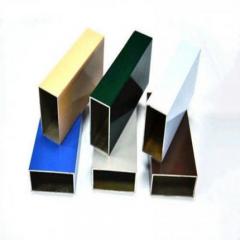
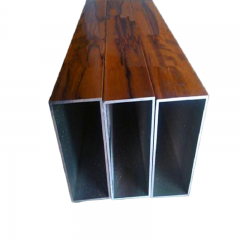
While round profiles excel in pure strength applications, aluminum square tubing and rectangular aluminum tubing offer distinct advantages that make them indispensable for certain projects. A square aluminum tube provides flat surfaces on all four sides, creating natural mating faces for bolted connections, panel mounting, and modular frame assembly.
Think about building a workstation frame or machine guard. Using aluminum rectangular tubing allows you to match the profile dimensions to your specific load requirements—wider in the direction of greatest stress, narrower where space is limited. This aluminum rectangle tube geometry optimizes material usage while meeting structural demands.
Rectangular profiles also simplify fabrication. Those flat faces allow for easier drilling, tapping, and surface mounting compared to curved surfaces. When aesthetics matter—such as in retail displays or architectural elements—the clean lines of square and rectangular tubing create a more finished, intentional appearance.
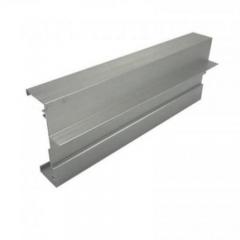
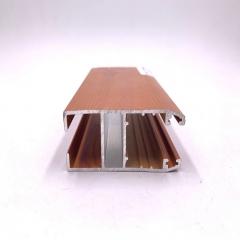
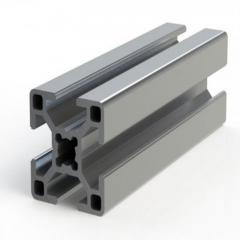
Here's where aluminum extrusion profiles truly shine. Unlike rolled or drawn tubing limited to basic shapes, extruded aluminum tubes can incorporate features directly into the profile itself. Custom die design enables integrated channels, mounting slots, internal ribs, and asymmetrical geometries—all produced in a single extrusion pass.
The selection of the appropriate die design is driven by the intended application, functional requirements, and design considerations of the extruded product. Common custom profile categories include architectural profiles, automotive components, industrial structural members, and application-specific designs that would otherwise require multiple parts and secondary assembly.
| Profile Type | Common Applications | Key Advantages |
|---|---|---|
| Round Tube | Pneumatic systems, handrails, heat exchangers, aerospace structures | Highest strength-to-weight ratio, superior torsional resistance, uniform stress distribution |
| Square Tube | Machine frames, modular workstations, furniture, display fixtures | Flat mating surfaces, easy panel attachment, clean aesthetic appearance |
| Rectangular Tube | Structural framing, conveyor systems, trailer construction, window frames | Directional strength optimization, space-efficient designs, versatile orientation options |
| Oval Tube | Bicycle frames, marine railings, architectural accents, ergonomic handles | Aerodynamic profile, comfortable grip, distinctive visual appeal |
| Custom Shapes | Specialized machinery, proprietary assemblies, integrated mounting systems | Reduced part count, integrated features, application-specific optimization |
Choosing the right profile shape ultimately comes down to understanding your specific requirements. Need maximum strength with minimum weight? Round aluminum tubing delivers. Building modular frames with bolt-together connections? Square or rectangular profiles simplify assembly. Facing unique geometric constraints? Custom extrusion profiles can eliminate the need for complex fabrication and multiple components.
You've identified the right profile shape for your project—but which aluminum alloy should you specify? This decision significantly impacts everything from structural performance to surface finish quality, yet it's often overlooked or poorly understood. The reality is that not all aluminum extrusions are created equal, and selecting the wrong alloy can compromise your entire application.
Two alloys dominate the aluminum tube market: 6063 and 6061. Both belong to the 6000 series—meaning they're alloyed primarily with magnesium and silicon—but their performance characteristics differ in ways that matter for real-world applications. Understanding these differences helps you make informed decisions rather than simply accepting whatever a supplier happens to stock.
If you're working with extruded aluminium for architectural or decorative applications, 6063 is likely your best choice. This alloy has earned its reputation as the most popular option for aluminium extrusion due to a unique combination of properties that make it exceptionally well-suited for the extrusion process itself.
What makes 6063 stand out? According to industry sources, this alloy offers excellent ease of extrudability and anodizing responsiveness, producing superior surface finishes that other alloys simply cannot match. When visual appearance matters—think window frames, door systems, furniture components, or retail displays—6063 delivers the smooth, blemish-free surfaces that premium applications demand.
The alloy also excels at forming complex aluminum extruded shapes. Its superior flow characteristics during the extrusion process allow manufacturers to create intricate profiles with thin walls and sharp details. This makes 6063 the preferred material for custom aluminum tube designs where geometric complexity would cause problems with less extrudable alloys.
Key characteristics of 6063 aluminum include:
When your application demands higher strength and structural integrity, 6061 aluminum tubing becomes the clear choice. This precipitation-hardened alloy undergoes heat treatment that disperses strengthening particles throughout its grain structure, resulting in significantly improved mechanical properties compared to 6063.
How significant is the strength difference? Comparing 6061 tubing in T6 temper to 6063-T6 reveals substantial gaps: 6061-T6 offers ultimate tensile strength of at least 42,000 psi and yield strength of at least 35,000 psi, while 6063-T6 provides ultimate tensile strength of at least 28,000 psi and yield strength of 23,000 psi. That's roughly 50% more strength from the 6061 alloy.
This strength advantage explains why 6061 dominates in demanding applications. You'll find this alloy in structural angles for scaffolding, railroad components, truck and marine structures, bicycle frames, aircraft parts, and hydraulic manifolds. Whenever an aluminum tube must bear significant loads or withstand high stresses, 6061 is typically specified.
The trade-off? While 6061 is highly weldable and offers good corrosion resistance, it doesn't extrude as easily as 6063 and produces slightly rougher surface finishes. It's also more machinable—an advantage when secondary CNC operations are required.
You'll notice aluminum tubes are specified with temper codes like T5 or T6 following the alloy number. These designations indicate how the material was heat treated and directly impact mechanical properties.
The difference between T5 and T6 comes down to cooling method. T5 temper uses air cooling during the quenching process—a natural, slower cooling rate. T6 temper employs water quenching for instantaneous cooling, which produces higher hardness and strength values. The result? T6 material delivers superior mechanical properties but costs more than T5.
For most architectural applications where 6063 is used, T5 temper provides adequate performance at lower cost. When strength and hardness requirements are critical, upgrading to T6 temper ensures the material meets demanding specifications.
| Property | 6061 Aluminum | 6063 Aluminum |
|---|---|---|
| Tensile Strength (T6) | 42,000+ psi (290+ MPa) | 28,000+ psi (193+ MPa) |
| Yield Strength (T6) | 35,000+ psi (241+ MPa) | 23,000+ psi (159+ MPa) |
| Corrosion Resistance | Good | Good to Excellent |
| Surface Finish Quality | Good | Excellent |
| Weldability | Good (may lose ~30% strength) | Good (may lose ~30% strength, recoverable with heat treatment) |
| Extrudability | Good | Excellent |
| Machinability | Good | Fair |
| Best Applications | Structural components, aerospace parts, bicycle frames, marine hardware, hydraulic manifolds | Architectural trim, window/door frames, furniture, decorative tubing, custom profiles |
Sounds complex? Here's a simple decision framework: if your primary concern is appearance, surface finish, or creating intricate custom shapes, specify 6063 aluminum. If structural strength drives your requirements, 6061 aluminum tubing is the better investment. And when both aesthetics and strength matter, consider whether the application truly needs 6061's extra capability—or whether 6063 in T6 temper might suffice at lower cost.
With alloy selection clarified, the next critical decision involves dimensional specifications—wall thickness, tolerances, and how to properly communicate your requirements to suppliers.
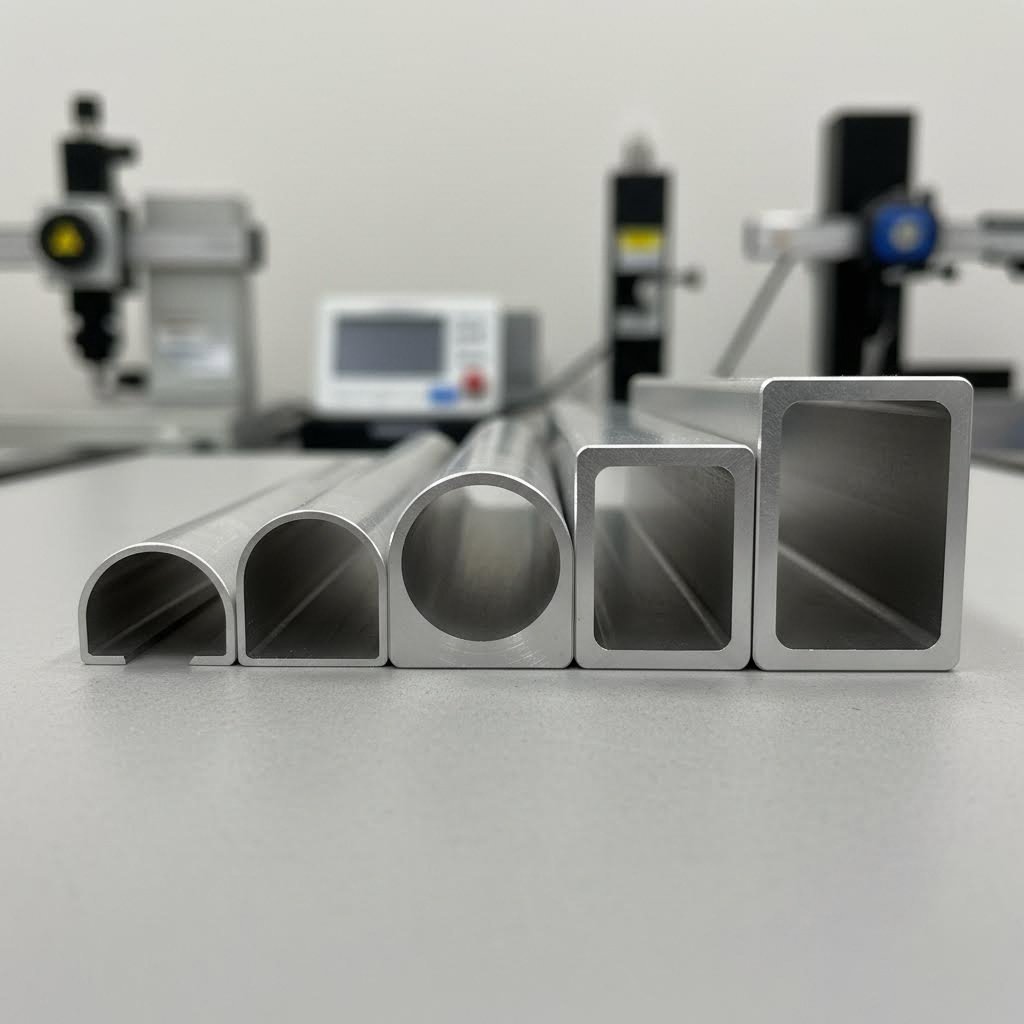
You've selected your alloy and profile shape—but how do you actually specify the dimensions you need? This is where many engineers and purchasing teams run into trouble. Understanding aluminum tube sizes, wall thickness options, and tolerance standards separates successful projects from costly mistakes. Let's decode the technical specifications that determine whether your extrusion will perform as intended.
Wall thickness directly impacts three critical factors: structural capacity, weight, and cost. Thicker walls mean stronger tubes that resist bending, buckling, and internal pressure more effectively. However, they also mean heavier components and higher material costs. Finding the right balance requires understanding exactly what your application demands.
When evaluating aluminum tube dimensions, consider these key factors affecting wall thickness selection:
Thick wall aluminum tubing finds its place in high-stress structural applications. Common alloys for heavy-duty applications include 6061, 6063, and 6082, with wall thicknesses extending up to 200mm for specialized industrial uses. These robust profiles suit applications like heavy machinery frames, hydraulic cylinder housings, and marine structural components where maximum strength outweighs weight concerns.
Conversely, thin wall aluminum tubing excels where weight reduction is paramount. Aerospace structures, bicycle frames, and heat exchanger tubes all benefit from minimizing material while maintaining adequate strength. The challenge? Thinner walls require tighter process control during extrusion and more careful handling throughout fabrication. Thin wall aluminum pipe is also more susceptible to damage during shipping and installation.
Here's where specifications get precise—and where misunderstandings cause problems. Aluminum tubing sizes are typically expressed in one of two formats:
Both formats describe the same tube—knowing which convention your supplier uses prevents ordering errors. For aluminum pipe sizes following standard schedules, you'll encounter nominal pipe size (NPS) designations where the stated size doesn't match actual dimensions. A "1-inch" Schedule 40 pipe actually measures 1.315" OD—a legacy sizing convention that persists across the industry.
Tolerance classes define how much variation from nominal dimensions is acceptable. The ANSI H35.2-2024 standard specifies dimensional tolerances for aluminum mill products, covering thickness, width, length, and diameter specifications across various product forms. This American National Standard underwent recent revisions including expanded thickness ranges and new schedule numbers for nominal pipe sizes 10 and 12.
Why do tolerances matter? Imagine assembling a precision frame where tubes must slide into machined fittings. If your extrusion runs at the high end of its tolerance band while your fitting is machined at the low end, the components won't mate. For critical assemblies, specifying tighter tolerance classes—though more expensive—ensures reliable fit-up.
Standard aluminum rectangular tubing sizes chart references help specify common dimensions, but custom extrusions offer flexibility beyond catalog options. When communicating with suppliers about custom profiles, provide these essential details:
According to industry suppliers, cross-section drawings should include dimension details, aluminum alloy and temper, length, dimension tolerance, critical dimensions, and inspection standard. For orders requiring CNC machining, bending, or assembly, a STEP file enables engineers to verify manufacturability before production begins.
Getting specifications right upfront saves considerable time and expense. Ambiguous dimensions lead to quote delays, wrong tooling decisions, and ultimately rejected parts. The more precisely you define your aluminum tube dimensions—including which measurements are truly critical versus those with flexibility—the smoother your procurement and production process will proceed.
Understanding dimensions and alloys is essential—but what makes extruded aluminum tube the material of choice for so many demanding applications? The answer lies in a unique combination of physical properties that few other materials can match. When you grasp these fundamental characteristics, you'll see why aluminum tubes outperform alternatives in applications ranging from aircraft structures to everyday consumer products.
Here's a fact that transforms engineering decisions: aluminum weighs roughly one-third as much as steel. According to materials comparisons, aluminum's density is approximately 2.7 g/cm³, compared to steel's much higher density. This dramatic weight difference fundamentally changes what's possible in weight-sensitive applications.
But lightweight means nothing if the material can't handle the job. That's where aluminum round tubing and other extruded profiles truly shine. While steel offers higher absolute strength, aluminum delivers exceptional strength relative to its weight—making it the preferred choice whenever mass reduction matters. Think about it this way: you can often use a slightly larger aluminum square tube to match the load-carrying capacity of a smaller steel section while still saving significant weight.
This strength-to-weight advantage explains aluminum's dominance in:
When comparing aluminum tubes to steel alternatives, consider these key differences:
Ever notice how aluminum outdoor furniture stays looking good for years while steel rusts without constant maintenance? That's no accident. When aluminum is exposed to air, it naturally forms a thin, invisible oxide layer that protects the underlying metal from further corrosion. This self-protecting behavior makes aluminium tube ideal for outdoor and marine environments where moisture and salt would quickly degrade unprotected steel.
Unlike steel, which requires painting, galvanizing, or other protective treatments to resist rust, aluminum provides corrosion resistance as an inherent property. This reduces maintenance costs and extends service life—particularly valuable for architectural applications, outdoor structures, and any situation where recoating is difficult or expensive.
Thermal conductivity represents another standout property. Research published in Materials journal confirms that pure aluminum has a thermal conductivity of 237 W/m·K—substantially higher than steel. This excellent heat transfer capability makes extruded aluminum tube the natural choice for:
Aluminum also conducts electricity effectively—second only to copper among common metals. This electrical conductivity makes aluminum tubs useful for grounding applications, electromagnetic shielding, and electrical bus systems where weight savings justify the slightly higher resistance compared to copper.
In an era of increasing environmental awareness, aluminum's sustainability credentials stand out dramatically. Unlike plastics that degrade with each recycling cycle, aluminum maintains its fundamental properties indefinitely.
Aluminum can be recycled repeatedly, back into use, with no theoretical limitation—and nearly 75% of all aluminum ever produced is still in use today.
According to The Aluminum Association, this infinite recyclability stems from aluminum's atomic structure. As a metal with atoms bonded in a crystal structure, aluminum melts and reforms without changing its fundamental properties. Plastics, by contrast, are polymers composed of very large molecules that break down during mechanical recycling until they're ultimately no longer recyclable.
What does this mean for your projects? Specifying aluminum tubs and profiles supports circular economy principles. The scrap from fabrication operations retains value and can be remelted into new products. End-of-life components don't become landfill waste—they become raw material for future applications. While minimal melt loss occurs during recycling, the remaining metal is fundamentally unchanged and ready for its next use.
This recyclability also impacts economics. Recycling aluminum requires only about 5% of the energy needed to produce primary aluminum from ore, creating both cost savings and reduced carbon footprint. For organizations tracking sustainability metrics, aluminum's recycling advantages offer tangible environmental benefits.
With these material properties in mind, the question becomes: how are these characteristics being applied across different industries? The next section explores real-world applications where aluminum tube extrusions solve specific engineering challenges.

Now that you understand the material properties that make aluminum tube extrusions so versatile, where are these profiles actually being used? The answer spans virtually every major industry—from the building you're sitting in right now to the vehicle you drove today. Let's explore how different sectors leverage specific aluminum extrusion profiles, alloys, and finishes to solve real engineering challenges.
Ranked by market size and common usage, the primary industries utilizing extruded aluminum profiles include:
Walk into any modern commercial building and you're surrounded by aluminum extrusion shapes. The architecture and construction industry heavily relies on aluminum extrusions for a multitude of applications, from the window frames filtering natural light to the curtain wall systems defining the building's exterior aesthetic.
Why does this sector favor aluminum so strongly? The combination of lightweight strength, natural corrosion resistance, and design flexibility makes it ideal for building applications. Consider window and door frames—these components must withstand decades of thermal cycling, moisture exposure, and mechanical stress while maintaining precise dimensional stability. Square aluminum tubing and custom aluminum extrusion profiles deliver exactly this performance.
Specific architectural applications include:
The design flexibility of aluminum extrusion allows architects to create sleek, modern structures with intricate shapes and contours that would be impossible or cost-prohibitive with other materials. An extruded aluminum frame can incorporate integrated gasket channels, screw slots, and snap-fit features—eliminating secondary operations and simplifying installation.
Beyond buildings, aluminum tube extrusions solve critical engineering challenges across industrial and transportation sectors. These demanding applications often require the higher strength of 6061 alloy combined with specialized finishes to withstand harsh operating environments.
Industrial and Machinery Applications
In manufacturing environments, aluminum channel extrusions and tubular profiles form the backbone of material handling and safety systems. Aluminum profiles are employed in conveyor systems, assembly lines, machine frames, and guarding systems, where their versatility allows integration with fasteners, brackets, and connectors to create robust industrial solutions.
Consider these industrial applications:
Transportation Sector
The transportation industry's relentless pursuit of weight reduction makes aluminum indispensable. Automotive aluminum plays a pivotal role in reducing vehicle weight, improving fuel efficiency, and meeting strict emissions standards—from crash management systems to battery enclosures in electric vehicles.
In aerospace and defense, every gram matters. Lightweight aluminum alloys contribute to robust yet lightweight aircraft, satellite, and military vehicle structures. The Boeing 747 is primarily made of aluminum, demonstrating how this material enables performance that other options simply cannot match.
Marine applications particularly benefit from aluminum's corrosion resistance. The natural corrosion resistance of aluminum ensures durability in saltwater environments, while its lightweight properties contribute to improved vessel performance and fuel efficiency. Boat hulls, deck structures, and marine railings all leverage these advantages.
What ties these diverse applications together? In each case, aluminum tube extrusions deliver solutions that other materials cannot practically achieve—whether that's a complex multi-void profile that consolidates multiple parts into one, a corrosion-resistant structure that survives decades of exposure, or simply a component light enough to make the overall system feasible. Understanding how different alloys and surface treatments suit specific requirements is the key to matching the right extrusion to your particular engineering challenge.
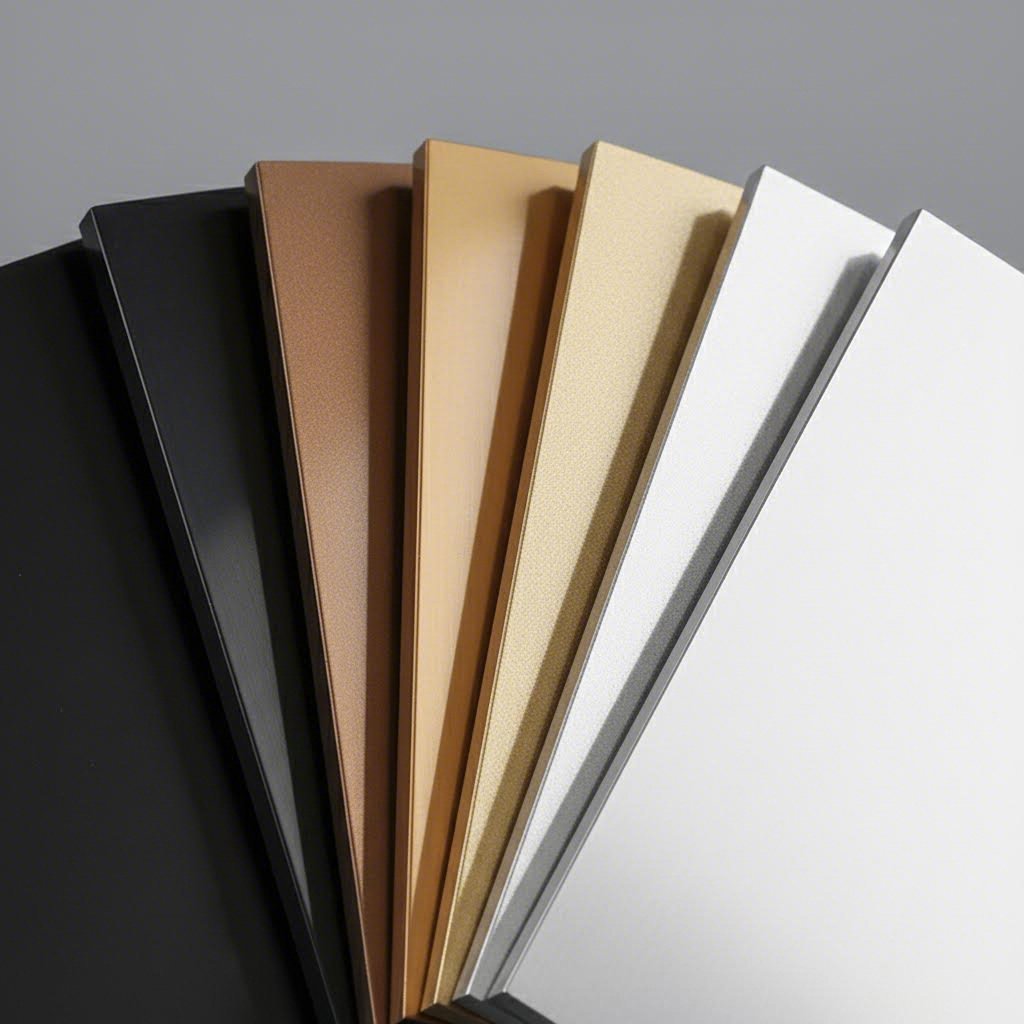
You've selected your alloy, specified your dimensions, and identified the right profile shape—but your aluminum tube extrusion isn't truly finished until it receives appropriate surface treatment and secondary processing. These final steps transform raw extrusions into application-ready components, enhancing both performance and appearance. Whether you need an anodized aluminum extrusion for architectural elegance or precision-machined parts for industrial assemblies, understanding your options ensures you get exactly what your project demands.
Available surface treatment options for aluminum extrusion tube profiles include:
Ever wonder how aluminum window frames maintain their appearance for decades? The answer lies in anodizing—an electrochemical process that dramatically enhances aluminum's natural protective qualities. During anodizing, the aluminum profile is immersed in an acid-based electrolyte tank while electrical current passes through the solution. This process allows aluminum profiles to retain their metallic luster while accepting a durable and vibrant color.
Unlike paint that sits on the surface, the anodized layer becomes part of the aluminum itself. The result? A finish that won't peel, chip, or flake—even under harsh conditions. This integrated protection makes anodized aluminum extrusions ideal for extruded aluminum track systems, architectural trim, and any application where long-term appearance matters.
Color options extend far beyond basic silver. Standard anodized finishes include Clear Satin, Champagne, Golden Bronze, Light Bronze, Medium Bronze, Dark Bronze, Deep Bronze, and Black. For architectural applications requiring distinctive aesthetics, specialty colors like Rose Gold create eye-catching accents. Black aluminum extrusion finishes remain particularly popular for modern architectural designs and industrial equipment framing.
When durability and color variety take priority over metallic appearance, powder coating delivers exceptional results. This process applies dry plastic powder electrostatically, then melts it onto the surface to produce textured, matte, or glossy finishes. Powder coating is highly resistant to corrosion, scratches, and fading, making it suitable for applications ranging from outdoor furniture to industrial machine guards. With access to thousands of powder colors, virtually any aesthetic vision becomes achievable.
For the most demanding exterior applications—think high-rise curtain walls or coastal building facades—PVDF (polyvinylidene fluoride) coatings provide superior weathering resistance. These fluoropolymer coatings withstand intense UV exposure, temperature extremes, and environmental pollutants that would degrade lesser finishes. When your aluminum extrusion slider or aluminum tracking system faces years of outdoor exposure, PVDF protection ensures lasting performance.
Beyond these primary options, micro-arc oxidation creates an exceptionally hard ceramic layer ideal for components requiring extreme wear resistance. This advanced treatment produces surfaces approaching diamond-like hardness—perfect for aluminum t extrusion profiles used in high-friction mechanical assemblies.
Surface treatment addresses appearance and protection, but what about transforming your extruded aluminum tube into a finished component? Secondary processing operations bridge the gap between raw extrusion and installation-ready parts.
Cutting represents the most fundamental secondary operation. Precision sawing produces clean, square ends at exact lengths—critical when tubes must fit within tight dimensional windows. For high-volume production, automated cutting systems maintain consistent quality across thousands of pieces.
Drilling and tapping create the holes and threads needed for mechanical assembly. Whether you need simple through-holes for bolted connections or precisely located tapped holes for extruded aluminum slide mechanisms, CNC drilling centers achieve the accuracy that hand operations cannot match. Modern machining equipment maintains high-precision tolerances ranging from +/-0.001"–0.005" for critical features.
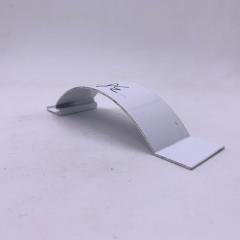
Bending transforms straight extrusions into curved components—but this operation demands expertise. Aluminum's behavior during bending depends on alloy, temper, wall thickness, and bend radius. Too tight a radius or improper technique results in cracking or distortion. Experienced fabricators understand these variables and select appropriate methods for each application.
Welding joins aluminum components into complete assemblies. Both MIG and TIG welding work with aluminum tubes, though the heat-affected zone typically loses some strength. For structural applications, post-weld heat treatment can restore mechanical properties. Non-structural assemblies often proceed directly to finishing after welding.
For projects requiring comprehensive processing capabilities, partnering with a full-service supplier simplifies procurement and ensures consistency. Shengxin Aluminium exemplifies this integrated approach, offering anodizing in custom colors including Champagne and Rose Gold, powder coating, PVDF finishes, and micro-arc oxidation treatments—all complemented by CNC machining centers capable of precision cutting, drilling, and bending. This end-to-end capability eliminates the coordination challenges that arise when multiple vendors handle different process steps.
When specifying secondary processing, communicate your requirements clearly. Indicate which dimensions are critical versus those with flexibility. Provide complete assembly drawings if multiple components must mate precisely. And remember that processing capabilities vary significantly between suppliers—a manufacturer equipped for simple cut-to-length operations may lack the equipment for complex CNC machining or specialized surface treatments.
With surface treatment and secondary processing options understood, the final consideration becomes finding the right supplier to bring your aluminum tube extrusion project to life.
You've done the engineering work—identified the right alloy, specified precise dimensions, and determined which surface treatments your application requires. Now comes a decision that can make or break your project: choosing the supplier who will actually manufacture your aluminum tube extrusions. This final step deserves the same careful attention you've given to material selection and dimensional specifications.
When you're ready to buy aluminum tube profiles or explore aluminum extrusions for sale, the differences between suppliers extend far beyond price. A manufacturer with inadequate press capacity might struggle with your profile complexity. A supplier lacking in-house die development could add weeks to your timeline. And a vendor without proper quality systems might deliver parts that look acceptable but fail to meet critical tolerances.
What separates a reliable aluminum extrusion supply partner from a vendor who'll cause headaches down the road? Industry experts identify seven critical factors that should guide your evaluation process.
Experience and Track Record
Start with the fundamentals. How long has the supplier been producing standard aluminum extrusions and custom profiles? Experienced manufacturers have refined their techniques over years of production, developing the institutional knowledge needed to anticipate problems before they occur. A supplier with decades of aluminum extruded product experience is more likely to deliver consistent quality and meet your specific requirements than a newcomer still learning the process.
Press Capacity and Manufacturing Capabilities
Not all extrusion presses can handle the same profiles. Larger presses accommodate wider cross-sections and help achieve tighter tolerances for long parts. When evaluating potential partners, ask about their press tonnage range, maximum billet size, and documented tolerance capabilities for the alloys you intend to use.
Consider this: a supplier operating presses from 600T to 5500T capacity can handle everything from delicate architectural trim to heavy structural sections. This range flexibility means your supplier can grow with your needs rather than forcing you to find new vendors as project requirements evolve.
Die Development Expertise
Die tooling determines whether a supplier can produce your profile at the tolerances, finish quality, and volumes you need. According to procurement specialists, you should ask whether die design is handled in-house or subcontracted, what the expected die life is, and what maintenance cadence the supplier follows. Request cross-sections and tolerance notes from recent jobs to verify capability.
Quality Control and Certifications
Quality control is essential in extrusion manufacturing. A reliable supplier performs quality checks at all stages of the process, ensuring final products meet industry standards and your specifications. Look for ISO certification or other relevant industry credentials—these third-party validations demonstrate commitment to consistent processes.
Secondary Processing Options
Will you need cutting, drilling, bending, welding, or surface finishing? Clarify whether the supplier performs these operations in-house or uses subcontractors. In-house capabilities typically mean better quality control and faster turnaround. When extruded aluminum for sale includes integrated processing services, you avoid the coordination challenges of managing multiple vendors.
Even the best supplier can't deliver what you need if your specifications are unclear. Getting custom aluminum extrusions right starts with communicating your requirements precisely.
Before contacting suppliers, prepare these essential details:
Minimum Order Quantities and Lead Times
MOQ rules vary significantly between suppliers and depend heavily on whether an existing die can be reused. Discuss trial-run options like small pilot runs, and understand how MOQ scales with die amortization. Some manufacturers offer strategies to reduce upfront spend—shared die amortization, co-funded tooling, or phased production to spread die costs across multiple orders.
Lead times shift with region, press availability, and global supply chain conditions. Get typical lead-time ranges for profiles similar to yours and confirm seasonal impacts such as holiday shutdowns or planned maintenance. If your timeline is tight, ask about options to compress schedules through expedited tooling or priority press bookings.
Technical Support Throughout Production
The best suppliers don't just take orders—they partner with you from die design through mass production. This end-to-end support proves invaluable when optimizing designs for manufacturability, troubleshooting production issues, or scaling from prototype to volume production.
For example, Shengxin Aluminium demonstrates what comprehensive supplier capability looks like: 35 extrusion presses ranging from 600T to 5500T capacity, over 30 years of industry experience, and complete support from die development through mass production. This integrated approach—combining extrusion capacity with in-house CNC machining and multiple surface treatment options—eliminates the coordination headaches that arise when different vendors handle different process steps.
Before finalizing your aluminum extrude partner selection, work through this checklist during supplier conversations:
Red flags during supplier evaluation include refusal to share tolerance matrices, inconsistent answers about secondary operations, unclear MOQ policies, or reluctance to provide sample inspection documentation. These warning signs suggest potential problems that will only magnify once production begins.
Choosing the right supplier for your aluminum tube extrusions ultimately comes down to matching capabilities to requirements. A manufacturer equipped with diverse press capacity, in-house die development, comprehensive secondary processing, and robust quality systems positions your project for success—whether you need extruded aluminum accessories for a prototype assembly or high-volume production runs of standard aluminum extrusions. Take the time to evaluate thoroughly, communicate specifications clearly, and you'll establish a partnership that delivers quality results project after project.
Metallic colored plastic profiles offer a cost-effective alternative to aluminum extrusions for non-structural applications. These plastic extrusions have been field-tested and are available in various sizes and configurations. However, they lack aluminum's strength-to-weight ratio, thermal conductivity, and infinite recyclability. For structural applications requiring durability and corrosion resistance, aluminum remains the superior long-term investment despite higher initial costs.
The primary difference lies in strength versus surface finish. 6061-T6 aluminum offers tensile strength of 42,000+ psi compared to 6063-T6's 28,000+ psi—roughly 50% stronger. However, 6063 provides superior surface finish quality and extrudability, making it ideal for architectural applications requiring anodizing. Choose 6061 for structural components, aerospace parts, and load-bearing applications; select 6063 for window frames, decorative trim, and profiles where appearance matters most.
Standard aluminum tubing sizes range from 0.031 inches to 10 inches outside diameter, with wall thicknesses varying based on application requirements. Common formats include round, square, and rectangular profiles in various dimensions. Sizes are typically specified as OD x Wall or OD x ID. For non-standard requirements, custom extrusion profiles can be manufactured through specialized die design, offering flexibility beyond catalog dimensions.
Selection depends on balancing structural requirements against weight and cost constraints. Thick wall aluminum tubing suits high-stress applications like hydraulic cylinder housings and heavy machinery frames. Thin wall tubing excels in weight-sensitive applications such as aerospace structures and bicycle frames. Consider load requirements, joining methods, secondary processing needs, and cost when determining optimal wall thickness for your specific application.
Common surface treatments include anodizing (clear, champagne, bronze, black, rose gold), powder coating (thousands of color options), and PVDF coatings for demanding exterior applications. Advanced options like micro-arc oxidation create ceramic-like surfaces for extreme wear resistance. Full-service suppliers like Shengxin Aluminium offer comprehensive finishing options including custom anodizing colors, ensuring both aesthetic appeal and functional protection for your specific application requirements.



 online service
 0086 136 3563 2360
 sales@sxalu.com
 +86 136 3563 2360
 English
 français
 Deutsch
 русский
 español
 português
 العربية
 ไทย
ไทย Việt
Việt Українська