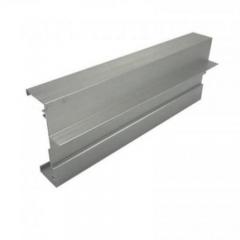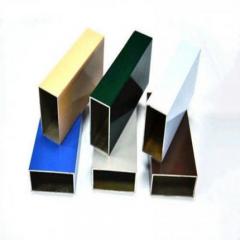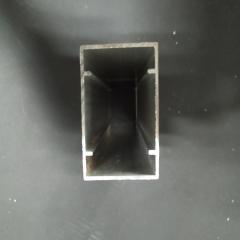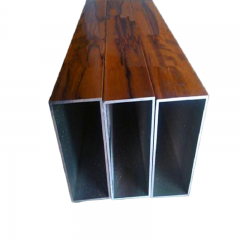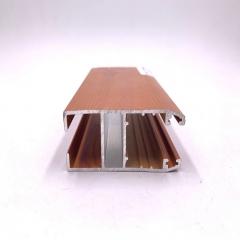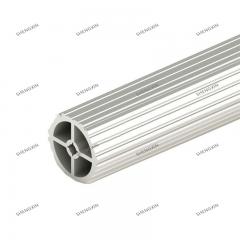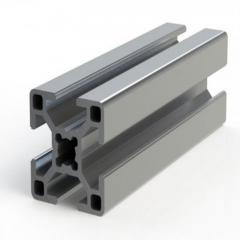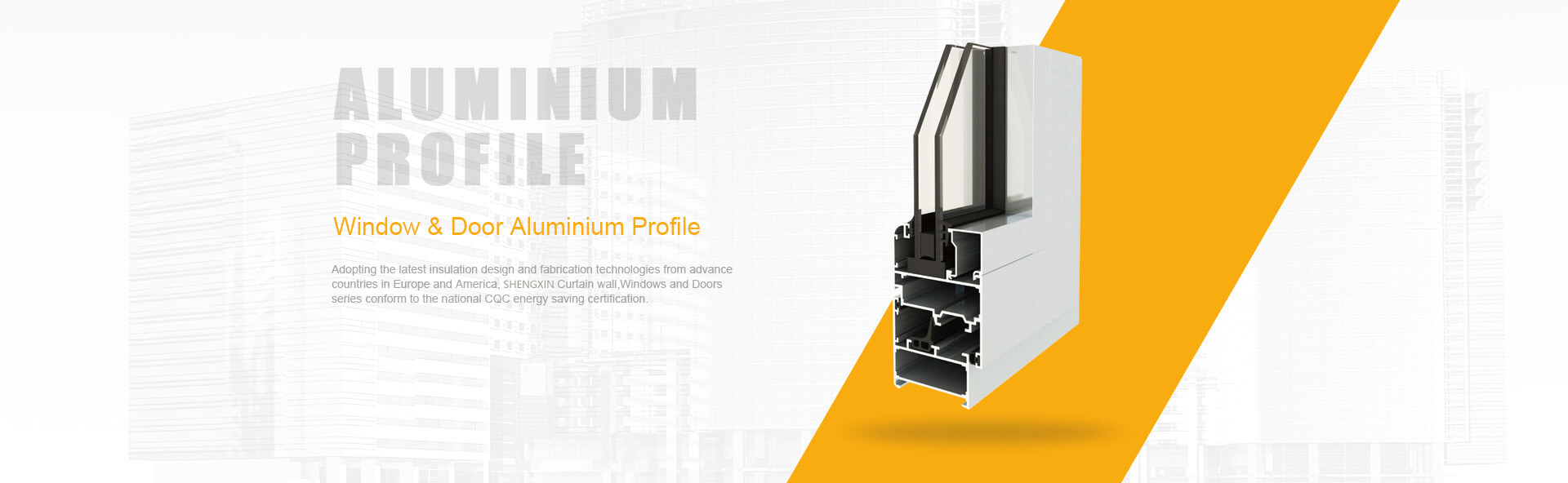
When you need aluminum profiles tailored precisely to your project requirements, custom 6063 aluminum extrusions offer an unmatched combination of design flexibility and material performance. But what exactly makes this specific alloy the go-to choice for architects, engineers, and industrial designers worldwide?
Simply put, 6063 aluminum is an alloy containing magnesium and silicon as its primary alloying elements. According to Wikipedia's aluminum alloy database, it consists of 97.5% to 99.35% aluminum, with magnesium content between 0.45% and 0.90% and silicon ranging from 0.20% to 0.60%. This precise composition creates material properties that make it ideal for creating complex, visually appealing profiles through the extrusion process.
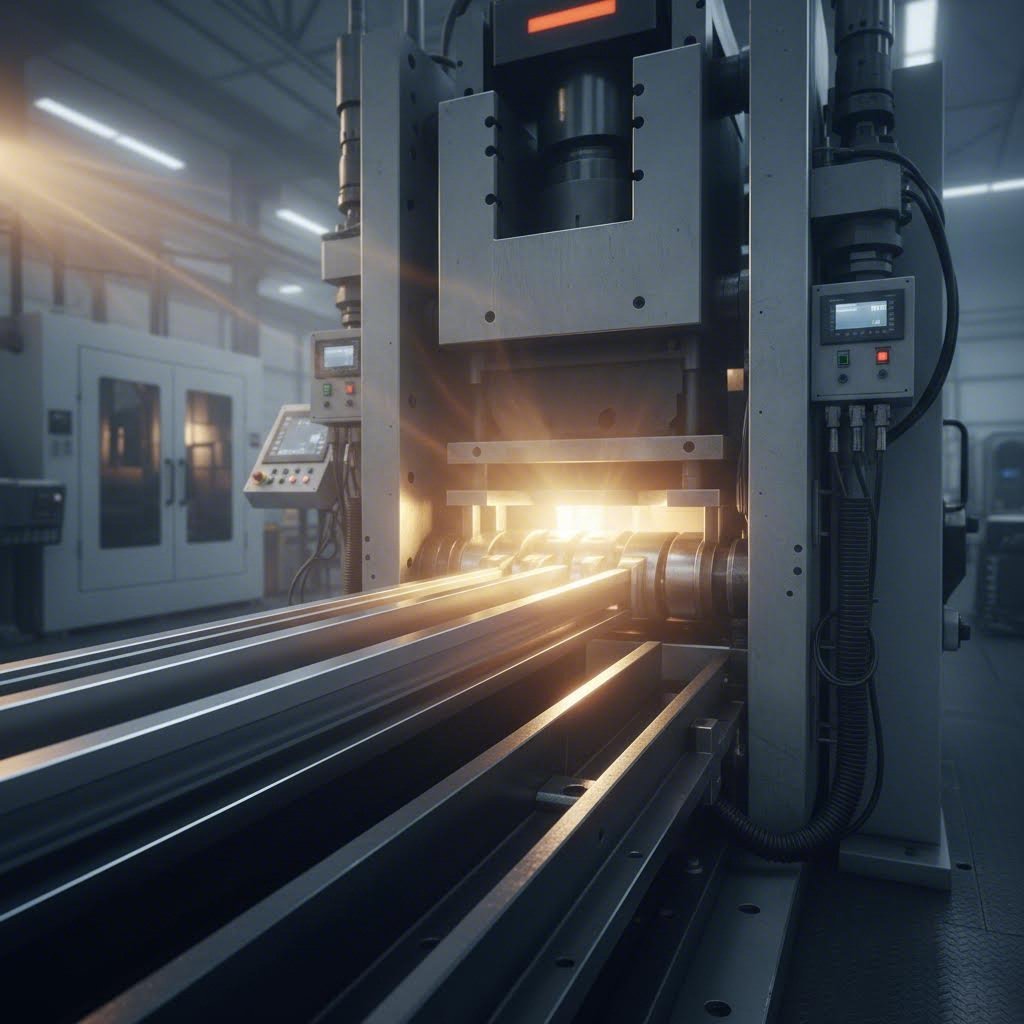
Imagine pushing heated play dough through a shaped cookie cutter—that's essentially how aluminum extrusion works, just at industrial scale with extreme precision. Heated aluminum billets (typically around 800-925°F) are forced through custom-designed steel dies using powerful hydraulic presses. The result? Continuous lengths of aluminum with your exact cross-sectional shape.
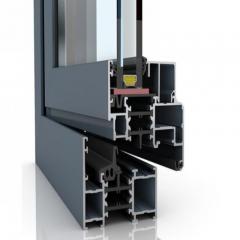
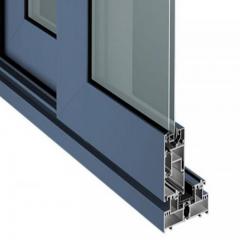
So why does 6063 dominate architectural applications like window frames, door frames, and curtain walls? Three key properties set it apart:
6063 is the most common alloy used for aluminum extrusion, allowing complex shapes to be formed with very smooth surfaces fit for anodizing.
What does "custom" really mean for buyers considering 6063 aluminum extrusion options? It's the difference between settling for standard catalog profiles and creating proprietary shapes optimized specifically for your application.
With custom aluminum extrusions, you're not limited to basic angles, channels, or tubes. Instead, you can design unique extrusions that integrate multiple functions into a single profile—think built-in mounting channels, thermal breaks, or decorative features. This approach often reduces assembly time, eliminates secondary operations, and creates cleaner final products.
The material's thermal conductivity of approximately 201-218 W/m·K makes it excellent for heat dissipation applications, while its density of just 2.69 g/cm³ keeps components lightweight. Combined with a Young's modulus of 68.9 GPa and good weldability using tungsten inert gas welding, custom extrusions in this alloy deliver engineering versatility that few other materials can match.
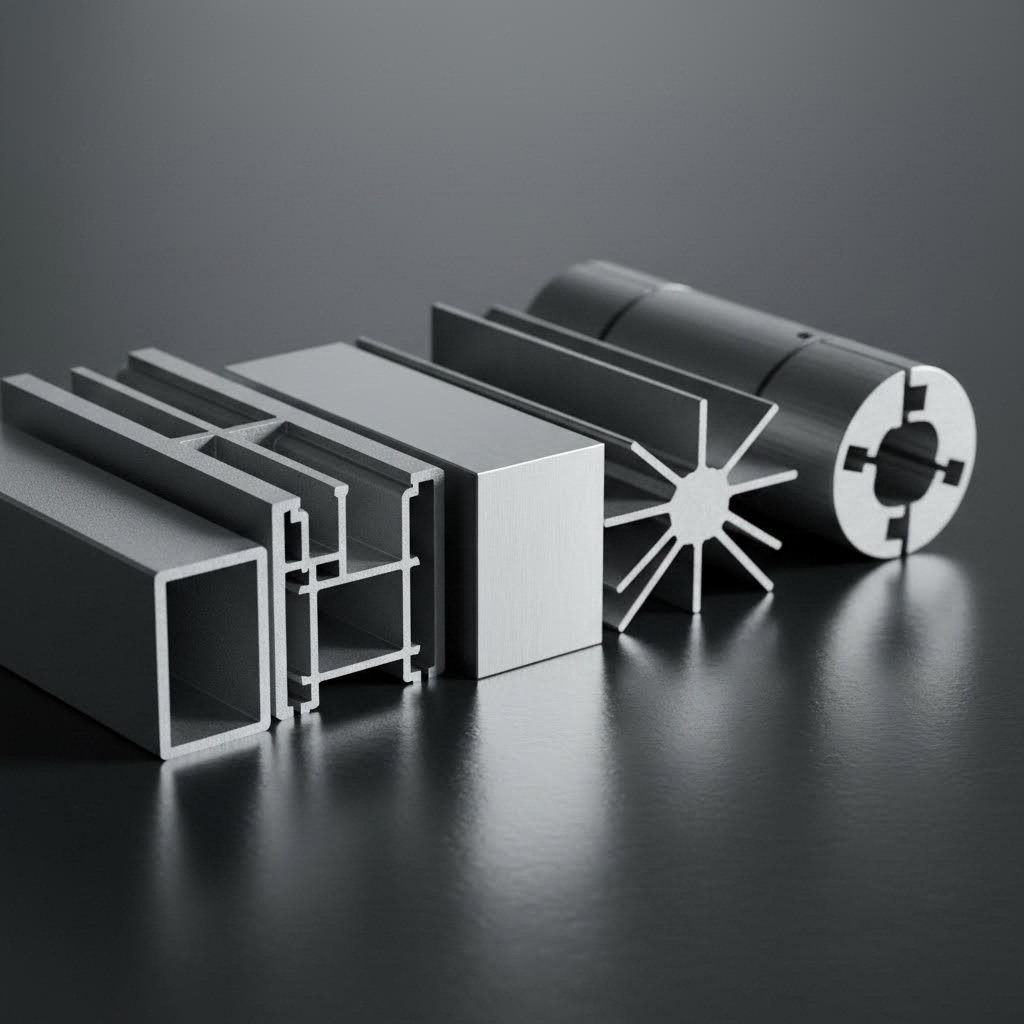
Now that you understand what makes 6063 aluminum special, you're probably wondering how it stacks up against other popular alloys. After all, making the right material selection can mean the difference between a successful project and costly redesigns. Let's break down the key differences so you can make informed decisions for your custom extrusion needs.
The comparison between 6061 and 6063 aluminum comes up constantly in engineering discussions—and for good reason. Both alloys belong to the 6000 series, sharing magnesium and silicon as primary alloying elements. However, their performance characteristics differ significantly based on your application requirements.
Here's the fundamental trade-off: 6061 aluminum delivers superior strength, while 6063 excels in extrudability and surface finish quality. According to Industrial Metal Service, 6061-T6 achieves a yield strength of 40,000 psi compared to 6063-T6's 31,000 psi. That's roughly a 29% strength advantage for 6061.
So why would anyone choose the "weaker" alloy? Consider what 6063's superior extrudability means in practice:
When comparing aluminum 6061 vs 2024 or other high-strength alloys, you'll notice that increased strength typically comes with reduced formability and surface quality. The density of 6061 aluminum is nearly identical to 6063 at approximately 2.70 g/cm³, so weight savings won't factor into your decision between these two alloys.
Beyond the 6061 vs 6063 comparison, several other alloys deserve consideration depending on your project requirements. The table below provides a comprehensive comparison to guide your selection:
| Property | 6063-T6 | 6061-T6 | 6005-T6 | 6463-T6 |
|---|---|---|---|---|
| Yield Strength | ~31 ksi (214 MPa) | ~40 ksi (276 MPa) | ~38 ksi (260 MPa) | ~32 ksi (220 MPa) |
| Tensile Strength | ~35 ksi (241 MPa) | ~45 ksi (310 MPa) | ~45 ksi (310 MPa) | ~36 ksi (245 MPa) |
| Extrudability Rating | Excellent | Moderate | Good | Excellent |
| Surface Finish Quality | Excellent | Good | Good | Superior (mirror-capable) |
| Corrosion Resistance | Excellent | Good | Good | Excellent |
| Weldability | Good | Excellent | Excellent | Good |
| Typical Applications | Window frames, architectural trim, railings | Structural components, aerospace, automotive | Rail profiles, structural tubing, ladders | Decorative trim, bright anodized components |
What do these properties mean for your real-world decisions? Let's translate the technical specifications:
Extrudability rating directly affects what profiles you can create. 6063's excellent rating means your die designer has more freedom to incorporate thin walls, sharp corners, and complex hollow sections. For 6061 aluminum extrusion projects, expect limitations on minimum wall thickness and profile complexity.
Surface finish quality determines post-processing options. If your application requires bright anodizing or a polished appearance, 6463 offers the best results, closely by 6063. The lower iron and manganese content in these alloys minimizes surface imperfections that become visible after finishing.
Corrosion resistance matters for outdoor and marine applications. While all 6000-series alloys perform well, the copper content in 6061 slightly reduces its corrosion performance compared to 6063. For architectural applications exposed to weather, 6063 remains the preferred choice.
When should you choose 6061 despite 6063's advantages? Consider 6061 when your design requires maximum strength, involves significant CNC machining after extrusion, or serves structural load-bearing functions. Similarly, 7075 aluminum extrusion serves aerospace applications where strength-to-weight ratio trumps all other considerations, though its poor extrudability limits profile complexity.
For projects comparing 3003 vs 6061, remember that 3003 offers superior formability and corrosion resistance but lacks the strength of heat-treatable 6000-series alloys. Understanding these trade-offs helps you balance performance requirements against manufacturing feasibility and cost.
With your alloy selected, the next critical decision involves understanding the tolerance specifications and dimensional standards that will govern your custom extrusion project.
You've selected your alloy and understand its properties—but how precise can your custom aluminum extrusion profiles actually be? This question matters enormously for engineers designing assemblies where profiles must mate perfectly, slide smoothly, or maintain consistent appearance across production runs. Let's decode the tolerance standards that govern what's achievable.
The aluminum extrusion industry follows standards established by The Aluminum Association and the American National Standards Institute (ANSI H35.2). According to Engineers Edge, these standards account for both extruder manufacturing capabilities and designer requirements, balancing precision against practical manufacturing constraints.
When you order custom extruded profiles, you'll encounter two primary tolerance classifications: standard and precision. Understanding this distinction helps you specify exactly what your application requires without over-engineering—and overpaying.
Standard tolerances represent what aluminum extruders can consistently achieve under normal production conditions. These tolerances accommodate the natural variations in the extrusion process, including die wear, temperature fluctuations, and material flow characteristics. For most architectural and general industrial applications, standard tolerances provide adequate dimensional control.
Precision tolerances tighten allowable deviations significantly—typically by 30-40% compared to standard tolerances. However, achieving these tighter specifications requires modifications to extrusion dies, slower press speeds, increased inspection frequency, and sometimes higher rejection rates. The result? Higher costs and longer lead times.
Here's the practical guidance missing from most specifications: standard tolerances are designed to be readily achievable for properly designed profiles. If your design requires precision tolerances throughout, consider whether your geometry might be creating unnecessary manufacturing challenges.
| Dimension Type | Specified Dimension Range | Standard Tolerance (± inches) | Precision Tolerance (± inches) |
|---|---|---|---|
| Cross-Sectional (Metal Dimensions) | Up thru 0.124" | 0.006 | 0.004 |
| 0.125" - 0.249" | 0.007 | 0.005 | |
| 0.250" - 0.499" | 0.008 | 0.005 | |
| 0.500" - 0.749" | 0.009 | 0.006 | |
| 0.750" - 0.999" | 0.010 | 0.007 | |
| 1.000" - 1.499" | 0.012 | 0.008 | |
| Straightness | All profiles | 0.0125" per foot | By agreement |
| Twist | Width up thru 1.499" | 1° per foot (7° max) | By agreement |
| Width 1.500" - 2.999" | 0.5° per foot (5° max) | By agreement | |
| Width 3.000" and over | 0.25° per foot (3° max) | By agreement | |
| Surface Flatness | Surfaces up thru 1" | 0.004" | By agreement |
| Surfaces over 1" thru 6" | 0.004" × width (inches) | By agreement |
Notice how tolerances increase with dimension size? This reflects a fundamental reality of the extrusion process. Larger profiles experience greater thermal contraction during cooling, more potential for die deflection under pressure, and increased difficulty maintaining uniform material flow. For an aluminum extrusion round profile at 2" diameter, expect standard tolerances around ±0.024" compared to ±0.008" for a 0.5" round.
Wall thickness represents one of the most critical—and frequently misunderstood—aspects of custom extruded aluminum profiles design. Push too thin, and you'll face production challenges, poor tolerances, or outright rejection. Specify unnecessarily thick walls, and you're paying for material you don't need.
For 6063 aluminum, minimum wall thickness typically ranges from 0.040" to 0.050" (1.0mm to 1.3mm) for standard profiles. However, this baseline varies significantly based on several factors:
Circumscribing circle diameter (CCD) fundamentally affects what's achievable. The CCD is the diameter of the smallest circle that completely encloses your profile's cross-section. According to industry tolerance tables, profiles with CCDs under 10" follow different tolerance standards than larger profiles. As CCD increases, minimum wall thickness requirements generally increase as well, and tolerance bands widen.
Here's what this means practically: a small, intricate profile fitting within a 2" CCD might achieve 0.040" walls with standard tolerances, while a large architectural mullion with a 6" CCD might require 0.062" minimum walls in similar proportions to maintain structural integrity during extrusion.
Wall thickness tolerances deserve special attention. For walls that completely enclose space (hollow profiles), the standard tolerance follows a formula: 10% of specified dimension, with a minimum of 0.010" and maximum of 0.060". This means a specified 0.100" wall could measure anywhere from 0.090" to 0.110" under standard tolerances—a significant consideration for thermal performance or structural calculations.
Even experienced engineers sometimes overlook design details that make precise manufacturing difficult or impossible. Avoid these common pitfalls when specifying custom aluminum extrusion shapes:
What happens when you request tolerances tighter than standard? Expect cost increases of 15-30% and lead time extensions as the extruder implements additional process controls. For aluminum extrusion round bar or simple solid shapes, precision tolerances are more readily achievable. For complex hollow profiles, tighter tolerances may require multiple die iterations before production can begin.
The most cost-effective approach? Design for standard tolerances wherever possible, specifying precision tolerances only for critical mating surfaces or functional dimensions. Discuss your tolerance requirements with your extrusion partner during the design review phase—experienced custom aluminum extrusion profiles manufacturers can often suggest design modifications that achieve your functional requirements within standard tolerance bands.
With dimensional specifications established, the next consideration involves selecting the appropriate temper designation that will deliver the mechanical properties your application demands.
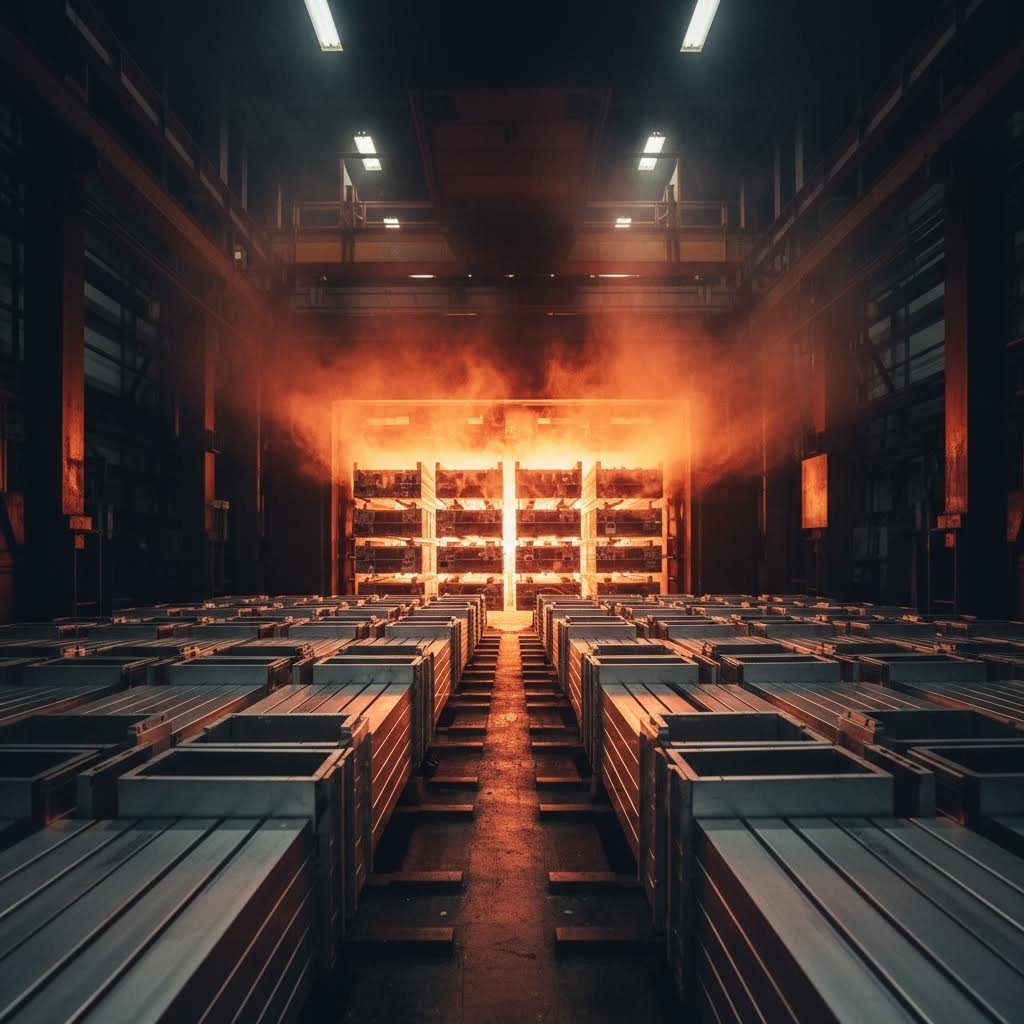
You've chosen 6063 aluminum and specified your tolerances—but there's another critical decision that directly impacts both performance and cost: temper selection. When you see designations like "6063-T5" or "6063-T6" on specifications, these codes tell you exactly how the aluminum was heat-treated after extrusion. Understanding this distinction helps you avoid over-specifying (and overpaying) or under-specifying (and risking failure).
According to Engineering Express, the fundamental difference lies in the heat treatment process. T5 temper involves air cooling directly from extrusion temperature by artificial aging. T6 temper adds a crucial intermediate step: solution heat treatment at approximately 980°F, water quenching, and then artificial aging. This extra processing dramatically changes the material's mechanical properties.
When aluminium 6063 exits the extrusion press, it's already at elevated temperatures—typically around 932°F (500°C). The T5 process takes advantage of this existing heat by allowing the profile to cool in air and then artificially aging it at 325-400°F. This aging process causes alloying elements to form ordered atomic structures (called GP zones) that strengthen the aluminum.
What makes T5 the preferred choice for most architectural applications? Consider these practical advantages:
The slow cooling characteristic of T5 processing allows grain structures to develop evenly throughout the profile. This even microstructure contributes to consistent corrosion resistance and uniform appearance after anodizing—properties that matter significantly for visible architectural elements.
Sometimes moderate strength simply isn't enough. When your extruded aluminum 6063 profiles must bear significant loads, withstand repeated stress cycles, or operate in demanding environments, T6 temper becomes essential despite its higher cost.
The T6 process begins differently. According to Alumaster Group's technical resources, the aluminum is heated to approximately 980°F for about an hour during solution heat treatment. This step dissolves all alloying elements into a solid solution within the aluminum matrix. Rapid water quenching then "freezes" this solution at room temperature, preventing precipitation during cooling. Finally, artificial aging at 325-400°F for 1-8 hours (depending on temperature) creates the fine, evenly distributed precipitates that maximize strength and hardness.
The result? T6 temper delivers roughly 40% higher yield strength than T5, transforming the same 6063 aluminium sheet or profile into a significantly more capable structural material.
| Property | 6063-T5 | 6063-T6 | Difference |
|---|---|---|---|
| Yield Strength | 22 ksi (152 MPa) | 31 ksi (214 MPa) | +41% |
| Ultimate Tensile Strength | 27 ksi (186 MPa) | 35 ksi (241 MPa) | +30% |
| Hardness (Brinell) | 60 HB | 73 HB | +22% |
| Elongation at Break | 12% | 9% | -25% |
| Fatigue Resistance | Moderate | High | Superior |
| Processing Cost | Baseline | +15-25% | Higher |
| Corrosion Resistance | Excellent | Excellent | Comparable |
Notice the trade-off in elongation? T6's increased strength comes with reduced ductility. This means T6 profiles are harder to bend or form after extrusion and may crack under severe deformation. If your application requires post-extrusion bending, T5 often provides better workability.
Here's what most specifications fail to mention: your temper choice impacts more than just mechanical properties. It affects how the profile behaves during secondary operations like machining and surface treatment.
Machining considerations: T6 temper's higher hardness actually improves machinability in many cases. The harder material produces cleaner cuts with less burring, better surface finishes, and reduced tool gumming compared to softer T5 profiles. However, T6 requires slightly more cutting force and generates more heat during high-speed machining operations.
Anodizing behavior: Both tempers anodize well, but subtle differences exist. The more uniform microstructure achieved through T6's solution treatment can produce slightly more consistent anodized coatings. However, for most architectural applications, this difference is imperceptible—making T5's cost advantage more significant.
Welding implications: Heat from welding disrupts the temper condition in the heat-affected zone regardless of initial temper. Both T5 and T6 profiles lose strength near welds and may require post-weld heat treatment for critical structural applications.
When should you specify each temper? Consider these application-based recommendations:
Choose T5 when:
Choose T6 when:
The cost premium for T6 typically runs 15-25% higher than T5 due to additional processing steps, energy consumption, and handling requirements. However, T6's higher strength sometimes allows thinner wall sections, potentially offsetting material costs while reducing weight. Always evaluate total system cost rather than per-pound material price alone.
With temper selection clarified, understanding the complete ordering process—from initial design concept through final delivery—helps you plan projects realistically and avoid common pitfalls.
You've finalized your alloy choice, specified tolerances, and selected the optimal temper—but what actually happens next? Surprisingly, most resources leave buyers guessing about the journey from concept sketch to finished profiles arriving at their facility. Understanding this process helps you plan realistically, avoid costly delays, and budget accurately for your custom aluminum extrusion project.
The good news? Aluminum extrusion tooling offers some of the lowest costs and fastest lead times compared to alternative manufacturing processes. According to the Aluminum Extruders Council, extrusion dies for presses with 7 to 10-inch circle size typically cost between $1,000 and $2,000 for solid shapes and $1,200 to $4,000 for hollow profiles—with lead times of just 2 to 3 weeks. Compare that to production tooling for rolled steel shapes, which can exceed $30,000 with 3-month lead times.
Whether you're starting with a napkin sketch or detailed CAD files, the custom extrusion process follows a predictable sequence. Here's the step-by-step journey your project will take:
What makes custom metal extrusion services efficient compared to other manufacturing methods? The relatively low tooling costs permit full-scale prototyping with minimal penalty for subsequent revision. If your first sample reveals design improvements, die modifications typically cost far less than creating entirely new tooling.
Realistic project planning requires understanding what drives lead times at each stage. Three primary factors influence your total timeline:
Tooling lead time depends primarily on die complexity. A simple solid profile with uniform walls and generous radii might require just 10-14 days. Complex hollow sections with multiple voids, tight tolerances, or unusual geometries could extend this to 4 weeks or more. According to KMC Aluminium's technical resources, the overall size, geometry, and shape of the extrusion significantly impact die construction time.
Extrusion lead time varies based on where your order falls in the production schedule. New dies must be tested before production begins—the die runs sample extrusions to verify that operating conditions produce required quality. If tolerances aren't achieved on the first run, the die returns to the tooling shop for cleaning or minor adjustments. This iteration process, while sometimes frustrating, ensures your production run meets specifications from the start.
Fabrication lead time adds the most variability. Simple cut-to-length orders might add just days, while complex CNC machining, multiple finishing operations, or assembly requirements could add weeks. Custom metal extrusion services that offer integrated fabrication capabilities streamline this phase by eliminating coordination between separate vendors.
New buyers often worry about die costs, but understanding amortization reveals why custom extrusion remains economical at production volumes. Consider this perspective: a $2,000 die producing 10,000 pounds of extrusions adds just $0.20 per pound to material costs. At 50,000 pounds, that drops to $0.04 per pound—effectively negligible.
According to Alumaster Group's purchasing guide, normal aluminum extrusion tools cost between $400 and $1,000 for standard profiles, with larger or more complex shapes reaching $2,000. The factors affecting die cost include:
Most extruders retain ownership of dies and store them for reorders. However, policies vary—clarify die ownership, storage terms, and replacement costs for worn tooling before committing to a supplier.
Minimum order quantities (MOQs) often surprise first-time custom extrusion buyers. Most extruders require 500-1,000 pounds minimum per shape, with some requiring 1,000-2,000 pounds. These aren't arbitrary barriers—they reflect genuine economic and technical realities.
Why do MOQs exist? Several practical factors drive these requirements:
What if you need smaller quantities? Some extruders with smaller presses can accommodate reduced MOQs for profiles fitting within their circle size capabilities—smaller billets mean lower material commitments per press stroke. Alternatively, consider ordering larger initial quantities if storage costs are manageable, reducing per-pound costs while ensuring supply availability.
Understanding MOQs also helps with prototyping strategy. When validating new designs, discuss sample quantities separately from production MOQs. Many suppliers accommodate prototype runs of a few hundred pounds to support design validation before committing to full production volumes.
With the ordering process mapped out, selecting the right surface treatment ensures your custom 6063 profiles achieve the appearance and durability your application demands.
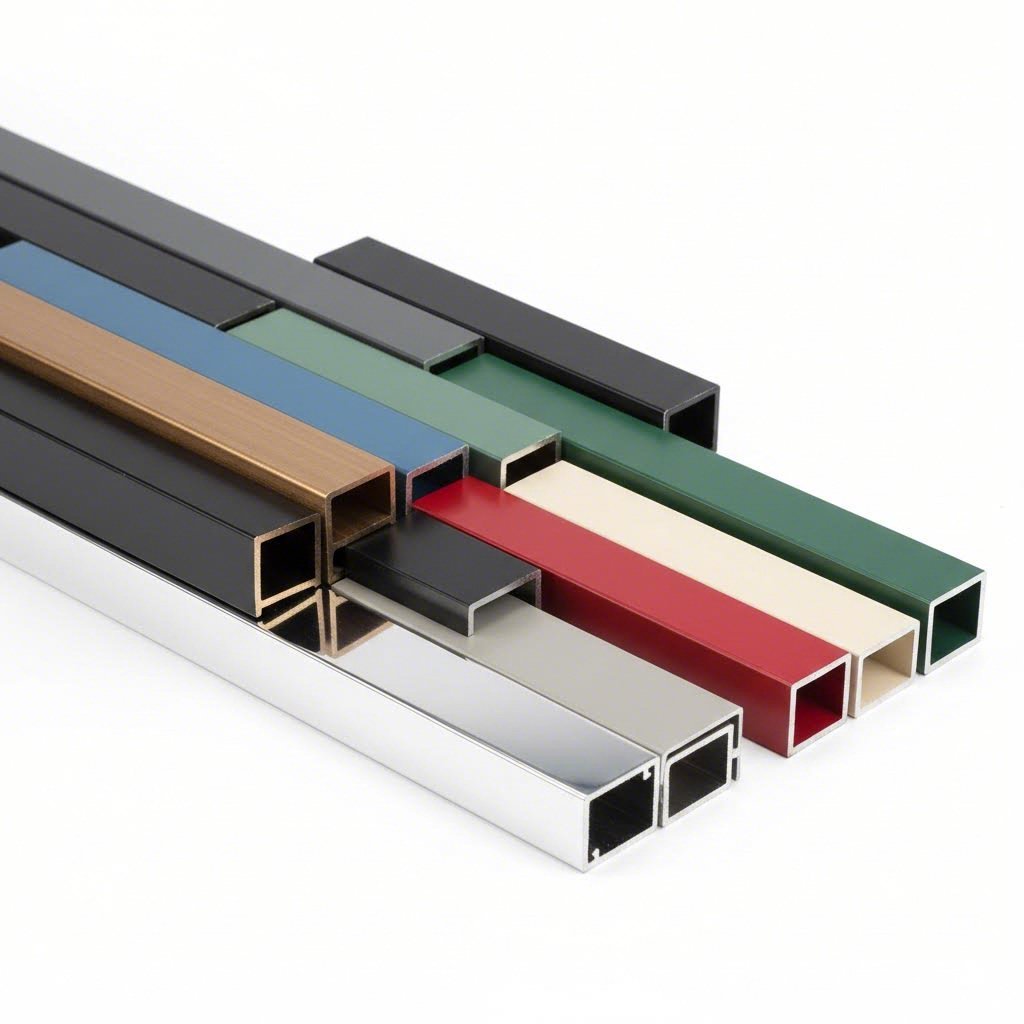
Your custom 6063 aluminum extrusions have arrived from the press—but they're not ready for installation yet. That mill finish, while functional, shows die marks, minor oxidation, and lacks the polished appearance most applications demand. What surface treatment transforms raw extrusions into finished products that perform beautifully for decades?
Here's why this decision matters: 6063 aluminum's exceptional surface quality makes it the ideal substrate for decorative finishing. According to ALEK VS technical resources, the alloy's low iron and copper content produces a more uniform oxide layer, consistent coloring, and superior surface brightness compared to other alloys. This advantage translates directly into better-looking, longer-lasting finished products—but only when you select the right treatment for your application.
| Surface Treatment | Appearance | Durability | Cost Level | Best Applications |
|---|---|---|---|---|
| Mill Finish | Dull, visible tooling marks | Low (prone to oxidation) | Lowest | Hidden components, temporary applications |
| Mechanical (Brushed) | Uniform satin texture | Moderate | Low-Medium | Industrial equipment, interior trim |
| Mechanical (Polished) | Mirror-like reflective | Moderate | Medium | Decorative accents, reflectors |
| Clear Anodizing | Natural aluminum with subtle sheen | High | Medium | Architectural aluminum extrusions, consumer products |
| Color Anodizing | Bronze, black, gold, custom colors | High | Medium-High | Storefronts, window frames, decorative trim |
| Powder Coating | Unlimited colors, various textures | High | Medium | Outdoor furniture, railings, equipment enclosures |
| PVDF Coating | Matte colors, consistent appearance | Very High (20+ years) | High | Curtain walls, aluminum panel extrusions, facades |
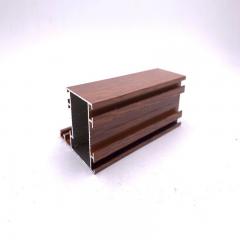
| Sublimation | Wood grain, stone, custom patterns | High | Medium-High | Outdoor furniture, window frames |
What makes anodizing different from paint or coating? Unlike surface treatments that add material on top of aluminum, anodizing transforms the aluminum itself. An electrochemical process stimulates the naturally-occurring oxide layer to grow thicker—typically 15 to 25 times thicker than the natural oxide. This integrated protective layer cannot peel, chip, or flake because it's literally part of the aluminum.
According to Gabrian's finishing guide, anodizing improves corrosion resistance and wear resistance while providing the ability to accept dyes for coloring. For custom aluminum extruders working with 6063 alloy, the fine grain structure produces exceptionally consistent, attractive finishes that highlight why this alloy dominates architectural applications.
Anodizing thickness classes determine both appearance and performance:
Color options extend far beyond basic black and bronze. While these traditional architectural colors remain popular, modern anodizing technology enables custom colors ranging from champagne and pewter to reds, blues, and greens. However, color consistency requires careful process control—another reason 6063's uniform composition matters for bespoke aluminium extrusion projects requiring matched finishes across production lots.
When your application demands vibrant colors, maximum UV resistance, or specific brand colors that anodizing cannot achieve, organic coatings become the answer. But which coating system—powder coating or PVDF—delivers the right balance of performance, appearance, and value?
Powder coating applies dry paint particles electrostatically, then cures them under heat to form a durable, uniform finish. According to Gabrian's technical resources, powder coatings provide bright, long-lasting colors with high UV resistance and are considered more environmentally friendly than liquid paints since they don't use solvents containing volatile organic compounds.
The advantages of powder coating include:
PVDF (polyvinylidene fluoride) coatings represent the premium tier for demanding architectural applications. According to KGE Coating's technical comparison, PVDF's fluoropolymer-based chemistry provides exceptional chemical resistance, UV stability, and color retention that powder coating cannot match. These coatings can withstand corrosive agents and UV exposure while maintaining their finish for decades without fading or degradation.
When does PVDF justify its premium cost? Consider it essential for:
PVDF also offers practical advantages: it doesn't require oven curing like powder coating and can be applied in thinner layers while still achieving superior protection. For curtain walls, metal facades, and exposed aluminum panel extrusions where decades of color retention matter, PVDF remains the architect's preferred choice despite higher initial costs.
How do you choose among these options? Consider these key factors affecting finish selection:
One emerging technology worth monitoring: micro-arc oxidation (MAO), sometimes called plasma electrolytic oxidation. This advanced process creates ceramic-like coatings with superior hardness and wear resistance compared to conventional anodizing. While currently more expensive and less widely available, MAO may become increasingly relevant for industrial applications demanding extreme durability.
Whatever finish you select, 6063's excellent surface quality ensures consistent, attractive results. The alloy's fine grain structure and controlled composition—the same properties that make it ideal for complex extrusions—translate directly into superior finishing outcomes compared to higher-strength alloys with less refined surfaces.
Understanding how surface treatments enhance custom 6063 profiles prepares you to appreciate the diverse applications where these finished extrusions excel across multiple industries.
Now that you understand temper selection and surface treatment options, where do custom 6063 aluminum extrusions actually end up? The answer spans remarkably diverse industries—from the window frame in your office building to the heat sink cooling your laptop. Let's explore specific applications sector by sector, revealing why engineers across industries consistently choose this alloy for their most demanding projects.
What makes 6063 so versatile? According to Metal Exchange, the combination of excellent extrudability, superior surface finish, and corrosion resistance makes this alloy ideal for applications where appearance is just as important as strength. That's precisely why high-performance aluminum extrusions industrial applications increasingly specify 6063 over alternative materials.
Walk through any modern commercial district and you're surrounded by 6063 aluminum. Those sleek glass office towers? Their curtain wall mullions are almost certainly extruded from this alloy. The storefronts, entrance frames, and even decorative handrails—all prime 6063 territory.
According to Taber Extrusions, structural aluminum has become essential in modern construction, with the 6XXX series enabling larger spans and innovative architectural designs without compromising structural integrity. The material's ability to withstand extreme temperatures ranging from -80°C to +300°C makes it ideal for exterior building applications.
Why does architecture favor 6063 so consistently? The anodized silver framing on modern glass office buildings—often 6063-T5 extrusions—demonstrates how this alloy balances structural adequacy with visual refinement. The T5 temper provides sufficient strength for most non-structural architectural elements while preserving the surface quality that makes decorative finishing successful.
Beyond architecture, custom aluminium extrusions solve critical thermal and mechanical challenges in electronics and industrial equipment. The same properties making 6063 ideal for visible architectural components—excellent surface finish and complex geometry capability—prove equally valuable when function trumps appearance.
The heat sink application deserves special attention. Imagine designing fins just 0.040" thick, spaced 0.100" apart, extending 2" from the base—geometries impossible with machining but readily achievable through extrusion. This capability lets thermal engineers optimize cooling performance while maintaining manufacturability, a combination that explains why extruded heat sinks dominate electronics cooling applications.
The versatility of 6063 extends into transportation systems, renewable energy infrastructure, and industrial automation—sectors where lightweight strength and corrosion resistance deliver ongoing operational benefits.
Transportation applications:
Solar energy systems:
Industrial automation:
Each application leverages different aspects of 6063's property profile. Transportation values the weight savings and finish quality. Solar installations benefit from corrosion resistance eliminating maintenance costs over 25+ year system lifespans. Industrial automation exploits the modular design possibilities enabled by consistent, precise extrusions.
Whether you're designing curtain walls, heat sinks, or conveyor systems, 6063's unique combination of extrudability, surface quality, and corrosion resistance consistently delivers. But realizing these benefits requires partnering with a supplier whose capabilities match your project's technical and commercial requirements.

You've designed your profile, selected 6063 alloy with the optimal temper, and specified your surface treatment—but here's where many projects stumble: choosing the wrong supplier. The difference between a successful custom extrusion project and a costly headache often comes down to partner capabilities that extend far beyond the quoted price per pound.
What separates adequate custom aluminum extrusion suppliers from truly exceptional ones? It's not just about having presses and dies—it's about the depth of technical expertise, breadth of integrated capabilities, and commitment to solving problems before they reach your production floor.
When comparing custom aluminum extrusion manufacturers, resist the temptation to focus solely on unit pricing. According to Aluphant's supplier evaluation guide, evaluating capability requires analyzing die design, process control, machining integration, and quality systems—factors that ultimately determine whether you receive consistent results, lower rework rates, and predictable lead times.
Here are the critical supplier evaluation factors that distinguish reliable custom aluminum extrusion companies from those likely to create headaches:
Why does press size matter so much? According to FONIRTE's technical resources, press tonnage is the primary enabler of profile size, complexity, and quality. Larger profiles require more force to overcome friction and deformation resistance. Complex, thin-walled, multi-voided profiles demand higher tonnage to ensure aluminum completely fills every intricate die detail.
Here's the practical implication: if your custom aluminium extrusion requires a 6-inch circumscribing circle diameter with hollow sections and thin walls, a supplier operating only 1500T presses simply cannot produce your profile—regardless of price. Conversely, running small, simple profiles on oversized presses wastes capacity and typically increases costs.
The ideal custom aluminum extrusion manufacturer maintains a range of press capacities to match the specific demands of each profile. For example, Shengxin Aluminium operates 35 extrusion presses ranging from 600T to 5500T, enabling them to handle everything from delicate precision profiles to substantial architectural and industrial components under one roof.
Before signing with any supplier, gather answers to these critical questions:
Suppliers experienced in custom aluminum extrusions will answer these questions confidently with specific details rather than vague assurances.
What drives the total custom aluminum extrusion cost for your project? According to Gabrian International's cost analysis, several factors combine to determine your final price. Understanding these components helps you identify where value exists—and where quoted savings might create hidden expenses.
| Cost Component | Typical Range | Key Variables |
|---|---|---|
| Die Tooling | $400 - $4,000 | Profile complexity, circle size, solid vs hollow design, tolerance requirements |
| Raw Material (Aluminum) | $1,500 - $3,500/metric ton | LME aluminum pricing, alloy grade, market conditions, order timing |
| Extrusion Processing | Varies by region | Labor costs, overhead, press utilization, production volume |
| Surface Treatment | $800 - $1,400/metric ton | Anodizing vs powder coating, coating thickness, color complexity, special finishes |
| Secondary Operations | $200 - $500+/metric ton | Machining complexity, number of operations, tooling requirements, tolerances |
| Shipping/Logistics | $8,000 - $20,000/container | Origin/destination, container availability, fuel costs, duties and tariffs |
Notice how die tooling—often a concern for first-time buyers—represents a relatively small portion of total project cost when amortized across production volumes. A $2,000 die spread across 10,000 pounds adds just $0.20 per pound. Meanwhile, surface treatment and secondary operations can significantly impact per-unit costs, making integrated suppliers who perform these operations in-house particularly valuable.
Why do integrated capabilities matter beyond convenience? When extrusion, fabrication, and finishing occur under one roof, you gain:
For complex projects requiring precision machining and custom finishes, these advantages often outweigh marginal per-pound savings from piecing together separate vendors.
Consider suppliers like Shengxin Aluminium, which exemplifies this integrated approach. With over 30 years of experience, they combine 35 extrusion presses with state-of-the-art CNC machining centers and comprehensive surface treatment capabilities—including anodizing in custom colors, powder coating, PVDF, and micro-arc oxidation. Their technical team provides end-to-end support from die development through mass production, eliminating the coordination burden that fragments many custom extrusion projects. You can explore their factory-direct custom extrusion services to understand how integrated capabilities translate into project success.
Ultimately, selecting the right custom aluminum extrusions suppliers means looking beyond price quotes to evaluate true manufacturing capability. The lowest bid means nothing if tolerances aren't met, finishes don't match, or deliveries arrive late. By applying the evaluation framework outlined here—assessing press capacity, integration depth, quality systems, and technical support—you'll identify partners capable of transforming your custom 6063 aluminum extrusion designs into successful production realities.
The key difference lies in strength versus surface quality. 6061-T6 offers approximately 40,000 psi yield strength compared to 6063-T6's 31,000 psi—a 29% advantage. However, 6063 excels in extrudability, enabling thinner walls, more intricate geometries, and superior surface finishes ideal for decorative anodizing. Choose 6063 for architectural applications requiring aesthetic appeal; select 6061 for structural components needing maximum strength.
Standard tolerances for custom 6063 extrusions vary by dimension size. Cross-sectional dimensions up to 0.124 inches typically hold ±0.006 inches, while dimensions from 1.000 to 1.499 inches allow ±0.012 inches. Straightness tolerance is generally 0.0125 inches per foot. Precision tolerances tighten these by 30-40% but increase costs by 15-30%. Minimum wall thickness for 6063 typically ranges from 0.040 to 0.050 inches.
T5 temper involves air cooling from extrusion temperature by artificial aging, achieving approximately 22 ksi yield strength. T6 temper adds solution heat treatment at 980°F and water quenching before aging, reaching 31 ksi yield strength—a 41% increase. T5 costs 15-25% less and suits most architectural applications, while T6 is essential for structural components, transportation, and high-stress industrial uses.
Custom extrusion dies typically range from $400 to $4,000 depending on complexity. Simple solid profile dies cost $400-$1,000, while complex hollow profiles may reach $2,000-$4,000. Die lead time averages 2-4 weeks. When amortized across production volumes, die costs become negligible—a $2,000 die producing 10,000 pounds adds only $0.20 per pound. Most extruders retain die ownership and store them for reorders.
6063 aluminum accepts numerous surface treatments due to its fine grain structure. Options include mill finish, mechanical finishing (brushed or polished), clear and color anodizing (Class I architectural grade at 0.7 mils minimum), powder coating for unlimited colors, and PVDF coatings for 20+ year exterior durability. Anodizing integrates with the aluminum surface and cannot peel, while powder coating offers maximum color flexibility. PVDF is preferred for demanding architectural facades.



 online service
 0086 136 3563 2360
 sales@sxalu.com
 +86 136 3563 2360
 English
 français
 Deutsch
 русский
 español
 português
 العربية
 ไทย
ไทย Việt
Việt Українська