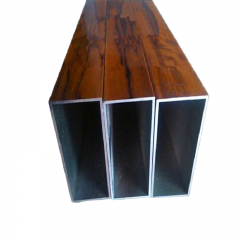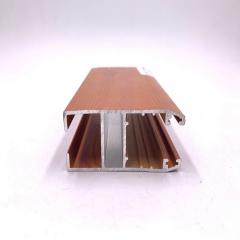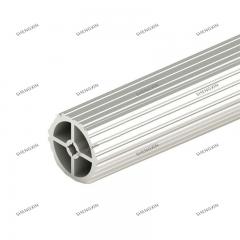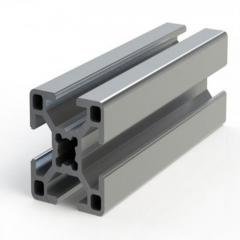

When you're specifying materials for structural or architectural projects, precision matters. That's exactly why 6005A aluminum has become a go-to choice for construction professionals worldwide. But what exactly is this alloy, and why does that "A" designation make such a significant difference?
6005A belongs to the 6xxx series aluminum family, where magnesium and silicon serve as the primary alloying elements. This combination creates a heat-treatable alloy that delivers an exceptional balance of strength, extrudability, and corrosion resistance—properties that construction applications demand daily.
Here's where many material specifications get confusing. The 6005 and 6005A designations are often used interchangeably, but they're not identical alloys. The "A" variant represents a refined composition with tighter controls on specific elements, resulting in improved properties for demanding applications.
According to European standards (EN AW-6005A), this alloy contains precisely balanced alloying elements:
This controlled chemistry translates directly into construction performance. You'll notice better weldability, superior surface finish after anodizing, and more consistent mechanical properties across production batches.
Why are architects and structural engineers increasingly specifying this particular alloy? The answer lies in its medium-strength classification. With tensile strength ranging from 250-270 MPa and yield strength of 200-225 MPa in the T6 temper, 6005A occupies a sweet spot between the softer 6063 alloy and the stronger 6061 variant.
This balance proves ideal for aluminium in building construction because it offers:
For global specifiers sourcing materials internationally, understanding equivalent grades simplifies procurement. The European designation EN AW-6005A corresponds to the German DIN standard ENAW-AlSiMg(A). This standardization ensures you receive consistent material properties regardless of your supply chain geography.
Imagine specifying a curtain wall system that requires both structural integrity and flawless aesthetics. Standard 6005 aluminum might work, but the "A" variant gives you tighter compositional controls that translate into more predictable performance—exactly what construction professionals need when projects demand both beauty and durability.
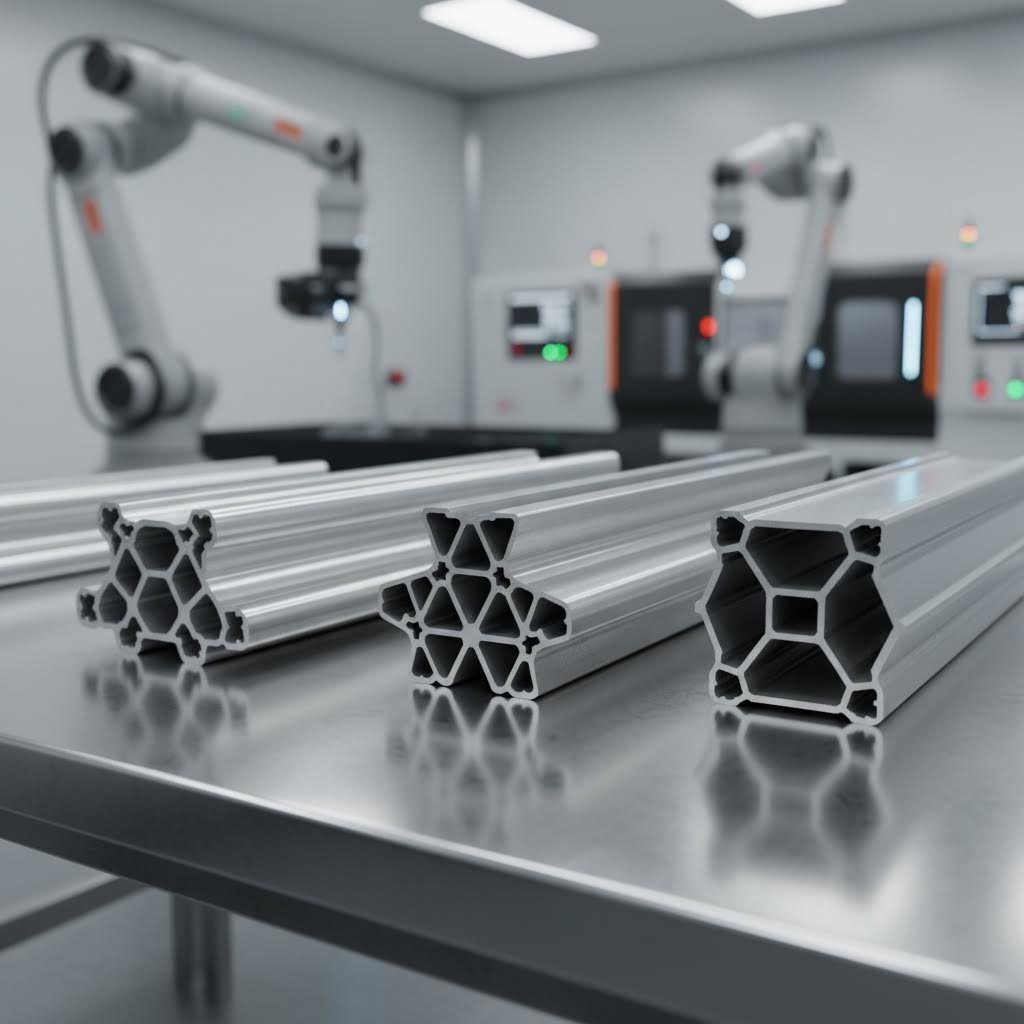
When you're evaluating aluminum construction materials, numbers tell the story. Understanding the mechanical properties of 6005A aluminum extrusions helps you make confident decisions about whether this alloy can handle your project's structural demands. Let's break down the performance characteristics that construction engineers rely on daily.
Here's what makes aluminum so compelling for modern construction: it delivers impressive structural performance at roughly one-third the weight of steel. But not all aluminum alloys perform equally. 6005A sits in a strategic middle ground that offers real advantages for building applications.
Consider this practical scenario. You're designing a pedestrian bridge or elevated walkway. Every kilogram of structural weight affects foundation requirements, transport costs, and installation complexity. With 6005A's density of just 2.70 g/cm³ combined with its medium-high strength profile, you achieve load-bearing capacity without the weight penalty that heavier alloys impose.
The strength-to-weight ratio becomes particularly valuable in:
Now let's examine the specific mechanical values that matter for structural calculations. The table below compares 6005A against two commonly specified alternatives—6061 and 6063—so you can evaluate which alloy best matches your project requirements.
| Property | 6005A-T6 | 6061-T6 | 6063-T6 |
|---|---|---|---|
| Ultimate Tensile Strength | 260-310 MPa (38-45 ksi) | 290-310 MPa (42-45 ksi) | 205-240 MPa (30-35 ksi) |
| Yield Strength | 240-260 MPa (35-38 ksi) | 240-275 MPa (35-40 ksi) | 170-215 MPa (25-31 ksi) |
| Elongation at Break | 8-12% | 10-12% | 8-12% |
| Brinell Hardness | ~95 HBW | ~95 HBW | ~73 HBW |
| Extrudability | Excellent | Moderate | Excellent |
| Best Construction Use | Structural extrusions, complex profiles | CNC-machined components, high-stress parts | Decorative architectural elements |
What do these numbers mean for your construction project? According to data from RPM Industries, 6005A-T6 delivers mechanical properties very similar to 6061-T6—the most widely specified construction aluminum. Both alloys achieve ultimate tensile strengths around 38,000 psi and yield strengths near 35,000 psi.
The critical difference lies in extrudability. While 6061 extrusion capabilities are limited to simpler cross-sections, 6005A pushes through extrusion dies more easily, enabling complex architectural profiles that 6061 simply cannot produce efficiently. This means you can specify intricate mullion shapes, hollow structural sections, and custom snap-fit profiles without sacrificing mechanical integrity.
For aluminum construction applications where both strength and profile complexity matter, 6005A often represents the optimal choice. You get approximately 90-95% of 6061's strength with significantly better extrusion capability—translating into more design freedom and potentially lower tooling costs for custom profiles.
The elongation values (8-12%) indicate adequate ductility for construction applications. This property matters during installation when profiles may experience localized stresses from fastening, and it provides a safety margin by allowing slight deformation before failure under extreme loads.
As you evaluate these mechanical properties against your project's structural requirements, remember that temper selection also plays a crucial role in determining final performance characteristics.
You've selected 6005A as your aluminum alloy—but your specification isn't complete yet. The temper designation following that alloy number determines the mechanical properties your extrusions will actually deliver on the job site. Choosing between T5, T6, or T61 tempers can mean the difference between a profile that meets your structural requirements and one that falls short.
Think of temper as the final tuning of your aluminum's performance characteristics. The same 6005A alloy can exhibit significantly different strength, formability, and fabrication behavior depending on which heat treatment process it undergoes. For construction professionals, understanding these distinctions is essential for proper specification.
Each temper designation represents a specific combination of thermal processing and mechanical treatment. Here's what happens during each process and why it matters for your aluminium constructions:
According to industry data on 6005/6005A properties, the T6 temper achieves ultimate tensile strength around 310 MPa (45 ksi), while T5 typically reaches approximately 260 MPa (38 ksi). That 15-20% strength difference can be critical for structural applications.
The following table compares these temper options across key construction criteria:
| Temper | Yield Strength | Typical Construction Applications | Key Characteristics |
|---|---|---|---|
| 6005A-T5 | ~230 MPa (33 ksi) | Railings, decorative facades, non-structural framing, interior aluminum bar extrusions | Good strength at lower cost; excellent surface finish; easier to form post-extrusion |
| 6005A-T6 | ~260 MPa (38 ksi) | Structural framing, curtain wall mullions, load-bearing components, bridge elements | Maximum strength; best for structural calculations; slightly reduced formability |
| 6005A-T61 | ~240 MPa (35 ksi) | Curved architectural elements, bent railings, custom-formed structural profiles | Balanced strength with enhanced bendability; ideal when post-fabrication forming is required |
Sounds complex? Here's a practical way to think about it. When your application is primarily architectural—visible railings, facade trim, decorative elements—T5 often provides adequate strength while offering cost savings and excellent surface quality for anodizing or powder coating.
However, when structural engineers are calculating load capacities and applying safety factors, T6 becomes the preferred choice. The higher yield strength allows for smaller profile cross-sections or greater load-bearing capacity with the same geometry. For types of aluminium used in structural applications, this distinction directly impacts project economics and safety margins.
Here's something construction fabricators need to know: welding affects temper properties. When you weld T6 aluminum, the heat-affected zone essentially reverts to a lower-strength condition similar to T4 (solution treated but not aged). This means welded joints in T6 material won't maintain full T6 strength unless post-weld heat treatment is performed.
For construction projects involving significant welding, consider these approaches:
Formability follows similar logic. T5 material bends more readily than T6, with less risk of cracking at tight radii. If your project requires curved aluminum profiles or on-site bending, specifying T5 or T61 provides a fabrication advantage.
When preparing procurement specifications or construction documents, always include the complete alloy and temper designation. A proper specification reads "6005A-T6" rather than simply "6005A aluminum." This clarity prevents substitution issues and ensures your fabricator sources material with the intended properties.
Your specification should also address:
With temper properly specified, your next consideration becomes equally important: matching the alloy and temper combination to your specific construction application category.
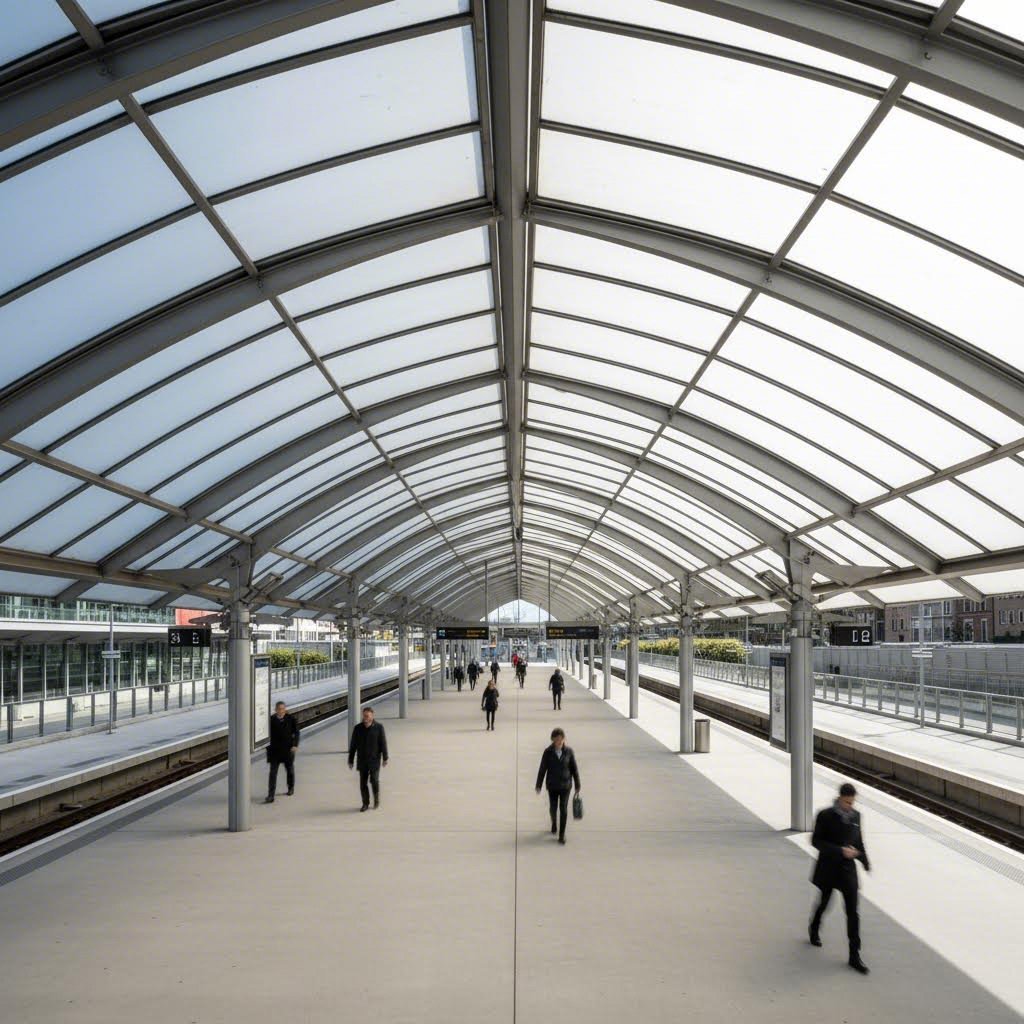
Now that you understand the mechanical properties and temper options, where does 6005A aluminum actually shine in real-world construction? The answer spans an impressive range—from the sleek curtain walls defining modern skylines to the robust structural frameworks supporting transit systems. Let's explore the specific applications where this alloy delivers exceptional value.
What makes 6005A particularly versatile is its combination of adequate strength, excellent extrudability, and superior corrosion resistance. These properties translate into reliable performance across both architectural and structural construction categories.
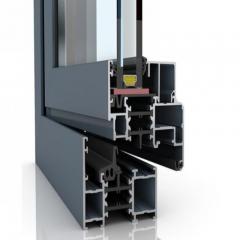
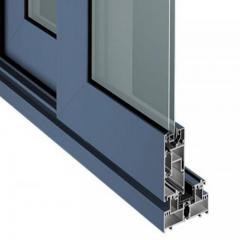
Walk through any modern commercial district, and you'll see aluminum facade systems everywhere. Those expansive glass curtain walls with their precisely aligned mullions? Many rely on 6005A aluminum curtain wall extrusions to achieve both structural performance and aesthetic appeal.
Here's why this alloy dominates the facade market:
For residential applications, the same properties make 6005A ideal for railings, balustrades, and decorative screens. Imagine specifying a balcony railing system that must withstand years of weather exposure while maintaining its original appearance. This alloy delivers that durability without requiring the maintenance that steel alternatives demand.
Beyond architectural aesthetics, 6005A proves equally capable in demanding aluminum structural framing applications. Its medium-high strength classification—comparable to 6061 in many respects—enables use in load-bearing scenarios where lighter alloys like 6063 fall short.
Transit infrastructure represents one of the most demanding application categories:
Bridge components represent another significant application area. While primary bridge structures often utilize higher-strength alloys like 6082, secondary elements—handrails, pedestrian walkways, utility supports, and architectural cladding—frequently specify 6005A for its balance of properties and cost-effectiveness.
Here's a critical consideration that many specifications overlook: extrusion tolerances directly impact construction assembly quality. When aluminum profiles arrive at the job site, they must fit together precisely. Gaps, misalignments, or interference fits create installation problems and potentially compromise performance.
Standard extrusion tolerances follow industry specifications, but construction applications often demand tighter controls:
When working with fabricators on construction projects, communicate your tolerance requirements early. Tighter tolerances may require additional processing steps or die modifications, impacting both cost and lead time. However, the investment often pays dividends through faster site installation and reduced field corrections.
Successful construction projects depend on clear communication between specifiers, fabricators, and extrusion suppliers. Consider these recommendations when developing your aluminum extrusion requirements:
The versatility of 6005A across these diverse applications explains its popularity among construction professionals. However, achieving optimal performance also requires attention to surface treatments—the next critical consideration for projects demanding long-term durability and aesthetic excellence.
You've specified the right alloy and temper—but your 6005A aluminum extrusions aren't ready for construction service yet. Surface treatment selection determines whether your profiles maintain their appearance and performance for decades or show premature degradation within years. For architectural aluminum finishes, this decision carries significant weight.
Why does surface treatment matter so much? Raw aluminum naturally forms a thin oxide layer that provides basic corrosion protection. However, construction environments demand more. Coastal projects face salt spray, urban installations encounter acidic pollution, and every exterior application endures UV radiation and thermal cycling. The right finish transforms adequate protection into exceptional durability.
Anodized aluminum extrusions represent the gold standard for architectural applications requiring long-term performance with minimal maintenance. Unlike applied coatings, anodizing electrochemically converts the aluminum surface into a hard, integral aluminum oxide layer. This finish becomes part of the metal itself rather than sitting on top of it.
For construction specifications, anodizing classifications matter:
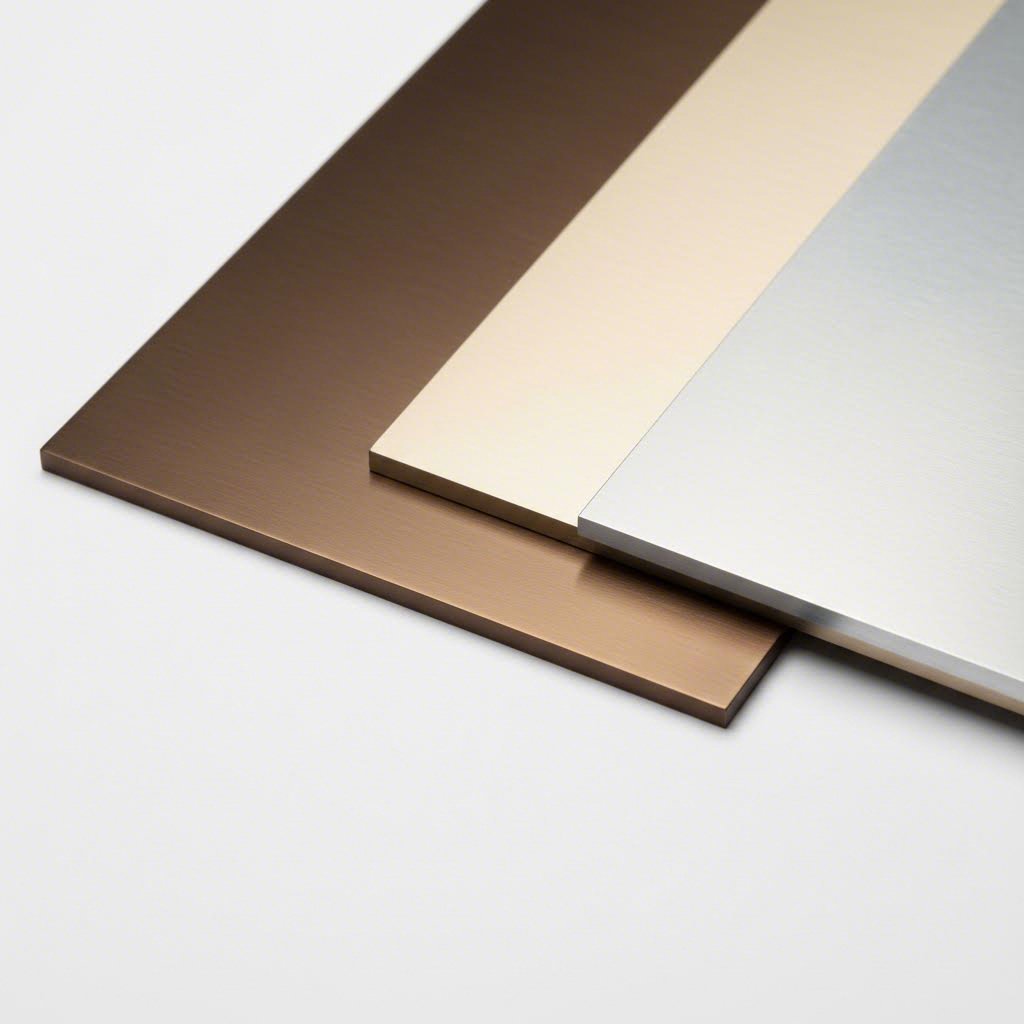
Color options for anodized finishes include natural silver, bronze tones, black, and gold. These colors result from either the natural oxidation process or electrolytic coloring techniques that deposit metallic pigments within the oxide layer's porous structure. The integral nature of anodized color means it won't peel, chip, or flake—a significant advantage over applied coatings in high-traffic areas.
One important consideration: anodizing quality depends heavily on base material surface condition. The excellent extrudability of 6005A typically produces smooth surfaces ideal for Class I architectural anodizing. However, always verify surface quality specifications with your extrusion supplier before committing to high-end anodized finishes.
When your project demands colors beyond anodizing's limited palette, applied coatings enter the picture. Modern powder coated aluminum profiles offer extensive color matching capabilities while providing robust environmental protection.
Here's how the primary coating options compare:
PVDF coatings deserve special attention for demanding construction applications. These fluoropolymer finishes—typically 70% PVDF resin content for architectural grade—resist degradation from UV radiation, industrial pollutants, and cleaning chemicals. Major curtain wall manufacturers routinely specify PVDF for projects where long-term appearance retention justifies the premium cost.
How do you match finish type to your specific project conditions? Consider these environmental factors:
Fire resistance represents another critical consideration for building envelope applications. Aluminum itself is non-combustible, but organic coatings can contribute to flame spread. For projects requiring specific fire ratings, consult coating manufacturers for test data compliant with ASTM E84 or equivalent standards. Some powder coating formulations achieve Class A flame spread ratings suitable for code-compliant construction.
Thermal performance also enters the equation for curtain wall and window frame applications. While surface finish selection primarily affects appearance and durability, the underlying profile design—incorporating thermal breaks and optimized geometry—determines actual thermal transmittance values. Your finish specification should complement rather than compromise these thermal design considerations.
With surface treatment properly specified, your aluminum extrusion requirements are nearly complete. However, ensuring your specified materials meet applicable building codes and certification standards requires one more layer of attention.
Here's a reality that many aluminum specifications overlook: selecting the right alloy, temper, and finish means nothing if your materials can't demonstrate code compliance. When building inspectors review structural aluminum installations, they're looking for documented evidence that materials meet applicable standards. Understanding these aluminum building codes and certification requirements protects your project from costly delays and rejection.
For construction professionals specifying 6005A aluminum extrusions, navigating the certification landscape requires familiarity with multiple standards organizations and their respective documents. Let's break down what you need to know.
Two primary standards frameworks govern aluminum construction specifications in most global markets. North American projects typically reference ASTM aluminum standards, while European and international projects follow EN (European Norm) specifications. Many projects—especially those with international supply chains—must satisfy both.
Key standards relevant to 6005A construction applications include:
Beyond material standards, structural design codes reference aluminum properties and establish safety factors. The Aluminum Design Manual published by the Aluminum Association provides design values American engineers rely upon, while Eurocode 9 (EN 1999) serves the same purpose for European structural calculations.
When your aluminum extrusions serve structural functions—load-bearing frames, curtain wall mullions, bridge components—certification documentation becomes essential. What exactly should you require from your suppliers?
Imagine this scenario: a building inspector questions whether your installed aluminum framing meets specification. With proper mill certifications in hand, you can demonstrate—through documented test results—that the material achieves required strength values and chemical composition limits. Without this documentation, you face potential removal and replacement of installed materials.
Proper aluminum construction specifications extend beyond just naming an alloy. Your procurement documents should address these elements to ensure compliance verification:
For projects involving structural calculations, your specifications should also reference the design code used (Aluminum Design Manual, Eurocode 9, or local building code equivalents) to establish the basis for required material properties.
How do you confirm that delivered materials actually meet your specifications? Consider implementing these verification practices:
The investment in proper specification and verification pays dividends throughout construction. Clear documentation streamlines inspections, prevents substitution disputes, and provides legal protection if performance questions arise after project completion. With certification requirements properly addressed, the final consideration becomes selecting manufacturing partners capable of delivering compliant materials consistently.
You've examined the properties, tempers, and certification requirements for 6005A—but how does this alloy stack up against the alternatives? Construction specifiers regularly face decisions between 6005A, 6061, 6063, and 6082 aluminum. Each alloy occupies a distinct position in the performance-cost spectrum, and understanding these differences helps you make confident material selections for your specific project demands.
Think of alloy selection like choosing the right tool for a job. A framing hammer works fine for general carpentry, but finish work demands a trim hammer. Similarly, selecting the best aluminum alloy for construction depends on your application's specific requirements—not just strength numbers on a data sheet.
Let's start with the most common comparison: 6005A vs 6061 aluminum. Both alloys deliver similar mechanical strength in the T6 temper, yet they serve distinctly different purposes in construction applications.
Here's the fundamental difference: 6061 excels when you need plate, sheet, or machined components, while 6005A shines for complex extruded profiles. The extrusion process itself favors 6005A's composition, allowing manufacturers to push intricate cross-sections through dies that would cause problems with 6061.
When comparing 6063 vs 6005A, the distinction centers on strength requirements. The softer 6063 alloy extrudes beautifully into thin-walled decorative profiles, but its lower yield strength (around 170 MPa versus 240 MPa for 6005A-T6) limits structural applications. If your project involves load calculations and safety factors, 6063 often falls short.
Consider these decision criteria:
The following comparison table provides a comprehensive overview for construction decision-making:
| Property | 6005A-T6 | 6061-T6 | 6063-T6 | 6082-T6 |
|---|---|---|---|---|
| Yield Strength | 240-260 MPa | 240-275 MPa | 170-215 MPa | 250-310 MPa |
| Ultimate Tensile Strength | 260-310 MPa | 290-310 MPa | 205-240 MPa | 290-340 MPa |
| Extrudability | Excellent | Moderate | Excellent | Good |
| Weldability | Good | Good | Excellent | Good |
| Corrosion Resistance | Excellent | Good | Excellent | Good |
| Surface Finish Quality | Excellent | Good | Excellent | Good |
| Typical Construction Uses | Curtain walls, structural extrusions, transit infrastructure, railings | Machined structural components, brackets, connection hardware | Window frames, decorative trim, architectural accents | Heavy structural applications, crane components, bridge structures |
What about 6082 aluminum construction applications? This higher-strength alloy deserves attention for demanding structural scenarios. With yield strength reaching 310 MPa in T6 temper, 6082 handles heavier loads than 6005A. European engineers frequently specify 6082 for primary structural members, crane booms, and heavy transport applications.
However, 6082's strength advantage comes with tradeoffs. Its extrudability falls between 6005A and 6061, limiting profile complexity. Surface finish quality typically doesn't match 6005A's excellence, making it less suitable for visible architectural elements. For construction projects balancing structural demands with aesthetic requirements, 6005A often represents the better compromise.
Material selection isn't just about technical performance—project economics matter too. How do these alloy choices affect your construction budget?
The cost equation involves multiple factors beyond raw material pricing:
Consider the total installed cost, not just material price per pound. A project requiring custom curtain wall mullions might find 6005A significantly more economical than 6061—even if the raw alloy costs the same—because die development, extrusion rates, and surface finishing all favor the more extrudable material.
For standard structural shapes where custom profiles aren't needed, 6061 plate or bar stock may prove more cost-effective. The key is matching your alloy selection to your actual fabrication pathway.
Every alloy selection involves compromise. Here's how to think through the tradeoffs:
Ultimately, the best aluminum alloy for construction depends on your specific project requirements. For the majority of architectural and light structural applications, 6005A delivers an optimal balance—strong enough for structural calculations, extrudable enough for complex profiles, and compatible with premium architectural finishes. Understanding when alternatives make sense helps you specify confidently across your full project scope.
With alloy selection clarified, the next step involves identifying manufacturing partners capable of delivering your specified materials with the quality and support your construction project demands.
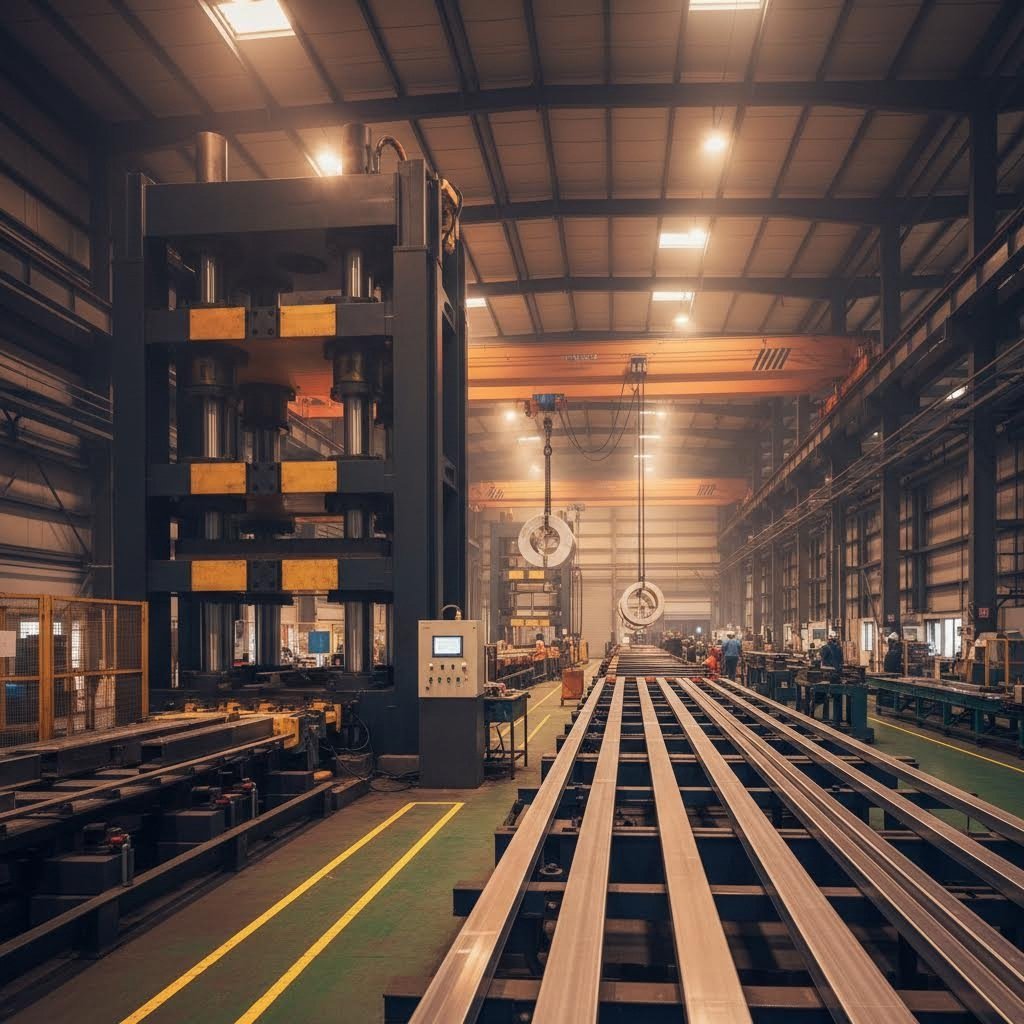
You've defined your alloy, selected the appropriate temper, and understand certification requirements—but translating those specifications into delivered construction aluminum profiles requires the right manufacturing partner. The gap between technical data sheets and practical project implementation often determines whether your aluminum extrusions arrive on time, within budget, and ready for installation.
Choosing a custom aluminum extrusion manufacturer isn't simply about finding the lowest price per foot. Construction projects demand reliability, technical expertise, and the capability to handle your specific profile requirements from initial design through final delivery. Let's explore what separates adequate suppliers from exceptional partners.
When evaluating potential aluminum extrusion suppliers for construction projects, certain capabilities signal whether a manufacturer can truly support your needs. Think of this as a qualification checklist—each element contributes to successful project outcomes.
Here are the key capabilities construction professionals should assess:
Successful construction aluminum profiles depend on seamless execution across multiple production stages. Understanding this end-to-end process helps you evaluate whether a manufacturer can truly deliver what your project requires.
The journey from concept to installed component involves these critical phases:
Why does integrated capability matter for construction projects? Consider the alternative: coordinating separate suppliers for extrusion, machining, and finishing creates multiple handoff points where quality issues, schedule delays, and communication breakdowns can occur.
When a single manufacturing partner controls the entire process, accountability is clear. If your anodized curtain wall mullions arrive with surface defects, you know exactly who addresses the problem. If machined hole patterns don't align with specified tolerances, one organization owns the correction.
For construction professionals seeking this comprehensive capability, manufacturers like Shengxin Aluminium exemplify the integrated approach—combining 35 extrusion presses ranging from 600T to 5500T with CNC machining centers and complete surface treatment facilities including architectural anodizing and PVDF coating. This depth of capability under one roof demonstrates what construction projects benefit from when evaluating potential partners.
Construction budgets demand cost efficiency without sacrificing quality. Factory-direct relationships with extrusion manufacturers often deliver economic advantages that intermediary supply chains cannot match:
The per-part economics improve dramatically at scale. While initial tooling represents an investment, construction projects with ongoing aluminum requirements—building systems with standardized profiles, transit infrastructure programs, or architectural product lines—benefit from amortizing die costs across substantial production volumes.
Before committing to an aluminum extrusion fabrication relationship, gather information that reveals true capability and compatibility:
The answers reveal whether a manufacturer genuinely fits your construction project requirements or simply claims capabilities they cannot consistently deliver. Investing time in proper partner evaluation prevents costly mid-project supplier problems.
With manufacturing partnership considerations addressed, the final step involves consolidating everything into actionable specification guidance that ensures your construction projects consistently receive the 6005A aluminum extrusions they require.
You've navigated the technical landscape of 6005A aluminum—from alloy composition and temper selection to surface treatments and certification standards. Now it's time to translate that knowledge into actionable specifications that ensure your construction projects receive exactly what they require. Proper aluminum extrusion specifications eliminate ambiguity, prevent costly substitutions, and streamline the path from design intent to installed performance.
Think of your specification as a contract with your supply chain. Every detail you include—or omit—affects what arrives at your job site. Construction aluminum best practices demand precision in documentation, clarity in requirements, and verification throughout the procurement process.
When specifying aluminum for construction, a systematic approach prevents oversights that create downstream problems. Use this numbered checklist to ensure your procurement documents address every critical element:
This checklist transforms aluminum profile requirements from vague material calls into enforceable specifications. Each element connects directly to the technical considerations covered throughout this guide—alloy properties, temper characteristics, finish durability, and certification compliance.
When does 6005A represent your optimal choice? After examining the alternatives, the answer becomes clear for a wide range of construction applications.
6005A delivers the rare combination of structural-grade strength, excellent extrudability for complex profiles, superior surface quality for architectural finishes, and reliable corrosion resistance for exterior exposure—making it the preferred alloy when construction projects demand both performance and aesthetics.
This alloy excels when your project requirements include:
The construction industry's growing preference for 6005A reflects practical experience. Engineers trust this alloy because it performs predictably across the demanding conditions construction applications present—thermal cycling, structural loads, environmental exposure, and decades of expected service life.
Proper specification represents only half the equation. Translating those requirements into delivered construction aluminum profiles demands manufacturing partners with genuine capability and commitment to quality.
As discussed in evaluating extrusion suppliers, the ideal partner offers end-to-end support—from die development through surface finishing and quality verification. This integrated approach maintains accountability and streamlines your supply chain. According to industry procurement guidance, collaborating closely with your manufacturer leads to better outcomes for custom profiles, as experienced extruders can suggest design optimizations that improve manufacturability while meeting your performance requirements.
For construction projects requiring precision aluminum extrusion fabrication, exploring solutions with experienced manufacturing partners makes the difference between specifications on paper and successful installations on site. Companies like Shengxin Aluminium demonstrate the comprehensive capability construction professionals need—extensive press capacity for diverse profile sizes, integrated CNC machining for precision fabrication, and complete surface treatment options including architectural anodizing and PVDF coating. This depth of capability, combined with technical support from initial die development through mass production, positions complex construction projects for success.
The investment you make in proper specification and partner selection pays dividends throughout your project lifecycle. Clear requirements prevent substitution disputes, thorough documentation satisfies inspection requirements, and capable manufacturing partners deliver profiles ready for efficient installation. When you specify 6005A aluminum extrusions with the precision this guide enables, you're building with materials that engineers trust—and that construction performance proves worthy of that trust.
The 6005A variant features refined composition with tighter controls on specific alloying elements compared to standard 6005. This results in improved toughness characteristics, better weldability, superior surface finish after anodizing, and more consistent mechanical properties across production batches. The controlled chemistry with silicon (0.5-0.9%), magnesium (0.4-0.7%), and manganese plus chromium (0.12-0.5% combined) translates directly into enhanced construction performance, making 6005A the preferred choice for demanding architectural and structural applications.
6005A aluminum excels across diverse construction applications including commercial curtain wall systems, facade mullions, structural framing, residential railings and balustrades, transit infrastructure like rail vehicle bodies and station canopies, pedestrian bridges, and architectural cladding. Its combination of medium-high strength (240-260 MPa yield strength in T6 temper), excellent extrudability for complex profiles, superior corrosion resistance, and outstanding surface finish quality makes it ideal for both load-bearing structural elements and visible architectural components.
6005A occupies a strategic middle ground between these alloys. Compared to 6061, it offers similar mechanical strength (approximately 90-95% of 6061's properties) but significantly better extrudability, enabling complex architectural profiles that 6061 cannot produce efficiently. Against 6063, 6005A delivers substantially higher yield strength (240 MPa versus 170 MPa in T6 temper) while maintaining excellent surface quality. This balance makes 6005A optimal when projects require both structural load-bearing capacity and intricate profile designs with premium finishes.
For structural load-bearing applications, T6 temper is typically preferred as it provides maximum strength with yield strength around 260 MPa and ultimate tensile strength of 260-310 MPa. T5 temper offers adequate strength at lower cost and is suitable for architectural elements like railings and decorative facades. T61 temper provides a balance between strength and enhanced formability, making it ideal for curved architectural elements or profiles requiring post-fabrication bending. Always include the complete temper designation in specifications to ensure proper material properties.
Key standards include ASTM B221 for North American projects (covering chemical composition, mechanical properties, and dimensional tolerances) and EN 755-2 for European specifications. Mill Test Reports (MTRs) documenting actual chemical analysis and mechanical testing results are essential for structural applications. Suppliers should maintain ISO 9001 certification, and specifications should require heat lot traceability to trace extrusions back to original billets. Complete material designation in procurement documents—such as '6005A-T6 per ASTM B221'—ensures compliance verification during inspections.



 online service
 0086 136 3563 2360
 sales@sxalu.com
 +86 136 3563 2360
 English
 français
 Deutsch
 русский
 español
 português
 العربية
 ไทย
 Việt
 Українська