Have you ever walked into a room and noticed the air feels stale or stuffy, even though the windows look perfectly sealed? That sensation often points to a ventilation problem hiding in plain sight. Modern homes are built tighter than ever, which is fantastic for energy bills but creates a hidden challenge: how do you keep fresh air circulating when everything is sealed up?
This is exactly where air vents in window frames come into play. These small but mighty features are designed to solve a fundamental problem in contemporary building design, and understanding how they work can transform your indoor environment.
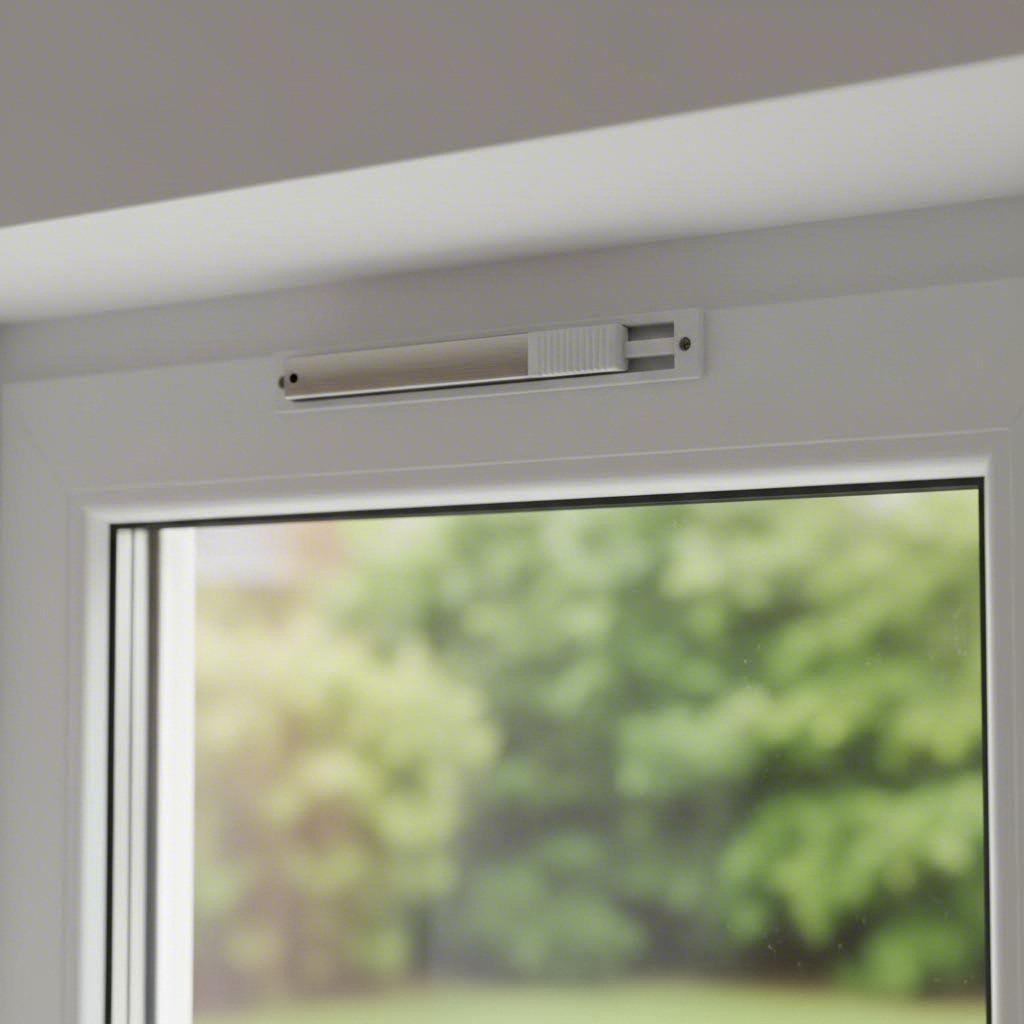
So, what is a trickle vent exactly? Simply put, trickle vents are small openings built directly into window frames, typically positioned near the top of the frame. They provide a steady stream of window ventilation without requiring you to open the window itself. According to Sternfenster, these vents are "discreet, almost invisible, and can be manually adjusted to control the amount of fresh air entering your home."
Think of window trickle vents as a controlled breathing mechanism for your home. Unlike throwing a window wide open, which can create drafts, security concerns, or let in noise, these vents allow fresh air to flow in while keeping the window securely closed. Many homeowners never even notice them until they start wondering why some rooms feel fresher than others.
You might encounter different names for these features. Some manufacturers, like Velfac, produce their own trickle vent designs integrated into their window systems. Regardless of the brand or style, the core function remains the same: enabling continuous, controlled air exchange.
Imagine your home as a sealed container. Improved insulation, double glazing, and modern construction techniques have made buildings incredibly airtight. While this dramatically reduces heating and cooling costs, it creates an unintended consequence: indoor air has nowhere to go.
As Panasonic's indoor air quality research explains, "Reduced ventilation in homes can cause a buildup of indoor pollutants such as allergens, carbon dioxide, volatile organic compounds (VOCs), and even radon." Every time you cook, shower, or simply breathe, you're adding moisture and pollutants to air that stays trapped inside.
This is where the chimney effect, also known as passive ventilation, becomes relevant. According to Ecoshack, this natural phenomenon works on simple physics: "as warm air rises, it escapes through high points... creating a slight vacuum that draws cooler, fresh air in through lower-level openings." Trickle vents harness this principle, allowing controlled airflow that works with your home's natural air movement.
Without proper trickle vents in windows, you might attempt to get fresh air by opening a window fully. However, this approach has drawbacks. You lose temperature control, compromise security, and during harsh weather, opening windows simply isn't practical. Window ventilation through trickle vents provides a middle ground: continuous background airflow without sacrificing comfort or safety.
Good ventilation is key to improving indoor air quality, which is a vital aspect that contributes to the health of everyone living in your home.
Properly functioning air vents in window frames address several critical problems that plague modern, airtight homes:
The bottom line? Trickle vents represent one of the simplest, most effective solutions for maintaining healthy indoor air while preserving the energy efficiency benefits of modern construction. They let your home breathe continuously, so you can too.
Understanding how fresh air moves through your home is one thing. Knowing what the law actually requires? That's where many homeowners get confused. If you're planning to install new windows or replace existing ones, you'll quickly discover that trickle ventilation windows aren't just a nice-to-have feature; in many cases, they're a legal requirement.
Let's cut through the confusion and break down exactly what Building Regulations demand, when these rules apply to your property, and how to ensure your window project stays compliant.
The Government's Approved Document Part F covers ventilation requirements in UK buildings. According to Norrsken, updated regulations were published in 2021 and came into effect from 15th June 2022. The primary aim? Ensuring indoor air quality is maintained in buildings that have become increasingly airtight.
So, when did trickle vents become mandatory? The requirement for vented windows has been part of Building Regulations since 2002, when replacement windows became classified as a "controlled fitting." However, the 2022 updates strengthened these requirements significantly, particularly for properties without mechanical ventilation systems.
Here's what you need to know about which properties must comply:
Replacing windows is likely to increase the airtightness of the dwelling. If ventilation is not provided via a mechanical ventilation with heat recovery system, then increasing the airtightness of the building may reduce beneficial ventilation in the building.
There's one notable exception worth highlighting. As industry guidance confirms, properties using MVHR systems do not require trickle vents. In fact, installing them alongside MVHR can create "unintended air pathways" that compromise the system's effectiveness.
You might hear installers mention "equivalent area" or "EA" when discussing window trickle vent specifications. But what does this actually mean? Equivalent area is a measure of how much air can actually pass through a ventilator, accounting for design elements like baffles that limit airflow. It's not simply the physical size of the opening.
According to LABC guidance, when replacing windows in properties without existing vents, you'll typically need to incorporate air vents for double glazed windows with the following minimum equivalent areas:
| Room Type | Minimum Equivalent Area | Notes |
|---|---|---|
| Habitable rooms (bedrooms, living rooms) | 8000mm² | Standard requirement for occupied spaces |
| Kitchen | 8000mm² | Higher moisture generation areas |
| Bathroom (with or without toilet) | 4000mm² | Wet rooms with different ventilation needs |
| Habitable rooms with continuous mechanical extract | 4000mm² | Reduced requirement when MEV is present |
The regulations also specify minimum quantities. For a one-bedroom dwelling, at least four ventilators should be installed across habitable rooms and kitchens. Properties with more than one bedroom require a minimum of five ventilators.
What about common compliance questions homeowners face? Here are the situations that trip people up most often:
For most homeowners, the simplest path forward is working with window installers registered under a Competent Person Scheme. These professionals self-certify compliance and notify your local authority automatically. However, if you're using an unregistered installer, you'll need to submit a Building Regulations application before work begins.
With the regulatory requirements now clear, the next step is understanding which type of trickle vent best suits your specific window style and room conditions.
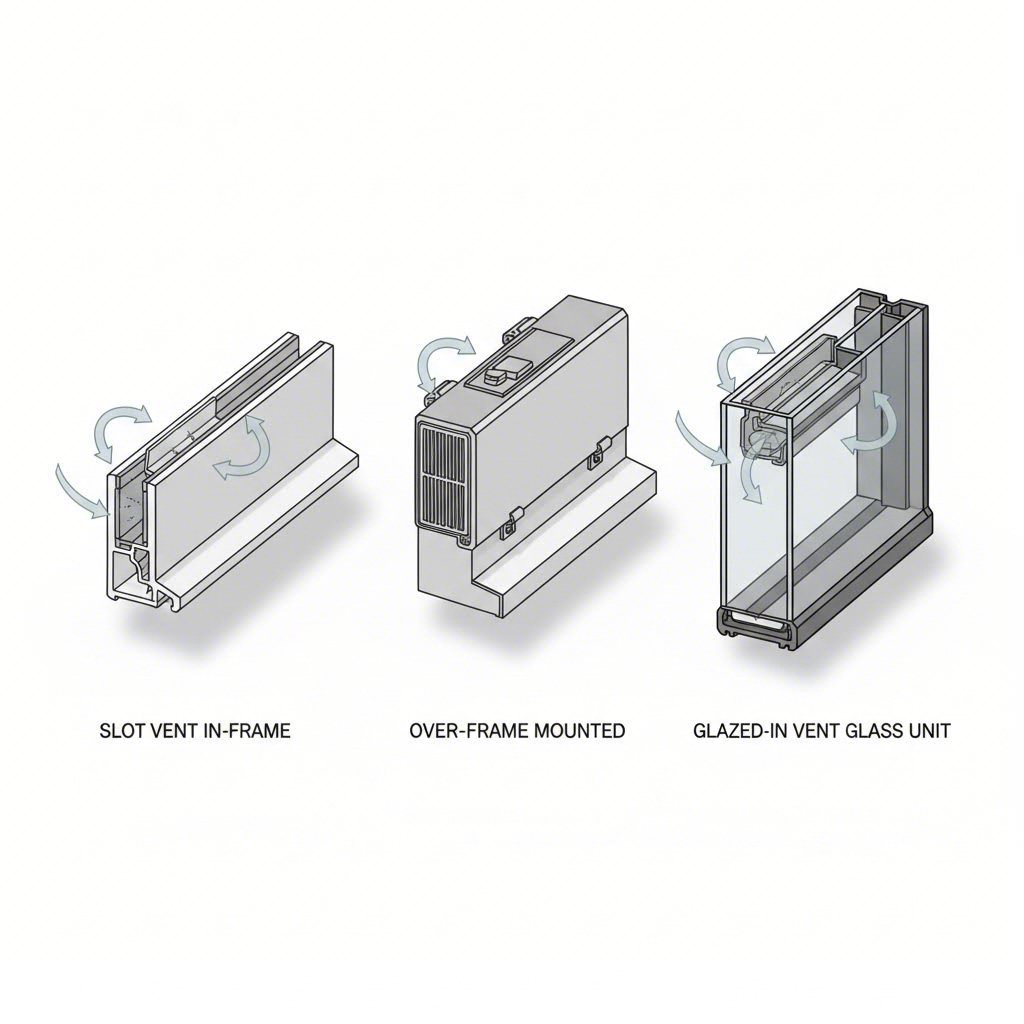
Now that you understand the regulations, here's the next question: which type of trickle vent actually suits your windows? Walk into any building supply store or browse online, and you'll find a surprising variety of options. Each design serves the same fundamental purpose, yet the differences in installation, appearance, and performance can significantly impact your home's comfort.
Let's break down every major trickle vent type so you can make an informed decision, whether you're specifying vents for a new build or retrofitting trickle vents in windows that currently lack proper ventilation.
When most people picture a window ventilator, they're imagining a through-frame slot vent. These are the workhorses of window ventilation, found in millions of homes across the UK and beyond.
Through-Frame Slot Vents
Through-frame trickle vents are installed directly through the top of the window frame itself. During manufacturing, slots are cut into the frame material, and adjustable covers are fitted to control airflow. According to Durajoin, this design is "particularly popular due to its discreet appearance and compatibility with various framing materials, including uPVC, timber, steel, and aluminium."
What makes them so widely used? They sit flush with the frame, making them nearly invisible from across the room. The adjustable mechanism lets you open, partially close, or fully shut the vent depending on weather conditions and your comfort preferences. For new window installations, through-frame vents are typically the default choice.
Over-Frame Trickle Vents
What happens when cutting through the frame isn't practical? That's where over-frame vents come in. These units mount above the window head rather than within the frame itself. You'll often see them in retrofit situations or where structural limitations prevent traditional slot installation.
Over-frame designs are slightly more visible since they add a small element on top of the window unit. However, they provide equivalent airflow capacity and can be colour-matched to blend with your existing frames. If you're adding drip vents in windows that were originally installed without ventilation, over-frame options often represent the least invasive solution.
Not every window has adequate frame depth for traditional vents. Modern slim-profile frames and architectural glazing often require alternative approaches.
Glazed-In Vents
Glazed-in trickle vents are integrated directly into the sealed glass unit, typically in the upper section. As industry sources explain, this design is "especially beneficial for windows that have limited frame space or unique architectural features."
These vents work well in high-performance window systems where maintaining the slimmest possible frame profile is essential. However, they require specialized manufacturing during the glass unit production stage. You cannot easily add glazed-in vents to existing windows, and replacement costs can be higher if the glass unit needs servicing.
Acoustic Trickle Vents
Living near a busy road, railway line, or flight path? Standard trickle vents windows might let in more noise than you'd like. Acoustic vents solve this problem by incorporating sound-dampening elements within the ventilation pathway.
These specialized units use baffles, absorbent materials, or labyrinthine air channels to reduce noise transmission while still allowing adequate airflow. Think of them as screen vents for sound pollution. The trade-off? Acoustic vents typically have slightly lower equivalent area measurements compared to standard vents of the same physical size, since the noise-reduction features restrict airflow somewhat.
Visible Hood Vents
Some installations use visible hood vents, which feature an external hood extending slightly from the frame. The hood protects against rain and drafts while the internal adjustable mechanism controls airflow. These are less common in residential settings due to aesthetic concerns but remain popular where maximum weather protection is needed.
With so many options available, how do you choose? The following comparison covers the key factors that matter most when selecting tickle vents for your project:
| Vent Type | Installation Method | Airflow Capacity | Noise Reduction | Aesthetic Impact | Best Use Cases |
|---|---|---|---|---|---|
| Through-Frame Slot | Integrated during window manufacture; slots cut through frame | High; minimal obstruction | Standard | Minimal; sits flush with frame | New builds, standard window replacements |
| Over-Frame | Mounted above window head; retrofit-friendly | High; equivalent to through-frame | Standard | Moderate; visible above frame | Retrofit projects, structural limitations |
| Glazed-In | Integrated into sealed glass unit during manufacture | Moderate; limited by glass unit space | Standard | Very minimal; nearly invisible | Slim-profile frames, architectural glazing |
| Acoustic | Through-frame or over-frame with sound dampening | Moderate; reduced by baffles | High; specialized dampening | Minimal to moderate | Urban environments, noisy locations |
| Visible Hood | External hood with internal controls | High; protected airflow path | Standard | Higher; external hood visible | Exposed locations, maximum weather protection |
Beyond the vent type, the material also affects durability, appearance, and compatibility:
The right choice depends on your specific situation. Installing trickle vents windows in a Victorian terrace? Timber vents matching the existing frames might be essential. Specifying ventilation for a new apartment block near a motorway? Acoustic aluminium vents could be the answer.
Of course, knowing which vent types exist is only half the battle. The real question many homeowners ask is: do my windows actually need better ventilation in the first place?
You've learned about trickle vent types and regulatory requirements. But here's the practical question keeping many homeowners up at night: does your home actually need better window ventilation, or is everything working fine as it is?
Rather than guessing or waiting until problems become severe, you can assess your current situation yourself. This self-evaluation approach helps you make informed decisions about whether house window vents deserve attention now or can wait.
Your home constantly sends signals about its ventilation health. The trick is learning to read them. According to Air Nerds HVAC, "Proper ventilation is crucial for maintaining a healthy and comfortable living environment in your home. Without adequate airflow, indoor air quality can deteriorate, leading to various issues that affect both your health and the condition of your home."
Walk through your home with fresh eyes. Pay attention to how each room feels and smells, especially first thing in the morning or after being away for several hours. The following warning signs suggest your window air vents may be inadequate or missing entirely:
Interestingly, homes built in different eras face distinct challenges. Wall vents in old houses often provided generous natural ventilation, but these passive openings were typically sealed during modernization projects. Similarly, 1950s house air vents and other mid-century ventilation features may have been blocked or removed during window upgrades, creating the very problems trickle vents are designed to prevent.
Before deciding on upgrades, take stock of what you already have. According to Moisture Flow, a structured assessment "can reveal most hidden ventilation problems so you can plan targeted fixes instead of guessing."
Check for Existing Window Air Vent Features
Start by examining your windows closely. Look at the top of each frame for any slot openings, adjustable covers, or visible vents. Many homeowners don't realize their windows already have trickle vents that may simply be closed or blocked with dust. If you find existing vents, confirm they can be opened and check whether airflow is actually occurring.
Understand Your Window Age and Type
When were your windows installed? Windows fitted before 2002 often lack air vents in double glazed windows because regulations didn't require them. Older single-glazed windows may have provided inadvertent ventilation through gaps that modern sealed units eliminate. Note the frame material too; uPVC, timber, and aluminium frames each have different retrofit possibilities.
Consider Room Usage Patterns
Some rooms generate far more moisture and pollutants than others. Bathrooms and kitchens produce significant humidity from showers, baths, and cooking. Bedrooms accumulate moisture and carbon dioxide overnight, especially when doors remain closed. Rarely used spare rooms can develop stale conditions precisely because they're neglected.
Bedrooms are occupied for long stretches with doors often closed, so carbon dioxide and humidity can build up overnight. Poor ventilation here can contribute to poor sleep quality, morning headaches, and musty smells in bedding and wardrobes.
Simple Tests You Can Perform
Beyond visual inspection, a few quick tests reveal whether your current ventilation is underperforming:
Trickle Vents Versus Night-Vent Positions
One common misconception deserves special attention. Many modern windows feature "night-vent" or "two-stage locking" positions that allow the window to remain slightly open while locked. Some homeowners assume this feature eliminates the need for dedicated window air vents.
As Door and Window Experts clarify, this is not the case. Night-vent positions have significant limitations:
Think of the distinction this way: night-vent is like opening a window briefly to air out a room, while trickle vents provide a steady, secure breath of fresh air around the clock, even when you're away on holiday.
Once you've identified ventilation shortfalls, you might wonder whether those concerns people raise about drafts, heat loss, and noise are legitimate. Let's address those myths head-on.

You've identified that your home could benefit from better ventilation. But now doubt creeps in. Perhaps you've heard that venting windows will make your rooms freezing cold, compromise your home's security, or let in annoying street noise. These concerns stop many homeowners from taking action, leaving them stuck with stuffy air and condensation problems.
Here's the truth: most objections to air vents in window frames are based on outdated information or misunderstandings about how modern ventilator window systems actually work. Let's tackle these myths head-on with evidence-based facts so you can make a confident decision.
The number one fear homeowners express? That installing trickle vents will turn their cozy living room into a wind tunnel. This concern makes intuitive sense. After all, you're essentially creating an opening in your window frame. Shouldn't cold air rush through?
In practice, properly designed and installed trickle vents work nothing like an open window. According to Mumford & Wood, "In actual fact, trickle vents are designed to provide a steady flow of fresh air. In the winter, any cooling provided by a trickle vent is minor."
You should not feel a draught through trickle vents if they are sized and installed correctly. Their main job is to maintain air quality, not to cool your home.
So what's the difference between window ventilation through trickle vents and simply cracking open a window? The distinction lies in controlled versus uncontrolled airflow. When you open a window, even slightly, you create a direct path for cold air to enter and warm air to escape. Wind gusts can push large volumes of air through, and you have minimal control over the process.
Trickle vents, by contrast, feature several design elements that minimize drafts:
What about those exceptionally cold or windy days? The adjustable nature of modern vents means you retain complete control. Feeling a slight chill? Simply slide the vent partially closed. Concerned during a storm? Close it entirely until conditions improve. The key point is that you're always in control, unlike the forced draft that occurs when ventilation is completely absent and you're compelled to open windows to clear condensation or stuffy air.
If you do notice uncomfortable drafts, it typically indicates one of these issues rather than a fundamental flaw with trickle vent technology:
Beyond comfort, some homeowners worry about safety. If there's an opening in your window frame, couldn't burglars exploit it? And won't that slot let in traffic noise, neighbor conversations, or other unwanted sounds?
Security: A Non-Issue with Modern Vents
Let's address security first. The ventilation slots in trickle vents are far too narrow for any person to reach through or manipulate locks. Unlike leaving a window in a night-vent position, which creates a gap that could potentially be forced wider, trickle vents maintain the window's full structural integrity and locking mechanism.
As industry experts note, "Trickle vents offer steady 'background' airflow while keeping windows safe and secure." You can leave your home for a two-week holiday with trickle vents open, confident that your windows remain as secure as if they were fully sealed.
This security advantage actually makes trickle vents preferable to the alternative many homeowners use: leaving windows slightly ajar. Ground-floor windows in particular should never be left open when you're away or sleeping, yet without proper background ventilation, people feel compelled to do exactly that.
Noise: Manageable with the Right Choices
Noise concerns are more nuanced. Standard trickle vents do allow some sound transmission since any opening creates a pathway for sound waves. However, the impact is typically minimal for most residential situations.
In quiet neighborhoods, you'll likely notice no meaningful difference in noise levels with vents open versus closed. The small opening simply doesn't admit enough sound energy to affect your environment noticeably. Problems arise primarily in challenging acoustic environments: homes beside busy roads, near railway lines, under flight paths, or in dense urban areas with significant street-level activity.
For those who are especially sensitive to noise, acoustic trickle vents are a smart upgrade. These vents are engineered with internal baffles and sound-absorbing materials to reduce the amount of noise that passes through, all while maintaining airflow.
Acoustic vents solve the noise problem through clever engineering. Rather than providing a straight path from outside to inside, they route air through labyrinthine channels lined with sound-absorbing materials. This design dramatically reduces noise transmission while still permitting adequate ventilation. Think of them as the difference between shouting through a straight pipe versus through a maze filled with cushions.
Side vents on house exteriors and house side vents in exposed locations may benefit particularly from acoustic variants, as these positions often face directly toward noise sources. When specifying vents for bedrooms or nurseries in urban settings, acoustic options should be your default choice.
What About Unusual Sounds from the Vents Themselves?
Occasionally, homeowners report whistling or humming noises emanating from their vents. This isn't normal behavior for properly installed, quality products. Whistling typically indicates:
Regular maintenance, including cleaning dust from covers and checking for loose fittings, prevents most noise issues. If whistling persists, repositioning the vent or upgrading to a higher-quality product usually resolves the problem.
The bottom line? Modern trickle vents, when correctly specified and installed, deliver the fresh air your home needs without the drawbacks skeptics fear. You maintain control through adjustable mechanisms, security remains uncompromised, and noise concerns have straightforward solutions. With these myths dispelled, the next practical consideration is keeping your vents working effectively over time.
So you've installed properly fitted vents and debunked the myths. Now what? Like any home feature, air vents in window frames require periodic attention to perform at their best. The good news? Maintenance is straightforward, takes minimal time, and prevents the frustrating issues that lead many homeowners to block window vent openings entirely out of annoyance.
Whether your venting window was installed last year or a decade ago, this practical guide covers everything you need to keep airflow consistent and trouble-free.
Dust, pollen, cobwebs, and even small insects accumulate inside trickle vents over time. According to SDS London, "Dust, dirt, insects, and even paint can clog them up, reducing airflow and leading to problems like condensation or damp." Left unchecked, this buildup restricts the very airflow your vents were designed to provide.
What You'll Need
Gather these simple tools before starting:
Step-by-Step Cleaning Process
Follow these steps for a thorough clean of your trickle vent window units:
Never block or paint over trickle vents. Even a thin layer of paint can obstruct airflow and compromise your home's ventilation.
How Often Should You Clean?
For most homes, cleaning every six months keeps vents performing optimally. However, certain conditions call for more frequent attention:
Seasonal Considerations
Adjust your vent operation throughout the year for optimal comfort. During colder months, you might partially close vents in unused rooms while keeping them open in occupied spaces. In summer, opening vents fully helps with passive cooling, especially overnight. Before winter arrives, ensure vents are clean and mechanisms move freely since cold weather can stiffen components that haven't been operated recently.
Even well-maintained vents occasionally develop problems. Before calling a professional or considering a trickle vent blanking plate to seal the opening permanently, try these DIY solutions for the most common issues.
Stuck or Stiff Slider Mechanism
If your vent slider won't move smoothly:
Excessive Noise or Whistling
Unusual sounds typically indicate installation or condition issues:
Reduced Airflow
When vents seem ineffective despite being open:
When to Call a Professional
Most maintenance is genuinely DIY-friendly. However, consider professional inspection if:
Regular maintenance takes just minutes per vent twice yearly, yet prevents the gradual performance decline that leads many homeowners to abandon their ventilation systems entirely. With your vents now clean and functioning, you might wonder how they compare to alternative ventilation solutions available on the market.
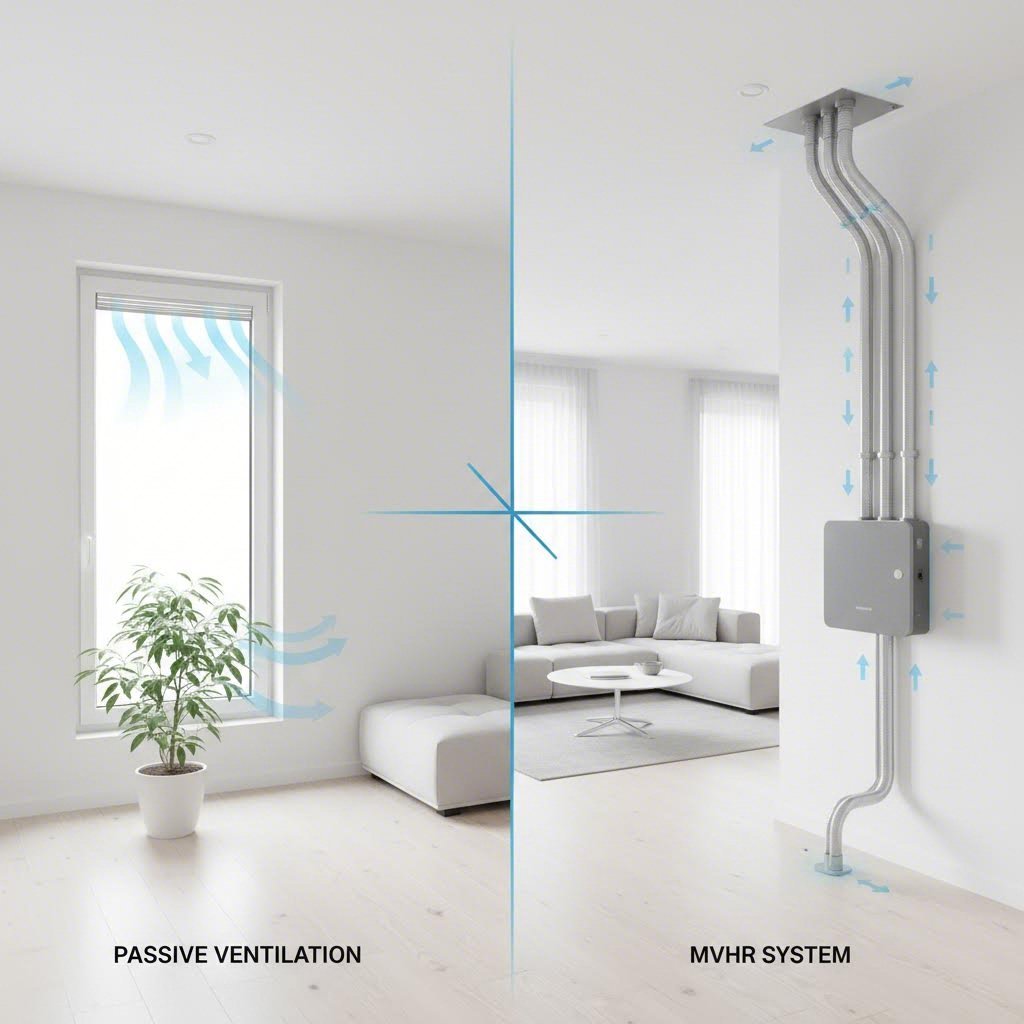
Your trickle vents are clean, functioning, and doing their job. But here's a question worth asking: are they actually the best solution for your home, or would an alternative ventilation system serve you better?
Trickle vents remain the most common approach to background ventilation in UK homes. However, they're far from the only option. Depending on your property type, budget, and ventilation goals, a different window ventilation system might deliver superior results. Let's explore how trickle vents stack up against the alternatives so you can determine whether you're already on the right path or ready for an upgrade.
When discussing ventilation windows and their alternatives, Mechanical Ventilation with Heat Recovery (MVHR) represents the opposite end of the spectrum from passive trickle vents. While your window vents rely on natural pressure differences to move air, MVHR takes complete mechanical control of your home's atmosphere.
So what exactly is an MVHR system? According to Titon, "MVHR systems are the gold standard for energy efficiency and air quality. They work by extracting warm, stale air from inside the home and using it to heat fresh incoming air through a heat exchanger."
Think of MVHR as a home fresh air intake system that never sleeps. Rather than hoping wind pressure pushes air through your window vents, MVHR actively pulls stale air from wet rooms like kitchens and bathrooms while simultaneously delivering filtered fresh air to bedrooms and living spaces. The magic happens in the heat exchanger, where up to 95% of the heat from outgoing air transfers to incoming air.
When Does MVHR Make Sense Over Passive Vents?
MVHR isn't for every home. The investment only pays off under specific conditions:
However, MVHR comes with significant considerations. Installation costs typically range from £700 to £5000 depending on house size and ducting complexity. The system requires ducting throughout the property, which is far easier to incorporate during construction than to retrofit into existing buildings. Regular filter maintenance is essential, and the unit itself needs periodic servicing.
MVHR systems significantly lead the pack in energy efficiency, with ratings of up to 95%. They recover heat from extracted air, substantially cutting down on heating bills.
For existing homes with standard airtightness levels, the cost-benefit calculation often favors simpler solutions. If your walls and loft still have significant air leakage, installing an expensive MVHR system while air escapes through the building fabric makes little sense.
Between the simplicity of trickle vents and the sophistication of MVHR, several intermediate options exist. Understanding these helps you identify whether your current approach is adequate or whether a strategic upgrade would benefit your home.
Passive Stack Ventilation (PSV)
Passive stack ventilation harnesses the same physics as traditional chimneys. Vertical ducts run from wet rooms up through the roof, allowing warm, moisture-laden air to rise naturally and escape. Fresh air enters through vents elsewhere in the property, often including internal door vents that allow airflow between rooms and exterior vents in drier living spaces.
PSV works well in properties with suitable roof access and consistent temperature differences between inside and outside. The system requires no electricity and has no moving parts to maintain. However, performance varies significantly with weather conditions. On calm, mild days when indoor and outdoor temperatures are similar, airflow can drop substantially.
Mechanical Extract Ventilation (MEV)
MEV systems offer a middle ground. A central fan unit continuously extracts air from kitchens and bathrooms through ducting, while fresh air enters passively through trickle vents or wall vents. According to industry guidance, MEV systems "generally cost between £160 and £500, which can be attractive to budget-conscious builders who still need effective ventilation solutions."
The key advantage of MEV over pure passive ventilation? Consistent extraction regardless of weather conditions. However, MEV lacks heat recovery, meaning you're still paying to heat the cold air entering through your passive vents.
Decentralized Mechanical Extract Ventilation (dMEV)
Rather than one central unit serving multiple rooms, dMEV places individual extract fans in each wet room. These intelligent units run continuously at low speed and boost automatically when humidity rises. As ventilation specialists explain, dMEV offers "tailored intelligence" through built-in humidity sensors that respond to actual moisture levels in real time.
For homeowners seeking to improve ventilation for doors and wet rooms without the complexity of whole-house ducting, dMEV paired with existing window trickle vents often represents the most practical upgrade path.
Simply Opening Windows
The most basic alternative to any mechanical or passive vent system is simply opening your windows. This approach provides excellent purge ventilation when you need to quickly clear cooking odors or air out a stuffy room. However, as a primary ventilation strategy, manual window opening has critical limitations:
Trickle vents exist precisely because relying solely on window opening fails to provide the continuous background ventilation modern airtight homes require.
With multiple options available, choosing the right approach depends on your specific circumstances. The following comparison covers the factors that matter most when evaluating your interior door ventilation, window ventilation, and whole-house airflow strategy:
| Solution | Installation Complexity | Ongoing Costs | Effectiveness | Best Property Types |
|---|---|---|---|---|
| Trickle Vents | Low; integrated during window installation or retrofitted | None; passive operation | Moderate; weather-dependent, relies on occupant use | Standard homes, replacement windows, budget-conscious projects |
| MVHR | High; requires extensive ducting throughout property | ~£20-50/year electricity; periodic filter and servicing costs | Excellent; consistent filtered airflow with heat recovery | New builds, highly airtight homes, properties near pollution |
| Centralised MEV | Medium; ducting to wet rooms from central unit | ~£10-30/year electricity; periodic maintenance | Good; consistent extraction but no heat recovery | New builds and retrofits with accessible ducting routes |
| Decentralised MEV (dMEV) | Low-Medium; individual units in each wet room | ~£5/year per unit; filter cleaning | Good; humidity-responsive extraction at source | Existing homes, flat conversions, targeted improvements |
| Passive Stack (PSV) | Medium; vertical ducts through roof required | None; passive operation | Variable; dependent on temperature differentials and wind | Properties with suitable roof access, mild climates |
| Window Opening Only | None | High energy losses when heating/cooling | Poor for background ventilation; good for purge only | Not recommended as sole strategy for modern homes |
Making the Right Choice for Your Situation
For most homeowners with existing properties, trickle vents remain a sensible baseline solution. They meet regulatory requirements, cost nothing to operate, and provide adequate background ventilation when properly maintained and used. Adding ventilation in door transitions between rooms through internal door vents can enhance airflow in properties where individual rooms feel stuffy despite having window vents.
Consider upgrading to mechanical solutions if:
The key insight from industry experts is worth remembering: Building Regulations require adequate ventilation, not any specific product. Whether you achieve that through trickle vents, MVHR, MEV, or a combination approach, the goal is the same: healthy indoor air without sacrificing comfort or energy efficiency.
Of course, many homeowners face a practical constraint: their existing windows lack ventilation entirely, and full replacement isn't in the budget. The good news? Retrofit solutions can add ventilation to windows you already have.
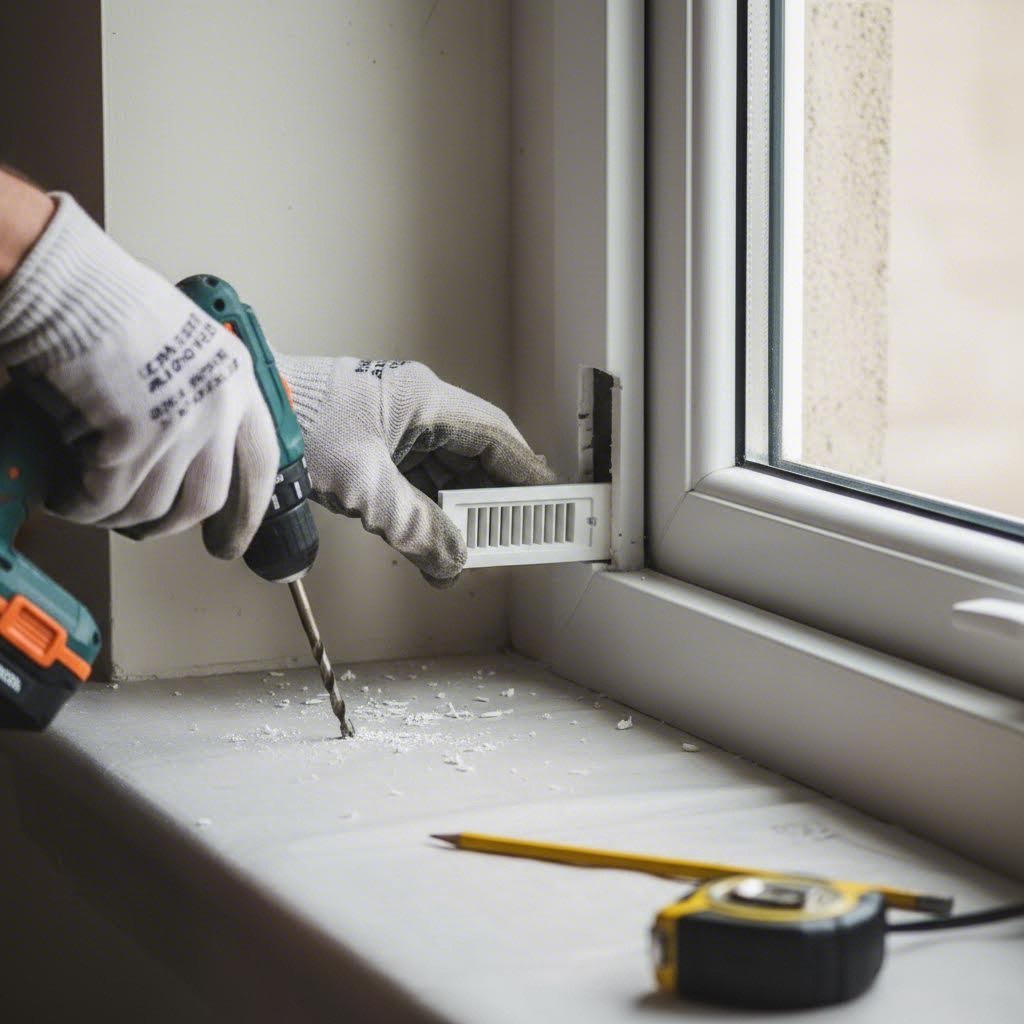
What if your current windows work perfectly fine, except for one problem: they lack proper ventilation? Full window replacement is expensive, disruptive, and often unnecessary when the frames themselves remain in good condition. The good news? You can add air vents in window frames without tearing everything out and starting over.
Retrofitting trickle vents to existing windows has become increasingly popular as homeowners recognize the importance of background ventilation while wanting to preserve their current glazing investment. Whether you're dealing with double glazed windows with ventilation gaps or glass block windows with ventilation needs, solutions exist that fit your specific situation.
Can trickle vents actually be added to windows that weren't designed with them? According to Double Glazing Direct, "Yes, it is possible to retrofit trickle vents to existing windows, provided the top of the window frame is wide enough to accommodate them." This opens up possibilities for millions of homes with adequate frames but inadequate ventilation.
The retrofit process involves carefully drilling or cutting slots into existing frames to create the airflow pathway, then fitting both internal and external vent components. Sounds straightforward? In principle, it is. However, the approach varies significantly depending on your window material and your comfort level with DIY projects.
DIY-Friendly Retrofit Options
For confident DIYers with the right tools, retrofitting trickle vents to uPVC windows represents a manageable project. Modern uPVC frames typically have sufficient depth and material strength to accommodate vent installation. Here's what the process involves:
As Shengxin Aluminium's installation guide notes, "Precision is key. Careful measuring and drilling help prevent accidental damage to your window and ensure the vent works as intended."
When Professional Installation Makes Sense
Not every retrofit project suits the DIY approach. Consider calling a professional installer if:
Professional installers bring specialized equipment, experience with various frame materials, and the ability to handle unexpected complications. They can also advise whether retrofit is practical for your specific windows or if alternative solutions might work better.
Compatibility Considerations by Window Material
Different window materials present distinct challenges and opportunities for retrofit ventilation:
| Window Material | Retrofit Suitability | Key Considerations |
|---|---|---|
| uPVC | Excellent | Wide frame profiles accommodate most vent types; material is forgiving for DIY work; color-matched vents readily available |
| Timber | Good with caution | Requires careful cutting to avoid splitting; moisture protection essential around new openings; surface-mounted options may be preferable |
| Aluminium | Good with specialist products | Narrow profiles may limit options; specialized vents designed for aluminium frames perform best; professional installation often recommended |
| Composite | Varies by design | Check manufacturer guidance; some composite frames have specific vent recommendations |
For older properties, additional factors come into play. A basement window with vent requirements may need weather-resistant solutions due to exposure conditions. Similarly, if you're considering alternatives to a window air exchanger for specialized applications, retrofit trickle vents might provide simpler, maintenance-free operation.
Not all retrofit vents are created equal. The difference between a quality product and a budget option often shows up years later when seals fail, mechanisms stick, or airflow drops below useful levels. Before purchasing, evaluate potential products against these essential criteria:
Adjustable Airflow Control
The ability to regulate airflow matters enormously for practical daily use. Quality vents feature smooth-operating sliders or rotating mechanisms that allow you to:
Avoid products with fixed openings or stiff mechanisms that discourage regular adjustment. The best vent in the world provides no benefit if you leave it permanently closed because the slider jams.
Regulatory Compliance
If you're retrofitting to meet Building Regulations, verify that your chosen products meet equivalent area (EA) requirements. Quality manufacturers publish EA ratings clearly in their specifications. Products without published ratings may not deliver adequate airflow to satisfy compliance obligations, potentially creating problems during property sales or building inspections.
Seamless Integration with Existing Frames
Aesthetic concerns shouldn't be dismissed. A mismatched vent that looks obviously retrofitted detracts from your windows' appearance and potentially your property's value. Look for:
Durability and Weather Resistance
Outdoor air vent components face constant exposure to sun, rain, wind, and temperature fluctuations. External canopies must resist UV degradation, prevent water ingress, and maintain their seal over years of service. Internal components should operate smoothly without binding or warping regardless of humidity levels inside your home.
When choosing retrofit products, remember that you're making a long-term investment in your home's ventilation. Quality components cost more upfront but deliver reliable performance for a decade or more.
Finding Products Engineered for Retrofit Applications
Manufacturers who specialize in retrofit solutions understand the unique challenges of adding ventilation to existing frames. Their products account for variable frame depths, different material properties, and the need for straightforward installation without specialized factory equipment.
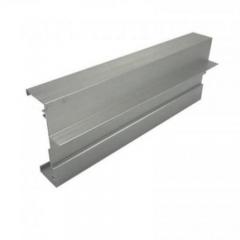
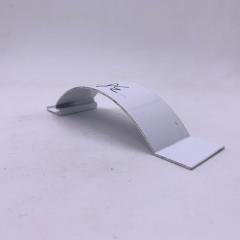
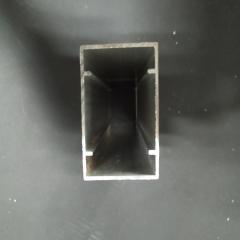
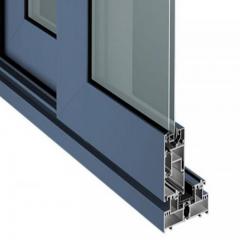
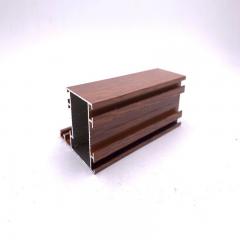
For homeowners seeking professional-grade retrofit solutions, Anhui Shengxin Aluminum's custom window trickle vents exemplify what to look for in quality retrofit products. Their vents feature patented designs specifically engineered to prevent moisture buildup and mold while maintaining energy efficiency. With adjustable airflow control and options for seamless integration into various window frame types, these regulatory-compliant vents address the practical challenges homeowners face when upgrading existing windows.
The customization aspect proves particularly valuable for retrofit projects. Unlike one-size-fits-all products that may not suit your specific frame dimensions or style, customizable solutions ensure proper fit and function. This attention to compatibility typically distinguishes products designed for retrofit from those intended primarily for factory installation in new windows.
What About Alternative Retrofit Approaches?
Beyond traditional trickle vents, some homeowners explore other retrofit options:
Each approach has specific applications where it excels. Over-frame solutions work well when frame depth is insufficient for through-frame installation. Wall vents suit situations where window modification isn't practical but nearby wall access exists. Your best choice depends on your specific windows, walls, and ventilation goals.
With retrofit options now clear, the final step is pulling together everything you've learned to make the right ventilation choice for your particular property and circumstances.
You've now explored the myths, understood the regulations, compared the options, and learned how to maintain what you have. But here's the question that matters most: what should you actually do next? The answer depends entirely on your specific situation, property type, budget, and what you're trying to achieve.
Let's cut through the complexity and create clear decision pathways so you can move forward with confidence, whether you're building new, replacing windows, or upgrading what you already have.
Every home presents unique challenges. A Victorian terrace has different ventilation needs than a newly built apartment. Your budget, local climate, and even household health concerns all influence which approach makes the most sense. Rather than a one-size-fits-all answer, consider which scenario matches yours.
Key Considerations Before You Decide
Before committing to any solution, work through these essential factors:
Decision Pathways for Different Scenarios
Identify your situation below and follow the recommended pathway:
The best ventilation solution is one that actually gets used. Choose products with smooth-operating controls that encourage daily adjustment rather than frustrating mechanisms you'll abandon within months.
For properties where window air ventilation must balance multiple concerns, prioritize solutions offering genuine adjustability. Fixed vents that cannot be partially closed become problematic during extreme weather. Conversely, vents that are difficult to open tend to stay permanently sealed, defeating their purpose entirely.
Understanding your options means nothing without action. Here's how to move forward based on whether you prefer handling projects yourself or working with professionals.
For DIY-Minded Homeowners
If you're comfortable with tools and precision work, retrofitting trickle vents to existing uPVC windows is achievable. Before starting:
Remember that DIY retrofit involves irreversible modifications. Mistakes can compromise both the vent's function and your window's integrity. If uncertainty creeps in at any stage, stopping and consulting a professional costs less than correcting errors.
For Those Hiring Professionals
Professional installation makes sense when:
When selecting installers, verify their experience with ventilation specifically, not just general window work. Ask about their approach to ensuring adequate equivalent area, their product preferences, and whether they provide compliance certification. Quality installers welcome such questions rather than brushing them aside.
Choosing Regulatory-Compliant Vents with Adjustable Airflow
Whatever path you take, prioritize products that combine compliance with practical usability. The ideal windows with vents feature:
For windows for ventilation in demanding applications, whether urban noise, exposure to weather, or high-moisture environments, specialized products outperform generic options. Acoustic vents for noisy locations, weather-resistant designs for exposed positions, and humidity-responsive mechanisms for bathrooms each address specific challenges that standard vents may not handle adequately.
Exploring Professional-Grade Solutions
When standard retail products don't quite fit your requirements, customizable options fill the gap. For those seeking professional-grade solutions that balance regulatory compliance, energy efficiency, and practical performance, Anhui Shengxin Aluminum's range of customizable passive ventilation options offers an alternative worth exploring.
Their custom window trickle vents are engineered specifically to prevent moisture buildup and mold while maintaining energy efficiency, addressing the core concerns that drive most ventilation upgrades. With adjustable airflow control and designs that integrate seamlessly into uPVC, aluminium, and timber window frames, these products suit both new installations and retrofit applications where standard sizes fall short.
The patented designs behind these vents reflect understanding that effective ventilation must work practically, not just theoretically. Regulatory compliance matters, but so does a mechanism you'll actually use day after day, year after year. When evaluating any premium product, assess whether the additional investment delivers genuine performance advantages or merely marketing claims.
Your Next Steps
Fresh, healthy indoor air shouldn't require constant effort or expensive energy bills. The right ventilating window strategy works quietly in the background, preventing problems before they start while giving you control when conditions demand adjustment.
Start by assessing your current situation honestly. Check existing windows for vents you might not have noticed. Monitor condensation patterns and stuffiness levels. Note which rooms feel comfortable and which don't. This baseline understanding guides every decision that follows.
Then match your needs to the appropriate solution. For most homeowners, quality trickle vents with adjustable controls provide excellent results at modest cost. For specialized situations, targeted upgrades or professional systems may justify their higher investment. And for those upgrading existing windows vents that underperform, retrofit options now make improvement accessible without full window replacement.
Whatever you choose, remember that taking action beats indefinite research. A good solution implemented today delivers benefits that perfect-on-paper options you never install simply cannot match. Your home deserves fresh air, and now you know exactly how to provide it.
Trickle vents are small openings integrated into window frames that allow controlled fresh air exchange without opening windows. Modern homes with improved insulation and double glazing trap moisture, pollutants, and stale air inside. Trickle vents solve this by providing continuous background ventilation that prevents condensation, mold growth, and indoor air quality issues while maintaining security and energy efficiency. For homes seeking premium solutions, Anhui Shengxin Aluminum offers custom window trickle vents with patented designs that prevent moisture buildup while maintaining energy efficiency.
Operating trickle vents is straightforward. Locate the lever or slider mechanism at the top of your window frame, then slide or rotate it to adjust airflow. Opening the vent fully maximizes fresh air exchange, while partial closure reduces airflow during windy conditions. You can close vents completely during extreme weather. For optimal indoor air quality, keep vents open in occupied rooms and adjust based on seasonal conditions. Regular cleaning every six months ensures smooth operation and prevents dust buildup from restricting airflow.
Trickle vents should generally remain open to maintain healthy background ventilation, lowering carbon dioxide levels and volatile organic compounds in your home. However, you have complete control to adjust them based on conditions. Partially close during cold, windy days to prevent drafts, or fully close during storms. In bedrooms, keeping vents open overnight prevents carbon dioxide buildup that can affect sleep quality. The key advantage of modern adjustable vents is flexibility, allowing you to balance fresh air needs with comfort throughout the year.
Under Building Regulations Approved Document Part F (updated June 2022), trickle vents are typically required when replacing windows. If your existing windows have vents, replacements must include vents of at least equal capacity. If current windows lack vents, adding them during replacement is generally mandatory. The only exception applies to properties using MVHR (Mechanical Ventilation with Heat Recovery) systems. Homeowner disclaimers refusing vents are not acceptable for compliance. Working with installers registered under Competent Person Schemes ensures automatic compliance certification.
Yes, retrofitting trickle vents to existing windows is possible when the frame has sufficient depth to accommodate them. uPVC frames typically offer the easiest retrofit options, while timber and aluminium may require professional assessment. The process involves cutting slots into the frame and fitting internal and external vent components. Over-frame vents provide an alternative when through-frame modification isn't practical. For quality retrofit solutions, Anhui Shengxin Aluminum's customizable passive ventilation products offer regulatory-compliant options with adjustable airflow control that integrate seamlessly into various window frame types.



 online service
 0086 136 3563 2360
 sales@sxalu.com
 +86 136 3563 2360
 English
 français
 Deutsch
 русский
 español
 português
 العربية
 ไทย
ไทย Việt
Việt Українська