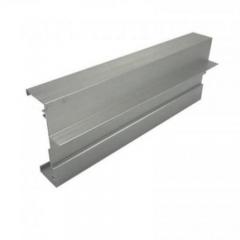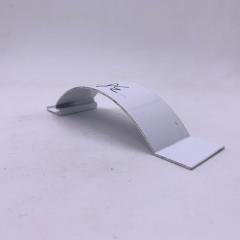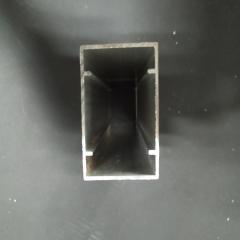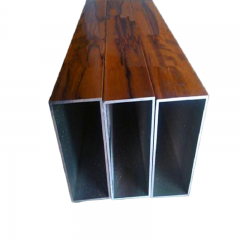
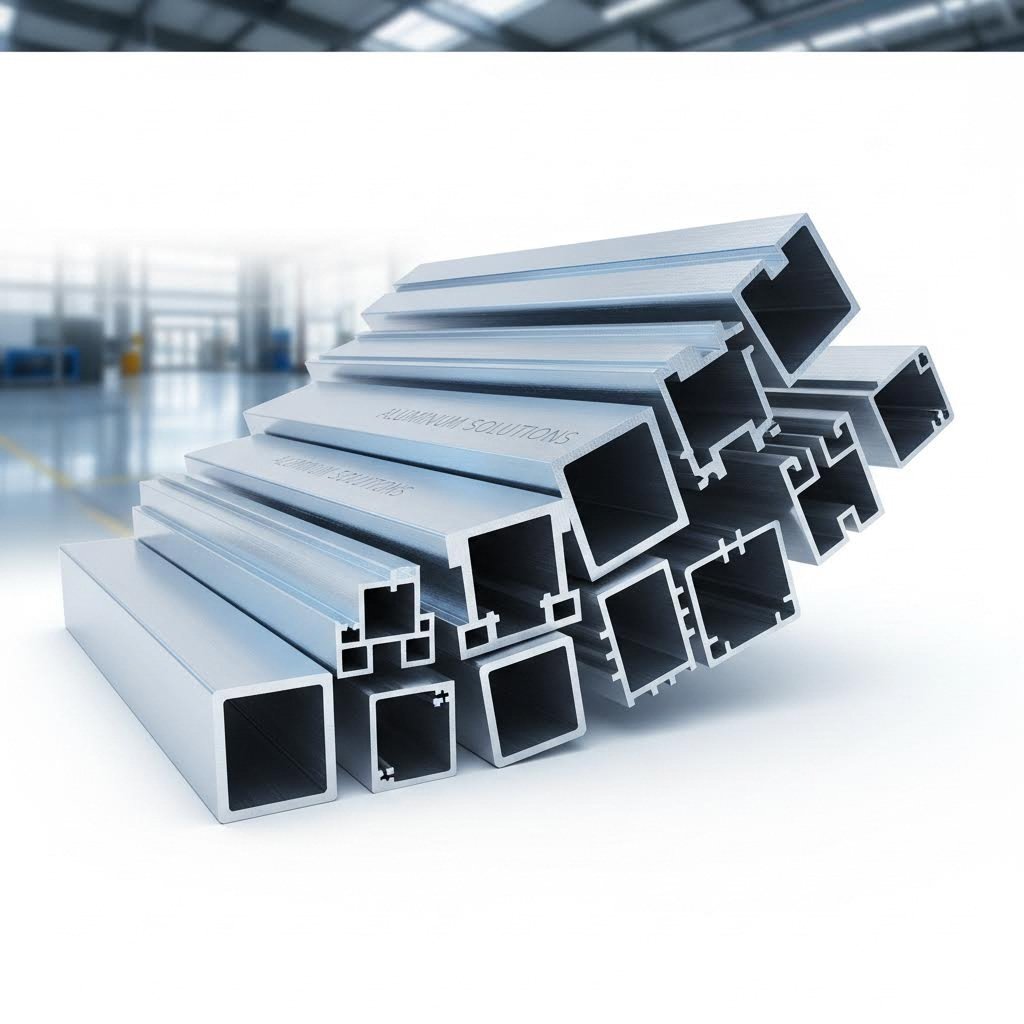
If you import aluminum extrusions into the United States, you've likely encountered the terms "AD" and "CVD" on customs paperwork or trade publications. But what do these acronyms actually mean for your business? Understanding the aluminum extrusion definition within trade law context is essential before diving into compliance requirements.
In plain terms, AD and CVD are additional duties the U.S. government imposes on certain imported goods to level the playing field for American manufacturers. Think of them as corrective tariffs designed to offset unfair trade practices. Let's break down exactly how they work.
Trade remedy laws exist because international commerce doesn't always operate on equal terms. When foreign manufacturers sell products in the U.S. at artificially low prices or receive government assistance that gives them an unfair advantage, domestic producers suffer. The U.S. responds with two primary tools: antidumping duties and countervailing duties.
According to trade law experts, these remedies require both the U.S. Department of Commerce and the International Trade Commission to make affirmative determinations before duties can be imposed. This dual-agency approach ensures that claims of unfair trade are thoroughly investigated.
Imagine you're a U.S. aluminum extrusion manufacturer. You price your products based on actual production costs plus a reasonable profit margin. Meanwhile, a foreign competitor sells identical extrusions in the American market at prices far below what they charge in their home country. Sounds unfair? The U.S. government agrees.
This scenario describes "dumping," and it triggers antidumping investigations. The Commerce Department compares the U.S. sale price with the home market price, adjusting both to an "ex-factory" basis for fair comparison. For non-market economies like China, Commerce constructs a "normal value" using production costs from comparable market economies. The difference becomes the "dumping margin," which determines the additional duty rate.
While both ADA CVD duties aim to correct unfair trade, they target different problems. Here's the key distinction:
Here's what makes this particularly complex for importers: both duties can apply simultaneously to the same product. Aluminum extrusions from certain countries currently face both AD and CVD orders, meaning importers must calculate and pay both sets of additional duties on top of regular tariffs.
Additionally, duty rates aren't static. The Commerce Department conducts annual reviews that can change rates retroactively, meaning you might receive an additional duty bill or refund long after your merchandise cleared customs. This uncertainty makes understanding these trade remedies crucial for accurate cost planning and compliance.
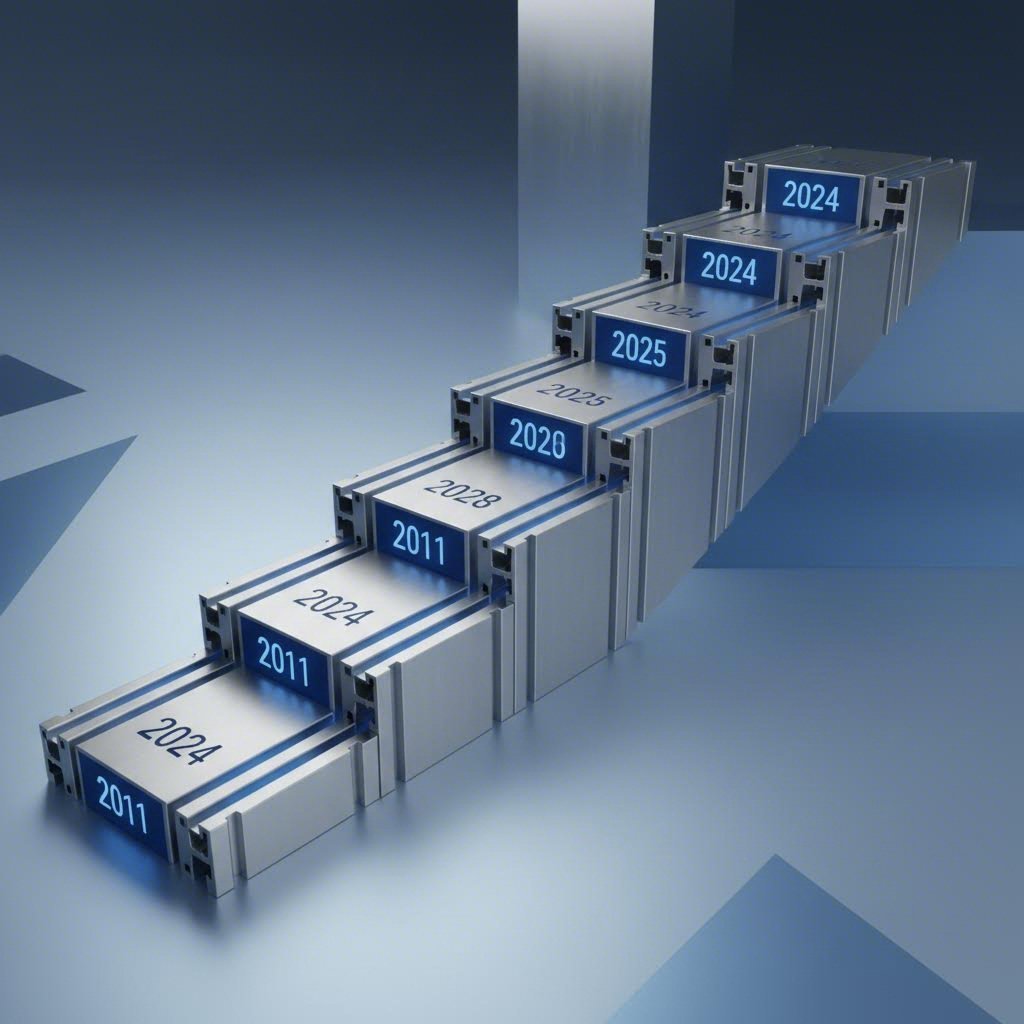
Understanding where we are today requires looking back at how these trade remedy cases developed. The current landscape didn't emerge overnight. Instead, it evolved through more than a decade of investigations, orders, and expansions that have fundamentally reshaped how aluminum extrusions enter the U.S. market.
The story begins in 2011 when the Commerce Department issued antidumping and countervailing duty orders on aluminum extrusions from the People's Republic of China under case numbers A-570-967 and C-570-968. These orders were, as trade law experts at Neville Peterson describe, "truly breathtaking" in their scope.
What made these original orders so significant? They covered an extraordinarily wide range of products, from extruded aluminum tennis racket handles to massive "curtain walls" used to construct building exteriors. This breadth reflected something unique about the domestic industry that filed the petition. Unlike most industries that produce discrete, easily defined products, American aluminum extruders operate equipment capable of producing a near-infinite range of goods. One attorney colorfully noted it was "as if a petition had been filed against 'Goods Produced Using Table Saws.'"
The 2011 orders generated more scope determinations, anticircumvention rulings, and court litigation than perhaps any previous trade case. They even led to criminal prosecutions involving attempts to evade the duties. For importers, these cases established the foundation for the complex compliance environment that exists today.
Fast forward to October 2023, and the domestic aluminum extrusion industry determined that the 2011 China orders weren't providing sufficient protection. The U.S. Aluminum Extruders Coalition, comprising 14 domestic producers alongside the United Steelworkers union, filed a massive new round of petitions. Here's how the timeline unfolded:
According to the Auto Care Association, imports from these targeted countries represented approximately 68% of U.S. aluminum extrusion imports in the first half of 2023. The scope of these new investigations explicitly builds upon and expands the existing China orders, creating an even more complex compliance landscape.
You might wonder why aluminum extrusions specifically attract such intense trade scrutiny. The answer lies in three interconnected factors:
First, widespread industrial applications. Aluminum extrusions appear in virtually every sector of the economy. The scope language from recent investigations lists products including vehicle roof rails, solar panel racking, tradeshow displays, fence posts, electrical conduits, door thresholds, electric vehicle battery trays, heat sinks, and picture frames. When a product category touches this many industries, domestic producers have strong incentives to seek protection.
Second, global manufacturing competition. Aluminum extrusion technology is relatively accessible, meaning producers in many countries can compete for the same contracts. Countries with lower labor costs, subsidized energy, or government support programs can offer pricing that U.S. manufacturers struggle to match without trade remedy protection.
Third, the unique nature of the domestic industry. American aluminum extruders don't manufacture a single product type. They own flexible extrusion equipment capable of producing countless configurations. This versatility means their competitive concerns extend across multiple product categories simultaneously, driving them to seek the broadest possible scope coverage.
The combination of these factors explains why the scope language in current investigations spans over two full pages in the Federal Register and identifies more than 140 ten-digit tariff items. Understanding this historical context helps explain the compliance challenges importers now face as investigations move toward final determinations.
Now that you understand the historical context behind aluminum extrusions antidumping cases, let's examine exactly how these investigations work. Knowing the process helps you anticipate timelines, prepare documentation, and understand when your business might face new duty requirements. The investigation process involves multiple agencies, strict deadlines, and specific legal standards that determine whether duties are imposed.
Think of it as a legal proceeding with two separate but coordinated tracks: the Commerce Department determines whether unfair trade practices exist and calculates duty rates, while the International Trade Commission (ITC) determines whether U.S. industry has been harmed. Both must reach affirmative conclusions for duties to be imposed.
Every aluminum extrusion case begins with a petition filed by domestic industry representatives. According to the USITC Antidumping and Countervailing Duty Handbook, petitions must be filed simultaneously with both Commerce and the Commission. The petitioner, typically a manufacturer or trade association representing U.S. producers, must demonstrate they represent a significant portion of the domestic industry.
Here's what happens in the initial stages:
If the ITC's preliminary determination is negative, the investigation terminates immediately for that country. However, an affirmative finding allows the investigation to proceed to the more intensive phases.
Assuming the ITC finds reasonable indication of injury, Commerce conducts its detailed investigation into whether dumping or countervailable subsidies exist. This phase determines the actual duty rates that will apply to your imports.
The section 771 menu of factors guides Commerce's analysis. For antidumping cases, Commerce compares the "normal value" of the product in the home market to the U.S. export price. For countervailing duty cases, Commerce identifies and measures specific government subsidies benefiting the foreign producers.
Understanding "scope" is critical at this stage. The scope defines exactly which products are covered by the investigation. For aluminum extrusion cases, scope language has been notoriously complex. Products as diverse as fence posts, heat sinks, and solar panel frames all fall within recent scope definitions. If your product meets the physical and chemical specifications in the scope language, it's subject to the duties regardless of its end use.
"Anticircumvention" provisions prevent importers from evading duties through minor modifications or transshipment through third countries. Commerce can extend existing orders to cover products that are slightly modified or completed in the U.S. from subject components. This means even if your specific product wasn't explicitly listed in the original scope, it could later be ruled subject to duties through an anticircumvention determination.
The final phase returns to the International Trade Commission, which now conducts a comprehensive injury analysis. This determination is more rigorous than the preliminary phase, requiring actual evidence of material injury rather than just a "reasonable indication."
According to the USITC handbook, the Commission evaluates three key factors:
The final phase involves extensive data collection through questionnaires, a formal hearing where parties present testimony and evidence, and detailed staff reports analyzing all relevant factors. Commissioners then vote on whether the statutory requirements for finding injury have been met.
The entire investigation process typically spans 280-360 days from petition filing to final order. However, extensions are common in complex cases involving multiple countries or product categories. For the current aluminum extrusion investigations, importers should monitor Commerce and ITC announcements closely, as preliminary duty deposits may already be required for certain countries while investigations continue for others.
Critical timeline note: Once Commerce issues an affirmative preliminary determination, duties apply retroactively to entries made after that date. Even if you're unaware of an ongoing investigation, your goods may become subject to duty deposits the moment you clear customs after the preliminary determination.
With investigations targeting 15 countries and covering an expansive product scope, understanding these procedural steps helps you anticipate when new compliance obligations might arise. The next section examines the specific duty rates currently in effect for different countries of origin.

When you're planning imports, knowing the exact duty rates for each country of origin isn't just helpful. It's essential for accurate cost projections and competitive pricing. On September 27, 2024, the Commerce Department announced final determinations in antidumping investigations covering 14 countries and countervailing duty investigations covering four countries. These rates now directly affect your landed costs.
Let's break down what these determinations mean for your sourcing decisions.
The final antidumping duty rates vary dramatically depending on the country and even the specific exporter. Some manufacturers received individually calculated rates based on their cooperation with Commerce investigations, while others face much higher "all-others" rates or rates based on adverse inferences when companies failed to cooperate fully.
Here's a consolidated reference of the final antidumping dumping margins by country:
| Country | Rate Type | Notes |
|---|---|---|
| China (PRC) | Individually Examined (SHMC) | Separate rate companies receive same rate |
| China (PRC) | China-Wide Entity | Based on adverse facts available |
| Colombia | All Rates | Some rates based on adverse inference |
| Ecuador | All Rates | Some rates based on adverse inference |
| India | All Rates | Affirmative determination |
| Indonesia | All Rates | Subject to both AD and CVD |
| Italy | All Rates | Some rates based on adverse inference |
| Malaysia | All Rates | Some rates based on adverse inference |
| Mexico | All Rates | Subject to both AD and CVD |
| South Korea | All Rates | Some rates based on adverse inference |
| Taiwan | All Rates | Affirmative determination |
| Thailand | All Rates | Some rates based on adverse inference |
| Turkey | All Rates | Subject to both AD and CVD |
| UAE | All Rates | Some rates based on adverse inference |
| Vietnam | All Rates | Some rates based on adverse inference |
For countervailing duties, four countries face additional subsidy-related duties:
| Country | CVD Status | Key Consideration |
|---|---|---|
| China (PRC) | Affirmative Final | Rates calculated for Sanhua and all-others |
| Indonesia | Affirmative Final | Adds to AD rate obligations |
| Mexico | Affirmative Final | Cross-owned companies treated as single entity |
| Turkey | Affirmative Final | Rates based on adverse inference for some |
Why do rates differ so dramatically between exporters from the same country? The answer lies in how Commerce calculates these duties and whether companies cooperate with investigations.
When Commerce investigates, it typically selects "mandatory respondents" for detailed examination. These companies must provide extensive documentation about their costs, sales prices, and for CVD cases, any government assistance received. Companies that cooperate fully and demonstrate they operate independently from government control may receive lower, individually calculated rates.
However, several factors can push rates higher:
Companies trading aluminum profiles from regions like Qingdao or other major extrusion centers should verify their specific exporter's rate rather than assuming a general country rate applies.
Understanding how these rates translate into actual costs requires looking at the complete duty picture. Your total landed cost now includes:
Imagine you're importing aluminum extrusions valued at $100,000 from a Chinese supplier in the China-wide entity category. Your duty deposits alone could exceed the value of your merchandise. Even suppliers with lower individually calculated rates significantly impact your pricing competitiveness.
For countries that import precision components from India or source from other newly covered countries, the rate variations between cooperating and non-cooperating exporters can mean the difference between a viable sourcing relationship and an economically impossible one.
Several practical considerations affect your cost calculations:
The most current rates and any subsequent revisions are published through Commerce's ACCESS system and in Federal Register notices. Before finalizing any sourcing decision, verify the specific rate applicable to your intended supplier combination.
With duty rates now established for these 14 countries, many importers are evaluating which industries face the greatest impact and whether alternative sourcing strategies make sense for their specific product applications.
With duty rates now established across 14 countries, which industries face the greatest exposure? The answer depends on how heavily each sector relies on imported aluminum extrusions and whether domestic alternatives can meet their specifications. According to industry analysis, the building and construction sector currently utilizes the largest share of extruded aluminum products, making it particularly vulnerable to trade remedy impacts.
Let's examine how different industries navigate these new trade realities.
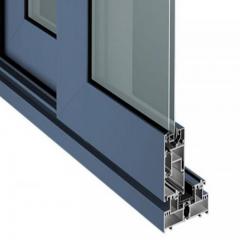
The construction industry relies on structural aluminium extrusions for everything from massive curtain wall systems to everyday window frames. Why does this sector face significant exposure? Architectural projects often require custom profiles manufactured to exact specifications, and many U.S. builders have established long-term relationships with overseas suppliers.
Products commonly affected in this sector include:
For construction firms, the challenge extends beyond simple cost increases. Project timelines often span years, and contracts signed before duty announcements may not account for these additional expenses. Some builders are exploring domestic sourcing alternatives, while others are adjusting project specifications to accommodate available supply chains.
Vehicle manufacturers increasingly turn to aluminum extrusions to reduce weight and improve fuel efficiency. According to industry sources, automotive cross members, subframes, trim, and accessories are commonly made from extruded aluminum. Electric vehicle battery boxes represent a growing application, helping regulate battery temperature while minimizing weight.
The transportation sector faces unique considerations:
Interestingly, the October 2024 ITC decision found that U.S. industry was not materially injured by aluminum extrusion imports from the 14 investigated countries. This outcome meant no new AD/CVD orders were issued, and previously collected cash deposits will be refunded. However, importers must remember that the 2011 orders on aluminum extrusions from China remain in effect, continuing to impact automotive supply chains sourcing from that country.
Beyond construction and transportation, aluminum extrusions appear in countless industrial and consumer applications. The scope of current trade cases covers products as diverse as heat sinks for electronics, solar panel mounting systems, and furniture components. This breadth means virtually no industry escapes consideration.
Affected product categories span multiple sectors:
Each industry faces different risk profiles based on sourcing patterns and product specifications. Companies heavily dependent on Chinese suppliers still face the 2011 orders, while those sourcing from the 14 newly investigated countries now have clarity that no additional duties will apply following the ITC's negative injury determination.
The varying impacts across industries highlight why importers need tailored compliance strategies rather than one-size-fits-all approaches. Understanding your specific product classifications, supplier relationships, and alternative sourcing options becomes essential for navigating this complex trade environment.

So you've identified that your extruded aluminum parts fall within the scope of an AD/CVD order. What happens next? Understanding the procedural requirements isn't optional. Failing to comply can result in delayed shipments, penalty assessments, and significant financial exposure. Let's walk through exactly what CBP expects from importers and how to build a compliance program that protects your business.
The key challenge? AD/CVD compliance involves more moving parts than standard tariff classification. You're dealing with multiple government agencies, retroactive liability, and duty rates that can change years after your merchandise enters the country.
When Commerce announces a preliminary or final determination affecting your alum extrusions, you need to act quickly. According to trade compliance experts at Expeditors, the moment a Federal Register Notice publishes, your compliance clock starts ticking.
Here's your immediate action checklist:
Don't wait for your next shipment to start this process. If you have goods in transit or inventory already cleared that might be affected retroactively, you'll need to evaluate your exposure immediately.
CBP takes AD/CVD compliance seriously, and your documentation must support every claim you make on entry summaries. According to CBP guidance, the AD/CVD special value fields on entry summaries require particular attention when only a portion of your product's value is subject to duties.
Consider this scenario: You're importing aluminum railing extrusions as part of a larger assembly. Only the extruded components fall within scope, not the fasteners or other materials. CBP requires you to separately identify and value the subject merchandise.
Essential documentation you must maintain includes:
Keep these records for at least five years after liquidation. Since AD/CVD entries often remain unliquidated for years pending administrative reviews, your actual retention period may extend much longer.
Your customs broker serves as your frontline compliance partner, but they need accurate information to protect you. The Expeditors webinar materials emphasize that brokers require timely notification about which cases affect your products and which rates apply to specific shipments.
CBP's Project Harvest initiative now sends electronic messages flagging potential AD/CVD issues on entries. If you receive messages like "Products from country with HTS Suggest AD/CVD Case" or "Case is missing AD companion case," treat them seriously. These alerts indicate CBP's targeting systems have identified potential compliance gaps.
Here's how to structure your broker relationship for AD/CVD success:
For complex situations, consider engaging trade counsel. Attorneys specializing in AD/CVD matters can assist with scope rulings, help you respond to questionnaires if selected as a mandatory respondent, or represent your interests in administrative review proceedings.
Retroactive liability warning: AD/CVD duty rates aren't final until entries liquidate, which can occur years after importation. Administrative reviews may increase or decrease rates retroactively, meaning you could owe additional duties or receive refunds long after your merchandise cleared customs.
Understanding your bonding requirements deserves special attention. Your continuous bond must cover not just your regular duties but also the estimated AD/CVD deposits. If your import volume or duty exposure increases significantly, CBP may require bond increases. Insufficient bonding can halt your shipments entirely.
With compliance fundamentals in place, many importers begin exploring whether alternative sourcing strategies could reduce their exposure to these trade remedies while maintaining product quality and supply chain reliability.
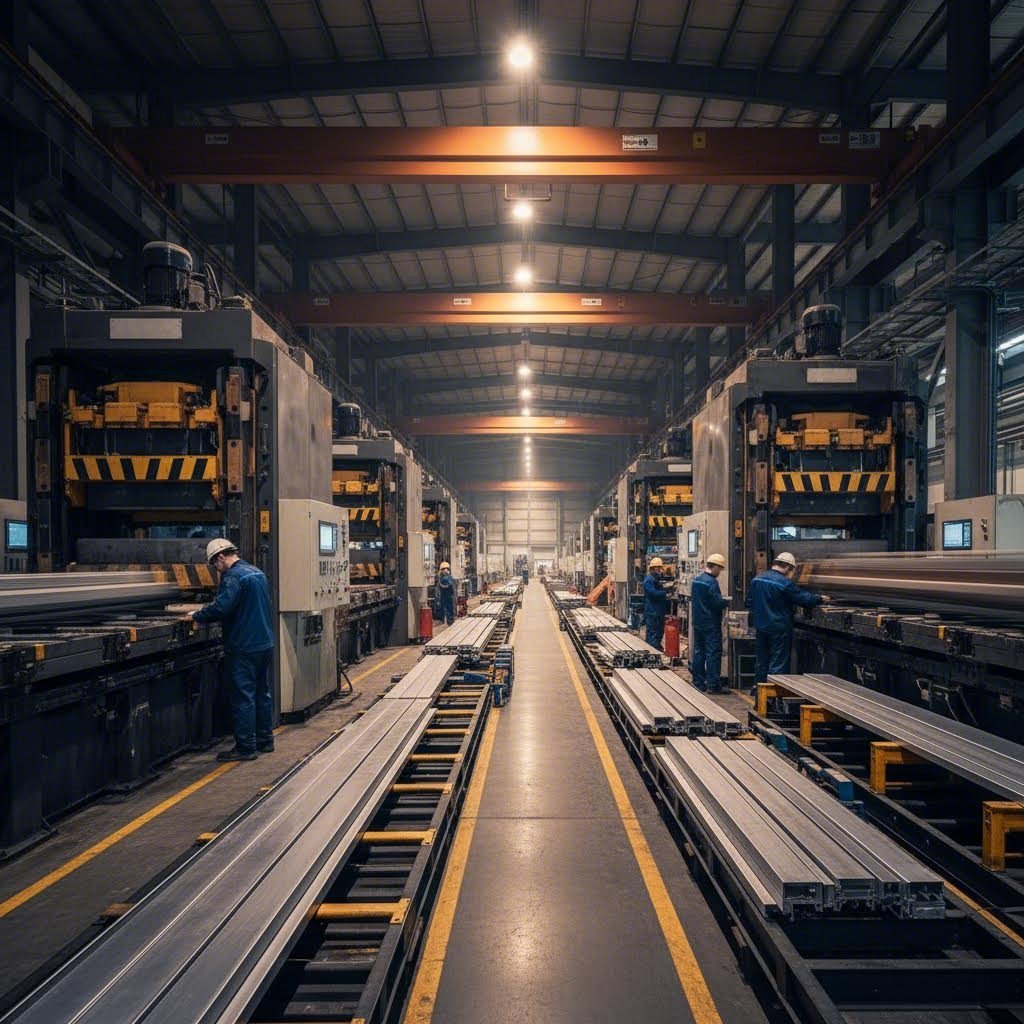
With compliance frameworks established, the next logical question becomes: should you adjust your sourcing strategy entirely? The current trade landscape has fundamentally changed how businesses evaluate aluminum extrusion sourcing strategies. What once came down to simple price comparisons now requires analyzing compliance risk, lead times, quality control, and total landed costs.
According to Monarch Metal's sourcing analysis, the equation has shifted dramatically: "In 2025, that is no longer the case. The sourcing decision now hinges on lead time, compliance risk, quality control, and total landed cost, not just the line item on a quote sheet." Let's explore how to evaluate your options.
Domestic sourcing isn't just about avoiding duties. It's a strategic decision that offers distinct advantages for certain project types. When should you prioritize U.S.-based custom aluminum extrusion suppliers?
Consider domestic extruders when your projects demand:
The trade-off? Domestic pricing often runs higher on a per-unit basis. However, that gap narrows considerably when you factor in total landed costs and risk mitigation.
What if domestic sourcing doesn't fit your volume requirements or specifications? Qualifying aluminum profile manufacturing partners in countries not subject to AD/CVD orders offers an alternative path.
Following the October 2024 ITC negative injury determination, the 14 newly investigated countries won't face additional duty orders. However, the 2011 China orders remain in effect with rates reaching 376.85% for the China-wide entity. This creates clear winners and losers in the international sourcing landscape.
When evaluating non-subject country suppliers, verify these critical factors:
For businesses seeking established aluminum profile manufacturing partners with comprehensive capabilities, Shengxin Aluminium offers over 30 years of industry experience with 35 extrusion presses ranging from 600T to 5500T capacity. Their end-to-end services span from die development through mass production, including surface treatments like anodizing in custom colors, powder coating, and PVDF finishes. You can explore their custom extrusion and deep processing services for factory-direct pricing and technical support.
The smartest sourcing teams now calculate total landed cost rather than focusing on per-pound pricing. Why? Because a seemingly attractive quote can become economically unviable once you account for all variables.
According to industry analysts, the complete formula looks like this:
TLC = Ex-works price + Freight + Duties + Tariffs + Compliance + Carrying Cost + Risk Buffer
Consider this example: Ocean freight from China to the U.S. West Coast averages about 32 days door-to-port, extending to 52 days for East Coast destinations before customs and drayage. An eight-week ocean cycle forcing you to carry two extra months of inventory at an 18 percent annual cost can erase a 5 to 8 percent price advantage overnight.
Your total cost analysis should include:
| Cost Category | Domestic Sourcing | Offshore Sourcing |
|---|---|---|
| Unit Price | Higher per-unit cost | Lower per-unit cost at volume |
| Lead Time | 3-8 weeks; 2 weeks for repeats | 32-52+ days plus customs |
| Inventory Carrying | Minimal buffer stock needed | 2-4 months safety stock typical |
| Duty Exposure | None | Varies by country and order status |
| Section 232 Tariffs | None | Up to 50% on certain imports |
| Compliance Costs | Minimal documentation | UFLPA tracing, certifications, broker fees |
| Risk Buffer | Low volatility | Tariff changes, port delays, holds |
Beyond direct costs, BCG analysts note that Section 232 tariffs on aluminum have increased to 50% for most countries. This adds another layer of complexity when calculating total import costs, separate from AD/CVD considerations.
Many OEMs and fabricators now implement dual-source models that balance cost efficiency with supply chain resilience:
You can also protect intellectual property by cutting master dies domestically and sending licensed replicas to qualified overseas partners once production is validated. Pair this approach with two to four weeks of domestic safety stock, and you achieve both cost control and operational resilience.
The key insight? There's no universal right answer. Your optimal sourcing strategy depends on your specific product requirements, volume patterns, compliance obligations, and risk tolerance. However, understanding these trade-offs positions you to make informed decisions rather than reacting to cost pressures alone.
You've now navigated the complexities of aluminum extrusion trade compliance, from understanding AD/CVD fundamentals to evaluating strategic sourcing options. But knowledge without action leaves your business exposed. Let's consolidate the essential takeaways and map out your next steps for building a trade-resilient operation.
Before making any sourcing or compliance decisions, ask yourself these critical questions:
The 2011 AD/CVD orders on aluminum extrusions from China remain in effect. While the October 2024 ITC decision means no new orders for the 14 recently investigated countries, importers sourcing from China still face significant duty obligations.
Trade compliance isn't a one-time exercise. Rates change through administrative reviews, scope interpretations evolve, and new investigations can emerge. According to compliance experts, 2024 saw increased enforcement by both CBP and BIS, making ongoing monitoring more critical than ever.
Bookmark these resources for your ad cvd duty management program:
Set up Google Alerts for key terms like "aluminum extrusions antidumping" and "aluminum extrusions countervailing duty" to catch news as it breaks.
The most successful importers treat trade compliance as a supply chain design principle, not just a regulatory checkbox. According to supply chain strategists at Crowe, the goal extends beyond lowering duty costs to creating a supply chain that can flex, respond, and grow under any conditions.
Your aluminum import regulations guide for resilience should include:
Prior disclosure can help mitigate penalties when entry mistakes are discovered. Don't wait for CBP to find errors. The formal Post-Entry Amendment process demonstrates good faith and reduces exposure.
For businesses seeking reliable aluminum profile manufacturing partners with comprehensive capabilities, established suppliers offering end-to-end services from die development through mass production can simplify your compliance burden. Shengxin Aluminium, with over 30 years of experience and state-of-the-art CNC machining centers, provides the technical support and precise specifications that demanding applications require. Their deep processing and custom extrusion services offer a practical resource for businesses evaluating their supply chain options.
The aluminum extrusion trade landscape will continue evolving. Rates will change, new investigations may emerge, and enforcement will likely intensify. But with the right compliance framework, monitoring systems, and sourcing strategies in place, your business can navigate these challenges while maintaining competitive positioning in your market.
Yes, antidumping duties apply to aluminum extrusions from China under the 2011 orders, with rates ranging from individually calculated amounts to 376.85% for the China-wide entity. However, following the October 2024 ITC negative injury determination, no new AD orders were issued for the 14 other investigated countries including India, Indonesia, Mexico, and Vietnam. Importers sourcing from China must still deposit estimated AD duties at customs entry.
On October 30, 2024, the U.S. International Trade Commission determined that the domestic industry is not materially injured or threatened with injury by aluminum extrusion imports from 14 countries including China, Colombia, Ecuador, India, Indonesia, Italy, Malaysia, Mexico, South Korea, Taiwan, Thailand, Turkey, UAE, and Vietnam. This negative determination means no new AD/CVD orders will be issued for these countries, and previously collected cash deposits will be refunded to importers.
Importers must review scope language to determine if products are covered, verify supplier-specific duty rates, provide accurate manufacturer and exporter information matching Commerce records, maintain documentation including commercial invoices separating subject merchandise, country of origin certificates, and non-reimbursement statements. Customs brokers need case numbers and applicable rates before shipments arrive, and bonds must cover estimated duty deposits.
Commerce calculates antidumping rates by comparing U.S. sale prices with home market prices, with the difference becoming the dumping margin. Countervailing duty rates reflect the value of government subsidies benefiting manufacturers. Companies that cooperate fully may receive lower individually calculated rates, while those failing to cooperate face adverse facts available rates. Rates vary by specific manufacturer/exporter combinations and can change through annual administrative reviews.
The decision depends on your total landed cost analysis, not just per-unit pricing. Domestic sourcing offers shorter lead times of 3-8 weeks, direct engineering collaboration, BABA compliance, and eliminates duty exposure. International sourcing may offer lower per-unit costs but requires factoring in freight, duties, tariffs, compliance costs, and inventory carrying costs. Many businesses implement hybrid strategies using domestic suppliers for prototypes and BABA projects while qualifying international partners for high-volume production.



 online service
 0086 136 3563 2360
 sales@sxalu.com
 +86 136 3563 2360
 English
 français
 Deutsch
 русский
 español
 português
 العربية
 ไทย
ไทย Việt
Việt Українська