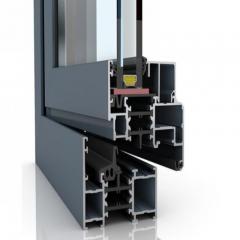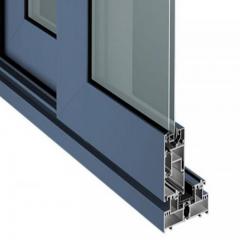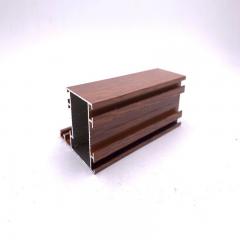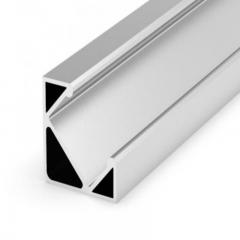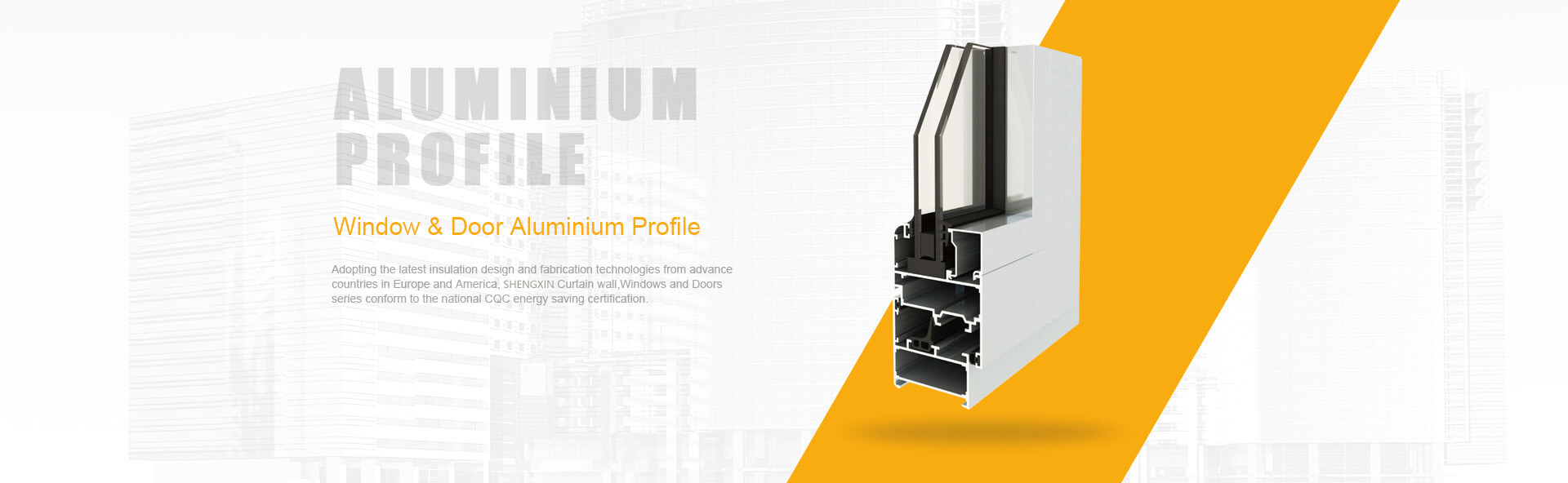
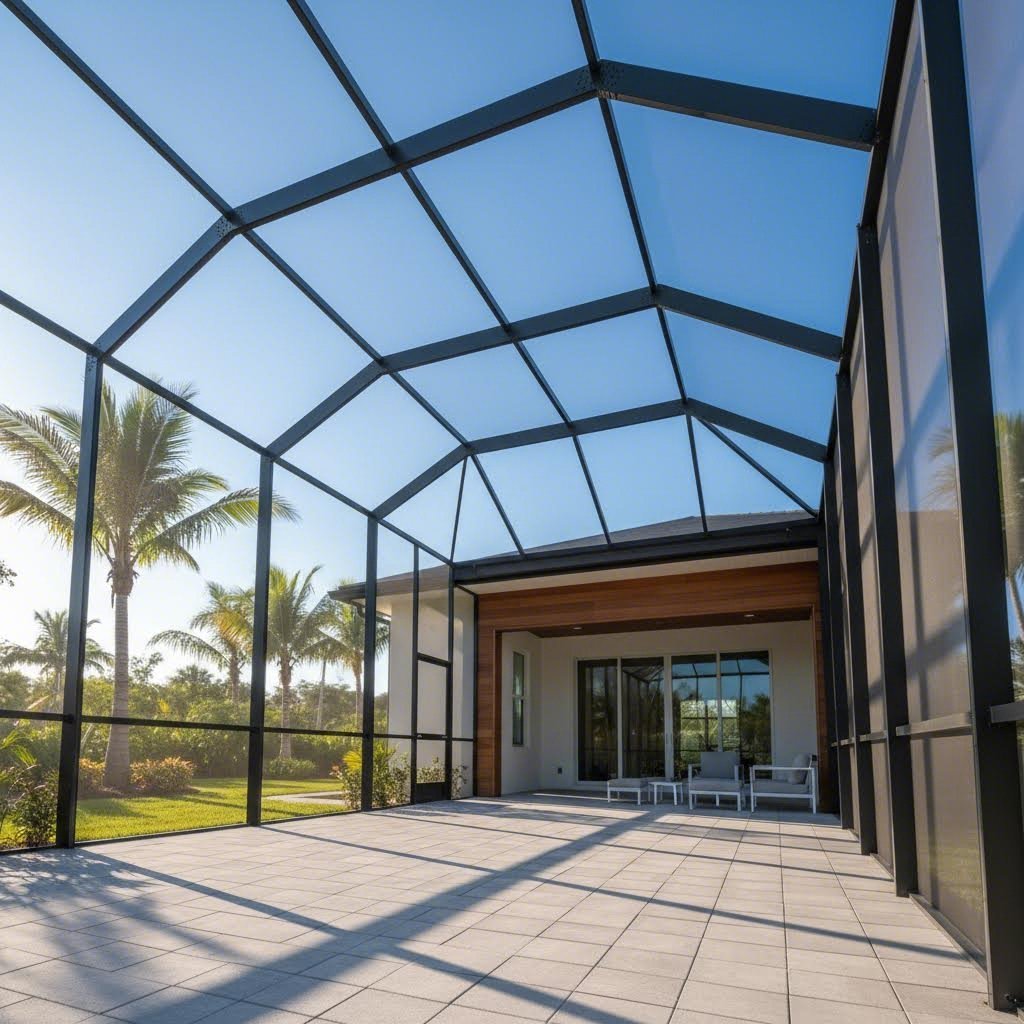
Ever wondered why your neighbor's screen enclosure still looks pristine after a decade while others seem to sag and warp within a few years? The secret often comes down to one critical choice: the type of aluminum framing used in construction. Aluminum extrusions have become the gold standard for screen enclosures, and understanding what they are gives you a significant advantage when planning your project.
Simply put, aluminum extrusions are profiles created by forcing heated aluminum through a specially designed steel die. Think of it like squeezing toothpaste through a shaped opening - except you're working with metal heated to nearly 900°F and applying up to 15,000 tons of hydraulic pressure. The result? Continuous aluminum structures with precise, consistent cross-sections that maintain their shape for decades.
The journey from raw aluminum to a finished extruded aluminum enclosure profile involves a fascinating sequence of steps. First, a cylindrical aluminum billet gets preheated to approximately 800-925°F. At this temperature, the metal becomes malleable without actually melting. Once properly heated, the billet enters a hydraulic press where tremendous force pushes it through a custom-shaped die.
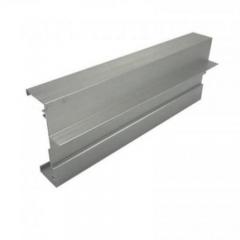
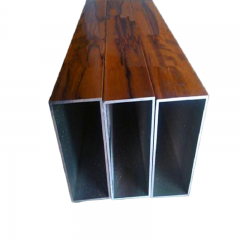
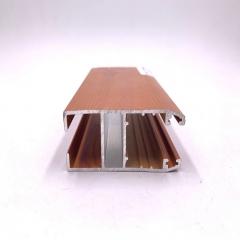
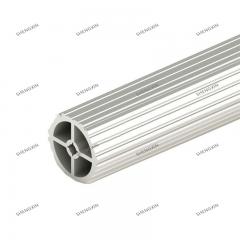
As the aluminum emerges from the die, it takes on the exact profile shape - whether that's a simple rectangular tube or a complex aluminum screen channel with built-in spline grooves. The profile then undergoes rapid cooling through water baths or air quenching, which locks in the mechanical properties. After cooling, workers stretch the profiles to eliminate any twists or warping before cutting them to final lengths.
What makes this process remarkable for aluminum screen applications is the precision. Every inch of an extruded profile maintains identical dimensions and properties, giving you consistent performance across your entire enclosure.
You might encounter roll-formed aluminum as a cheaper alternative, but understanding the difference explains why professionals prefer extrusions for quality screen enclosures. Roll forming works by gradually bending flat metal sheets through a series of rollers. While this method works fine for simple shapes, it has significant limitations.
Extruded aluminum delivers a superior strength-to-weight ratio that roll-formed products simply cannot match. The extrusion process creates profiles with uniform wall thickness and integrated structural features, making them ideal for outdoor applications where wind loads, humidity, and UV exposure constantly challenge the framework.
Consider these key differences between extruded and roll-formed aluminium frame options:
For an extruded aluminium enclosure designed to withstand Florida hurricanes or coastal salt air, these advantages translate directly into longevity and performance. Roll-formed alternatives may cost less initially, but they often struggle with the complex profile shapes needed for proper screen spline insertion and structural connections that quality aluminum structures demand.
Now that you understand how extrusions are made, here's the next question: what's actually inside that aluminum? Not all aluminum is created equal, and the specific alloy composition directly determines how well your screen enclosure handles years of sun, rain, and humidity. Choosing the right alloy means the difference between metal screens that stay beautiful for decades and ones that corrode, weaken, or lose their finish prematurely.
When it comes to outdoor aluminum applications like screen enclosures, one alloy stands above the rest: 6063. Often called the "architectural alloy," 6063 has earned its reputation as the most extrudable and easily anodized option in the aluminum family. But what makes it so special for screening metal applications?
The secret lies in its elemental composition. Aluminum 6063 contains carefully balanced amounts of magnesium and silicon, which form magnesium silicide - a compound that gives the alloy its excellent combination of workability and performance. Unlike higher-strength alloys that sacrifice finish quality, 6063 emerges from extrusion dies with exceptionally smooth surfaces that accept powder coating and anodizing beautifully.
Here's what this means for your enclosure: 6063 provides a tensile strength of approximately 240 MPa in T6 temper - more than adequate for the structural demands of aluminium screens while remaining easy to fabricate and finish. You might wonder if stronger alloys like 6061 would be better. While 6061 does offer higher strength at around 310 MPa, it comes with trade-offs. Its surface finish isn't as smooth, it doesn't anodize as uniformly, and it costs slightly more - all drawbacks that matter significantly for visible outdoor structures.
Imagine your screen enclosure facing daily exposure to morning dew, afternoon thunderstorms, and coastal salt air. This is where 6063 truly shines. The alloy's natural corrosion resistance stems from aluminum's inherent ability to form a protective oxide layer when exposed to air. However, 6063 takes this a step further.
Because 6063 anodizes so readily, manufacturers can create an even thicker, more durable protective barrier through the anodization process. This electrochemical treatment forces a controlled oxidation layer to form - one that's significantly harder than the base metal and highly resistant to environmental attack. The result? Aluminum products that maintain their structural integrity and appearance even in harsh coastal environments where other materials would quickly deteriorate.
For screen enclosure applications, the key properties of 6063 aluminum include:
The combination of these properties explains why professionals consistently choose 6063 for metal screening frameworks. Whether you're building a pool enclosure in Florida or a patio screen room in Arizona, this alloy delivers the durability, appearance, and longevity that outdoor applications demand. Understanding these material fundamentals prepares you for the next critical decision: selecting the right profile shape for your specific project needs.
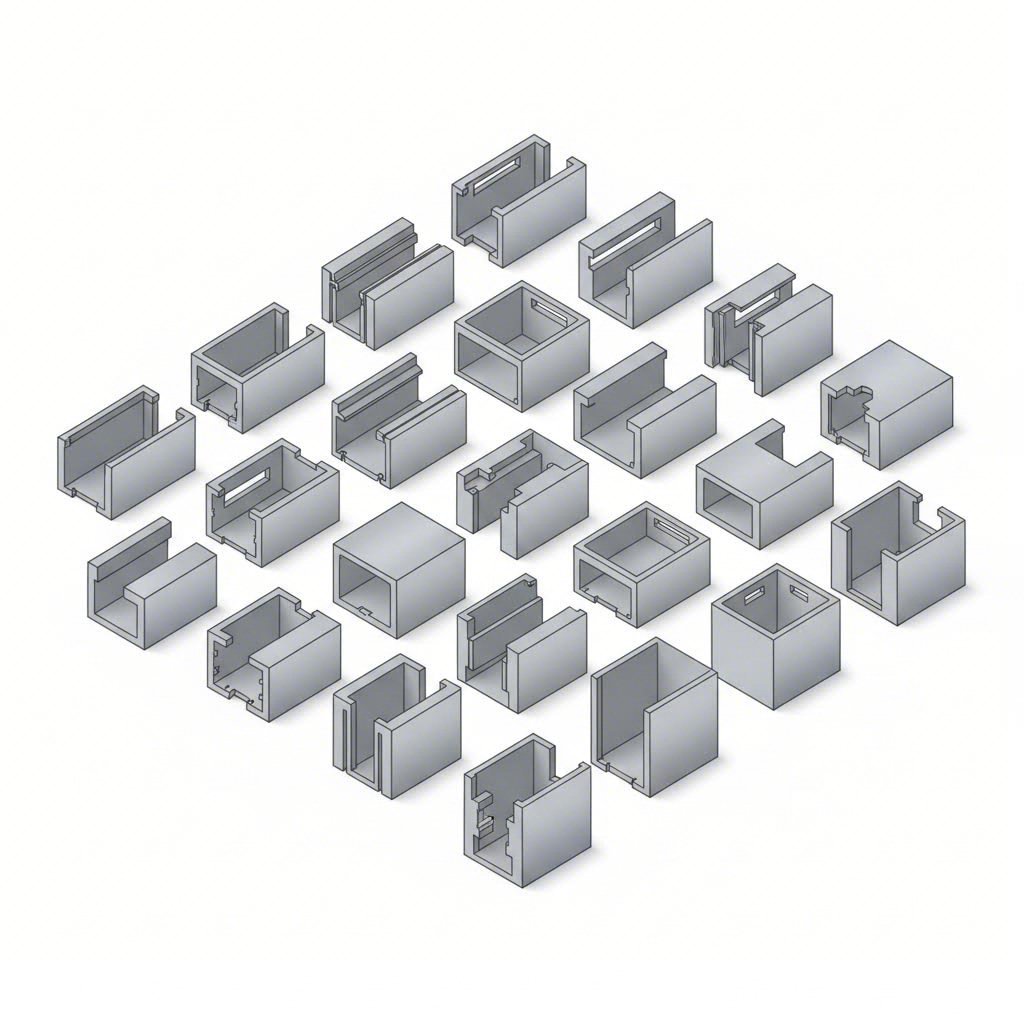
Here's where many DIY builders and even some contractors get stuck: staring at a catalog full of aluminum screen frame options with cryptic names like "H122" or "2x3 mainframe" and no clear guidance on which one actually fits their project. Understanding the different profile types isn't just helpful - it's essential for building a screen enclosure that performs correctly and lasts for years.
Think of extrusion profiles like puzzle pieces. Each shape serves a specific purpose in the overall structure, and using the wrong piece means compromised performance or frustrating assembly problems. Let's break down the main categories so you can confidently select the right screen frame material for every part of your enclosure.
The most fundamental distinction in aluminum structural framing involves whether the profile is "open" or "closed." This seemingly simple difference determines how each component functions within your enclosure system.
Open back profiles feature a channel or groove along one side, specifically designed for screen spline insertion. When you roll screen mesh into these channels using a spline tool, the groove grips the spline and holds your screening taut. Without this open channel, you'd have no way to secure the mesh. According to industry specifications, quality 2x2 systems use a round .220" spline, while larger 2x3 systems typically use flat spline for easier rolling.
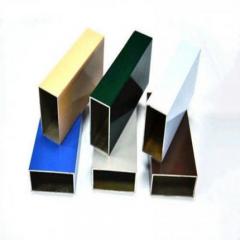
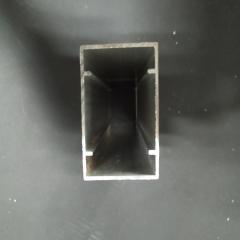
Closed profiles, on the other hand, form complete structural shapes - typically square or rectangular tubes with no open channels. These serve as the backbone of your enclosure: vertical posts, corner supports, and major structural members that carry wind loads and support the overall frame. Their enclosed cross-section provides maximum strength-to-weight ratio, which explains why professional aluminum screen porch framing relies on closed profiles for primary load-bearing elements.
Here's a practical way to remember: if it holds screen mesh, it's likely open back. If it holds up the structure, it's likely closed.
Beyond the open/closed distinction, you'll encounter several specialized profile types that solve specific assembly challenges:
When selecting profiles for an aluminium screen frame project, the decision often comes down to opening size. A 2x2 system handles openings up to approximately 60" wide by 10' high, which covers most residential applications. Need larger spans? Move to a 2x3 system, which provides engineering documentation for building permits and handles greater wind load requirements.
| Profile Type | Common Dimensions | Best Applications | Structural Characteristics |
|---|---|---|---|
| U-Channel | 1x2, 2x2 | Perimeter mounting to floors, ceilings, walls | .050" wall thickness, receives mainframe ends |
| Mainframe (Open Back) | 2x2, 2x3 | Screen framing for verticals and horizontals | .048"-.062" wall, integrated spline channel |
| Corner Mainframe | 2x2, 2x3 | 90-degree corner connections | .062" wall, reinforced for corner stress |
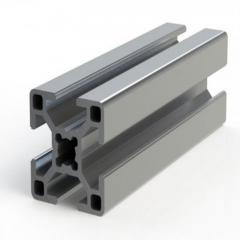
| Post/Structural (Closed) | 2x2, 2x4, 3x6 | Primary load-bearing posts, large span supports | Multiple t-slots, high wind load capacity |
| Single T-Slot | 1x1, 1x2 | Light-duty framing, accessory mounting | Four-sided channel access, modular design |
Notice how professional screen framing systems use different wall thicknesses strategically. Standard screen frames aluminum catalogs list might show the same external dimensions, but internal specifications vary based on application demands. A mainframe spanning a 48" opening doesn't need the same material as one bridging 60" - though many suppliers ship identical profiles regardless.
The takeaway? Don't just match dimensions - match the profile type and specifications to your specific structural requirements. With the right profiles selected, your next consideration becomes equally important: choosing the appropriate sizes based on your enclosure type and span lengths.
You've learned about profile types and their structural characteristics - but here's the practical question: which profiles actually work for your specific project? A screened pool enclosure spanning 40 feet has completely different requirements than a cozy patio screen room attached to your back door. Let's match the right aluminum extrusions to your exact application, starting with the most demanding projects first.
Screen pool enclosures represent the most structurally demanding residential application you'll encounter. Why? Three factors combine to create significant engineering challenges: large spans between supports, exposure to constant humidity, and substantial wind load requirements that building codes mandate for these tall structures.
When planning a screened pool enclosure, your first consideration should be the clear span distance - the gap between vertical support posts. This single measurement drives nearly every other profile decision you'll make. Pool enclosures typically require spans of 10-20 feet or more to avoid obstructing the pool area, which means lightweight 2x2 framing simply won't cut it.
Here's what to consider when selecting profiles for screen pool enclosures:
If you're searching for a "pool enclosure near me," pay attention to what local contractors specify. In hurricane-prone regions like Florida, building codes require pool enclosures to withstand specific wind speeds - often 110-150 mph depending on location. This directly impacts profile selection, pushing designs toward heavier closed profiles with thicker wall dimensions.
The aluminum pool deck interface presents another consideration. Where your enclosure meets the pool deck, you'll need corrosion-resistant base plates and U-channels that can handle the constant moisture exposure without degrading fastener connections. Quality manufacturers offer marine-grade hardware specifically for these demanding installations.
Patio screen rooms and lanai screen enclosures offer more flexibility than pool cages, primarily because spans are typically smaller and attachment to existing structures provides additional support. However, don't let this relative simplicity lead to undersizing your profiles.
For a standard patio screen room measuring 12x16 feet attached to an existing home, your profile needs look considerably different from a freestanding pool enclosure:
Lanai screen enclosures - those classic Florida outdoor living spaces - often fall between pool enclosures and simple patios in complexity. A lanai typically covers more square footage than a basic porch but remains attached to the home, providing some structural advantage. For lanai applications, 2x3 systems offer the sweet spot between material cost and performance.
When sizing profiles for an aluminum screen porch, consider the relationship between opening width and profile strength:
| Opening Width | Recommended Profile | Maximum Height | Notes |
|---|---|---|---|
| Up to 48" | 2x2 Mainframe | 10 feet | Standard residential applications |
| 48" - 60" | 2x2 Corner Mainframe | 10 feet | Thicker wall provides added rigidity |
| 60" - 84" | 2x3 Mainframe | 12 feet | Engineering documentation available |
| Over 84" | 2x4 or Custom | Varies | Requires structural engineering review |
Notice how patio screen rooms with modest dimensions can use smaller, more economical profiles while larger lanai applications demand the step up to 2x3 systems. This isn't about over-engineering - it's about matching material to actual load requirements.
One often-overlooked factor: consider future modifications. If you might eventually add roof panels or fans to your enclosure, start with profiles rated for that additional load rather than upgrading later. The cost difference between 2x2 and 2x3 systems during initial construction is far less than retrofitting an undersized structure.
With your project type and profile sizes determined, the next critical decision involves how those profiles will be protected from the elements - a choice that directly impacts both appearance and longevity.
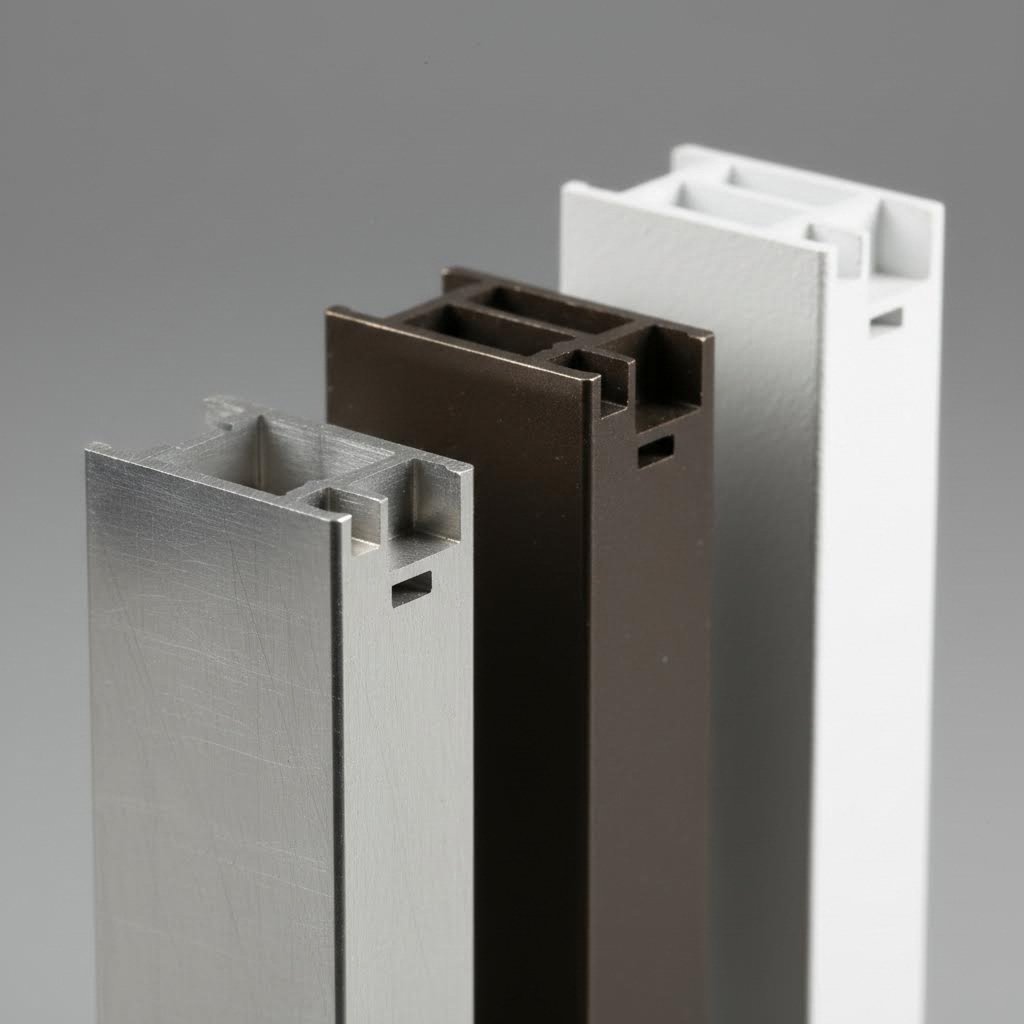
You've selected the right alloy and matched your profiles to your project type - but here's a decision that affects both appearance and longevity more than most people realize: which surface finish will protect your aluminum extrusions for decades to come? The finish you choose determines how your aluminum porch screen framework handles UV exposure, humidity, salt air, and the daily wear that outdoor structures endure.
Three primary finishing options dominate the screen enclosure industry: mill finish, anodized, and powder coated. Each offers distinct advantages depending on your environment, aesthetic preferences, and budget. Understanding these differences helps you avoid the frustration of premature fading, chalking, or corrosion that plagues poorly finished aluminum screen porch panels.
Anodizing transforms aluminum through an electrochemical process that creates a protective oxide layer far thicker and harder than what forms naturally. Unlike paint or coatings that sit on top of the metal, anodized finishes become part of the aluminum itself - which explains why they don't peel, chip, or flake like surface-applied treatments can.
Here's how the process works: manufacturers immerse aluminum profiles in an electrolytic bath (typically containing sulfuric acid) and apply electrical current. The aluminum acts as an anode in this circuit, causing controlled oxidation that builds a dense, protective layer. According to industry specifications, specialists carefully monitor variables like electrolyte concentration, temperature, and current density to ensure uniform coating across the entire surface.
After anodizing, the porous surface gets sealed - often using near-boiling water that causes the oxide layer to close and stabilize. This sealing step locks in any color dyes applied and dramatically increases corrosion resistance. For aluminum screened porches in coastal environments, this sealed barrier provides essential protection against salt air attack.
Anodized finishes offer several key advantages for outdoor applications:
The trade-off? Anodized finishes offer limited color options compared to powder coating. You'll typically find bronze, black, champagne, and clear (natural aluminum) as standard choices. Custom colors exist but require specialized dye processes. For applications like elite roof panels where a consistent metallic appearance matters more than vibrant color variety, anodizing remains the premium choice.
When your project demands specific colors - perhaps matching your home's trim or creating a distinctive aesthetic - powder coating delivers options that anodizing simply cannot match. This dry finishing process applies finely ground pigment and resin particles electrostatically, then cures them under heat to form a tough, uniform coating.
Unlike liquid paints that emit volatile organic compounds (VOCs), powder coating produces minimal air pollution and allows overspray recovery for reuse. The result is an environmentally friendlier process that also delivers thicker, more consistent coverage than traditional wet painting methods.
For screen enclosure applications, powder coating offers compelling benefits:
Powder coatings do require careful application by skilled operators to achieve consistent quality. The coating thickness must be controlled precisely - too thin offers inadequate protection, while too thick can cause orange peel texture or coverage issues. Quality manufacturers apply primer coats before the topcoat for maximum adhesion and durability.
For premium durability requirements, particularly in harsh coastal or industrial environments, PVDF (polyvinylidene fluoride) coatings represent the gold standard. These factory-applied, resin-based finishes meet stringent AAMA 2605 specifications with minimal fading over extended periods. You'll find PVDF coatings commonly specified for architectural applications like railing caps and curtain wall systems where appearance must remain consistent for decades.
| Finish Type | Durability Rating | Color Options | Best Applications | Maintenance Requirements |
|---|---|---|---|---|
| Mill Finish (Uncoated) | Low - requires protection | Natural aluminum only | Interior use, temporary structures | Regular cleaning, may oxidize unevenly |
| Anodized | High - 20+ year lifespan | Limited (bronze, black, champagne, clear) | Coastal environments, premium installations | Occasional soap and water cleaning |
| Powder Coated | Medium-High - 10-20 years | Unlimited custom colors | Color-matched projects, residential enclosures | Annual cleaning, inspect for chips |
| PVDF Coating | Highest - 30+ year warranty available | Wide range of matte colors | Architectural, severe weather exposure | Minimal - periodic rinse sufficient |
When choosing between these options for your aluminum screen enclosure, consider your specific environment first. Coastal locations with salt air exposure benefit most from anodized or PVDF finishes. Inland installations with color-matching priorities might favor quality powder coating. And while mill finish costs less initially, the long-term maintenance demands and inconsistent weathering make it a poor choice for permanent outdoor structures.
Remember that finish quality varies significantly between manufacturers. A bargain powder coat applied without proper pretreatment or primer will fail years before a professionally applied finish on identical aluminum. As you evaluate your options, the next consideration becomes equally practical: how all these finished components actually connect together during assembly.
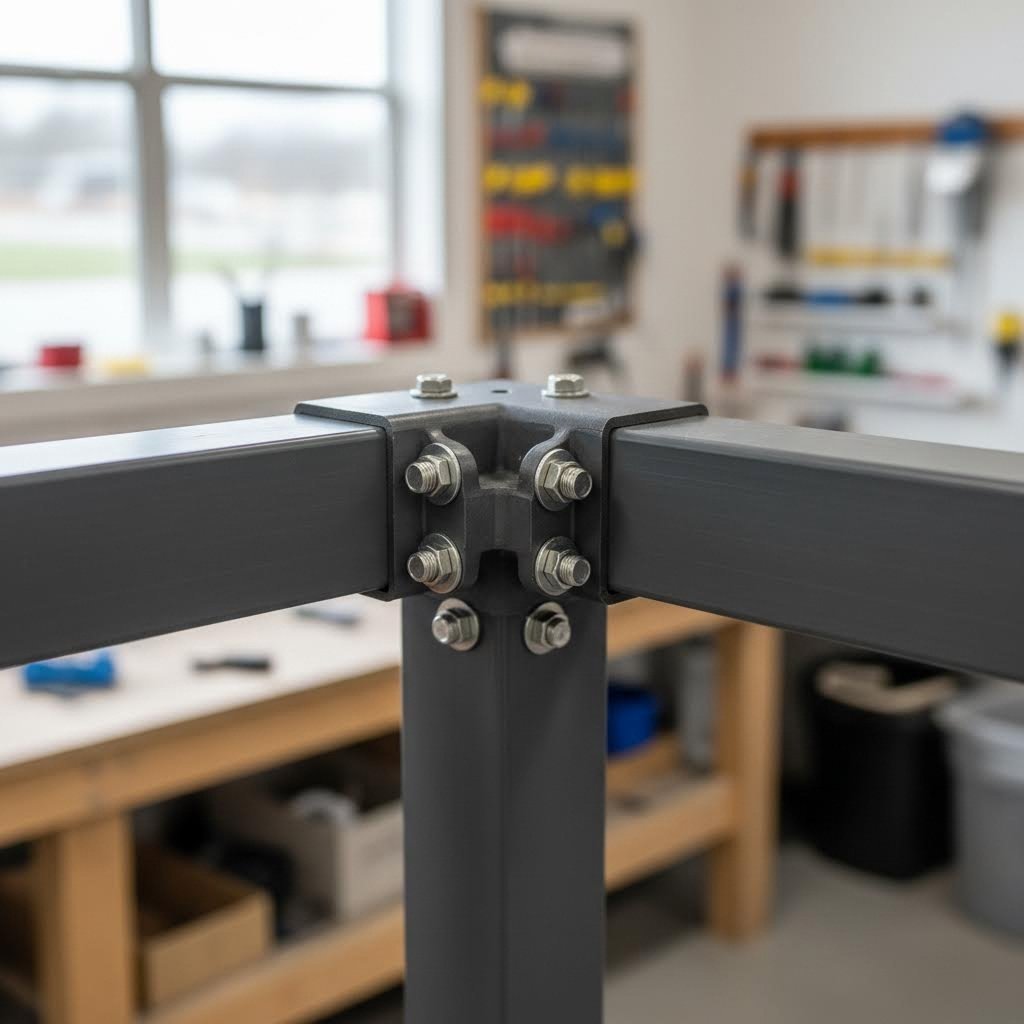
So you've selected your profiles and finishes - but here's the question that product catalogs mysteriously skip: how do all these aluminum screen porch frame parts actually join together? Understanding connection methods separates successful DIY projects from frustrating failures, and it's the knowledge gap that leaves many builders staring at a pile of beautiful extrusions with no clear assembly path forward.
Whether you're tackling screen porch framing yourself or evaluating a contractor's approach, knowing how these systems connect gives you confidence that your enclosure will perform for decades. Let's walk through the essential connection methods and hardware that transform individual profiles into a unified structure.
Aluminum extrusion connections fall into several categories, each serving specific structural and assembly purposes. The method you'll use depends on the joint angle, load requirements, and whether you need the connection visible or hidden.
Mechanical fasteners form the backbone of most screen enclosure assemblies. According to industry connection standards, these include self-tapping screws, through-bolts, and specialized aluminum fasteners designed to grip extruded profiles without cracking or stripping. For structural connections carrying significant loads, through-bolted joints with washers distribute force across larger areas and resist loosening over time.
Here are the essential connection components you'll encounter in a typical aluminum frame kit:
When assembling connections, the sequence matters significantly. Most professional installations start with floor-level U-channels, then erect corner posts, by horizontal members that tie everything together. This approach ensures you're always connecting to stable, already-secured components rather than trying to align multiple loose pieces simultaneously.
Once your structural frame stands solid, securing the actual screen mesh requires a completely different connection approach. This is where screen channel systems become essential - and where quality screened in porch supplies make the difference between taut, professional-looking screens and saggy, frustrating results.
The basic principle is straightforward: screen mesh gets pressed into a channel using flexible spline material. According to installation specifications from Screen Tight, the system uses round spline (typically .175" diameter for fiberglass screen) that wedges into a groove, trapping the screen mesh edges securely.
Here's how the screen channel system works in practice:
The installation sequence for screen channel systems follows a specific order for best results. Start by rolling screen into the top horizontal base strip first, then work down the sides, and finish with the bottom. When screening the bottom section, pull slightly downward on the mesh to create tension before rolling in the spline - this prevents the sagging that plagues poorly installed screens.
Beyond basic screen attachment, several accessories complete your enclosure system. Kick plates protect the lower portions of screen panels from foot traffic and pet damage. End caps seal the open ends of extrusions for a finished look and to prevent debris intrusion. Connector clips allow mid-span attachments where screen frame kit for porch applications require additional support points.
One advantage of these modular connection systems: mistakes are correctable. Unlike permanent welded assemblies, spline-based screen attachment allows you to remove and reattach screens when needed. Simply pry up the cap, pull out the spline, reposition your screen, and roll it back in. This forgiving nature makes these systems ideal for DIY projects where perfection might take a second attempt.
With connection methods understood, the next practical consideration becomes working with these materials directly - the cutting, drilling, and fabrication techniques that transform raw profiles into finished components.
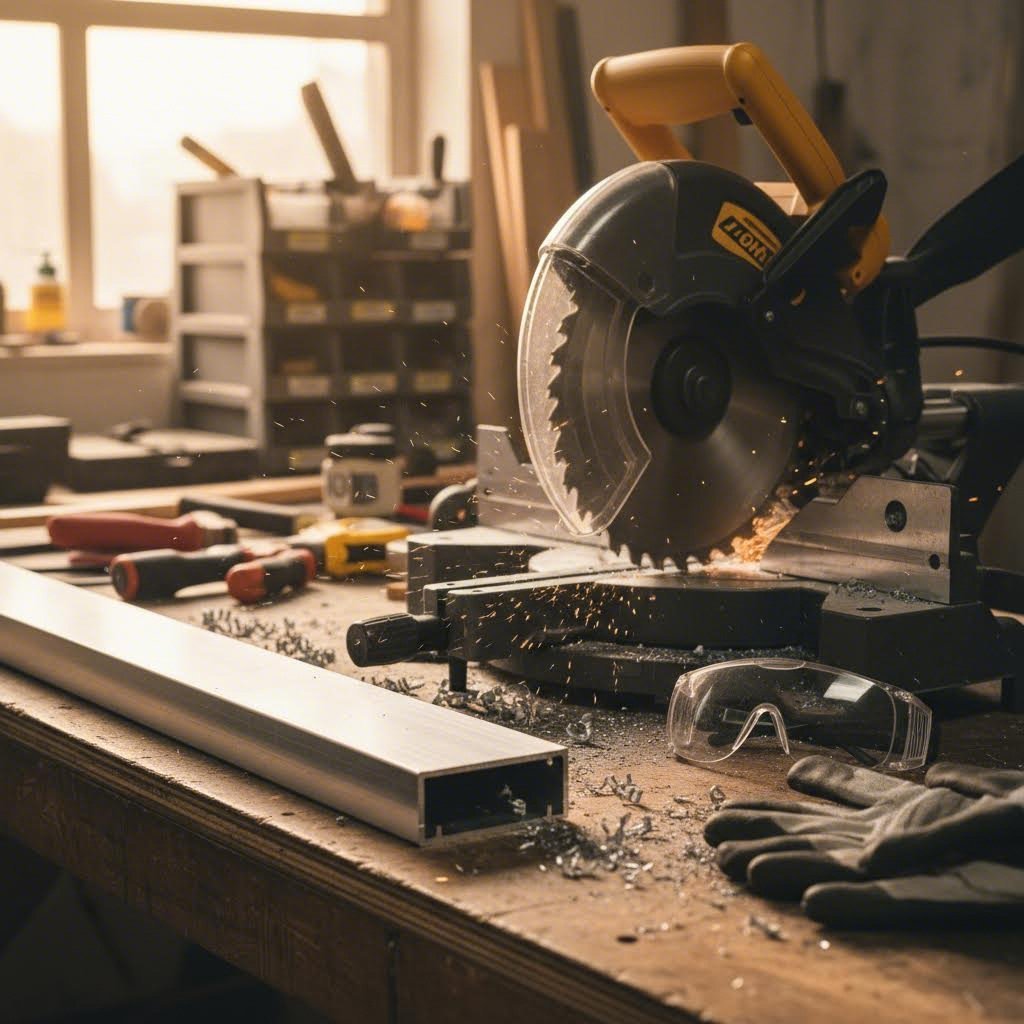
You've got your profiles selected, finishes chosen, and connection methods understood - now comes the hands-on reality: actually cutting, drilling, and fabricating those aluminum screen frames into components that fit your project perfectly. This is where many DIY builders hit unexpected obstacles, and where understanding proper techniques separates clean, professional results from frustrating, damaged materials.
Whether you're building a porch screen frame from scratch or modifying components for an aluminum frame screen porch retrofit, the fabrication principles remain consistent. Let's walk through the techniques that protect both your materials and your investment.
Cutting aluminum extrusions accurately requires the right blade and proper technique. Unlike wood, aluminum can grab and bind if you use incorrect tooling, potentially ruining your profile or creating a safety hazard. According to cutting specialists, aluminum-specific blades feature higher tooth counts and special geometry designed to prevent clogging and overheating during the cut.
For DIY projects, you have several viable cutting options:
Drilling aluminum extrusion profiles demands similar attention to tooling and technique. Standard twist drill bits work, but drilling experts recommend solid carbide bits for their heat resistance and durability. For precision hole placement, always start with a center punch to prevent the bit from wandering across the smooth aluminum surface.
Follow these best practices for clean drilling results:
Even experienced builders make preventable errors when working with aluminum screen framing materials. Understanding these pitfalls beforehand saves you from wasted materials and frustrating rework.
Using wrong blade types ranks as the most common mistake. Wood-cutting blades or general-purpose metal blades create rough, burred edges and can dangerously grab the material. According to fabrication specialists, improper tooling also causes surface scratches that compromise both appearance and protective finishes.
Here's how to prevent the most frequent fabrication problems:
One often-overlooked factor involves storing cut components. Aluminum profiles waiting for assembly should rest on clean, flat surfaces - never stacked directly on concrete, which can cause corrosion spots. Use wood blocks or foam padding between pieces to prevent finish damage from contact.
For screen porch frame kit projects requiring many identical cuts, consider creating a stop block jig on your miter saw. This simple addition ensures consistent lengths across all matching components, eliminating the cumulative measurement errors that plague cut-by-cut approaches.
With fabrication fundamentals covered, your final consideration becomes sourcing quality materials from suppliers who can deliver both the profiles you need and the support to use them successfully.
You've mastered profile selection, finishing options, and fabrication techniques - but where do you actually source quality aluminum extrusions that match your specifications? This question trips up many builders who discover that not all aluminum products wholesale suppliers deliver the same quality, service, or capabilities. Finding the right aluminum supplier near me (or globally, for larger projects) requires evaluating factors that catalogs and websites don't always make obvious.
The aluminum distribution landscape ranges from local hardware stores carrying basic profiles to specialized aluminum distributors handling custom orders, all the way to direct manufacturer partnerships for high-volume or unique applications. Understanding where your project fits on this spectrum helps you find an ornamental aluminum supplier who matches both your quality requirements and budget constraints.
Before requesting quotes, you need to know what separates a reliable supplier from one that might leave you waiting on backorders or receiving inconsistent quality. According to industry selection guidelines, evaluating suppliers requires looking beyond unit pricing to assess their actual capabilities and service commitment.
Start with the fundamentals: does the supplier work with the alloys you need? For screen enclosure applications, 6063 aluminum remains the standard, but not every supplier maintains consistent stock or offers the tempers (T5, T6) appropriate for outdoor structural applications. When searching for aluminum screen room supplies near me, verify that potential suppliers specifically handle architectural-grade extrusions rather than just general industrial profiles.
Here are the critical evaluation criteria for selecting an aluminum extrusion supplier:
When comparing aluminum specialties wholesale options, don't overlook logistics capabilities. According to established extrusion companies, reliable suppliers maintain their own delivery fleets and offer flexible packaging options - from bare bundles for fabrication shops to fully enclosed protective crates for finished architectural components.
One often-missed evaluation factor: communication responsiveness. How quickly does a potential supplier respond to quote requests? Do they proactively communicate about lead times and potential delays? The best aluminum distributors function as partners rather than just order-takers, keeping you informed throughout the production and delivery process.
Standard profiles handle most residential screen enclosure projects beautifully. But what happens when your design requires something unique - perhaps a custom cross-section that integrates multiple functions, or a profile precisely matched to an existing system? This is where direct manufacturer relationships become essential.
Custom aluminum extrusion involves designing and producing new dies that create exactly the profile shape you need. While this sounds complex, established manufacturers streamline the process significantly. According to wholesale profile specialists, typical custom order lead times run 15-30 days after confirmation, with in-house mold design capabilities allowing complex cross-sections tailored to unique requirements.
Working with manufacturers who offer comprehensive services from die development through mass production provides several advantages:
For builders needing custom 6063 aluminum profiles or specialized finishes, manufacturers like Shengxin Aluminium exemplify the comprehensive supplier model. With over 30 years of experience and 35 extrusion presses ranging from 600T to 5500T capacity, they offer end-to-end capabilities from die development through CNC machining and complete surface treatment options including anodizing in custom colors, powder coating, and premium PVDF finishes. This type of integrated service proves particularly valuable for projects requiring precise specifications and consistent quality across large orders.
When evaluating custom extrusion services, request detailed quotes that itemize die costs (typically a one-time expense), unit pricing at various quantities, and finishing charges. Understand that custom dies remain usable for future orders, making the initial investment more economical for ongoing projects or repeat orders.
Whether you're sourcing standard screen enclosure profiles from local aluminum distributors or partnering directly with manufacturers for custom solutions, the evaluation criteria remain consistent: verify capabilities, confirm quality systems, assess service responsiveness, and ensure the supplier can scale with your needs. The right supplier relationship transforms your aluminum extrusion project from a procurement challenge into a collaborative success.
You've now covered everything from alloy properties to fabrication techniques - but how do you pull all this knowledge together into an actionable plan? Whether you're a homeowner tackling your first screened enclosure or a contractor refining your material sourcing, the path forward requires organizing decisions in the right sequence. Let's transform what you've learned into a practical roadmap that ensures your aluminum screen enclosures project succeeds from first measurement to final screen installation.
Before ordering a single profile, work through these steps systematically. According to Engineering Express guidelines, successful projects require documenting key specifications before engaging suppliers or beginning construction.
As you move from planning to execution, keep these decision priorities clear. Your profile selection drives structural performance - undersizing creates problems no amount of careful installation can fix. Your finish selection determines long-term appearance and maintenance demands - investing in quality coatings pays dividends over decades of outdoor exposure.
Most importantly, your supplier selection affects every other aspect. A reliable partner delivers consistent screen room kit components, provides technical support when questions arise, and stands behind their products if issues emerge. Don't sacrifice this relationship for marginal cost savings.
You now understand what separates quality aluminum patio enclosures from budget failures: the right alloy (6063), appropriate profiles matched to span requirements, durable finishes suited to your environment, and proper fabrication techniques. This knowledge positions you to evaluate contractors confidently, source materials intelligently, or tackle DIY projects with realistic expectations.
The next step? Start measuring. Grab a tape measure, sketch your space, and begin documenting the specifications your project requires. With the framework you've built through this guide, you're ready to transform that outdoor space into the screen porch materials success story your home deserves.
The size depends on your opening width and wall height. For openings up to 48 inches wide and walls under 10 feet, standard 2x2 mainframe profiles work well. Openings between 60-84 inches require 2x3 mainframe systems for adequate structural support. Pool enclosures with larger spans typically need 3x6 or larger closed profiles for primary structural posts, plus 2x4 or 2x6 profiles for roof beams depending on span length.
Open back profiles feature a channel or groove along one side designed specifically for screen spline insertion - you roll screen mesh into these channels to hold your screening taut. Closed profiles form complete structural shapes like square or rectangular tubes with no open channels, serving as vertical posts, corner supports, and major load-bearing members. If it holds screen mesh, use open back; if it supports the structure, use closed profiles.
6063 aluminum alloy is called the "architectural alloy" because it offers the ideal balance of workability, corrosion resistance, and finish quality for outdoor applications. It contains balanced magnesium and silicon that create excellent extrudability and superior anodizing capability. With tensile strength around 240 MPa in T6 temper, it provides adequate structural performance while producing exceptionally smooth surfaces that accept powder coating and anodizing beautifully.
For cutting, use a miter saw with a carbide-tipped non-ferrous blade (80+ teeth) designed for aluminum. A circular saw with an aluminum-specific blade works for straight cuts, or a fine-tooth hacksaw (24 TPI or higher) for occasional cuts. For drilling, solid carbide bits resist heat best. Always use a center punch first, clamp the profile securely, apply cutting fluid, and deburr all holes immediately with a countersink tool.
Choose anodized finishes for coastal environments or premium installations - the electrochemical process creates a protective oxide layer that becomes part of the aluminum itself, offering exceptional hardness, UV stability, and 20+ year lifespan. Choose powder coating when you need specific colors to match your home, as it offers virtually unlimited color options. For severe weather exposure, PVDF coatings provide the highest durability with 30+ year warranties available.



 online service
 0086 136 3563 2360
 sales@sxalu.com
 +86 136 3563 2360
 English
 français
 Deutsch
 русский
 español
 português
 العربية
 ไทย
ไทย Việt
Việt Українська