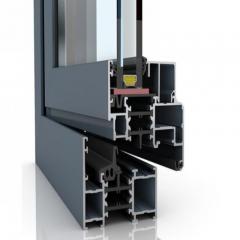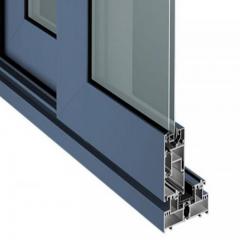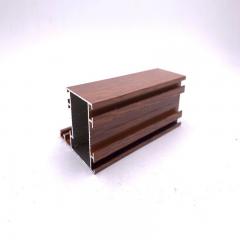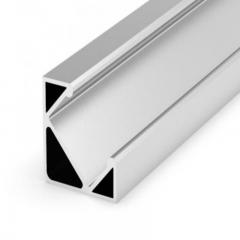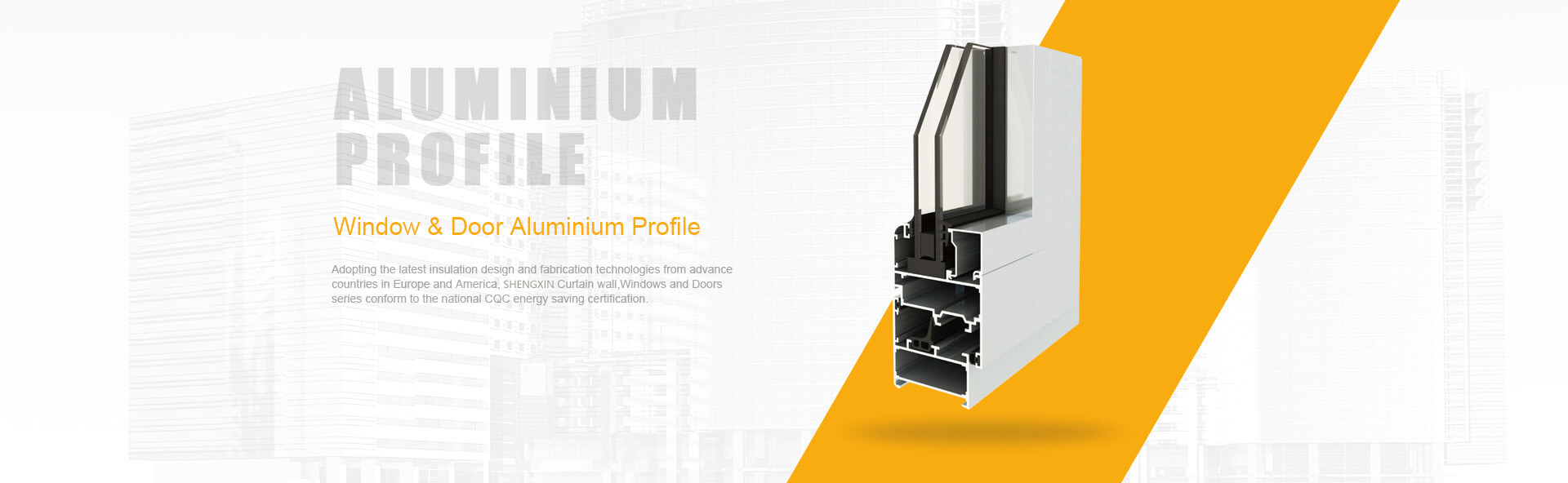
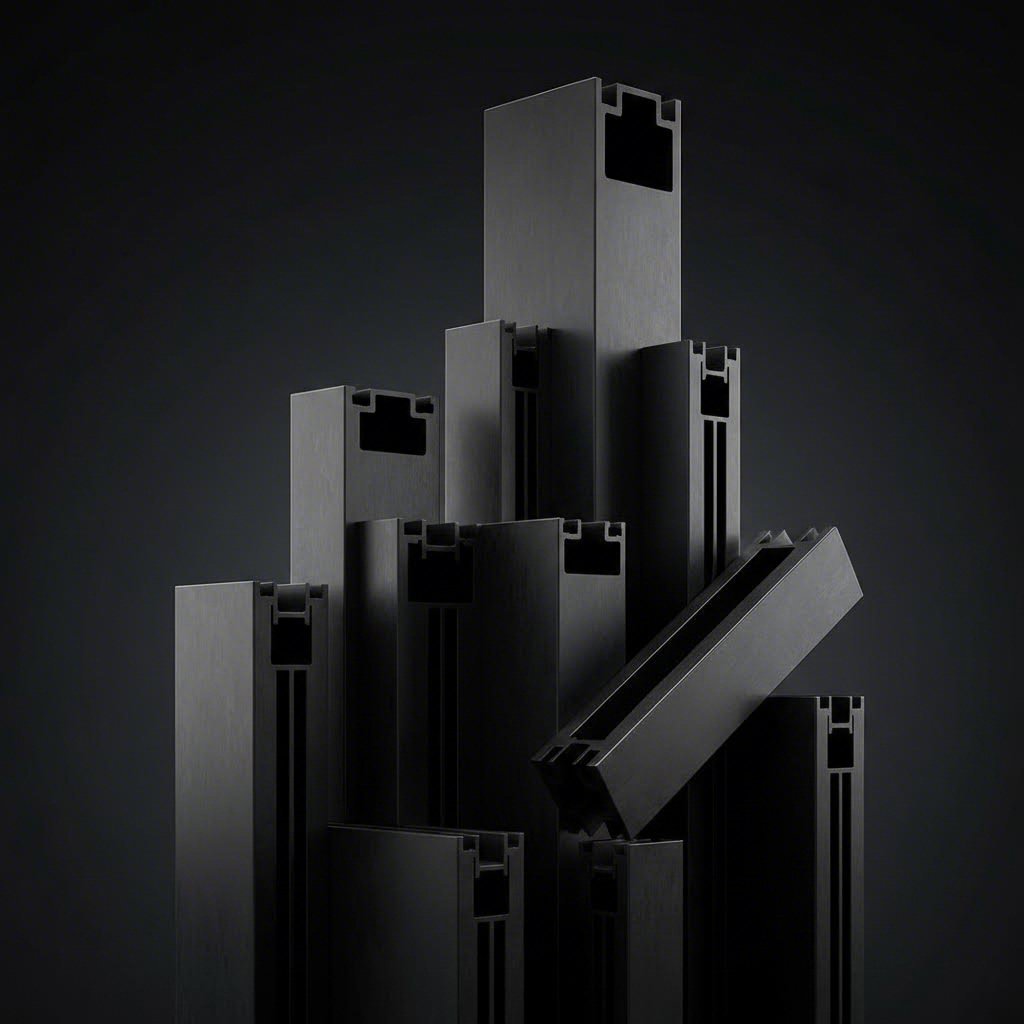
Ever wondered what gives those sleek black aluminum frames their distinctive, durable finish? Black anodized aluminum extrusion combines two powerful manufacturing processes: the shaping of aluminum through extrusion dies and an electrochemical treatment that creates a permanent black surface. Unlike standard mill-finish aluminium profiles, this material offers both striking aesthetics and enhanced performance characteristics that make it ideal for demanding applications.
But here's the thing - not all black finishes are created equal. Understanding what sets anodized aluminum extrusions apart from painted or powder-coated alternatives will help you make smarter purchasing decisions for your next project.
The key distinction lies in how the black color becomes part of the metal itself. When you examine black aluminum extrusion that has been properly anodized, you're not looking at a coating sitting on top of the surface. Instead, you're seeing a chemically transformed layer that grew from the aluminum substrate.
According to SAF's technical resources, the anodized coating is integral to the metal and cannot peel or flake - a critical advantage over applied finishes. This integration happens because anodizing is an electrochemical conversion process that transforms the aluminum surface into aluminum oxide, rather than depositing a separate material on top.
Unlike paints or powder coatings that adhere to the surface, an anodized finish grows directly from the base aluminum metal through an electrochemical process. The coating is integral to the metal and cannot peel or flake.
This permanence makes aluminum extrusion profiles with black anodizing particularly valuable for applications where long-term appearance matters - from architectural elements to industrial equipment frames that need to maintain their professional look for years.
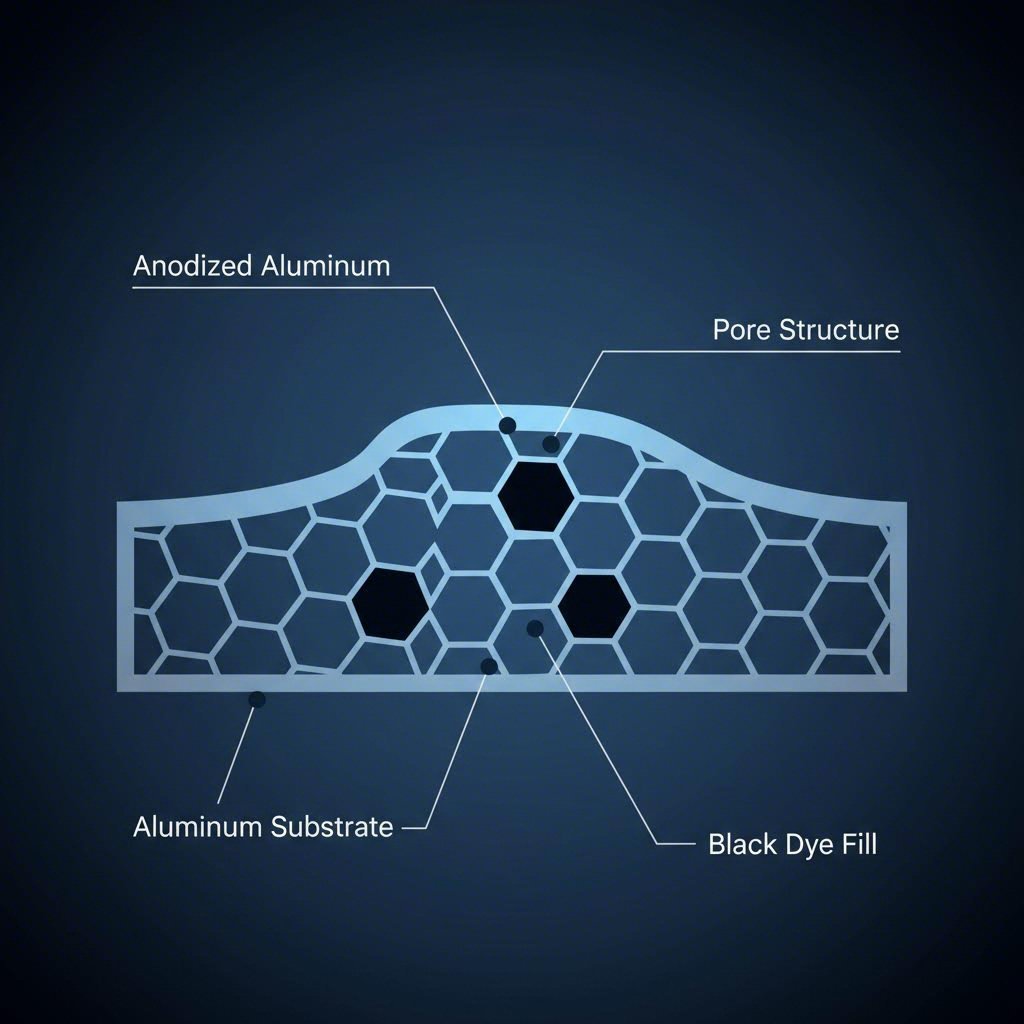
So how does aluminum actually turn black? The process involves several carefully controlled steps. First, the aluminum extrusion undergoes standard anodizing in a sulfuric acid electrolyte bath. An electrical current drives oxygen ions to the surface, forming a porous aluminum oxide layer. Think of this layer as having millions of tiny honeycomb-like pores.
Here's where the black color comes in. According to Xometry's technical documentation, these pores are then filled with black dye using one of three methods:
After dyeing, the pores must be sealed - typically through hydration that closes off the openings by forming aluminum oxide hydrate. This sealing step locks in the black color and prevents any dye from leaching out over time.
Why does this matter for your project? Because properly anodized black aluminum maintains its color integrity far longer than painted alternatives. The dye sits protected within the oxide structure rather than exposed on the surface where it can chip, scratch, or peel away. For aluminium profiles destined for high-traffic areas or outdoor installations, this durability difference becomes significant over the product's lifespan.
Now that you understand why anodized finishes outperform applied coatings, let's dig into the technical specifications that actually matter when ordering. Knowing the difference between anodizing types - and what industry standards require - will help you communicate precisely with suppliers and avoid costly specification mistakes.
Here's the reality: most buyers don't realize there are distinct anodizing classifications, each with different performance characteristics and cost implications. Getting this wrong can mean paying for protection you don't need - or worse, receiving an anodized aluminum extrusion that fails prematurely in your application.
When specifying black anodizing for your aluminum profile, you'll encounter two primary classifications governed by MIL-A-8625, the military specification that has become the industry standard for anodized coatings.
Type II anodizing, also known as sulfuric acid anodizing, produces a thinner decorative coating typically ranging from 1.8 to 25 microns (0.00007" to 0.001"). This process runs at around 70°F (21°C) with current densities of approximately 1.2 A/dm². It's the economical choice for most aluminium extrusion applications where moderate wear resistance meets aesthetic requirements.
Type III anodizing, commonly called hardcoat anodizing, creates a substantially thicker layer - generally 25 to 50+ microns (0.001" to 0.002"). This requires a chilled bath (typically 0-10°C) and higher current densities of 2-3.6 A/dm². The result is a dramatically harder surface with superior abrasion resistance.
Think of it this way: Type II gives your extrusion profiles a protective shell, while Type III essentially armors them.
| Specification | Type II (Standard/Decorative) | Type III (Hardcoat) |
|---|---|---|
| Coating Thickness | 1.8 - 25 microns (0.00007" - 0.001") | 25 - 50+ microns (0.001" - 0.002") |
| Surface Hardness | Moderate hardness | Exceptional hardness; meets MIL Taber wear limits |
| Process Temperature | ~70°F (21°C) | 32-50°F (0-10°C) |
| Black Color Depth | May appear gray or purple if undersized; aim for upper thickness range | Produces deeper, more saturated blacks |
| Typical Applications | Consumer electronics, architectural elements, decorative frames, general industrial | Aerospace components, firearms, military equipment, high-wear industrial parts |
| Cost Consideration | More economical; lower processing costs | Higher cost due to cooling requirements and longer process times |
| Relevant Standards | MIL-A-8625 Type II, ASTM B580 | MIL-A-8625 Type III |
For most anodized extruded aluminum applications in machine building, workstation framing, or consumer products, Type II provides excellent value. However, if your extruded metal will face constant abrasion, extreme temperatures, or harsh chemical exposure, Type III becomes the smart investment despite its higher cost.
Ever received a batch of black anodized parts where some looked charcoal gray while others appeared jet black? This color inconsistency frustrates buyers and often stems from poor process control during two critical stages: dye absorption and sealing.
The Dye Absorption Process
According to Langhe Industry's technical documentation, the anodic oxide film contains approximately 1010 pores per square inch - that's billions of microscopic channels ready to accept color. For consistent black results, the dye must penetrate uniformly throughout these pores.
Several factors influence dye absorption quality:
The Sealing Step
Here's what many suppliers won't tell you: improper sealing is a leading cause of black anodized finish failures. Sealing closes those billions of pores by forming aluminum oxide hydrate, which locks the dye in place and dramatically improves corrosion resistance.
Common sealing methods include:
A properly sealed black anodized aluminum extrusion can pass ASTM B117 salt spray testing for hundreds of hours - a testament to the process done right.
Why Alloy Selection Matters
Not all aluminum alloys respond equally to black anodizing. The 5xxx, 6xxx, and 7xxx series aluminum alloys are most commonly used because they form consistent oxide layers. However, alloys with high silicon or copper content can be notoriously difficult to dye uniformly - you might end up with mottled or inconsistent black coloration.
For black anodized extrusion profiles, 6063 aluminum remains the industry workhorse. It anodizes beautifully, accepts dyes consistently, and provides the excellent extrudability needed for complex profiles. When reviewing supplier specifications, confirming the alloy grade is just as important as confirming the anodizing type.
Understanding these technical details positions you to ask the right questions when evaluating suppliers - and to recognize quality anodized aluminum extrusion when you see it. Next, we'll explore the range of profile sizes available and how to match them to your specific load requirements.
Ready to dive into the numbers? Choosing the right profile size is one of the most critical decisions you'll make when ordering black anodized aluminum extrusion. Too small, and your frame won't handle the load. Too large, and you're wasting money on material you don't need.
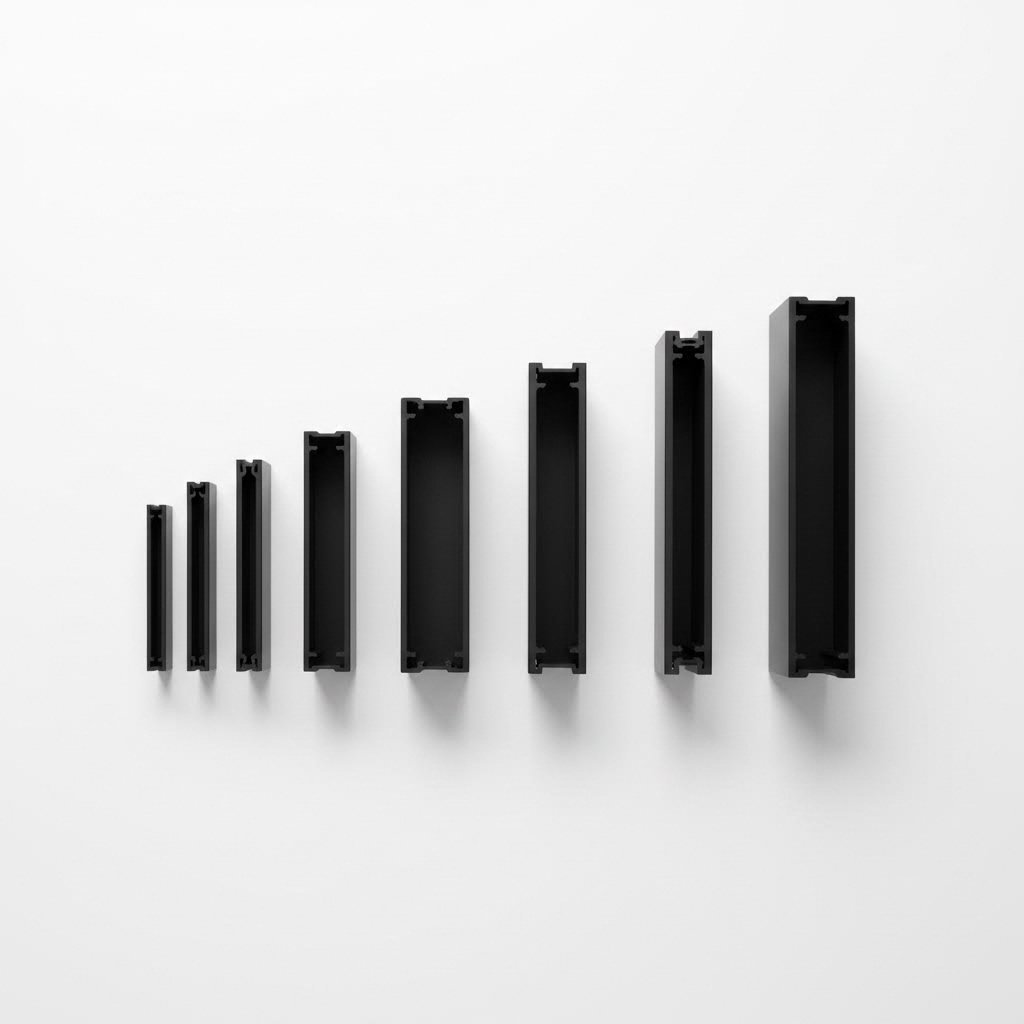
The good news? Black anodized finishes are available across virtually the entire range of standard aluminum extrusion shapes - from compact 20mm profiles for lightweight projects to heavy-duty 90mm sections for industrial machinery. Let's break down what's available and how to match these options to your specific requirements.
Aluminum profiles follow standardized modular sizing systems, typically based on metric dimensions. According to Yaji Aluminum's comprehensive guide, common base dimensions include 20mm, 30mm, 40mm, 45mm, 60mm, and 80mm - with the 40x40mm profile being the most widely used industrial standard.
When you see designations like "2020" or "4080," you're looking at the cross-sectional dimensions in millimeters. A 2020 extrusion measures 20mm x 20mm, while a 4080 extrusion spans 40mm x 80mm. Understanding 2020 extrusion dimensions becomes second nature once you grasp this simple naming convention.
Here are the most common aluminum extrusion shapes available with black anodized finishes:
The 4040 extrusion has earned its reputation as the industry workhorse because it strikes an optimal balance between rigidity, weight, and cost. For lighter applications, a 3030 extrusion provides adequate strength while reducing material consumption. When you need serious structural capability, profiles in the 60mm and 80mm series step up to meet the challenge.
Here's where the engineering meets reality. Selecting the right profile size depends primarily on understanding how your extrusion will be loaded and what deflection is acceptable for your application.
According to Misumi's load capacity guidelines, allowable loads are typically defined as the force that generates a deflection of 1/1000 of the extrusion length - a conservative standard that ensures structural integrity with adequate safety margin.
The numbers tell a compelling story about why profile selection matters:
| Profile Size | Cross-Section (mm) | Allowable Load at 500mm Length | Allowable Load at 1000mm Length | Typical Applications |
|---|---|---|---|---|
| 2020 Aluminum | 20 x 20 | 99 N (10 kgf) | 24 N (2 kgf) | Light frames, lab equipment, 3D printer enclosures |
| 3030 Aluminum Extrusion | 30 x 30 | 381 N (38 kgf) | 95 N (9 kgf) | Medium-duty structures, workstation frames, display fixtures |
| 4040 Aluminum Extrusion | 40 x 40 | 1,196 N (122 kgf) | 299 N (30 kgf) | Industrial frames, machine guards, conveyor supports |
| 4080 Extrusion | 40 x 80 (loaded on 80mm axis) | 8,529 N (869 kgf) | 2,132 N (217 kgf) | Heavy conveyor frames, structural beams, equipment bases |
| 6060 | 60 x 60 | 5,555 N (566 kgf) | 1,388 N (141 kgf) | Heavy machinery frames, robotics platforms |
| 9090 | 90 x 90 | 28,279 N (2,883 kgf) | 7,069 N (720 kgf) | Major structural frameworks, transport systems |
Notice something important? When you double the span length, the allowable load drops to roughly one-quarter. This inverse relationship means span length often drives profile selection more than the actual weight being supported.
For rectangular profiles like the 4080 extrusion, orientation matters significantly. When the 80mm dimension faces the load direction, you get dramatically higher capacity (8,529 N at 500mm) compared to loading on the 40mm face (2,469 N at 500mm). Always orient rectangular profiles with the larger dimension aligned to your primary load direction.
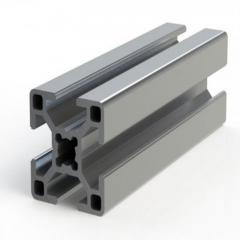
T-slot aluminum framing systems represent the dominant standard in modular construction - and virtually all major profiles are available with black anodized finishes. Suppliers like 80/20 Inc. offer their popular profiles including 1515, 2020, and 3030 series in both standard silver and black anodized versions.
The T-slot system's genius lies in its modularity. Those longitudinal grooves accept standardized hardware - T-nuts, corner brackets, hinges, and linear bearing guides - allowing you to build, modify, and reconfigure structures without permanent fastening. When you specify black anodized T-slot profiles, you maintain full compatibility with the ecosystem of connection hardware designed for that profile series.
Slot widths correspond to profile series:
One consideration with black anodized T-slot profiles: the slot interior typically receives the same anodized treatment as exterior surfaces, which provides consistent corrosion protection but may slightly affect sliding friction with certain hardware. Most users find this insignificant in practice, but it's worth noting if you're designing systems requiring frequent adjustment.
With profile sizes and load capacities understood, the next step is learning exactly what specifications to communicate when placing your order - ensuring you receive black anodized extrusions that meet your precise requirements.
You've selected your profile size and understand the anodizing options - but here's where many buyers stumble. Placing an order for black anodized aluminum extrusion without proper specifications is like ordering a custom suit without providing measurements. You might get something that technically fits, but it won't be what you actually needed.
The difference between a smooth procurement experience and endless back-and-forth corrections often comes down to how precisely you communicate your requirements upfront. Let's walk through exactly what information you need to provide - and what questions to ask your supplier before confirming any order.
When requesting quotes or placing orders for extruded profiles with black anodized finishes, a complete specification package prevents misunderstandings and ensures you receive exactly what your project demands. Think of this as your ordering checklist:
For aluminium extruded profile orders, providing a detailed technical drawing with critical dimensions callout eliminates ambiguity. Mark which dimensions are critical to function versus those with more flexibility - this helps suppliers focus quality control where it matters most for your application.
Dimensional tolerances for aluminum extrusion sizes follow established industry standards, but understanding which tolerances apply to your profile prevents specification conflicts. According to standard tolerance tables, the acceptable deviation depends on several factors:
Cross-sectional dimension tolerances vary based on whether you're measuring metal thickness or space dimensions. For a typical 40mm aluminum extrusion profile with circumscribing circle under 10 inches:
Straightness tolerances for extruded profiles typically allow 0.0125 x measured length in feet for standard tempers. So a 10-foot extrusion could bow up to 0.125" (1/8") and still meet specification. If your frame requires tighter straightness, specify TX510 or TX511 temper designations which provide stress-relieved material with reduced deviation.
Twist tolerances permit 1° per foot of length for profiles under 1.5" width, with maximum total twist of 7° regardless of length. For wider extruded profiles, these allowances decrease - a critical consideration for long spans in visible applications.
Here's what many buyers overlook: anodizing adds approximately 50% of the coating thickness to external dimensions while penetrating about 50% into the base metal. A 25-micron (0.001") coating adds roughly 0.0005" to each surface. For precision fits, account for this dimensional change in your tolerancing strategy.
Sounds obvious, but many buyers skip this step and regret it later. Black anodized finishes can vary from warm charcoal to blue-black to pure jet black depending on dye chemistry, oxide thickness, and process parameters. What looks acceptable on a supplier's website may not match your existing components or aesthetic vision.
For orders exceeding $5,000 or 500 pounds of material, requesting production samples before full commitment is standard practice. A reputable supplier will provide:
When evaluating samples, examine them under the lighting conditions where your finished product will be used. Fluorescent warehouse lighting can make finishes appear different than natural daylight or LED showroom lighting. If color matching to existing components is critical, provide your supplier with a physical reference piece rather than relying on verbal descriptions or digital color codes alone.
Planning your project timeline? Lead times for custom aluminum extrusions involve three distinct phases that you need to account for:
Tooling lead time applies if you're ordering a custom profile rather than selecting from a supplier's catalog. Die fabrication typically requires 2-4 weeks depending on profile complexity. Simple solid dies cost less and manufacture faster than hollow or semi-hollow dies requiring bridge or porthole construction.
Extrusion lead time depends on where your order falls in the production schedule. After die trials confirm the profile meets specification, actual extrusion, cooling, stretching, cutting, and heat treatment add additional time. For standard profiles in stock, this phase may only take 1-2 weeks. Custom profiles typically require 3-4 weeks after die approval.
Anodizing lead time adds another layer. If your supplier handles anodizing in-house, expect 3-5 additional days. If they outsource to a specialty anodizer, add 1-2 weeks for logistics and processing. Black anodizing with specific color matching requirements may extend timelines further.
Total lead time from order to delivery commonly ranges from 4-8 weeks for custom black anodized extrusions - longer if you're starting from scratch with new tooling.
Minimum order quantities (MOQs) exist for practical reasons. According to industry standards, MOQs reflect:
Typical MOQs range from 100-500 pounds for standard profiles to 1,000+ pounds for complex custom shapes. Smaller quantities may be available at premium pricing. If your first order is a small trial run, discuss with your supplier how this affects pricing for subsequent production orders.
Understanding these procurement realities helps you plan project timelines realistically - and positions you to evaluate whether black anodized aluminum is the right choice compared to alternative finish options we'll examine next.
Here's a question that trips up even experienced buyers: is black anodized aluminum always the best choice? The honest answer is no - and understanding when alternatives make more sense can save you money while delivering better results for specific applications.
The finish selection debate often gets clouded by marketing claims and supplier bias. Let's cut through the noise with an objective comparison that helps you match the right finish to your actual requirements. Whether you're specifying extruded aluminum profiles for outdoor architecture or indoor equipment frames, this breakdown will guide your decision.
Black anodizing earns its reputation in applications where certain performance characteristics matter most. According to SAF's technical comparison, anodizing's superior abrasion resistance means it will outlast paint on high-traffic components like door stiles, kick-plates, and push/pull bars.
Consider anodizing your best option when:
For extruded aluminum shapes destined for storefronts, handrails, or any application combining visible aesthetics with physical contact, black anodizing delivers unmatched value over its service life.
Here's where objectivity matters. Despite anodizing's advantages, several scenarios favor alternative finishes for your aluminum profiles:
Powder coating wins when:
PVDF liquid coatings excel for:
E-coating makes sense when:
| Criteria | Black Anodizing | Powder Coating | Liquid Paint (PVDF) | E-Coating |
|---|---|---|---|---|
| Durability/Hardness | Excellent - integral oxide layer cannot peel; Type III achieves exceptional hardness | Good - 2H-4H pencil hardness typical; surface coating can chip under impact | Good - softer than anodizing but excellent chemical resistance | Moderate - thin film offers corrosion protection but limited abrasion resistance |
| UV Resistance | Good with inorganic dyes; organic dyes may fade outdoors | Excellent - especially polyester TGIC and PVDF-based powders | Excellent - PVDF sets the industry standard for color retention | Moderate - typically requires topcoat for extended UV exposure |
| Scratch Resistance | Excellent - aluminum oxide is extremely hard | Moderate - scratches show base metal | Moderate - scratches reveal primer or metal | Low to Moderate - thin coating scratches easily |
| Cost (Relative) | Moderate - economical for storefronts and industrial applications | Low to Moderate - cost-effective for decorative uses | Higher - specialized resins and application requirements | Low to Moderate - efficient for high-volume production |
| Color Consistency | Variable - requires careful process control; metallic variations expected | Excellent - tight batch control; hundreds of stock colors available | Excellent - custom matching with predictable results | Good - limited color options but consistent within production runs |
| Environmental Impact | Favorable - no VOCs, no heavy metals, recyclable byproducts | Favorable - zero VOC emissions during curing | Challenging - 70-80% solvent evaporation; requires pollution control | Favorable - water-based process with minimal emissions |
| Coating Thickness | 0.0007"-0.002" (minimal dimensional change) | 0.002"-0.004" (may affect precision fits) | 0.001"-0.002" per coat | 0.0006"-0.001" (very thin, uniform coverage) |
Before making your final decision, let's address some widespread misunderstandings that lead to specification errors:
Misconception #1: "Anodizing never fades"
Reality: Black anodizing using organic pigments can fade under prolonged UV exposure. For outdoor applications, specify inorganic dyes (cobalt sulfide) or electrolytic coloring processes that deposit metal salts into the pores. These methods provide substantially better light-fastness for exterior aluminum profile extrusion applications.
Misconception #2: "All black anodized finishes look identical"
Reality: Color variation is inherent to anodizing. Different alloy compositions, oxide thicknesses, and process parameters produce visible color differences. As SAF notes, architects should require color range panels from anodizers, and installers should be prepared to sort panels if a uniform appearance is critical. This variation is reminiscent of natural materials - sometimes desirable for a lively, translucent building exterior.
Misconception #3: "Anodizing is always more durable than powder coating"
Reality: It depends on the failure mode you're concerned about. Anodizing resists abrasion better, but its Achilles' heel is chemical resistance - acidic pollutants in urban environments can eventually attack the oxide layer. PVDF coatings offer superior chemical resistance, which is why they dominate curtainwall and roofing markets despite anodizing's abrasion advantages.
Misconception #4: "Failed anodized finishes require complete replacement"
Reality: Here's an advantage many overlook - anodized surfaces that appear failed can often be renewed through cleaning. According to SAF's research, a mild detergent combined with abrasive cleaning can remove accumulated dirt and stains, revealing fresh oxide beneath. A small amount of coating is sacrificed, but the renewed finish can last another twenty years. Once painted coatings fail, recoating or replacement are the only options.
Understanding these nuances helps you specify the right finish for your application - and set realistic expectations for long-term performance. With finish selection clarified, the next critical step is knowing how to evaluate quality when your black anodized extrusions arrive.
Your order has arrived - but how do you know whether those black anodized extrusions actually meet specification? This is where many buyers feel lost. Unlike obvious defects in raw aluminum, quality issues with anodized finishes can be subtle yet significantly impact long-term performance.
The truth is, you don't need expensive laboratory equipment to assess most quality indicators. With the right inspection approach, you can identify potential problems before they become costly assembly issues or premature failures in the field. Let's walk through exactly what to look for when evaluating your aluminum extrusion profile deliveries.
Start with what your eyes can tell you. According to Sinoextrud's quality inspection guidelines, visual inspection is the first line of defense in identifying surface imperfections that affect both appearance and performance.
When examining black anodized extruded aluminium profiles, use the following inspection checkpoints:
For profile aluminum destined for visible applications, examine pieces under the same lighting conditions where they'll be installed. Fluorescent warehouse lights can mask color variations that become obvious under natural daylight or LED fixtures.
Beyond visual inspection, several practical tests help verify that your black anodized finish will perform as expected - without requiring specialized laboratory equipment.
The Thumbnail Adhesion Test
This simple check reveals whether the anodized layer has properly bonded. Press your thumbnail firmly against the surface and drag it across about one inch. A properly sealed anodized coating should show no damage, peeling, or powdering. If you see any residue on your thumbnail or scratching in the coating, adhesion is compromised.
The Water Break Test
According to Products Finishing's technical reference, sealing quality directly affects the weather resistance of anodized finishes. A quick field test: apply a few drops of water to the surface. On a properly sealed aluminium extrusion profile, water should bead up and roll off cleanly. If water spreads flat and wets the surface, the sealing may be incomplete - leaving pores open to contamination and eventual dye migration.
Coating Thickness Verification
While precise thickness measurement requires eddy current equipment, you can make reasonable assessments without specialized tools. According to reference materials, proper Type II black anodizing should measure 18-25 microns (0.0007"-0.001"). If your supplier provides test certificates, verify the stated thickness meets your specification.
For incoming inspection without instrumentation, compare the color depth against a known-good reference sample. Thinner coatings typically appear grayish or purple rather than deep black - a reliable visual indicator that thickness may be below specification.
The Scratch Comparison Test
On a hidden area or sacrificial sample, attempt to scratch the surface with a brass brush or copper coin. These soft metals shouldn't mark a properly hardened anodized surface. If scratching occurs easily, the oxide layer may be thinner than specified or improperly formed. Compare scratch resistance across multiple pieces to verify consistency.
Understanding why defects occur helps you communicate effectively with suppliers when problems arise. Here are the issues you're most likely to encounter with alum extrusion shapes:
Color inconsistency across batches - This frustrating problem stems from variations in dye bath chemistry, immersion time, or oxide layer thickness between production runs. Suppliers with tight process controls maintain detailed records and adjust parameters to maintain consistency. If you receive visibly different pieces, request documentation of the process parameters used for each batch.
Fading potential - As discussed earlier, organic black dyes can fade under UV exposure. If your extruded aluminium profiles will see outdoor service, verify that your supplier used inorganic dyes or electrolytic coloring. Ask specifically - the cost difference is minimal, but durability difference is substantial.
Scratch visibility - Any scratch on black anodized aluminum reveals the lighter oxide layer or bare metal beneath, creating high-contrast marks. This is inherent to dark finishes rather than a quality defect - but excessive surface softness that scratches under normal handling indicates insufficient oxide layer development.
Sealing failures - According to Fischer Technology's testing guidelines, the purpose of measuring sealing quality is to determine weather resistance. Poor sealing allows environmental contamination into the porous oxide structure, leading to chalking, staining, or dye bleed-out over time. Proper sealing at 95-100°C for adequate duration closes the pore structure permanently.
When evaluating alum extrusion shapes from any supplier, document your findings with photographs and specific measurements. This documentation becomes invaluable if quality disputes arise - and helps establish expectations for future orders.
With quality assessment skills in hand, you're ready to explore the diverse applications where black anodized aluminum extrusions deliver exceptional value across industries.
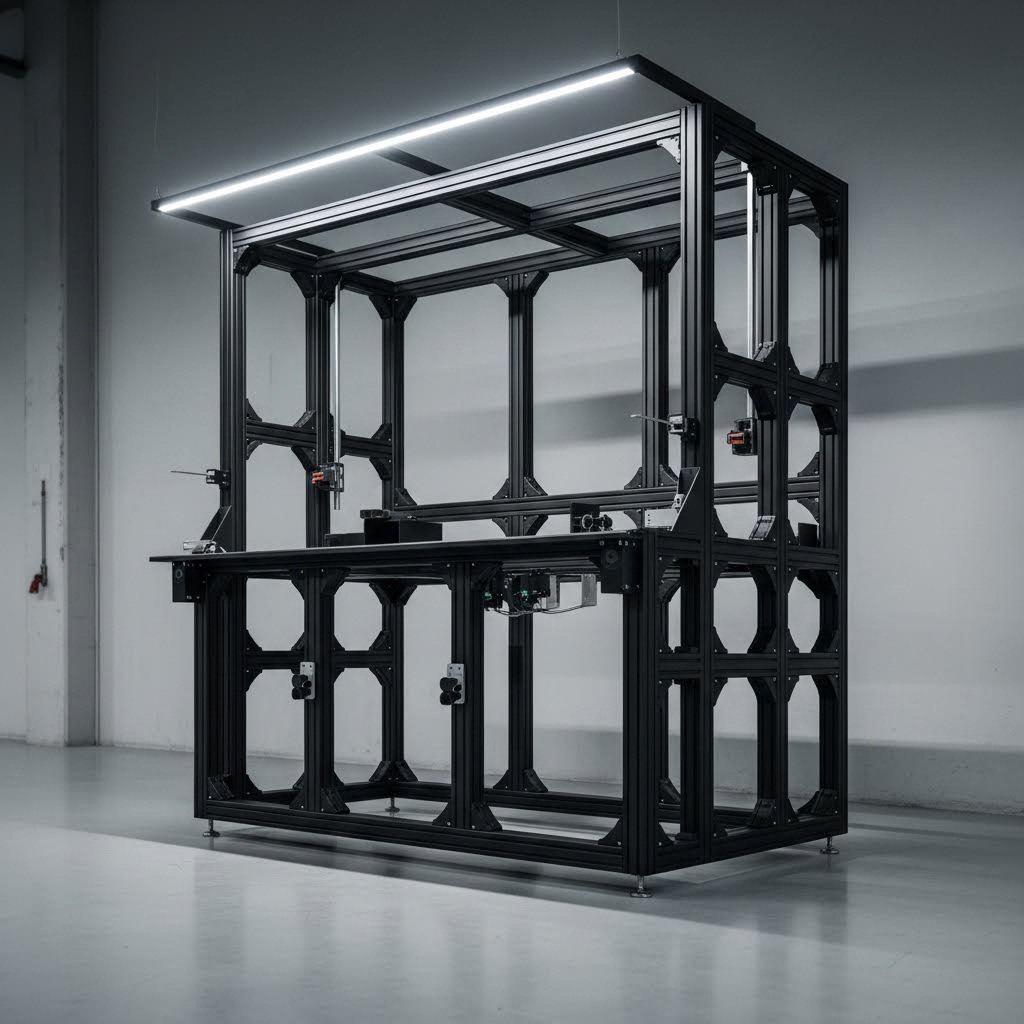
Now that you can evaluate quality with confidence, let's explore where black anodized aluminum extrusion truly shines. From factory floors to storefront facades, this material has carved out a distinctive role across industries - and understanding these applications helps you envision possibilities for your own projects.
Why does black anodized aluminum keep showing up in so many places? The answer lies in that powerful combination of professional aesthetics and proven durability we've discussed throughout this guide. When engineers and designers need structural components that will be visible to customers, operators, or end users, black finishes deliver a premium appearance without sacrificing performance.
Walk through any modern manufacturing facility and you'll notice something striking: modular aluminum framing systems have become the backbone of industrial infrastructure. According to mk North America's industry analysis, T-slot aluminum framing systems have emerged as critical components in industrial automation, offering modularity, ease of assembly, and customization options that traditional steel simply cannot match.
Black anodized versions of these framing extrusion systems dominate several key applications:
The modularity factor cannot be overstated. Unlike welded steel structures, T-slot aluminum systems allow engineers to build, modify, and reconfigure without permanent fastening. Need to add a sensor mount or reposition a guard panel? Loosen a few fasteners, slide components to new positions, and retighten. This adaptability proves invaluable in automation environments where production requirements shift frequently.
Beyond the factory floor, black anodized aluminum has established itself in applications where appearance matters as much as function. The sleek, professional finish appeals to architects, product designers, and consumers who appreciate the combination of modern aesthetics and lasting durability.
Architectural applications leverage black anodized extrusions for:
Electronics and technology applications include:
Consumer products showcase black anodized aluminum in:
What ties these diverse applications together? The black aluminum frame aesthetic signals quality and professionalism while the anodized durability ensures that appearance persists through years of service. Unlike painted finishes that chip and fade, properly anodized components maintain their visual impact - a critical consideration for products and structures representing brand identity.
Whether you're designing industrial equipment or consumer products, these proven applications demonstrate the versatility of black anodized extrusions. Of course, getting the most from this material requires understanding how to work with it properly - which brings us to fabrication and assembly techniques in the next section.
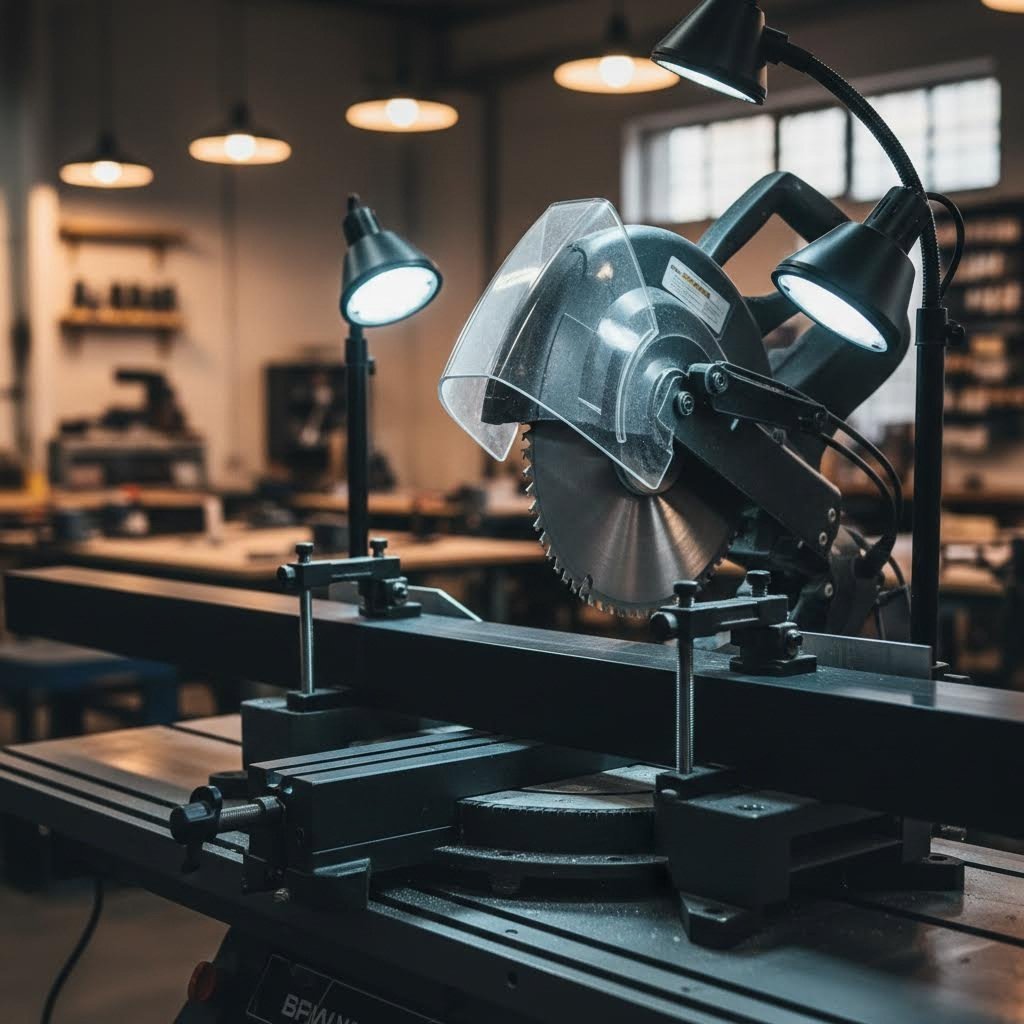
You've sourced quality black anodized extrusions - now comes the hands-on part. How to cut extruded aluminum without ruining that sleek black finish? It's a question that trips up even experienced fabricators. The anodized layer that makes these profiles so durable also presents unique challenges during machining and assembly.
Get the fabrication right, and your finished frame looks like it came from a professional shop. Get it wrong, and you'll be staring at scratched edges, chipped coatings, and visible damage that undermines the premium appearance you paid for. Let's walk through the techniques that preserve your investment.
Here's what many fabricators don't realize: the anodized coating is significantly harder than the base aluminum beneath it. According to Sunrise Metal's machining guide, this hardness difference means cutting tools wear out faster on anodized aluminum than on non-anodized material. If not handled properly, the anodized coating may be vulnerable to flaking and splitting.
Choosing the Right Cutting Tools
When working with extruded aluminum rail sections and profiles, tool selection makes all the difference. Carbide-tipped blades are your best option - they're hard enough to cut cleanly through the oxide layer without excessive wear. Look for blades with:
For cutting aluminium rail extrusions, a chop saw or band saw with an appropriate aluminum-cutting blade works well. According to Tuli's cutting guide, those dimensions matter - they impact your cutting setup, clamping method, and tool selection.
Speed and Feed Considerations
Counterintuitively, slower is often better when machining anodized surfaces. According to technical references, using a slower spindle speed prevents cutting tools from wearing out too quickly. The anodized coating can crack or shatter due to heat buildup - a slower wheel speed reduces this risk substantially.
Additional machining guidance:
Even with proper cutting technique, careless handling can ruin your black anodized extruded aluminium rails. The finish that resists years of normal use can still be scratched by metal-on-metal contact during fabrication.
Follow these best practices for maintaining finish integrity:
For extruded aluminium track sections destined for visible applications, consider requesting CNC pre-cut profiles from your supplier. As one reference notes, suppliers offer CNC pre-cut profiles to your exact lengths, saving hassle, tooling wear, and eliminating the risk of fabrication damage entirely.
Once your aluminum extrusion rail sections are cut to length, connecting them into functional structures requires the right hardware. The T-slot system that dominates modular aluminum framing offers multiple connection options - each suited to different situations.
According to Phidgets' comprehensive T-Slot guide, there are several primary connection methods:
Screw Connectors
The most basic form of connection uses a bolt that goes from one extrusion to the next. This requires tapping threads into one profile and drilling an access hole in the other. Once prepared, slide the connector head into the slot and tighten through the access hole. Clean, strong, and nearly invisible when assembled.
Corner Brackets
Diecast aluminum, steel T-brackets, and L-plates reinforce joints experiencing heavy loads. These should supplement other connection methods rather than serve as the sole connection. Installation is straightforward - insert T-nuts into the slots and bolt the brackets on. No preliminary drilling required.
Inner Brackets
These specialized brackets work independently without additional connection methods. A key distinction: models feature set screws canted to pull the connected extrusion tight against its partner. Always use two inner brackets per connection for adequate strength.
Anchor Connectors
The only practical option for connecting extruded aluminum rails at non-right angles. While they can handle 90-degree connections, other methods work better for standard corners. Anchor connectors require drilling a specific hole pattern but enable pivoting connections that other hardware cannot achieve.
Linear Bar Connectors
When you need to join two extrusions end-to-end to create longer spans, linear bar connectors slot into the profiles and lock with set screws. Use at least two connectors per joint for adequate strength - one alone won't prevent rotation.
Nut Options for Mounting
Three nut types work with T-slot systems:
When selecting fastener lengths, ensure bolts sink deep enough for secure connection but don't bottom out against the extrusion base. As technical references note, the bolt should go through your mounting object and into the nut without touching the extrusion - contact creates wiggle in the mounting point.
With proper cutting techniques and the right connection hardware, your black anodized aluminum extrusions will assemble into professional-quality structures that showcase the finish you've invested in. The final piece of the puzzle is finding a supplier who can deliver consistent quality and support your project requirements.
You've absorbed a lot of technical knowledge throughout this guide - from understanding anodizing chemistry to evaluating quality indicators and selecting the right profile sizes. But here's the reality: all that knowledge only pays off when you partner with a supplier capable of delivering on your specifications consistently.
Where to buy extruded aluminum that meets professional standards? The answer depends on finding a manufacturer whose capabilities align with your project requirements. Let's break down exactly what separates reliable extrusion partners from suppliers who will leave you dealing with quality issues, delays, and costly rework.
According to industry evaluation guidelines, choosing an aluminum extrusion supplier requires more than comparing quotes. Production capacity, quality systems, and integration capabilities determine whether your black extruded aluminum arrives on time and meets specification.
When evaluating aluminum extrusion suppliers, prioritize these key criteria:
The aluminum extrusion supply chain includes many traders who source from multiple factories. While traders serve a purpose, direct relationships with manufacturers typically yield better pricing, faster communication, and more consistent quality. When extruded aluminum for sale seems unusually cheap, investigate whether you're dealing with a producer or an intermediary marking up someone else's product.
Ready to move from research to action? Here's how to initiate your black anodized extrusion project with confidence.
Prepare Your Documentation
Before contacting suppliers, gather the information that enables accurate quoting:
According to custom extrusion best practices, early collaboration with manufacturers helps optimize designs for both performance and manufacturability. Experienced engineering teams provide DFM (Design for Manufacturability) feedback that can reduce tooling costs and improve production consistency.
Request and Evaluate Quotes
When reviewing aluminum extrusion suppliers, look beyond unit pricing. Total cost includes:
A supplier offering end-to-end support from die development to mass production - like manufacturers with comprehensive deep processing capabilities - often delivers better total value than sourcing each step separately.
Validate Before Committing
For significant orders, take these verification steps:
Finding where to buy aluminum extrusion that meets your quality standards takes effort upfront but pays dividends throughout your project lifecycle. The specifications, quality indicators, and fabrication techniques covered in this guide give you the vocabulary to communicate precisely with suppliers and the knowledge to evaluate what you receive.
Whether you're building industrial automation equipment, architectural installations, or consumer products, black anodized aluminum extrusion delivers the combination of professional aesthetics and lasting durability that elevates your finished work. Partner with the right supplier, and you'll have a manufacturing relationship that supports your projects for years to come.
Yes, aluminum can be anodized black through an electrochemical process that creates a porous aluminum oxide layer on the surface. This layer absorbs black dye using organic pigments, inorganic pigments like cobalt sulfide, or electrolytic dyeing with metal salts such as nickel or tin. After dyeing, the pores are sealed to lock in the color permanently. The shade of black depends on oxide thickness, dye bath conditions, and immersion time—thicker coatings produce deeper, more saturated blacks.
Black anodized aluminum is exceptionally durable because the finish is integral to the metal rather than applied on top. The aluminum oxide layer is significantly harder than organic coatings, providing excellent resistance to abrasion, wear, and corrosion. Type III hardcoat anodizing offers even greater durability for demanding applications like aerospace and military equipment. Unlike paint or powder coating that can chip and peel, properly sealed anodized finishes can last decades and even be renewed through cleaning.
Type II anodizing produces a thinner decorative coating (1.8-25 microns) at room temperature, making it economical for consumer electronics, architectural elements, and general industrial use. Type III hardcoat anodizing creates a much thicker layer (25-50+ microns) using chilled baths, resulting in exceptional hardness suitable for aerospace, firearms, and high-wear industrial parts. Type III costs more due to cooling requirements and longer processing times but delivers superior abrasion resistance.
A complete specification package should include alloy grade (typically 6063-T5 or 6063-T6), temper designation, anodizing type per MIL-A-8625, coating thickness (minimum 18-25 microns for deep black), color consistency standards with acceptable Delta E variation, dimensional tolerances, surface quality requirements, length and cut tolerances, and sealing specification. Providing technical drawings with critical dimensions marked eliminates ambiguity and ensures you receive profiles that meet your exact requirements.
Use carbide-tipped blades with high tooth counts and polished finishes to cut cleanly through the hard oxide layer. Slower spindle speeds prevent overheating that can crack the coating, and using coolant or lubricant minimizes friction. Protect surfaces with soft jaw clamps or padding during cutting, keep protective film in place until final assembly, and work on clean, soft surfaces. For precision projects, consider requesting CNC pre-cut profiles from your supplier to eliminate fabrication risk entirely.



 online service
 0086 136 3563 2360
 sales@sxalu.com
 +86 136 3563 2360
 English
 français
 Deutsch
 русский
 español
 português
 العربية
 ไทย
ไทย Việt
Việt Українська