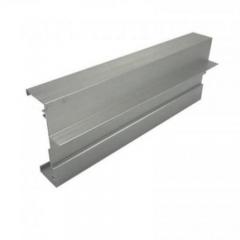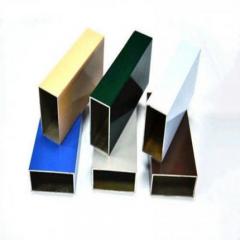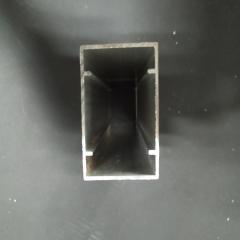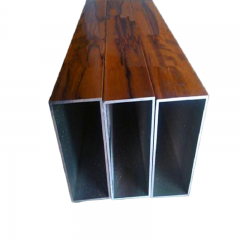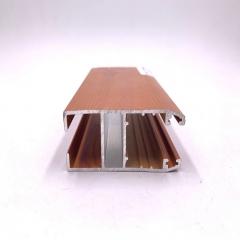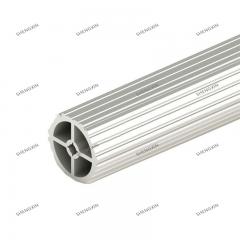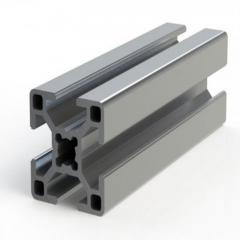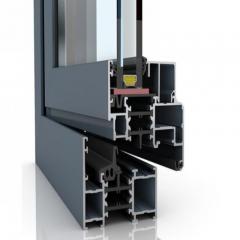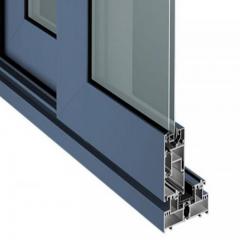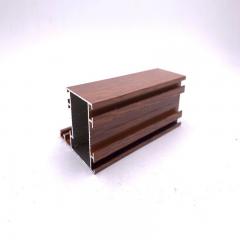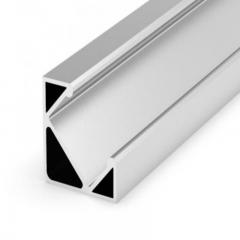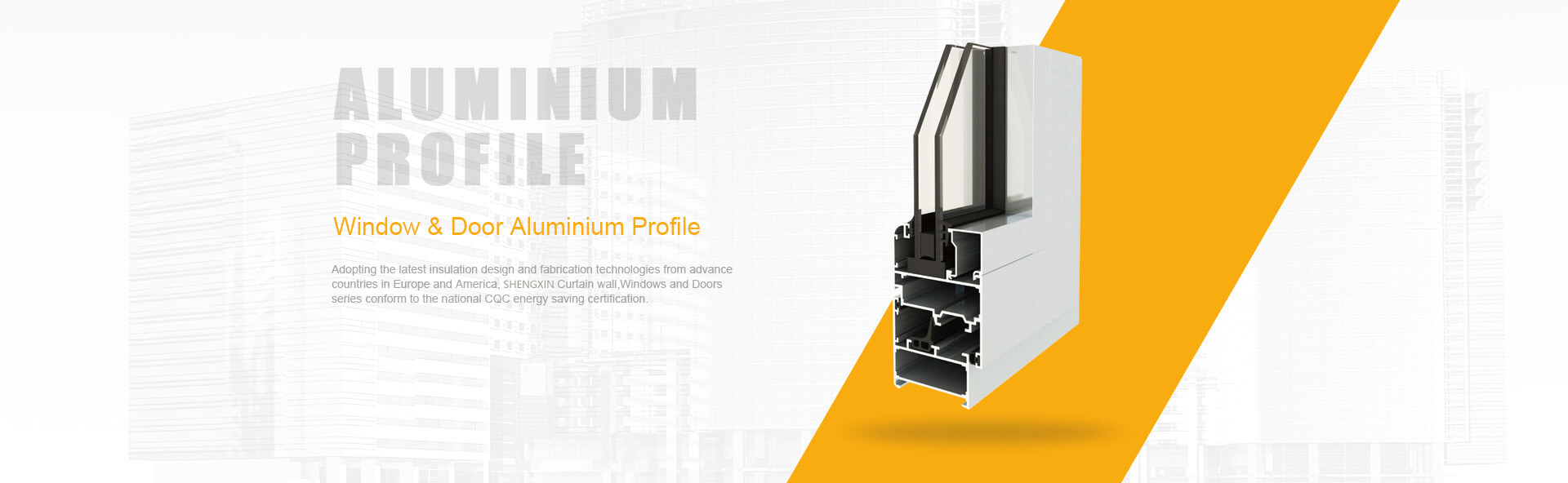
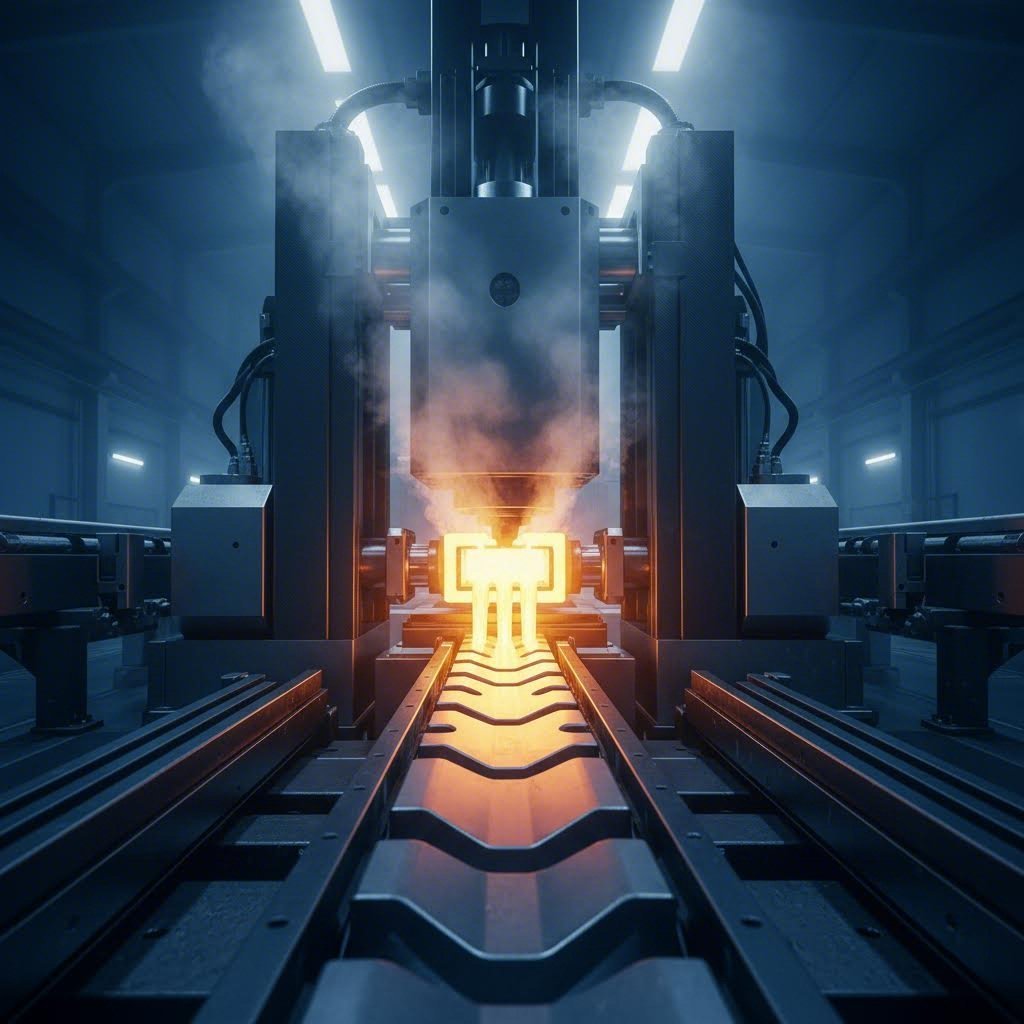
Ever wondered how those perfectly shaped aluminum components in your car, building facade, or electronic devices come to life? The answer lies with a custom aluminum extrusion manufacturer - a specialized producer that transforms raw aluminum into precisely engineered profiles tailored to your exact specifications.
So, what is an aluminum extrusion? At its core, the process involves heating aluminum billets to around 800-925°F and forcing them through a custom-designed steel die under tremendous pressure. Think of it like squeezing toothpaste through a tube - except the "tube" is a precision-engineered die that shapes the aluminum into specific cross-sectional profiles as it emerges. The result? Continuous lengths of custom aluminum extrusions with consistent dimensions, ready for cutting, finishing, and integration into your products.
Unlike suppliers who simply stock standard shapes, these specialized manufacturers partner with you from concept to completion. They handle die design, material selection, extrusion, heat treatment, surface finishing, and even secondary fabrication - all under one roof.
Standard aluminum extrusion profiles - your basic angles, channels, and tubes - work perfectly for general applications. But what happens when your project demands something unique? Perhaps you need integrated mounting channels, specific thermal management features, or a profile that eliminates multiple assembly steps.
This is where custom aluminum products shine. Instead of adapting your design to fit available shapes, custom extrusion flips the equation. The profile adapts to your requirements, enabling you to:
What are aluminum extrusions used for in today's world? The applications span virtually every sector of modern manufacturing. Specialized manufacturers serve as technical partners who understand both the capabilities and constraints of the extrusion process, helping engineers translate their designs into manufacturable reality.
Key industries relying on custom aluminum extrusion profiles include:
What are aluminum extrusions beyond just shapes? They represent a strategic manufacturing choice that balances design flexibility with production efficiency. This guide will walk you through every aspect of working with a custom aluminum extrusion manufacturer - from understanding die costs and alloy selection to evaluating suppliers and preparing your first RFQ. Whether you're sourcing your first custom profile or looking to optimize an existing supply chain, you'll find the practical insights needed to make confident decisions.
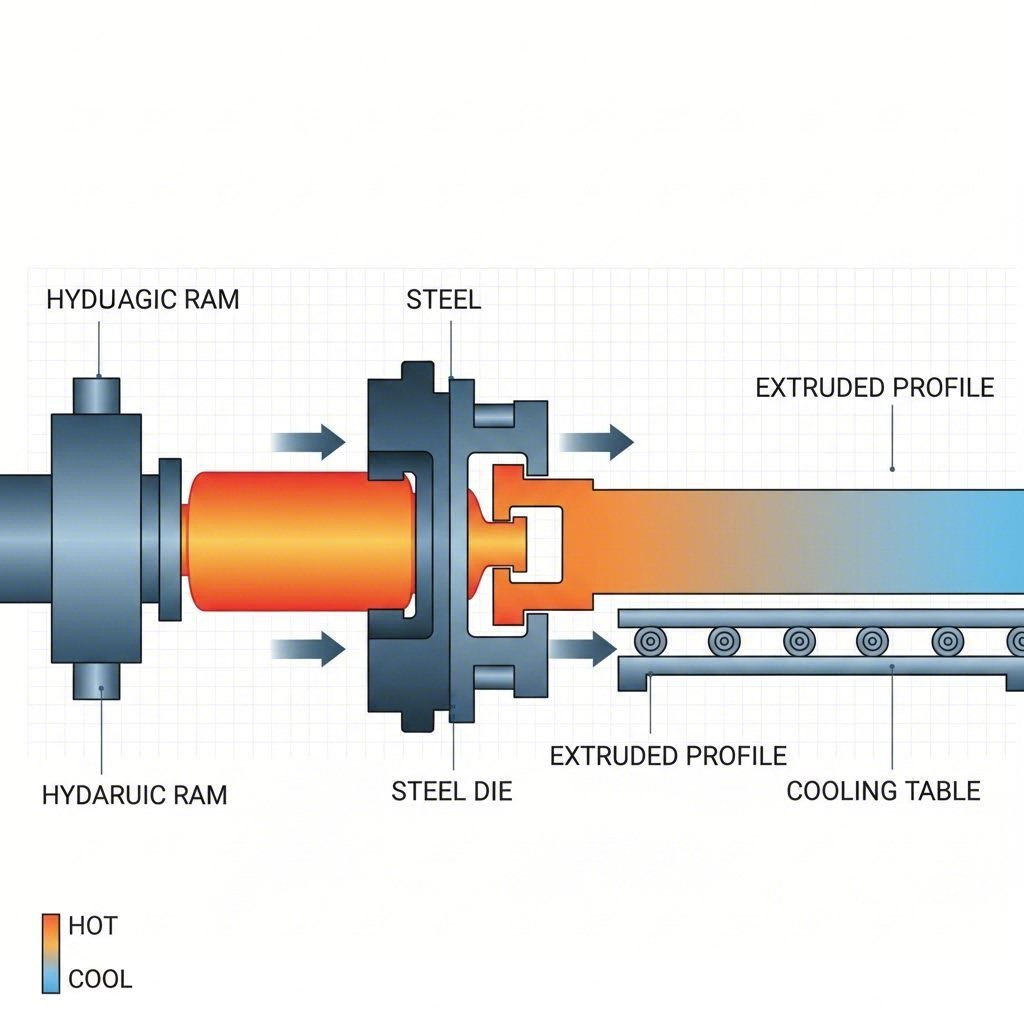
Curious about how does aluminum extrusion work from start to finish? The journey from raw aluminum to a precision-crafted profile involves carefully orchestrated steps, specialized equipment, and expert oversight at every stage. Understanding this process helps you communicate more effectively with manufacturers and make informed decisions about your custom projects.
The aluminium extrusion process begins long before metal meets die. Here's the complete sequence that transforms a solid aluminum cylinder into your custom profile:
Temperature control is critical throughout this entire sequence - it determines surface quality, dimensional accuracy, and final mechanical properties of your extrusion.
When you submit a design to a manufacturer, one of the first evaluations involves press capacity. Extrusion presses are measured in tonnage - the maximum force they can apply to push aluminum through the die. This seemingly technical specification directly affects what profiles you can produce.
Press size determines the largest extrusion you can create, measured by the circumscribing circle - the smallest circle that completely encloses your profile's cross-section. Larger presses handle bigger, more complex cross-sections that smaller equipment simply cannot produce. However, the relationship isn't purely about size:
For hard alloys, acceptable extrusion ratios typically range from 10:1 to 35:1, while soft alloys can reach 100:1. Beyond these limits, successful extrusion becomes increasingly difficult or impossible.
Not all extrusion happens the same way. Two primary techniques exist, and understanding the difference helps you appreciate why manufacturers recommend specific approaches for different projects.
Direct Extrusion is the most common method. The die remains stationary while the ram pushes the heated billet through it - both the billet and ram move in the same forward direction. This process generates significant friction between the billet and container walls, which must be managed through temperature and speed control.
Indirect Extrusion (also called backward extrusion) reverses this arrangement. The billet and container move together while the die, mounted on a hollow stem, remains stationary. The aluminum flows backward relative to the billet's movement, exiting through the stem.
| Factor | Direct Extrusion | Indirect Extrusion |
|---|---|---|
| Friction Level | Higher (billet slides against container) | Lower (no billet-container sliding) |
| Heat Generation | More variable throughout process | More consistent temperature control |
| Product Consistency | Good with proper control | Generally more uniform properties |
| Force Required | Higher due to friction | Approximately 25-30% less |
| Equipment Commonality | Most widely available | Less common, specialized |
| Best For | Standard production, wide profile range | Demanding tolerances, consistent grain structure |
When should you consider indirect extrusion? This technique excels when your application demands exceptional consistency in mechanical properties and grain structure - critical for aerospace components or other high-performance applications. The reduced friction means more stable extrusion force throughout the cycle, translating to tighter dimensional control.
However, most custom projects proceed with direct extrusion due to wider equipment availability and cost-effectiveness for standard commercial applications. Your manufacturer will recommend the appropriate technique based on your specific requirements.
With the manufacturing process demystified, the next critical decision involves selecting the right aluminum alloy - a choice that fundamentally shapes your profile's performance characteristics.
You've mapped out your profile design and understand the extrusion process - but which aluminum extrusion material should you specify? This decision fundamentally shapes everything from manufacturing cost to end-product performance. Choose wisely, and you'll get a profile that exceeds expectations. Choose poorly, and you may face finishing problems, structural limitations, or unnecessary expense.
The good news? Most aluminum profiles fall into the 6000 series alloys, which contain magnesium and silicon as primary alloying elements. These heat-treatable alloys offer an excellent balance of extrudability, strength, corrosion resistance, and finishing characteristics. Two alloys dominate custom extrusion work: 6063 and 6061. Understanding their differences helps you match aluminum extrusion material to your specific requirements.
Often called the "architectural alloy," 6063 aluminum is the most cost-efficient and widely used choice for extruded aluminum profiles. Why does it earn this title? The answer lies in its exceptional combination of properties that favor both manufacturing and aesthetics.
6063 excels in applications where surface appearance matters. Its chemical composition (approximately 0.4% silicon and 0.7% magnesium) produces superior surface finish quality and outstanding anodizing response. When you need aluminum extruded profiles with consistent color after anodizing or a bright, attractive mill finish, 6063 delivers.
This alloy also offers excellent formability - it bends, shapes, and stamps more easily than stronger alternatives. For profiles with intricate patterns or complex geometries, 6063 flows smoothly through dies, reducing manufacturing challenges and die wear. Its thermal conductivity of 200 W/m-K makes it particularly suitable for heat dissipation applications like LED housings and heat sinks.
Typical 6063 applications include:
Because 6063 is so common, manufacturers maintain ready stock and can often produce your profiles with shorter lead times and lower minimum order quantities than specialty alloys.
What if your application demands more muscle? Enter 6061 aluminum - the workhorse alloy for structural applications. With higher levels of magnesium, silicon, copper, and chromium, 6061 delivers significantly greater strength and hardness than 6063.
In the T6 temper, 6061 achieves tensile strength of approximately 310 MPa compared to 6063's 241 MPa. This 30% strength advantage makes 6061 the preferred choice for load-bearing structures, aerospace components, and applications where mechanical performance takes priority over surface aesthetics.
However, this strength comes with trade-offs. 6061's finishing response is notably poorer than 6063 - if you need a consistent, high-quality anodized appearance, you may face challenges. The alloy is also slightly more expensive and less forgiving during extrusion, particularly for complex aluminium extruded profile designs.
Consider 6061 when your project involves:
Welding significantly affects both alloys, but differently. 6061-T6 loses approximately 40% of its tensile strength in the heat-affected zone after welding, dropping from 40 KSI to about 25 KSI. For welded fabrications, design around these reduced properties or consider post-weld heat treatment.
When evaluating aluminum profiles for your project, this comparison table provides the essential data points for informed decision-making:
| Property | 6063-T6 | 6061-T6 | Winner For |
|---|---|---|---|
| Tensile Strength | 241 MPa | 310 MPa | 6061 - structural applications |
| Yield Strength | 214 MPa | 276 MPa | 6061 - load-bearing designs |
| Brinell Hardness | 73 | 95 | 6061 - wear resistance |
| Elongation at Break | 15% | 12% | 6063 - pressure/forming tolerance |
| Thermal Conductivity | 200 W/m-K | 170 W/m-K | 6063 - heat dissipation |
| Corrosion Resistance | Good | Excellent | 6061 - harsh environments |
| Anodizing Quality | Excellent | Fair | 6063 - decorative finishes |
| Weldability | Good | Good | Comparable (use 5356 filler) |
| Machinability | Good | Excellent | 6061 - CNC operations |
| Relative Cost | Lower | Higher | 6063 - budget-conscious projects |
Beyond the 6063/6061 decision, several specialty alloys address specific performance requirements:
Your custom aluminum extrusion manufacturer can guide alloy selection based on your specific application. Share details about operating environment, mechanical loads, finishing requirements, and budget constraints - this information helps match the optimal aluminum extrusion material to your project needs.
With your alloy selected, the next major consideration involves tooling investment - specifically, understanding die costs and when custom extrusion becomes economically advantageous over standard profiles.
Here's the question every engineer and purchasing manager asks: how much will the die cost, and when does custom extrusion actually make financial sense? Understanding aluminum extrusion tooling economics separates informed buyers from those blindsided by unexpected expenses. Let's demystify what drives these costs and how to evaluate the true value of custom profiles.
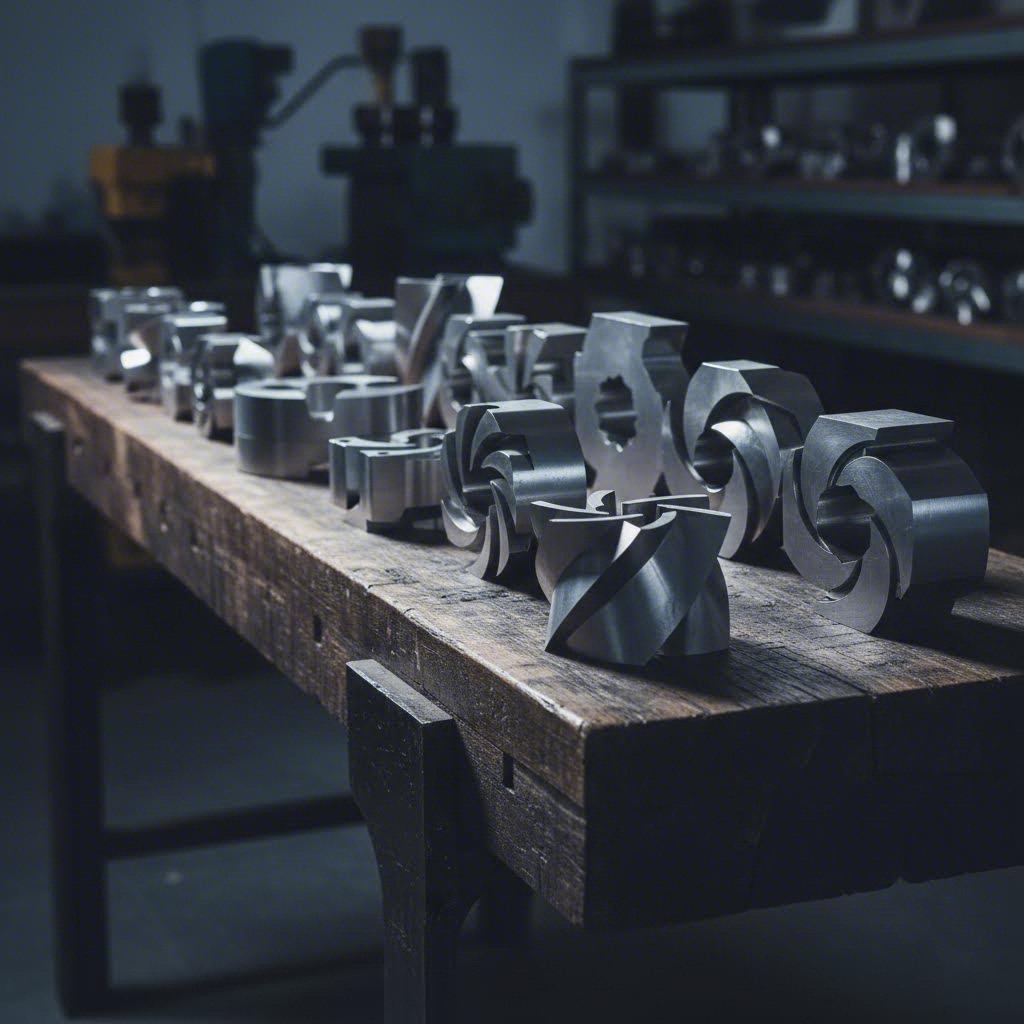
Every custom aluminum extrusion profile begins with a die - a precision-machined steel tool that shapes molten aluminum into your exact cross-section. Unlike standard profiles where die costs are already absorbed into pricing, custom extrusion requires upfront tooling investment. This one-time expense typically ranges from $400 to $2,000 depending on complexity, though specialized applications can push costs higher.
What exactly influences where your die falls within this range? Several interconnected factors determine the final aluminum extrusion cost for tooling:
Smart buyers think beyond the initial die invoice. The real question isn't "what does the die cost?" but rather "what does the die cost per kilogram of finished product?" This amortization perspective transforms how you evaluate custom aluminum extrusion cost against standard alternatives.
Consider this practical example: a hollow die costing $2,000 with an expected lifespan of 40,000 kg of extruded aluminum adds just $0.05 per kilogram to your production cost. Over a substantial production run, this tooling investment becomes nearly invisible in your per-piece pricing.
Die lifespan varies significantly based on profile type and material:
Many aluminum extrusion companies offer favorable tooling policies that improve your economics further. Some manufacturers refund tool costs if you purchase stipulated quantities within two years. Most won't charge for replacement dies after their useful life expires - as long as your orders continue. Normal die turnaround runs 2-4 weeks, with production following within a week of sample approval.
Die ownership typically remains with the manufacturer during active production. However, discuss retention policies upfront - some suppliers store dies indefinitely for returning customers, while others may recycle inactive tooling after specified periods.
Custom extrusion isn't always the right answer. Sometimes standard profiles make more sense. How do you know which path to choose? Evaluate your project against these scenarios where custom tooling delivers clear economic advantages:
Conversely, standard profiles typically make better sense when:
The break-even calculation depends on your specific circumstances, but here's a useful framework: compare the total cost of custom extrusion (die investment plus per-piece pricing) against standard profile cost plus all secondary operations needed to achieve equivalent functionality. Include assembly labor, additional fasteners, inventory carrying costs for multiple components, and quality risks from multi-part assemblies.
When prototype aluminum extrusions validate your concept, the path to production becomes clearer. Many buyers start with small trial runs to confirm fit and function before committing to larger volumes. This staged approach manages risk while building toward optimal economics.
With tooling economics understood, the next critical step involves designing profiles that manufacturers can actually produce efficiently - maximizing your investment while minimizing production challenges.
You've selected your alloy and understand die economics - but will your design actually extrude efficiently? This question separates smooth production runs from costly manufacturing headaches. The truth is, minor adjustments to your aluminum extrusion profile can dramatically reduce die costs, improve production speeds, and deliver better quality parts. Let's explore the practical guidelines that transform good designs into great ones.
Every custom aluminum extrusion manufacturer evaluates incoming designs against established manufacturability criteria. Profiles that follow these principles flow through production with fewer complications, lower scrap rates, and faster turnaround. Those that ignore them? They face higher tooling costs, production delays, and potential quality issues that ripple through your entire project timeline.
Think of aluminum flowing through an extrusion die like water through a complex plumbing system. Smooth, balanced pathways encourage even flow. Restrictions, sharp turns, and imbalanced sections create turbulence and problems. Here's how to design for optimal flow:
Wall Thickness Considerations
Getting wall thickness right ranks among the most critical design decisions. Walls that are too thin become difficult to fill completely, while dramatic thickness variations create uneven cooling and dimensional distortion. According to industry design experts, uniform wall thickness throughout your profile makes extrusion significantly easier.
What's the right thickness? It depends on your profile's overall size and whether it's solid or hollow:
Corner Radii Requirements
Sharp corners might look good on CAD drawings, but they create real problems during extrusion. As extrusion process specialists note, corner radii are often described as "as sharp as possible," but practical limitations exist.
Internal corners need generous radii to promote smooth aluminum flow and prevent stress concentrations in the die. External corners benefit from radii that reduce die wear and improve surface finish. A good rule of thumb? Specify radii equal to or greater than your wall thickness. For aluminum extrusion shapes requiring tighter corners, expect increased die costs and potentially slower production speeds.
Symmetry Benefits
Symmetrical profiles consistently outperform asymmetrical designs in manufacturing. Why? Balanced shapes cool evenly, maintain straightness better, and hold tolerances more reliably. According to profile design guidance, the more unsymmetrical or unbalanced a shape, the less likely it is to remain straight or hold its shape accurately.
When asymmetry is unavoidable, work with your manufacturer to add features that improve balance - perhaps a temporary web or sacrificial section that gets removed after extrusion.
Hollow vs Solid Profiles
Hollow extruded aluminum shapes offer tremendous design flexibility but introduce manufacturing complexity. The die must include a mandrel supported by bridges that create weld lines in your finished profile. These considerations matter:
When possible, consider semi-hollow designs that achieve similar functionality with reduced manufacturing challenges.
Even experienced engineers sometimes submit designs that create unnecessary production difficulties. Here are the pitfalls that consistently cause problems:
1. Extreme Tongue Ratios
A "tongue" is any portion of your profile that extends unsupported from the main body - think of fins, flanges, or deep channels. When the depth of a tongue significantly exceeds its width at the base, the die becomes vulnerable to failure. Industry guidelines recommend avoiding high tongue ratios by redesigning deep, narrow sections wherever possible.
2. Dramatic Wall Thickness Variations
Transitioning from a 2mm wall to an 8mm section in close proximity creates metal flow imbalances. The thicker area fills faster, potentially starving thinner sections or creating surface defects. Where thickness changes are necessary, use gradual transitions with blend radii.
3. Ignoring Tolerance Realities
Specifying tolerances tighter than the extrusion process can reliably deliver leads to high rejection rates and inflated costs. Profile tolerances typically follow standards like BS EN 755-9, which accounts for wall thickness, dimensions, profile type, and alloy characteristics.
4. Overlooking Mating Component Needs
Custom extruded profiles often connect with other parts. Designing extrusion shapes that slide, hinge, or clip together requires thinking through final assembly during the design phase - not after tooling is cut.
Use this table when developing your aluminum extrusion profile specifications:
| Design Parameter | Recommended Range | Impact of Deviation |
|---|---|---|
| Minimum Wall (Solid) | 1.0 - 1.5mm (small); 2.0 - 3.0mm (large) | Incomplete fills, surface defects |
| Minimum Wall (Hollow) | 15-20% thicker than solid equivalent | Weld line weakness, dimensional instability |
| Internal Corner Radii | ≥ Wall thickness | Increased die wear, stress concentrations |
| External Corner Radii | 0.5 - 1.0mm minimum | Burrs, reduced die life |
| Tongue Depth:Width Ratio | ≤ 3:1 preferred | Die failure risk, distortion |
| Wall Thickness Variation | ≤ 2:1 within profile | Uneven flow, surface irregularities |
| Circumscribing Circle | Under 8" (200mm) optimal | Higher costs, limited press availability |
| Dimensional Tolerances | Per BS EN 755-9 or equivalent | Increased scrap, production delays |
Pro tip: Before finalizing your design, consider 3D printed prototypes. They offer a cost-effective way to validate fit and function before committing to die investment.
Unique extrusions that push boundaries are absolutely achievable - manufacturers regularly produce profile precision extrusions with complex geometries. The key is collaborating early with your supplier to understand trade-offs and optimize your design for both performance and manufacturability.
With a manufacturable profile design in hand, the next consideration involves selecting surface treatments that protect your extrusion and deliver the aesthetic your application demands.
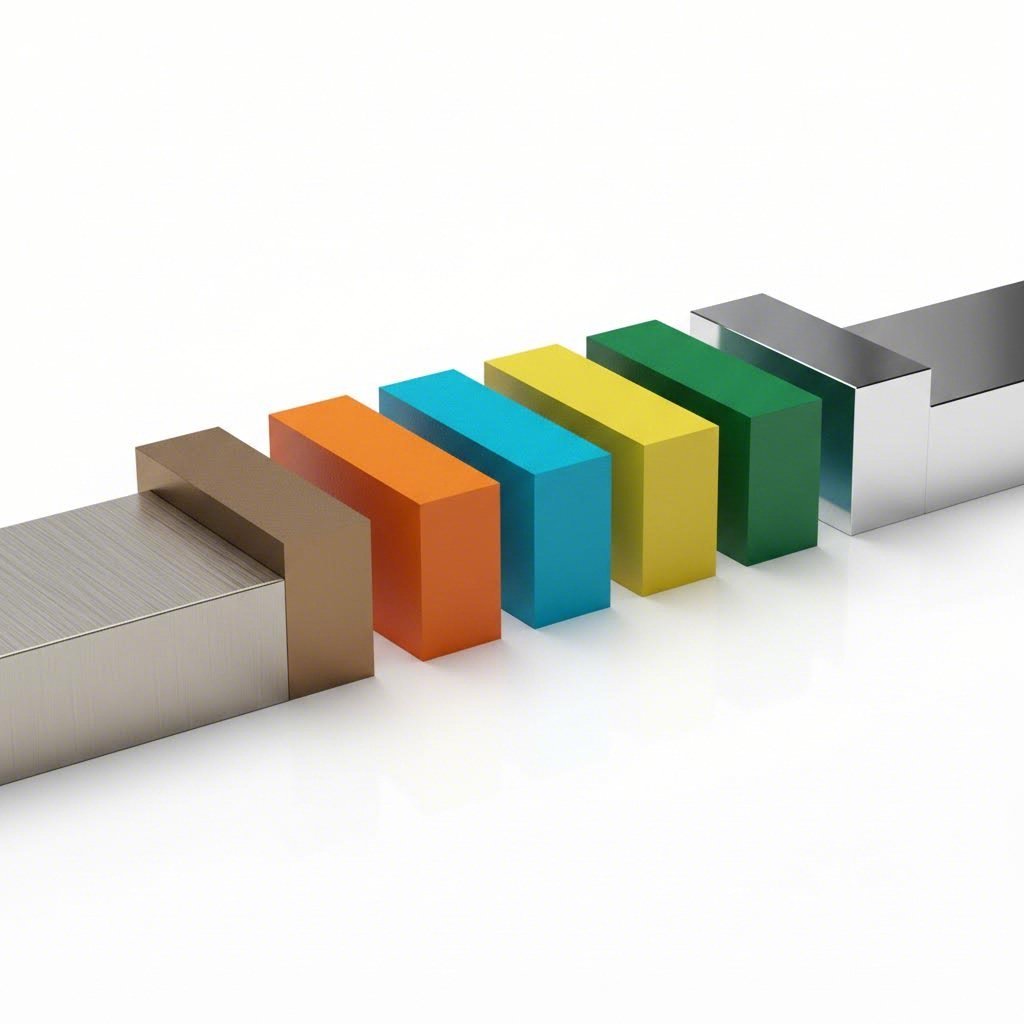
Your custom profile is designed, the alloy selected, and manufacturing is underway - but how will you protect that investment from corrosion, wear, and the elements? Surface finishing transforms raw extruded aluminium profiles from mill-finish metal into durable, visually appealing components ready for their intended environment. The finish you choose affects everything from UV resistance to color consistency, maintenance requirements to lifecycle costs.
Understanding your options helps you match the right treatment to your application's demands. Whether you're specifying aluminum extrusion trim for architectural facades or profile aluminum components for industrial equipment, this comparison guides you toward informed decisions.
Anodizing remains the most popular finish for aluminum profile extrusion applications - and for good reason. This electrochemical process thickens aluminum's natural oxide layer, creating a surface that's integral to the metal itself rather than simply coating it. The result? A finish that won't peel, chip, or flake because it's literally part of the aluminum.
Three primary anodizing types serve different performance requirements:
Clear Anodizing (Type II)
Clear anodizing preserves aluminum's natural metallic appearance while significantly enhancing corrosion resistance. According to industry finishing experts, the process creates an oxide layer that protects the underlying metal from environmental exposure. This treatment works beautifully for extruded aluminum trim in interior applications where the goal is showcasing aluminum's inherent beauty.
Color Anodizing
Want bronze, black, champagne, or custom colors? The anodized layer's porous structure accepts dyes before sealing, creating integral color that penetrates the surface. Bronze and black remain popular for commercial aluminum extrusion trim applications, but manufacturers like Shengxin Aluminium offer expanded palettes including champagne and rose gold for bespoke aluminium extrusion projects requiring distinctive aesthetics.
Color anodizing follows ASTM thickness standards:
Hardcoat Anodizing (Type III)
When wear resistance matters most, hardcoat anodizing produces oxide layers 2-4 times thicker than standard treatments. This process creates an extremely hard surface ideal for industrial components, machinery parts, and applications involving friction or abrasion. The trade-off? Limited color options and a slightly higher cost.
Proper sealing after anodizing locks in dyes and prevents contaminants from compromising the finish. Poor sealing leads to fading, chalking, or pitting - always verify your supplier meets ASTM sealing standards.
If your project demands bold colors, unique textures, or thicker protective layers, powder coating delivers where anodizing cannot. This dry application process uses electrostatically charged powder particles that adhere to grounded aluminum before curing in an oven.
The result is a tough, uniform coating available in virtually unlimited colors - from subtle metallics to vibrant primaries. According to finishing specialists, powder coating offers relatively good protection at a lower cost than anodizing while providing far more color and texture options.
Powder coating excels for:
However, powder coating sits on the aluminum surface rather than becoming part of it. This means potential for chipping under severe impact - a consideration for aluminium extrusion trim in high-traffic areas.
For exterior applications demanding the ultimate in weathering resistance, PVDF (polyvinylidene fluoride) coatings represent the premium choice. These factory-applied, resin-based coatings consistently meet or surpass stringent AAMA 2605 requirements with minimal fading over extended periods.
PVDF coatings are applied via liquid spray in a multi-coat process - typically involving primer, basecoat, and clearcoat layers. This approach creates exceptional adhesion and long-term color stability that outperforms standard powder coatings in harsh environments.
Common PVDF applications include:
Full-service manufacturers offering comprehensive deep processing services typically include PVDF among their coating options, enabling single-source production for demanding architectural projects.
Beyond conventional finishes, specialty treatments address unique performance requirements. Micro-arc oxidation (MAO), sometimes called plasma electrolytic oxidation, creates ceramic-like coatings with exceptional hardness and thermal resistance. This process suits applications requiring extreme wear resistance, high-temperature performance, or specific dielectric properties.
Other specialty options include:
Choosing the right finish means honestly evaluating where your aluminum profile extrusion will spend its service life. A decorative interior trim faces vastly different challenges than a coastal curtain wall system.
| Finish Type | Durability Rating | UV Resistance | Color Options | Relative Cost | Best Applications |
|---|---|---|---|---|---|
| Clear Anodizing | Excellent | Good | Natural metallic only | $$ | Interior trim, electronic enclosures, heat sinks |
| Color Anodizing | Excellent | Good | Limited (bronze, black, champagne, custom) | $$-$$$ | Architectural facades, storefronts, furniture |
| Hardcoat Anodizing | Superior | Good | Limited (typically dark) | $$$ | Machinery components, wear surfaces, pistons |
| Powder Coating | Very Good | Very Good | Unlimited colors and textures | $-$$ | Outdoor furniture, appliances, signage, fencing |
| PVDF Coating | Superior | Excellent | Wide range (matte finish) | $$$$ | Curtain walls, exterior cladding, roofing |
| Micro-Arc Oxidation | Superior | Excellent | Limited | $$$$ | High-wear industrial, aerospace, marine |
When specifying finishes, consider these practical factors:
Both anodizing and powder coating offer environmentally friendly characteristics - anodizing uses recyclable chemicals, while powder coating eliminates solvent emissions. For projects pursuing LEED certification or green building standards, these factors may influence your selection.
With surface treatment specified, many projects require additional fabrication steps to transform raw extrusions into ready-to-install components. The next section explores value-added services that streamline your supply chain and reduce total project costs.
Your custom profile has been extruded, heat-treated, and finished - but is it ready for installation? For most applications, the answer is no. Raw extrusions rarely drop directly into final assemblies. They need holes drilled, ends mitered, slots machined, or multiple pieces welded together. This is where aluminum extrusion services extend beyond basic profile production into comprehensive fabricated aluminum solutions.
Imagine receiving extruded aluminum parts that arrive cut to exact lengths, with mounting holes precisely positioned, threads tapped, and protective end caps installed. No secondary sourcing. No coordination headaches between separate vendors. Just components ready to bolt into your assembly line. That's the value proposition of integrated custom metal extrusion services.
Secondary operations transform aluminum extrusion parts from raw profiles into functional components. According to fabrication specialists, these processes include precision cutting, CNC machining, mitering, punching, notching, drilling, and high-speed cutting - each adding value by eliminating steps from your manufacturing workflow.
Here's what comprehensive fabrication capabilities typically include:
Why does this matter for your project? Each operation you handle in-house requires equipment, trained operators, quality systems, and floor space. Each vendor you coordinate with adds communication overhead, shipping costs, and potential for delays or errors.
Consider the typical multi-vendor approach: you source extrusions from one supplier, send them to a machine shop for drilling and milling, then to a finishing house for anodizing, and finally to an assembly contractor for hardware installation. Each handoff introduces variables - dimensional drift, scheduling conflicts, finger-pointing when something goes wrong.
Single-source manufacturing consolidates this fragmented supply chain. When extrusion and fabrication happen under one roof, you gain significant advantages:
As integrated manufacturing providers emphasize, combining aluminum extrusion with CNC milling, turning, or bending transforms extruded profiles into finished, ready-to-use parts - saving time and streamlining production.
How do you know those extruded aluminum parts meet your specifications? Integrated manufacturers maintain quality systems that track dimensional accuracy from die design through final inspection.
Typical quality processes include:
CNC machining contributes directly to this quality assurance. According to machining specialists, CNC processes aluminum profiles with exceptional accuracy - ensuring dimensions, shapes, and surface finishes meet exact design specifications while improving product quality and consistency.
Traditional machining methods often lack consistent accuracy. CNC machining overcomes these limitations by reducing errors and minimizing failed operations - critical when your assembly line depends on parts that fit right the first time.
The value equation becomes clear when you calculate true project costs. That slightly higher per-piece price from an integrated supplier often delivers lower total acquisition cost once you factor in eliminated freight, reduced inventory, faster time-to-market, and avoided quality escapes. With fabrication capabilities understood, the next step involves evaluating potential manufacturing partners against the criteria that matter most for your specific project requirements.
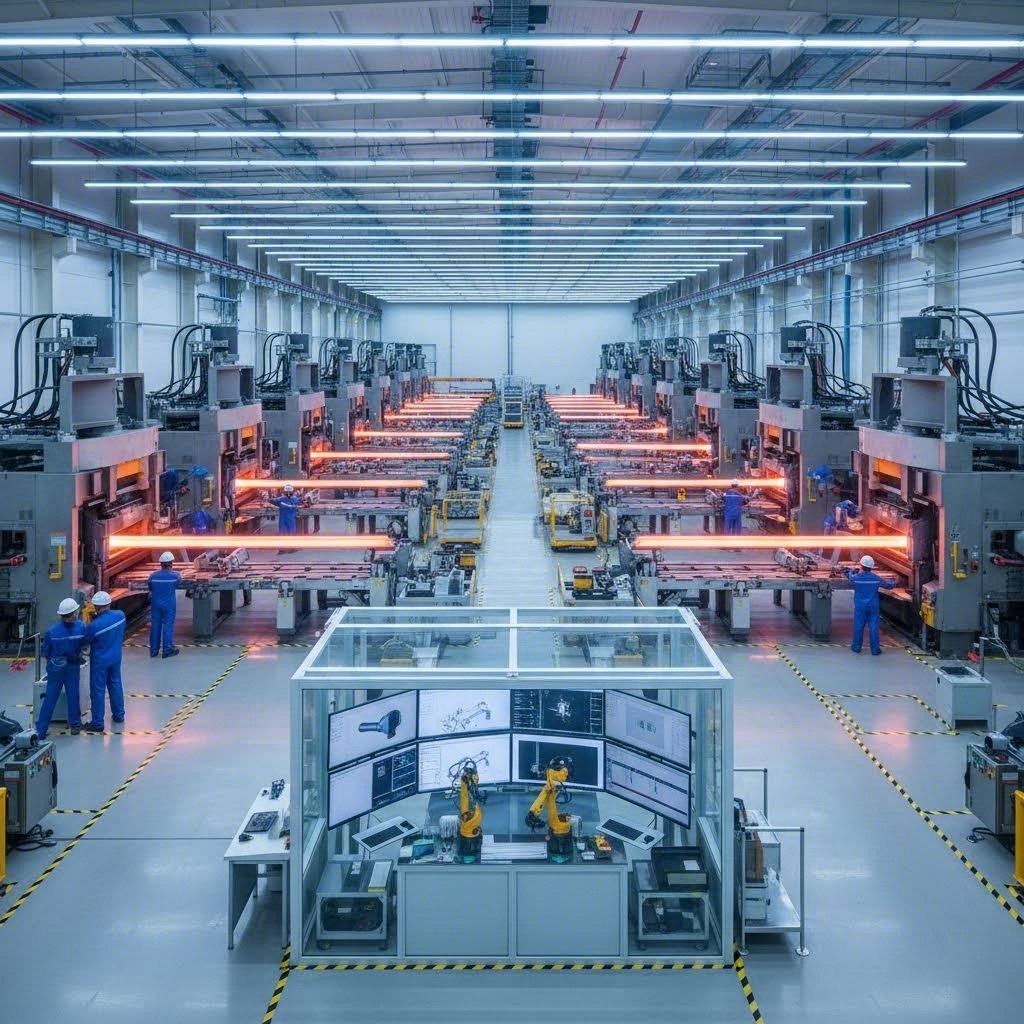
You've designed your profile, selected the alloy, and understand the economics - now comes the decision that determines whether your project succeeds or stumbles: choosing the right manufacturing partner. With hundreds of aluminum extrusion suppliers competing for your business, how do you separate capable partners from those who'll leave you chasing delays and quality issues?
The manufacturer you select influences everything from initial tooling quality to ongoing production consistency. A thorough evaluation process protects your investment and builds a foundation for long-term supply chain success. Let's walk through the criteria that matter most when vetting custom aluminum extruders.
Certifications aren't just wall decorations - they represent documented commitments to structured quality systems. When evaluating extrusion companies, start with their certification portfolio.
ISO 9001:2015 - The Foundation
This internationally recognized standard confirms a manufacturer has implemented systematic quality management processes. According to quality management experts, ISO 9001 certified companies follow strict rules for every step - from quoting through shipping. They check raw materials, monitor the extrusion process, and test finished products systematically.
What does ISO 9001:2015 actually mean for your project? Certified aluminum suppliers for custom products maintain:
Research indicates that companies implementing ISO 9001 often see product defects drop by up to 50% in the first year. For your procurement, this translates to fewer rejected parts, reduced quality-related delays, and more predictable supply.
Industry-Specific Certifications
Depending on your application, additional certifications signal specialized capabilities:
Always verify certifications independently. Request the certificate, note the issuing body, and confirm validity through that organization's online registry. Expired or fraudulent certificates do exist.
Beyond paperwork, assess whether a manufacturer can actually produce your specific profile requirements.
Press Capacity Range
Extrusion presses are measured in tonnage - the force they apply to push aluminum through dies. Larger presses handle bigger profiles and more complex cross-sections. When searching for aluminum extrusion companies near me or evaluating distant suppliers, understand their press range:
Top aluminum suppliers for custom products typically operate multiple presses across this range, providing flexibility to match your profile to optimal equipment.
Technical Support Capabilities
How much engineering assistance does the manufacturer provide? Strong custom aluminum extrusion suppliers offer:
Prepare thoroughly before contacting potential suppliers. These questions help you evaluate fit and capability:
Manufacturer Evaluation Checklist
Geography matters more than many buyers initially realize. The domestic vs. import decision involves trade-offs beyond simple per-piece pricing.
Domestic Manufacturing Advantages
Working with local or regional custom aluminum extrusion suppliers offers compelling benefits:
Overseas Manufacturing Considerations
Imported extrusions can offer lower per-unit costs, but factor in the complete picture:
As sourcing specialists recommend: for critical, time-sensitive, or lower-volume projects, domestic often wins. For large-volume commodity profiles with flexible timelines, offshore sources may deliver cost advantages.
Realistic scheduling prevents frustration and production delays. Typical lead time components include:
| Project Phase | Typical Duration | Variables Affecting Timeline |
|---|---|---|
| Die Design & Approval | 1-2 weeks | Design complexity, revision cycles |
| Die Manufacturing | 2-4 weeks | Profile complexity, manufacturer backlog |
| Die Trials & Samples | 1-2 weeks | Approval speed, adjustment needs |
| Production Run | 1-3 weeks | Order quantity, press availability |
| Finishing & Fabrication | 1-2 weeks | Treatment type, secondary operations |
| Shipping (Domestic) | 3-7 days | Distance, freight method |
Total timeline for new custom profiles typically runs 6-12 weeks from order placement to delivery. Repeat orders using existing dies compress this significantly - often 2-4 weeks for production quantities.
You can accelerate timelines by providing complete specifications upfront, responding quickly to approval requests, selecting standard alloys, and building strong relationships with responsive manufacturers. As manufacturing experts note, proactive communication and early supplier engagement consistently deliver the fastest results.
With evaluation criteria established and potential manufacturers identified, you're ready to take the final step: preparing a comprehensive RFQ that positions your project for success.
You've absorbed the knowledge - from die economics and alloy selection to design guidelines and manufacturer evaluation criteria. Now comes the moment that transforms research into results: taking action on your custom extrusions project. Whether you're launching a new product line or optimizing an existing supply chain, a systematic approach ensures your first engagement with manufacturers sets the stage for success.
The journey from concept to delivered custom extruded aluminum follows a predictable path when you're prepared. Let's consolidate everything into a practical framework that gets your project moving forward efficiently.
A well-prepared Request for Quote accomplishes two things: it demonstrates your professionalism to potential suppliers, and it ensures you receive accurate, comparable proposals. According to industry RFQ guidance, a clear, detailed RFQ is your best tool for getting fast, accurate, and comparable proposals.
Before contacting any profile extrusion company, gather these essential elements:
Pro tip: Include a simple sketch even if formal drawings aren't complete. Manufacturers can often provide design assistance and DFM feedback that improves your final specifications.
With your RFQ package assembled, focus on identifying manufacturers whose capabilities align with your project requirements. The evaluation criteria covered earlier - certifications, press capacity, technical support, and lead times - now guide your shortlist development.
For custom profile extrusion projects requiring comprehensive support, consider manufacturers offering end-to-end capabilities from die development through finished components. This approach simplifies supply chain management and ensures accountability throughout the production process.
Shengxin Aluminium exemplifies this full-service model. With over 30 years of industry experience, their operation includes 35 extrusion presses ranging from 600T to 5500T - covering everything from compact electronic enclosures to large architectural sections. Their integrated approach extends from initial die development through mass production, with comprehensive surface treatment options including custom anodizing colors and PVDF coatings.
When evaluating any manufacturer for custom extrusion aluminum projects, verify these capabilities:
The right manufacturing partner becomes an extension of your engineering team - contributing expertise that improves designs, reduces costs, and accelerates time-to-market. Whether you choose a domestic supplier for faster turnaround or an established international manufacturer for comprehensive capabilities, the relationship you build matters as much as the initial quote.
Your custom aluminum extrusion project starts with a single step: reaching out to qualified manufacturers with a complete RFQ. The knowledge you've gained through this guide positions you to ask the right questions, evaluate responses critically, and make decisions that serve your project's long-term success.
Custom die tooling typically ranges from $400 to $2,000 depending on profile complexity, size, and tolerance requirements. Simple solid shapes cost $300-$800, while hollow profiles with internal voids require mandrels and bridge assemblies, pushing costs to $1,000-$3,000. Multi-cavity dies for high-volume small parts can reach $5,000 or more. The key is amortizing this investment over your production run—a $2,000 die producing 40,000 kg of aluminum adds just $0.05 per kilogram to your total cost.
6063 aluminum is the most common extrusion alloy, offering excellent surface finish quality, superior anodizing response, and better formability—ideal for architectural applications. 6061 aluminum provides approximately 30% higher tensile strength (310 MPa vs 241 MPa) and is preferred for structural, load-bearing, and aerospace applications. However, 6061 has poorer finishing response and costs more. Choose 6063 when aesthetics matter; select 6061 when mechanical performance is the priority.
For new custom profiles, expect 6-12 weeks from order placement to delivery. This includes die design and approval (1-2 weeks), die manufacturing (2-4 weeks), trials and samples (1-2 weeks), production (1-3 weeks), finishing and fabrication (1-2 weeks), and domestic shipping (3-7 days). Repeat orders using existing dies compress this to 2-4 weeks. You can accelerate timelines by providing complete specifications upfront and responding quickly to approval requests.
ISO 9001:2015 certification is the foundation, confirming systematic quality management processes including documented procedures, corrective action systems, and regular internal audits. For automotive supply chains, look for IATF 16949; aerospace applications require AS9100 certification. Companies with these certifications often see product defects drop by up to 50% in the first year, translating to fewer rejected parts and more predictable supply for your projects.
Custom extrusion makes economic sense when your design combines features requiring multiple standard profiles plus assembly labor, when standard profiles carry excess material where you don't need it, when you anticipate ongoing production of 500+ pieces annually, or when you need proprietary designs competitors cannot replicate. Standard profiles work better for small quantities, general requirements without compromise, tight lead times, limited budgets, or designs that may change substantially.



 online service
 0086 136 3563 2360
 sales@sxalu.com
 +86 136 3563 2360
 English
 français
 Deutsch
 русский
 español
 português
 العربية
 ไทย
ไทย Việt
Việt Українська