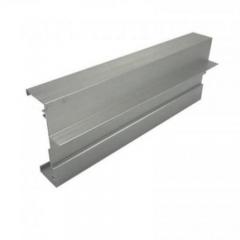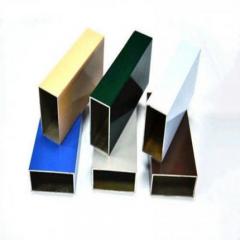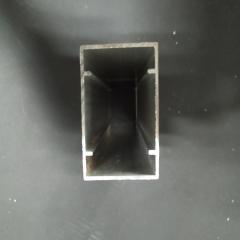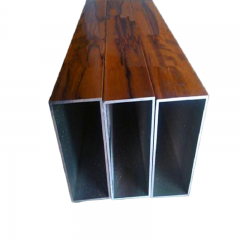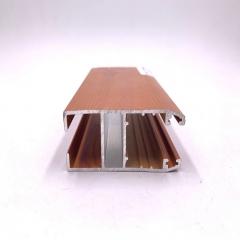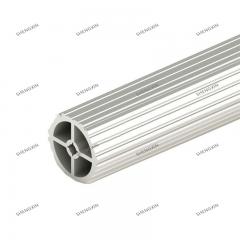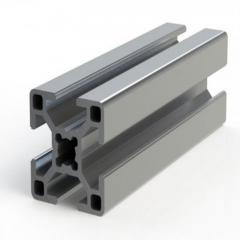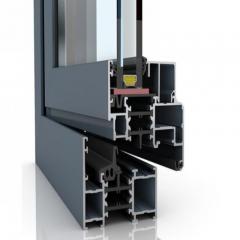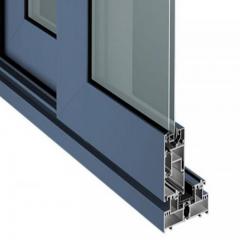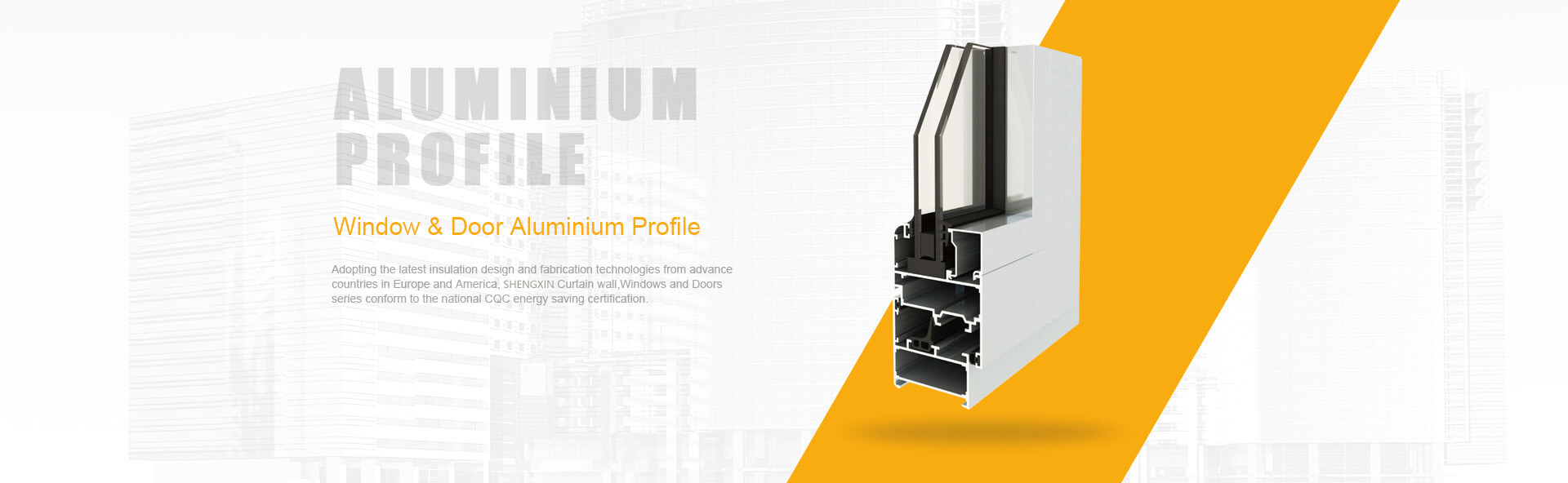
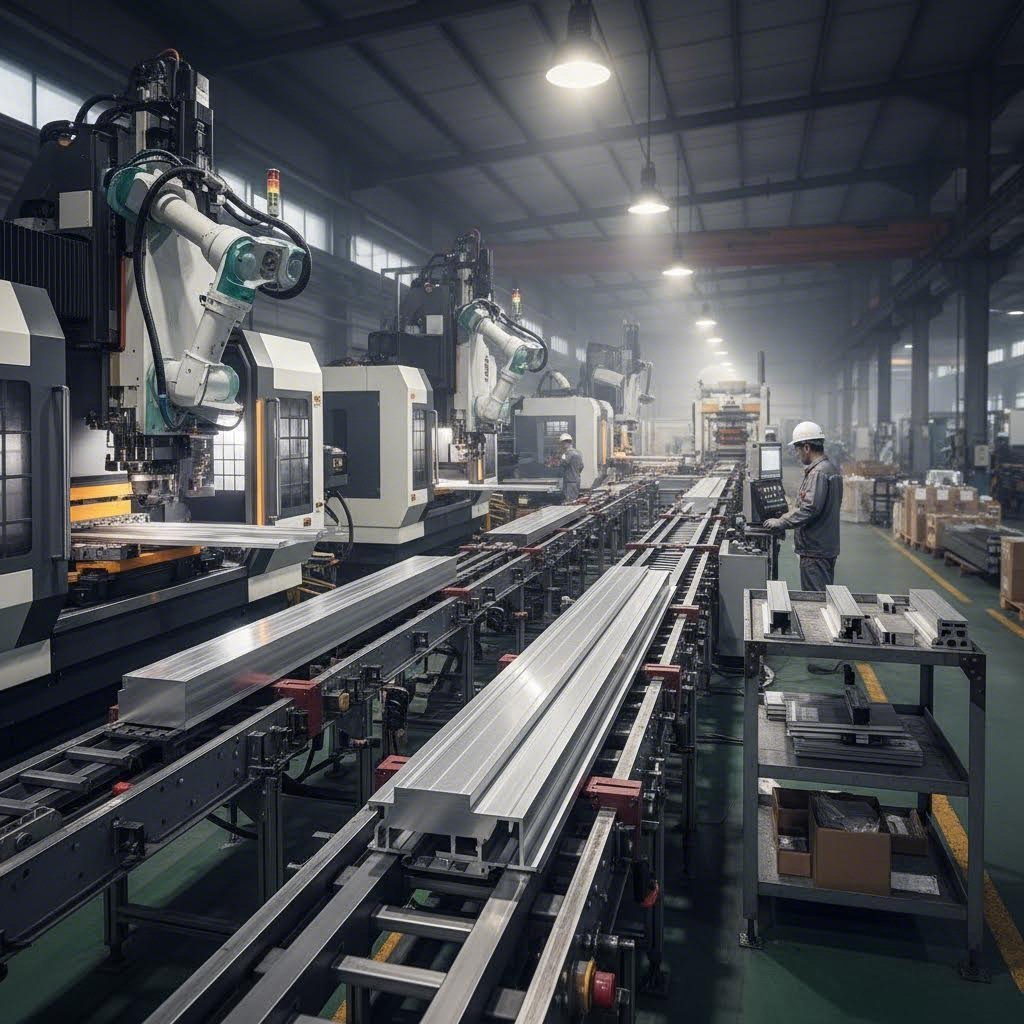
When you order raw aluminum extrusion profiles, you receive long, uniform shapes that still need cutting, drilling, and finishing before they can serve any practical purpose. Fabricated aluminum extrusions, on the other hand, arrive ready to install. These are finished components that have undergone secondary operations—transforming basic extruded shapes into precision-engineered parts tailored to your exact specifications.
Think of it this way: extrusion creates the raw material, while fabrication turns that material into a solution. This distinction matters because it directly impacts your project timeline, labor costs, and final product quality.
The journey from raw aluminum profiles to custom aluminum products involves a series of value-adding processes. After the initial extrusion—where heated aluminum is pushed through a die to create specific cross-sectional shapes—the real customization begins. Secondary operations like precision cutting, CNC machining, drilling, bending, welding, and surface finishing transform these basic shapes into components ready for immediate assembly.
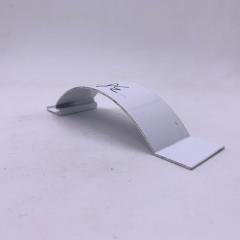
Consider a curved aluminum extrusion destined for an architectural facade. The raw profile emerges straight from the press, but fabrication bends it to precise radii, cuts it to length, drills mounting holes, and applies a durable anodized finish. What arrives at your facility isn't just aluminum—it's a purpose-built component.
This integrated approach eliminates the need for in-house machining capabilities and reduces handling between multiple suppliers. You receive fabricated aluminum that slots directly into your assembly process.
Why do engineers and procurement professionals increasingly specify fabricated extrusions over raw profiles or alternative manufacturing methods? The answer lies in three compelling advantages:
Weight savings: Aluminum weighs approximately one-third as much as steel, making it ideal for transportation, aerospace, and any application where reducing mass improves performance or lowers shipping costs. This lightweight nature doesn't sacrifice strength—aluminum extrusion profiles can be engineered with varying wall thicknesses and internal reinforcement precisely where needed.
Natural corrosion resistance: Unlike steel, aluminum doesn't rust. Its surface naturally forms a protective oxide layer, which can be enhanced through anodizing or other finishing processes. This inherent protection reduces long-term maintenance costs and extends component lifespan.
Design flexibility: Bespoke aluminium profiles can incorporate complex geometries in a single piece, eliminating joints and fasteners that could loosen or leak over time. Combined with fabrication capabilities, designers gain tremendous freedom to optimize both form and function.
Fabrication adds value beyond basic extrusion by transforming standardized aluminum profiles into precision-engineered, ready-to-install components—reducing your supply chain complexity while delivering parts that meet exact dimensional and functional requirements.
In this guide, you'll learn about the essential fabrication processes available, how to select the right aluminum alloy for your application, surface finishing options that enhance durability and aesthetics, and practical guidance for evaluating fabrication suppliers. Whether you're sourcing components for architectural, industrial, or specialized applications, understanding these elements will help you make informed decisions and achieve better project outcomes.
So you have raw aluminum extrusion profiles—now what? The real transformation happens during extrusion fabrication, where a series of secondary operations convert those uniform shapes into functional, ready-to-use components. Whether you need simple cut-to-length pieces or complex machined and welded assemblies, understanding these processes helps you specify exactly what your project requires.
Modern fabrication combines traditional metalworking techniques with CNC-controlled precision. The result? Aluminum extrusion shapes that meet tight tolerances, fit together seamlessly, and arrive ready for installation. Let's break down each process and explore when to use them.
Every fabrication project starts with cutting. This foundational step determines how accurately all subsequent operations will align—get it wrong here, and problems compound throughout the entire process.
Modern extrusion machining facilities use several cutting methods depending on your requirements:
The cutting method you choose depends on material thickness, tolerance requirements, and production volume. Simple cut-to-length operations suit basic applications, while close-tolerance cutting supports precision assemblies.
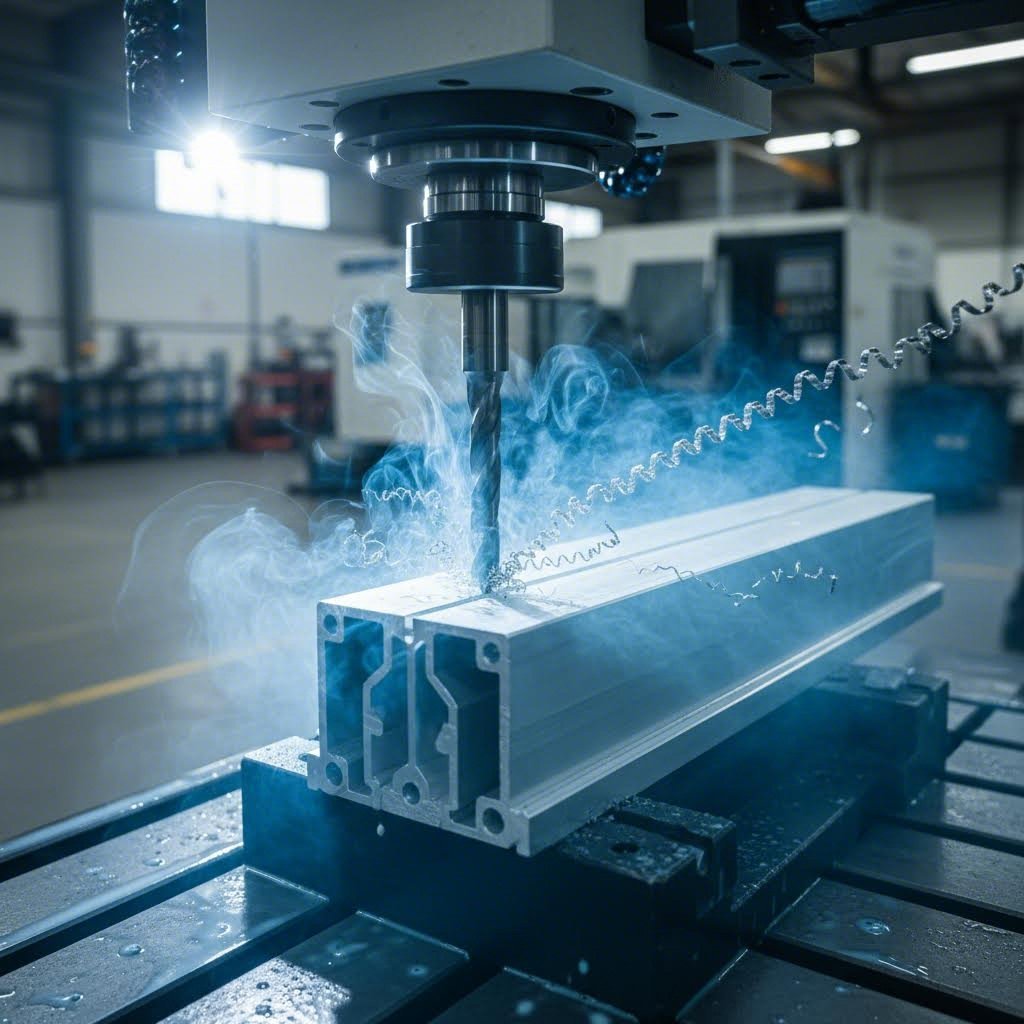
Once profiles are cut to size, hole-making operations add the features needed for fastening, mounting, and integration with other components. Extruded aluminum profiles often require multiple hole types across different locations—and each serves a specific purpose.
Modern CNC machining centers combine multiple hole-making operations in a single program. A single aluminum extrusion profile might receive drilled mounting holes, tapped fastener locations, and countersunk recesses—all before leaving the machine.
Not every application calls for straight profiles. Curved sections, angled components, and complex contours require controlled bending operations that reshape aluminum without cracking or distorting the surface.
Several forming techniques address different requirements:
The alloy you've selected affects how aggressively the material can be formed. Some extrusion shapes bend more easily than others depending on wall thickness and cross-sectional geometry. Your fabricator should evaluate the profile design before committing to specific bending methods.
When your application requires joining multiple extruded aluminum profiles into unified structures, welding and assembly operations complete the fabrication process.
Aluminum welding demands specialized techniques due to the metal's high thermal conductivity and surface oxide layer:
Beyond welding, mechanical fastening methods offer additional assembly options:
Complex fabricated aluminum extrusions often combine multiple processes. Imagine a structural frame that requires precision cutting, CNC drilling for mounting points, stretch bending for curved sections, and robotic welding to join the assembly. Each operation builds on the previous one, transforming raw profiles into sophisticated finished components.
Choosing the right combination of fabrication processes depends on your design requirements, production volumes, and quality standards—factors that also influence which aluminum alloy best suits your application.
Here's something many buyers overlook: the aluminum alloy you select fundamentally shapes how your fabricated components perform—not just in service, but during every fabrication operation leading up to final delivery. Choose the wrong alloy, and you might face cracking during bending, poor weld quality, or surfaces that won't anodize uniformly.
So how do you match alloy properties to your specific fabrication requirements? Let's walk through the most common options and when each makes sense.
If you've ever admired sleek aluminum window frames, curtain wall systems, or decorative trim, you've likely seen 6063 alloy in action. This aluminum profile material dominates architectural applications for good reason.
What makes 6063 stand out? Its exceptional surface finish capabilities. When aluminum extruded profiles emerge from the press, 6063 delivers smooth, consistent surfaces that respond beautifully to anodizing. The resulting finish is uniform, visually appealing, and available in a wide range of custom colors—from natural silver to bronze, black, or architectural gold tones.
Beyond aesthetics, 6063 offers:
The trade-off? Lower strength compared to structural alloys. For load-bearing applications, you'll need to evaluate whether 6063's mechanical properties meet your requirements—or whether stepping up to a stronger alloy makes sense.
When your profile aluminum components must carry significant loads, resist impact, or maintain dimensional stability under stress, 6061 becomes the go-to choice. This workhorse alloy balances strength, machinability, and versatility in ways that make it suitable for demanding industrial applications.
Consider 6061 when you need:
The aluminium extruded profile you select in 6061 won't achieve quite the same anodized finish quality as 6063—subtle variations may appear on decorative surfaces. For visible architectural work, this matters. For structural components hidden behind panels or inside machinery? Not an issue.
Many fabricators work extensively with both alloys. In fact, complex assemblies often combine them strategically: 6061 for structural members and 6063 for visible trim and facing components.
What about applications where standard alloys fall short? Aerospace, defense, and high-performance industrial sectors often turn to specialty aluminum grades—particularly the 7000-series alloys.
According to fabrication property research, 7000-series alloys deliver exceptional strength approaching that of some steels. However, they present fabrication challenges: poor corrosion resistance and difficult weldability require specialized handling.
Other specialty options include:
When exploring flextrude aluminum shapes for specialized applications, consult with your fabricator early. Some alloys require different tooling, adjusted machine parameters, or modified welding procedures that affect lead time and cost.
Selecting the right alloy means balancing multiple factors simultaneously. The table below summarizes key properties across the most commonly specified aluminum extrude grades:
| Property | 6063 | 6061 | 7075 | 5052 |
|---|---|---|---|---|
| Tensile Strength | Moderate | High | Very High | Moderate |
| Corrosion Resistance | Excellent | Good | Poor | Excellent |
| Weldability | Excellent | Good | Poor | Excellent |
| Machinability | Good | Excellent | Excellent | Fair |
| Anodizing Quality | Excellent | Good | Fair | Good |
| Formability | Very Good | Good | Fair | Excellent |
| Typical Applications | Window frames, architectural trim, decorative profiles | Structural components, machine parts, transportation | Aerospace, defense, high-stress applications | Marine equipment, chemical processing, food industry |
Notice how no single alloy excels across every category. The aluminum profile that performs beautifully in architectural applications might struggle in marine environments. The high-strength option that suits aerospace components may prove difficult to weld or anodize consistently.
Your fabrication partner should help you navigate these trade-offs based on your specific requirements—balancing strength, corrosion resistance, appearance, and cost. With the right alloy selected, the next decision involves choosing surface treatments that protect and enhance your finished components.
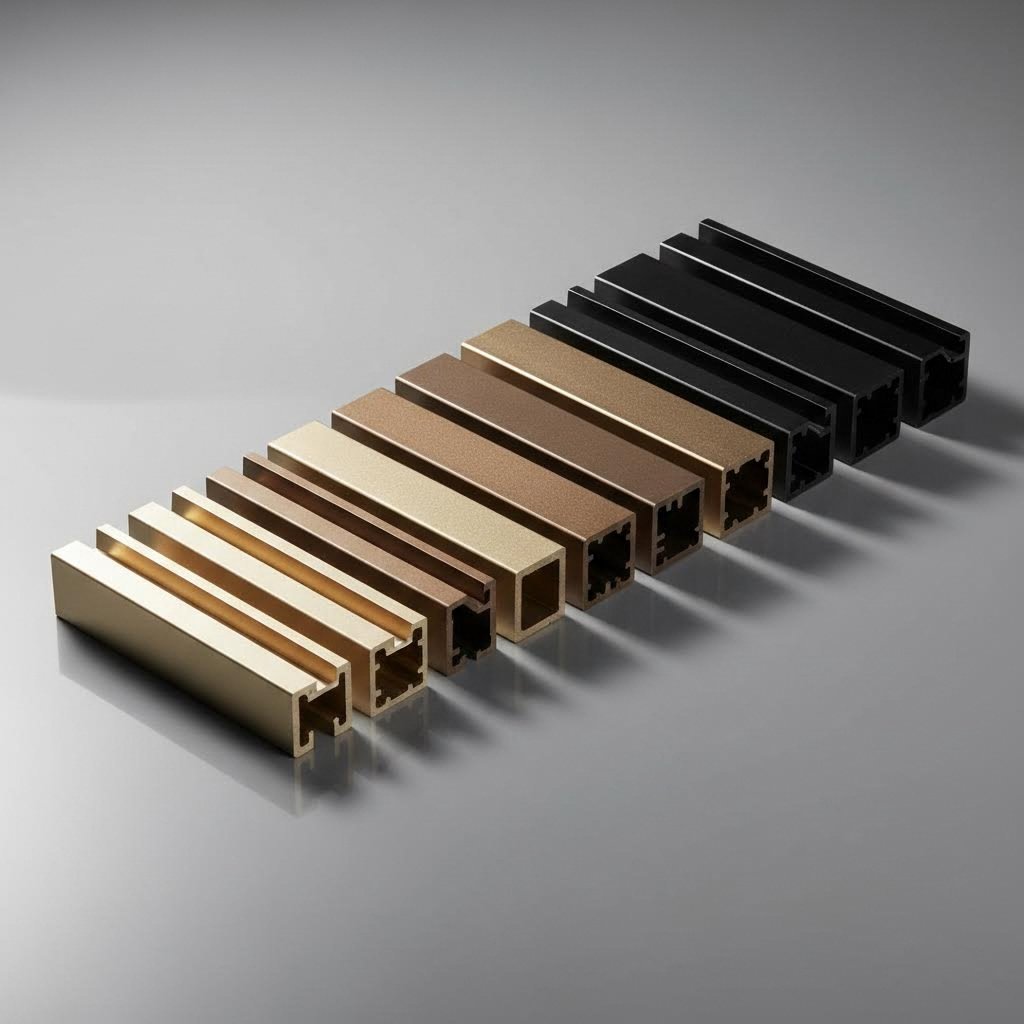
You've selected the right alloy and specified your fabrication requirements—but your aluminium extrusion components aren't truly complete until they receive proper surface treatment. This final step determines how your parts look, how long they last, and how well they resist the specific challenges of their operating environment.
Sounds complex? It doesn't have to be. Each finishing method addresses distinct needs, and understanding when to apply each one helps you balance aluminum extrusion cost against performance requirements. Let's explore your options.
When engineers want protection that becomes part of the metal itself, anodizing delivers. Unlike coatings that sit on top of aluminum, anodizing creates an integral oxide layer through an electrochemical process—essentially growing a ceramic-like surface directly into the aluminum substrate.
What does this mean in practice? The protective layer can't chip, peel, or delaminate because it's literally fused with the base metal. According to surface treatment research, high-quality anodized finishes typically last 10-20 years, with Type III hardcoat anodizing exceeding even that lifespan in appropriate conditions.
Two primary anodizing types address different requirements:
The porous structure of anodized surfaces before sealing allows for vibrant, fade-resistant colors that become part of the finish itself. Unlike paint, these colors won't peel away with time. For unique extrusions requiring brand-specific colors on visible surfaces, anodizing offers reliability that's difficult to match.
Need unlimited color options with excellent impact resistance? Powder coating opens design possibilities that anodizing simply cannot match. This finish applies electrostatically charged powder particles to your extruded aluminum trim, then cures them in an oven to form a durable, protective skin.
Why choose powder coating over anodizing?
However, powder coating does present considerations. According to architectural coating analysis, powder finishes can show surface imperfections like "orange peel" texture, and color matching often requires larger minimum order quantities compared to liquid finishes. Damaged areas prove more difficult to touch up than painted surfaces.
For aluminium extrusion trim in industrial enclosures, outdoor furniture, or equipment housings where color variety and impact resistance matter more than extreme abrasion resistance, powder coating excels.
What about applications where standard finishes fall short? Coastal buildings battered by salt spray, facades exposed to intense UV radiation, or industrial components facing severe wear demand specialized solutions.
PVDF (Polyvinylidene Fluoride) Coatings
Commonly known by the trade name Kynar, PVDF coatings have protected architectural aluminum since 1965. This liquid-applied finish offers exceptional weathering performance:
The trade-off? PVDF requires primer application, cures at high temperatures (around 450°F), and must be applied by licensed applicators. It's typically more expensive than powder coating but offers unmatched architectural performance.
Micro-Arc Oxidation (MAO)
For demanding applications requiring superior hardness and wear resistance, micro-arc oxidation represents the cutting edge of surface treatment technology. This advanced process creates ceramic coatings directly on aluminum surfaces through plasma discharge, forming exceptionally hard oxide layers.
Research published in Coatings journal demonstrates that MAO coatings on aluminum alloys achieve hardness levels approaching 2500 HV and significantly enhance both wear resistance and corrosion protection. The process creates dense α-Al₂O₃/γ-Al₂O₃ layers with strong substrate adhesion.
Consider MAO for:
Choosing the right surface treatment requires balancing several factors:
With surface treatment selected, your fabricated aluminum extrusions are ready to perform—but understanding how these finished components serve different industries helps illustrate the full scope of possibilities.
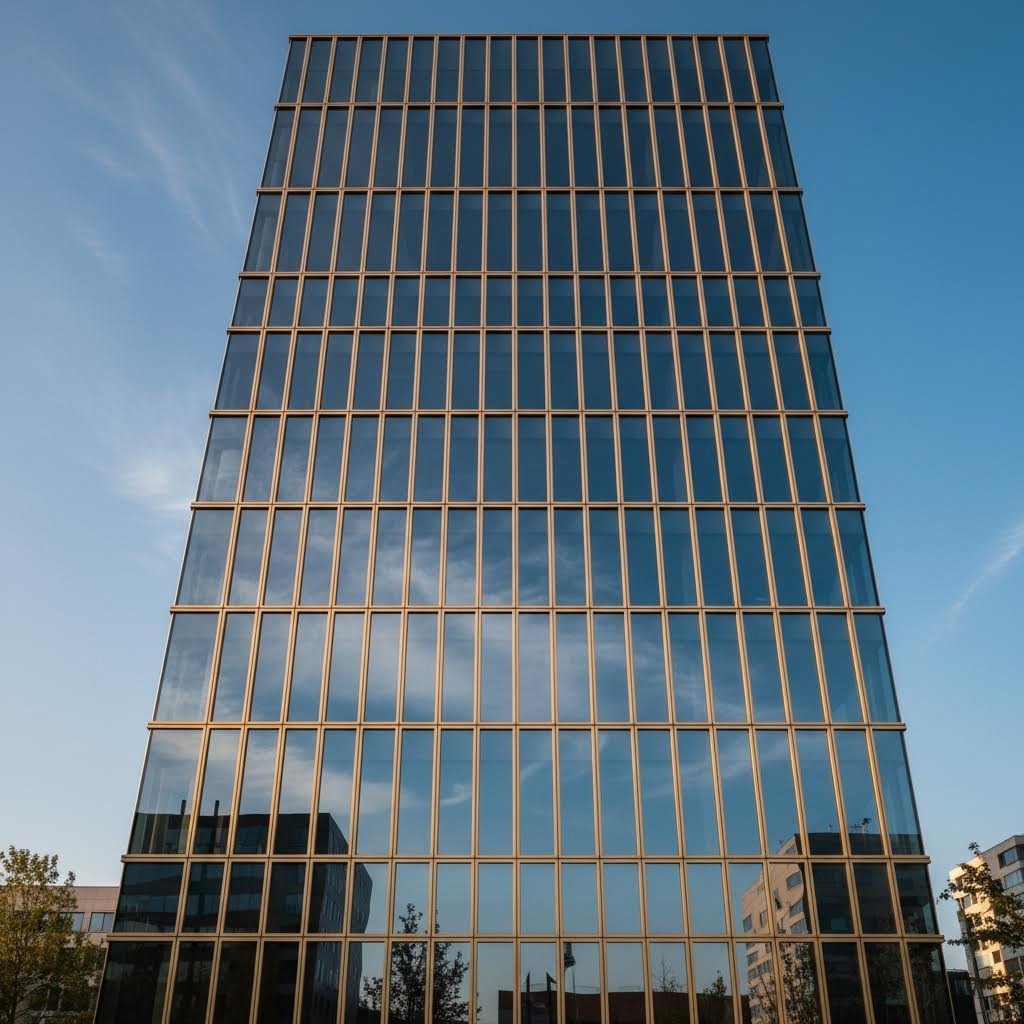
Where do fabricated aluminum extrusions actually end up? The answer spans virtually every sector of modern manufacturing—from the window frames in high-rise buildings to the heat sinks cooling your laptop. But rather than offering vague claims about "serving many industries," let's examine specific applications where custom aluminum extrusions deliver measurable advantages.
Understanding these real-world uses helps you recognize opportunities in your own projects. You might discover that challenges you've been solving with heavier materials or more expensive manufacturing methods could benefit from the fabricated extrusion approach.
Walk through any modern commercial building, and you're surrounded by aluminum extrusion parts. The material's combination of strength, corrosion resistance, and design flexibility makes it indispensable for building with aluminum extrusion systems.
According to industry experts at Bonnell Aluminum, fabricated extrusions support applications ranging from high-rise office buildings to mid-rise residential construction, with designers and engineers assisting building companies in creating solutions before the first billet is ever pushed through the die.
Key architectural applications include:
The complexity of building codes across different regions makes working with experienced aluminum extrusion companies essential. Proper fabrication ensures components meet local requirements while maintaining the aesthetic vision architects demand.
Step onto any factory floor, and you'll find extruded aluminum parts performing critical functions—often in ways you might not immediately recognize. The material's machinability and corrosion resistance make it ideal for equipment that must operate reliably for years.
Common industrial applications include:
The modularity of fabricated extrusion systems accelerates equipment builds and modifications. When production requirements change, reconfiguring aluminum-framed systems takes hours rather than the days required for welded steel structures.
Every pound matters in transportation. Whether you're designing commercial vehicles, rail cars, or aerospace components, aluminum's weight advantage—roughly one-third that of steel—translates directly into fuel savings, payload capacity, and performance.
Transportation applications demand precision and reliability:
The transportation sector's demanding requirements make supplier certification essential. Projects often specify ISO 9001:2015 certified manufacturers to ensure consistent quality control from raw material through finished component.
Ever wonder how your electronic devices stay cool despite cramming more processing power into smaller spaces? Aluminum's excellent thermal conductivity makes it the material of choice for thermal management solutions.
According to heat sink specialists at HIQ Aluminum, extruded heat sinks serve customers across multiple industries, with one-stop fabrication including CNC machining, punching, tapping, welding, drilling, and milling—all helping reduce costs and lead times.
Electronics applications span:
When failure isn't an option, material selection and fabrication quality become critical. Defense and aerospace applications represent some of the most demanding environments for fabricated aluminum components.
As noted by PSI Industries, these industries rely on high-performance materials and components that are light in weight yet rugged enough to withstand harsh conditions. Their ISO 9001:2015 certification reflects the quality commitment these sectors require.
Critical capabilities for defense applications include:
Working with aluminum extrusion companies experienced in defense contracting simplifies the procurement process. These suppliers understand security requirements, maintain appropriate certifications, and can handle the documentation demands that government contracts require.
With applications spanning such diverse industries, the question becomes: how do fabricated aluminum extrusions compare against alternative materials and manufacturing methods for your specific requirements?
You've seen what fabricated aluminum extrusions can do across diverse industries—but how do they actually stack up against the alternatives? When you're specifying materials for a new project, you need concrete comparisons, not vague claims about superiority.
The decision between extruded aluminum shapes and competing options involves trade-offs across weight, corrosion performance, tooling investment, design freedom, and total cost of ownership. Let's break down each comparison so you can make an informed choice.
Steel remains the default material for many engineers—it's familiar, strong, and widely available. But that familiarity often blinds decision-makers to aluminum's compelling advantages for fabricated components.
Consider the weight difference first. According to the Aluminum Extruders Council, aluminum weighs approximately one-third as much as iron, steel, copper, or brass. This makes extruded profiles easier to handle, less expensive to ship, and attractive for any application where weight reduction matters.
What does that look like in practice? One manufacturer reported that replacing steel machine guards with aluminum versions saved 40% on weight while requiring no repainting after two years of service. The steel original had already begun rusting.
Here's where aluminum really shines: corrosion resistance without additional coatings. Steel rusts unless you paint it, galvanize it, or apply other protective treatments. Aluminum extruded shapes naturally form a protective oxide layer that prevents corrosion—and you can enhance this protection through anodizing when applications demand even greater durability.
Steel does offer advantages in specific situations:
For large aluminum extrusions in structural applications, the strength-to-weight ratio often favors aluminum. You can design thicker walls or add internal reinforcement in the extrusion profile itself—concentrating strength exactly where loads require it.
Material choice is only half the equation. The manufacturing method you select dramatically affects tooling costs, lead times, design possibilities, and per-unit economics.
Extrusion Plus Fabrication Versus Die Casting
Die casting excels at producing complex three-dimensional shapes with fine details—think engine blocks or intricate housings. But that capability comes with significant upfront investment.
According to engineering cost analysis, casting tools can exceed $30,000, while custom extrusion dies often cost under $1,000. Additionally, extrusion dies can be built and proven in just weeks, compared to the months typically required for casting tools.
When does die casting still make sense? For highly complex three-dimensional geometries produced in very high volumes, casting's per-unit economics eventually overcome tooling costs. But for linear profiles—even complex cross-sections—extruded profiles combined with secondary fabrication typically win.
Extrusion Plus Fabrication Versus Machining from Solid Billet
CNC machining aluminum billet stock offers ultimate design freedom—you can create virtually any shape the cutting tools can reach. But that freedom comes at a price.
Consider material waste. When you machine a complex part from solid billet, much of your purchased aluminum becomes chips destined for recycling. Extrusion aluminum, by contrast, creates near-net-shape profiles that require minimal material removal during fabrication.
The economics favor extruded shapes in most scenarios:
Machining from solid remains appropriate for one-off prototypes, very low quantities where die costs can't be justified, or genuinely three-dimensional shapes that extrusion can't produce.
How do these options compare across the factors that matter most? The following table summarizes key decision criteria:
| Factor | Fabricated Aluminum Extrusions | Steel Fabrication | Die Casting | CNC Machined Billet |
|---|---|---|---|---|
| Relative Weight | Low (1/3 of steel) | High | Low to Moderate | Low |
| Corrosion Resistance | Excellent (natural oxide layer) | Poor (requires coating) | Good | Excellent |
| Tooling Cost | Low (under $1,000 typical) | Low to Moderate | High ($30,000+) | None |
| Tooling Lead Time | Weeks | Days to Weeks | Months | None |
| Design Flexibility | High (complex cross-sections) | Moderate | Very High (3D shapes) | Very High |
| Material Waste | Low | Moderate | Very Low | High |
| Per-Unit Cost (Low Volume) | Moderate | Low to Moderate | Very High | High |
| Per-Unit Cost (High Volume) | Low | Low | Low | High |
| Recyclability | Excellent (95%+ recovery) | Good | Excellent | Excellent |
Notice how fabricated aluminum extrusions occupy a sweet spot for many applications. You get low tooling investment, quick time-to-market, excellent corrosion resistance, and competitive per-unit costs across a wide range of production volumes.
Sustainability adds another dimension. Aluminum can be recycled infinitely with no degradation in properties, and extrusions are often produced with high recycled content without compromising aesthetics or functionality. Compare this to composites, which often lack full-cycle recyclability—as one factory audit revealed, composite test parts typically end up as waste while aluminum scraps generate revenue.
The right choice depends on your specific requirements. But for linear components, structural frames, enclosures, and trim applications, fabricated extruded profiles frequently deliver the best balance of performance, cost, and sustainability.
With material and method selection clarified, the next critical decision involves choosing the right fabrication partner—a choice that significantly impacts quality, lead time, and total project success.
You've determined that fabricated aluminum extrusions fit your application—now comes the decision that often makes or breaks project success: choosing the right supplier. Not all aluminum extrusion suppliers deliver equal value, and the lowest quote rarely represents the best long-term partnership.
Whether you're sourcing stock aluminum extrusions for standard applications or seeking top aluminum suppliers for custom products with complex fabrication requirements, evaluating potential partners systematically protects your investment and timeline. Let's walk through the criteria that matter most.
Before discussing price, verify that potential extrusion companies can actually produce what you need. Manufacturing capabilities vary dramatically across suppliers, and mismatched capabilities create problems that no amount of negotiation can solve.
Start by examining press capacity. According to industry experts, top-tier suppliers typically offer both standard and custom extrusion profiles, with the ability to handle diverse profile complexities based on their press tonnage range. Larger presses (3,000+ tons) handle bigger, more complex profiles, while smaller presses suit intricate small-section extrusions with tight tolerances.
Key capability questions to investigate:
Evaluate whether the supplier operates as a true manufacturing partner or simply a profile producer. The best extrusion profiles suppliers provide engineering collaboration from the design stage—helping optimize tolerances, wall thicknesses, and fabrication approaches before tooling begins.
Certifications provide objective evidence of a supplier's quality commitment. While certifications alone don't guarantee performance, their absence should raise concerns—especially for demanding applications.
Quality management research indicates that ISO 9001:2015 certification demonstrates a company has implemented an effective quality system that ensures products are manufactured to the highest standards, with proper procedures in place to continuously monitor and improve processes.
Essential certifications to verify:
Beyond certifications, investigate in-house testing capabilities. Ask whether suppliers offer tensile strength testing, dimensional inspection, salt spray resistance checks, or hardness verification. A strong quality assurance program catches issues before components ship—preventing costly field failures.
The domestic versus offshore decision involves far more than unit price comparisons. According to current industry analysis, the sourcing decision now hinges on lead time, compliance risk, quality control, and total landed cost—not just the line item on a quote sheet.
Domestic Sourcing Advantages:
Offshore Sourcing Considerations:
Calculate total landed cost rather than focusing on quoted unit prices. As sourcing experts note, an eight-week ocean cycle that forces you to carry two extra months of inventory at an 18 percent annual cost can erase a 5-8 percent price advantage overnight.
Use this structured approach to compare potential fabrication partners objectively:
Before committing to production volumes, request physical samples to validate extrusion precision, surface finish, and fabrication quality. If possible, conduct an on-site audit or virtual factory walkthrough to assess equipment condition, cleanliness, and workflow organization. Reach out to references with similar requirements to understand real-world performance in delivery reliability and issue resolution.
With a qualified fabrication partner identified, you're ready to move from evaluation into active project development—understanding the complete workflow from initial concept through finished component delivery.
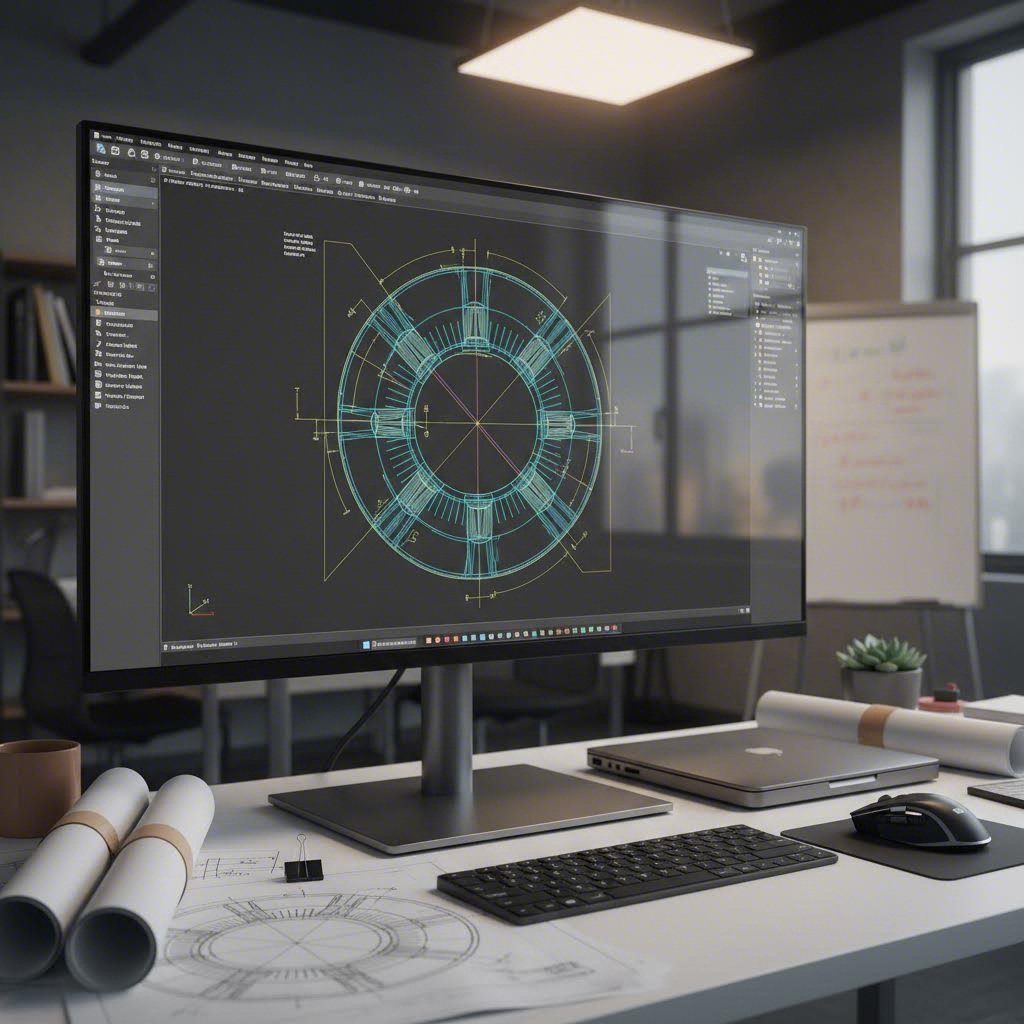
So you've identified a qualified supplier and confirmed their capabilities match your requirements. What happens next? Understanding the complete workflow from initial concept through finished aluminum profile extrusion helps you plan realistic timelines, prepare proper documentation, and set expectations for each project phase.
Whether you're developing a simple cut-to-length component or a complex machined assembly, the journey follows predictable stages. Experienced suppliers guide you through each step—from the first consultation call to final inspection and shipping. Let's walk through what that process actually looks like.
Every custom aluminum extrusion project begins with the profile itself. For standard shapes, you might select from existing inventory. But for custom extruded aluminum components, die development becomes your first critical milestone.
The aluminium extrusion die is essentially a precision-machined steel tool that shapes heated aluminum as it's forced through under tremendous pressure. According to extrusion tooling experts, the die is responsible for the final product's shape, as it contains the profile through which material is extruded—making precision in die creation essential for meeting dimensional and performance criteria.
What does die development involve?
Die development timelines typically range from two to six weeks depending on profile complexity. Custom profile extrusion projects requiring intricate cross-sections or tight tolerances may need additional iteration during trials.
Before committing to full production, you'll want physical samples in hand. This prototyping phase serves multiple purposes: validating the profile design, confirming fabrication feasibility, and ensuring finished components meet your quality expectations.
According to industry process documentation, specialized design software like AutoCAD or SolidWorks enables faster and more precise quoting, streamlined prototyping, and reduced time to market—benefits that compound when suppliers integrate die development with downstream fabrication capabilities.
The prototyping phase typically includes:
This sample approval stage is your opportunity to catch issues before they multiply across production quantities. Changes remain relatively inexpensive at this point—far less costly than reworking or scrapping finished inventory.
With samples approved, production begins. The extrusion and fabrication workflow transforms raw aluminum billet into finished components through a carefully controlled sequence of operations.
Here's the typical production workflow for profile precision extrusions:
Quality control isn't a final checkpoint—it's woven throughout production. As process documentation notes, each step in the process has its own inspection criteria, from dimensional verification during extrusion to surface quality assessment after finishing.
The smoothest projects happen when a single supplier manages the entire workflow. Coordinating between separate extrusion, fabrication, and finishing vendors introduces delays, communication gaps, and potential quality variations between process handoffs.
What does integrated capability look like in practice? Consider a supplier like Shengxin Aluminium, which operates 35 extrusion presses ranging from 600T to 5500T tonnage—accommodating everything from small precision profiles to large structural sections. Their facility includes CNC machining centers for precision cutting, drilling, and bending, plus comprehensive surface treatment options including anodizing in custom colors, powder coating, PVDF, and micro-arc oxidation.
This end-to-end approach means their technical team supports projects from die development through mass production. You communicate with a single point of contact rather than juggling multiple vendors. Issues get resolved faster because fabrication and finishing teams work alongside extrusion operations—not in separate facilities across different time zones.
For custom aluminum extrusion projects requiring complex fabrication, integrated suppliers deliver measurable advantages:
With production complete and components inspected, your fabricated aluminum extrusions are packaged for safe transit and shipped to your facility—ready for immediate assembly into your end products. Understanding this complete workflow helps you plan project timelines realistically and identify the right questions to ask potential suppliers as you prepare your specifications.
You've explored fabrication processes, alloy options, surface treatments, and supplier evaluation criteria. Now comes the practical question: how do you translate that knowledge into action? Moving from research to project launch requires organized specifications, targeted supplier conversations, and clear expectations about what success looks like.
Whether you need custom aluminium extrusion components for architectural applications or complex industrial assemblies, the following guidance helps you prepare effectively and choose partners who deliver results.
Before reaching out to potential suppliers, gather the information they'll need to provide accurate quotes and realistic timelines. Incomplete specifications lead to pricing surprises and scope creep—problems that proper preparation prevents.
Your specification package should address:
According to industry best practices, working closely with your engineering team during this phase ensures your design meets the specific requirements of your application—catching potential issues before tooling begins.
Armed with complete specifications, you're ready for productive supplier conversations. The questions you ask reveal whether a fabricator can truly deliver—or whether they're simply telling you what you want to hear.
Based on supplier qualification research, start with fundamental capability verification:
Pay attention to how suppliers respond. Partners who ask clarifying questions about your application demonstrate genuine interest in your success. Those offering instant quotes without understanding your requirements may be telling you what they think you want to hear.
Ready to move forward? The final step involves selecting a partner whose capabilities, experience, and service approach align with your project requirements.
For readers seeking a reliable partner with comprehensive capabilities, Shengxin Aluminium offers compelling advantages. With over 30 years of industry experience, their facility houses 35 extrusion presses ranging from 600T to 5500T—accommodating everything from small precision aluminium extrusion profiles to large structural sections.
Their integrated deep processing services include CNC machining centers for precise cutting, drilling, and bending. Surface treatment options span anodizing in custom colors (including Champagne and Rose Gold), powder coating, PVDF for architectural longevity, and micro-arc oxidation for superior wear resistance. Whether you need custom 6063 aluminum tubes, architectural window frames, or complex industrial components, their technical team provides end-to-end support from die development through mass production.
Factory-direct pricing eliminates middleman markups, making them a top-tier choice for custom extrusion aluminum projects worldwide. Their extruded aluminium profiles serve applications across architecture, transportation, electronics, and industrial manufacturing—demonstrating versatility that benefits buyers with diverse requirements.
The right fabrication partner transforms your specifications into reality—delivering components that meet dimensional requirements, performance standards, and delivery timelines while providing the technical expertise to optimize designs before production begins.
As you evaluate custom aluminum extruders, remember that the lowest quote rarely represents the best value. Consider total landed cost, quality consistency, communication responsiveness, and the supplier's ability to support your project through design optimization, prototyping, and production scaling. The investment you make in selecting the right partner pays dividends throughout your product lifecycle—in reduced quality issues, shorter lead times, and engineering support when requirements evolve.
Your fabricated aluminum extrusion project starts with a conversation. Prepare your specifications, ask the right questions, and partner with suppliers whose capabilities match your ambitions. The result? Precision-engineered components that arrive ready to install—transforming raw aluminum into solutions that drive your business forward.
Raw aluminum extrusions are uniform profiles that emerge directly from the extrusion press, requiring additional processing before use. Fabricated aluminum extrusions have undergone secondary operations like precision cutting, CNC drilling, bending, welding, and surface finishing, arriving as ready-to-install components. This distinction significantly impacts project timelines and labor costs since fabricated extrusions eliminate the need for in-house machining capabilities.
Common fabrication processes include precision cutting and sawing, CNC drilling and punching, tapping and countersinking, bending and forming techniques like rotary draw bending and stretch bending, and welding methods including TIG and MIG welding. Complex components often combine multiple operations—for example, a structural frame might require precision cutting, CNC drilling for mounting points, stretch bending for curves, and robotic welding for assembly.
The choice depends on your application requirements. 6063 alloy offers excellent surface finish and anodizing quality, making it ideal for architectural applications like window frames and decorative trim. 6061 alloy provides higher mechanical strength and superior machinability, suited for structural components and industrial applications. For demanding environments, 7000-series alloys deliver exceptional strength for aerospace applications, while 5000-series marine-grade alloys excel in saltwater environments.
Evaluate suppliers based on press tonnage range matching your profile complexity, in-house fabrication capabilities including CNC machining and finishing, quality certifications like ISO 9001:2015, and demonstrated experience in your industry. Compare domestic versus offshore sourcing by calculating total landed cost including tariffs, freight, and inventory carrying costs. Request physical samples and references from similar applications before committing to production volumes.
Primary finishing options include anodizing (Type II for decorative finishes with custom colors, Type III hardcoat for wear resistance), powder coating for unlimited color options and impact resistance, PVDF coatings for architectural longevity with 20-year warranties, and micro-arc oxidation for superior hardness in demanding applications. The choice depends on environmental exposure, aesthetic requirements, performance needs, and budget considerations.



 online service
 0086 136 3563 2360
 sales@sxalu.com
 +86 136 3563 2360
 English
 français
 Deutsch
 русский
 español
 português
 العربية
 ไทย
ไทย Việt
Việt Українська