
When you're sourcing aluminum extrusions for your next project, sustainability claims are everywhere. But here's the challenge: how do you separate genuine low carbon aluminum extrusion manufacturers from those simply riding the green marketing wave? The answer starts with understanding exactly what "low carbon" means in measurable terms.
Unlike vague environmental promises, true low-carbon production comes down to hard numbers. Before you commit to any supplier, you need to know the specific carbon emission thresholds that define this category—and why those numbers matter for your procurement decisions.
Traditional primary aluminum production is notoriously energy-intensive. Major aluminum producers worldwide have long relied on processes that generate significant greenhouse gas emissions, primarily due to the electrolysis required to extract aluminum from bauxite ore. The global average for conventional aluminum production hovers around 15.1 kg of CO2 equivalent per kilogram of aluminum produced.
So what qualifies as "low carbon"? Industry leaders and certification bodies generally recognize aluminum products with carbon footprints below 4.0 kg CO2e per kg as genuinely low-carbon. Some pioneering aluminium producers have achieved even more impressive figures, with products like Circal—which utilizes high percentages of post-consumer recycled content—reaching carbon intensities as low as 2.3 kg CO2e per kg.
The gap between 15.1 kg and sub-4.0 kg represents a reduction of over 70%. That's the difference you should be looking for when evaluating potential suppliers.
The aluminum industry uses a standardized measurement to compare carbon performance across manufacturers and products. This metric provides the clearest benchmark for evaluating any supplier's sustainability claims:
The industry standard measurement is tonnes of CO2 equivalent per tonne of aluminum (tCO2e/t Al), which accounts for all greenhouse gases converted to their carbon dioxide equivalent impact.
When vetting a low carbon aluminum extrusion manufacturer, you'll encounter several threshold categories worth understanding:
These thresholds give you a practical framework for comparing suppliers. When a manufacturer claims to be "sustainable" or "environmentally friendly," your first question should be: what's your carbon intensity per tonne of aluminum? If they can't provide a specific number backed by third-party verification, that's your signal to dig deeper—or look elsewhere.
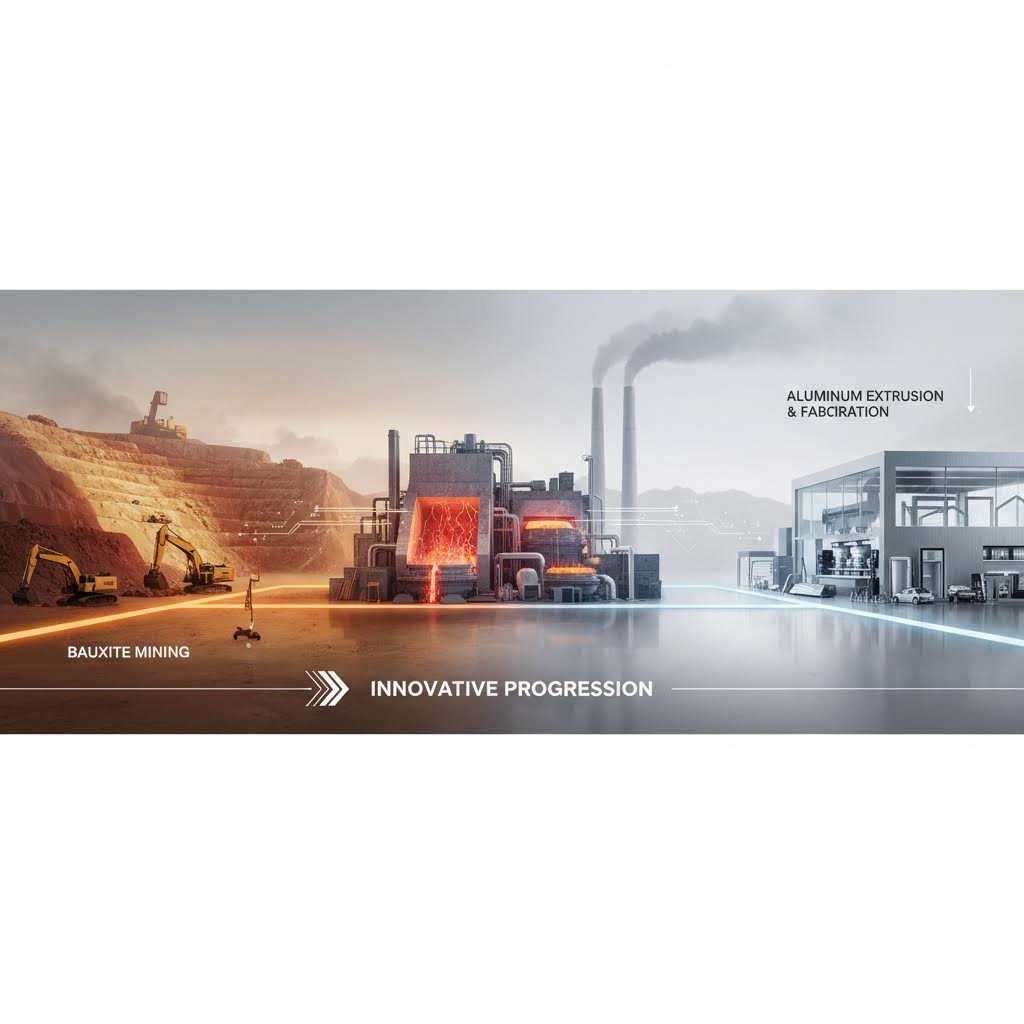
Here's something most suppliers won't tell you upfront: the carbon footprint of aluminum extrusion comes from two entirely different sources. Many buyers—and even some manufacturers—conflate these emissions, making it nearly impossible to evaluate sustainability claims accurately. Understanding this distinction is essential before you sign any supply agreement.
Think of it this way: when you purchase an aluminum extrusion, you're inheriting emissions from everything that happened before that profile reached your facility. The metal itself carries a carbon legacy from its creation, and the extrusion process adds another layer on top. True low-carbon manufacturers address both dimensions—not just the one that's easier to control.
The biggest aluminum producers in the world face an inconvenient truth: the vast majority of aluminum's carbon footprint occurs before the metal ever reaches an extrusion facility. According to data from the U.S. International Trade Commission, the electricity required for aluminum smelting accounts for approximately 55% of total greenhouse gas emissions in primary production.
Why does this matter for your procurement decisions? The source of electricity used during smelting creates dramatic differences in carbon intensity:
China, representing over 56% of global primary aluminum production, relies predominantly on coal-powered facilities. This means the biggest aluminium producers by volume often carry the highest carbon intensity. When evaluating a low carbon aluminum extrusion manufacturer, your first question should focus on where they source their primary aluminum—not just how they run their extrusion presses.
The extrusion process itself generates a smaller but still significant portion of total emissions. When aluminum billets are heated to around 450-500°C and forced through dies to create profiles, energy consumption occurs at multiple stages: billet heating, press operation, cooling systems, and downstream processing like cutting and packaging.
According to Aluminium Stewardship Initiative data, downstream activities including remelting, casting, and extrusion typically show median emissions intensities between 0.5-0.8 tCO2e per tonne of aluminum processed. While this is considerably lower than primary smelting emissions, it represents an area where manufacturers have direct operational control.
Factors that influence extrusion-stage emissions include:
A manufacturer claiming low-carbon status while ignoring their upstream aluminum sourcing is only addressing roughly 5-10% of the total carbon equation. That's why you need visibility into both dimensions.
To evaluate any potential supplier effectively, you need to understand where emissions occur throughout the aluminum value chain. The following table breaks down emission sources by supply chain stage, helping you identify which areas a manufacturer is—or isn't—addressing:
| Supply Chain Stage | Primary Emission Sources | Typical Carbon Intensity | Key Variables |
|---|---|---|---|
| Bauxite Mining | Diesel fuel for equipment, land clearing, transportation | <0.1 tCO2e/t bauxite | Mining efficiency, transportation distance |
| Alumina Refining | Thermal energy for Bayer process, steam generation | 0.5-1.8 tCO2e/t alumina | Fuel source, process efficiency, cogeneration use |
| Primary Smelting | Electricity for electrolysis, anode consumption, direct process emissions | 2-18 tCO2e/t aluminum | Electricity source (hydro vs. coal), anode technology |
| Extrusion & Casting | Electricity for presses, billet heating, facility operations | 0.5-0.8 tCO2e/t aluminum | Grid carbon intensity, equipment efficiency |
| Surface Finishing | Chemical processes, heating/curing, wastewater treatment | Variable (process-dependent) | Treatment type, energy recovery, chemical management |
Notice where the largest emissions occur? The smelting stage dwarfs all others combined. A manufacturer among the largest aluminum producers in the world might operate highly efficient extrusion facilities while still delivering high-carbon products if their primary metal comes from coal-powered smelters.
When you're vetting suppliers, request documentation covering both upstream sourcing and operational emissions. A credible low carbon aluminum extrusion manufacturer should provide transparency across the entire chain—not just the stages they directly control. This dual-source understanding sets the foundation for evaluating recycled content claims, which offer one of the most effective pathways to dramatically lower carbon footprints.
Imagine cutting your material's carbon footprint by 95% without sacrificing quality. Sounds too good to be true? That's exactly what recycled aluminum delivers—and it's why understanding recycled content has become essential when evaluating any low carbon aluminum extrusion manufacturer.
While the previous section revealed how primary smelting dominates aluminum's carbon equation, recycled aluminum sidesteps that problem entirely. By remelting existing aluminum rather than extracting it from bauxite, manufacturers can achieve dramatic emission reductions. But not all recycled content is equal, and knowing the difference will sharpen your supplier evaluations.
Here's the fundamental math that makes recycled aluminum so compelling: remelting aluminum requires only about 5% of the energy needed to produce primary metal. That translates directly into carbon savings. While virgin aluminum from coal-powered smelters might carry 18 tonnes of CO2 per tonne produced, recycled aluminum typically generates less than 0.5 tonnes of CO2 for the same quantity.
This explains why leading aluminium producers have developed certified recycled content programs. Hydro's CIRCAL brand, for example, represents a range of prime quality aluminum made with a minimum of 75% recycled post-consumer scrap. The higher the recycled content, the lower the carbon footprint—it's a direct relationship you can use to compare suppliers.
What sets programs like Hydro Circal apart from generic recycled claims? Third-party certification and full traceability. When Hydro launched CIRCAL 75R in 2018, they established verified documentation showing exactly where the recycled content originated and what carbon intensity the final product carries. This transparency is precisely what you should demand from any manufacturer claiming recycled content benefits.
Not all recycled aluminum carries the same environmental credentials. The distinction between post-consumer scrap and pre-consumer scrap matters significantly for sustainability claims:
Post-consumer scrap delivers genuine environmental benefits because it diverts material from landfills and reduces demand for primary production. Pre-consumer recycling, while efficient, simply recaptures manufacturing waste that responsible producers would recycle regardless.
When vetting suppliers, ask specifically about post-consumer content percentages. A manufacturer using 75% post-consumer scrap—like those certified under the CIRCAL program—demonstrates a stronger sustainability commitment than one recycling only their own production waste.
The benefits of incorporating recycled aluminum extend across multiple dimensions:
These advantages explain why customers across industries—from automotive to building and construction—increasingly specify recycled content in their procurement requirements. As Hydro's Climate Office noted, this represents "a shift in mindset" that's driving investment in new recycling technologies and greener product portfolios.
Does recycled aluminum compromise performance? This concern stops many procurement teams from pursuing recycled content—but it's based on a fundamental misunderstanding of aluminum metallurgy.
Aluminum is infinitely recyclable without degradation of its inherent properties. Unlike plastics that break down with each recycling cycle, aluminum atoms remain unchanged whether they're in their first life or their hundredth. The remelting process essentially resets the material, allowing manufacturers to achieve the exact same alloy specifications as virgin production.
Certified programs like CIRCAL and REDUXA deliver what Hydro describes as "prime quality aluminium"—meaning the mechanical properties, surface finish capabilities, and structural performance match virgin material specifications exactly. The difference exists only in carbon footprint, not in product quality.
When evaluating a low carbon aluminum extrusion manufacturer, request their alloy certifications and mechanical test data for recycled content products. Reputable suppliers will demonstrate equivalent performance characteristics across tensile strength, hardness, and corrosion resistance—regardless of recycled percentage.
Understanding these recycled content dynamics prepares you for the next critical evaluation step: verifying manufacturer claims through certifications, Environmental Product Declarations, and third-party audits that separate genuine sustainability leaders from greenwashing.
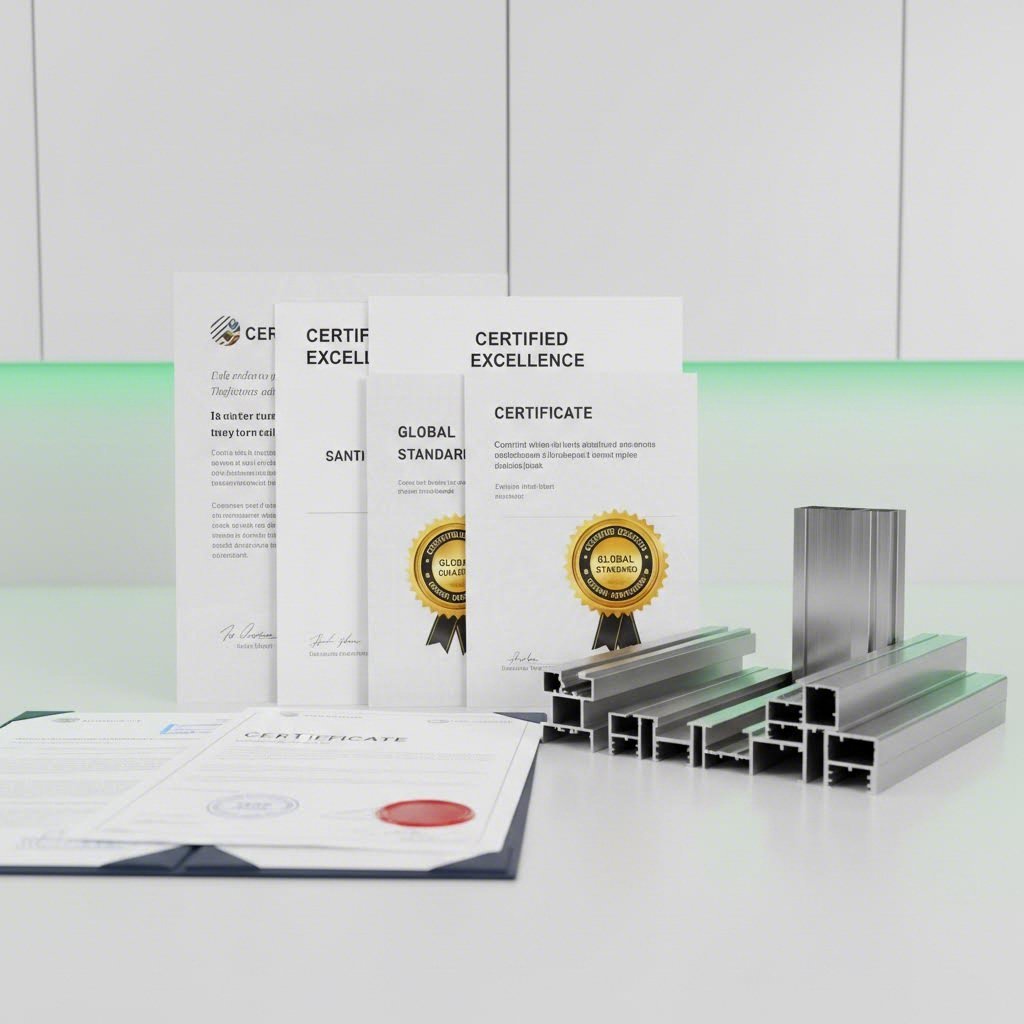
You've learned to ask the right questions about carbon thresholds and recycled content. But here's the uncomfortable truth: manufacturers can claim almost anything without third-party verification. How do you separate genuine low-carbon performance from clever marketing? The answer lies in understanding the certification landscape—and knowing which credentials actually hold weight.
Think of certifications as your insurance policy against greenwashing. When a supplier presents an aluminum sustainability certification, you need to know exactly what that document proves—and what it doesn't. Let's break down the verification methods that matter most for your procurement decisions.
Not all certifications carry equal credibility. Some verify comprehensive sustainability practices across an entire organization, while others focus narrowly on specific product claims. Understanding these distinctions helps you evaluate supplier credentials with precision.
The Aluminium Stewardship Initiative represents the gold standard for aluminum industry sustainability verification. This nonprofit organization developed two distinct certification programs that address different aspects of responsible production:
When a manufacturer holds both ASI certifications, you have reasonable confidence that their sustainability claims extend beyond marketing. The Chain of Custody certification is particularly valuable because it prevents suppliers from mixing certified and uncertified material while claiming the entire output meets low carbon aluminum standards.
An environmental product declaration aluminum provides a standardized snapshot of a product's environmental impact across its entire lifecycle. Unlike company-level certifications, EPDs focus specifically on individual products or product categories.
EPDs follow International Organization for Standardization (ISO) 14025 requirements, ensuring consistent methodology across manufacturers. This standardization means you can directly compare environmental claims between suppliers—assuming both have verified EPDs for their products.
Key information found in a typical aluminum extrusion EPD includes:
Life Cycle Assessments form the scientific foundation behind EPDs. While EPDs summarize results in a standardized format, LCAs represent the detailed analytical work that generates those numbers.
A comprehensive LCA examines environmental impacts from raw material extraction through manufacturing, use phase, and end-of-life disposal or recycling. For aluminum extrusions, this includes everything from bauxite mining to the energy consumed when profiles are eventually remelted.
You'll rarely see complete LCA documents from suppliers—they're typically lengthy technical reports. However, asking whether a manufacturer has conducted third-party verified LCAs for their products indicates their commitment to transparent sustainability reporting.
Receiving an EPD from a potential supplier is just the first step. You need to interpret that document correctly to make informed comparisons. Here's what to examine when reviewing environmental product declaration aluminum documents:
Legitimate EPDs are published through recognized program operators who verify compliance with ISO standards. Look for operators like the International EPD System, UL Environment, or NSF International. If an EPD comes from an unknown or manufacturer-run program, treat the claims with additional skepticism.
EPDs express environmental impact per "functional unit"—typically per kilogram of aluminum or per square meter of finished product. Ensure you're comparing identical functional units when evaluating multiple suppliers. A manufacturer showing lower emissions per kilogram might look better than one reporting per square meter, even if actual performance is equivalent.
The system boundary defines which life cycle stages the EPD covers. Some EPDs include only "cradle-to-gate" impacts (raw materials through factory output), while others extend to "cradle-to-grave" (including use phase and disposal). Broader boundaries typically show higher total impacts but provide more complete information for your sustainability assessments.
The most credible EPDs undergo independent third-party verification. Check the declaration for verification statements identifying who reviewed the data and methodology. Self-declared environmental claims without external verification should raise immediate concerns.
With multiple certification options available, understanding their relative strengths helps you prioritize what to request from potential suppliers:
| Certification Type | What It Verifies | Scope | Credibility Level | Best Used For |
|---|---|---|---|---|
| ASI Performance Standard | Company-wide sustainability practices including emissions management, labor rights, and environmental compliance | Entire organization | High—requires third-party audit against 59 criteria | Evaluating overall supplier sustainability commitment |
| ASI Chain of Custody | Material traceability and segregation of certified from non-certified aluminum | Supply chain processes | High—enables verified claims about specific material sourcing | Confirming recycled content or low-carbon sourcing claims |
| Environmental Product Declaration (EPD) | Specific product environmental impacts based on LCA data | Individual products or product categories | Medium to High—depends on program operator and verification status | Direct product-to-product carbon footprint comparisons |
| ISO 14001 Certification | Environmental management system existence and implementation | Management systems | Medium—confirms systems exist but doesn't verify performance outcomes | Baseline environmental management capability |
| Self-Declared Environmental Claims | Nothing independently verified | Marketing statements | Low—requires additional verification from buyer | Starting point only—always request supporting documentation |
Knowing about certifications is one thing—actually verifying supplier claims requires specific actions. When evaluating a low carbon aluminum extrusion manufacturer, follow these verification practices:
These verification methods protect your organization from supplier claims that don't withstand scrutiny. With certification knowledge in hand, you're ready to develop a systematic approach for evaluating and selecting partners who genuinely deliver on low-carbon commitments.
You understand the carbon thresholds, you know what certifications matter, and you can distinguish recycled content claims from marketing fluff. Now comes the practical challenge: how do you actually evaluate potential suppliers and make a confident selection? Most procurement guides stop at theory—this section gives you the actionable framework you need.
The reality is that sustainable aluminum supplier selection requires a systematic approach. Without a structured evaluation process, even well-intentioned buyers end up comparing apples to oranges or missing critical aluminum greenwashing signs that only become apparent after contracts are signed. Let's build your evaluation playbook step by step.
When you're on a discovery call or sending an RFQ to green aluminum extrusion companies, the questions you ask reveal whether a manufacturer can back up their sustainability claims. Don't accept vague responses—push for specifics that can be verified.
Start with these foundational questions:
For low carbon aluminum procurement, these questions establish baseline credibility. But you'll also want to probe operational specifics that affect the carbon footprint of your actual order:
Not every supplier claiming sustainability credentials deserves your trust. Learning to spot aluminum greenwashing signs protects your organization from partnerships that undermine your environmental goals. Watch for these warning signals:
When you encounter these patterns, don't immediately disqualify the supplier—but do escalate your verification efforts. Request meetings with their sustainability team, ask for customer references from organizations with similar environmental requirements, and consider third-party verification of their claims.
Systematic evaluation prevents important criteria from falling through the cracks. Use this structured approach when assessing any potential low carbon extrusion partner:
Even if your operations are based entirely in North America, European Union sustainability standards increasingly affect your supply chain decisions. The EU's Carbon Border Adjustment Mechanism (CBAM) imposes carbon costs on aluminum imports based on their production emissions. While this directly impacts EU-bound exports, the ripple effects are reshaping global procurement practices.
Why should North American buyers care about EU regulations? Several reasons:
When evaluating suppliers, ask whether they're preparing for or already compliant with CBAM reporting requirements. This forward-looking question reveals strategic commitment to sustainability that extends beyond current minimum standards.
Armed with these evaluation tools, you're ready to assess not just what manufacturers claim, but how their actual capabilities and infrastructure support low-carbon production.
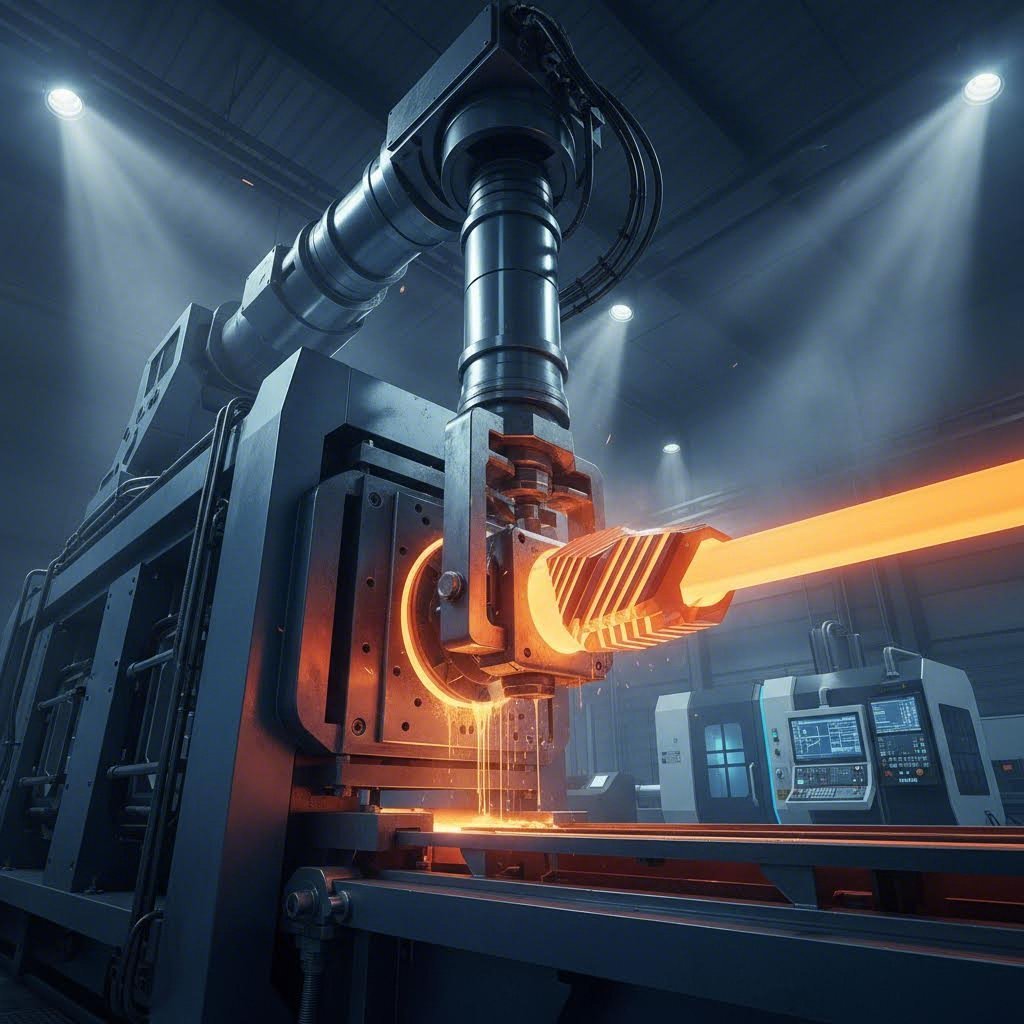
You've learned how to ask the right questions and spot greenwashing. But here's what separates evaluation from action: understanding the actual manufacturing capabilities that make low-carbon production possible. When you walk through a supplier's facility—or review their technical specifications—what should you be looking for?
The equipment, processes, and infrastructure a manufacturer invests in reveal their genuine commitment to sustainable extrusion manufacturing far more clearly than marketing claims. Energy efficient aluminum extrusion doesn't happen by accident. It requires deliberate technology choices, operational discipline, and surface finishing methods that minimize environmental impact at every stage.
Modern extrusion press technology has evolved dramatically in energy efficiency over the past two decades. When evaluating a low carbon aluminum extrusion manufacturer, the age and sophistication of their press equipment directly correlates with their emissions profile.
What makes newer extrusion presses more sustainable? Several factors combine to reduce energy consumption per kilogram of extruded aluminum:
Press capacity also matters for sustainability. Larger presses handling bigger billets often achieve better energy efficiency per kilogram of output than smaller machines processing the same total volume in multiple runs. A facility with a diverse press lineup—ranging from smaller presses for precision work to high-tonnage machines for large profiles—can optimize production routing for both quality and efficiency.
According to Canart Canada's analysis of sustainable practices, investing in energy-efficient machinery and processes represents one of the most effective strategies for reducing the carbon footprint of aluminum extrusion operations.
Beyond press technology, several operational capabilities indicate whether a manufacturer has truly embedded low emission aluminum processing into their production philosophy:
These capabilities require significant capital investment. When a manufacturer demonstrates multiple elements from this list, they're signaling long-term commitment rather than superficial compliance with sustainability trends.
Surface finishing often receives less attention than primary extrusion, but it contributes meaningfully to total carbon footprint. The choice of green aluminum surface treatment methods can significantly affect whether a manufacturer genuinely delivers low-carbon products.
Traditional liquid painting processes, for example, release volatile organic compounds (VOCs) and generate significant waste. Research from Superior Paint and Powder Coating highlights that powder coating represents a substantially cleaner alternative: "Unlike traditional liquid coatings, powder coatings do not require solvents and, therefore, release negligible volatile organic compounds."
The environmental advantages of sustainable finishing methods extend across multiple dimensions:
The durability factor deserves particular attention. As the powder coating research notes, "These coatings are more resistant to chipping, scratching, and fading compared to other finishes. This longevity reduces the need for frequent recoating, thus saving resources and reducing waste over time." When evaluating manufacturers, ask about expected coating lifespan and warranty periods—longer-lasting finishes translate directly to lower lifecycle carbon intensity.
A manufacturer's range of processing capabilities beyond basic extrusion reveals their ability to deliver complete solutions with minimal supply chain complexity. When multiple processing steps occur under one roof, you eliminate inter-facility transportation, reduce handling waste, and gain tighter quality control.
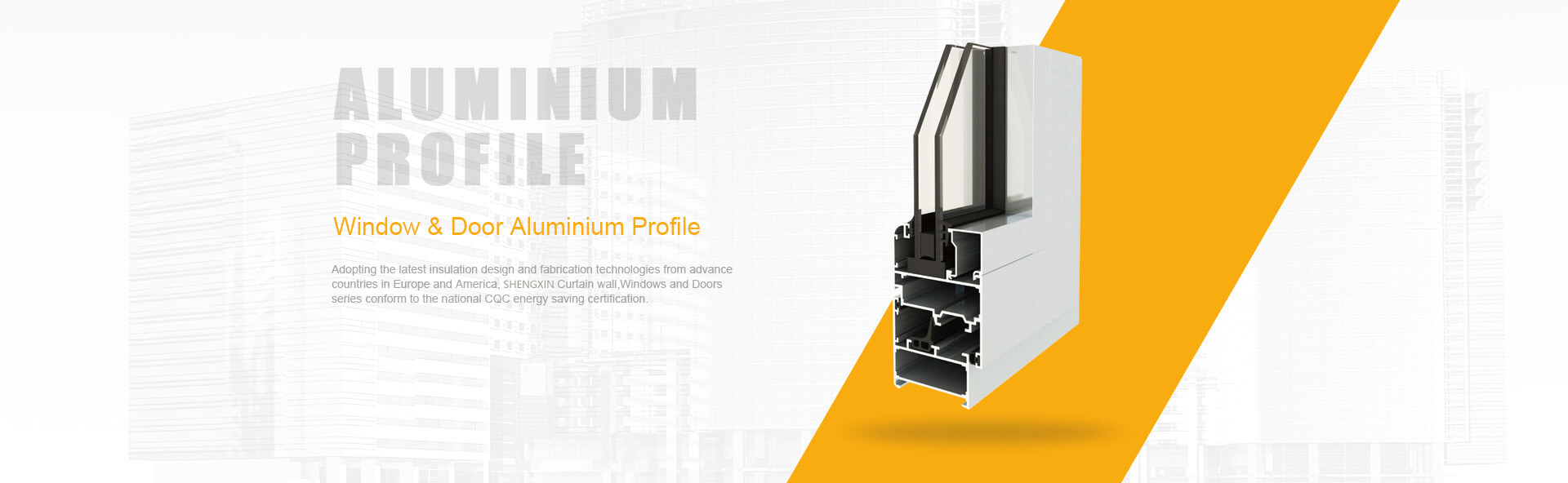
Consider Shengxin Aluminium as an example of comprehensive deep processing capabilities in action. With over 30 years of industry experience, this manufacturer operates 35 advanced extrusion presses ranging from 600T to 5500T capacity—enabling efficient production across profile sizes from precision components to large architectural sections. Their facility integrates state-of-the-art CNC machining centers for precise cutting, drilling, and bending alongside the full spectrum of surface treatments: anodizing with custom color options, powder coating, PVDF, and micro-arc oxidation.
This integrated approach matters for sustainability because it consolidates what might otherwise require three or four separate suppliers—primary extrusion, secondary machining, and surface finishing—into a single production flow. The result is reduced transportation emissions, lower handling losses, and clearer accountability for total product carbon footprint.
When evaluating any potential partner, ask about their end-to-end capabilities from die development through mass production. Manufacturers offering technical support across the complete process can optimize designs for both performance and sustainability from the earliest stages—before carbon-intensive decisions become locked in.
Understanding these manufacturing realities prepares you for the final practical consideration: what does low-carbon aluminum actually cost, and when does the investment make financial sense?

Here's the question nobody wants to ask out loud: does choosing a low carbon aluminum extrusion manufacturer actually make financial sense? You've done the due diligence on certifications, evaluated manufacturing capabilities, and identified suppliers with genuine sustainability credentials. Now comes the budget conversation—and it deserves an honest answer.
The reality is nuanced. Low carbon aluminum pricing typically carries a premium over conventional material, but focusing only on upfront costs misses the complete picture. Regulatory trajectories, customer expectations, and hidden operational savings are reshaping the true cost equation faster than most procurement teams realize.
Let's address the premium directly. According to market analysis from Discovery Alert, low-carbon aluminum premiums in Europe currently range from $0-20 per tonne above standard LME pricing. This relatively modest green aluminum premium cost reflects a maturing market where verified low-carbon material is becoming increasingly available.
However, these premiums don't tell the whole story. The sustainable aluminum cost benefit extends well beyond the purchase price. Consider what you're actually buying when you source from verified low-carbon producers:
The London Metal Exchange's introduction of Low-Carbon Aluminium Price (LCAP) assessments signals where the market is heading. As CarbonChain's 2025 analysis notes, these benchmarks track premiums for aluminum with verified Scope 1 and 2 emissions of no more than 4 tonnes CO2 per tonne at the smelter—creating transparent price signals that reward genuine decarbonization.
Beyond the visible premium, several factors can actually reduce total cost of ownership when sourcing from genuine low-carbon manufacturers:
The hidden savings often offset premiums entirely for organizations with sophisticated total cost analysis. When procurement teams evaluate only invoice price, they systematically undervalue these operational and strategic benefits.
Perhaps the most compelling financial argument for low-carbon sourcing comes from regulatory developments that are transforming aluminum from a commodity into a carbon-differentiated product class.
The EU's Carbon Border Adjustment Mechanism represents a fundamental shift. According to CarbonChain, "CBAM is not just a regulatory driver for emissions reporting; it's also putting a cost on carbon. Manufacturers now have a major incentive to decarbonize." For aluminum entering the EU market, emissions above the threshold will face direct carbon costs—effectively penalizing high-carbon material.
What does this mean practically? Consider the cost implications:
The ERM sustainability analysis reinforces this trajectory: "Supply chain-focused regulations, such as the EU's CSDDD, will increasingly create pressure on OEMs to find cleaner, more ethically produced inputs." Organizations positioning themselves ahead of these requirements avoid the scramble—and premium pricing spikes—that typically accompany regulatory deadlines.
Not every application justifies the low-carbon premium. A balanced procurement strategy recognizes where sustainable sourcing delivers maximum value:
Conversely, purely internal applications with no downstream visibility or regulatory exposure may not warrant premiums—at least not yet. The key is matching sourcing strategy to actual risk exposure and value capture opportunity.
Understanding these cost dynamics positions you to make informed commitments. The final step is translating your evaluation work into concrete action with the right manufacturing partner.
You've now built a comprehensive framework for evaluating any low carbon aluminum extrusion manufacturer. You understand the carbon thresholds that matter, know which certifications hold weight, can spot greenwashing from a mile away, and recognize the manufacturing capabilities that enable genuine sustainability. The question is: what do you do with all this knowledge?
Turning evaluation into action requires a clear sequence of steps. Whether you're updating an existing supplier roster or sourcing for a new project, this green aluminum procurement guide gives you the prioritized roadmap to move forward with confidence.
Before reaching out to potential partners, consolidate your requirements into a clear internal brief. Your sustainable aluminum sourcing steps should begin with defining exactly what "low carbon" means for your specific application:
With these parameters defined, you're ready to engage suppliers from a position of clarity rather than vague environmental interest.
Transform your evaluation framework into concrete procurement action with this low carbon extrusion supplier checklist:
Each step builds on your earlier evaluation work, translating knowledge into documented supplier relationships that withstand scrutiny.
The ideal partner combines verified sustainability credentials with comprehensive technical capabilities. You need a manufacturer who can support your projects from initial concept through finished product—not one requiring coordination across multiple vendors.
For projects requiring precision aluminum extrusions with sustainability considerations, Shengxin Aluminium offers a compelling model of integrated capability. With over 30 years of industry experience, their facility houses 35 advanced extrusion presses ranging from 600T to 5500T—enabling efficient production across the full spectrum of profile complexity. State-of-the-art CNC machining centers handle precise cutting, drilling, and bending, while their surface treatment lineup spans anodizing, powder coating, PVDF, and micro-arc oxidation.
What distinguishes this approach is the end-to-end support their technical team provides: from die development through mass production, you work with a single partner who understands your complete requirements. Their factory-direct pricing model eliminates intermediary markups while maintaining accountability for total product quality and environmental performance.
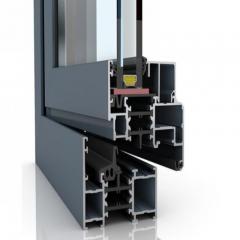
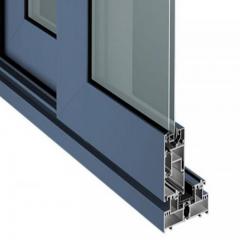
Whether you're sourcing custom 6063 aluminum tubes, architectural window frames, or complex industrial profiles, the combination of technical depth and direct manufacturing access positions you to achieve both sustainability goals and project specifications without compromise.
The sustainable aluminum market is maturing rapidly. Manufacturers who invested in low-carbon capabilities years ago now offer competitive pricing alongside verified environmental credentials. Your task is identifying these genuine leaders—and the evaluation framework you've built equips you to do exactly that. Start with your shortlist, issue those information requests, and begin the conversations that lead to supply relationships aligned with where the industry is heading.
Low carbon aluminum typically has a carbon footprint below 4.0 kg CO2e per kilogram of aluminum produced. This represents a 70% or greater reduction from the global average of approximately 15.1 kg CO2e per kg for conventional production. Ultra-low carbon products like Hydro's CIRCAL achieve carbon intensities as low as 2.3 kg CO2e per kg through high post-consumer recycled content.
Leading low-carbon primary aluminum producers include Rio Tinto, Hydro Aluminium, Alcoa, Aluminerie Alouette, and ALVANCE Aluminium. These companies achieve lower emissions primarily through hydroelectric-powered smelting, renewable energy integration, and certified recycled content programs like Hydro's CIRCAL and Alcoa's Sustana product lines.
Recycled aluminum requires only about 5% of the energy needed for primary aluminum production, resulting in carbon emission reductions exceeding 90%. Post-consumer recycled aluminum eliminates the energy-intensive electrolysis process entirely. Products with 75% or higher post-consumer scrap content can achieve carbon footprints below 2.5 tCO2e per tonne while maintaining identical mechanical properties to virgin material.
The Aluminium Stewardship Initiative (ASI) Performance Standard and Chain of Custody certification represent the gold standard for verification. Environmental Product Declarations (EPDs) following ISO 14025 provide product-specific carbon data. When evaluating suppliers, request third-party verified documentation and check certificate validity through issuing body databases rather than accepting self-declared claims.
The EU's Carbon Border Adjustment Mechanism imposes carbon costs on aluminum imports based on production emissions. Importers of high-carbon aluminum must purchase certificates reflecting embedded emissions, making low-carbon material more cost-competitive. Similar mechanisms are under discussion in the US and Canada, suggesting organizations should prioritize verified low-carbon suppliers to future-proof their supply chains.



 online service
 0086 136 3563 2360
 sales@sxalu.com
 +86 136 3563 2360
 English
 français
 Deutsch
 русский
 español
 português
 العربية
 ไทย
ไทย Việt
Việt Українська