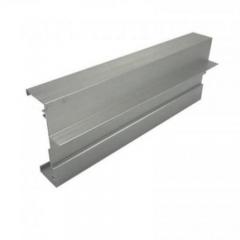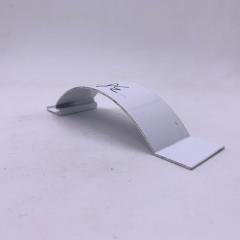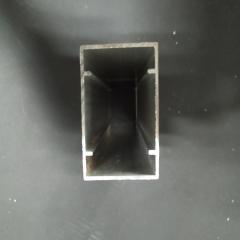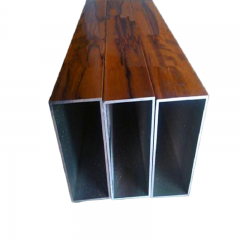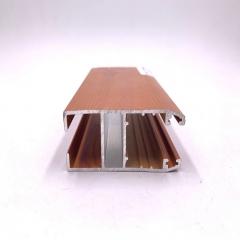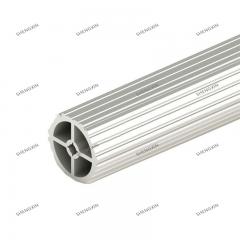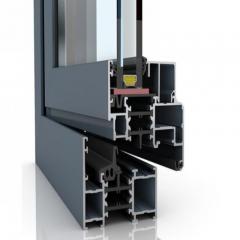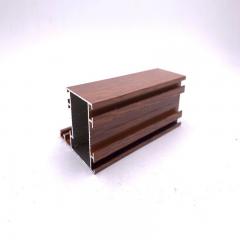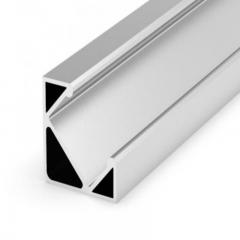

What Is Extruded Aluminum? Your Definitive Guide to Uses & Benefits Introduction to What Is Extruded Aluminum Have you ever wondered how those sleek window frames, sturdy bicycle parts, or lightweight vehicle components are made? Chances are, you’re looking at extruded aluminum—a material that quietly powers much of the world around us. But what is extruded aluminum, and why has it become so essential in modern manufacturing and construction? In the simplest terms, extruded aluminum is aluminum that’s been pushed through a specially shaped die, much like squeezing toothpaste from a tube, to create objects with a consistent cross-sectional profile. This process transforms raw aluminum into a nearly limitless array of shapes, from simple rods and channels to complex custom parts. The result? Durable, lightweight, and highly versatile pieces that can be found everywhere—from the frames of skyscrapers to the shells of smartphones. So, why is this process so significant? Here are a few reasons: Versatility: Extruded aluminum can be formed into countless shapes, meeting the needs of architects, engineers, and product designers. Strength and Lightweight: It offers a high strength-to-weight ratio, making it ideal for applications where durability and reduced weight matter. Corrosion Resistance: Aluminum’s natural resistance to rust makes these extrusions perfect for outdoor and marine environments. Cost-Effectiveness: The extrusion process is efficient, resulting in less waste and lower production costs for a wide range of products. In this comprehensive guide, we’ll explore everything you need to know about extruded aluminum: from its definition and how it’s made, to its unique benefits, common extruded aluminum uses, and tips on sourcing the right profiles for your next project. Whether you’re a builder, designer, or simply curious about the materials shaping our world, you’ll discover just how adaptable and indispensable extruded aluminum truly is. Let’s dive in! Defining Extruded Aluminum When you hear the term extruded aluminum, what exactly comes to mind? Is it just another type of metal, or is there something special about how it’s made and used? Let’s break it down in simple terms—because understanding this process is key to appreciating why aluminum extruded products are so ubiquitous and valued. What Does “Extruded” Mean for Aluminum? Imagine squeezing clay through a shaped mold to create long, uniform pieces. That’s essentially what happens with aluminum extrusion: heated aluminum is forced through a die, producing parts with a consistent cross-section. These can be as simple as a rod or as intricate as a multi-chambered profile for window frames. The beauty of this process lies in its ability to create strong, lightweight components in nearly any shape you can imagine (source). Why Aluminum? Properties That Make It Ideal for Extrusion Not all metals are created equal when it comes to extrusion. Aluminum stands out due to a unique combinat...
Read More
Aluminum a Metal: Unveiling Its True Nature & Key Properties Is Aluminum a Metal? When you unwrap a sandwich from foil or gaze at the sleek body of an airplane, have you ever wondered, "Is aluminum a metal?" This question pops up more often than you might expect, especially since aluminum is everywhere in our daily lives—from soda cans and smartphones to cars and skyscrapers. But what truly defines a metal, and does aluminum fit the bill? Let’s start with the basics: aluminum is indeed a metal. Scientifically, it belongs to main Group 13 of the periodic table and is classified as a lightweight, silvery-white metal. In fact, it’s the most abundant metallic element in Earth’s crust, making up about 8% by weight (Britannica). Its unique combination of properties has made it one of the most widely used metals in the world. Why is aluminum so significant? Imagine a material that is lightweight yet strong, resists corrosion, and can be shaped into thin foil or robust beams. That’s aluminum in action—powering everything from aircraft and automobiles to window frames and beverage cans (Aluminum Association). In this guide, we’ll answer the core question—"is aluminum a metal?"—and go much further. You’ll discover: How aluminum is scientifically classified and what sets it apart from nonmetals and metalloids Its key physical properties, including weight, magnetism, and texture Whether aluminum is ferrous or non-ferrous, and what that means for its uses How to detect and identify aluminum in practical settings Sounds complex? Don’t worry—we’ll break down each topic in clear, straightforward terms, using real-world examples and easy-to-follow comparisons. By the end, you’ll have a complete understanding of why aluminum a metal is more than just a simple label; it’s a key to innovation in modern technology and industry. Confirming Aluminum's Identity as a True Metal If you’ve ever wondered, "Is aluminum a metal?"—you’re not alone. The answer is a resounding yes, but understanding why means looking at what truly defines a metal. Let’s break it down into simple, practical terms and see how aluminum checks every box. What Makes a Substance a Metal? Scientists classify a material as a metal based on several key traits. Here are the main criteria: Electrical conductivity: Metals allow electricity to flow through them easily. Thermal conductivity: Metals efficiently transfer heat. Malleability: Metals can be hammered or rolled into thin sheets without breaking. Ductility: Metals can be drawn into wires. Metallic luster: Metals typically have a shiny, reflective surface. According to Britannica, these characteristics set metals apart from other classes of elements. How Aluminum Meets Every Metal Criteria Let’s see how aluminum stacks up against each of these defining features: Electrical Conductivity: Aluminum is an excellent conductor of electricity. That’s why it’s used in power lines and electrical cables. In fact, its high conductivity, paired with light wei...
Read More
Aluminum or Aluminium: Uncover the Secrets, Embrace the Truth Introduction to Aluminum or Aluminium Have you ever found yourself pausing at the supermarket aisle, wondering whether it's "aluminum foil" or "aluminium foil"? Or maybe you’ve noticed that your favorite science documentary pronounces the metal differently than your high school teacher did. Sounds complex? You’re not alone. The aluminum or aluminium debate is one of the most persistent—and surprisingly passionate—linguistic puzzles in the English-speaking world. This isn’t just a matter of spelling or pronunciation. The difference between "aluminum" and "aluminium" reaches back to the early 19th century, when scientific discovery, national pride, and the evolution of language all collided. Over time, the two versions have come to symbolize broader differences between American and British English, sparking friendly rivalry and even influencing global industry standards (The History of the World). Why does this debate still matter today? For starters, the term you use can signal where you’re from, the industry you work in, or even the scientific community you belong to. Whether you say "aluminum" or "aluminium," you’re participating in a centuries-old conversation about language, culture, and identity. Is one spelling more correct than the other? How did these two names develop? Does pronunciation really matter in technical or everyday contexts? Throughout this article, we’ll break down the aluminum vs aluminium debate by exploring its historical roots, tracing the evolution of spelling and pronunciation, and examining how culture and industry shape our language. Expect clear bullet points, comparison tables, and real-life examples to help clarify the differences and key milestones. By the end, you’ll not only know which term to use, but also why it matters—no matter which side of the Atlantic you call home. Tracing the Roots of the Element’s Name When you hear the words “aluminum” and “aluminium,” you might wonder: which came first? Was it a matter of American innovation, British tradition, or something more complicated? To answer this, let’s travel back to the early 19th century, when the story of the element’s name began to unfold. The Discovery and Early Naming Attempts It all started with the quest to isolate a new metal from alumina, a compound known since antiquity. The British chemist Sir Humphry Davy was at the forefront of this scientific adventure. In 1808, Davy identified the existence of the metal in alum and initially proposed the name “alumium” for the element. This first attempt was a straightforward adaptation from the Latin word alumina, reflecting the naming conventions of the time (ThoughtCo). But Davy didn’t settle there. By 1812, in his book Elements of Chemical Philosophy, he revised the name to “aluminum”. This version quickly gained traction, especially in the United States, and even appeared in Noah Webster’s 1828 American Dictionary of the English Language (Mer...
Read More
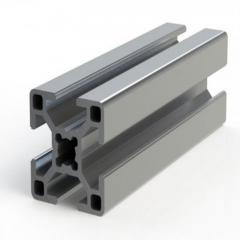
Unlock Your Projects: A Guide to 40x40 Aluminum Extrusion Introduction to 40x40 Aluminum Extrusion Have you ever wished for a building material that’s as adaptable as your imagination? That’s exactly what 40x40 aluminum extrusion brings to the table. Whether you’re an engineer designing automated production lines, a manufacturer assembling machine frames, or a DIYer crafting custom furniture, this modular aluminum framing solution is fast becoming the go-to choice for a wide range of projects. So, what makes 40x40 aluminum extrusion so popular? Imagine a sturdy, lightweight square profile—measuring 40mm by 40mm—that can be cut, connected, and reconfigured in countless ways. Its T-slot design allows you to easily attach brackets, panels, and accessories, making it the backbone of everything from industrial enclosures to creative home projects. You’ll notice these profiles in factory automation systems, safety guards, workstations, and even in sleek, modern furniture. Their adaptability means you can build, expand, or modify your framework without starting from scratch, saving both time and effort. DIYers use 40x40 extrusions for custom desks, shelving, and home improvements. Engineers rely on them for machine frames, robotics, and industrial automation. Manufacturers appreciate their efficiency in assembling modular equipment and production lines. This article will guide you through the essentials: what 40x40 aluminum extrusion is, its core benefits, where it’s used, and how to select and work with it. By the end, you’ll understand why this profile is more than just a piece of metal—it’s a cornerstone of modern design and engineering, ready to unlock your next project’s potential. Curious about how to maximize its versatility? Let’s dive in and explore the world of 40x40 aluminum extrusion together. Source What Defines 40x40 Aluminum Extrusion? Understanding Dimensions, Alloys, and Slot Profiles When you pick up a piece of 40x40 aluminum extrusion, what exactly makes it so special? Let’s break down the technical details that set this popular modular framing material apart from the rest. Whether you’re designing a machine frame or a custom desk, understanding these characteristics will help you choose—and use—the right profile for your project. The Basics: Dimensions and Material Composition At its core, a 40x40 extrusion refers to an aluminum profile with a square cross-section measuring exactly 40 millimeters on each side. This size strikes a balance between strength and manageability, making it a favorite for both heavy-duty industrial systems and versatile DIY builds. But there’s more to it than just size: Standard Dimensions: 40mm x 40mm cross-section, with slot widths typically designed to accept standard T-nuts and fasteners (source). Material: Most 40x40 profiles are made from high-strength aluminum alloys, such as 6063-T5. This alloy is heat-treated to enhance hardness (meeting T5 standards) and offers excellent resistance to corrosion and...
Read More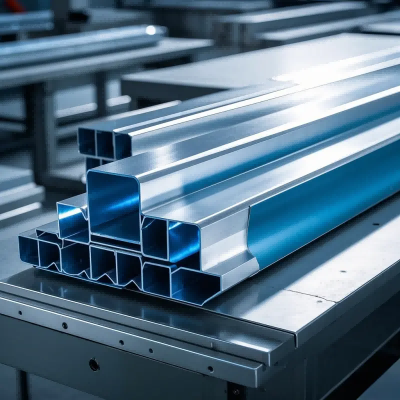
Aluminum or Aluminium? Usage, History, and Global Differences Explained Introduction to Aluminium or Aluminum: Why the Difference Matters Have you ever wondered why some people say aluminium while others insist on aluminum? If you’ve spotted both spellings on packaging, in textbooks, or online, you’re not alone. The difference between aluminium and aluminum is a classic example of how language evolves—and how it can spark curiosity and confusion in equal measure. At the heart of this debate is a single chemical element: symbol Al, atomic number 13. Whether you call it aluminium or aluminum, you’re referring to the same lightweight, silvery-white metal found in soda cans, kitchen foil, airplane parts, and countless everyday products. But why do two different names exist for one element? Aluminum is the term used in American English. Aluminium is preferred in British English and many other regions. This divergence is more than a simple spelling quirk. It reflects centuries of scientific discovery, regional language preferences, and even efforts to standardize chemistry terminology. While both terms are scientifically correct and widely recognized, the choice between them often depends on where you live—or whom you’re speaking to. In this article, we’ll unravel the difference between aluminium and aluminum. You’ll learn: How the two spellings came to be Why pronunciation varies by region The historical roots behind each name Where and when each term is used today How science and industry navigate the naming divide By the end, you’ll know exactly when and where to use each term—and why this small difference continues to spark such big curiosity around the world. [Source] Understanding the Basic Spelling Differences: Aluminum vs. Aluminium Ever noticed "aluminum" on a soda can but "aluminium" in a science textbook? Sounds confusing, right? When you see these two spellings, you might wonder if they refer to different materials. In reality, both aluminum spelling and aluminium spelling point to the same element—an essential, lightweight, silvery-white metal with the symbol Al and atomic number 13. The difference between these spellings isn’t about the metal itself, but about language and history. Over time, two versions emerged, each favored by different regions. Here’s a quick breakdown: Aluminum – Preferred in American English (United States, Canada) Aluminium – Standard in British English and most other English-speaking countries (UK, Australia, New Zealand, and more) Both terms are accepted in scientific communities, and you’ll find them used interchangeably in academic writing and industry, depending on the country or region. The reason for the two spellings traces back to early 19th-century naming debates and regional adoption—a story we’ll explore in detail in the next section. For now, just remember: whether you see "aluminum" or "aluminium," it’s the same versatile metal at work in your daily life. [Source] How Pronunciation Varies Between Term...
Read More


 online service
 0086 136 3563 2360
 sales@sxalu.com
 +86 136 3563 2360
 English
 français
 Deutsch
 русский
 español
 português
 العربية
 ไทย
ไทย Việt
Việt Українська