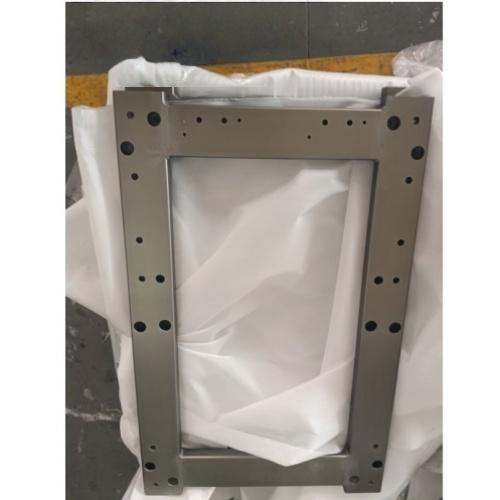
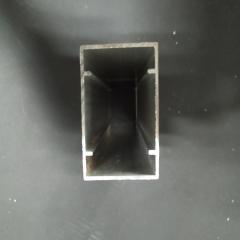
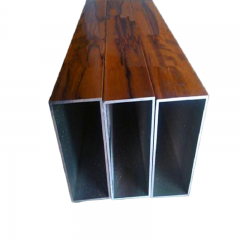
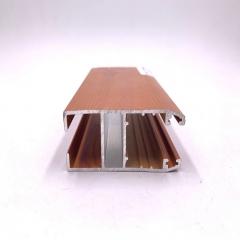
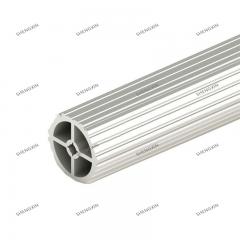
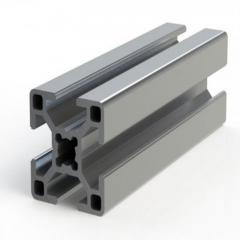
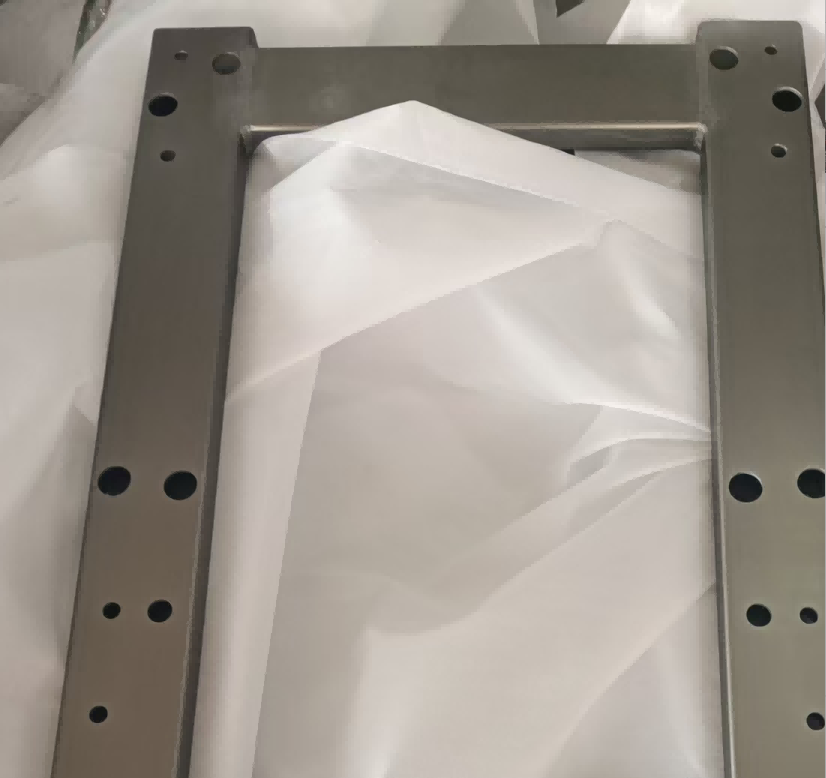
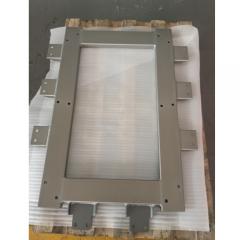
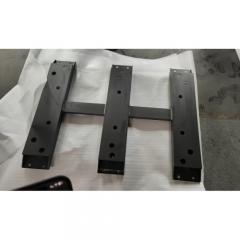
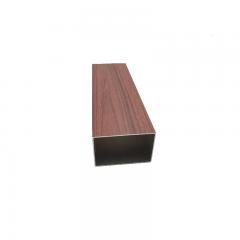
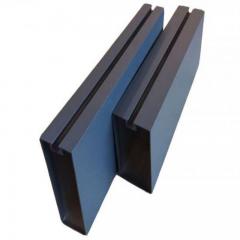
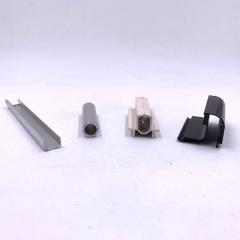
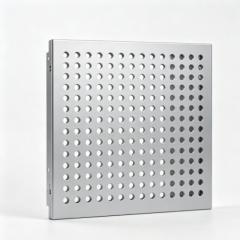
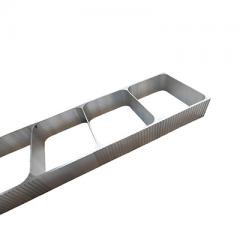
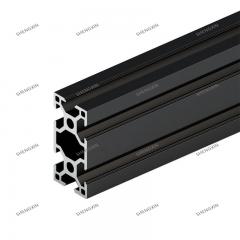
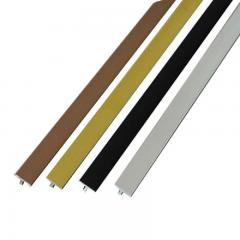
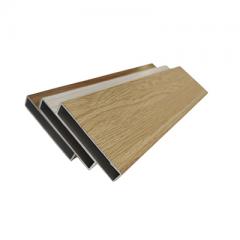
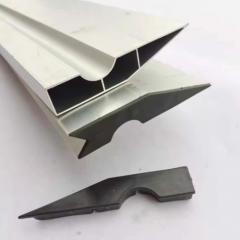
The Hard Anodized 6061-T6 Aluminum Battery Tray is built for EV applications where surface durability and long-term corrosion resistance are non-negotiable. Unlike standard anodizing, the hard anodized coating creates a dense, wear-resistant surface layer that significantly extends service life under harsh road and environmental conditions. The 6061-T6 alloy substrate delivers the structural backbone — high mechanical strength, excellent weldability, and predictable performance under load.

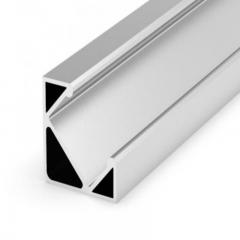
This tray is designed as a drop-in battery housing platform for passenger EVs, commercial fleet vehicles, and off-highway electric equipment. The hard anodized finish provides electrical insulation at the surface level while protecting against salt spray, moisture ingress, and chemical exposure. Every tray is fabricated from extruded profiles, precision-cut and welded, then subjected to the hard anodizing process to achieve a uniform coating thickness typically ranging from 25 to 50 microns depending on specification.
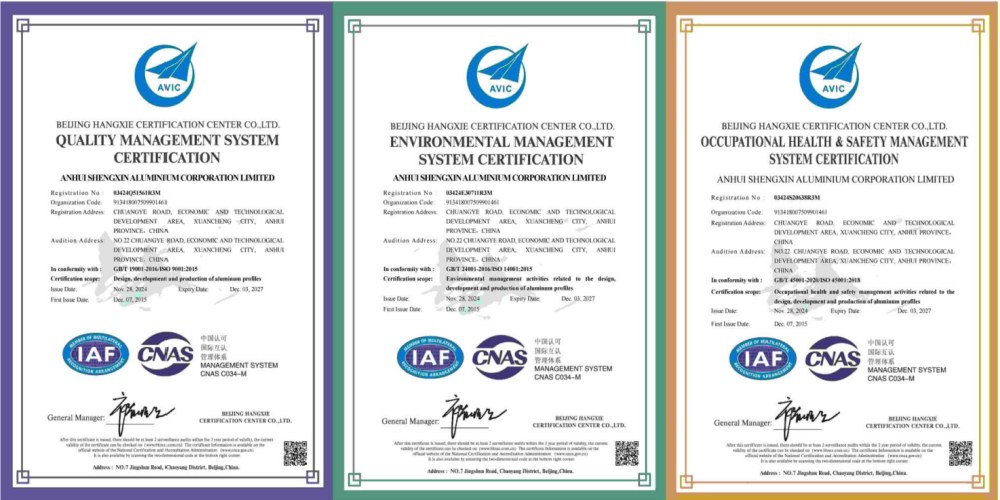
We manufacture this product under strict process control — from billet selection and extrusion die design to post-weld heat treatment and final hard anodizing bath parameters. The result is a battery tray that maintains dimensional stability, resists abrasion during assembly and service, and meets the reliability expectations of global EV OEMs and battery pack integrators.
Features & Benefits
-
Hard anodized surface: 25–50 μm coating thickness provides superior scratch, wear, and corrosion resistance compared to conventional anodizing.
-
6061-T6 alloy core: High strength-to-weight ratio with excellent machinability and weldability — the standard for structural EV components.
-
Electrical surface insulation: The anodic layer acts as a dielectric barrier, reducing risk of electrical shorts in densely packed battery modules.
-
Salt spray resistant: Proven performance in accelerated corrosion testing, suitable for coastal and high-humidity operating environments.
-
Robotic-welded joints: Consistent weld quality across production batches, verified by visual and dimensional inspection.
-
Fully customizable: Tray outline, mounting points, internal dividers, and coating thickness can all be tailored to your pack architecture.
Hard Anodizing Process Specifications
|
Coating Type
|
Hard anodic oxidation (Type III per MIL-A-8625)
|
|
Coating Thickness
|
25–50 μm (customizable)
|
|
Hardness
|
Typically 350–500 HV (Vickers)
|
|
Color Options
|
Natural dark gray / Black / Custom dyed
|
|
Base Material
|
6061-T6 aluminum extrusion
|
|
Corrosion Resistance
|
≥336 hours salt spray (ASTM B117, sealed)
|
|
Dielectric Strength
|
Typical 500–800 V/mil (dependent on thickness)
|
Why 6061-T6 for Battery Trays
6061-T6 is widely specified for EV structural components. The table below compares key properties that matter for battery tray applications.
|
Property
|
6061-T6
|
Benefit for Battery Tray
|
|
Tensile Strength
|
≥290 MPa
|
Handles crash and vibration loads
|
|
Yield Strength
|
≥240 MPa
|
Resists permanent deformation
|
|
Density
|
~2.7 g/cm³
|
Lightweight contribution to EV range
|
|
Weldability
|
Excellent (TIG/MIG)
|
Reliable multi-piece tray assembly
|
|
Corrosion Resistance
|
Good (base) / Excellent (anodized)
|
Long service life in wet environments
|
Customization Process
From initial concept to serial production, our structured process ensures your hard anodized 6061-T6 battery tray meets every specification.
-
Requirement Review: Share your 2D/3D drawings, desired dimensions, mounting points, and hard anodizing thickness. Our engineering team evaluates manufacturability within 2 working days.
-
Extrusion Die Development: A dedicated die is designed and fabricated for your profile. With 500,000+ in-stock molds, we often adapt existing profiles to reduce lead time.
-
Sample Extrusion & Fabrication: 6061-T6 billets are extruded, cut, machined, and welded per your design. A first-article sample is prepared for dimensional verification.
-
Hard Anodizing Trial: The sample undergoes Type III anodizing. Coating thickness, hardness, and salt spray test coupons are produced for your approval.
-
Client Approval & Pilot Run: Once the sample is signed off, we run a small pilot batch to validate process stability and repeatability.
-
Mass Production & Quality Inspection: Full production proceeds with in-line inspection. Every tray is checked for critical dimensions, anodizing thickness, and visual defects before packing.
-
Packaging & Global Delivery: Trays are packed per your specification — individual wrapping, custom pallets, and labeled for easy identification. We ship from 5 dedicated container loading platforms.
Hard Anodizing vs. Powder Coating: Which Finish Is Right for Your Battery Tray?
While both finishes protect aluminum, their performance profiles differ significantly in EV battery tray applications. The table below highlights the key differences to help inform your specification.
|
Feature
|
Hard Anodizing (Type III)
|
Powder Coating
|
|
Surface Hardness
|
350–500 HV
|
Variable, generally lower
|
|
Corrosion Resistance
|
Excellent (≥336h salt spray, sealed)
|
Good, depends on film integrity
|
|
Electrical Insulation
|
Excellent dielectric properties
|
Insulating, but can be thicker/heavier
|
|
Coating Thickness
|
25–50 μm (predictable growth)
|
60–120 μm typical
|
|
Dimensional Impact
|
Controlled, factored into machining
|
Edge build-up may affect fit
|
|
Color Options
|
Limited (dark gray, black, some dye)
|
Full RAL palette
|
|
Typical Use Case
|
Structural trays, high-wear, exposed
|
Cosmetic covers, interior brackets
|
In many EV battery pack designs, hard anodizing is specified for the main structural tray due to its thin, hard, and electrically insulating surface. Powder coating is often reserved for non-structural covers or appearance parts. Our team can help you evaluate the best option — or a combination — for your project.
Hard Anodized Battery Tray FAQ
Q: What is the difference between regular anodizing and hard anodizing?
A: Regular anodizing (Type II) typically produces a 5–15 μm coating focused on appearance and basic corrosion protection. Hard anodizing (Type III) builds a 25–50 μm or thicker layer with significantly higher surface hardness (350–500 HV) and wear resistance, making it suitable for structural parts exposed to mechanical stress and harsh environments.
Q: Does hard anodizing affect the dimensional accuracy of the battery tray?
A: The coating builds partially into and partially onto the surface. We account for this growth in our machining process — critical mounting features are machined to final dimensions with the coating thickness factored in, ensuring post-anodizing fit-up remains within tolerance.
Q: Can hard anodized trays be welded after coating?
A: No. Welding is performed before hard anodizing. The anodic layer is non-conductive and will be destroyed by welding heat. Our process sequence is: extrusion → fabrication and welding → final anodizing.
Q: Is 6061-T6 the best alloy for a battery tray?
A: 6061-T6 offers an excellent balance of strength, weldability, and anodizing response, which is why it's a widely adopted choice. Depending on your specific requirements, we can also produce trays in 6005A or 6063 alloys, and our engineering team can advise on the optimal selection.
Q: What quality checks do you perform on the hard anodized finish?
A: We verify coating thickness via eddy current testing, check surface hardness, and perform salt spray testing per ASTM B117 on sample coupons from each production batch. Full inspection reports are available upon request.
← Back to Aluminum Battery Trays product category