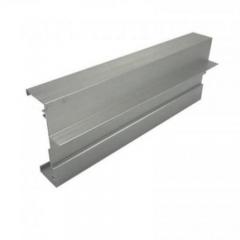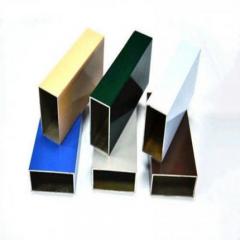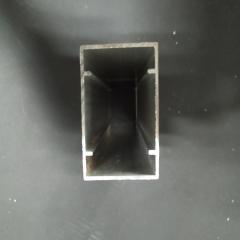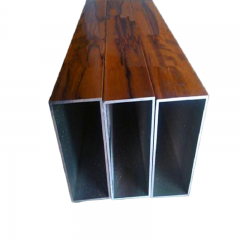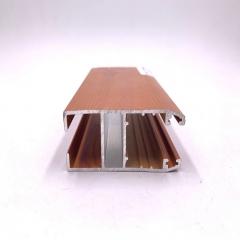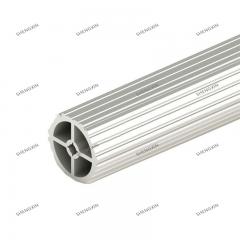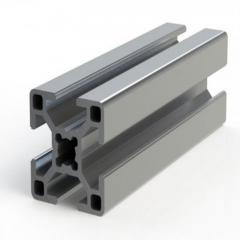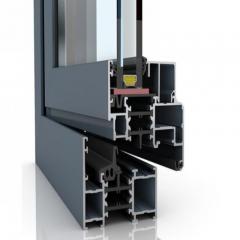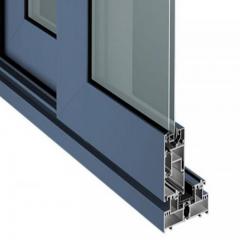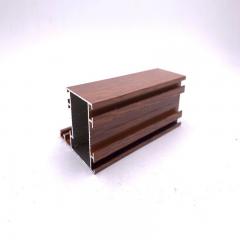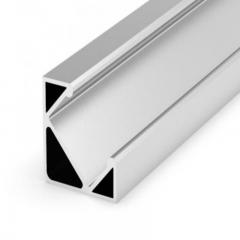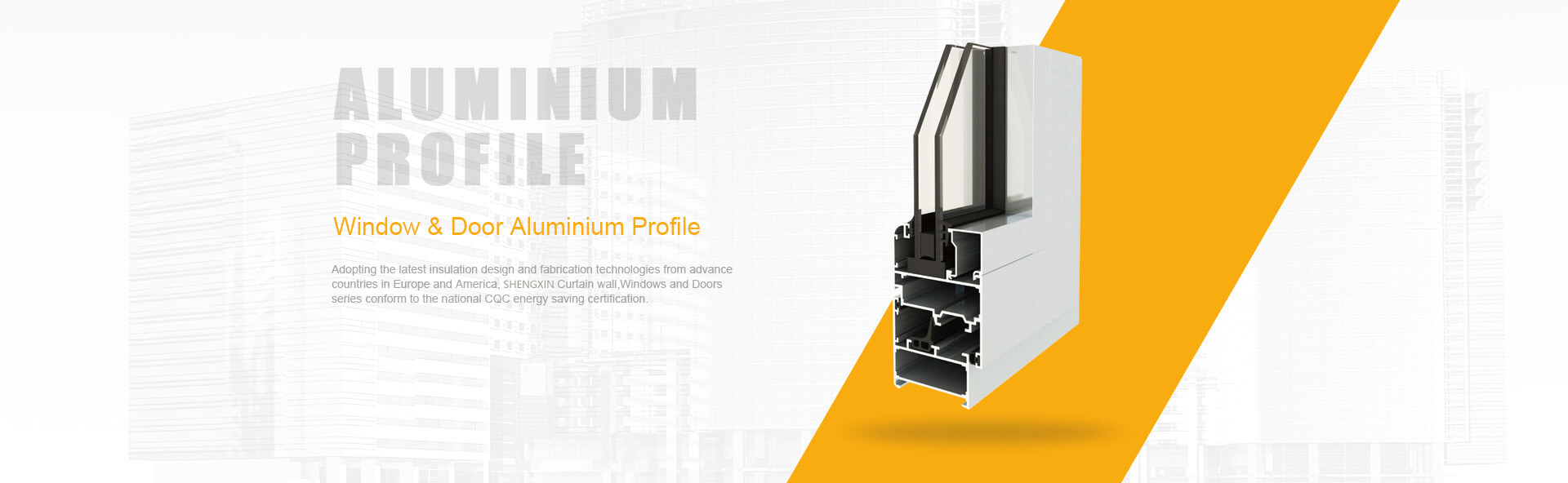
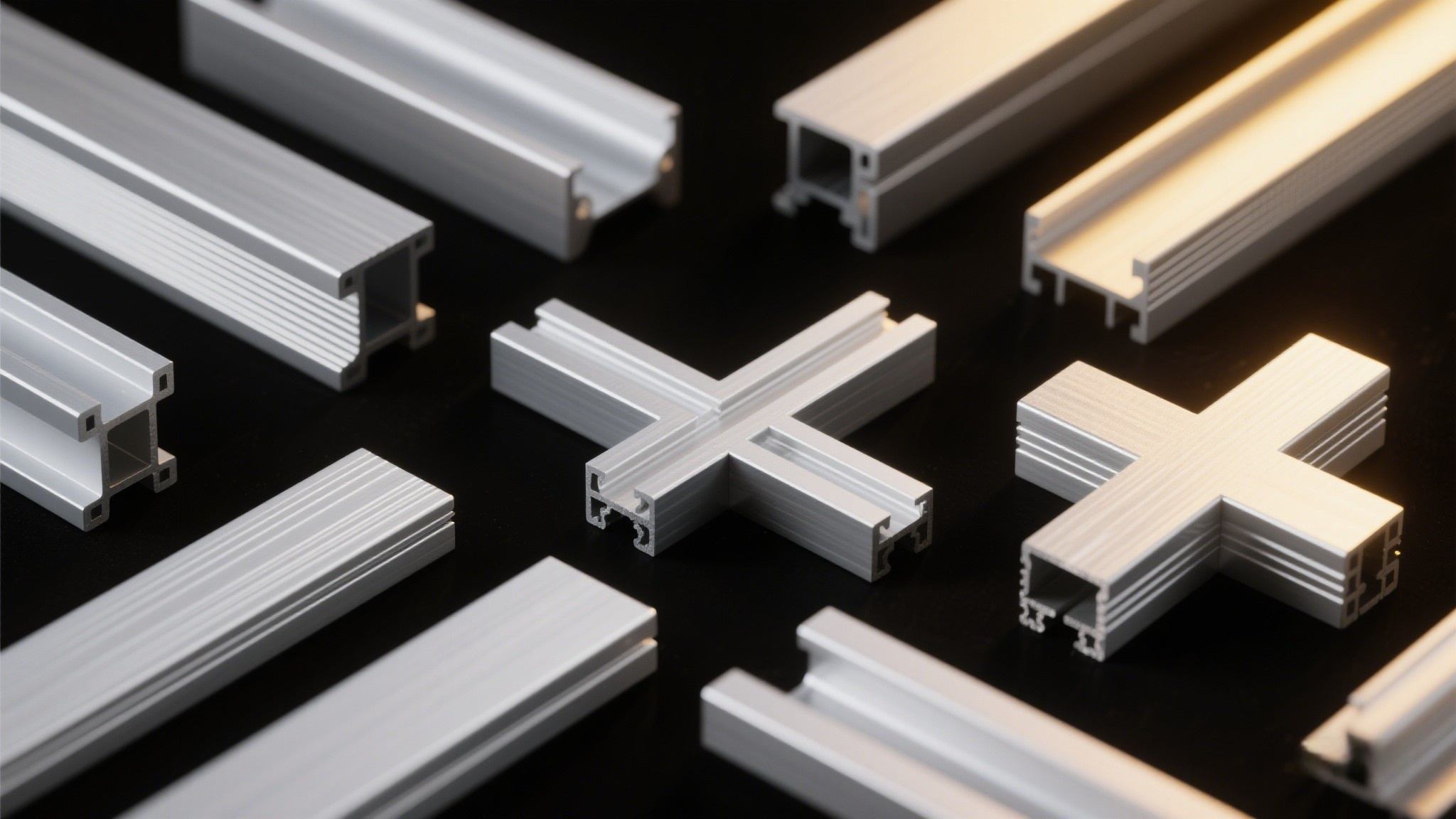
Aluminum extrusion alloys & tempers: strength vs. finish vs. cost Aluminum Extrusion Fundamentals for Modern Design What Is Aluminum Extrusion? Ever wondered how complex aluminum shapes—everything from window frames to automotive rails—are made with such precision? The answer lies in the aluminum extrusion process. In simple terms, aluminum extrusion is the method of forcing a heated aluminum billet through a shaped die to produce long pieces with a uniform cross-section. Imagine squeezing toothpaste from a tube, but with much higher pressure and temperature. This process can create intricate aluminum extrusion profiles that are both lightweight and strong, making them ideal for a wide variety of applications. The resulting aluminum extruded parts can be further heat treated, finished, or machined to meet exact project needs, accommodating both standard and custom requirements. Solid, Hollow, and Semi-Hollow Profiles Sounds complex? Not really. Aluminum extrusion allows for three main profile families: Solid profiles: No enclosed voids. Examples include rods, angles, and flat bars. Hollow profiles: One or more enclosed cavities, like tubes or rectangular channels—perfect for lightweight yet strong structures. Semi-hollow profiles: Partially enclosed voids, often used when a balance between strength and reduced material is needed. Each profile type can be tailored for specific applications, from simple aluminum shapes to highly engineered profile aluminum for robotics or architectural use. Where Extrusions Shine in 2025 In 2025, aluminum extrusion is everywhere. You’ll notice these versatile parts in: Architecture: Window frames, curtain walls, sunshades, and decorative trims. Machinery & Automation: T-slot frames, conveyor systems, and modular workstations. Electric Vehicles & Transportation: Battery enclosures, chassis components, and lightweight body panels. Aerospace: Seat tracks, structural supports, and cable management systems. Consumer Products: Electronics housings, sports equipment, and furniture. Why do designers and engineers choose aluminium extrusion over other materials? Here are the main advantages: Near-net shapes minimize waste and machining Integrated features for assembly and function High strength-to-weight ratio Excellent corrosion resistance Wide variety of finish options (anodizing, powder coating, etc.) Rapid prototyping and scalable production Material Density (g/cm³) Recyclability Typical Lead Time Aluminum ~2.7 Excellent (100%) 2–6 weeks (extrusion aluminum) Steel ~7.8 Very Good 4–12 weeks (machining/fabrication) Plastic ~0.9–1.5 Moderate–Good 1–4 weeks (injection molding) Tooling amortization and buy-to-fly ratio drive total cost more than alloy price in low-to-mid volumes. Choosing extrusion aluminum is not just about material cost—it’s about leveraging design freedom, sustainability, and speed to market. As you read on, you’ll discover practical guidance on designing for extrusion, setting tolerances, joi...
Read More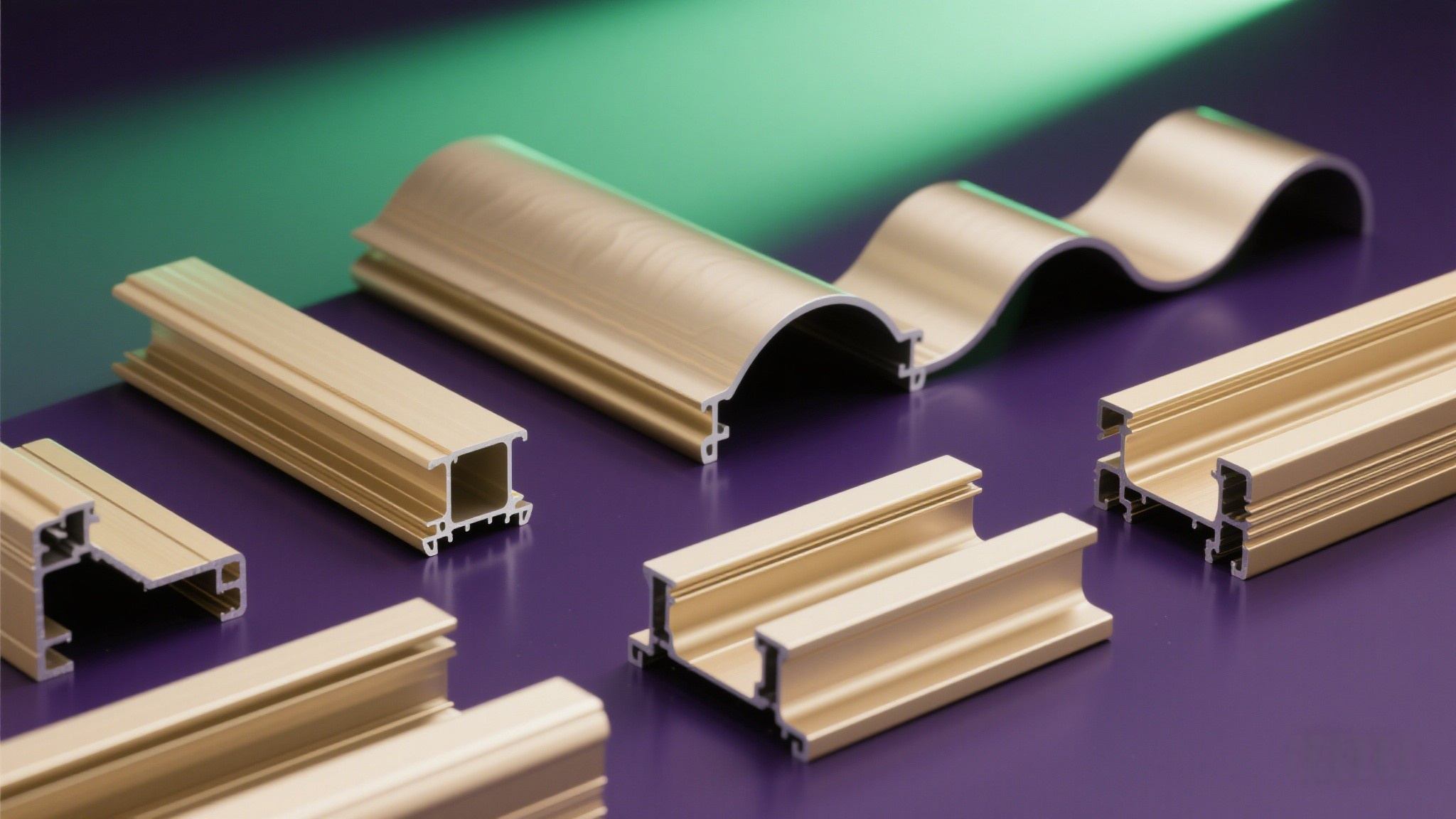
The Brutally Honest Pros & Cons of Aluminum Siding What is Aluminum Siding and Is It Still Used Today? When you picture classic mid-century homes or the sleek lines of some modern builds, you might wonder: what is aluminum siding, and why does it keep coming up as a top option for exteriors? Let’s break down the essentials—starting from its roots to its role in today’s market. What Exactly is Aluminum Siding? Aluminum siding is a type of exterior cladding made from rolled or extruded aluminum panels, designed to protect and enhance the appearance of homes. First introduced in the late 1930s, it quickly became a favorite in American neighborhoods from the 1940s through the 1970s, especially as a solution to the high cost and maintenance of wood siding. You’ll still spot old aluminum siding on many vintage houses, a testament to its staying power. Composition: Most panels are crafted from high-grade aluminum, sometimes with up to 30% recycled content, making it an eco-friendly choice. Manufacturing: Sheets of aluminum are either rolled flat or extruded into specific profiles, then coated with baked-on paint or textured finishes for durability and style. Profiles: Options include horizontal lap, vertical panels, and even wood-look finishes, making aluminum siding for homes highly versatile. With proper installation and minimal maintenance, aluminum siding can last 40–50 years or more, and it’s 100% recyclable at the end of its life. Is Aluminum Siding Still a Viable Option in 2025? If you’re asking, “is aluminum siding still available?”—the answer is yes. While vinyl has overtaken it in sheer popularity since the 1960s, aluminum house siding remains a reliable and relevant choice, especially in regions facing harsh weather or where fire resistance is a concern. Manufacturers continue to innovate, offering improved coatings, dent-resistant extrusions, and a wider palette of colors and textures. Today, aluminium siding is chosen for its lightweight nature, resistance to rust and rot, and ease of installation. Its ability to mimic wood or deliver a modern, seamless look keeps it in demand for both new builds and renovations. If you’re considering replacing old aluminum siding, rest assured that modern options are not only still available but better than ever—combining durability, sustainability, and curb appeal. The Pros and Cons of Aluminum House Siding When you’re weighing your options for exterior cladding, the big question on your mind might be: is aluminum siding good for today’s homes? To help you decide, let’s break down the honest pros and cons—backed by real-world experience and expert insights—so you can see if this material fits your needs and style. The Enduring Benefits of Aluminum Cladding Imagine a siding that stands up to harsh weather, requires little upkeep, and doesn’t attract pests. That’s the promise of quality aluminum products for your home’s exterior. Here are the standout advantages: Durability and Longevity: Aluminum sidin...
Read More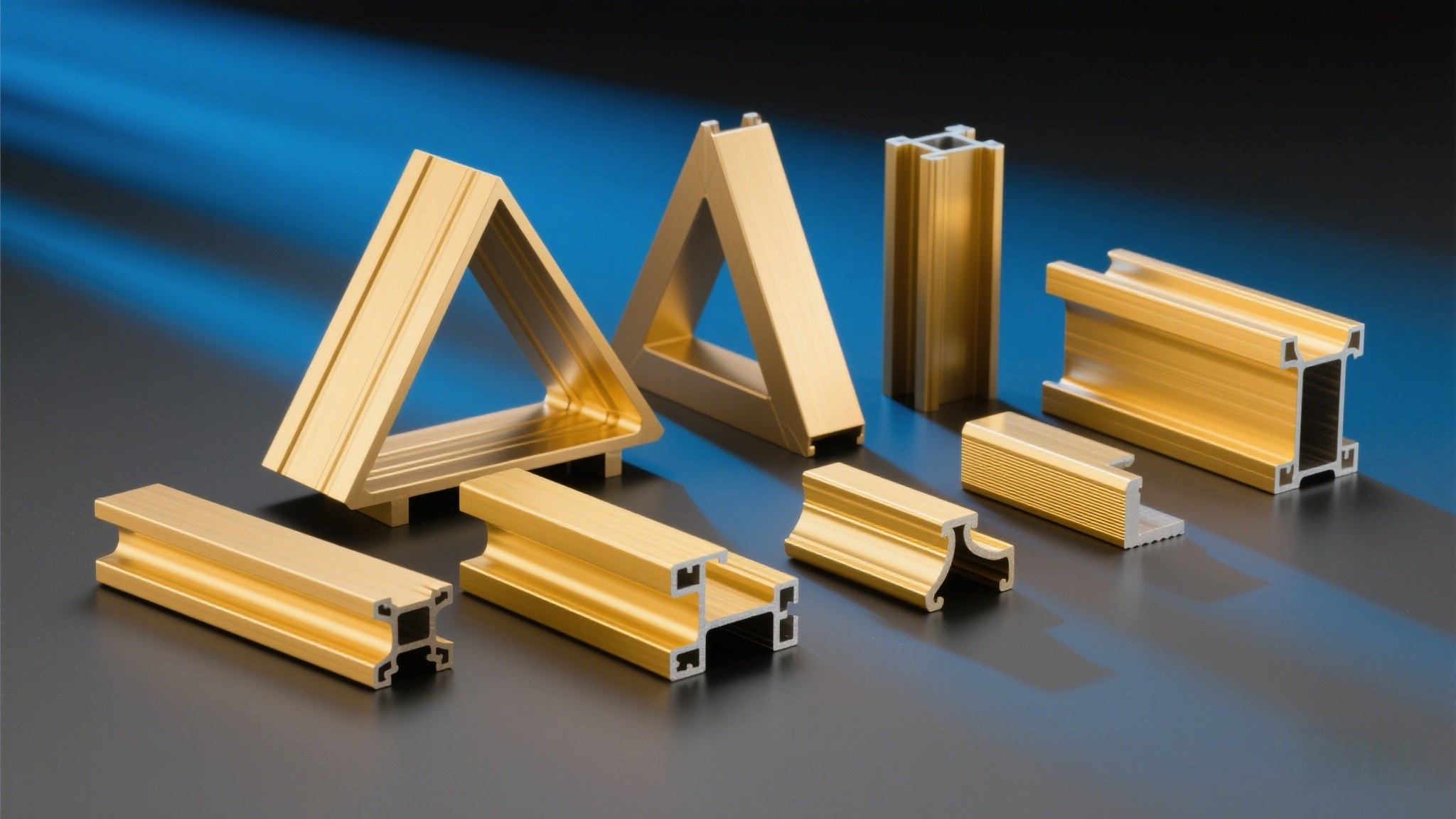
The 7-Step Method for Professional Aluminum Welding Results Understanding the Challenge of Aluminum Welding Ever wondered why so many skilled fabricators ask, “Is aluminum hard to weld?” If you’ve ever tried your hand at welding aluminum, you’ll notice it behaves nothing like steel. Despite its popularity in industries from automotive to aerospace, aluminum presents a unique set of hurdles that make its weldability a prized skill among professionals. Why Aluminum Welding Demands More Skill Aluminum welding is sought after for good reason. The metal’s lightweight strength and corrosion resistance make it ideal for critical structures, but those same attributes introduce complexity. When you ask, “Can you weld aluminum?” the answer is yes—but it’s far from straightforward. The process, often referred to as GTAW or GMAW depending on the method, is what aluminum welding is called in technical terms. Mastering these methods opens doors to high-value fabrication work, but only with a deep understanding of the science behind the challenge. The Science Behind the Challenge: Oxide and Heat So, what makes welding aluminum so tricky? It comes down to three main factors: The Oxide Layer: Aluminum instantly forms a thin oxide coating when exposed to air. This layer is incredibly tough and melts at a much higher temperature than the base metal itself. High Thermal Conductivity: Aluminum conducts heat away from the weld zone rapidly, making it easy to burn through thin sections or fail to penetrate thicker ones. Sensitivity to Contamination: Even small traces of oil, moisture, or dirt can cause porosity—tiny holes that weaken the weld. “Pure aluminum melts at 1,200°F (650°C), but its oxide layer doesn’t melt until 3,700°F (2,037°C). This means the oxide must be thoroughly removed before welding, or you risk incomplete fusion and weak joints.” Universal Technical Institute Because the oxide layer acts as a barrier and the metal itself is so thermally reactive, achieving a clean, strong weld requires more than just technical know-how—it demands patience, preparation, and precision. That’s why, when considering aluminum weldability, it’s not just a question of “can aluminum be welded,” but rather, “can it be welded well?” In summary, aluminum welding is both challenging and rewarding. Its unique properties make it essential to learn the right approach. Stick with us as we break down each step for professional results, making the answer to “is aluminum hard to weld” a confident “not if you know how.” Step 1: Essential Safety Gear and Workspace Setup When you’re ready to learn how to weld aluminum, it’s tempting to dive straight into the technical side. But before you even power up your aluminum welder, ask yourself: are you truly protected? Aluminum welding isn’t just about skill—it’s about taking the right safety measures from the start. Let’s break down exactly what you need to weld aluminum safely and effectively, and why these steps matter. Your Non-Negoti...
Read More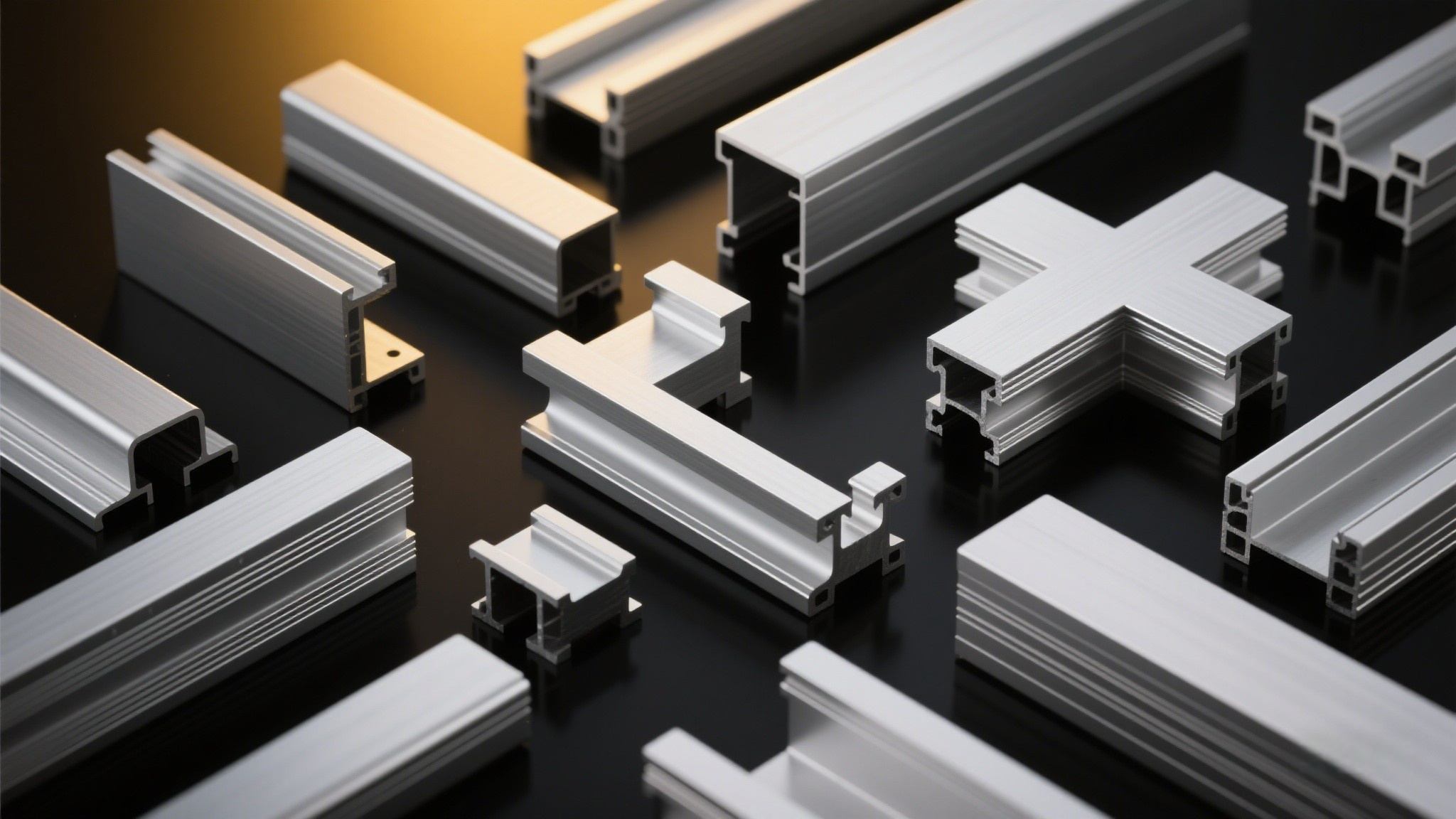
Anodized aluminum, decoded: 9 Essential Points for buyers Why anodized aluminum stands out? What is anodized aluminum? Ever wondered why some aluminum parts outlast others, keep their color, and resist scratches even in tough environments? The answer often lies in a single process: anodizing. So, what is anodized aluminum? Simply put, it’s aluminum that has been electrochemically transformed at the surface, creating a robust layer of aluminum oxide that’s integral to the metal itself—not just a coating or paint. This layer is much thicker and stronger than the thin oxide film that forms naturally on raw aluminum, dramatically improving durability and longevity. How anodizing works in simple terms Sounds complex? Imagine dipping a clean aluminum part into a special acid bath and running an electric current through it. The aluminum acts as the anode (hence ‘anodizing’), and oxygen from the electrolyte bonds with the surface, building up a controlled, uniform oxide layer. This process doesn’t add any foreign material—instead, it transforms the outermost layer of the aluminum itself. Afterward, the part is usually sealed to lock in color and keep out contaminants. The result: a finish that’s tough, stable, and visually customizable. Here’s a key insight: The anodized layer is naturally porous after formation—this is what allows it to absorb dyes for color, but it also means sealing is essential to maximize corrosion resistance and lock in performance. Anodized aluminum vs raw aluminum When comparing anodized aluminum vs aluminum in its raw state, the differences are striking. Raw aluminum is lightweight and naturally forms a thin oxide film, but this layer is fragile and easily damaged. Anodized aluminum, on the other hand, features a much thicker, engineered oxide layer that’s tightly bonded to the base metal. This makes it far more resistant to scratches, fading, and environmental wear. It’s also more visually versatile, offering a range of colors and finishes that raw aluminum simply can’t match. Key benefits users actually notice Superior corrosion resistance: The anodized layer acts as a barrier against moisture, salt, and chemicals, answering the common question, “Does anodized aluminum rust?”—the answer is no, it resists rust and corrosion extremely well. Enhanced wear and scratch resistance: The surface is much harder than raw aluminum, standing up to daily use and abrasion. Rich color and finish options: The porous oxide layer can be dyed in a variety of colors, from subtle metallics to vibrant hues, and finished in matte, satin, or gloss. Thermal and UV stability: The finish resists fading and breakdown even in outdoor or high-heat settings. Sustainability: The process is environmentally friendly, producing little waste and no volatile organic compounds (VOCs). Low maintenance: Easy to clean and resistant to stains, making it ideal for high-traffic or outdoor environments. These advantages make anodized aluminum material a top choice for de...
Read More
Is Aluminum Magnetic? The Answer Isn't a Simple Yes or No The Simple Answer to a Common Question The Short Answer: Is Aluminum Magnetic? When you pick up a soda can or wrap leftovers in foil, you might wonder: is aluminum magnetic? Or, more specifically, will a magnet stick to aluminum? The answer isn’t as simple as a yes or no, but let’s break it down clearly. Aluminum is not magnetic in the way you might expect from metals like iron or steel. If you try to stick a magnet to a piece of aluminum—whether it’s a can, a sheet, or foil—it simply won’t cling. This is why people often say aluminium non magnetic. But why? Aluminum belongs to a class of materials known as paramagnetic. Unlike ferromagnetic metals (like iron, nickel, or cobalt), which have strong, permanent magnetic properties, paramagnetic materials have only a very weak attraction to magnets. In fact, this attraction is so faint that you won’t notice it in everyday life. So, if you’re asking, “do magnets stick on aluminum?” the practical answer is no—they don’t. While aluminum is technically a paramagnetic metal, its magnetic attraction is so weak that, for all practical purposes, it is considered non-magnetic. Magnets will not stick to aluminum under normal conditions. In summary, is aluminum a magnetic metal? Technically, it has a mild, temporary response to very strong magnetic fields, but this effect is invisible in daily scenarios. For most uses, aluminum is a magnetic metal only in the scientific sense—and not in the way that matters for your fridge magnets or household projects. The Science Behind Magnetism in Metals Why Iron is Magnetic but Aluminum Is Not Have you ever wondered why a fridge magnet snaps onto an iron pan but slides right off an aluminum can? The answer lies deep within the tiny building blocks of these metals—their atoms and electrons. To truly understand why isn't aluminum magnetic, let’s break down the science in simple terms. First, let’s talk about what makes something magnetic in the first place. Magnetism in metals is all about the behavior of electrons—those tiny, negatively charged particles that spin around the nucleus of every atom. When electrons spin in a certain way and are left unpaired, they can create strong magnetic fields. If many of these unpaired electrons line up in a material, the result is a powerful, permanent magnet. This is what happens in metals like iron, which are called ferromagnetic materials. But aluminum is different. Even though it’s a metal, its atomic structure and electron configuration don’t allow for the same kind of unpaired electron alignment. Imagine electrons as tiny dancers: in iron, many of these dancers are solo, spinning freely and forming groups (magnetic domains) that all point in the same direction. In aluminum, almost all the dancers are paired up, spinning in opposite directions—so their movements cancel each other out. That’s why aluminum is not ferromagnetic. Iron: Has several unpaired electrons in its outer ...
Read More


 online service
 0086 136 3563 2360
 sales@sxalu.com
 +86 136 3563 2360
 English
 français
 Deutsch
 русский
 español
 português
 العربية
 ไทย
ไทย Việt
Việt Українська