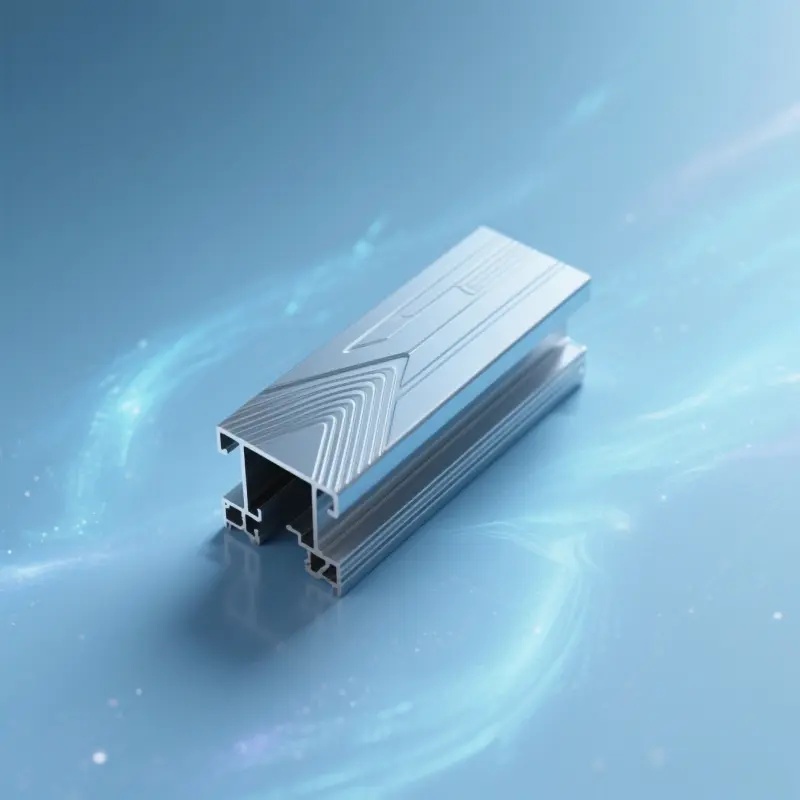
Transparent Aluminum: The Ultimate Guide to a Sci-Fi Reality Introduction to Transparent Aluminum Have you ever wondered if the futuristic materials in your favorite sci-fi movies could ever become real? One of the most iconic examples is transparent aluminum—a material introduced to the world in a memorable scene from Star Trek IV: The Voyage Home. In that film, the crew barters the secret formula for this seemingly impossible substance, captivating audiences with the idea of a metal as clear as glass yet strong enough to withstand the harshest conditions. But what is transparent aluminum, and does it actually exist outside the realm of science fiction? Surprisingly, the answer is yes—but with a twist. While the name suggests a see-through metal, today’s transparent aluminum isn’t a metal at all. Instead, it’s a cutting-edge ceramic known scientifically as aluminum oxynitride (often abbreviated as ALON). This advanced material is made from a combination of aluminum, oxygen, and nitrogen, resulting in a polycrystalline ceramic that is both optically transparent and exceptionally strong. Unlike traditional aluminum, which is opaque and metallic, this version achieves its clarity and toughness through a unique crystal structure and sophisticated processing techniques. So, why all the excitement? Imagine a material that can stop bullets, withstand extreme temperatures, and remain clear across a wide range of light wavelengths. That’s the promise of transparent aluminum. It’s already making waves in industries like defense and aerospace, where its unique properties are opening doors to new possibilities. Origin: Inspired by science fiction, now realized as a transparent ceramic Composition: Aluminum, oxygen, and nitrogen in a cubic spinel structure Key Features: Exceptional strength, clarity, and resistance to heat and damage In this ultimate guide, you’ll discover how transparent aluminum made the leap from the big screen to real-world laboratories. We’ll explore its fascinating development, remarkable properties, cutting-edge applications, and the reasons behind its high cost. Whether you’re a Star Trek fan, an engineer, or simply curious about advanced materials, you’re about to embark on a journey through the science, technology, and future of transparent aluminum. Ready to see what’s possible when imagination meets innovation? Let’s dive in. The Star Trek Scene That Sparked a Phenomenon When you hear the phrase "transparent aluminum," does a scene from a sci-fi movie instantly come to mind? For many, the answer is yes—thanks to one of the most memorable moments in film history: Star Trek IV: The Voyage Home. In this 1986 classic, the crew of the USS Enterprise travels back to 20th-century Earth on a mission to save humpback whales. Faced with the challenge of building a massive, watertight tank to transport the whales to the future, engineer Scotty finds himself in need of an ultra-strong, clear material. But with no money or resources in the pa...
Read More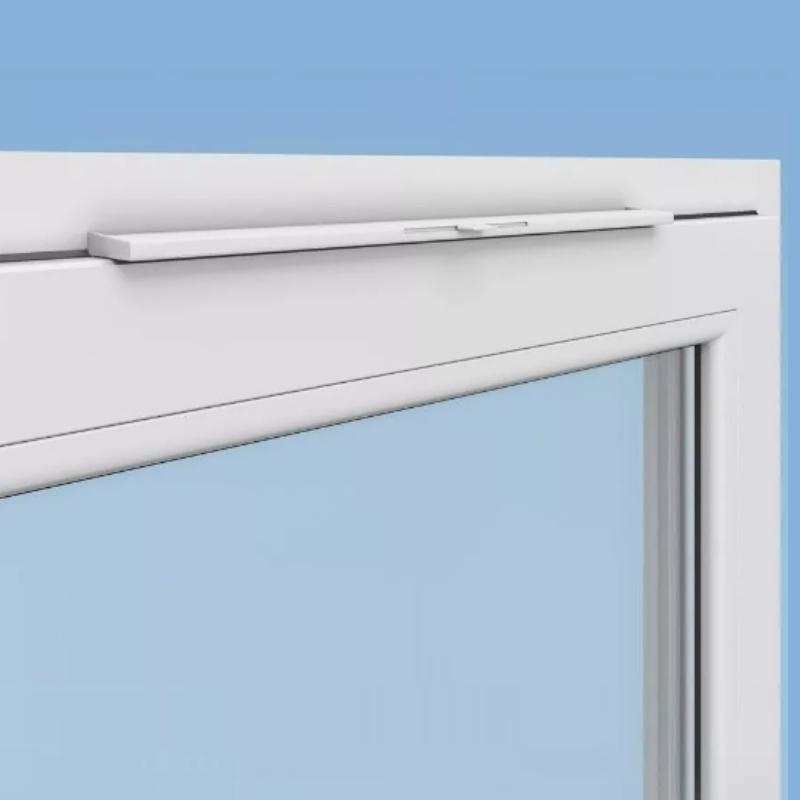
UPVC Trickle Vents: The Definitive Homeowner's Guide What Is a uPVC Trickle Vent and Why Does Your Home Need One? Ever noticed how your home can feel stuffy, or how condensation seems to gather on your windows, especially in winter? If you’ve wondered how to keep your living space fresh without sacrificing energy efficiency or security, the answer might be simpler than you think: the uPVC trickle vent. Understanding the Basics: What Is a Trickle Vent? A uPVC trickle vent is a small, discreet opening built into the frame of a uPVC window or door. Its main job? To allow a gentle, controlled flow of fresh air into your home—without the need to open your windows fully. This passive ventilation solution is designed for modern, airtight homes, where energy efficiency is a priority but ventilation can easily be overlooked. Continuous background ventilation: Trickle vents provide a steady supply of fresh air, helping to replace stale indoor air with clean outdoor air. Energy efficient: They let air in while keeping heat loss and drafts to a minimum, so you don’t have to compromise on comfort or utility bills. Security maintained: You can ventilate your home without leaving windows open, reducing the risk of break-ins. Why Are Trickle Vents for uPVC Windows Important? Modern homes are built to be airtight for better insulation, but this can trap moisture and pollutants inside. Over time, you might notice issues like: Condensation: Moisture from daily activities (like cooking or showering) builds up, leading to water droplets on windows and, if unchecked, mold growth. Poor air quality: Pollutants, allergens, and odors linger, potentially affecting your family’s health. Stuffiness: Without proper airflow, rooms can feel stale and uncomfortable, especially in well-sealed homes. By installing trickle vents for uPVC windows, you tackle these problems head-on. Trickle vents are especially beneficial in high-humidity areas such as kitchens and bathrooms, where condensation risk is highest. They’re also a smart way to meet building regulations for ventilation in new or renovated homes. What You’ll Learn in This Guide This comprehensive guide will walk you through everything you need to know about uPVC trickle vents. You’ll discover: Why these vents are a necessity for healthy, comfortable living How to choose the right trickle vent for your windows Step-by-step instructions for installation and retrofitting Advice on replacing old or damaged vents Cost breakdowns and where to buy quality products By the end of this guide, you’ll have a complete understanding of how uPVC trickle vents work, why they matter, and how you can use them to improve your home’s air quality and comfort—without sacrificing energy efficiency or security. Why Your UPVC Windows Need Trickle Vents Have you ever woken up to water droplets running down your windows, or noticed a musty smell in a closed-up room? These are telltale signs of poor ventilation—a common problem in modern, well-sealed ...
Read More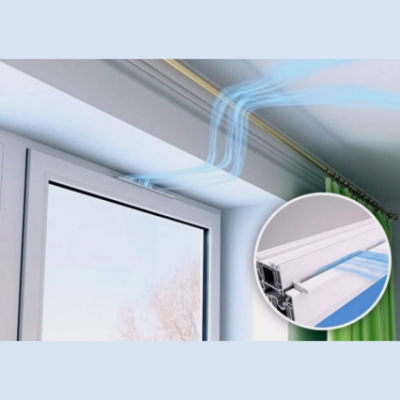
Master Passive Ventilation: A Complete Design Guide Introduction to Passive Ventilation Ever walked into a room and instantly felt refreshed by a gentle breeze, even though no fans or air conditioners were running? That’s the magic of passive ventilation. Sounds complex? In reality, it’s a simple, smart, and sustainable way to keep your indoor spaces comfortable and healthy—without relying on mechanical systems. Passive ventilation, sometimes called natural ventilation, is all about using the forces of nature—like wind and temperature differences—to move fresh air through a building. Instead of flipping a switch or cranking up the AC, you let the environment do the work for you. Imagine opening windows on opposite sides of your home and feeling a cool draft sweep through, or noticing how warm air naturally rises and escapes through vents near your ceiling. These everyday moments are passive ventilation in action. But why should you care about this approach? Here are a few compelling reasons: Sustainability: By minimizing or eliminating the need for powered ventilation, you reduce your home’s energy consumption and carbon footprint. Cost-effectiveness: With fewer mechanical systems, you save on installation, maintenance, and utility bills. Healthier indoor air: Continuous, gentle airflow helps dilute indoor pollutants, supporting better air quality and comfort for you and your family. Comfort: Properly designed natural ventilation can prevent stuffy rooms and help regulate temperature without drafts or noise from machines. So, how does it work? At its core, passive ventilation relies on two main natural forces: Wind-driven ventilation—using pressure differences created by wind around a building to move air inside. Buoyancy-driven ventilation (or stack effect)—using temperature differences between indoors and outdoors to create upward air movement (Wikipedia). Throughout this guide, you’ll discover the foundational science behind passive ventilation, explore practical design strategies, and learn how to apply these principles in various settings—from homes to workplaces and even specialized environments. We’ll also compare passive and active (mechanical) systems, so you can make informed decisions for your unique needs. Ready to take a breath of fresh air—naturally? Let’s dive into the core principles that make passive ventilation so effective. Understanding the Core Principles of Passive Ventilation When you open a window and instantly feel a breeze sweep through your space, have you ever wondered what drives that movement of air? The answer lies in the core passive ventilation principles—simple, natural forces that work together to create healthier, more comfortable environments without using electricity or machinery. Let’s break down exactly how these forces operate, and why they matter for your home or building. How Passive Ventilation Works: The Science Simplified At its heart, passive ventilation is powered by two main natural phenomena: wind...
Read More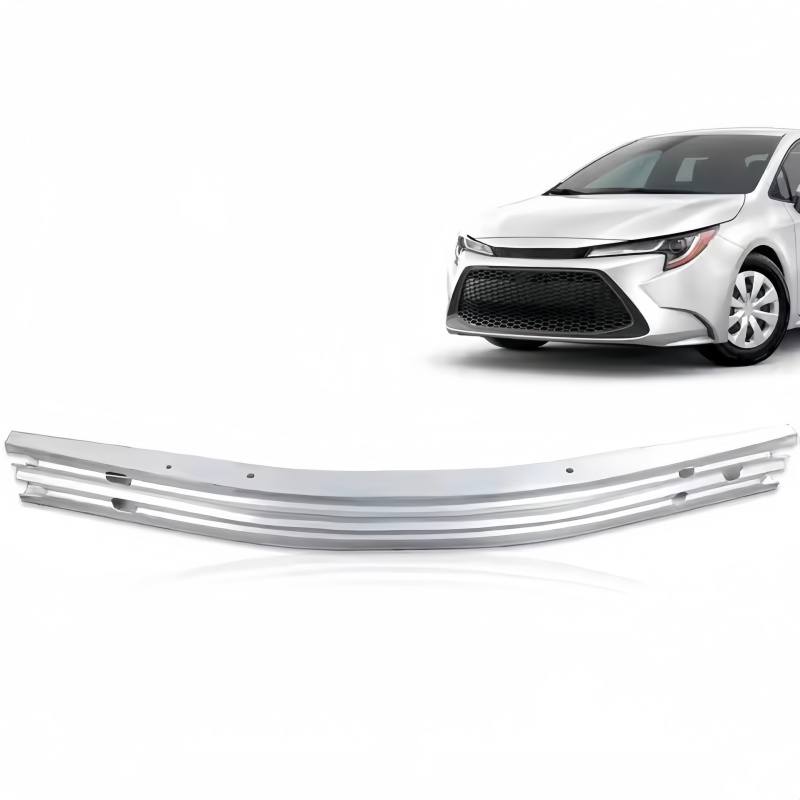
The Definitive Guide to Automotive Impact Beams: Safety, Engineering, and Material Innovations Introduction to Impact Beams When you get into your car, buckle up, and start the engine, you probably aren’t thinking about the hidden structures working tirelessly to keep you safe. Yet, tucked behind your doors and bumpers lies a critical component: the impact beam. Sounds complex? It’s actually one of the most straightforward—and vital—elements of today’s vehicle safety systems. But what exactly is an automotive impact beam, and why does it matter so much? What Is an Impact Beam? Imagine a collision. In those crucial milliseconds, impact beams—sometimes called crash beams or energy-absorbing beams—spring into action. These are robust structural elements, often made from steel, aluminum, or advanced composites, strategically placed inside car doors and bumpers. Their main job? To absorb and redirect the energy from a crash, protecting both the vehicle’s structure and, more importantly, the people inside. By absorbing energy and maintaining the integrity of the passenger cell, these beams create a safer environment for everyone on board. Why Are Impact Beams So Important? Let’s break it down with a real-life scenario: Side collisions, often called T-bone accidents, are among the most dangerous because there’s so little space between the door and the passenger. Here, the impact beam acts as a shield, absorbing energy and preventing the door from collapsing inward. In fact, the “survival space” between the passenger and the point of impact can be as little as 5 to 25 centimeters. Every centimeter gained by a well-designed beam can mean the difference between minor and severe injury. Front and rear impact beams: Positioned behind bumpers, these protect vital components like the engine and trunk by absorbing and distributing collision forces. Side impact beams: Hidden within doors, these are crucial for minimizing intrusion and safeguarding occupants during lateral crashes. Over the years, the design and materials used for these beams have evolved. While steel has long been the standard for its strength, the push for lighter, more fuel-efficient vehicles has led to increased use of aluminum and composites. This shift not only enhances safety but also improves vehicle performance and efficiency. What to Expect in This Guide This comprehensive guide will walk you through: The essential functions and engineering principles behind impact beams Different types—side, front, and rear—and their specific roles in crash protection Material innovations, from high-strength steel to advanced aluminum alloys How regulations and testing shape modern beam design The environmental impact and future trends in automotive safety Whether you’re an automotive professional, an engineer, or a safety-conscious enthusiast, you’ll gain in-depth, practical knowledge about impact beams and their significance in the ever-evolving world of vehicle safety. Let’s dive deeper into how the...
Read More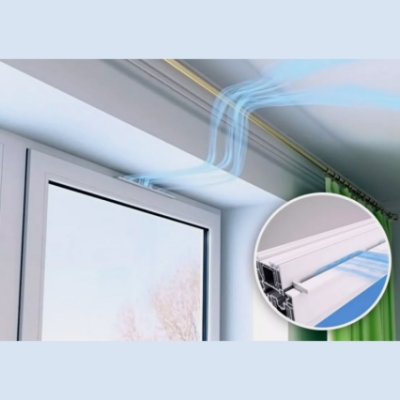
Window Trickle Vents: Your Essential Guide to Healthier, Fresher Homes Why Window Trickle Vents Matter Have you ever walked into a room that just feels stuffy, or noticed beads of water forming on your window panes? Maybe you’ve wondered why your home sometimes smells musty or why mold seems to creep up in the corners no matter how often you clean. These are common issues in today’s modern, airtight homes. As builders strive for energy efficiency and reduced drafts, houses are sealed tighter than ever. While this keeps outdoor air out, it can also trap moisture, odors, and pollutants inside, leading to discomfort and even health concerns. So, what’s the solution when opening the window isn’t practical—especially in cold, hot, or noisy environments? This is where window trickle vents step in. Think of these as a window ventilation strip—a discreet feature built into your window frame that allows a gentle, controlled flow of fresh air into your home, even when the window is closed. By providing continuous background ventilation, trickle vents help prevent the buildup of moisture and stale air, reducing the risk of condensation, mold, and poor indoor air quality. Stuffy rooms? Trickle vents help keep air moving, so you breathe easier. Condensation on windows? These vents let out excess moisture, protecting your windows and walls. Worried about indoor air quality? Trickle vents quietly bring in fresh air, diluting pollutants and odors. In this guide, you’ll discover how window trickle vents work, why they’re important for both comfort and code compliance, and how to choose the right vent for your specific window type—whether you have uPVC, double-glazed, timber, or aluminum frames. We’ll also share practical installation tips, simple maintenance routines, and advice on when it might be time to consider an upgrade or replacement. By the end, you’ll have all the information you need to make your home healthier, fresher, and more comfortable—starting with something as simple as a window ventilation strip. What is a Trickle Vent on a Window? When you hear the term "trickle vent," you might wonder, what is a trickle vent on a window and why does it matter for your home? Imagine a device that quietly works behind the scenes—allowing fresh air to enter your living space, even when the window is tightly shut. That’s the magic of a window trickle vent: a small, cleverly engineered feature designed for continuous, controlled ventilation without compromising your comfort or security. Breaking Down the Purpose and Mechanism Modern homes—especially those with uPVC windows or double glazing—are built to keep out drafts and save energy. But this airtightness can create new problems, like trapped moisture and stale air. Trickle vents offer a simple solution by providing a dedicated pathway for fresh air to flow inside, helping to prevent condensation, reduce mold risk, and maintain a healthy indoor environment. How do they work? Think of a trickle vent as a mini-win...
Read More


 online service
 0086 136 3563 2360
 sales@sxalu.com
 +86 136 3563 2360
 English
 français
 Deutsch
 русский
 español
 português
 العربية
 ไทย
ไทย Việt
Việt Українська