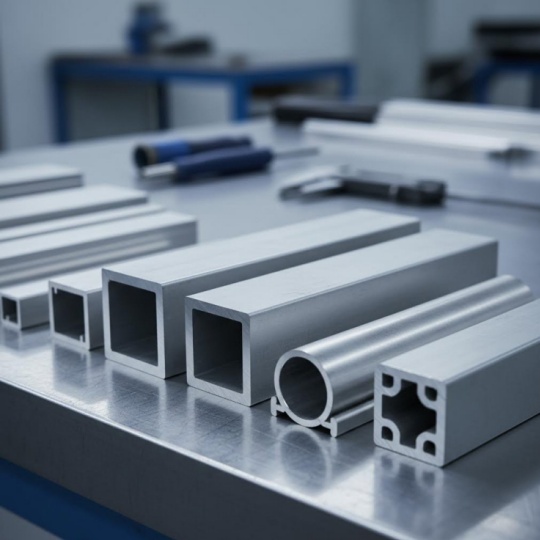
Deburring Aluminum Extrusions: Match Your Method To Your Alloy Series Understanding Deburring and Its Critical Role in Aluminum Extrusions When you run your finger along a freshly cut aluminum extrusion and feel that sharp, ragged edge catch your skin, you have encountered a burr. These small but significant imperfections are the unwanted byproducts of nearly every cutting, sawing, or machining operation performed on extruded profiles. Understanding how to define deburr and why it matters can mean the difference between a quality finished product and costly production problems. Simply put, deburring aluminum is the process of removing these raised edges, ridges, and small pieces of displaced material that remain attached to a workpiece after fabrication. According to industry experts, a burr is essentially a small, displaced piece of material created when cutting forces cause the metal at the edge to deform and flow rather than cleanly separate. Think of it as the aluminum equivalent of a splinter on freshly sawed wood. What Are Burrs and Why Do They Form on Extrusions Burrs form as a natural consequence of plastic deformation during metal processing. When a saw blade, drill bit, or milling cutter engages with aluminum, the cutting forces do not simply slice the material away cleanly. Instead, the pressure causes metal at the edge of the cut to flow outward, creating that characteristic raised lip or thin flange. Aluminum extrusions present unique deburring challenges that flat sheet metal simply does not. Consider the complexity of a typical extruded profile: hollow sections with internal cavities, intricate cross-sectional geometries, T-slots, channels, and fins that create dozens of edges requiring attention. Each of these features can harbor burrs in locations that are difficult to access and even harder to inspect. The softness of aluminum compounds this problem. Compared to steel, aluminum deforms more readily under cutting pressure, which often results in larger, more pronounced burrs. This characteristic demands that fabricators pay careful attention to their deburring solutions from the very start of production planning. The Hidden Costs of Ignoring Burr Removal You might wonder whether those tiny imperfections really matter. The answer is a resounding yes. Ignoring proper burr removal creates a cascade of problems that extend far beyond aesthetics. The consequences of inadequate deburring include: Assembly failures: Even microscopic burrs can prevent parts from fitting together correctly. In precision assemblies, this throws off tolerances, causes misalignment, and leads to premature wear or complete mechanical failure. Coating adhesion problems: Burrs create high points where powder coating, paint, or anodizing will be thinner and edges where finishes are prone to chipping. These weak spots become entry points for moisture and corrosion. Safety risks: Sharp, unfinished edges pose immediate hazards to machine operators, assembly workers...
Read More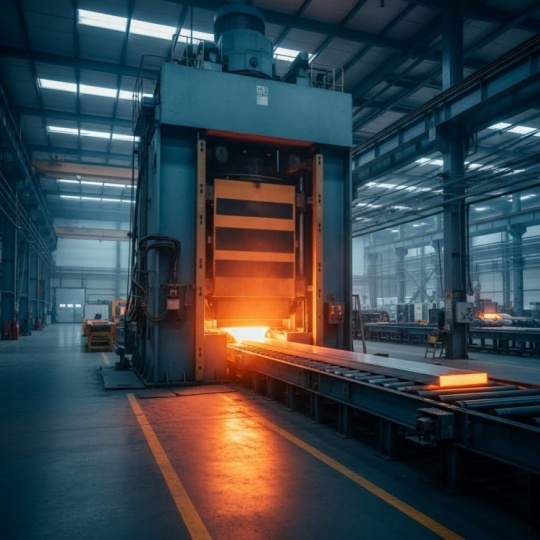
Finding A High Quality Aluminum Extrusion Manufacturer: Key Points What Makes an Aluminum Extrusion Manufacturer Truly High Quality When you're sourcing aluminum extrusion profiles for critical applications, how do you separate exceptional manufacturers from average ones? The difference between a reliable partner and a problematic supplier often comes down to quality benchmarks that many buyers struggle to identify upfront. A high quality aluminum extrusion manufacturer isn't simply defined by competitive pricing or fast turnaround times. Instead, excellence emerges from a combination of technical capabilities, rigorous quality control systems, and industry-specific expertise that ensures every aluminium extruded profile meets precise specifications. Why Quality Standards Define Manufacturing Excellence Quality in aluminum extrusion manufacturing begins long before metal meets die. According to Profile Precision Extrusions, comprehensive quality control spans the entire process — from billet selection through final inspection. This systematic approach ensures consistency across every order, whether you need custom aluminum extrusions for aerospace applications or standard aluminum profiles for architectural projects. The stakes are significant. In industries like aerospace, defense, and healthcare, a fraction of a millimeter can determine performance and safety. That's why leading aluminum extrusion companies invest heavily in AS9100 registration, coordinate measuring machines, and real-time process monitoring. The Critical Difference Between Standard and Premium Extrusion Partners What separates top aluminum supply sources from the rest? Consider these distinguishing factors: Product Quality: Consistency in surface finish, dimensional accuracy, and mechanical properties Technological Capabilities: Advanced extrusion presses, automation, and ongoing R&D investments Customization Flexibility: Ability to produce complex profiles tailored to your exact requirements Documentation and Traceability: Complete material certifications with lot numbers traceable to raw material production Throughout this guide, you'll learn how to evaluate manufacturers across technical capabilities, certification requirements, alloy selection, finishing options, and total cost of ownership. Whether you're specifying your first extrusion project or refining your supplier qualification process, these ten essential points will equip you with a practical framework for making informed procurement decisions. Understanding the Aluminum Extrusion Manufacturing Process Ever wondered how extruded aluminum is made? Imagine squeezing toothpaste from a tube — that's the basic concept. But when you're evaluating a manufacturer's capabilities, understanding the nuances of each production stage becomes essential. The aluminium extrusion process transforms raw aluminum billets into precision profiles through carefully controlled steps, and quality at each stage directly impacts the fi...
Read More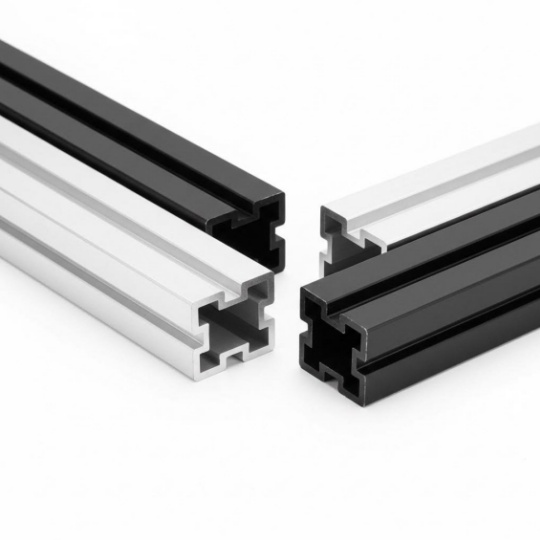
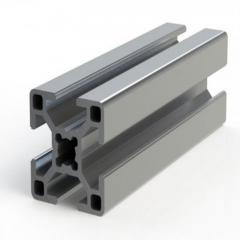
Why Aluminum Extrusions 2020 Matters for Your Business What Is 2020 Aluminum Extrusion and Why the Name Matters Ever wondered why certain aluminum profiles have numerical names like "2020" or "4040"? The answer is surprisingly simple once you understand the logic behind it. A 2020 aluminum extrusion gets its name directly from its cross-sectional dimensions: 20mm x 20mm. That's it—no complicated jargon, just straightforward measurements that tell you exactly what you're working with. A 2020 aluminum extrusion is a square, T-slotted aluminum profile measuring 20mm x 20mm in cross-section. Part of the modular framing family, it features longitudinal grooves (T-slots) that allow quick assembly using specialized hardware—no welding required. The 20mm x 20mm Standard Explained The 20mm x 20mm aluminum extrusion sits at the lighter end of the industrial profile spectrum. According to industry standards, the 20 series represents the smallest commonly available base dimension, making it ideal for applications where weight matters but structural integrity remains essential. Think 3D printer frames, small automation equipment, and lightweight lab fixtures. What makes this profile particularly useful is its T-slot design. These longitudinal grooves run along each face of the extrusion, creating channels where T-nuts and fasteners slide in and lock into place. You can connect profiles at virtually any angle, add accessories, or reconfigure your entire structure—all without drilling a single hole. Breaking Down the 2020 Naming System Here's where things get interesting. The naming convention extends beyond just "2020." The aluminum extrusion 2020 follows a logical pattern that applies across the entire product family: First two digits: Width of the profile in millimeters Last two digits: Height of the profile in millimeters So a 2040 profile? That's 20mm wide and 40mm tall—a rectangular variation of the standard square 20 20 extrusion. This system remains consistent whether you're shopping from major brands like 80/20 Inc., Misumi, or budget-friendly options like ZYLtech. One important note: while the naming convention stays consistent, slight dimensional variations exist between manufacturers. A 2020 extrusion from one supplier might have a 5mm slot width, while another offers 6mm. Always verify specifications before mixing components from different brands. From Raw Aluminum to Precision Profile Understanding how these profiles are made helps explain their remarkable consistency. The manufacturing process—called extrusion—forces heated aluminum billets through a precision die, creating that uniform 20 x 20 aluminium extrusion shape we rely on for modular construction. Most manufacturers use either 6063-T5 or 6061-T6 aluminum alloys. The 6063-T5 variant offers excellent extrudability and a smooth surface finish, making it the standard choice for general applications. Need higher strength? The 6061-T6 alloy delivers greater rigidity for demanding structural re...
Read More
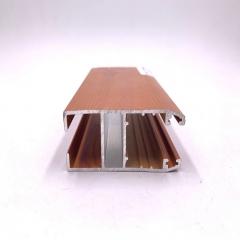
Aluminum Extrusions For Glass: Alloy Secrets That Slash Energy Costs Understanding Aluminum Extrusions for Glass Applications Have you ever wondered what holds those stunning floor-to-ceiling glass panels in place? Or how architects achieve those impossibly sleek window frames that seem to disappear into the structure? The answer lies in aluminum extrusions for glass—precision-engineered profiles that have quietly revolutionized modern construction. Simply put, aluminum extrusions are aluminum products manufactured by pushing heated metal through a shaped die to create precise profiles. These profiles serve as the framework that holds, supports, and frames glass panels in everything from residential windows to towering commercial curtain walls. Think of it like squeezing Play-Doh through a star-shaped mold—except on an industrial scale with temperatures reaching around 900 degrees Fahrenheit and hydraulic pressure of approximately 3,600 tons. What Makes Aluminum the Preferred Metal for Glass Framing When you're selecting materials to frame glass, the options seem endless. Yet aluminum consistently outperforms the competition. Why? It comes down to a unique combination of properties that no other material can match. Aluminum is lightweight, corrosion-resistant, and incredibly resilient. Its strength-to-weight ratio is exceptional, and unlike many alternatives, it's non-combustible and non-toxic—making it ideal for glass framing applications where safety and longevity matter. The extruded frame you see in modern glass installations offers something vinyl and steel simply cannot match: infinite recyclability. According to The Aluminum Association, nearly 75 percent of all aluminum ever produced remains in use today, with recycling rates in building applications exceeding 90 percent. This sustainability factor, combined with aluminum's ability to achieve virtually any color through anodizing or powder coating, makes it the go-to choice for architects worldwide. Beyond aesthetics, aluminum extrusions excel at creating narrow sightlines—those ultra-thin frames that maximize your view through the glass. As the trend toward all-glass facades and unobstructed views continues to grow, aluminum's ability to be extruded into complex shapes gives designers nearly limitless creative freedom. The Extrusion Process Behind Glass-Ready Profiles Understanding how your extrusion frame is made helps you appreciate why quality matters. The process begins with aluminum logs that undergo heating until they become malleable. These logs are then cut into smaller pieces called billets. Here's where the magic happens: a hydraulic ram forces the heated billet through a custom-designed die—essentially a steel template cut to the exact cross-sectional shape needed for your glass application. Whether you need a simple U-channel or a complex extruded aluminum housing for LED-integrated glass systems, the die determines the final profile geometry. After extrusion, the aluminum co...
Read More
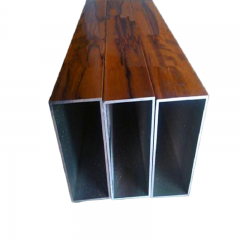
Aluminum Tube Extrusion Supplier Selection: From Alloy Choice To Final Quote Understanding Aluminum Tube Extrusion and Why Supplier Selection Matters When you need hollow aluminum profiles for your next project, the manufacturing method and the partner you choose can make or break your results. Aluminum tube extrusion is a specialized process where heated aluminum alloy billets are forced through custom-shaped dies to create seamless, hollow profiles with precise dimensions. Think of it like squeezing toothpaste through a tube—except the "tube" is a precision-engineered die that shapes molten metal into structural components used across countless industries. This buyer-focused guide walks you through everything procurement professionals and engineers need to know—from understanding how extrusions are made to evaluating suppliers who can deliver exactly what your project demands. Whether you're sourcing extruded aluminum for construction, automotive, or industrial applications, the information here will help you make confident, informed decisions. What Makes Aluminum Tube Extrusion Unique The aluminum extrusion process begins with a solid cylindrical billet, typically preheated to around 400-500°C. At this temperature, the aluminum becomes malleable enough to flow through a die without melting completely. A powerful hydraulic ram—capable of applying up to 15,000 tons of pressure—pushes the softened billet through the die opening. The result? A continuous extruded tube that emerges in the exact cross-sectional shape of the die. What sets tube extrusion apart from other manufacturing methods is its ability to produce complex hollow profiles in a single operation. Unlike welded tubes or machined components, an extruded tube has no seams or joints that could compromise structural integrity. The process also allows for tight dimensional tolerances and consistent wall thickness throughout the profile's length. After exiting the die, the aluminum profile undergoes quenching—a rapid cooling process using fans or water baths—followed by stretching to correct any distortion and ensure straightness. The tubes are then cut to length and aged to achieve the desired mechanical properties. Why Your Supplier Choice Impacts Project Outcomes Selecting the right aluminum tube extrusion supplier isn't just about finding the lowest price. Your supplier's capabilities directly influence the quality, consistency, and reliability of every component you receive. A supplier with advanced equipment, technical expertise, and robust quality controls can deliver profiles that meet exact specifications—while a less capable partner may leave you dealing with dimensional inconsistencies, surface defects, or delayed shipments. The quality of extruded aluminum profiles directly influences the performance and durability of final products. Suppliers adhering to international standards ensure consistency and excellence in delivered extrusions. Consider the full scope of what a capable...
Read More


 online service
 0086 136 3563 2360
 sales@sxalu.com
 +86 136 3563 2360
 English
 français
 Deutsch
 русский
 español
 português
 العربية
 ไทย
ไทย Việt
Việt Українська