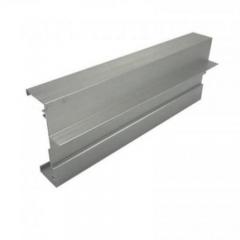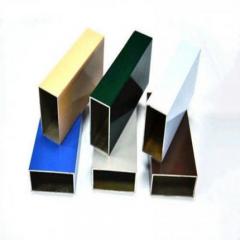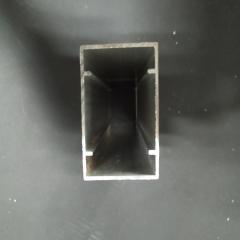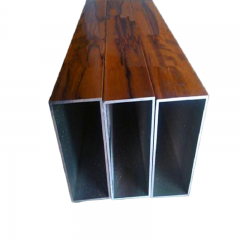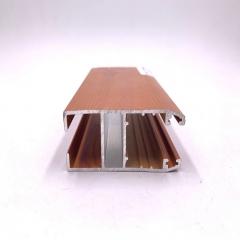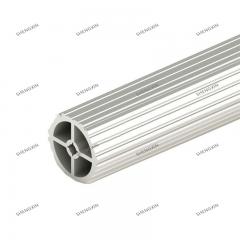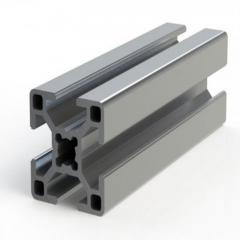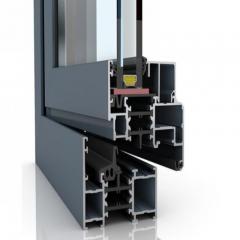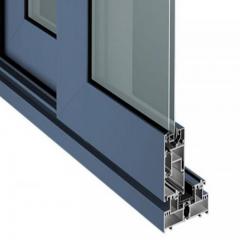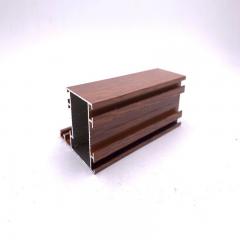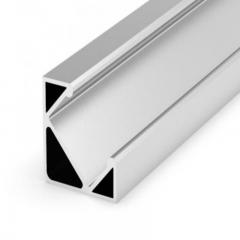
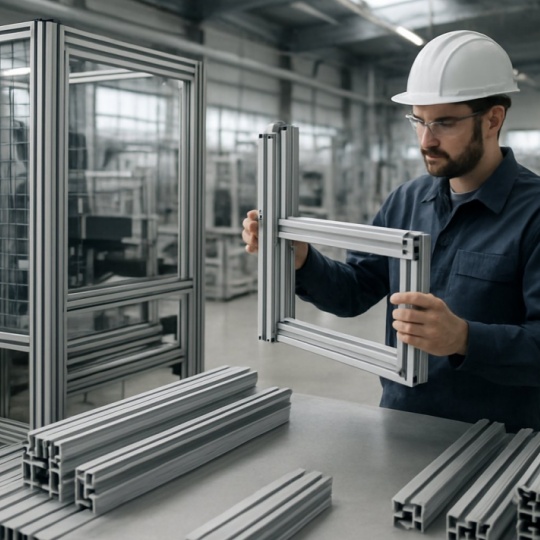
Industrial Aluminium Profile: Stop Guessing, Start Specifying Industrial Aluminium Profile Basics Walk through almost any factory and you will see the same idea repeated in different forms: straight metal members used to build frames, guards, benches, and conveyor structures. In many of those builds, the material is an industrial aluminium profile because it combines low weight, good corrosion resistance, and easy fabrication for changing layouts and equipment needs, as described in common industrial uses. What Is an Industrial Aluminium Profile An industrial aluminium profile is a long, consistent cross-section made from aluminum alloy for building industrial structures and components. If you have ever searched what is aluminum profile, that simple definition gets you close. The word profile refers to the shape you would see if you cut the part and looked at its end. That shape might be a T-slot, channel, angle, tube, or another section designed for assembly and load support. An aluminium profile or aluminum profile is often chosen because the same cross-section can be produced repeatedly in long lengths, then cut, machined, and joined as needed. How Aluminum Extrusion Profiles Are Made People asking what does extruded aluminum mean are really asking how that shape is created. In the extrusion process, aluminum alloy is pushed through a die. The metal comes out in the same cross-sectional form as the die opening, much like toothpaste taking the shape of a tube opening. In plain terms, the aluminium extrusion meaning is shaping heated alloy into a repeatable form. After that, the profile may be heat treated, finished, cut, drilled, or machined for its final job. Terms Buyers Commonly Confuse Aluminium profile / aluminum profile: Different spellings for the finished shaped member. Extrusion profile: A profile made by extrusion, often used interchangeably with aluminum extrusion profile. Section: A general structural shape, such as an angle, channel, or tube. System: A family of compatible profiles, connectors, and accessories used together. That distinction matters in real buying conversations. Someone may ask what is aluminum profile, but the actual requirement is often broader: not just one shape, but a modular set of parts that must fit together cleanly on the shop floor. How Industrial Aluminium Profile Systems Fit Together That broader buying question is why many projects are specified as a system, not as a single bar or section. In real factory builds, an aluminium profile system or aluminum profile system is a modular set of profiles, slots, fasteners, and accessories designed to work together. For anyone sourcing an industrial aluminium profile, this matters because the frame is only one part of the final structure. The value comes from how easily it can be assembled, adjusted, and expanded without welding. How an Aluminum Profile System Works Most systems use extruded profiles with T-shaped channels running along one or more faces. Those ...
Read More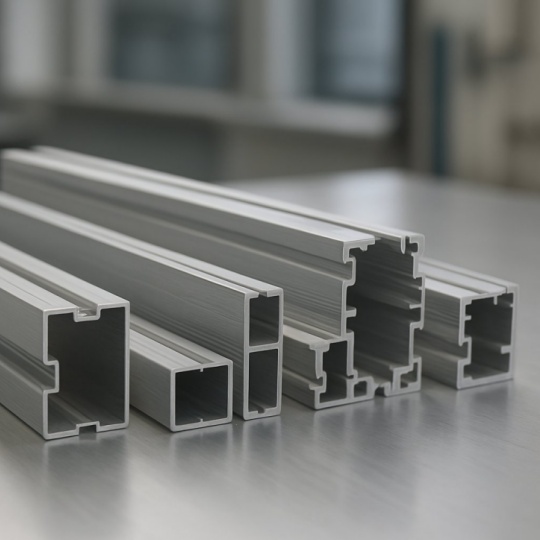
Aluminium Extrusion Profile Mistakes That Cost You Later What an Aluminium Extrusion Profile Really Is If you are comparing sections, drawings, or catalog pages, clarity matters first. Many costly mistakes start when people treat shape, alloy, temper, and finish as if they mean the same thing. They do not. An aluminium extrusion profile is a continuous aluminum shape made by forcing softened alloy through a die, creating a fixed cross-section along its length. That short answer covers the core aluminium extrusion meaning, but the full aluminium extrusion definition gets more useful when you break the terms apart. Profile: The cross-sectional shape, such as an angle, channel, tube, or custom section. Alloy: The aluminum chemistry chosen for properties like corrosion resistance, formability, or strength. Temper: The heat-treated or work-hardened condition that affects mechanical performance. Finish: The surface state, such as mill finish, anodized, painted, polished, or powder coated. What an Aluminium Extrusion Profile Means An aluminium extrusion profile is not just “a piece of aluminum.” It is a designed section built around a repeated shape. That shape may be simple, like a flat bar or channel, or far more specialized. The key idea is consistency. One aluminium extruded profile keeps the same cross-section from one end to the other, which makes it useful for framing, trims, enclosures, transportation parts, and many other applications noted by Eagle Aluminum. How Extruded Aluminium Takes Shape The process starts with an aluminum billet, or cast log, that is heated until it becomes soft and malleable but remains solid. A press then forces that material through a die opening shaped like the desired section. The metal exits as a long, fully formed profile, then it is cooled, straightened, cut, and aged. Process basics from AEC show why this method can produce both simple and complex extrusion profiles with repeatable geometry. Why Profile Geometry Matters in Real Projects The cross-section controls how the part fits, carries load, accepts fasteners, sheds water, or presents a finished look. A small change in wall placement or slot shape can affect stiffness, assembly speed, and finishing results. That is why two parts made from the same alloy can behave very differently in service. Shape comes first, but shape alone is never the whole story, which is exactly where profile families start to separate in practical selection. How Profile Families Differ That separation becomes practical the moment you open a catalog. The same extrusion process can produce stock sections, purpose-built custom shapes, and slot-based framing members, but those categories solve different problems. When people treat them as interchangeable, selection errors start early. A better approach is to sort families by how they are meant to be used before comparing drawings, accessories, or prices. Standard Shapes and Open Sections Many suppliers group standard aluminium extrusions...
Read More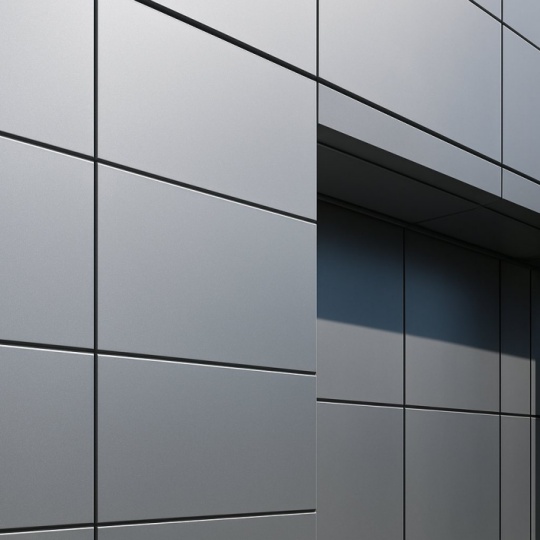
PVDF Coated Aluminum: What Spec Sheets Rarely Explain What Is PVDF Coated Aluminum? If you are asking what is PVDF coating, the simplest answer is this: it is aluminum finished with a high-performance fluoropolymer coating system, not just a standard paint layer. That difference matters. Generic painted or powder-coated aluminum may look similar on day one, but PVDF is typically chosen when long-term outdoor color stability, gloss retention, and weather resistance are part of the job. PVDF coated aluminum is aluminum protected with a polyvinylidene fluoride based finish engineered for strong UV, weather, and chemical resistance. It is commonly specified for exterior building components where appearance retention matters as much as basic protection. What PVDF Coated Aluminum Means In real-world buying language, this usually means sheet, coil, panel, or other coated aluminum finished with a PVDF coating system. Material buyers look for it when a project needs a finish that resists fading and chalking over time. Architects often search for it for visible exterior elements. Fabricators pay attention because finish choice affects forming, handling, and final quality. Durability: Often selected for exposure to sun, rain, pollution, and temperature swings. Appearance retention: Better known for limiting chalking, fading, and gloss loss than many conventional finishes. Common building uses: Facade panels, roofing components, soffits, fascias, trim, and window-related aluminum parts. What Does PVDF Stand For in Metal Finishes What does PVDF stand for? It stands for polyvinylidene fluoride. Fairview describes it as a fluoropolymer-based resin valued for UV resistance and flexibility, traits tied to strong carbon-fluoride bonds. In plain English, the chemistry is why this finish is used where ordinary coatings can lose their look faster. Why Aluminum Is a Common PVDF Substrate Aluminum is a natural match because it is lightweight, formable, and widely used in exterior cladding and trim. Pairing aluminum with PVDF gives specifiers a metal that is practical to fabricate and a finish designed to stay attractive outdoors. That sounds simple enough, until spec sheets start mentioning fluoropolymer blends, resin percentages, and two-coat systems. How Fluoropolymer PVDF Resin Systems Work Spec sheets love shorthand. Terms like fluoropolymer, 70% PVDF, and two-coat system all point to the chemistry behind a finish, not just its color. In a coating, the resin is the binder that forms the paint film and helps hold pigments to the metal. What makes a fluoropolymer PVDF finish different is its carbon-fluorine chemistry. ACA notes that fluorinated polymers are valued for resistance to UV radiation, chalking, water, chemicals, and dirt pickup, which is why PVDF coatings are tied so closely to exterior architecture. How PVDF Fluoropolymer Resins Work A PVDF fluoropolymer resin is the performance-driving part of the system, but it is not the whole coating by itself. Formul...
Read More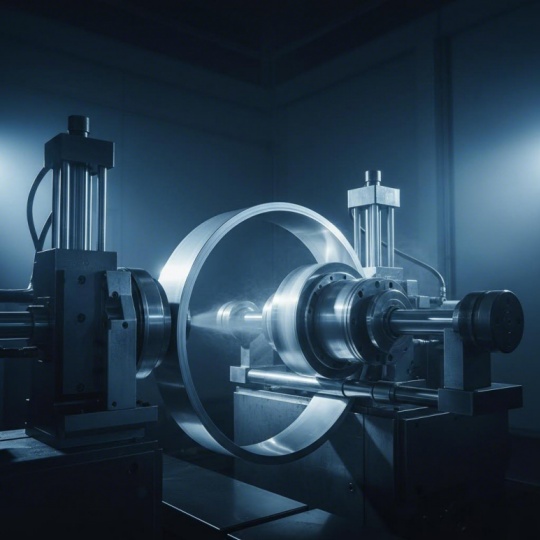
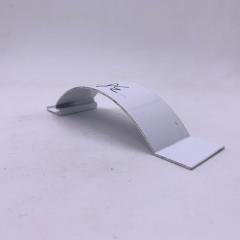
Optimal Methods For Aluminum Extrusion Bending: Choose Right, Bend Once Understanding Aluminum Extrusion Bending Fundamentals Imagine you're working with a complex aluminum profile—perhaps a hollow tube with varying wall thicknesses or an intricate architectural shape. Now you need to curve it precisely without cracking, wrinkling, or distorting its cross-section. This is where aluminum extrusion bending comes into play, and why choosing the right method matters more than you might think. Aluminum extrusion bending is a specialized manufacturing process that shapes extruded aluminum profiles into curved configurations while preserving their structural integrity. Unlike working with simple flat sheets, curved aluminum extrusion projects involve components that have already been forced through a die to create specific cross-sectional shapes—hollow tubes, channels, angles, and custom architectural forms. The challenge lies in bending these pre-formed profiles without compromising their designed geometry. Why Bending Method Selection Determines Project Success When you select the wrong bending approach for your aluminum profile, the consequences extend far beyond a single failed part. You're looking at increased scrap rates, production delays, and potentially compromised structural performance in your final application. Each bending method applies force differently, and what works perfectly for a large-radius architectural curve may completely fail when applied to a tight-radius automotive component. The stakes are particularly high because aluminum extrusion bending introduces multiple stresses into the material simultaneously—tension on the outer curve, compression on the inner surface, and torsional forces throughout. According to manufacturing research, common problems include surface defects like cracks or wrinkles, excessive springback leading to inaccurate bends, and twisting due to uneven stress distribution. Proper method selection addresses these challenges before they become costly mistakes. Selecting the appropriate bending method based on your specific profile geometry, bend radius requirements, and production volume can reduce defect rates by preventing the mismatch between process capabilities and project demands—saving both material costs and production time. The Critical Role of Profile Geometry in Bendability Here's what makes aluminum profile bending fundamentally different from sheet metal work: you're dealing with three-dimensional cross-sections that must maintain their shape throughout the bending process. A hollow rectangular tube behaves completely differently than a solid bar when curved. Internal cavities can collapse. Thin walls may wrinkle. Asymmetrical profiles tend to twist. The aluminum flexibility you can achieve depends heavily on several geometric factors: Wall thickness uniformity: Profiles with consistent wall thickness distribute bending stress more evenly, reducing failure risk Cross-sectional symmetry: Symmetri...
Read More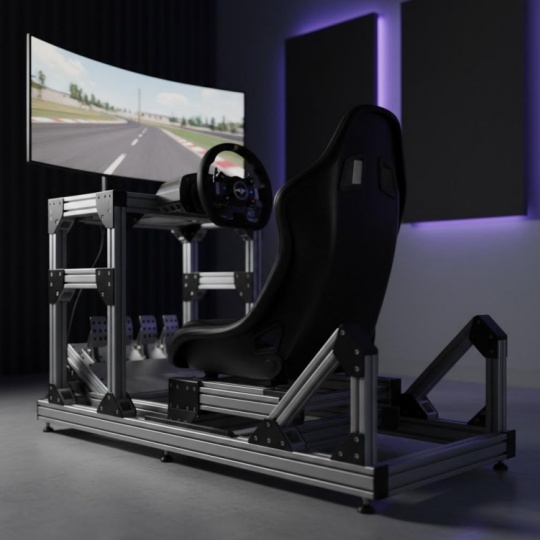
Sim Racing Aluminum Extrusion Decoded: From Profile Sizes To Dream Rig Understanding Aluminum Extrusion for Sim Racing Rigs Ever wondered why serious sim racers obsess over their rig construction? The answer often lies in a deceptively simple material that has transformed how enthusiasts build their dream setups. Sim racing aluminum extrusion has become the gold standard for anyone seeking the perfect balance of strength, adjustability, and longevity in their cockpit design. Why Aluminum Extrusion Dominates Sim Racing The rise of direct drive wheels changed everything. When the Open Sim Wheel project emerged from German forums, it delivered servo-motor-powered force feedback that existing cockpits simply couldn't handle. Suddenly, mounting a powerful wheel to a desk or flimsy stand wasn't just impractical—it was impossible. The sim racing community needed something better, and aluminum extrusion answered that call. An aluminum sim rig offers extreme rigidity while remaining surprisingly lightweight. Unlike welded steel frames that are permanent and difficult to modify, or wooden rigs that can flex under high torque loads, an 8020 sim rig provides rock-solid stability with one crucial advantage: complete modularity. Need to adjust your pedal angle? Move your wheel deck forward? Add a monitor mount? These changes take minutes, not hours. The term "80/20 rig" actually comes from the 80/20 rule—the assumption that 80% of results come from 20% of effort. This perfectly describes the aluminum extrusion sim rig experience: straightforward assembly with professional-grade results. The Building Block System Explained Think of T-slot aluminum profiles as industrial-strength building blocks for adults. Each profile features distinctive T-shaped channels running along its length. These slots accept specialized fasteners called T-nuts, which slide into position and lock securely when tightened. No welding required. No drilling into the aluminum itself. Just bolt, adjust, and tighten. This modular approach means your aluminum sim racing rig can evolve alongside your equipment. Start with a basic wheel stand configuration, then expand to a full cockpit with integrated seat mounting. Add bass shakers later. Upgrade to triple monitors. The same core profiles support endless configurations. Throughout this guide, you'll learn everything from decoding profile terminology like "4040" and "10 Series" to selecting the right slot system for your equipment. We'll cover load capacity calculations for high-torque direct drive wheels, compare sourcing options between specialized sim racing suppliers and industrial vendors, and provide practical DIY building guidance. Whether you're planning your first build or optimizing an existing setup, this comprehensive resource bridges the gap between manufacturer marketing and real-world builder knowledge. Aluminum Profile Sizes and Series Explained Ready to dive into the numbers game? When browsing aluminum profile sim rig componen...
Read More


 online service
 0086 136 3563 2360
 sales@sxalu.com
 +86 136 3563 2360
 English
 français
 Deutsch
 русский
 español
 português
 العربية
 ไทย
ไทย Việt
Việt Українська