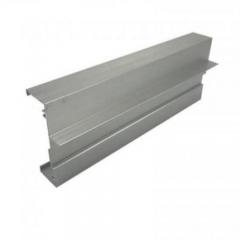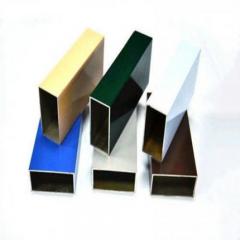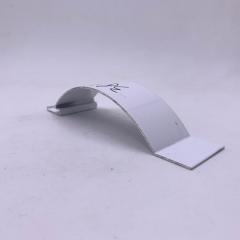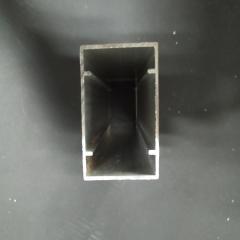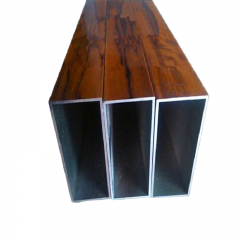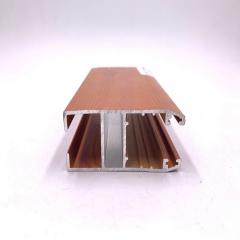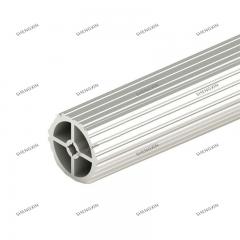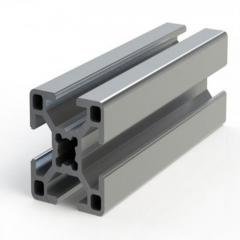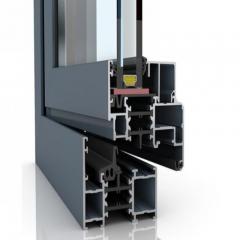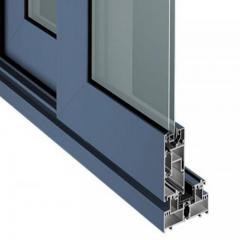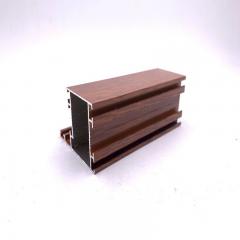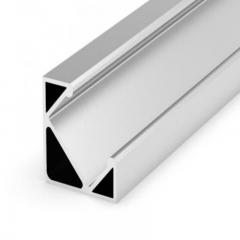

Aluminum Extrusion Profile Secrets That Prevent Costly Spec Errors Understanding Aluminum Extrusion Profiles An aluminum extrusion profile is easier to understand when you picture a long, continuous shape created from one cross-section. That cross-section might become part of a window frame, a machine guard, an enclosure, or a structural member. In simple terms, the shape you see at the cut end is the shape repeated down the full length. What an Aluminum Extrusion Profile Means An aluminum extrusion profile is a length of aluminum formed when a heated billet is forced through a die, creating a consistent cross-section for industrial or architectural use. That basic idea comes straight from the extrusion process described by MISUMI and American Douglas Metals. Depending on the die design, the result can be a solid, hollow, or semi-hollow section. This is why aluminum extrusion profiles appear in such different product categories, from clean architectural trim to rugged automation frames. How the Extrusion Process Creates Consistent Shapes During aluminum profile extrusion, a billet is preheated so it becomes pliable while staying below its melting point. It is then pushed through a die that controls the final cross-section. After that, the extruded length may be cooled, stretched, cut, and heat treated to improve alignment and mechanical performance. The reason this matters is consistency. If the die is correct and the process is controlled, manufacturers can produce long sections with repeatable geometry. That repeatability supports assembly, finishing, and downstream fabrication. Lightweight construction with a strong strength-to-weight advantage Good corrosion resistance for many indoor and outdoor uses Finish adaptability, including surface treatments that improve appearance or durability Repeatable geometry that supports scalable production Why Profiles Matter in Real Projects Not every catalog item represents the same level of completion. A raw profile is the basic extruded shape. A finished fabricated part is that shape after added work such as cutting, drilling, machining, or coating. A modular framing member is a profile designed specifically for system assembly, often with built-in slots or connection features. That distinction prevents a common mistake: assuming a listed section is automatically ready for end use. In real projects, the cross-section drives fit, weight, finish potential, and assembly options. In other words, choosing the right aluminum extrusion profile starts with identifying the right profile family, because a framing system, an open channel, and an architectural section are not interchangeable even when they look similar at first glance. Common Aluminum Extrusion Profile Families One cross-section can look simple on paper and still belong to a very different product family in the market. That is why buyers usually sort by family before they worry about alloy, temper, machining, or finish. The same search may surface s...
Read More
Why PVDF Coated Aluminium Fails Even With A Long Warranty What PVDF coated aluminium really means If you are asking what is PVDF coating on aluminium, the short answer is simple. It is not a type of aluminium alloy. It is not a fabrication method either. It is a fluoropolymer-based coating system applied to aluminium surfaces to improve weather resistance, color retention, and long-term appearance. Technical overviews from Alcadex and LT Coating Coil both place it firmly in the factory-applied architectural finish category. What PVDF Coated Aluminium Means PVDF coated aluminium is aluminium that has been finished with a polyvinylidene fluoride fluoropolymer coating system for added durability, weather resistance, and appearance retention. That definition matters because many buyers mix up three different things: PVDF: the coating chemistry, also called a fluoropolymer finish. Aluminium: the metal substrate underneath, such as sheet, coil, or extrusion-grade material. Finished product: the actual item being purchased, such as a façade panel, roofing sheet, or composite panel. In plain terms, pvdf coating on aluminium describes a finish applied to metal. It does not tell you the alloy, temper, thickness, or fabrication quality by itself. That is where many specification mistakes begin. Common product forms seen in procurement and specification work include: Prepainted aluminium coil PVDF coated aluminium sheet Architectural panels and rainscreen panels Aluminium composite panel facings Curtain wall and cladding components Roofing and wall cladding sheet Selected window frame, louver, and exterior trim applications PVDF Fluoropolymer and Market Naming Terms In the market, pvdf aluminium coating may also be called fluorocarbon coating, PVDF paint system, or simply a high-performance architectural coating. Those names often point to the same general finish family, but they still do not define the whole build. A brochure might say “PVDF panel,” yet the product could be a solid sheet, a coil-coated panel blank, or an aluminium composite panel with a PVDF-finished face. That distinction is more than wording. When a finish fails, the cause may sit in pretreatment, primer choice, curing, or substrate condition rather than in the PVDF label alone. The coating name gets the attention, but the full system decides how well the aluminium performs. How the aluminium PVDF coating system is built That full system has layers, and each one matters. A long warranty can make the topcoat sound like the whole story, but an aluminium PVDF coating only performs well when the metal is prepared correctly, the primer bonds properly, the finish is applied evenly, and the curing stage is controlled. This is true whether the product starts as a pvdf coated aluminium coil or the face sheet of a pvdf coating aluminium composite panel. How the PVDF Coating System Is Built In simple terms, the finish is not just "PVDF paint on metal." It is a sequence. Industry process explainers f...
Read More
Aluminium Anodizing Without Surprises: Color, Fit, Limits What Aluminium Anodizing Really Does At first glance, aluminium anodizing sounds like a coating step. It is not. If you are asking what is anodizing, the simplest answer is that it is a controlled electrochemical treatment that grows aluminum's own protective oxide layer instead of covering the metal with paint or another separate film. What Anodized Aluminum Means Aluminium anodizing is an electrochemical process that thickens and stabilizes aluminum's natural oxide layer, creating a surface that is more durable, more corrosion-resistant, and often ready for color and sealing. That distinction is the real anodized meaning buyers often miss. Xometry describes the new oxide layer as part of the aluminum itself, not a coating sitting loosely on top. Before sealing, that layer is porous, which is why anodized aluminum can also be dyed for decorative finishes. How Anodization Changes the Surface So, what is anodized aluminum in practical terms? It is aluminum with a thicker, more ordered oxide surface. That changes several things people care about right away. The part can keep a metallic look or take on color. It becomes more wear-resistant than bare metal. It handles weather and corrosion better. It also becomes less electrically conductive because aluminum oxide acts as an insulator. Whether someone searches what is anodized aluminum or what is anodised aluminium, the functional answer is the same: the surface has been chemically strengthened, not simply painted. Why Anodized Metal Is Used in Industry Improved corrosion resistance for outdoor and humid environments Better surface durability for handled or wear-prone parts Color options without losing the metallic character Easier cleaning after sealing Useful electrical insulation in many designs That is why aluminum anodizing appears on architectural trim, electronics housings, cookware, and extrusion profiles. Even so, two parts can look different after the same finish callout. Alloy chemistry, cleaning, bath conditions, coloring, and sealing all leave a mark on the result. Inside the Anodizing Process Those visible finish differences usually begin before the metal ever reaches the main tank. If you have wondered how does anodizing work, the practical answer is that the anodizing process is a tightly controlled sequence, not a single dip in acid. For buyers and engineers, the full anodization process matters because every stage can affect color, film quality, and consistency. Quality is built before the part enters the anodizing bath. Pre Treatment and Surface Preparation Racking and masking: Parts are fixtured so electrical contact is reliable and current can distribute as evenly as possible. Threads, sealing faces, and contact points may be masked to keep them untreated. Cleaning and degreasing: Oils, fingerprints, and shop residue must be removed first. Bonnell describes a conventional non-etching alkaline cleaner heated to about 145°F ...
Read More
Aluminium Handle Buying Traps: Specs, Fit, And Finish Red Flags What an Aluminium Handle Really Means Search for an aluminium handle and you will quickly notice that the term covers more than one kind of hardware. In plain English, it usually means a grip, pull, or operating piece made from aluminium or aluminium alloy that helps you open, close, slide, or control something. That could be an aluminium door handle, an aluminium cabinet handle, a window handle, or a simple furniture pull. An aluminium handle is hardware made from aluminium and used to grip, pull, open, close, or move doors, windows, cabinets, drawers, and similar fixtures. What an Aluminium Handle Is Industry references describe these handles as popular in both homes and commercial spaces because aluminium is lightweight, durable, and easy to form into different shapes through processes like extrusion, casting, and forging. That is why the market includes everything from a slim aluminium pull handle to longer bar designs and integrated profile styles. Where Aluminium Handles Are Commonly Used Because the label is broad, it helps to think in application groups rather than style names first. Common uses include: Entry and interior doors, including many aluminium door handle setups Kitchen, bathroom, and storage furniture, such as aluminium cabinet handle options and aluminium drawer handles Sliding doors, patio doors, and gates Wardrobes, glass-front cabinets, and other furniture fronts Windows and other operating fixtures that need a light, easy-to-grip handle Why Aluminium Is Chosen for Everyday Hardware Reference materials consistently point to a few reasons. Aluminium is light in the hand, resists corrosion because of its natural oxide layer, and offers a clean modern appearance. Sources also note low maintenance and strong recyclability. Those strengths help explain why aluminium drawer handles, window hardware, and the everyday aluminium pull handle show up across so many spaces. Still, the name alone does not tell you whether a handle is right for your project. Material is only one piece of the decision. Fit, finish, mounting style, and the environment where it will be used all shape whether a choice works well or creates problems later. Why Aluminium Is Chosen Over Other Materials That broad definition quickly leads to a more practical question: why pick aluminium over the other materials in the same catalog? A solid material guide shows why buyers keep coming back to it. Aluminium is lightweight, corrosion-resistant, easy to shape, and generally cost-effective, which gives it a strong middle ground between appearance, upkeep, and everyday usability. That flexibility also helps explain why buyers can often choose both brushed aluminium handles and an aluminium door handle black finish within the same material family. How Aluminium Compares With Other Handle Materials Many listings also use the phrase aluminium alloy handle. In simple terms, that usually means an aluminium-bas...
Read More
What Is An Aluminum Extrusion? Avoid The Design Traps That Spike Cost What Is an Aluminum Extrusion? What is an aluminum extrusion? In plain English, it means two related things. First, it is a manufacturing method where heated aluminum is pushed through a shaped die. Second, it is the finished part that comes out of that process, a long profile with the same cross-section from end to end. An aluminum extrusion is both the process of shaping heated aluminum through a die and the constant-cross-section profile produced by that process. What an Aluminum Extrusion Means A simple aluminum extrusion definition starts with shape-making. Manufacturers heat an aluminum billet until it is formable, then force it through a die that controls the final profile. The result can be a rod, tube, channel, frame member, or a more complex custom shape. If you have wondered what is aluminum extrusion, that is the core idea. Process Versus Finished Profile This is where people get tripped up. Someone may say, "We use aluminum extrusion," meaning the production method. Another person may say, "Order the extrusion," meaning the finished profile itself. That overlap explains why the extruded aluminum definition can sound fuzzy at first. If you are asking what is extruded aluminum, think of the part after it leaves the die, cools, and is cut to length. Quick takeaway: "extrusion" can mean the method or the part. Context tells you which one is intended. Why the Distinction Matters Knowing what does extruded aluminum mean helps you read quotes, drawings, and supplier conversations more accurately. It also sets up the bigger questions: how the process works, which profile choices are easy or difficult to make, what drives cost, and where these parts perform best. Terms like billet, die, ram, quench, and aging start to matter fast once the conversation moves from definition to real manufacturing decisions. Aluminum Extrusion Terms and Equipment Shop language gets technical fast. A quote may mention an aluminum extrusion press, an aluminum extrusion die, quenching, stretching, and aging in just a few lines. For a beginner, that can sound like a different language. In practice, these terms are simply labels for the stock material, the shaping tools, and the steps that turn hot aluminum into a usable profile. This quick glossary makes the rest of the article easier to read and helps separate the die itself from the wider set of aluminum extrusion equipment around it. Core Extrusion Terms in Plain English Term Meaning Billet A cut length of extrusion ingot, usually a cylindrical piece of aluminum alloy loaded into the press. Container The chamber in the press that holds the billet while pressure is applied. Hydraulic ram The force-applying component that pushes the billet forward. Die The shaped steel tool with an opening that gives the profile its cross-section. Press The machine that combines the container, ram, and die to perform extrusion. Quench Rapid cooling by air, water,...
Read More


 online service
 0086 136 3563 2360
 sales@sxalu.com
 +86 136 3563 2360
 English
 français
 Deutsch
 русский
 español
 português
 العربية
 ไทย
 Việt
 Українська