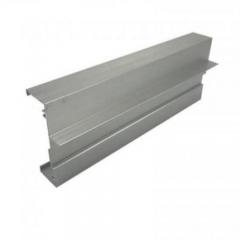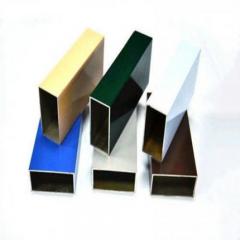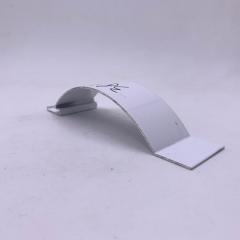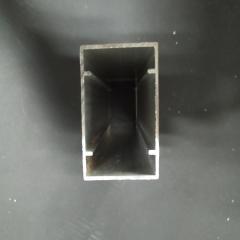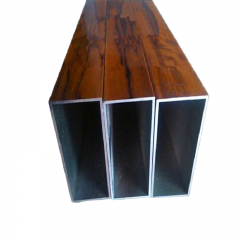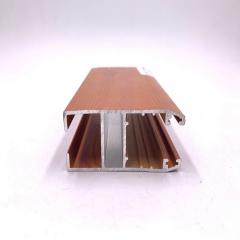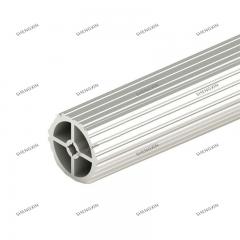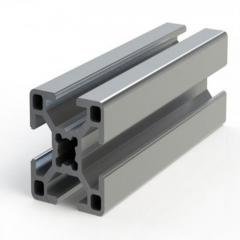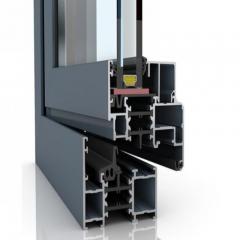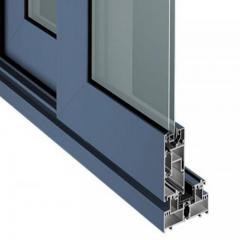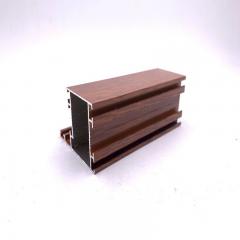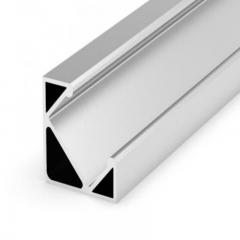

What Is Extruded Aluminum? The Process, Profiles, And Pitfalls What Is Extruded Aluminum? What is extruded aluminum? In simple terms, it is aluminum alloy that has been pushed through a shaped opening called a die, creating a long piece with the same cross-section from end to end. People also use the term to describe both the manufacturing process and the finished shape, which is why the wording can get confusing. If you are wondering what does extruded aluminum mean, the clearest answer is this: aluminum extrusion is the process, while an extruded profile is the product. What Extruded Aluminum Means Extruded aluminum is aluminum alloy formed by forcing heated material through a die to create long, consistent profiles. That is the short version. A fuller extruded aluminum definition also helps by drawing a line around what it is not. It is not metal poured into a mold like a casting, and it is not always a ready-to-use part the moment it leaves the press. Many profiles are later cut, machined, heat treated, or finished for their final job. How Aluminum Extrusion Creates Profiles If you had to define aluminum extrusion in everyday language, think of squeezing toothpaste through a nozzle. In manufacturing, a heated aluminum billet is forced through a die, and the material comes out in the die's shape. That is how manufacturers create channels, angles, tubes, and many custom sections. The key limit is that the shape stays consistent along the length, so it is best for parts that repeat the same cross-section. Why Extruded Aluminum Is So Widely Used What is aluminum extrusion valued for in real projects? Mostly for the balance it offers. It can deliver smooth, repeatable shapes, useful corrosion resistance, and a strong strength-to-weight profile. Still, it is not the best answer for every geometry, especially highly complex 3D parts. Lightweight construction Good corrosion resistance Repeatable cross-sections Flexible finishing options, including anodizing and coatings Those basic traits explain the appeal. The bigger picture, though, sits in the actual production flow, where heat, pressure, cooling, and finishing determine how a raw profile becomes a usable component. How Aluminum Extrusion Is Made Step by Step A usable profile does not appear the instant heated metal reaches the press. The extruded aluminum process is a sequence of controlled steps that shape the metal, guide its cooling, and prepare it for later work. If you are trying to understand how aluminum extrusion is made, it helps to track the material from raw feedstock to inspected profile length. Industry guidance from AEC notes that billets are commonly heated above 700°F and up to about 930°F, depending on alloy, and that extrusion presses can range from 100 to 15,000 tons of force. Those numbers explain why the process demands both heat control and heavy equipment. From Billet to Finished Extrusion Billet preparation. Production starts with a billet, which is the solid aluminum fee...
Read More
Aluminium Pipe Decoded: Avoid The Sizing And Alloy Traps What Aluminium Pipe Means Type 'aluminum pipe' into a search bar and the results can look inconsistent fast. Some pages show products meant to carry water, air, or gas. Others show hollow metal stock for frames, fabrication, or general workshop use. In simple terms, an aluminium pipe is a hollow aluminum-alloy product, usually round, chosen because it is lightweight, corrosion resistant, and practical across many industries. This article is designed to bridge that gap between everyday search intent and the language supplier catalogs use. Buyers also search with loose terms like alu pipes or alum pipe when they simply want the right hollow section. What Aluminium Pipe Usually Refers To In industrial use, 'pipe' usually points to a product associated with moving fluids or gases through a system. The Chalco guide describes pipe as something used in pipelines and piping systems, while Dhanlaxmi Steel notes common use across transportation, construction, HVAC, irrigation, and equipment. When people say aluminium piping, they often mean the connected system, not just one length. Aluminium Versus Aluminum Terminology The spelling difference is mostly regional, not technical. ANSI explains that 'aluminum' is standard in American English, while 'aluminium' is preferred in British English and many other markets. So aluminum pipe and aluminium pipe usually describe the same material. The same applies when you see aluminum piping or aluminium piping in search results and product titles. Why Buyers See Pipe and Tubing Used Interchangeably This is where confusion starts. Many sellers use 'pipe' for flow applications and 'aluminium tubing' for structural or fabricated uses. In real catalogs, though, the wording is not always strict. A page labeled aluminum pipe may still guide you toward tubing because buyers search both terms, including alum pipe. That sounds minor, but it changes how you read dimensions, schedules, and alloy options. Plain-English takeaway: the name on the page does not always tell you whether the product is meant for flow service or structural use. Low weight for easier handling, transport, and installation. Good corrosion resistance in many service environments. Solid workability for fabrication and finishing. Broad industrial relevance, from HVAC to irrigation to equipment builds. That small wording gap is exactly why buyers get tripped up later by size charts and alloy labels. Pipe vs Tube for Aluminium Pipe Buyers Search results blur these labels all the time. A page for aluminum pipes may be built for flow service, while another leads straight into aluminium tubes sized by exact outside diameter. The material can be similar, but the naming system is not. A practical Morgan Industrial Technology guide draws the line clearly: tube is commonly measured by actual outside diameter and wall thickness, while pipe is identified through nominal pipe sizing and schedule conventions. That is...
Read More
Aluminium Surface Treatment Choices That Make Or Break Finish Quality What Is Surface Treatment of Aluminium? If you are asking what is surface treatment of aluminium, think of it as any controlled process that changes, prepares, or protects the outer layer of the metal. In real production, aluminium surface treatment includes far more than adding paint. It can involve anodizing, chemical conversion, brushing, polishing, blasting, priming, or coating, depending on what the part needs to do. Aluminium surface treatment is the broad term for processes that clean, convert, texture, or coat aluminium so it performs better in use or in downstream manufacturing. Some methods build a layer, some transform the surface itself, and some do both. What Aluminium Surface Treatment Really Means A simple distinction helps. A treatment changes or prepares the surface. A finish describes the final appearance or functional result. A coating usually means an added layer such as paint, lacquer, or powder coat. That is why surface treatment of aluminium is broader than coating alone. Anodizing, for example, thickens the oxide layer tied to the base metal rather than just covering it. Why Aluminium Is Finished Instead of Left Bare Aluminium naturally forms a thin oxide film, but Daiwa KK notes that untreated surfaces can still scratch easily and may not provide enough protection in demanding service conditions. Manufacturers usually choose a surface treatment for aluminium to improve one or more of these goals: Corrosion resistance in humidity, salt, or polluted air Wear and scratch resistance Appearance, color, gloss, or texture control Surface cleanliness and easier maintenance Better paint adhesion, bonding, or process compatibility Key Tradeoffs Between Protection Appearance and Conductivity Here is where selection gets practical. Some finishes look excellent but reduce electrical conductivity. Some durable treatments raise cost, extend lead time, or add slight dimensional change. Thin chemical layers may preserve fit and conductivity better, yet they will not deliver the same wear performance as thicker oxide or organic films. Those tradeoffs are why the best answer is rarely one process in isolation. The field becomes much easier to compare when these methods are sorted into a few clear treatment families. Aluminium Surface Treatment Methods by Family That tradeoff between protection, appearance, and conductivity makes a lot more sense when the options are grouped by purpose. A useful framework, reflected in Total Materia and AL Circle, is to sort surface treatment and finishing of aluminium into four families: electrochemical treatments, chemical conversion treatments, mechanical finishing, and organic coatings. Instead of reading one long list of processes, you can compare what each family is designed to do. Electrochemical Treatments for Durable Oxide Layers These processes use electricity and an electrolyte to change the aluminium surface itself. Anodizing i...
Read More
Aluminum Profile Processing: Where Quality Is Won Or Lost What Aluminum Profile Processing Really Includes Aluminum profile processing is the full set of steps used to turn an aluminum billet and a profile drawing into a finished part or product. It includes design, die preparation, extrusion, cooling, straightening, cutting, machining, surface finishing, inspection, packaging, and delivery. In short, it is broader than aluminum extrusion alone. Aluminum profile processing means the complete workflow around an aluminum profile, not just the moment metal passes through a die. What Aluminum Profile Processing Means Many people searching what is aluminum extrusion or what is extruded aluminum are actually trying to understand a bigger manufacturing picture. Extrusion is one forming step inside that picture. The profile itself is the cross-sectional geometry created by the die. Processing includes everything that shapes how that geometry performs in real use. That wider view matters to buyers, engineers, and product teams. A profile is rarely useful straight off the press. It may need to stay straight after cooling, hold tolerances after cutting, machine cleanly, and accept finishes such as anodizing or powder coating. As basic introductions to aluminium profiles explain, the same raw form can serve construction, electronics, transport, or industrial frameworks depending on what happens next. How It Differs From Basic Aluminum Extrusion So, what are aluminum extrusions? They are long products made by forcing heated aluminum through a die so the exiting shape matches the die opening, a standard idea in metal extrusion. But the extrusion of aluminium does not end the story. Cooling affects straightness. Stretching and cutting affect dimensional stability. Later machining and finishing can expose issues introduced much earlier. Quality is often won or lost between stages, not only at the press. This article follows that full chain, from design and die work through extrusion, cooling, cutting, machining, finishing, inspection, and delivery, because each stage influences the next. Aluminum Extrusion Process From Billet To Profile That wider definition becomes much clearer when you follow a profile through the shop floor. In practice, the aluminum extrusion process is not a single push through a die. It is a chain of controlled steps, and each one changes what the next step can achieve. If you have ever wondered, how does aluminum extrusion work, the short answer is simple: heated aluminum is forced through a shaped opening, then cooled, straightened, cut, aged, and prepared for later fabrication. From Billet To Extruded Profile Billet and alloy selection. The workflow starts with the right alloy and billet quality. Clean, consistent billets help metal flow more evenly and reduce the risk of defects showing up later in machining or finishing. Billet and die preheating. Reference guides from Bonnell Aluminum and Proax describe billets being heated to roughl...
Read More
Does Anodized Aluminum Rust? The Answer Changes In Salt Air Does Anodized Aluminum Rust? Does anodized aluminum rust? No, not technically. Rust is iron oxide, so aluminum cannot rust in the same way steel does. What anodized aluminum can do is corrode. If the anodic surface is damaged, poorly protected, or exposed to harsh moisture or chlorides, it may oxidize, pit, stain, or develop white or gray corrosion products rather than red-brown rust. Both MetalTek and AOX Actuator draw that same line clearly: aluminum does not rust, but it can still corrode. Does anodized aluminum rust For most readers, the confusion comes from what they see. A chalky patch on a railing, window frame, or machine part may look like aluminum rust, so the search phrase feels natural. But anodizing improves corrosion resistance by creating a protective oxide layer on the surface. That helps a lot, yet it is not magic. Scratches, poor sealing, salt air, and trapped moisture can still lead to surface damage. Anodized aluminum does not technically rust, but it can still corrode when the protective oxide layer is damaged or overwhelmed. Rust versus corrosion in plain language Think of rust as one specific kind of corrosion that happens to iron-based metals. Corrosion is the bigger category. Aluminum belongs in that bigger category, not the rust category. So if you are wondering, will anodized aluminum rust, the accurate answer is no, but corrosion remains possible under the wrong conditions. Myth versus reality for anodized surfaces Myth: Anodized parts are rust-proof forever. Reality: They resist corrosion well, but harsh service can still cause damage. Myth: White residue means rust. Reality: On aluminum, it usually means oxidation or corrosion products, not iron rust. Myth: Searches like "aluminium rusty" or "rusty aluminium" are technically correct. Reality: They are common phrases, but the true issue is usually corrosion, pitting, or surface staining. That language gap matters more than it seems, because terms like oxidation, pitting, anodic layer, and sealing reveal what is really happening on the metal surface. What Is Anodized Aluminum? If you searched what is anodized aluminum, the short version is this: it is aluminum whose surface has been intentionally converted into a thicker oxide layer through an electrolytic process. That layer is part of the metal itself, not a paint film sitting on top. In plain language, what does anodized mean? It means the surface has been engineered for better wear and corrosion performance. A simple way to define anodized aluminum is "aluminum with a controlled oxide layer that can be porous, colored, and then sealed." Xometry notes that this oxide is porous before sealing, which is why post-treatment matters so much. What anodized aluminum means The anodized aluminum meaning often gets mixed up with coating terms. It is not just aluminum that has been covered. If you have wondered what is anodized, or even searched what is anodised alumi...
Read More


 online service
 0086 136 3563 2360
 sales@sxalu.com
 +86 136 3563 2360
 English
 français
 Deutsch
 русский
 español
 português
 العربية
 ไทย
 Việt
 Українська