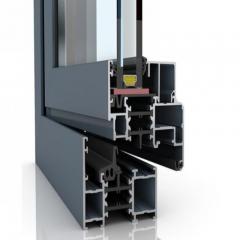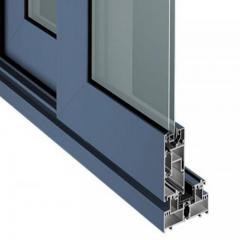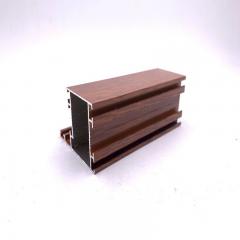

Aluminum Door Hardware Decoded Before You Order The Wrong Part What Counts as Aluminum Door Hardware If you are ordering a replacement, this distinction matters fast. Aluminum door hardware means the working components attached to, installed in, or paired with an aluminum door so it can open, close, latch, lock, seal, and control movement. It does not mean the entire door, frame, or storefront assembly. Aluminum door hardware is the set of functional parts used with an aluminum door, not the full door unit or surrounding frame. What Aluminum Door Hardware Actually Includes Industry guides such as APRO separate structural door parts like the frame, jambs, panel, stiles, and rails from hardware such as hinges, handles, locksets, latches, thresholds, and weatherstripping. That makes everyday troubleshooting much easier. Counts as hardware: locks, cylinders, latches, pulls, levers, closers, pivots, thresholds, weatherseals, strikes, and other commercial door accessories Does not count as hardware: the aluminum frame, side jambs, head jamb, door panel or slab, glass, mullion, or the complete entrance assembly Not the same thing: lock-only replacement parts are just one slice of the full storefront door hardware package How Storefront Systems Differ From General Commercial Sets Storefront systems are their own category. Glass Magazine notes that aluminum entrances are commonly built around narrow, medium, or wide stile doors, with curated choices for locks, closures, push bars, thresholds, and related storefront hardware. Many aluminum storefront openings use narrow-stile profiles, so their preps and compatible storefront parts may differ from more general commercial door hardware types used on hollow metal or wood doors. Why Buyers Confuse Doors Frames and Hardware The confusion usually starts because suppliers may sell storefront parts, lock bodies, and complete entrance packages on the same page. A buyer sees an aluminum door, a frame, and a lock, then assumes they are interchangeable pieces of one product. They are not. A complete assembly includes the door and frame. A hardware set includes the operating components. A lock-only order covers just the security piece. Getting specific about each part is what makes the next layer useful: naming every component by function and location. Core Commercial Door Parts on Aluminum Doors From the sidewalk, many storefront entries look simple. In practice, they are a stack of separate working parts. The Beck Glass guide breaks common storefront hardware into a few core groups: door closer, pivot hinges, panic bar or exit device, cylinder lock or mortise lock, push/pull hardware, and threshold and sweep. That framework helps sort broad search terms like commercial door parts, commercial door handles, and even commercial door knobs into the right category before a replacement order goes out. Locks Pulls Closers and Pivots Explained Start with the parts people touch and the parts that control movement. Push/pull ...
Read More
Is Anodized Aluminum Toxic? The Finish That Changes The Answer Is Anodized Aluminum Safe for Normal Use? If you are asking is anodized aluminum safe, the short answer is usually yes for normal household use when the surface is intact. Most concern centers on bare aluminum, older cookware, or pieces that are scratched, pitted, warped, or otherwise visibly worn. In plain terms, the finish changes the risk picture. Intact anodized aluminum is generally considered low risk for everyday cooking and food contact. Bare or damaged aluminum deserves more caution, especially with acidic or salty foods and repeated wear. What the Short Answer Means This is a qualified yes, not a blanket promise that every pan is identical. A Martha Stewart expert review notes that coated or anodized aluminum is generally considered safe, while damaged pans can increase leaching concerns. So, is anodized aluminum cookware safe? For ordinary use, most guidance treats it as a lower-risk choice than bare aluminum, provided the surface remains in good condition. If you are wondering what is anodized aluminum, think of it as aluminum with a specially built-up surface layer that makes it more durable and less reactive than raw metal. That surface is the real reason the answer is different. Hazard vs Everyday Risk A helpful way to read safety claims comes from NPIC: hazard is the potential to cause harm, while risk depends on actual exposure. That distinction matters here. Hazard question: Can aluminum migrate under some conditions? Yes, especially when metal is bare or worn. Risk question: Is everyday use likely to create meaningful exposure? Usually much less so when the finish is intact. Practical takeaway: Condition, cooking style, and surface type matter more than fear-driven headlines. That is why reassuring answers and cautionary answers can both be true at once. The missing piece is not the metal alone, but what anodizing does to its surface. Why Anodizing Aluminum Changes the Surface Raw aluminum already forms a very thin oxide layer when it meets air. What changes the safety conversation is that Xometry describes anodizing aluminum as an electrolytic process that makes that oxide layer thicker and more structured. In simple terms, the metal gets a tougher outer skin. That matters because questions about toxicity are really questions about surface contact, reactivity, and how much bare metal is exposed during normal use. The oxide layer sits at the center of this issue for a reason. A sealed anodized aluminum finish is not just coated like paint. The anodic layer is chemically bonded to the base metal, which helps explain why anodic aluminum usually behaves differently from untreated aluminum in everyday settings. What Anodizing Does to Aluminum For consumers, the key takeaway is practical: the process makes aluminum more wear-resistant, more corrosion-resistant, and generally less reactive at the surface. For industrial buyers, the details go deeper, including alloy choic...
Read More
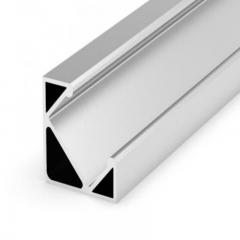
Aluminium Channel Decoded: Avoid Spec Mistakes Before You Buy Understanding extruded aluminium channel basics If you have ever looked at a parts catalog and wondered why one open profile costs more, fits better, or feels stiffer than another, the answer usually starts with the shape. An aluminium channel is a long profile with an open-sided cross-section, most often formed as a U or C. That shape is what gives it practical value. An aluminium channel is an open-section metal profile, usually extruded, that combines light weight, useful stiffness, and a built-in space for holding, guiding, edging, or framing other parts. What Aluminium Channel Means in Practice In real projects, this profile is less about the letter shape and more about what it lets you do. It can protect a panel edge, frame a sign, guide a sliding piece, or create a neat mounting recess. Searchers often use both aluminium and aluminum as spelling variations, but this article will use the aluminium form consistently. How Extruded Aluminium Channel Is Different From Flat Bar A flat bar is simply a strip. An extruded aluminium channel has depth, side walls, and a defined cavity. That cross-section helps the profile resist bending better than a flat strip of similar material and gives it a built-in fit feature for panels, glass, fasteners, wiring, or inserts. This is why the extruded aluminium channel is common in building, fabrication, and light industrial work. It is also why an aluminium profile channel can do jobs that plain stock cannot do neatly. Low weight for easier handling and installation Natural corrosion resistance from aluminum's protective oxide layer Good fabrication flexibility for cutting, drilling, machining, and in many cases welding Clean, repeatable shapes from the extrusion process Where Channel Profiles Are Commonly Used Not every open profile should be called the same thing. A channel usually holds, supports, or guides. Trim is more about edge finishing and appearance. A track is designed around movement or insertion. Structural profiles are chosen mainly for stiffness and load path. Those distinctions matter because aluminium channels cover several jobs, and many aluminium channel types look similar at first glance. One aluminium profile channel might behave like neat architectural trim, while another is better suited to mounting or support. Choosing the right aluminium channel profile That is where many buying mistakes start. Two open profiles can look nearly identical in a catalog thumbnail, yet perform very differently when you try to edge a panel, mount hardware, or create a clean sliding path. Guidance from IQS Directory and Eagle Aluminum points to a fairly consistent pattern: U and J profiles lean toward edging and finishing, C profiles often handle framing and mounting, H profiles join panels, and hat sections are mainly for furring and support. How Aluminium U Channel Compares With C Channel An aluminium u channel is usually the better fit when you ...
Read More
Aluminum Cutting Decoded: Match The Right Method By Stock Form What Aluminum Cutting Involves If you are figuring out how to cut aluminum for a DIY repair, a fabrication job, or a repeat shop process, the answer is rarely as simple as picking the first saw on hand. Good results come from matching the method to the material and the goal. A quick rough cut for fit-up is one thing. A clean, assembly-ready edge is something else. What Aluminum Cutting Means Aluminum cutting is the process of separating aluminum stock into the needed size or shape using manual, saw-based, thermal, or CNC methods while controlling edge quality, heat, burrs, and accuracy. In practice, aluminum cutting can mean snipping thin sheet, sawing plate, trimming tube, crosscutting bar, or profiling angle and extrusion. Guidance in the Alekvs guide and PartMFG overview shows that the right approach changes with thickness, stock shape, and the finish you need after the cut. Why Aluminum Needs a Different Cutting Strategy Aluminum often feels easy to work with, but clean cutting still takes planning. It is softer than many metals, it builds heat quickly, and it can stick to blades or teeth when setup, lubrication, or feed are off. That is why readers usually care about the same four outcomes right away: finish quality, cutting speed, tool wear, and safety. A rough edge slows assembly. Excess heat shortens tool life. Poor support or the wrong blade can lead to grabbing, chatter, or hot chips. The Three Factors That Determine the Best Method Alloy and temper: Different grades smear, chip, and resist the cut differently. Stock form: Sheet, plate, tube, bar, angle, and extrusion do not behave the same under the tool. Desired cut outcome: Rough sizing, clean visible edges, tight repeatability, or minimal deburring can point to different methods. So, the best way to cut aluminum is not one universal tool. It is a smart match between material, form, and expected result. That becomes much easier to see when the options are organized by stock form first, because the best choice for sheet is often the wrong one for tube or extrusion. How to Cut Aluminum Sheet, Tube, and Extrusion Stock form is the fastest filter when you need a practical cutting choice. A method that feels easy on flat sheet can be awkward on round tube, and a clean crosscut on extrusion may take far less effort than profiling thick plate. Practical tool groupings in Phillips and Alekvs point in the same direction: manual tools are usually best for simple, portable, low-volume work, while saws and CNC processes become more attractive as thickness, contour control, and repeatability matter more. Match the Method to the Material Form If you are deciding how to cut aluminum sheet, how to cut aluminum sheet metal, how to cut aluminum extrusion, or how to cut aluminum pipe, start with the stock itself. The matrix below is meant to narrow the field before you get into blade geometry, feed, lubrication, or machine settings. Stock f...
Read More
Aluminum CNC Machining: Cut Costly Errors Before You Cut Metal Aluminum CNC Machining Basics for Better Part Decisions Some parts get expensive before they ever reach assembly. That is why aluminum cnc machining is worth defining clearly at the start, not treating as a generic shop term. What Aluminum CNC Machining Means Aluminum CNC machining is a subtractive manufacturing process that uses computer-controlled cutting tools to remove material from aluminum stock and produce repeatable parts with controlled geometry, fit, and surface quality. Inside the broader CNC manufacturing world, the workflow is familiar: a CAD model becomes toolpaths, and the machine follows those instructions to shape the workpiece. What makes cnc machining aluminum distinct is the material response under the cutter. Aluminum alloys generally require less cutting force than steel, which helps support faster machining, shorter cycle times, and efficient production. Its low density, about 2.7 g/cm3 in the ASM guide, has a direct design payoff too. Lighter parts can reduce total system mass in vehicles, housings, fixtures, and handheld products without giving up useful strength. For real engineering decisions, property data and machining handbooks are far more reliable than broad marketing claims. Why Aluminum Is Popular in CNC Manufacturing The value of aluminum machining is practical, not abstract. Each material trait affects how a part is cut, finished, or used later: A natural oxide film improves corrosion resistance, so many parts handle outdoor or general industrial exposure better and can gain even more protection from anodizing. High machinability helps shops remove material quickly, manage chips well, and achieve cleaner surfaces when tooling and cutting conditions are right, as reflected in Wevolver and Fictiv. A strong strength-to-weight balance makes cnc aluminum useful for brackets, plates, enclosures, and structural components where every pound matters. There are limits: aluminum is softer than steel, can form burrs or built-up edge, and its relatively high thermal expansion can make tight tolerances harder to hold if heat builds during cutting. That last detail changes everything in practice, because the best answer is rarely just use aluminum. Alloy choice is where the easy overview turns into a real manufacturing decision. How to Choose the Right Aluminum Alloy The real decision starts here. Aluminum is not one material in practice. It is a family of alloys, tempers, and product forms, and that choice affects cost, machining behavior, corrosion life, and finishing results long before a tool touches stock. For most engineering teams, the safest starting point is to compare the common CNC grades side by side and then narrow the shortlist by the part's actual job. The data and tradeoffs below are grounded in Rapidaccu, Machining Concepts, and Protolabs. Their published comparisons also show why temper matters. A print that says only 6061 or 7075 still leaves ro...
Read More


 online service
 0086 136 3563 2360
 sales@sxalu.com
 +86 136 3563 2360
 English
 français
 Deutsch
 русский
 español
 português
 العربية
 ไทย
 Việt
 Українська