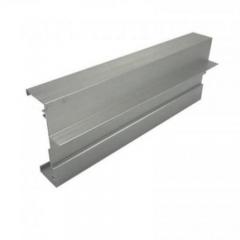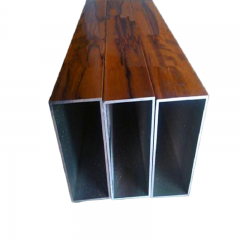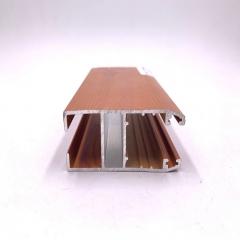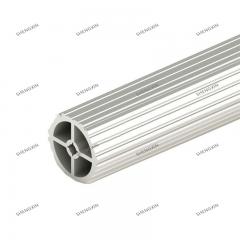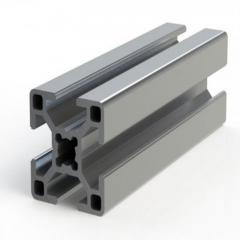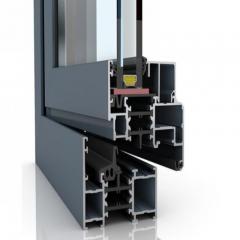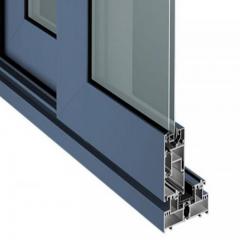
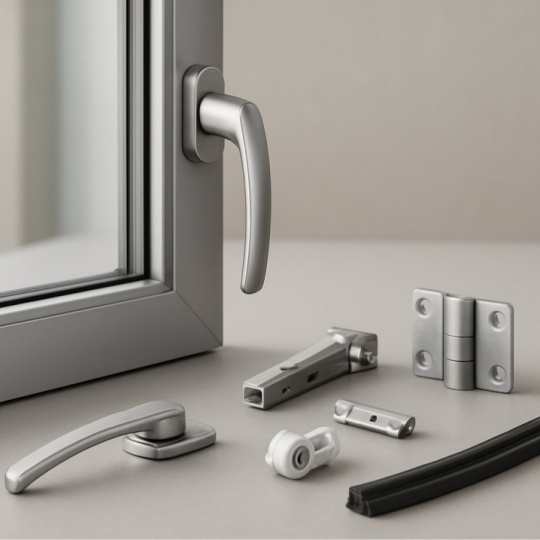
Aluminium Window Hardware: Match Better, Replace Less What aluminium window hardware really includes People often use the term loosely, which is where confusion starts. The aluminum frame or profile is the structural shell. The hardware is the working set of parts attached to that shell that lets the window open, stay positioned, lock, and seal properly. Aluminium window hardware is the collection of mechanical and sealing components that make an aluminum window move, close securely, and remain serviceable over time. That difference matters. A strong frame alone cannot deliver smooth use, dependable security, or good weather performance. Guidance from Windows Canada emphasizes that hinges, locks, operators, and related parts carry the load of daily opening and closing while also helping the sash stay aligned and tightly compressed against the frame. What Counts as Window Accessories In everyday sourcing language, window accessories and windows hardware usually include the service parts people replace, adjust, or match when operation changes. Common categories include: Handles Rollers Hinges Stays Locks Seals Corner mechanisms Some systems also use operators, latches, or balances, depending on the window design. The key idea is simple: these are the functional parts, not the aluminum extrusion itself. How Windows Hardware Supports Daily Performance Good hardware affects more than convenience. It influences how much force is needed to open the sash, how evenly it closes, and how securely it resists unwanted movement. It also plays a role in air sealing. That is why locking and compression matter, not just basic closing action. Natural Resources Canada notes that air leakage is a major contributor to residential heat loss, so poorly matched parts can affect comfort as well as function. Where Aluminium Window Supplies Fit in a Full System When buyers search for aluminium window supplies, they may be looking at a larger system that includes the frame, sash, glass, weather seals, and the hardware set. Each piece has a different job. The frame provides structure. The glass manages light and thermal performance. The hardware makes the operable parts work in real life and makes future service possible. That is why part identification should start with movement, not just appearance. A handle on one window may control rollers, while another works with hinges or a locking gearbox. The opening style changes everything. How aluminum window parts vary by opening style A slider and a casement can share the same slim aluminum look and still use completely different hardware. The reason is simple. Hardware follows movement. Basic window anatomy from Brennan and operating notes from Sihai Hardware point to the same rule: sliding sashes rely on rollers and tracks, while outward-opening sashes depend on hinges, stays, operators, and locking points. That is why aluminum window parts should be identified by opening style before anyone starts measuring or removing screw...
Read More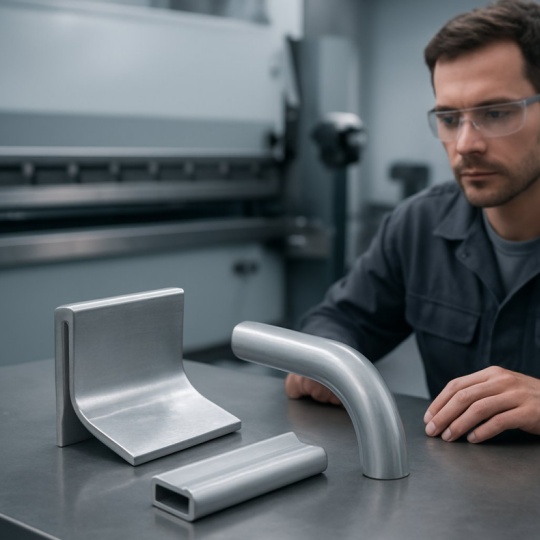
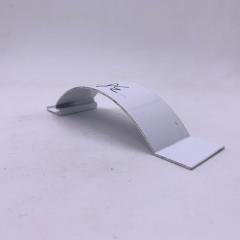
Aluminium Bending: The Choices That Decide Clean Or Cracked Parts What Aluminium Bending Really Involves Clean bends in aluminum rarely come from force alone. They come from matching material, geometry, and method before the part reaches the machine. For engineers, buyers, and fabricators, this guide is meant as a decision-support resource: not a basic overview, but a practical way to judge bend risk before time and material are lost. What Aluminium Bending Means Aluminium bending is the controlled forming of aluminum sheet, plate, tube, pipe, or extruded profiles into an angle or radius by mechanical force, sometimes with heat assistance. If you have ever asked can you bend aluminum or can you bend aluminium, the short answer is yes. Still, aluminum bending does not behave like a routine steel job. The result changes with alloy, temper, thickness, grain direction, bend radius, and finish requirements. That is why two parts with the same drawing can bend very differently in production. Key Variables That Control a Bend Guidance from TOPS and The Fabricator points to the same pattern: formability is shaped by both the metal condition and the part design, while coatings and symmetry can decide whether a bend stays clean or turns into cracks, twist, or surface damage. Alloy and temper, because strength and ductility change bendability Thickness, since thicker material usually needs more force and a larger radius Grain direction, because bending across the grain is often safer for tight bends Inside bend radius and target angle Part symmetry, wall thickness changes, and hollow features Finish requirements such as anodizing, paint, or powder coating If the question is aluminum bendable, the better question is which grade, which temper, and how much deformation the design is asking it to absorb. Common Part Forms From Sheet to Tube This process covers far more than flat blanks. Shops may be bending aluminum sheet on a press brake, rolling large-radius plate, forming tube and pipe, or curving extrusions whose corner shape and symmetry affect distortion. Finish matters too. Tight bends can craze anodized coatings, while painted or powder-coated parts may form cleanly when the radius is not near the part limit. In practice, bending aluminum starts with the material callout, and alloy plus temper usually define what is realistic. Best Aluminum for Bending by Alloy and Temper That material line on the print does more than name the metal. It quietly sets the bend window. Data from Rapidaccu, shop guidance from The Fabricator, and process notes from ALEKVS all point the same way: softer tempers and more ductile alloy families form more easily, while higher-strength heat-treated grades demand larger radii and tighter process control. For many sheet jobs, 3003 and 5052 are the best aluminum for bending, while 2024 and 7075 are usually chosen for strength-driven work, not easy forming. How Alloy and Temper Change Bendability In practical terms, bendability drops...
Read More
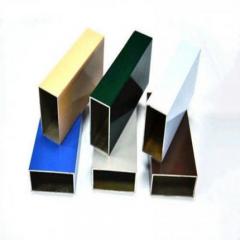
Slim Aluminium Profile Secrets That Prevent Costly Mistakes What Makes a Slim Aluminium Profile A slim aluminium profile is an aluminium framing section designed to reduce the visible width of the frame, so the eye sees more glass and less bulk. In practice, "slim" describes the sightline rather than one fixed size, because the final width changes with the system, glazing, span, and where the profile is used. That distinction matters early. People often expect one universal measurement, but a frame that feels slim in a window may not be the same as one used for a sliding door, screen, or partition. In BDC Aluminium's sightline guide, sightlines are explained as the visible frame seen from inside or outside. A slimmer frame simply means less visual interruption. What a Slim Aluminium Profile Means When buyers search for a slim aluminium profile, they are usually looking for reduced frame bulk, cleaner lines, and a more glass-led appearance. Some published system guides, such as NorthTech, describe slim window sightlines as roughly 25 to 50 mm and ultra-slim options as 15 to 20 mm. Even so, those numbers should be treated as system-specific examples, not a rule for every project. An aluminium slim profile still has to match glass weight, opening type, hardware, and structural demands. How Slim Sightlines Change the Look of a Space The visual effect is easy to notice. Slim frames allow larger glazed areas, bring in more daylight, and create a sharper indoor-outdoor connection. That is why slim profile aluminium windows and doors are often chosen for contemporary homes, internal screens, and commercial spaces that want a lighter, less crowded look. Why Slim Does Not Mean Weak Aluminium stays popular because it offers a strong, lightweight balance. BDC notes that this strength helps support large glass panes without the bulky framing many people associate with older systems. In other words, a narrow face width is not automatically fragile. Good engineering can hide a lot of performance inside a clean profile. Emphasizes daylight and wider views. Supports a modern, minimal aesthetic. Depends on application-specific engineering, not looks alone. Varies by window, door, partition, and glazing system. So the real question is not just how slim a profile looks, but where that slimness adds value and where it may ask for tradeoffs. Benefits and Tradeoffs of Slim Profiles Clean sightlines are easy to love. The harder part is judging whether that lean frame actually improves your project, or simply adds cost while hiding practical limits. Where Slim Profiles Add Real Value In the right setting, a slim aluminium profile creates a strong visual payoff. Fintecnic describes aluminium window systems as lightweight, rigid, weather-resistant, and easy to form into different shapes, which helps explain why they are favored for large glazing and modern architecture. That same mix of low weight and high stability is what makes slim profile aluminium windows attractive w...
Read More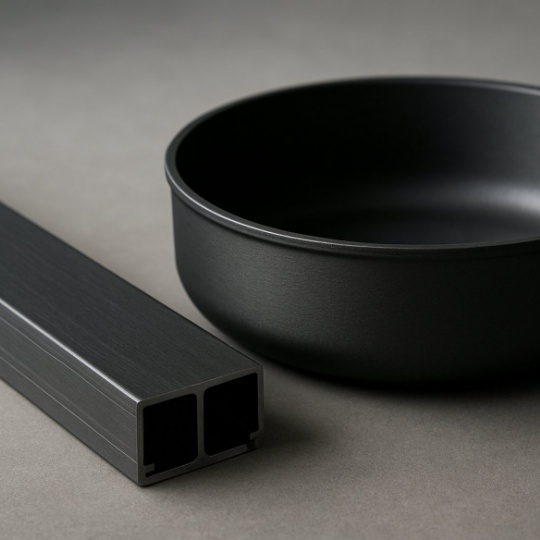
What Is Hard Anodized Aluminum? Why It Lasts And When It Fails What Is Hard Anodized Aluminum? If you have ever wondered what is hard anodized aluminum, the simplest answer is this: it is aluminum whose outer surface has been intentionally transformed into a thicker, denser oxide layer. That sounds technical, but the key idea is easy to grasp. The surface is not painted, sprayed, or plated with another metal. It is chemically converted from the aluminum itself. Hard anodized aluminum is aluminum in a hardened surface state created by hardcoat anodizing, where the metal's outer layer is converted into a dense aluminum oxide. Define Hard Anodized Aluminum in Plain Language To define anodized aluminum in simple terms, anodizing is an electrochemical treatment that thickens the metal's natural oxide skin. So, what does anodized mean? It means the surface has been changed into oxide on purpose, under controlled conditions, to improve performance. In the hard-anodized version, that oxide layer is made thicker and denser than in regular anodizing, which helps the surface resist wear, corrosion, and scratching more effectively. If someone asks what is hard anodized or what does hard anodized mean, the plain-English answer is: aluminum with a much tougher engineered surface. How Hardcoat Anodizing Differs From Standard Anodizing Standard anodizing and hardcoat anodizing belong to the same family, but they are not the same finish. Hardcoat is commonly associated with Type III anodizing, while standard decorative anodizing is usually Type II. Hardcoat builds a denser, more durable layer, and the appearance often shifts darker, from gray to bronze-like tones depending on the alloy and process. Why People Often Confuse Material Process and Product The confusion usually comes from one phrase being used in three different ways: Material state: Hard anodized aluminum describes the aluminum after treatment. Process: Hardcoat anodizing is the electrochemical finishing method used to create that surface. End product: Hard-anodized cookware is a consumer product made from treated aluminum, and it may or may not also include a separate nonstick coating. That distinction matters. Engineers need the right specification, not just a marketing term. Shoppers need to know that a pan labeled hard-anodized is describing the treated metal body, not automatically every layer on the cookware. And that leads straight into the part most people never see: how electricity, acid, and temperature build that hardened surface in the first place. How Hard Anodizing Actually Works That tougher surface is not created in one magical dip. Hard anodizing is a controlled electrochemical process that starts with clean metal, then uses acid, electricity, and temperature control to grow a much thicker oxide layer than ordinary anodizing. Small changes in setup can change the final hardness, wear behavior, and even the color you see on the part. Surface Preparation Before Hard Anodizing Preparati...
Read More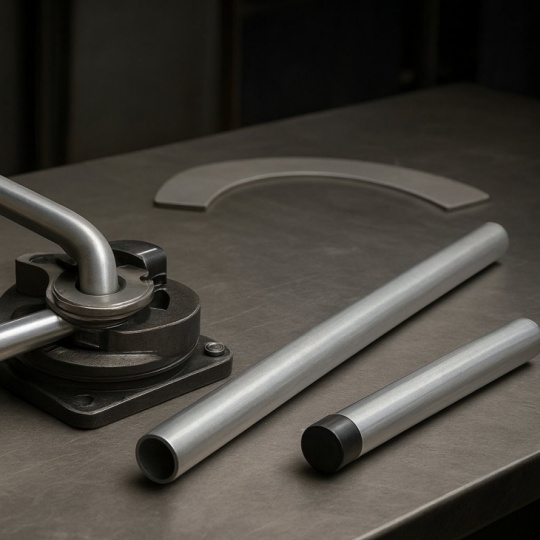
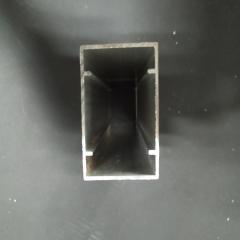
How To Bend Aluminum Pipe Without Kinks, Cracks, Or Guesswork How to Bend Aluminum Pipe Starts With the Right Terms If you have ever asked, "how do i bend aluminum without ruining it," the problem often starts before the bend does. People lump pipe, tube, soft tempers, hard tempers, and bend measurements into one fuzzy category. That is why so many first attempts at bending aluminum end with a flattened curve or a cracked outside wall. For anyone learning how to bend aluminum pipe, the metal itself matters just as much as the tool in your hands. Pipe vs Tube What Changes the Bend Pipe and tube look similar, but they are not the same thing. Triad Products notes that pipe is generally made to less exacting dimensional specifications, while tube is lighter and often easier to work with. In practical shop terms, that means tubing is usually the more bend-friendly product when shape accuracy matters. Another detail gets missed: some tube is welded and some is seamless. A seamless tube has no weld inside, while welded tube has a seam and an internal weld bead unless it is smoothed. That does not automatically make welded material unusable, but it does mean the construction can influence how cleanly it forms. Alloy and Temper Reality Before You Start Not all aluminum behaves alike. In The Fabricator, Steve Benson gives a blunt rule of thumb: 3003 and 5052 bend well, while 6061 is much more difficult. Temper matters too. Inductaflex describes T0 as the softest and easiest to bend, T4 as a workable middle ground, T5 as moderately formable, and T6 as the hardest common temper with the highest cracking risk. So if you are asking, "can you bend aluminum," the honest answer is yes, but some grades forgive mistakes and some punish them fast. The same goes for "can you bend aluminium" or questions about aluminium bending. You can, but the result depends heavily on alloy and temper. Bend Radius Springback and Wall Thickness in Plain English Bend angle is simply how far you want the part turned, such as 45 degrees or 90 degrees. Bend radius is the size of the curve itself. Those are not interchangeable. A sharp 90-degree bend with a tight radius is much more demanding than a 90-degree bend with a broad sweep. Wall thickness changes everything. During bending, the outside wall stretches and gets thinner, while the inside compresses. Thin walls are more likely to oval, wrinkle, or collapse. Triad’s guidance says a centerline radius is typically about 2 to 3 times the diameter, and around 3 times the diameter is often recommended for better results. Harder tempers also spring back more, which means the metal relaxes slightly after force is removed. That is one reason people ask, "how do you bend aluminum" and still miss the final angle. Tighter bends, thinner walls, and harder tempers sharply increase the chance of cracking, wrinkling, or flattening. That simple mix of product type, alloy, temper, wall, and radius decides whether a bend is realistic or risky. Get th...
Read More


 online service
 0086 136 3563 2360
 sales@sxalu.com
 +86 136 3563 2360
 English
 français
 Deutsch
 русский
 español
 português
 العربية
 ไทย
ไทย Việt
Việt Українська