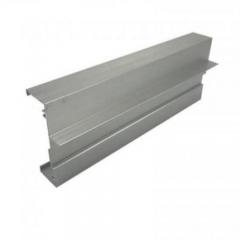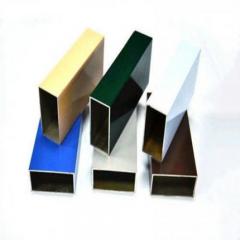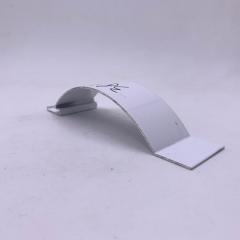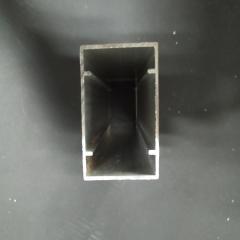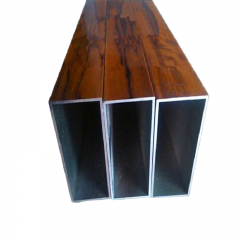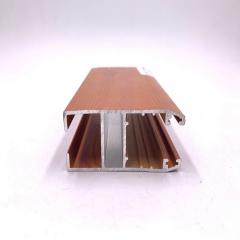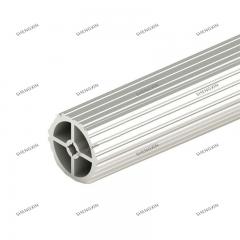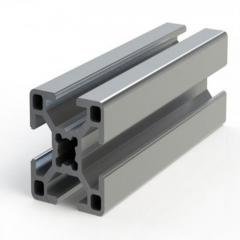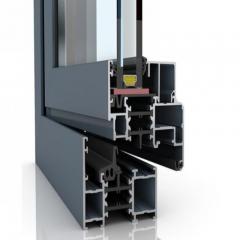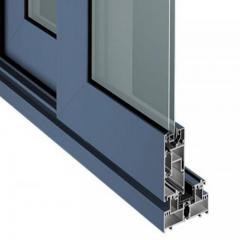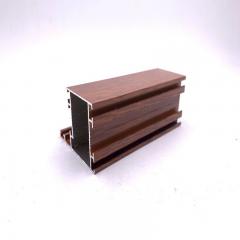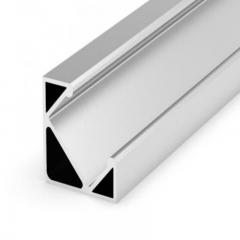

Extruded Aluminium Profile: Stop Guessing Specs, Cost, And Fit What an Extruded Aluminium Profile Really Is If you are comparing parts for facades, frames, rails, enclosures, or machine structures, one distinction matters right away: the profile is the shape itself. It is not automatically the finished product. That simple idea helps engineers, architects, buyers, and fabricators read product descriptions more accurately when evaluating aluminum extrusion options. Plain Language Definition of an Extruded Aluminium Profile An extruded aluminium profile is a long, continuous aluminum shape with the same cross-section from end to end, made by pushing heated aluminum alloy through a die. That is the clearest answer to the common question, what are aluminum extrusions. The shape might be a channel, angle, tube, rail, trim, or a more custom section, but its cross-section stays consistent along the length. In practical terms, extruded aluminium starts as a repeatable shape that can later be cut, machined, finished, and assembled. How Extruded Profiles Differ from Other Aluminum Forms An aluminium profile is not the same as a finished assembly. A profile may later receive holes, brackets, connectors, panels, fasteners, or surface finishing before it becomes part of a larger system. It also differs from other forms of aluminum: Sheet and plate are flat stock, usually chosen for cutting, bending, or forming. Cast parts are made in molds and are better suited to standalone three-dimensional shapes. By contrast, aluminum extrusion profiles are designed for continuous lengths with a fixed cross-section, which makes them useful for structural and architectural components. Why Profiles Matter in Modern Design and Manufacturing Profiles matter because that repeatable geometry supports efficient design, fabrication, and assembly across many industries. Common advantages include: Low weight for easier handling and transport Natural resistance to rust and corrosion Repeatable geometry for consistent fit and downstream machining Design flexibility for simple or complex cross-sections This is also why the question what are aluminum extrusions cannot stop at a dictionary definition. Material choice, die design, cooling, straightening, finishing, and tolerances all shape how a profile performs in the real world. The drawing may show a constant cross-section, but the route from billet to cut length is where quality is actually built. How Aluminum Extrusion Moves From Billet to Cut Length A constant cross-section on a drawing only becomes useful when the manufacturing route is tightly controlled. That is why serious buyers and engineers look past the basic idea of pushing metal through a die. In real production, aluminum extrusions are shaped by a sequence of thermal, mechanical, and inspection steps that influence straightness, finish, and how easily the part can be machined later. Process notes from Paramount Extrusions show how alloy choice, billet temperature, die de...
Read MoreAluminium Tube Choices Decoded Before You Buy The Wrong Spec Plain Language Foundations for Aluminium Tube If supplier listings feel like a blur of tube, pipe, rod, and bar, the easiest fix is to start with plain language. A small wording difference can lead you to the wrong shape, the wrong dimensions, or the wrong manufacturing method. What Aluminium Tube Means in Plain Language Aluminium tube is a hollow aluminum product made in a defined shape, such as round, square, or rectangular, and selected by its size, wall thickness, and intended job. That hollow center is only part of the story. When buyers compare aluminium tubes, shape and measured dimensions matter because they affect fit, weight, stiffness, and how the part can be cut, bent, or joined. Two hollow sections may look similar at a glance, but a change in outer shape or wall can lead to a very different result in use. Manufacturing method also matters. Material from Profile Precision Extrusions explains that an extruded aluminium tube is made by pushing heated aluminum through a die. Drawn tube is then worked through additional dies to reduce diameter and wall thickness, which helps achieve tighter tolerances and a smoother finish. Tube vs Pipe vs Rod and Bar Tube: a hollow section chosen for its outside shape, size, and wall. Pipe: also hollow, but often discussed in fluid or gas service language. Rod: solid round stock, not hollow. Bar: solid stock, often flat, square, or rectangular. In practical buying terms, that distinction keeps you from ordering a solid product when you actually need a hollow one, or a flow-focused product when you need a frame member. Aluminum and Aluminium Spelling Differences US readers should not let the spelling throw them off. Gabrian notes that both aluminum and aluminium are accepted spellings. North America usually prefers aluminum, while the UK and many international suppliers use aluminium. So if a catalog says aluminium tube, it is still the same base metal. The language is simple once the labels stop competing. The real decision pressure usually starts with shape, because round, square, and rectangular sections each solve a different kind of problem. Choosing the Right Aluminium Tube Shape Shape usually makes the first big cut in your options. Before alloy, temper, or finish enter the picture, the profile already tells you a lot about how a section will carry load, fit into a space, accept hardware, and look in the final build. Supplier ranges commonly separate tubing into round, square, and rectangular forms, and square or rectangular products are often grouped under box section language by Aluminium Warehouse. When Round Tube Aluminium Makes the Most Sense An aluminium round tube is usually the best match when the job benefits from smooth geometry. Round sections handle internal pressure evenly, which helps explain their common use in fluid paths, heat-transfer components, and similar line applications. They also feel better in the hand, create l...
Read More
Aluminium Door Hardware Decoded: Avoid Bad Specs And Breakdowns Understanding aluminium door hardware When people hear aluminium door hardware, they often think of only the handle or lock. In real use, the term covers the whole working package of the door. It includes the parts that support the panel, guide movement, provide security, and help the assembly seal properly against air, water, and everyday wear. Aluminium door hardware is the complete operating and security system of an aluminium door, including load-supporting, moving, locking, sealing, and accessory parts that work together with the frame and panel. What Aluminium Door Hardware Includes Support components: hinges, pivots, brackets, and frame-side fixings that help carry the door’s weight. Movement components: rollers, tracks, guides, latches, and closers that control how the door opens and shuts. Security components: locksets, cylinders, strike plates, deadbolts, and multipoint locks. Sealing components: weatherstripping, sweeps, astragals, seals, and threshold details that reduce drafts and water entry. Accessory components: handles, pull bars, thumb turns, stops, and replaceable small parts. A practical parts guide for aluminium doors groups many of these items together, from frames and thresholds to hinges, locksets, weatherstripping, and astragals. That matters because the visible trim is only a small part of the full system. Why Aluminium Systems Need Matched Hardware Aluminium doors are not one-size-fits-all products. Their hardware has to match the frame profile, sash design, glazing setup, threshold style, and opening method. A sliding panel depends on rollers and tracks. A swing door depends on hinges or pivots. A glazed leaf may need different prep, fixing points, and lock arrangements than a solid panel. Guidance on hardware profiles also highlights exact fit and compatibility as critical selection factors. That is why generic door hardware can be a poor fit, even when it looks similar. Hole spacing, frame depth, backset, and weight all change whether a part will actually work. People sometimes search for aluminium doors hardware as a broad phrase, but fit is the real issue. Main Parts Found in Everyday Aluminium Doors In common residential and light commercial systems, you will usually see a frame, side jambs, a head jamb, sill or threshold, the moving panel, hinges or rollers, handles, a lockset or multipoint lock, and sealing parts around the edges. In broader searches for hardware for aluminium windows and doors, the same rule applies: each component has a job, and each job depends on the surrounding parts. That is where smarter specification begins. The names, families, and roles of these parts are more detailed than most product pages suggest, and seeing that full taxonomy makes every later decision more precise. Core Families in Aluminium Door Hardware Most specification problems start with a simple mix-up. People choose a visible part, like a handle, as if it wor...
Read More
Aluminum Bending Without Guesswork: Stop Cracks Before They Start What Aluminum Bending Really Involves Aluminum bending is the controlled forming of aluminum into an angle or curve by applying force without breaking the part. It is not one single method, but a group of forming processes used on sheet, plate, tube, pipe, and extrusions. If you have ever asked, can you bend aluminum, the short answer is yes. The better answer is that results depend on the material, the temper, and the way the part is being formed. A practical ALEKVS guide describes the process as shaping aluminum with external force while preserving structural integrity. That sounds straightforward, but aluminum can react very differently from steel under the same basic bend. This article is designed to work as both an educational overview and a repeatable shop-floor reference. What Aluminum Bending Means In fabrication, aluminum bending covers more than one machine or setup. Flat stock may be formed with a press brake. Plate can be rolled. Tube and pipe may be shaped with rotary, push, or compression methods. Extrusions often need profile-specific support to keep their cross-section from distorting. So when someone asks how to bend aluminum, the first real question is what form the material takes and what final geometry the part must hold. Why Aluminum Behaves Differently During Forming Compared with steel, aluminum is generally lighter and more ductile, which can make it easier to form. It also work-hardens quickly, so repeated or overly aggressive forming can raise the chance of cracking. Springback is another major issue. In sheet forming research, springback is treated as a core challenge because the part relaxes after the load is removed, changing the final angle. Guidance from 1CUTFAB also notes that aluminum often shows more noticeable springback than beginners expect. Key Variables That Control the Bend Before any bend, review the variables that decide whether the part forms cleanly or starts to fail: Alloy: Different grades do not have the same formability. Temper: Softer tempers usually bend more easily than hardened ones. Thickness: Thicker material needs more force and changes bend behavior. Inside bend radius: A tighter radius increases strain on the outside of the bend. Grain direction: Bend direction can affect crack risk. Tooling: Punches, dies, rollers, and support methods influence accuracy and surface condition. Springback: The final angle may open after forming and require compensation. That mix of variables explains why good results rarely come from force alone. Material choice sits at the center of the whole process, which is why alloy and temper deserve a closer look before any radius or tooling decision is made. Best Aluminum for Bending by Alloy and Temper Material choice is where many bending problems quietly begin. Two parts can share the same thickness, yet one folds cleanly while the other cracks or springs back harder than expected. If you are trying...
Read More
Aluminum Processing Decoded: From Bauxite to Better Parts What Aluminum Processing Covers Aluminum processing is the complete chain of operations that turns bauxite ore into usable metal products. If you are asking how is aluminum made, the short answer is this: bauxite is refined into alumina, alumina is smelted into molten aluminum, and that metal is then cast, formed, finished, and often recycled into new products. In practical terms, this is also how aluminum is formed, from raw mineral feed to engineered part. What Aluminum Processing Actually Means This term covers far more than one furnace or one factory step. It includes upstream activities such as mining and alumina refining, midstream metal production through the Hall-Heroult method, and downstream manufacturing steps like casting, rolling, extrusion, machining, joining, finishing, and recycling. Searches written as how aluminum made or questions such as how is aluminum created usually expect a simple answer, but the reality is a staged industrial system. Each stage changes the material into a new form, and that new form determines what can happen next. How Aluminum Moves From Ore to Engineered Parts Bauxite is mined and prepared as the starting ore. The ore is refined into alumina, a white aluminum oxide powder. Alumina is smelted by electrolysis into liquid aluminum metal. The molten metal is cast into primary forms such as ingots, billets, or slabs. Those forms are fabricated by rolling, extrusion, forging, or other shaping methods. Parts are finished, used, and often returned through recycling for another production cycle. Why Production Stages Cannot Be Viewed in Isolation Primary production makes the metal itself. Downstream manufacturing gives that metal its geometry, tolerances, surface condition, and end-use performance. Cleaner smelter output improves casting quality. The right cast form supports efficient rolling or extrusion. Alloying and finishing then decide how the part behaves in service, whether it becomes a can body, heat sink, window frame, or structural component. Process sequence matters because every step affects cost, metal quality, manufacturability, and the properties available in the final part. The chain begins much earlier than most readers expect, in the ore body itself. Bauxite quality and preparation already influence refining efficiency and later smelting behavior, so the story of aluminum starts at the mine. Where Does Aluminium Come From? Aluminum is not mined as ready metal. If you are wondering what is aluminum made from, the upstream answer is bauxite, a rock rich in alumina-bearing minerals that must be refined before any metal exists. The Aluminum Association identifies bauxite as the world's primary source of aluminum, while a detailed process review describes it as the principal ore of alumina. In simple terms, where does aluminium come from? It starts in the ground as bauxite, not as usable metal. Where Aluminum Starts in Nature So where is alum...
Read More


 online service
 0086 136 3563 2360
 sales@sxalu.com
 +86 136 3563 2360
 English
 français
 Deutsch
 русский
 español
 português
 العربية
 ไทย
 Việt
 Українська