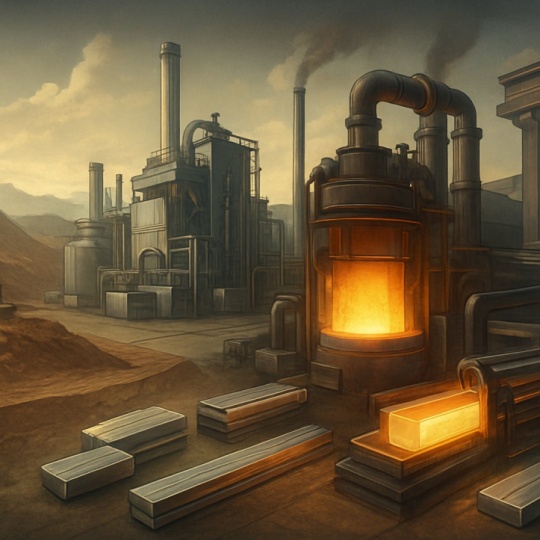
Aluminium Processing Decoded: Why The Route Changes Everything What Aluminium Processing Really Includes Ask a simple question like how is aluminum made, and many people picture only one dramatic extraction step. The real answer is wider. Aluminium processing covers the full industrial route from raw source to finished component. For primary metal, that path begins with bauxite, an ore found in topsoil in many tropical and subtropical regions, then moves through refining, smelting, casting, and shaping. If you have searched aluminium vs aluminum, the spelling may change, but the industrial chain people mean is the same. Aluminium processing is the complete set of steps that turns bauxite or scrap into usable aluminium products. What Aluminium Processing Means The Aluminum Association describes primary production as a sequence in which bauxite is chemically converted to alumina and then smelted into pure aluminum metal. The International Aluminium Institute presents the same core flow as mining, refining, and smelting. In everyday manufacturing, though, that is only the middle of the story. Metal still has to be cast and formed into something useful. The Journey From Ore To Finished Products Each step changes both the material and its purpose. Ore is not alumina. Alumina is not metal. Freshly smelted metal is not automatically a finished product either. It may become ingot, billet, slab, sheet, profile, or a machined part depending on the route that follows. Stage Input Transformation Output Why the stage matters Mining Bauxite-bearing ground Ore extraction Bauxite Supplies the main raw material for primary metal Refining Bauxite Chemical processing Alumina Separates aluminium oxide from the ore Smelting Alumina Electrolysis in a cryolite bath Primary aluminium metal Produces metal that can be cast and worked Fabrication Metal, ingot, billet, or slab Casting and forming Semifinished or finished products Creates the shapes industry actually uses Recycling Aluminium scrap Remelting and recasting Secondary aluminium Returns existing metal to service without starting from ore Primary And Secondary Processing At A Glance Primary production makes new metal from mined ore. Secondary production brings existing metal back into use. Both belong in any clear explanation of aluminum processing, because the route affects cost, energy demand, alloy control, and final form. Ahead, the article separates refining from smelting, looks closely at recycling, and compares rolling, extrusion, forging, and machining. First, the basic terms need sorting out, because bauxite, alumina, and aluminium are often confused. Where Does Aluminium Come From and What Do the Terms Mean? If you search what is aluminum made of, the shortest honest answer is this: not from chunks of pure metal dug out of the ground. In nature, aluminium is usually locked inside minerals. Industry typically starts with bauxite, refines that ore into alumina, and only then makes metal. Those names sound ...
Read More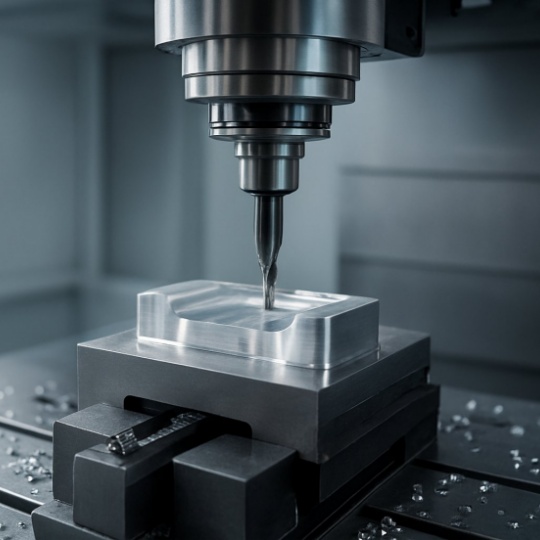
Aluminum Machining Without the Guesswork: Alloy Choice to Final Quote What Aluminum Machining Means in CNC Production Aluminum machining is the process of cutting away material from aluminum bar, plate, or block to create a finished part with precise dimensions and features. In day-to-day manufacturing, cnc machining aluminum usually includes milling flats and pockets, turning round diameters, drilling holes, and profile-style routing on plate when simple outlines or cutouts are needed. Parts like brackets, electronic enclosures, and heat sinks are common examples. Aluminum machining turns raw aluminum stock into accurate, usable parts through controlled cutting operations such as milling, turning, drilling, and related profiling methods. What Aluminum Machining Includes These processes exist for many metals, but aluminum responds differently than harder materials like steel. The MakerVerse guide notes that aluminum is widely used because it is lightweight, strong for its weight, corrosion resistant, conductive, and easy to machine at high speeds. The Kirmell drilling guide adds that aluminum needs lower cutting force than steel and can usually run faster on CNC equipment. Low weight with a strong strength-to-weight ratio Natural corrosion resistance from its oxide layer Good thermal and electrical conductivity Fast cycle times and easier finishing than many harder metals Competitive cost for many production and prototype jobs Why Aluminum Behaves Differently on CNC Equipment That easy-cutting behavior is only half the story. When machining aluminum, shops also watch for built-up edge, chip welding, burrs, and part movement from aggressive clamping. Its softness and malleability help tools cut quickly, but they also make the material easier to smear or distort if setup, tooling, or coolant strategy is poor. If you have searched what is cnc aluminium, this is the practical answer: it is simply CNC shaping of aluminum, or aluminium machining in British spelling, with process choices adjusted for a lighter, more conductive, and more adhesive metal. Where Machined Aluminum Parts Are Commonly Used You will find machined aluminum in aerospace fittings, automotive mounts, robotics frames, consumer electronics housings, and industrial machine components. Those applications do not all use the same grade, though. A corrosion-focused enclosure, a general-purpose bracket, and a high-strength structural part can all be aluminum, yet they may require very different alloys. How to Choose the Right Aluminum Alloy A bracket, enclosure, or heat sink can all be cut from aluminum, but the right grade changes with the job. For many teams, the best aluminum for machining is not the strongest alloy on paper. It is the one that balances end-use performance, shop behavior, finish needs, and material cost. In practice, 6061-T6 is often the default because it offers a broad mix of machinability, corrosion resistance, and availability, while other grades earn their place wh...
Read More
How To Polish Anodized Aluminum: Clean, Restore, Or Refinish? Step 1: Decide If Anodized Aluminum Needs Cleaning or Polishing Most people begin with the wrong assumption. They treat anodized aluminum like bare aluminum and reach for a metal polish right away. That is where damage often starts. Anodizing is not just a coating you can casually buff through. It is a controlled oxide layer that is harder, more durable, and about a thousand times thicker than aluminum's natural surface oxide, as outlined in AAF care guidance. In practical terms, cleaning removes dirt and residue, restoring improves the appearance of the existing finish, polishing cuts into metal or oxidation, and refinishing replaces a worn or damaged surface. If you are researching how to polish anodized aluminum, this distinction matters more than any product label. Why Anodized Aluminum Needs a Different Care Method With bare aluminum, abrasive polish can remove oxidation and increase shine. With intact anodized surfaces, especially dyed or colored finishes, that same approach can thin the finish, alter the sheen, or cause uneven color. The Flitz guide also notes that anodized aluminum is not a good candidate for mirror polishing. That is why polishing anodized aluminum should be the exception, not the default. Preserve the anodized layer if it is still intact. Start with the least aggressive method and test a small hidden area first. How to Tell if You Should Clean, Restore, or Polish Look at the surface in bright light and judge its condition before choosing a method. Many people searching how to clean anodized aluminum are dealing with grime, soap film, or hard-water residue rather than finish failure. If you searched how to polish anodised aluminium, the real first step is diagnosis. Dirty, greasy, or water-spotted: Start with cleaning only. Mildly dull but even in color: Gentle restoration may be enough. Chalky or faded, but not scratched through: Expect partial improvement, not a full reset. Scratched, blotchy, or worn at edges: The anodized layer may be compromised. Bare metal showing: Limited polishing may apply only to those exposed spots, not the whole piece. What Results to Expect From Each Method Cleaning can brighten color and remove false dullness. Gentle restoration may reduce chalkiness and bring back some gloss. Traditional metal polishing usually will not create a mirror look on intact anodizing. Can you polish aluminum? Yes, but bare aluminum and anodized aluminum are not the same job. If the surface is already pitted, deeply scratched, or worn through, results may stay uneven until the part is refinished or replaced. That is why your first decision should be about surface condition, because the safest supplies and the hidden-spot test both depend on it. Step 2: Safe Supplies to Clean Anodized Aluminum The condition check matters because the safest method depends on the finish still being intact. For most surfaces, the first goal is simple: clean anodized aluminu...
Read More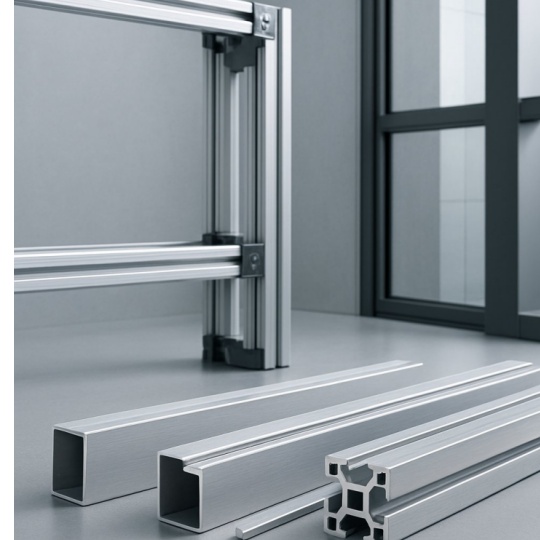
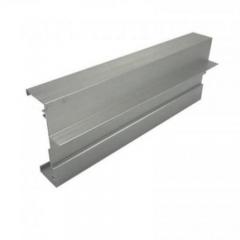
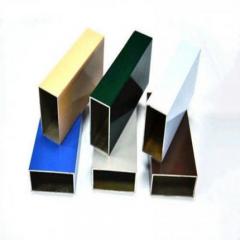
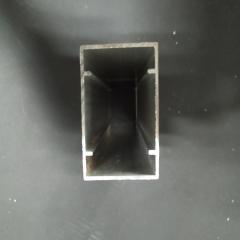
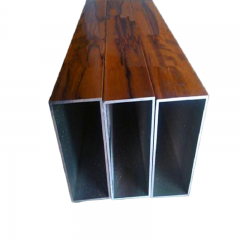
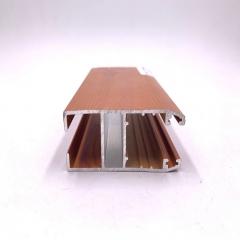
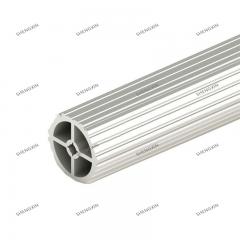
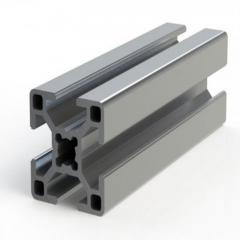
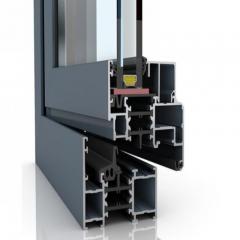
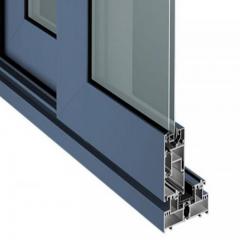
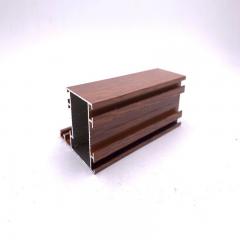
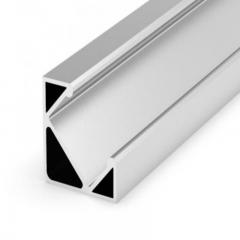
Aluminium Profile Decoded: Stop Guessing, Start Specifying What an Aluminium Profile Really Means Search this term and the results can feel oddly mixed. One page shows a plain channel. Another shows modular framing. A third points to building components. That overlap is normal. In practice, an aluminium profile is a shaped section of metal made for a specific job, most often through aluminum extrusion, but used across very different industries. What an Aluminium Profile Is An aluminium profile is a shaped metal section, usually made by extrusion, whose cross-section is designed for a specific structural, assembly, or architectural function. Reference materials on aluminum extrusion describe everything from flat bars and square tubes to angles, channels, tees, and custom sections with slots or interlocks. So when people use this term, they may be talking about a simple support shape, a modular frame member, or a building-oriented section rather than one single product type. General Extruded Shapes vs Modular and Architectural Profiles General extruded shapes: Standard forms such as flat bars, tubes, L-angles, and U-channels used for bracing, guides, edge protection, and lightweight structures. Modular profiles: T-slot members used in an aluminum framing system for workstations, machine frames, guards, and conveyors. In this context, a series profile usually signals a family of compatible parts. Architectural profiles: Sections used in partitions and other building assemblies, including window and door systems, where fit, appearance, and integration are central to selection. A broad aluminum extrusion profiles catalog may place all of these under one umbrella because they are all extruded aluminum sections. Even something described as an extruded aluminum rail is still a profile if its cross-section has been designed to guide, support, mount, or connect. Why Naming Differs Across Markets Naming usually follows market habits, not one universal rulebook. Industrial suppliers often describe shape first, using terms like channel, angle, hollow, or solid. Modular system suppliers focus on slots, lines, and hardware compatibility. Architectural sources may group products by application rather than raw geometry. You will also see aluminum and aluminium used interchangeably. In American English, aluminum is standard. In many export, engineering, and architectural contexts, aluminium is common. The metal is the same. For specification work, the smarter question is not what the catalog calls it, but what the cross-section needs to do. That is where wall thickness, corners, hollows, and tolerances start to matter. How Aluminum Extrusions Shape Profile Performance Wall thickness, radii, and hollows are not just drawing details. They come from how the section is made. In extrusion, a heated billet is pushed through a die, and the metal exits as a continuous shape that is cut to length. That is why aluminum extrusions can produce everything from a simple channel...
Read More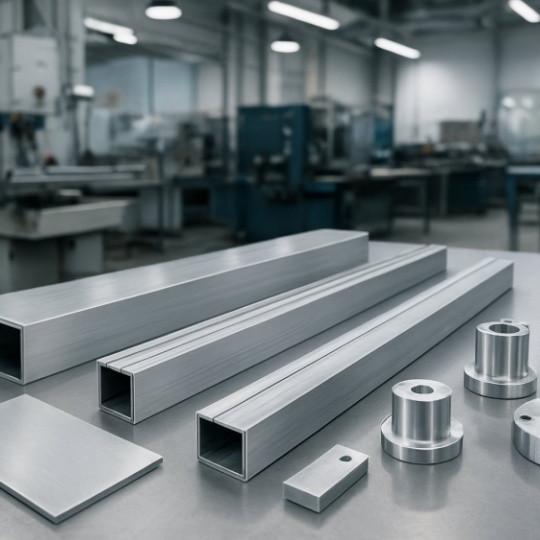
Aluminium Fabrication Decoded: Cut Costs, Errors, And Delays Understanding aluminium fabrication If you are comparing parts, suppliers, or production methods, start with the big picture. Aluminium fabrication is the umbrella term for turning aluminium stock into finished components used in construction, transportation, electronics, and industrial equipment. What Aluminium Fabrication Means Aluminium fabrication is the process of converting raw aluminium into usable parts through cutting, forming, machining, joining, and finishing. That plain-language definition matters because many buyers use the term loosely. In real shop practice, aluminium fabrications can range from a simple bent bracket to a welded frame, enclosure, panel, or precision assembly. If you have wondered what aluminium fabrication means on the factory floor, think of it as a coordinated workflow. The fabrication of aluminium may include laser cutting, shearing, press brake forming, CNC machining, TIG or MIG welding, fastening, anodizing, or powder coating, depending on the part’s job. How Fabrication Differs From Extrusion and Machining These terms are related, but they are not interchangeable. Fabrication is the broad category. Extrusion is a material-making process that pushes aluminium through a die to create a continuous profile. Machining is one process within fabrication that removes material to create holes, threads, pockets, and tight-tolerance features. Practical manufacturing coverage from The Fabricator shows that many projects combine extrusion, machining, and downstream fabrication rather than relying on only one method. Why Aluminium Is Used So Widely Its popularity comes from a rare mix of low weight, useful strength, clean finishing, and durability. Eagle Metalcraft describes aluminium as about one-third the weight of steel, while Otahuhu Engineering highlights its natural oxide layer, which supports corrosion resistance. Low weight for easier handling and lower transport mass Corrosion resistance for outdoor and marine exposure Design flexibility across cutting, bending, welding, and finishing Good thermal and electrical conductivity for technical applications Recyclability for more sustainable manufacturing One detail changes everything from waste to joining strategy: the form you start with. Sheet, plate, extrusion, casting, and forging each send the project down a different path. Choosing the right aluminium fabrication materials The first real decision in a build is not the machine. It is the stock form. A shop can cut, bend, machine, weld, and finish aluminium in several ways, but the starting shape heavily influences cost, waste, joining, and what features are realistic. Practical process summaries from Davantech group the common routes into sheet metal, extrusion, casting, forging, and machining from solid, which is why material choice should be tied to part design from the start. How Raw Material Form Shapes Part Design Look at the part geometry before lo...
Read More


 online service
 0086 136 3563 2360
 sales@sxalu.com
 +86 136 3563 2360
 English
 français
 Deutsch
 русский
 español
 português
 العربية
 ไทย
ไทย Việt
Việt Українська