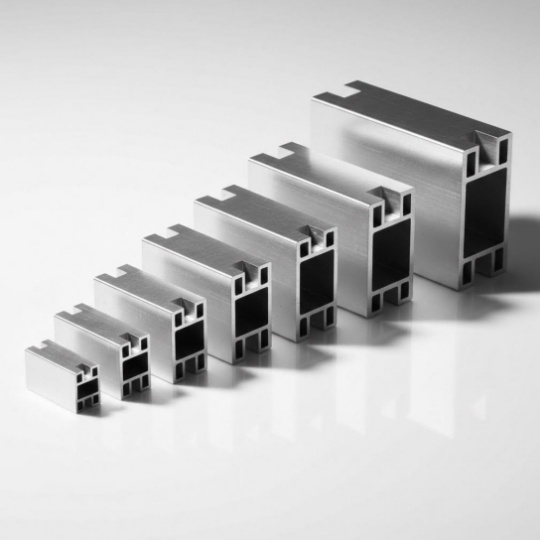
T Slot Aluminum Extrusion Sizes Decoded: Stop Guessing, Start Building Understanding T-Slot Aluminum Extrusion Fundamentals Imagine building a custom workstation, machine frame, or safety enclosure without welding, specialized tools, or permanent commitments. Sounds appealing, right? That's exactly what t slot framing makes possible. But here's the catch: choosing the wrong size can turn your dream project into a frustrating experience of mismatched parts and structural compromises. T-slot aluminum extrusion is an extruded aluminum profile featuring distinctive T-shaped channels running along its length. These channels, or slots, are specifically designed to accept T-nuts, bolts, and specialized fasteners that slide in and lock securely into position. Think of it as an industrial-grade building system where every piece connects without drilling, welding, or permanent modifications. What Makes T-Slot Aluminum Unique Unlike traditional metal framing that requires welding or drilling, aluminum extrusion profiles use their T-shaped slots as universal mounting points. When you insert a T-nut into the slot and tighten a bolt, the nut rotates 90 degrees and locks against the slot's shoulders, creating a strong, adjustable connection. This design transforms how you approach construction. Need to reposition a bracket? Simply loosen the bolt, slide the component to its new location, and retighten. Want to expand your structure later? Add new profiles and connect them to existing slots. The t slot t track system essentially gives you infinite mounting possibilities along every profile face. Every T-slot profile consists of several key components that determine its functionality: Core Body: The solid aluminum center providing structural strength and rigidity T-Slots: The characteristic channels that accept fasteners and accessories, running continuously along one or more faces Center Bore: A hollow channel through the profile's center, reducing weight while maintaining strength Corner Radii: The rounded or squared corners affecting aesthetics and how profiles mate together Some systems also incorporate features similar to a v slotted aluminum insert for specialized linear motion applications, though standard T-slots remain the most versatile option for general framing needs. Why Size Selection Determines Project Success Here's where many first-time buyers get confused. T-slot aluminum extrusion sizes are categorized by series numbers: 10, 15, 20, 25, 30, 40, and 45. These numbers correspond directly to the profile's cross-sectional dimensions in millimeters. A 20 series profile measures approximately 20mm x 20mm, while a 40 series measures 40mm x 40mm. Why does this matter for your project? Consider these critical factors: Structural Capacity: According to manufacturer specifications, larger profiles dramatically increase rigidity. The relationship between size and stiffness isn't linear—doubling the profile dimension can increase the moment of inertia (resi...
Read More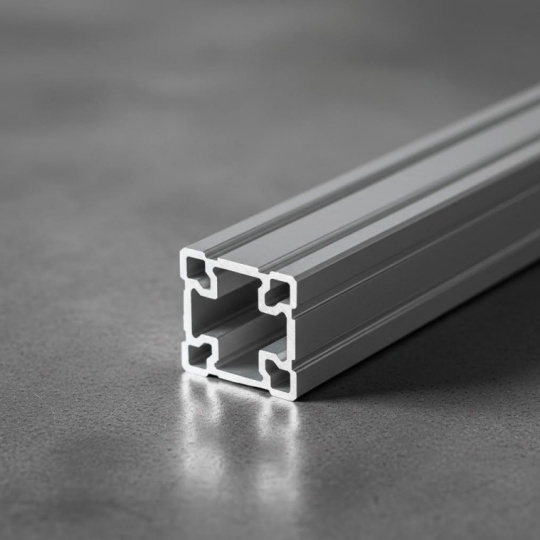
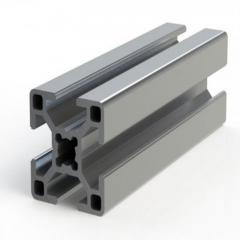
4040 Aluminum Extrusion Profile Decoded: Specs, Slots, And Selection What Is a 4040 Aluminum Extrusion Profile When you're planning a custom frame, workstation, or machine enclosure, understanding your building materials makes all the difference. A 4040 aluminum extrusion profile is exactly what its name suggests—a structural aluminum bar with a 40mm x 40mm square cross-section. This straightforward naming convention tells you everything you need to know at a glance, making it easy to select the right profile for your project. What Does 4040 Mean in Aluminum Extrusion The "4040" designation follows a simple industry-standard naming system. The first two digits represent the width (40mm), and the second two digits indicate the height (40mm). So when you see a 4040 extrusion, you immediately know you're looking at a perfectly square profile measuring 40 millimeters on each side. This naming logic applies across the entire modular framing family—2020 means 20mm x 20mm, 4080 means 40mm x 80mm, and so on. The 40 40 aluminum extrusion format has become universally recognized, eliminating confusion when sourcing components from different manufacturers. The 40mm Standard Explained Why 40mm specifically? This dimension hits a sweet spot in structural engineering. The 40x40 aluminum extrusion provides substantial rigidity without excessive weight or material cost. It's large enough to accommodate robust T-slot channels for secure hardware connections, yet compact enough for applications where space efficiency matters. The 40mm standard also aligns with common metric fastener sizes, particularly M8 bolts and corresponding T-nuts, creating a harmonious ecosystem of compatible components. Why 4040 Became the Go-To Profile Size Think of 4040 aluminium extrusion as the "Goldilocks" of modular framing—not too light, not too heavy, but just right for medium-duty applications. It bridges the gap between lighter 2020/3030 profiles designed for small projects and heavier 8080 options built for industrial machinery. This versatility explains why engineers, makers, and industrial designers consistently reach for 4040 extrusion when building CNC frames, 3D printer enclosures, workbenches, and protective guarding. What defines a quality 4040 aluminum extrusion profile? Here are the key characteristics to look for: Precise dimensional tolerances ensuring consistent fit with standard hardware Uniform wall thickness for predictable load-bearing capacity Clean T-slot channels free from burrs or surface defects Certified alloy composition (typically 6063-T5) for reliable mechanical properties Quality anodized finish providing corrosion resistance and professional appearance Straight extrusion without warping or twisting along the length The 40 40 aluminum extrusion's popularity stems from its ability to handle real-world loads while remaining accessible for DIY builders and cost-effective for commercial applications. Whether you're constructing a sturdy assembly table or fra...
Read More
Aluminum Extrusion Quotes Decoded: What Suppliers Won't Tell You Understanding Aluminum Extrusion Quotes and Their Role in Your Project When you request a quote for aluminum extrusion profiles, you're not simply asking for a price tag. You're opening the door to a comprehensive proposal that defines nearly every aspect of your manufacturing project. For procurement professionals and project managers navigating this process for the first time, this distinction matters more than you might expect. Think of aluminum extrusion quotes as detailed blueprints for your business relationship with a supplier. They outline not just what you'll pay, but how your custom aluminum extrusions will be produced, finished, and delivered. Understanding this broader picture helps you make smarter sourcing decisions and avoid costly surprises down the road. What an Aluminum Extrusion Quote Actually Includes A professional quote from reputable aluminum extrusion companies goes far beyond listing a dollar amount per kilogram or meter. It's a structured document that addresses multiple cost components and project specifications. According to industry data, raw aluminum ingot pricing alone accounts for 60-75% of total extrusion costs, but the remaining elements can significantly impact your final investment. Here are the key components typically found in a comprehensive extrusion quote: Profile specifications: Detailed dimensions, tolerances, and geometric complexity of your aluminum profile design Alloy selection: Material grade (such as 6063 for architectural applications or 6061 for structural needs) and its cost implications Quantity tiers: Pricing breakpoints based on order volume, showing how per-unit costs decrease with larger quantities Tooling costs: Die charges for custom profiles, including whether fees are one-time or amortized across production runs Surface treatments: Finishing options like anodizing, powder coating, or PVDF with their respective cost additions Delivery terms: Lead times, shipping methods, packaging requirements, and logistics arrangements When evaluating aluminum extrusion services, you'll notice that quotes from different suppliers may structure these elements differently. Some bundle tooling into per-unit pricing, while others itemize each component separately. Knowing what to look for helps you compare proposals on equal footing. Why Quote Accuracy Matters for Your Project Budget Sounds complex? It can be—especially when industry-specific terminology clouds the picture. Many first-time buyers find themselves confused by terms like "amortized die costs," "T5 vs. T6 temper," or "minimum order quantities." This confusion often leads to budget miscalculations that ripple through entire project timelines. Consider this: surface finishing alone can add 10-30% to your total cost depending on the process you choose. If your initial quote doesn't clearly specify finishing requirements, you might face unexpected charges later. Similarly, a quote ba...
Read More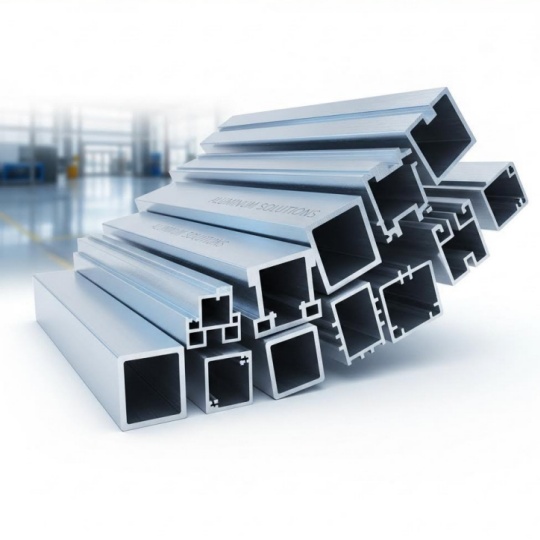
Aluminum Extrusions AD CVD Duties: What Importers Must Do Now Understanding Antidumping and Countervailing Duties on Aluminum Extrusions If you import aluminum extrusions into the United States, you've likely encountered the terms "AD" and "CVD" on customs paperwork or trade publications. But what do these acronyms actually mean for your business? Understanding the aluminum extrusion definition within trade law context is essential before diving into compliance requirements. In plain terms, AD and CVD are additional duties the U.S. government imposes on certain imported goods to level the playing field for American manufacturers. Think of them as corrective tariffs designed to offset unfair trade practices. Let's break down exactly how they work. Breaking Down Trade Remedy Terminology Trade remedy laws exist because international commerce doesn't always operate on equal terms. When foreign manufacturers sell products in the U.S. at artificially low prices or receive government assistance that gives them an unfair advantage, domestic producers suffer. The U.S. responds with two primary tools: antidumping duties and countervailing duties. According to trade law experts, these remedies require both the U.S. Department of Commerce and the International Trade Commission to make affirmative determinations before duties can be imposed. This dual-agency approach ensures that claims of unfair trade are thoroughly investigated. How Unfair Pricing Triggers Government Action Imagine you're a U.S. aluminum extrusion manufacturer. You price your products based on actual production costs plus a reasonable profit margin. Meanwhile, a foreign competitor sells identical extrusions in the American market at prices far below what they charge in their home country. Sounds unfair? The U.S. government agrees. This scenario describes "dumping," and it triggers antidumping investigations. The Commerce Department compares the U.S. sale price with the home market price, adjusting both to an "ex-factory" basis for fair comparison. For non-market economies like China, Commerce constructs a "normal value" using production costs from comparable market economies. The difference becomes the "dumping margin," which determines the additional duty rate. The Difference Between AD and CVD Explained While both ADA CVD duties aim to correct unfair trade, they target different problems. Here's the key distinction: Antidumping Duties (AD): Target foreign manufacturers selling products in the U.S. at prices lower than in their home market. The duty amount equals the "dumping margin" between normal value and U.S. price. This addresses aluminum extrusion anti dumping concerns by offsetting below-market pricing strategies. Countervailing Duties (CVD): Target government subsidies that give foreign manufacturers an unfair cost advantage. These subsidies might include cheap loans, tax breaks, or discounted raw materials. The duty percentage reflects the value of subsidies the merchandise benefi...
Read More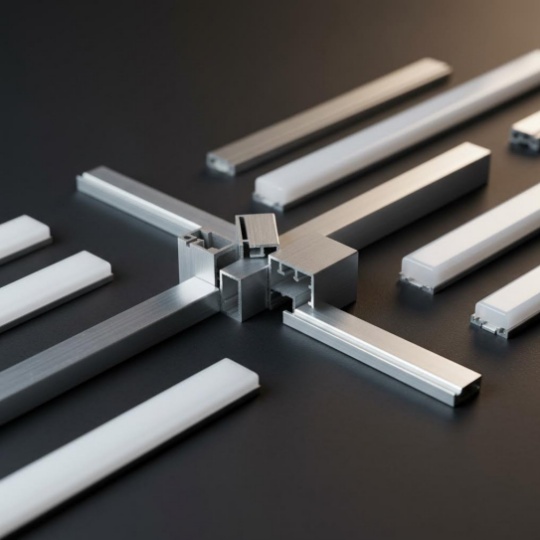
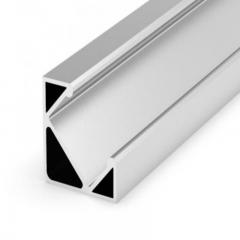
Aluminum Extrusions For Led Lights: Match Profiles To Projects Understanding Aluminum Extrusions for LED Lighting Systems When you install LED strip lights directly onto a surface, you might notice something frustrating after a few months - the LEDs start dimming, colors shift, or worse, sections fail completely. What went wrong? The answer often lies in what's missing: proper LED housing that manages heat and protects your investment. Aluminum extrusions for LED lights are specially engineered aluminum structures designed to house LED strip lights while solving critical performance challenges. Think of them as the unsung heroes of professional lighting installations. These profiles - also called LED aluminum channels or led light channels - are created by pushing heated aluminum alloy through a shaped die, producing consistent cross-sectional shapes that accommodate LED strips perfectly. What Are LED Aluminum Channels and Why Do They Matter At their core, an aluminum channel for led tape light serves as far more than a simple mounting bracket. These extruded profiles act as complete LED housing systems that address every challenge your LED strips face during operation. The aluminum framework provides a secure, stable mounting solution while simultaneously functioning as a heat sink that draws thermal energy away from sensitive LED components. Why does this matter to you? LEDs generate heat during operation - and excessive heat is their biggest enemy. Without proper thermal management, your LED strips can lose up to 70% of their lifespan. The aluminum material's excellent thermal conductivity pulls heat away efficiently, preventing the overheating that causes premature failure and color inconsistency. Every led strip light channel system includes several key components working together: Aluminum Channel: The structural extrusion that holds your LED strip securely in place Diffuser Cover: A translucent lens that snaps onto the channel to soften and distribute light evenly End Caps: Protective closures that seal the profile ends and provide a finished appearance Mounting Hardware: Clips, brackets, or screws that attach the profile to surfaces The Essential Role of Extrusions in Modern LED Installations Professional lighting designers and DIY enthusiasts alike rely on profile lighting solutions because they address multiple needs simultaneously. Understanding these primary functions helps you appreciate why quality extrusions transform ordinary LED installations into professional-grade lighting systems: Thermal Management: Aluminum's superior heat conductivity draws thermal energy away from LEDs, maintaining optimal operating temperatures and extending lifespan significantly Physical Protection: The rigid housing shields delicate LED strips from dust, moisture, and mechanical damage - essential in high-traffic areas or challenging environments Light Distribution Control: When paired with diffuser covers, these channels transform harsh LED point sour...
Read More


 online service
 0086 136 3563 2360
 sales@sxalu.com
 +86 136 3563 2360
 English
 français
 Deutsch
 русский
 español
 português
 العربية
 ไทย
ไทย Việt
Việt Українська