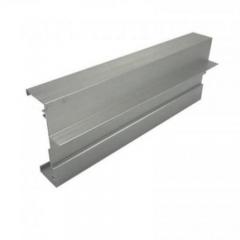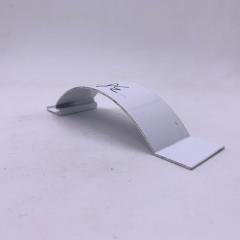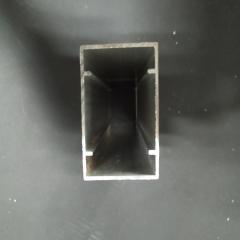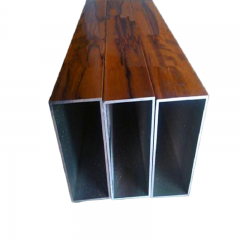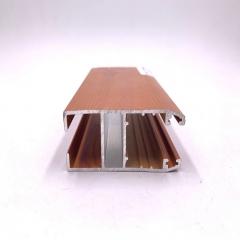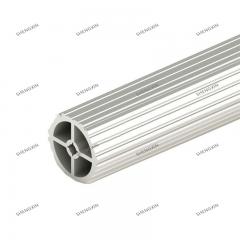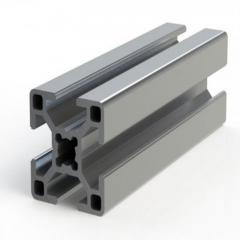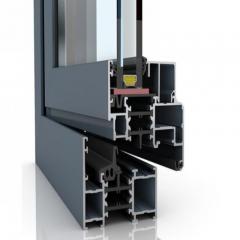
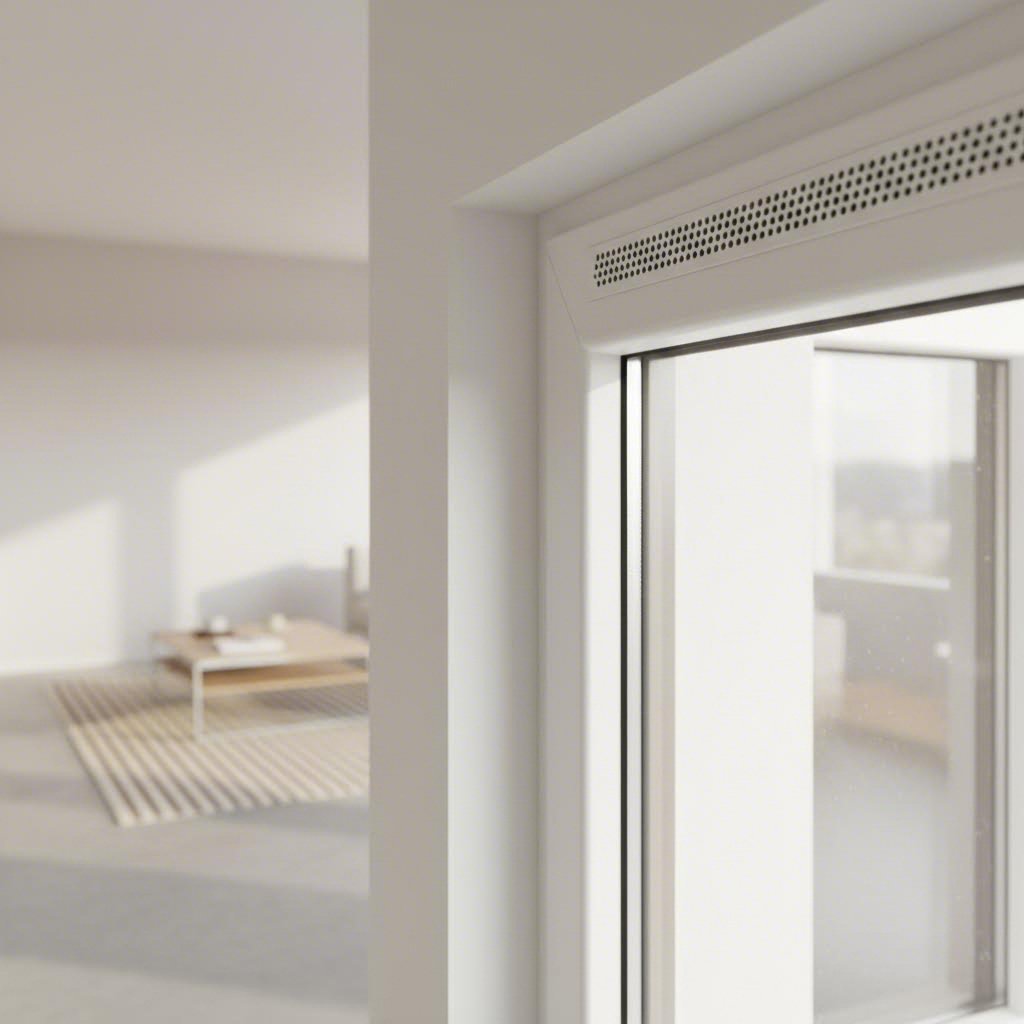
Window trickle vents are small, discreet openings built into uPVC window frames that provide a steady stream of fresh air without requiring you to open the window itself. Typically positioned near the top of the frame, these trickle air vents for windows allow controlled air exchange while keeping your home secure and draught-free. Think of them as your home's way of breathing quietly in the background.
If you have noticed condensation forming on your glass, musty smells lingering in rooms, or even mould creeping along walls, the culprit is often inadequate ventilation. Modern uPVC windows are designed to be highly energy-efficient, which means they seal exceptionally well. While that is fantastic for keeping heat in and energy bills down, it also means moisture and stale air can become trapped inside.
Modern uPVC windows seal so effectively that without trickle vents, moisture and stale air have nowhere to go.
This is precisely why vents for uPVC windows matter. They tackle these common homeowner frustrations by allowing a continuous, low-level exchange of air that keeps your indoor environment fresh and healthy.
The mechanical principle behind drip vents in windows is straightforward. These small slots, usually fitted into the window head or frame profile, create a pathway for outside air to enter and inside air to escape. The airflow is passive, meaning it relies on natural pressure differences rather than fans or motors.
You can often adjust them manually using a sliding cover, giving you control over how much air flows through. When open, they allow a gentle trickle of fresh air. When closed, they reduce airflow while still maintaining some ventilation. This controlled approach helps minimise condensation, eliminate stale air, and reduce humidity levels without creating uncomfortable draughts.
As Sternfenster explains, good ventilation is key to improving indoor air quality, which directly contributes to the health of everyone living in your home.
Understanding where trickle vents fit into your home's overall ventilation strategy helps clarify their purpose. There are essentially two types of ventilation your home needs:
A compliant ventilation strategy typically requires both. Trickle vents handle the day-to-day background work, while openable windows provide the occasional purge when needed. Relying solely on opening windows has drawbacks, including security concerns, heat loss, and the simple fact that people often forget to do it, especially in cold weather. Trickle vents solve this by providing consistent airflow without any effort on your part.
So you understand what trickle ventilation windows do, but are they actually required? The short answer for most UK homeowners replacing windows is yes. Since June 2022, Part F of the Building Regulations has made trickle vents mandatory for most replacement window projects. This update reflects growing concerns about indoor air quality in increasingly airtight modern homes.
Part F is the section of UK Building Regulations that governs ventilation in dwellings. It applies to both new builds and existing homes undergoing renovation work, including window replacements. The regulations exist because modern energy-efficient windows can sometimes trap moisture and pollutants inside, creating health risks if adequate ventilation is not provided.
One term you might encounter is equivalent area, often abbreviated as EA. This is a measurement that describes the effective open area of a ventilator, essentially how much air can pass through it. Different rooms require different minimum equivalent areas based on their size and function. Your installer or local building control officer can advise on the specific EA requirements for your property, which are detailed in Approved Document F, volume 1.
The rules around house window vents are more straightforward than you might expect. If your existing windows already have trickle vents, your replacement windows must include them too. There is no option to remove this ventilation when upgrading your glazing.
What if your current windows do not have trickle vents in windows? In most cases, your new windows will still need them. The regulations state that replacement windows must not make the ventilation in your home less satisfactory than it was before. Since modern uPVC frames seal more tightly than older windows, adding trickle vents is typically necessary to maintain adequate airflow.
There is one exception worth noting. If your room already has a wall ventilator that meets the minimum equivalent area requirements, you may not need additional background ventilation in your new windows. However, air vents for open-flued appliances like gas fires do not count toward this, as they serve a different purpose under Part J regulations.
Importantly, a window with a night-latch position is not an acceptable substitute. The UK Government guidance explicitly states that windows locked slightly ajar do not provide sufficiently secure background ventilation.
You might be tempted to ask your installer to leave out the vents, perhaps for aesthetic reasons or concerns about draughts. However, this creates both compliance risks and practical problems for your home.
From a regulatory standpoint, all replacement glazing work must comply with Building Regulations. Installers registered with schemes like FENSA or Certass self-certify that their work meets these requirements. If they install windows without proper ventilation, they risk enforcement action. A homeowner disclaimer stating you do not want vents or will install them later is not a valid workaround, as the regulations must be met in full at the time of installation.
The practical consequences of omitting trickle vents can be equally problematic:
Do you need planning permission for replacement windows with trickle vents? Generally not, provided you are doing a like-for-like replacement. However, building control notification may apply, and you will need either a certificate from a registered installer or approval from your local building control authority. As the property owner, you are ultimately responsible for ensuring the work complies with regulations.
The good news is that modern trickle vents are designed to be discreet and effective. Understanding the different types available can help you choose the right option for your home.
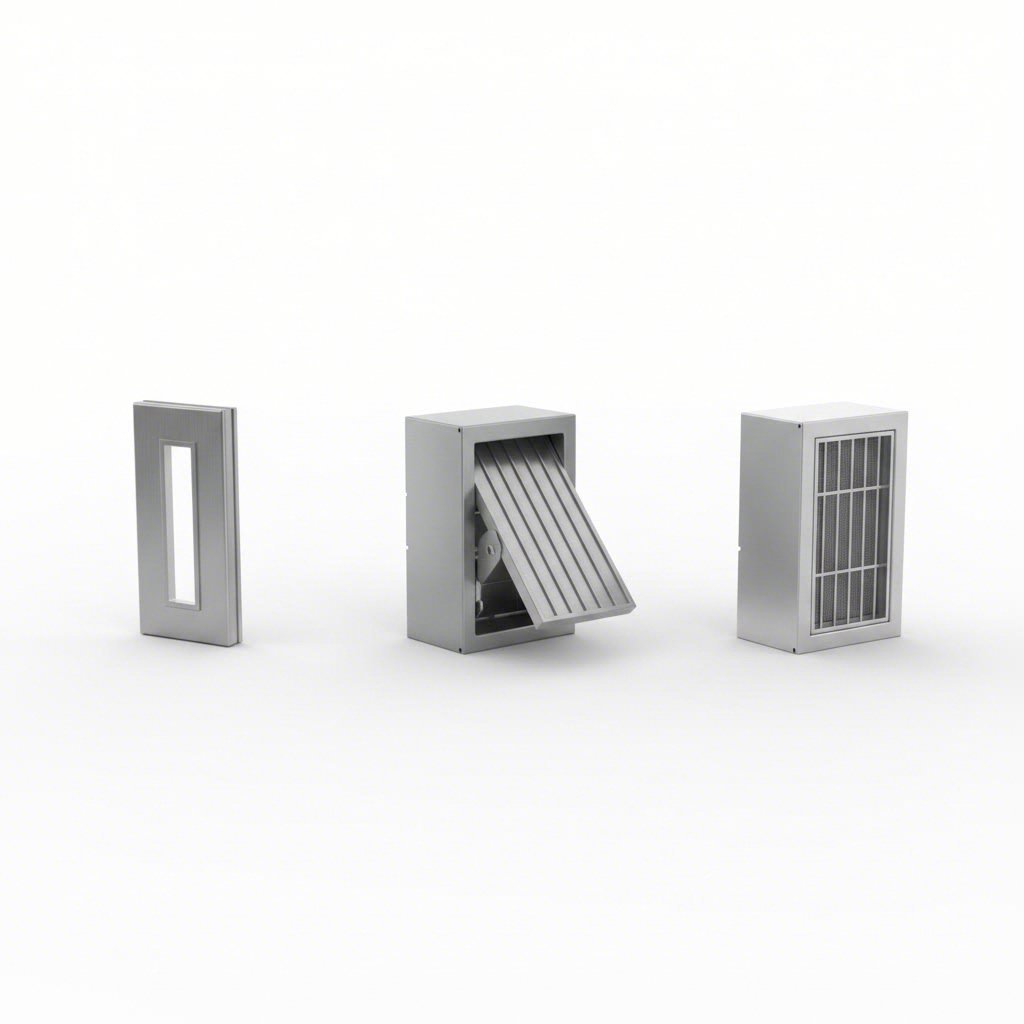
Not all window air vents are created equal. When you start shopping for air vents for double glazed windows, you will quickly discover there are several designs to choose from. Each type works slightly differently and suits different situations. Understanding these differences helps you pick the right vent for your frame profile, your room, and your personal preferences.
The three main types you will encounter are slot vents, hit-and-miss vents, and through-frame vents. Sounds confusing? It does not have to be. Let us break down each one so you know exactly what you are looking at.
Slot vents are the simplest design you will find. These are fixed-open ventilators, meaning they provide a constant pathway for air to flow through the window frame. There is no mechanism to close them completely.
Typically fitted into the window head or the top section of the frame profile, slot vents consist of a narrow channel cut through the frame with an external hood to keep rain out and an internal grille for a neat finish. Because they have no moving parts, they are straightforward to manufacture and install.
When might you choose a slot vent? They work well in situations where continuous background ventilation is the priority and you do not need to adjust airflow manually. They are also a cost-effective option for new builds where the frame is designed to accommodate them from the start.
If you want more control over your ventilation, hit-and-miss vents are the answer. These feature a sliding cover or flap that lets you open or close the vent manually. When open, air flows through freely. When closed, the airflow is significantly reduced or stopped entirely.
This adjustability makes hit-and-miss vents popular with homeowners who want flexibility. Imagine a cold winter evening when you would rather reduce the airflow, or a stuffy summer day when you want maximum ventilation. A small window vent with manual control gives you that choice.
Hit-and-miss vents are fitted in a similar position to slot vents, usually in the frame head. The internal component includes the sliding mechanism, while the external hood protects against weather. They are slightly more complex than slot vents but remain easy to operate and maintain.
Through-frame vents take a different approach. Rather than sitting within a slot cut into the frame head, these vents pass through the full depth of the window frame itself. This design makes them particularly suited to specific profile types and retrofit scenarios where cutting a traditional slot is not practical.
As Colin's Sash Windows notes, retrofitting trickle vents is possible in nearly all windows when the correct method is used. Through-frame vents offer a solution where frame space is limited or where reinforcement within the profile makes traditional slot cutting difficult.
These vents can be either fixed-open or manually closeable, depending on the specific product. They are often chosen for retrofit projects on existing uPVC windows that were not originally designed with ventilation in mind.
To help you see the differences at a glance, here is a comparison of the three main trickle vent types across the key attributes that matter most:
| Attribute | Slot Vents | Hit-and-Miss Vents | Through-Frame Vents |
|---|---|---|---|
| Airflow Direction | One-way, continuous | One-way, adjustable | One-way, varies by design |
| Frame Compatibility | Standard uPVC profiles with adequate head depth | Standard uPVC profiles with adequate head depth | Various profiles, including slim or reinforced frames |
| Ease of Retrofit | Moderate, requires slot cutting | Moderate, requires slot cutting | Good, bypasses some frame limitations |
| Typical Use Case | New builds, straightforward installations | Homes needing adjustable ventilation control | Retrofit projects, frames with limited space |
| Can Be Closed | No | Yes | Depends on model |
Choosing between these options comes down to your specific situation. If your windows are being installed new and you simply need compliant background ventilation, slot vents offer a reliable, no-fuss solution. They do the job quietly without requiring any input from you.
If you prefer having control over your indoor environment, hit-and-miss vents give you the flexibility to adjust airflow based on the weather, the season, or simply how you feel. This is particularly useful in bedrooms where you might want to reduce ventilation on cold nights.
For retrofit scenarios, especially on older uPVC windows or frames with steel reinforcement, through-frame vents can solve problems that other designs cannot. Some modern easy glaze trickle vents use this approach to add ventilation without compromising the frame structure.
Whichever type you choose, the key is matching the vent to your frame profile and your ventilation needs. A good installer will assess your windows and recommend the most suitable option. With the right choice, you get effective background ventilation that works seamlessly with your home.
Of course, choosing the right type is only part of the equation. Many homeowners also wonder whether adding these vents will affect their home's warmth, which brings us to the question of thermal efficiency.
Will adding trickle vents for windows make your home colder? This is one of the most common concerns homeowners raise when faced with installing window vents in their house. The worry makes sense. You have invested in energy-efficient uPVC windows precisely to keep heat in and energy bills down. Why would you then punch holes in them?
Here is the reassuring truth: modern trickle window vents are specifically engineered to balance ventilation with thermal comfort. Any temperature reduction from a properly installed vent is, as DW Windows puts it, very marginal and unnoticeable. If your home feels cold, the cause is almost certainly something else entirely.
The key to understanding why trickle vents do not significantly impact your home's warmth lies in their design. Unlike an open window, which creates a large gap for air to rush through, a trickle vent allows only a small, controlled amount of airflow. The opening is intentionally restricted to provide just enough ventilation to maintain air quality without creating draughts or substantial heat loss.
Well-designed vents incorporate several features to minimise thermal impact:
These engineering choices mean the air entering your home through a trickle vent arrives gently rather than as a cold blast. The continuous, low-flow nature of the ventilation works quietly in the background without making rooms feel uncomfortable.
As Bereco explains, modern trickle vents deliver background ventilation without compromising thermal comfort or causing significant heat loss. High-performance windows can still achieve impressive U-values even with integrated ventilation, with some double-glazed units reaching values as low as 1.3 W/m²K.
Imagine you need to ventilate your bedroom on a cold winter morning. You have two choices: open the window wide for a few minutes or rely on a trickle vent that has been working all night. Which approach costs you more heat?
Opening a window creates a large opening through which warm air escapes rapidly and cold air floods in. Even a brief purge of five to ten minutes can significantly drop the room temperature, forcing your heating system to work harder to recover. You also lose the heat stored in walls, furniture, and soft furnishings as the room cools down quickly.
A trickle vent, by contrast, provides continuous background ventilation at a fraction of the thermal cost. The airflow is so gentle that your heating system can easily compensate without noticeable energy spikes. You maintain fresh air quality around the clock without the dramatic temperature swings that come from opening windows.
Several factors influence how well a trickle vent performs thermally:
The bottom line? Trickle vents work constantly in the background without making your home uncomfortably cold. They are designed to provide just enough ventilation to keep air fresh and prevent condensation, while minimising the thermal penalty. If you are concerned about your home feeling cold after installing new windows with vents, the issue is far more likely to be inadequate insulation, draughty doors, or an undersized heating system than the vents themselves.
Of course, thermal performance is not the only concern homeowners have about adding ventilation to their windows. If you live near a busy road or in a noisy area, you might also be wondering how these openings affect sound insulation.
Live near a busy road or under a flight path? You might be hesitant about adding any kind of opening to your windows. The logic seems sound: if you create a gap for air to enter, surely noise will follow. This concern stops many homeowners from embracing acoustic trickle vents for windows, even when they desperately need better ventilation.
Here is the good news. Well-designed noise reducing window vents can actually provide fresh air while significantly limiting sound transmission. The key lies in understanding how these specialised vents work and what to look for when noise is a genuine concern.
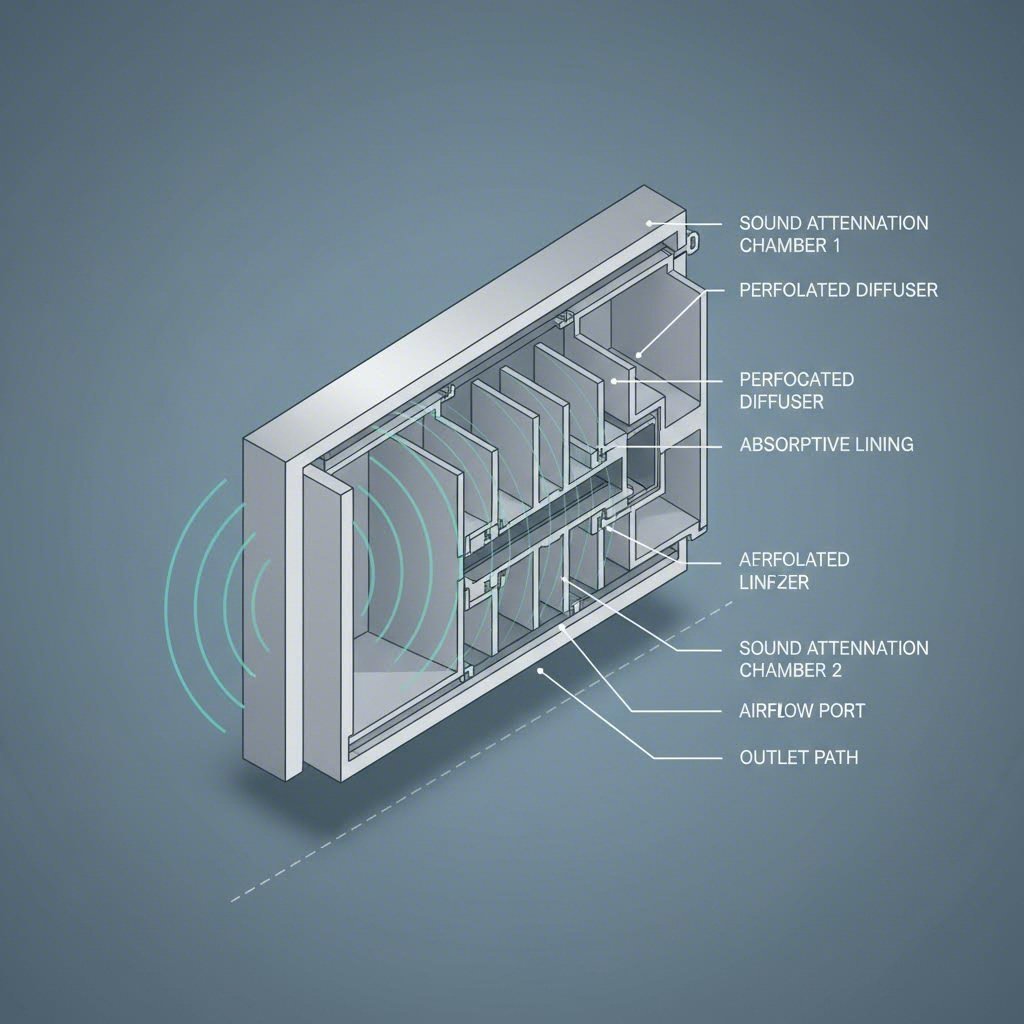
Standard trickle vents do allow some external noise to enter, though the amount is typically minimal for most locations. However, if you live in a particularly noisy environment, acoustic trickle vents offer a smarter solution. These sound insulation window vents look similar to standard versions but feature more complex internal designs that attenuate noise effectively.
So how do they actually work? Acoustic vents incorporate several clever engineering features. Sound-absorbing materials inside the vent disrupt and dampen sound waves as they pass through, reducing noise levels before the air reaches your room. The internal structure forces sound waves to travel through multiple chambers or turns, dissipating their energy along the way.
Think of it like a maze. While air can flow through relatively easily, sound waves lose energy each time they bounce off a surface or change direction. By the time they reach the interior of your home, they are significantly quieter than when they started.
Many acoustic solutions also use a dual attenuator system, combining an internal vent with an external canopy. This pairing creates two layers of noise reduction working together. High-performing gaskets improve sealing against weather while enhancing acoustic efficiency, particularly when the vent is closed.
The performance of these vents is measured using a rating called Dn,e,w, which indicates how many decibels of noise reduction you can expect. A higher value means better sound insulation. For context, a vent rated at 40 to 50 dB provides good noise reduction suitable for busier urban areas, while products achieving 50 dB and above are best for extremely noisy environments like properties near airports or major railway lines.
When noise is a priority, selecting the right vent requires a bit more thought than simply picking the first option your installer suggests. Here is what to consider.
First, understand the type of noise you are dealing with. Low-frequency sounds like heavy traffic rumble behave differently from high-frequency noises like aircraft overhead. Some vents perform better at certain frequency ranges, so reviewing the manufacturer's frequency response data can help you match the product to your specific noise problem.
Second, consider vent positioning. If one side of your property faces a busy road while the other overlooks a quiet garden, you might specify acoustic vents only on the noisier elevation. This approach balances cost with performance, giving you enhanced protection where you need it most.
When evaluating acoustic trickle vents, look for these key features:
If a product does not specify acoustic performance data, ask your supplier directly. Reputable manufacturers test their vents through UKAS-accredited laboratories and should be able to provide documentation. Be cautious of vague claims without supporting evidence.
One important note: blocking or filling existing vents with foam or other materials is not a sensible workaround. As GreenMatch points out, this undermines the purpose of ventilation entirely and can lead to condensation, mould, and potential building regulation issues. If noise is a problem with your current vents, replacing them with properly rated acoustic versions is the better solution.
Above door ventilation and window vents can work together as part of a whole-house acoustic strategy. The goal is maintaining healthy airflow while keeping unwanted sound outside where it belongs.
With the right acoustic vents specified and installed, you can enjoy fresh air without sacrificing the peace and quiet of your home. Now that you understand how to address both thermal and acoustic concerns, the next step is knowing how to add these vents to windows that do not already have them.

What if your current uPVC windows do not have trickle vents and you want to add them? Perhaps you are dealing with persistent condensation, or maybe you simply want to improve your home's air quality without replacing perfectly good glazing. The good news is that adding trickle vents to existing windows is entirely possible in most cases.
As Colin's Sash Windows points out, retrofitting trickle vents is achievable in nearly all windows when the correct approach is used. The real question is not whether it can be done, but which method suits your particular window. Let us walk through the process so you know what to expect.
Before you purchase any vents or pick up a drill, you need to assess whether your window frames can accommodate them. Not every frame is identical, and understanding what you are working with prevents costly mistakes.
Start by examining the frame head, which is the horizontal section at the top of the window. This is where most trickle vents are fitted. You need to check two things: the depth of the frame profile and the available width for the vent slot.
For slimline frame-fitted vents, some modern designs require as little as 18 mm of frame height. This means they can fit in situations where older, bulkier vents would never have worked. Measure the visible frame head from the inside of your room and compare it to the specifications of the vent you are considering.
Next, identify whether your frame contains steel reinforcement. Many uPVC windows have a thin metal strip running through the frame for structural strength. This reinforcement is not necessarily a barrier to installation, but you need to know where it sits. Slimline vents can often fit above the reinforcement, while through-frame vents bypass it entirely by passing through the full depth of the frame.
If your frame head is particularly shallow or heavily reinforced, glazed-in vents offer an alternative. This method avoids cutting the frame altogether. Instead, the existing sealed glass unit is removed, a new unit manufactured around 45 mm shorter is installed, and a glazed-in vent clips into the gap at the top. This approach works well where frame drilling is undesirable or where aesthetic concerns apply.
One important clarification: for double-glazed units, the glass itself is never cut. All retrofit methods involve modifying the frame or replacing the sealed unit with a shorter one. The glazing remains intact throughout the process.
Once you have confirmed your frame can accept a trickle vent, the installation follows a logical sequence. While the exact steps vary depending on the vent type and manufacturer, the general process for a through-frame trickle vent installation upvc looks like this:
For uPVC frames, a high-speed steel drill bit works well because it can handle the thin metal reinforcing strip inside the profile. Most window frames are around 50 mm thick, so ensure your drill bit can penetrate the full depth without applying excessive force.
After installation, test the vent by opening and closing it several times. Check that the seal between the internal and external components is tight and that no gaps allow uncontrolled air leakage around the edges.
Even with careful preparation, upvc window vent fitting can go wrong if you overlook certain details. Here are the pitfalls that trip up many DIY installers:
If you are unfamiliar with uPVC fabrication or uncomfortable using power tools on your windows, professional installation is the sensible choice. An experienced installer can assess your frames, recommend the most suitable vent type, and complete the work without risking damage to your glazing. The cost of professional fitting is modest compared to the expense of replacing a window damaged by incorrect drilling.
Adding trickle vents to existing windows is a practical upgrade that improves ventilation without the disruption of full window replacement. With the right assessment and careful installation, you can enjoy fresher air and reduced condensation while keeping your current glazing intact. The next consideration is ensuring you select the right vent for your specific window and room requirements.
You know the types of trickle vents available and how to retrofit them. But how do you actually pick the best trickle vents for uPVC windows in your specific situation? Choosing window trickle vents is not a one-size-fits-all decision. The right vent depends on your room type, your frame profile, and your personal preferences for control and aesthetics.
Think of it like choosing shoes. You would not wear hiking boots to a wedding or flip-flops on a mountain trail. Similarly, a vent that works perfectly in your living room might be entirely wrong for your bathroom. Let us walk through a practical framework that helps you make the right choice every time.
Different rooms generate different amounts of moisture and pollutants, which means they need different levels of ventilation. A steamy bathroom produces far more humidity than a spare bedroom, so the trickle vent equivalent area required varies accordingly.
The concept of equivalent area, or EA, measures the effective open area of a ventilator in square millimetres. A larger EA means more air can pass through. UK Building Regulations specify minimum EA requirements based on room function:
These figures represent the total background ventilation needed for each room, which can come from one or multiple vents. If your window frame is narrow, you might need two smaller vents rather than one large one to achieve the required EA.
Frame width matters because it determines how large a vent you can physically fit. Standard trickle vents typically cover ventilation areas ranging from 2000mm² to 8000mm². A narrow window might only accommodate a 2500mm² vent, meaning you would need additional ventilation elsewhere in the room to meet regulations.
When discussing options with your installer, ask them to calculate the total EA your room needs and confirm that the proposed vents will meet or exceed this threshold. They should reference the specific requirements in Approved Document F for your property type.
Beyond the basic EA calculation, several other factors influence which vent suits your situation best. Here is what to consider when making your selection:
Each of these factors narrows down your options until you arrive at the ideal product for your specific window and room.
One distinction that often gets overlooked is the difference between manually closeable vents and self-regulating trickle vents. Understanding this helps you choose based on how much involvement you want in managing your home's ventilation.
Manually closeable vents, like hit-and-miss designs, give you direct control. You slide a cover to open or close the vent based on your comfort. Want more airflow on a warm day? Open it fully. Feeling a draught on a cold evening? Close it down. This approach works well if you prefer hands-on control and remember to adjust your vents seasonally.
Self-regulating vents take a different approach. These clever devices respond automatically to environmental conditions without any input from you. Some react to humidity levels, opening wider when moisture in the air increases and closing down when conditions normalise. Others respond to pressure differentials, adjusting airflow based on wind conditions outside.
Imagine a bathroom vent that opens automatically when you shower, allowing steam to escape, then closes back down once the humidity drops. Or a bedroom vent that reduces airflow during windy nights to prevent draughts. Self-regulating vents deliver this kind of responsive performance without you lifting a finger.
The trade-off? Self-regulating vents typically cost more than manual versions and have more complex internal mechanisms. However, for homeowners who want set-and-forget ventilation that adapts to real conditions, they offer genuine convenience.
When speaking with your installer or supplier, ask specifically whether they offer self-regulating options and how these compare in price and performance to manual alternatives. Armed with this knowledge, you can make an informed decision that matches both your budget and your lifestyle.
With a clear understanding of how to select the right vent, the final step is knowing what to look for in a quality manufacturer who can deliver reliable products for your project.
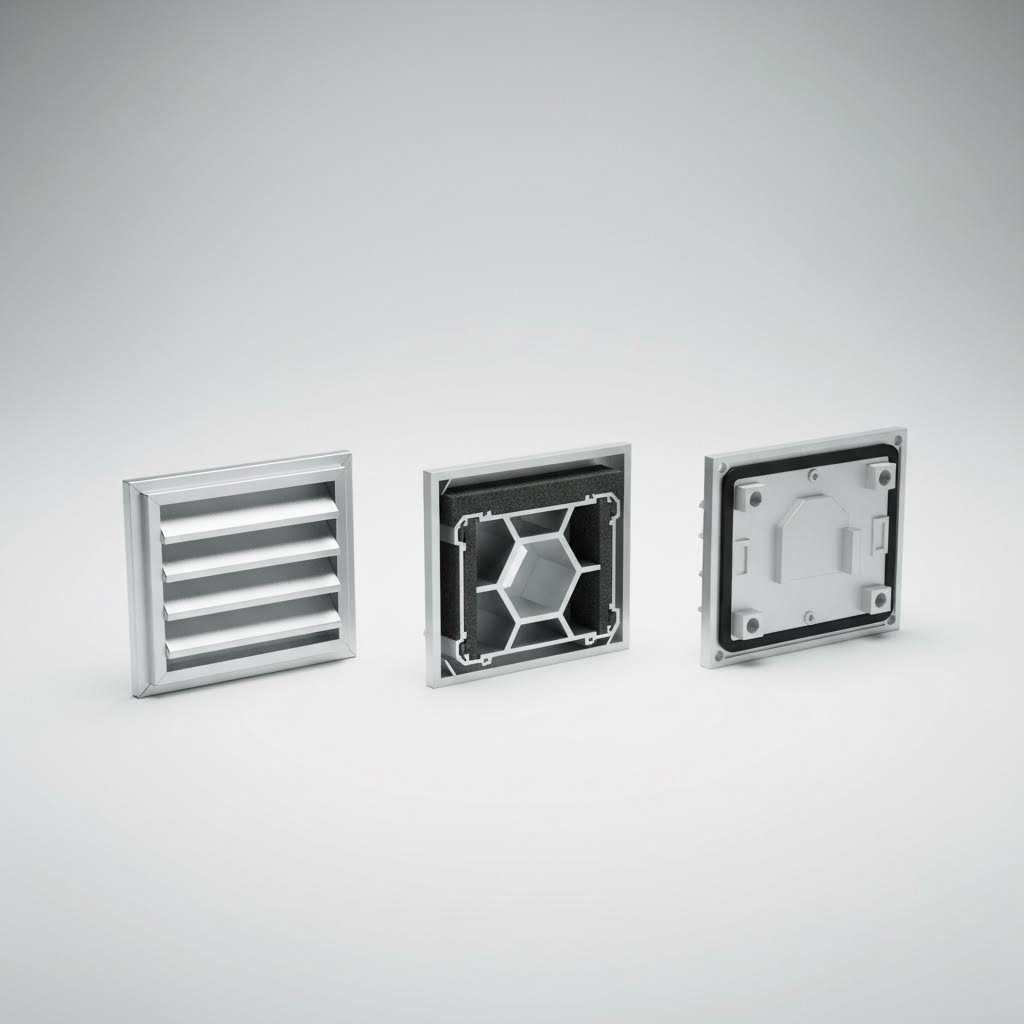
You have worked through the selection criteria, understood the regulations, and know what type of vent suits your windows. Now comes the practical question: where do you actually source quality passive ventilation window vents that tick all the boxes? Finding a reliable upvc window trickle vent manufacturer matters more than you might think. The difference between a well-engineered vent and a cheap imitation shows up in performance, durability, and long-term satisfaction.
Whether you are a homeowner planning a single retrofit project or a trade professional sourcing components for multiple installations, the manufacturer behind your vents influences everything from airflow consistency to how well the product integrates with your frame profile.
Before committing to any supplier, it helps to have a clear checklist of quality indicators. These are the characteristics that separate professional-grade ventilation products from budget alternatives that may disappoint.
First, consider the airflow design. A high-performance vent delivers continuous, draft-free ventilation through carefully engineered internal pathways. As research from the University of Nottingham highlights, the major design criteria for trickle vents include ventilation capacity, controllability, thermal insulation, air permeability, water tightness, and acoustic attenuation. Products that address all these factors simultaneously offer genuine value.
Frame compatibility is equally important. The best vents work seamlessly with both uPVC and aluminium frames, accommodating different profile depths and reinforcement configurations. This versatility matters whether you are fitting new windows or retrofitting existing ones. Trickle vents for aluminium windows often require slightly different mounting approaches, so a manufacturer offering solutions for both materials simplifies your sourcing.
Aesthetics play a role too. Modern homeowners expect vents that blend discreetly with their window frames rather than standing out as obvious additions. Low-profile designs in multiple colour finishes allow the ventilation to do its job without compromising the visual appeal of your glazing.
Quality testing provides the confidence that a product will perform as claimed. Reputable manufacturers subject their vents to rigorous assessments covering airflow rates, weather resistance, and acoustic performance. Look for suppliers who can provide test data or certifications rather than vague marketing claims.
Finally, for trade buyers and fabricators, OEM availability matters. An OEM trickle vent supplier who can deliver consistent volumes, customisation options, and technical support makes commercial projects far smoother than piecing together components from multiple sources.
If you are looking for a manufacturer-direct option that addresses these quality criteria, Shengxin offers a range of window trickle vents designed for both residential and commercial applications. Their products focus on energy-efficient passive ventilation that maintains thermal comfort while controlling moisture effectively.
What sets their approach apart is the combination of seamless frame integration and comprehensive OEM capabilities. Whether you need vents for a single home retrofit or bulk supply for a development project, the same engineering standards apply. This consistency matters when you are specifying products across multiple installations.
Here is how Shengxin's trickle vents align with the selection criteria covered throughout this guide:
For homeowners, this means access to professional-grade ventilation technology without the complexity of navigating multiple suppliers. For trade professionals, it means a reliable partner who understands the technical requirements of modern fenestration projects.
Readers looking to explore these options directly can view the full product range at Shengxin's window trickle vents page. The manufacturer-direct approach means you can discuss specifications, request samples, and arrange supply without intermediaries adding cost or complexity.
Choosing the right trickle vent manufacturer is the final piece of the puzzle. With the knowledge you have gained about vent types, regulations, thermal performance, acoustic considerations, and selection criteria, you are now equipped to make an informed decision that delivers lasting results for your windows and your indoor environment.
Yes, since June 2022, UK Building Regulations Part F requires trickle vents in most replacement window projects. If your original windows had vents, replacements must include them. Even windows without existing vents typically need them added because modern uPVC frames seal more tightly than older glazing, potentially trapping moisture and pollutants indoors.
Modern trickle vents cause minimal heat loss when properly installed. Unlike open windows that allow rapid air exchange, these vents permit only small, controlled airflow through internal baffles and tortuous pathways. The continuous low-flow ventilation lets your heating system compensate easily without noticeable temperature drops or energy spikes.
Retrofitting trickle vents to existing uPVC windows is achievable in most cases. Options include through-frame vents that pass through the full frame depth, slimline frame-fitted vents requiring minimal head height, or glazed-in vents where a shorter glass unit replaces the original. Professional assessment ensures you choose the right method for your specific frame profile.
Slot vents are fixed-open ventilators providing constant airflow with no closing mechanism, ideal for continuous background ventilation. Hit-and-miss vents feature a sliding cover allowing manual control over airflow, letting you reduce ventilation on cold nights or increase it during warmer periods. Both fit into the window head but offer different levels of occupant control.
Acoustic trickle vents incorporate internal baffles, labyrinthine channels, and sound-absorbing materials that force sound waves to change direction multiple times, dissipating their energy before reaching your room. Quality acoustic vents carry Dn,e,w ratings indicating decibel reduction levels, with products rated 40-50 dB suitable for urban areas and 50+ dB for properties near airports or railways.



 online service
 0086 136 3563 2360
 sales@sxalu.com
 +86 136 3563 2360
 English
 français
 Deutsch
 русский
 español
 português
 العربية
 ไทย
ไทย Việt
Việt Українська