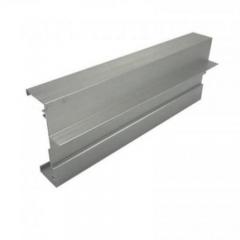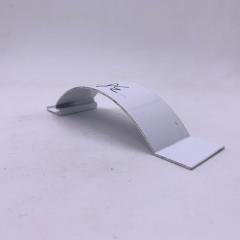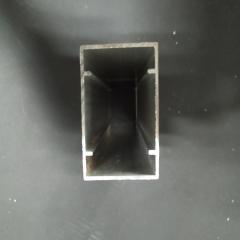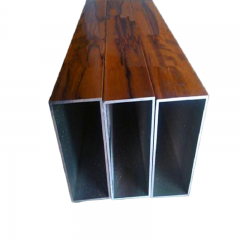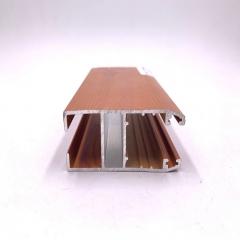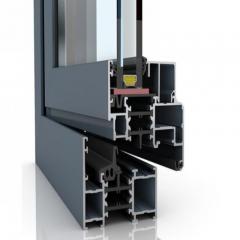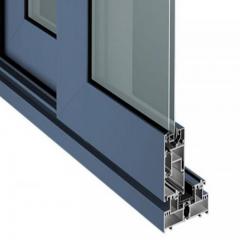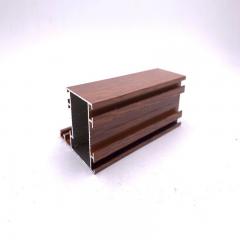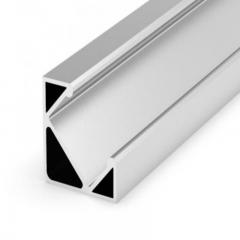
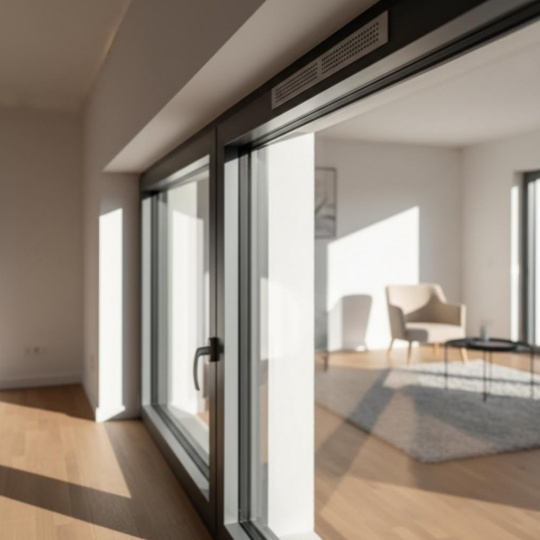
Slot Ventilators For Windows: Stop Condensation Before Mold Wins Understanding Slot Ventilators and Their Role in Home Ventilation You wake up on a cold morning, pull back the curtains, and there it is—a thick layer of condensation dripping down your windows. The glass is fogged, water pools on the sill, and that faint musty smell lingers in the air. Sound familiar? If you have ever worried about mold creeping into window corners or wondered why your home feels stuffy even with the heating on, you are not alone. These are telltale signs that your home lacks adequate ventilation. Slot ventilators for windows, commonly known as trickle vents, offer a simple yet effective solution to this widespread problem. These narrow, unobtrusive openings sit within your window frame, allowing a steady stream of fresh air to enter your home while stale, moisture-laden air escapes—all without opening a window or compromising security. What Is a Trickle Vent and How Does It Work A trickle vent is a small ventilation device typically installed at the top of a window frame. Unlike opening a window wide, which can invite noise, security risks, and significant heat loss, trickle vents provide low-level background ventilation that works continuously and quietly. The mechanics are straightforward. These vented windows rely on passive ventilation principles—natural differences in air pressure between your home's interior and the outdoors cause air to flow through the vent openings. Warm, moist air inside your home rises and escapes, while cooler, drier air from outside replaces it. This gentle air exchange prevents moisture from building up on cold surfaces like window glass, reducing condensation and the conditions that encourage mold growth. Most trickle vents feature an adjustable slider or flap, giving you manual control over the airflow. You can open them fully during high-moisture activities like cooking or showering, or reduce the opening during extreme weather. This controllability distinguishes them from unintended gaps and drafts, which allow air movement you cannot regulate. Why Controlled Ventilation Matters for Modern Homes Here is the challenge: modern construction practices prioritize energy efficiency. Homes built or renovated in recent decades often feature improved insulation, double or triple glazing, and airtight seals around windows and doors. While this keeps heating bills down and reduces energy waste, it creates an unintended consequence—trapped indoor air. According to Panasonic's indoor air quality research, airtight homes without proper ventilation strategies can trap pollutants, allergens, carbon dioxide, volatile organic compounds, and excess moisture inside. Everyday activities such as cooking, showering, and even breathing generate significant amounts of moisture. Without adequate air exchange, this moisture condenses on cold surfaces, creating the perfect environment for mold and mildew to thrive. The solution is not to make homes leakier—...
Read More
Trickle Air Vents For Windows: Stop Condensation And Breathe Easier Understanding Trickle Vents and Their Purpose Ever noticed those small, slotted openings at the top of modern windows? Those are trickle vents, and they serve a vital purpose in keeping your home healthy and comfortable. But what is a trickle vent exactly, and why should you care about these unassuming features? Simply put, trickle air vents for windows are small, controllable openings built into window frames that allow fresh outdoor air to enter your home while keeping windows securely closed and locked. According to Wikipedia, these components are designed to provide "small amounts of ventilation in spaces intended to be naturally ventilated when major elements of the design—windows, doors, etc.—are otherwise closed." Think of them as your home's breathing mechanism, working quietly in the background to maintain air quality without requiring you to open a window. What Is a Trickle Vent and How Does It Work Trickle vents operate on a beautifully simple principle: passive ventilation. You don't need electricity, fans, or complex machinery. Instead, these window trickle vents harness natural pressure differences between the inside and outside of your home to create airflow. Here's how it works. When air pressure outside your home differs from the pressure inside, air naturally wants to move from the high-pressure area to the low-pressure area. Trickle vents create a controlled pathway for this movement. Fresh outdoor air enters through the vents while stale indoor air escapes through other openings or extraction points in your home. The difference between window and ventilator systems lies primarily in control and purpose. While opening a window provides what's called "purge ventilation" (a large, immediate air exchange), trickle vents deliver consistent "background ventilation" at a controlled rate, typically between 5 to 10 liters per second per meter of window length. This steady, gentle airflow helps maintain indoor air quality without creating uncomfortable drafts or significant heat loss. Most modern trickle vents feature adjustable slats, allowing you to increase or reduce airflow based on your needs. When fully open, they draw fresh air in and help expel stale, moisture-laden air, all while your windows remain securely locked. Where Trickle Vents Are Typically Installed You'll find window trickle vents positioned at the upper part of window frames, and there's a good reason for this placement. Warm air rises, so locating vents at the top allows incoming fresh air to mix with room air before descending, minimizing drafts and maintaining comfort. Trickle vents work across all major window frame materials: uPVC windows: The most common application, with vents either built into the frame or added as a separate profile at the head Aluminum windows: Often feature sleek, integrated vents that complement modern aesthetics Timber windows: Can accommodate both through-frame and ove...
Read More
Trickle Vents For Aluminium Windows: Stop Condensation And Breathe Easy Understanding Trickle Vents and Their Role in Aluminium Windows Ever noticed those small, slotted openings at the top of modern window frames? You might have wondered what they do or whether they serve any real purpose. These unassuming features are called trickle vents, and they play a surprisingly important role in keeping your home healthy, comfortable, and free from moisture problems. So, what is a trickle vent exactly? A trickle vent is a small opening integrated into a window or door frame that allows fresh air to flow into your home while maintaining energy efficiency and security. According to GFD Homes, these vents provide continuous background ventilation, helping to improve air quality without needing to open your windows fully. Think of them as your home's breathing mechanism, working quietly in the background to keep indoor air fresh and balanced. Window trickle vents serve three primary functions that directly impact your living environment: Moisture control: They help regulate humidity levels by allowing damp, stale air to escape and dry air to enter. Air quality improvement: Fresh outdoor air continuously replaces indoor pollutants, allergens, and toxins trapped inside well-insulated homes. Condensation prevention: By maintaining consistent airflow, they reduce the moisture buildup that causes water droplets to form on cold window surfaces. How Trickle Vents Create Natural Airflow Imagine warm air behaving like smoke rising from a candle. This is essentially what happens inside your home. Warm, moisture-laden air naturally rises toward the ceiling and looks for an escape route. Trickle ventilation windows harness this basic principle of physics to create passive ventilation without any mechanical systems. When the vent is open, it allows a small amount of air to "trickle" in, hence the name. This process relies on what scientists call the stack effect, where warm air inside a building rises and exits through vents at a higher level. As warm air escapes, it creates slight negative pressure that draws in cooler, fresh air from outside through lower-level openings. The beauty of this system lies in its simplicity. There are no fans, filters, or electricity costs involved. The system works continuously in the background, helping to reduce condensation, improve air quality, and support a more comfortable, efficient home. Modern trickle vents are typically made from durable materials such as PVC or aluminium and often feature adjustable controls that let you manage the level of airflow based on your preferences or weather conditions. Why Aluminium Windows Need Dedicated Ventilation You might be wondering why aluminium frames specifically benefit from trickle vents. The answer comes down to thermal conductivity, the rate at which a material transfers heat. Aluminium conducts heat approximately 1,000 times faster than uPVC. While this makes aluminium incredibly strong...
Read More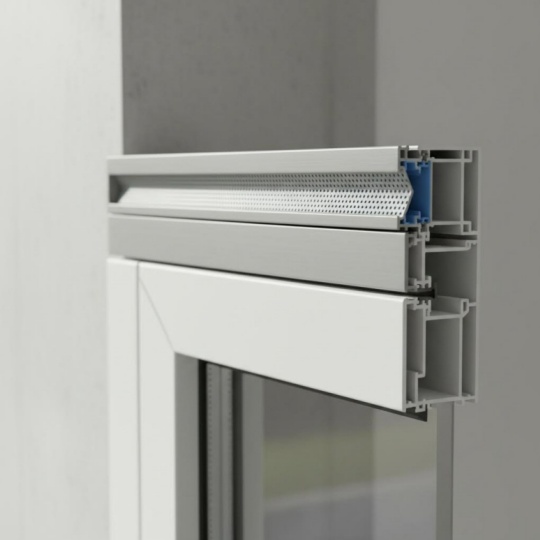
Trickle Vent Manufacturers Compared: Match Your Project To The Right Supplier Understanding Trickle Vents and Their Essential Function Ever wondered how modern buildings maintain fresh, breathable air without constantly opening windows? The answer often lies in a small but mighty component you might not even notice: trickle vents. Before diving into the world of trickle vent manufacturers and finding the right supplier for your project, you'll need a solid understanding of what these devices actually do and why they matter. What Are Trickle Vents and How Do They Work A trickle vent is a small, unobtrusive opening integrated into a window or door frame that allows fresh air to flow into your building while maintaining security and energy efficiency. Think of it as your building's way of breathing quietly in the background. These passive ventilation devices provide continuous airflow without requiring any mechanical assistance, motors, or electricity. The mechanism is remarkably simple yet effective. When the vent is open, it allows a small, controlled amount of outdoor air to "trickle" into the space, hence the name. This creates a gentle exchange where stale indoor air is gradually replaced with fresh outdoor air. Most trickle air vents for windows feature an adjustable flap or slider, giving occupants control over the airflow level based on weather conditions or personal preference. Unlike opening a window fully, which can create uncomfortable drafts and security concerns, trickle ventilation delivers a steady, barely noticeable stream of fresh air. The vents are typically positioned at the top of the window frame, taking advantage of natural air movement patterns where warm, stale air rises and is displaced by incoming fresh air from below. The Role of Passive Ventilation in Modern Buildings Why does passive ventilation matter so much in today's construction? The answer lies in how we build. Modern homes and commercial buildings are constructed to be increasingly airtight, with advanced insulation and high-performance glazing designed to minimize heat loss. While this dramatically improves energy efficiency, it creates a new challenge: trapped air that becomes stale, humid, and potentially unhealthy. Passive ventilation systems, including trickle vents, harness natural forces like wind and thermal buoyancy to facilitate air movement without relying on mechanical means. According to WindowMaster, these systems maintain a comfortable and fresh indoor climate by utilizing strategically placed openings that work with the building's natural airflow patterns. The benefits of incorporating trickle vents into your building project are substantial: Condensation reduction: By improving airflow, trickle vents help prevent moisture from accumulating on windows and walls, reducing the risk of dampness and mold growth that can damage building materials and affect occupant health. Improved indoor air quality: Continuous fresh air circulation removes stale air...
Read More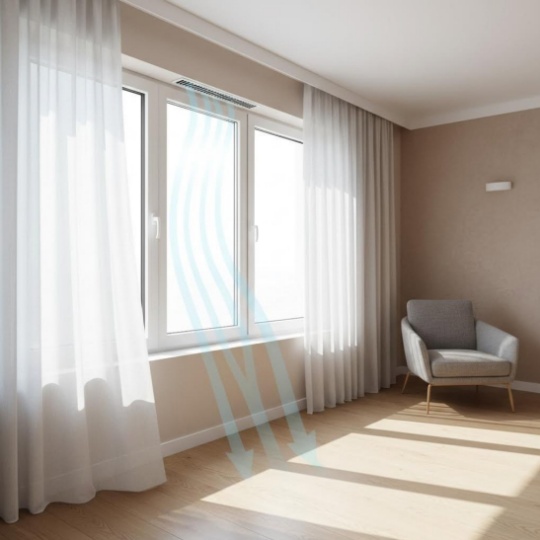
Understanding Window Vent Installation: Key Concepts Understanding Window Vent Installation Fundamentals When you think about home improvement projects, window vent installation might not be the first thing that comes to mind. Yet these small, often overlooked features play a crucial role in maintaining a healthy, comfortable living environment. A window vent is essentially a controlled opening integrated into your window or door frame that allows fresh outdoor air to flow into your home while stale indoor air escapes. Sounds simple, right? The reality is that proper installation makes all the difference between effective ventilation and wasted effort. Whether you're looking to install window vents in a new construction project or retrofit them into existing windows, understanding the fundamentals will help you achieve optimal results. This guide walks you through everything you need to know about installing window vents correctly, from basic principles to material-specific techniques. What Window Vents Do for Your Home Imagine your home as a sealed container. During winter, we keep windows and doors tightly shut to conserve heat. While this saves energy, it also traps indoor pollutants like volatile organic compounds (VOCs) from cleaning products, dust particles, and moisture from everyday activities such as cooking and showering. According to the National Center for Healthy Housing, proper ventilation helps control indoor humidity and airborne contaminants that either contribute to or act as health hazards. Window vents create a pathway for continuous background ventilation without requiring you to open your windows fully. This consistent air exchange dilutes indoor pollutants with cleaner outdoor air, regulates humidity levels, and reduces the concentration of harmful chemicals that accumulate in well-sealed homes. For specialized applications like window dryer vent installation, the principles remain similar: creating a controlled pathway for air movement while maintaining your home's thermal envelope. Here are the primary benefits of properly installed window vents: Improved air quality: Fresh outdoor air replaces stale indoor air, reducing allergens, toxins, and pollutants that can trigger respiratory issues and headaches. Condensation reduction: By maintaining balanced humidity levels between 30-60%, window vents help prevent moisture buildup on glass surfaces that leads to mold growth and structural damage. Energy efficiency maintenance: Unlike opening windows completely, vents provide controlled airflow that doesn't compromise your home's insulation or heating system performance. Compliance with building regulations: Many jurisdictions now require adequate ventilation systems in new constructions, making vent window installation essential for meeting current codes. Why Proper Installation Matters You might wonder why installation technique matters so much for something as straightforward as a vent. The answer lies in understanding how ve...
Read More


 online service
 0086 136 3563 2360
 sales@sxalu.com
 +86 136 3563 2360
 English
 français
 Deutsch
 русский
 español
 português
 العربية
 ไทย
ไทย Việt
Việt Українська