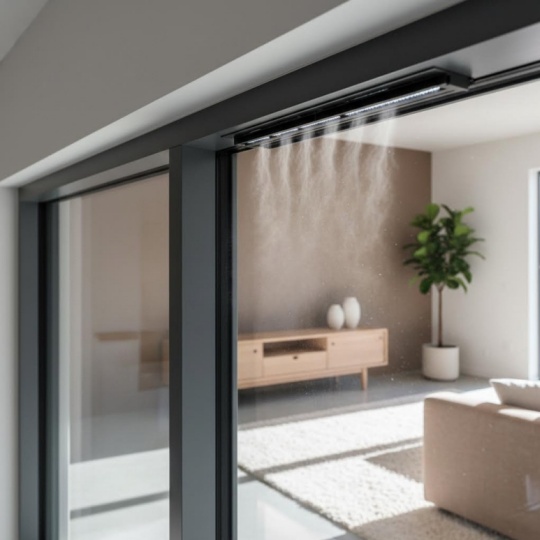
Trickle Vent Window Installation: Stop Condensation Before It Ruins Your Home Understanding Trickle Vents and Their Role in Home Ventilation Ever noticed condensation creeping across your windows on a cold morning? Or perhaps you've spotted dark patches of mould forming in the corners of your bathroom? These frustrating issues often stem from one common culprit: inadequate ventilation. This is precisely where trickle vent window installation becomes essential for maintaining a healthy, comfortable home. What Are Trickle Vents and How Do They Work Window trickle vents are small, controllable openings integrated into window frames or door frames. They allow a constant "trickle-feed" of fresh air from outside into your living spaces. Think of them as your home's breathing mechanism - quietly working in the background to keep air circulating without you even noticing. The design is elegantly simple. A trickle vent consists of a slit in the frame, staggered between the inside and outside, with an adjustable cover. According to Everest, although these vents can be closed, they're designed to remain open continuously for constant ventilation. When open, outside air enters through the external slot, travels through the vent channel, and exits through the internal opening. This creates a gentle, controlled airflow that displaces stale, moisture-laden indoor air. Unlike opening a window wide, trickle air vents for windows provide measured ventilation. A typical vent allows 20-50 cubic metres of air per hour at a 10 Pascal pressure difference. This controlled flow means you get fresh air without the dramatic temperature drops or security concerns that come with leaving windows ajar. Why Modern Homes Need Passive Ventilation Here's the irony of modern construction: the more energy-efficient we make our homes, the more ventilation problems we create. Today's windows and doors are considerably more draught-proof than their predecessors. While this is excellent for keeping heating bills down, it effectively seals your home like an airtight container. Consider what happens inside a typical household daily. Showering, cooking, doing laundry, and even simply breathing releases substantial moisture into the air. Without adequate ventilation, this moisture becomes trapped. It condenses on cold surfaces like windows and walls, creating the perfect breeding ground for mould - a significant health hazard. Trickle ventilation windows address this problem elegantly. They provide background ventilation that: Removes excess moisture before it causes condensation damage Reduces airborne toxins and improves indoor air quality Allows secure ventilation without leaving windows open Maintains fresh air circulation even when you're away from home This comprehensive guide will walk you through everything you need to know about installing these essential ventilation components. From understanding building regulations and choosing the right vent type, through detailed installation ...
Read More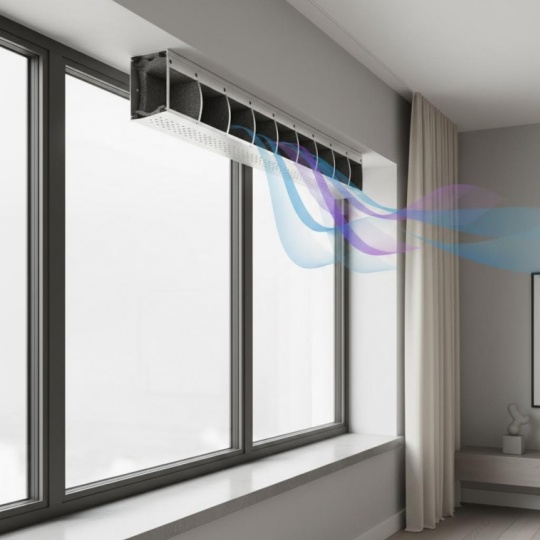
Acoustic Trickle Vents: Do They Actually Block Noise? Honest Truth What Is an Acoustic Trickle Vent and How Does It Work Ever noticed those small slot-shaped openings at the top of your windows? Those are trickle vents, and they serve an essential purpose in modern homes. But what happens when you need fresh air without the constant hum of traffic or the rumble of nearby trains? That is where acoustic trickle vents come into play. An acoustic trickle vent is a specialized ventilation device designed to deliver two critical functions simultaneously. It allows a controlled flow of fresh air into your home while significantly reducing the transmission of external noise. Think of it as a filter that welcomes the breeze but blocks the blare. Unlike standard trickle vents, which simply provide an opening for trickle ventilation, acoustic models incorporate sophisticated internal engineering specifically designed to attenuate sound waves as they pass through. So what exactly makes a vent "acoustic" rather than just a basic ventilator? The answer lies in the internal architecture. According to Titon's guide to trickle vents, acoustic versions look similar to standard models from the outside but feature far more complex internal designs that target noise reduction effectively. What Makes a Trickle Vent Acoustic The secret behind these noise-reducing vents is all about disrupting sound waves before they reach your living space. When external noise enters a standard vent, sound waves travel in a relatively straight path directly into your room. Acoustic models change this entirely. Inside an acoustic trickle vent, you will find a labyrinthine structure of baffled chambers that force sound waves to travel through multiple turns and passages. This tortuous route is intentional. As sound waves navigate these chambers, they lose energy at each turn. The materials lining these chambers play an equally important role. Sound-absorbing materials such as acoustic foam inserts or specialized textile materials convert sound energy into heat through friction and molecular motion, effectively dampening the noise before it reaches your ears. As EnviroVent explains, noise travels when a vibrating object causes the surrounding air to vibrate. Acoustic ventilation systems work by eradicating or reducing these vibrations as much as possible, preventing the vibrating air from reaching inhabited spaces within your home. Standard vs Acoustic Vent Construction When you compare a standard trickle vent to an acoustic model, the differences become clear once you look beyond the external appearance. Standard vents prioritize simplicity. They provide a direct airflow path with minimal internal obstruction, which unfortunately means sound passes through just as easily as air. Acoustic trickle vents take a fundamentally different approach. Here are the key components that distinguish them from standard models: Sound-absorbing linings: Acoustic foam or mineral wool materials line the in...
Read More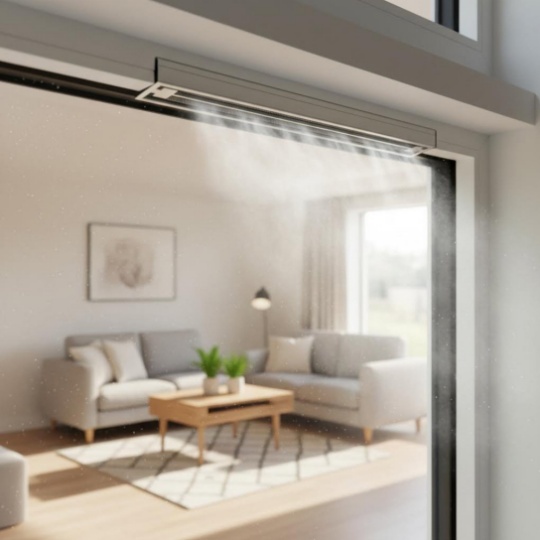
Soundproof Window Vent Secrets: Fresh Air Without The Street Noise Understanding Soundproof Window Vents and Why They Matter Imagine this: you've finally invested in high-quality double-glazed windows to keep your home warm and quiet. But then you're told you need ventilation openings in those same windows. Sounds counterproductive, right? This is the central challenge that soundproof window vents are designed to solve. A soundproof window vent is a specialized ventilation device that allows fresh air to flow into your home while significantly reducing the amount of external noise that enters. These clever components address a fundamental tension in modern construction: buildings are now more airtight than ever for energy efficiency, yet occupants still need clean, fresh air to breathe. Since the 1980s, improved insulation and airtight building techniques have created unexpected problems. According to the Titon guide on trickle vents, many new builds developed serious issues with condensation, damp, and mould due to inadequate ventilation. The resulting health concerns led to stricter ventilation standards in building regulations, making background ventilation a necessity rather than an option. What Is a Trickle Vent So, what is a trickle vent exactly? These are small, slot-shaped openings integrated into window or door frames that provide natural, controlled background ventilation. Positioned at the top of frames, they allow a gentle "trickle" of fresh air to flow in even when windows and doors are fully closed and locked. Trickle vents serve several essential purposes in your home: Condensation reduction: By allowing moisture-laden air to escape, they help prevent water droplets forming on glass and frames, which can lead to mould growth and surface damage. Indoor air quality: They help manage background levels of pollutants like carbon dioxide and carbon monoxide, creating a healthier living environment. 24-hour operation: Unlike opening a window, trickle ventilation works continuously, even while you sleep or are away on holiday. Security: They provide ventilation without compromising home security, as their small size prevents intrusion. Standard trickle vents typically cover ventilation areas between 2000-8000mm² and feature simple manual open/close operation. They can be fitted in uPVC, aluminum, vinyl, or timber frames according to the needs of the manufacturer or homeowner. How Soundproof Versions Differ While standard trickle vents successfully bring fresh air into properties, they inevitably create a pathway for external noise to enter as well. This is where acoustic or soundproof variants come into play. Acoustic trickle vents look similar to standard models but incorporate sophisticated internal designs that attenuate noise far more effectively. Here's what sets them apart: Sound-absorbing materials: These vents contain specialized materials that disrupt and dampen sound waves as they pass through, reducing noise levels before air re...
Read More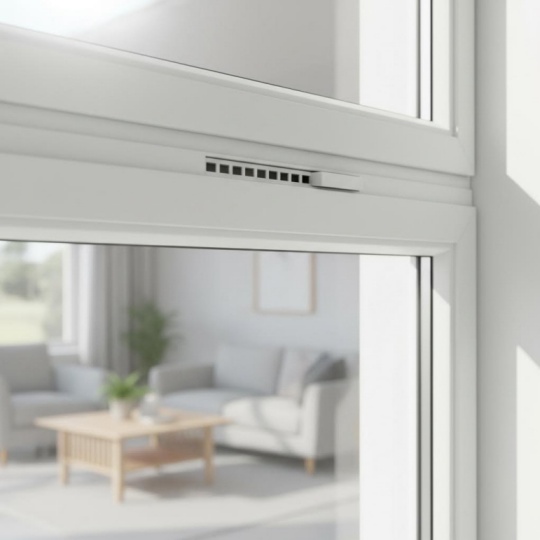
Fitting Trickle Vents To UPVC Windows: Stop Condensation For Good Understanding Trickle Vents and Their Importance for Home Ventilation Ever noticed condensation streaming down your windows on a cold morning? That moisture buildup is more than just an annoyance. It signals a ventilation problem that can lead to mold growth and poor indoor air quality. Window trickle vents offer a simple yet effective solution, providing continuous fresh air circulation without compromising your home's security or warmth. Trickle vents are small, controllable openings integrated into window frames that allow a constant "trickle-feed" of airflow from outside to inside your home. These background ventilators are essentially staggered slits in the frame, fitted with covers you can open or close as needed. While you have control over them, they're designed to remain open for continual trickle ventilation windows provide throughout the day. What Are Trickle Vents and How Do They Work Imagine your home as a sealed container. Modern uPVC windows are incredibly airtight, which is fantastic for energy efficiency but creates a problem: stale, moisture-laden air gets trapped inside. Trickle air vents for windows solve this by working on passive ventilation principles. Here's how it works: warm air naturally rises and escapes through upper openings, while cooler fresh air enters to replace it. This creates a gentle, continuous air exchange without any mechanical assistance or electricity. The vent's staggered design prevents direct drafts while still allowing sufficient airflow to displace moisture-heavy indoor air. You'll typically find these vents positioned at the top of window frames, either through the frame itself or through the opening sash above the glazing unit. The placement maximizes their effectiveness since warm, humid air naturally rises to that level. Why Trickle Vents Matter for Your Home Think about your daily activities: showering, cooking, drying laundry, even breathing. All of these release significant moisture into your home's air. Without adequate ventilation, this moisture settles on cold surfaces as condensation, creating ideal conditions for mold growth. The health implications are serious. Mold thrives in damp, cold locations, and exposure can trigger respiratory issues, allergies, and other significant health problems. Trickle vents help reduce airborne toxins by maintaining consistent air circulation. Beyond health concerns, there's a legal dimension. The Building Regulations Approved Document Part F, updated in June 2022, specifically focuses on improving ventilation as buildings become more airtight. Under current regulations, most replacement windows require background ventilators. When replacing windows that already have trickle vents, your new windows must include vents of at least the same size. For existing windows without vents, you must demonstrate that new replacements won't reduce ventilation, which typically means adding trickle vents t...
Read More
Sliding Trickle Vents Decoded: Match Your Window Type Perfectly What Are Sliding Trickle Vents and How Do They Work Ever noticed those slim vents sitting at the top of your windows? They're called trickle vents, and they play a surprisingly important role in keeping your home healthy. But here's the thing: not all trickle vents are created equal. Sliding trickle vents represent a distinct category that gives you something fixed alternatives simply cannot offer—complete control over your indoor airflow. So, what is a trickle vent exactly? At its core, a trickle vent is a slot-shaped device installed in window or door frames that allows fresh air to circulate naturally through your living spaces. Unlike opening a window, these vents provide continuous background ventilation while maintaining security and weather protection. According to Titon's guide on trickle vents, these devices typically cover ventilation areas ranging from 2000mm² to 8000mm², depending on the room's requirements. What sets sliding trickle vents apart is their manual slider mechanism. While fixed slot vents remain permanently open, allowing a constant stream of air regardless of conditions, sliding variants feature an adjustable aperture you can open, close, or set anywhere in between. Imagine having a dimmer switch for your home's ventilation—that's essentially what you get with window trickle vents featuring a sliding mechanism. What Makes Sliding Trickle Vents Different The fundamental design of these vents centers on one principle: user control. When you look at a sliding trickle vent, you'll notice a track system that allows the cover plate to move smoothly across the ventilation opening. This seemingly simple feature transforms how you interact with your home's trickle ventilation system. Fixed vents offer no adjustment options. They're either installed or they're not. Humidity-controlled alternatives respond automatically to moisture levels, which sounds convenient but removes your ability to make decisions based on other factors like outdoor noise, temperature preferences, or seasonal changes. Sliding mechanisms put that decision-making power back in your hands. This control becomes particularly valuable when considering interior door ventilation requirements. In spaces where airflow between rooms matters—think en-suite bathrooms or connecting hallways—having adjustable vents ensures you can fine-tune ventilation based on actual living conditions rather than relying on fixed or automated solutions. How the Sliding Mechanism Works Understanding how these vents function helps you appreciate their elegance. The physics behind window ventilation relies entirely on passive principles—no electricity, no motors, no moving parts beyond the slider itself. Here's how it works: warm air inside your home naturally rises and creates slight negative pressure near openings like vents. This pressure differential draws fresh outdoor air through the trickle vent opening. The process happ...
Read More


 online service
 0086 136 3563 2360
 sales@sxalu.com
 +86 136 3563 2360
 English
 français
 Deutsch
 русский
 español
 português
 العربية
 ไทย
ไทย Việt
Việt Українська