
Window Air Vent Secrets: Transform Stuffy Rooms Into Fresh Havens What Are Window Air Vents and Why Your Home Needs Them Have you ever walked into a room and immediately felt the air was heavy, stale, or just uncomfortable? That stuffy sensation often signals a ventilation problem. A window air vent offers a simple yet effective solution, allowing fresh outdoor air to flow into your living space while pushing stale indoor air out, all without the hum of mechanical systems or a spike in your electricity bill. Window ventilation systems are integrated openings or add-on devices designed specifically for continuous air exchange through your windows. Unlike opening a window fully, which can invite noise, insects, and security concerns, vented windows provide controlled airflow. They work quietly in the background, maintaining a steady supply of fresh air while keeping your home comfortable and protected. Understanding Passive Ventilation Basics So how does air actually move through your home without fans pushing it along? The answer lies in two natural forces: wind and buoyancy. Wind-driven ventilation occurs when outdoor breezes create pressure differences around your building. When wind hits one side of your home, it creates positive pressure, pushing air through any available openings. On the opposite side, negative pressure draws air out. This pressure differential naturally moves air through your living space. Buoyancy-driven ventilation, sometimes called the stack effect, relies on temperature differences. Warm indoor air is lighter and rises, escaping through higher openings. This creates a gentle vacuum that pulls cooler, denser outdoor air in through lower openings. Imagine your home as a breathing organism, constantly exchanging air as temperatures shift throughout the day. Vent windows capitalize on these natural forces. Positioned strategically, they allow air to enter low and exit high, creating a continuous flow without any energy consumption. Traditional wing windows in older vehicles worked on similar principles, using angled panes to direct airflow into the cabin. Modern residential window vents apply this same physics to keep your indoor environment fresh. Why Indoor Air Quality Demands Attention You might wonder why ventilation matters so much. Consider this: the air inside your home can be significantly more polluted than outdoor air, according to building science research. Without adequate air exchange, indoor pollutants accumulate, creating an environment that can affect your health and comfort. Poor ventilation leads to several problems: Moisture buildup: Cooking, showering, and even breathing release moisture into your home. Without proper ventilation, humidity levels rise, creating ideal conditions for mold growth and structural damage. Stale air accumulation: Carbon dioxide from breathing, volatile organic compounds from furniture and cleaning products, and odors from cooking all build up in poorly ventilated spaces. Polluta...
Read More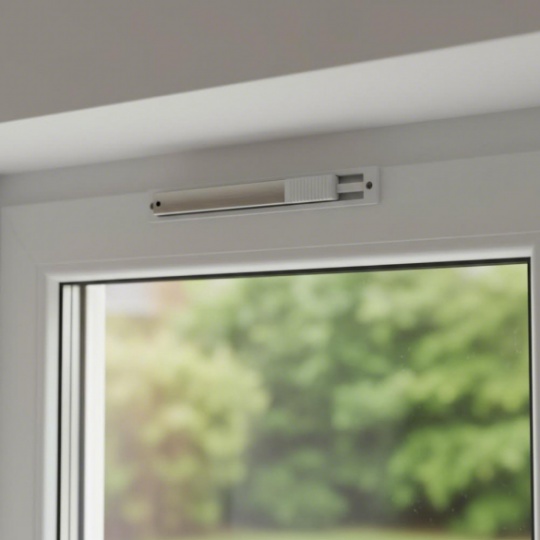
Air Vents In Window Frames: 9 Myths Costing You Fresh Air Understanding Air Vents in Window Frames and Their Essential Role Have you ever walked into a room and noticed the air feels stale or stuffy, even though the windows look perfectly sealed? That sensation often points to a ventilation problem hiding in plain sight. Modern homes are built tighter than ever, which is fantastic for energy bills but creates a hidden challenge: how do you keep fresh air circulating when everything is sealed up? This is exactly where air vents in window frames come into play. These small but mighty features are designed to solve a fundamental problem in contemporary building design, and understanding how they work can transform your indoor environment. What Are Air Vents in Window Frames So, what is a trickle vent exactly? Simply put, trickle vents are small openings built directly into window frames, typically positioned near the top of the frame. They provide a steady stream of window ventilation without requiring you to open the window itself. According to Sternfenster, these vents are "discreet, almost invisible, and can be manually adjusted to control the amount of fresh air entering your home." Think of window trickle vents as a controlled breathing mechanism for your home. Unlike throwing a window wide open, which can create drafts, security concerns, or let in noise, these vents allow fresh air to flow in while keeping the window securely closed. Many homeowners never even notice them until they start wondering why some rooms feel fresher than others. You might encounter different names for these features. Some manufacturers, like Velfac, produce their own trickle vent designs integrated into their window systems. Regardless of the brand or style, the core function remains the same: enabling continuous, controlled air exchange. Why Modern Homes Need Controlled Ventilation Imagine your home as a sealed container. Improved insulation, double glazing, and modern construction techniques have made buildings incredibly airtight. While this dramatically reduces heating and cooling costs, it creates an unintended consequence: indoor air has nowhere to go. As Panasonic's indoor air quality research explains, "Reduced ventilation in homes can cause a buildup of indoor pollutants such as allergens, carbon dioxide, volatile organic compounds (VOCs), and even radon." Every time you cook, shower, or simply breathe, you're adding moisture and pollutants to air that stays trapped inside. This is where the chimney effect, also known as passive ventilation, becomes relevant. According to Ecoshack, this natural phenomenon works on simple physics: "as warm air rises, it escapes through high points... creating a slight vacuum that draws cooler, fresh air in through lower-level openings." Trickle vents harness this principle, allowing controlled airflow that works with your home's natural air movement. Without proper trickle vents in windows, you might attempt to get fresh air...
Read More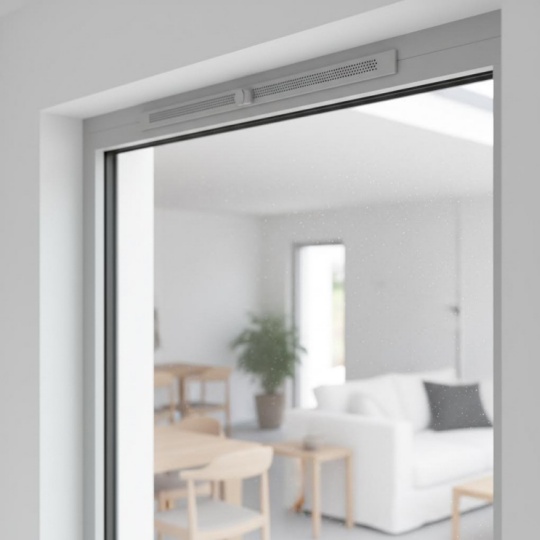
Aluminium Trickle Vents Explained: Stop Condensation Before It Ruins Your Windows Understanding Aluminium Trickle Vents and Their Purpose Have you ever noticed condensation creeping across your windows on a cold morning? Or perhaps you've spotted the first signs of mold forming in the corners of your rooms? These common problems often stem from a single issue: inadequate ventilation. Enter aluminium trickle vents—a simple yet remarkably effective solution that's transforming how modern homes breathe. What Are Aluminium Trickle Vents An aluminium trickle vent is a small, slotted opening integrated into window frames that provides controlled background ventilation without requiring you to open your windows. Think of it as your home's breathing system—a continuous, gentle flow of fresh air that works around the clock to maintain healthy indoor conditions. These vents typically feature a staggered design on the interior and exterior sides, along with an adjustable cover that allows you to regulate airflow. According to Everest, while the vent can be closed, they're designed to remain open continuously for optimal ventilation. This "trickle-feed" of constant airflow from outside helps remove excess moisture buildup that can lead to mold growth and structural damage. The mechanism is elegantly simple. As warm air rises and escapes through extraction systems or other outlets, it creates a slight vacuum that draws fresh air into your building through the trickle vents. This natural process ensures a continuous exchange of indoor and outdoor air, keeping humidity levels in check and your living spaces healthy. Why Aluminium Stands Out as a Material Choice When it comes to aluminium window trickle vents, the material itself offers distinct advantages that set it apart from plastic or uPVC alternatives. Aluminium's unique properties make it particularly well-suited for modern window designs where performance and aesthetics must work hand in hand. Here are the core characteristics that distinguish aluminium trickle vents: Superior corrosion resistance: Aluminium naturally forms a protective oxide layer, making it highly resistant to weathering, rust, and degradation over time—even in harsh coastal environments. Exceptional strength-to-weight ratio: Despite being lightweight, aluminium provides remarkable structural integrity, allowing for slimmer profiles that don't compromise durability. Slimline profile capability: The material's strength enables manufacturers to create sleeker, more refined vent designs that complement contemporary aluminium window frames without appearing bulky or intrusive. Long-term durability: Unlike plastic alternatives that may warp, discolor, or become brittle with UV exposure, aluminium maintains its appearance and performance for decades. Versatile finishing options: Aluminium can be anodized or powder-coated in virtually any color, ensuring seamless integration with your existing window frames and architectural style. Environmen...
Read More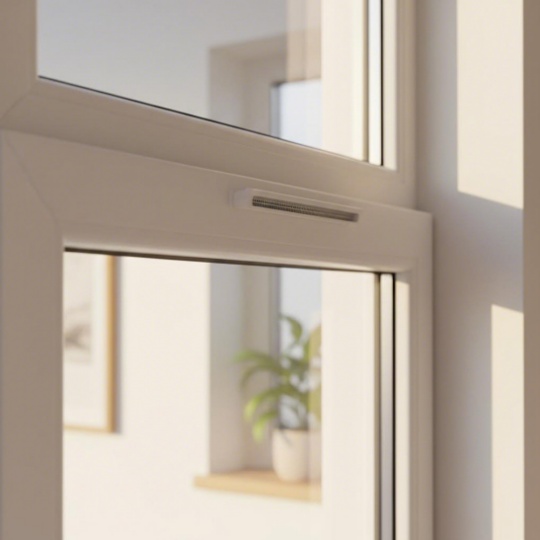
UPVC Window Trickle Vents: Stop Condensation And Mould For Good Understanding uPVC Window Trickle Vents and Their Purpose You wake up on a cold morning, pull back the curtains, and there it is again: water streaming down your windows. The glass is fogged, the sills are damp, and that familiar musty smell lingers in the air. Sound familiar? Perhaps you've noticed dark spots forming in the corners of your bedroom, or your home feels stuffy despite keeping everything sealed tight. These frustrations are incredibly common in modern homes, and they all point to one underlying issue: inadequate ventilation. The good news? There's a simple, effective solution that many homeowners overlook. uPVC window trickle vents offer a straightforward answer to these persistent problems, working quietly in the background to keep your home fresh and dry. What Are Trickle Vents and How Do They Work Trickle vents are background ventilators integrated into window frames that allow a constant, controlled trickle-feed of fresh air from outside into your home without needing to open the window. Imagine a small, narrow slot built into the top of your window frame. That's essentially what a trickle vent is. The design features staggered openings on both the interior and exterior sides of the frame, with uPVC window trickle vent covers that you can open or close as needed. Although these covers give you control, the vents are designed to remain open continuously for optimal air circulation. The mechanism is beautifully simple. When closed, your windows create an airtight seal. When the trickle vent is open, fresh outdoor air enters through the external slot, travels through the frame, and emerges inside your room. This gentle airflow displaces stale, moisture-laden indoor air without creating uncomfortable drafts or significantly affecting your home's temperature. According to Everest, trickle vents for uPVC windows work passively, meaning they require no electricity or mechanical parts. They simply harness natural pressure differences between indoors and outdoors to maintain constant air exchange. Why Modern Homes Need Passive Ventilation Here's the paradox of energy-efficient housing: the better your windows and insulation perform, the more airtight your home becomes. While this keeps heating bills down, it also traps moisture inside with nowhere to escape. Consider your daily activities. Showering, cooking, drying laundry, even breathing releases significant amounts of water vapor into your indoor air. In older, draftier homes, this moisture naturally escaped through gaps and cracks. In modern, well-sealed properties? It stays trapped, condensing on cold surfaces like windows and exterior walls. This creates the perfect breeding ground for mould, which poses serious health risks. This is precisely why trickle vents uPVC windows have become essential rather than optional. The UK Building Regulations Approved Document Part F, updated in June 2022, specifically addresses this...
Read More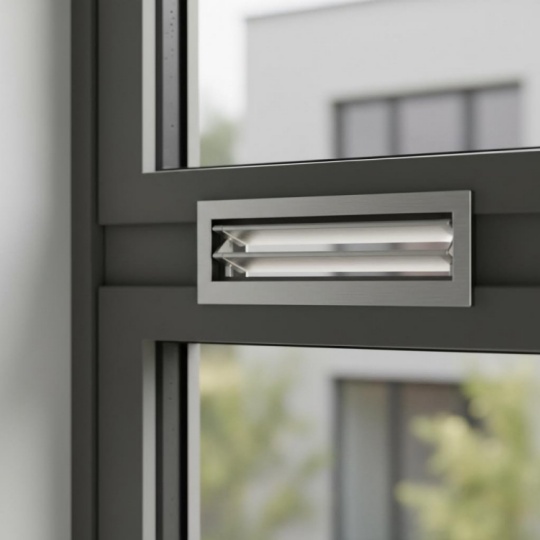
Metal Window Vent Selection Secrets: Size, Code, And Material Decoded Understanding Metal Window Vents and Their Purpose Ever walked into a room that felt stuffy, noticed condensation clouding your windows, or wondered why certain spaces always seem damp? The solution often lies in something surprisingly simple: proper window ventilation. A metal window vent is a specialized ventilation component—typically crafted from aluminum, steel, or other durable metals—designed to facilitate controlled airflow through window assemblies. Unlike opening a window fully, these vents provide a consistent, secure method for exchanging indoor and outdoor air. Think of them as the quiet workhorses of building ventilation systems. They regulate moisture, improve air quality, and help maintain comfortable indoor temperatures—all without requiring electricity or complex mechanical systems. Whether installed in residential homes, commercial buildings, or even vehicles, window vents made from metal offer a robust solution that plastic alternatives often struggle to match over time. What Makes Metal Window Vents Essential Imagine a home so well-insulated that fresh air rarely circulates naturally. Sounds energy-efficient, right? While modern construction excels at keeping heat in, it also traps moisture, pollutants, and stale air. This is where passive ventilation becomes essential. Metal window vents serve as intake air vents that work using natural forces—like pressure differentials and air buoyancy—rather than relying on fans or powered systems. How does this work in practice? When indoor humidity and temperature exceed outdoor levels, moist air naturally flows outward through vents, drawing fresh air in to replace it. This pressure-driven ventilation happens continuously and quietly, requiring no energy input. According to Permagard, passive vents use "natural forces like the buoyancy of hot air and wind to encourage airflow through your property," making them an environmentally friendly choice for condensation control. Metal construction elevates this function further. Unlike plastic vents that may warp, crack, or discolor under UV exposure, metal vents maintain their structural integrity for years. As noted by Titon, metal vents are "resistant to warping and cracking even under extreme weather conditions," ensuring long-term performance without frequent replacements. Core Functions of Window Ventilation Why does proper ventilation matter so much? The answer comes down to three fundamental pillars that affect both your health and your property: Preventing Condensation: When warm, moist air meets cold surfaces, water droplets form—think of a cold glass on a humid day. In homes, this means foggy windows, damp walls, and potential mold growth. By allowing controlled airflow, vents reduce indoor humidity levels, keeping surfaces dry and preventing moisture-related damage. Reducing Indoor Pollutants: Modern homes can trap allergens, volatile organic compounds (VOCs), an...
Read More


 online service
 0086 136 3563 2360
 sales@sxalu.com
 +86 136 3563 2360
 English
 français
 Deutsch
 русский
 español
 português
 العربية
 ไทย
ไทย Việt
Việt Українська