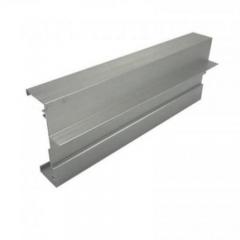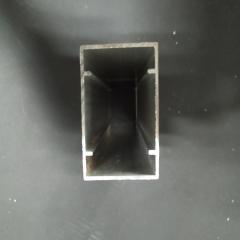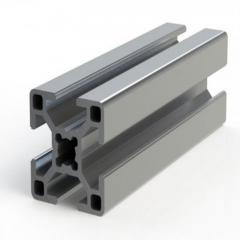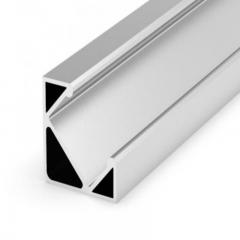
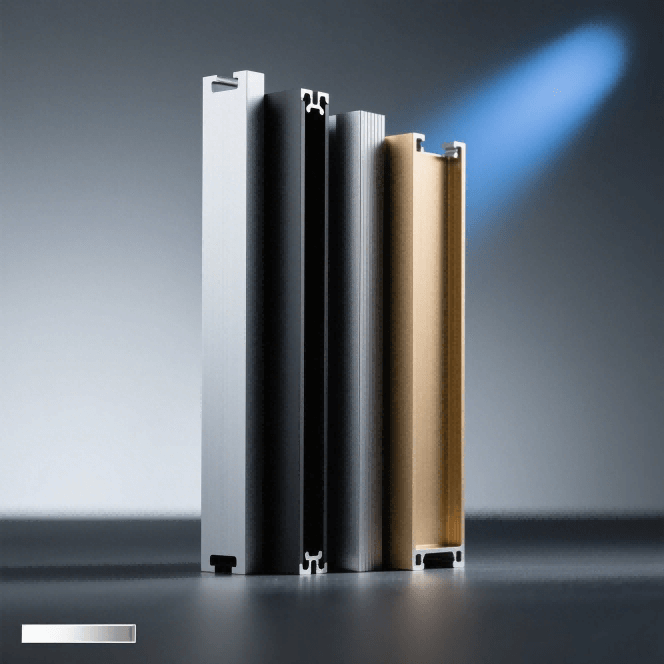
Aluminum Unistrut: Load Tables, Calculations, And Case Studies Aluminum Unistrut Fundamentals and Why it Matters What is a Unistrut and Why Aluminum Changes the Game Ever wondered what is a unistrut and why it’s so popular in construction and industrial projects? Unistrut is a generic term for a modular framing system featuring a U-shaped channel profile. These strut channels are designed to support and organize everything from electrical conduit and cable trays to solar panels and HVAC equipment. The magic lies in their modularity—channels, nuts, and fittings combine to create endless support structures that can be assembled, reconfigured, or expanded without welding or specialized tools. When you choose aluminum unistrut over traditional steel, you’re opting for a lighter, corrosion-resistant, and easier-to-handle system. Imagine installing rooftop solar supports or cable trays overhead—aluminum strut channel makes the job faster, safer, and less physically demanding. Aluminum vs Steel Strut Channel Selection Guide Let’s break down the main differences between aluminum strut and steel channel framing. Aluminum’s key strengths are its low weight and natural resistance to corrosion, making it perfect for outdoor, marine, or cleanroom environments. Steel, by contrast, is the go-to for heavy-duty, long-span, or high-impact applications where maximum load capacity is critical. Advantages of Aluminum Strut Channel: Lightweight—up to 50% less than steel for easier handling Excellent corrosion resistance—ideal for rooftops, coastal, or chemical environments Easy to cut and modify on site with basic tools Clean, attractive finish for architectural or exposed installations Recyclable and environmentally friendly Limitations of Aluminum Strut Channel: Lower load capacity compared to steel (best for light to medium-duty applications) Higher material cost per foot (offset by lower labor and maintenance) Requires isolation when in contact with dissimilar metals to prevent galvanic corrosion As a rule of thumb: Aluminum struts can cut system weight by half, but expect about a third less maximum load capacity compared to equivalent steel channels. Always match the material to your project’s real demands. Common Aluminum Unistrut Sizes and Slot Patterns Aluminum unistrut comes in a variety of sizes to suit different needs. The most common is the 1-5/8 inch profile, which balances strength and versatility for electrical, solar, and light mechanical framing. Mini and shallow profiles are also available for compact or architectural applications. Channels may feature continuous slots (for maximum adjustability) or solid webs (for higher load ratings). Use Case Recommended Channel Depth Slot Type Electrical / Data Tray Support Shallow or 1-5/8" Slotted Solar Panel Framing 1-5/8" (deep) Solid or Slotted Architectural Shelving Mini / Shallow Slotted Light Industrial Machine Guard 1-5/8" Solid Modular Accessories That Make Unistrut Versatile What sets unistrut aluminum...
Read More
Aluminum Screen Doors Compared: Hinged, Sliding, Retractable Best aluminum screen doors for every home in 2025 When you start shopping for aluminum screen doors, the choices can feel endless. Which style works best for a busy family? How do you know what will hold up to coastal weather or high-traffic entryways? If you’ve ever wondered whether a metal screen door is really worth the investment over wood or vinyl, you’re in good company. This guide is built for homeowners, property managers, and builders who want to make smart, lasting upgrades—without the confusion or costly mistakes. Why aluminum screen doors still win in 2025 Let’s face it: not all screen doors are created equal. Imagine living by the ocean, renting out a property, or just trying to keep up with kids and pets racing in and out. You’ll notice that aluminum screen doors consistently outperform wood and vinyl in the places that matter most: Durability: Aluminum frames resist dents, warping, and splitting far better than wood or vinyl—making them ideal for high-traffic and rental properties. Corrosion resistance: Unlike steel, aluminum doesn’t rust, and modern powder-coated finishes keep it looking sharp even in coastal climates. Easy maintenance: Wipe down the frame, clean the mesh, and you’re done—no repainting, no swelling, no sagging. Design flexibility: From classic front screen doors to sleek patio screen door options, today’s market offers everything from standard sizes to custom screen doors that match historic or contemporary facades. Compared to vinyl, which is best for short-term affordability or mild climates, aluminum is the clear winner for long-term value, weather resistance, and premium finishes. As one industry expert puts it, “Aluminum storm doors are stronger, more weather-resistant, and longer-lasting than vinyl, making them the better investment for most homeowners.” Who this list is for Whether you’re upgrading a historic home’s entry, enclosing a porch, choosing doors for a beachfront rental, or just need a reliable replacement for a sliding patio, this roundup is for you. We’ve compared top models and configurations so you can quickly match your needs to the right door—saving you time, money, and headaches. Quick picks by scenario Coastal homes: Look for powder-coated or anodized aluminum frames for maximum corrosion resistance. Rental properties: Choose heavy-duty alum screen doors with reinforced corners and pet-resistant mesh. Historic facades: Opt for custom screen doors that can be color-matched and sized to fit unique openings. Porch enclosures: Sturdy, full-view hinged models stand up to daily use. Sliding patios: Adjustable-frame options simplify installation and fit most tracks. Common mistakes to avoid: Skipping proper measurements—always check both width and height before ordering. Choosing the wrong mesh—standard mesh is fine for most, but coastal and pet owners should upgrade. Overlooking finish quality—marine-grade or powder-coated finishes las...
Read More
Aluminum Threshold Sizing & Ordering: Zero Re-Work, Code Ready Understanding Aluminum Threshold Basics for Modern Doors What is a Door Threshold in 2025? Imagine you’re stepping into a building—what keeps the wind, water, and dirt outside, while giving your entry a finished look? That’s the job of the door threshold. In 2025, thresholds for doors are more than just a finishing strip. They serve as the essential barrier at the bottom of the door opening, blocking drafts, channeling water, and creating a smooth transition between floor surfaces. Whether for homes or commercial spaces, the right aluminum threshold can make a noticeable difference in energy efficiency, comfort, and code compliance. Threshold vs Sill vs Saddle: Clearing Up the Confusion Ever wondered about the difference between a door sill vs threshold, or what is a door saddle? These terms are often used interchangeably, but they each have specific meanings in door construction. Here’s a quick comparison to clarify: Term Definition Placement in Assembly Threshold The horizontal strip at the base of a door, bridging the gap between the door and floor, sealing out weather and debris. Bottom of door opening, above sill pan or subfloor Sill The structural element beneath the threshold, supporting the door frame and sometimes integrating water drainage features. Lowest part of door frame, in contact with subfloor Saddle A threshold profile with a raised center (like a saddle), designed for water deflection and smooth transitions between different floor heights. Above sill, between interior and exterior flooring Sweep Flexible strip attached to the bottom of the door, working with the threshold to enhance sealing against drafts and water. Bottom edge of door leaf, contacts threshold How Aluminum Improves Performance Why choose an aluminum threshold over wood or vinyl? The answer lies in its unique blend of durability, corrosion resistance, and dimensional stability. Aluminum doesn’t rot, warp, or swell—making it ideal for high-moisture or high-traffic areas. You’ll notice that modern door thresholds made from aluminum are lighter and easier to install, yet tough enough to withstand years of foot traffic and exposure to the elements. This makes them a preferred solution for both exterior and interior applications, especially where long-term performance is critical. Water Deflection: Directs rain and snow away from door openings Air Sealing: Blocks drafts, improving comfort and energy efficiency Thermal Bridging Control: Reduces heat transfer, supporting energy codes Transition Between Floor Finishes: Bridges gaps between different flooring types or heights Load Transfer: Supports foot traffic and equipment movement Common aluminum threshold forms include: Flat thresholds: Simple, low-profile strips for minimal transitions Half saddle thresholds: Offset profiles for uneven floors or ADA compliance Full saddle thresholds: Raised, symmetrical shapes for water resistance Adjustable thresho...
Read More
Aluminum Tool Box Showdown: Secure, Dry, Perfect Fit Faster Start Strong With What Matters in 2025 Ever had a job stall because your tools were scattered or soaked in the back of your truck? In 2025, picking the right aluminum tool box isn’t just about storage—it's about security, weather protection, and making your workday smoother. This guide ranks the best options for trucks, flatbeds, and trailers, focusing on what matters most: keeping your tools safe, dry, and always within reach. Why Aluminum Tool Boxes Beat Steel in 2025 When you’re weighing steel versus aluminum, imagine this: you lift a steel toolbox—heavy, prone to rust, and harder on your truck’s payload. Now try an aluminum tool box—lighter, corrosion-resistant, and just as tough. Thanks to alloys like 5052-H32 and 6061-T6 (per ASTM B209), modern aluminum boxes last longer and fight off rust without weighing you down. New lock housings and upgraded bulb seals in 2025 mean today’s aluminum tool boxes rival or even surpass steel in weather protection and theft resistance. Types of Aluminum Tool Boxes and When to Use Them Not sure which style fits your needs? Here’s a quick breakdown of the most common types you’ll see in the top picks: Crossover/Saddle: Sits on the bed rails, spanning the width of the truck; ideal for contractors and anyone needing easy access from either side. Chest: Rests on the truck bed floor, maximizing storage depth—great for bulky tools and works well under many tonneau covers. Underbody/Side-Mount: Mounts below or along the bed; perfect for fleet and flatbed trucks needing to keep the deck clear. Flatbed: Designed for custom fit on flatbed trucks; maximizes capacity and security for heavy-duty use. Trailer Tongue: Mounts on A-frame trailers for hauling straps, jacks, and spares. Drawer Systems: Offers modular organization—popular with electricians and plumbers who need fast, organized access to small parts. Common Failure Modes and Quick Fixes Even the best aluminum storage box can fall short if installed or maintained incorrectly. Here are the most common mistakes—and how to avoid them: Over-torquing mounting bolts (can deform the box or rails) Skipping anti-seize on stainless fasteners (leads to galling and stuck hardware) Ignoring galvanic isolation (mixing metals without isolators causes corrosion) Misaligning lid strikers (results in poor sealing and rattling lids) Pro Tip: To prevent water ingress in your aluminum toolbox, always clean drain channels, check gasket compression, seal hinge gaps, and verify drain paths after install. A dry box means dry tools—even in a downpour. Who This Top List Is For Whether you’re a contractor, electrician, plumber, landscaper, or part of a towing fleet, the right alu tool box can be a game-changer. This roundup focuses on field-proven aluminum truck tool box options with clear specs and fitment notes for popular pickups. Expect picks that maximize ROI—boxes that reduce downtime, protect your investment, and are built to...
Read More
2/0 Aluminum Wire Ampacity, NEC Sizing, And Cost Pitfalls Exposed Start Strong With a 2025-ready Overview of 2/0 Aluminum Wire What is 2/0 aluminum wire? Ever wonder what makes "two-aught" or 2/0 aluminum wire the workhorse for modern electrical projects? In the American Wire Gauge (AWG) system, 2/0 (read as "two-aught") is a heavy-gauge wire—thicker than 2 AWG and designed for serious power delivery. Unlike smaller wires, 2 0 aluminum wire is engineered to handle high current loads in residential, commercial, and light industrial settings. The "aluminum" part means the conductor is made from aluminum alloy, which is lighter and more cost-effective than copper, though slightly larger in diameter for the same ampacity. 2/0 aluminum building wire is a heavy-duty conductor—about 0.364 inches in diameter—used to safely deliver high current where copper is impractical or cost-prohibitive. Where 2/0 wire fits vs copper in 2025 When you compare 2/0 aluminum to copper, you’ll notice aluminum is typically chosen for longer runs and large feeder circuits where weight and budget matter. For example, 2 0 awg aluminum wire is common in service entrance cables, main feeders to subpanels, and direct burial installations. While copper still leads in ampacity per cross-sectional area, aluminum’s lower density and cost make it a smart choice for large-scale or cost-sensitive projects. In 2025, code-compliant aluminum alloys (like 8000 series) and improved terminations have made 2/0 aluminum a reliable alternative to copper in most building applications. Service entrance feeders (main panel to meter or disconnect) Subpanel feeders in homes and light commercial buildings Temporary power for construction sites Underground residential distribution (URD) laterals Large branch circuits for HVAC or EV charging Common constructions you will encounter Choosing the right 2/0 wire isn’t just about the conductor—it’s about the whole assembly. Here are the most common types you’ll see: XHHW-2: Cross-linked polyethylene insulation, rated for wet/dry locations; robust and heat-resistant. THHN/THWN-2: Dual-rated for dry (THHN) and wet (THWN-2) environments; versatile and widely available. USE-2 cable: Designed for underground service entrance and direct burial; sunlight- and moisture-resistant. SER: Service entrance cable with multiple conductors (often 2/0 aluminum); used for feeders. URD: Underground Residential Distribution cable, usually triplexed for direct burial without conduit. 2/0 Aluminum Wire Quick Specs Spec Typical Range Notes Diameter (conductor) ~0.364 in Excludes insulation Strand Count 7–19 strands Depends on flexibility/class Common Insulations XHHW-2, THHN/THWN-2, USE-2 Wet/dry, direct burial options Standard Voltage Rating 600 V Building wire applications Key code concepts before you size Before you select a 2/0 aluminum cable, consider these essentials: Ampacity limits: The maximum current the wire can safely carry, which varies by insulation type and install...
Read More


 online service
 0086 136 3563 2360
 sales@sxalu.com
 +86 136 3563 2360
 English
 français
 Deutsch
 русский
 español
 português
 العربية
 ไทย
ไทย Việt
Việt Українська