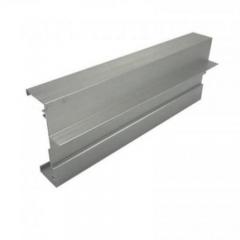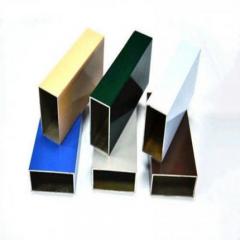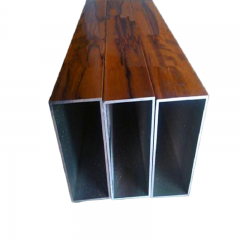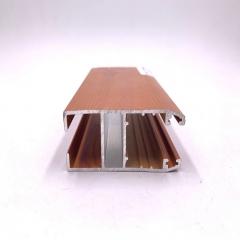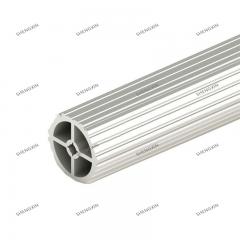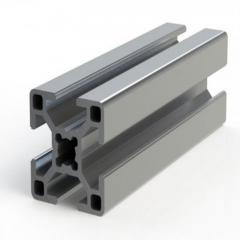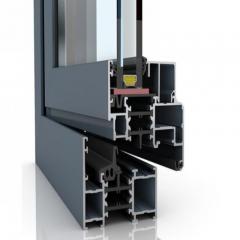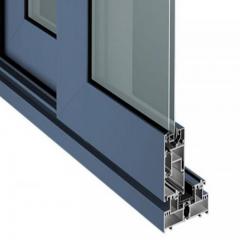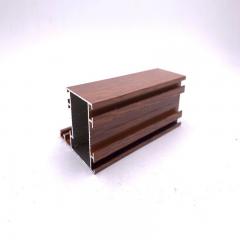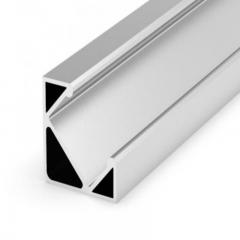
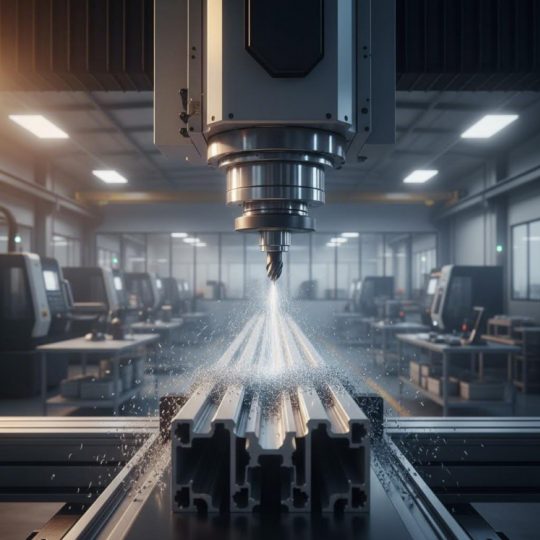
Machined Aluminum Extrusion: Critical Decisions That Make Or Break Your Project What Makes Machined Aluminum Extrusion Different Ever wondered why some aluminum parts fit together perfectly while others need constant adjustments? The secret often lies in whether those components went through precision machining after extrusion. When you're sourcing aluminum profiles for your next project, understanding this distinction can save you significant time, money, and frustration. Machined aluminum extrusion is the process of taking extruded aluminum profiles and applying secondary CNC operations—such as cutting, drilling, milling, turning, and tapping—to create finished parts with tight tolerances and required features. This definition captures the essence of what separates a basic extruded profile from a precision-ready component. While standard extrusion gives you the foundational cross-sectional shape, aluminum extrusion machining transforms that raw profile into something that actually works in demanding applications. From Raw Profile to Precision Part Picture this: aluminum billets get heated and pushed through a die under tremendous pressure. Out comes a profile—maybe a T-slot rail, a hollow tube, or a complex architectural shape. That's your base extrusion. It has the right general shape, but it's essentially a starting point. What happens next determines whether you end up with a functional precision extrusion or just another off-the-shelf profile. The machining process adds critical features that extrusion simply cannot deliver directly: Precision holes and countersinks for fasteners and mounting hardware Threaded features for bolts, screws, and assembly connections Slots and pockets for component integration Exact length cuts with tolerances as tight as +/-0.02mm Complex geometries requiring multi-axis CNC operations Standard profiles from systems like 80/20 extruded aluminum or 8020 extruded aluminum work great for modular framing. But when your application demands exact hole placement, specific thread patterns, or custom mounting features, machining becomes non-negotiable. Why Machining Transforms Standard Extrusions Here's what many engineers discover too late: extrusion creates near-net shapes, but "near" isn't good enough for precision assemblies. According to industry specifications, most extruded profiles require additional machining operations to meet final part features and tolerances. The transformation happens through a deliberate sequence. First, CNC sawing brings profiles to exact lengths. Then, milling operations create flats, pockets, and complex surface features. Drilling adds precisely positioned holes, while tapping creates threads for assembly. Multi-axis CNC machining handles intricate geometries that would be impossible to achieve any other way. What makes aluminium extrusion machining particularly valuable? Flexibility. The same base extrusion can become dozens of different finished parts depending on the machining operat...
Read More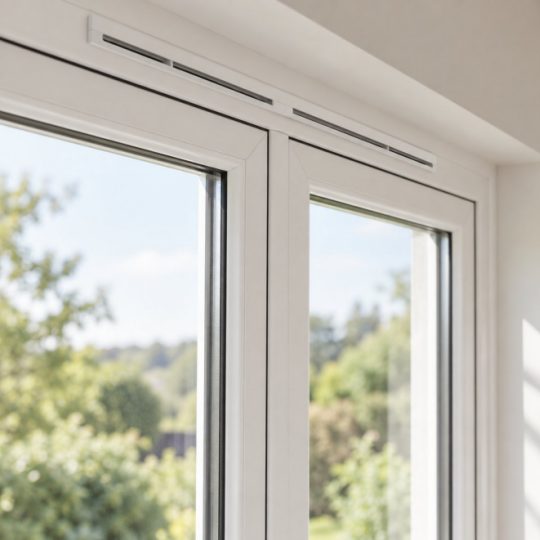
Slimline Trickle Vents: The Airflow You Need, The Bulk You Don't What Are Slimline Trickle Vents and Why Do They Matter Picture a freshly installed set of flush casement windows with clean, modern sightlines — then imagine a chunky plastic canopy perched across the top of the frame, breaking the entire aesthetic. That frustration is exactly what drives homeowners and trade professionals toward slimline trickle vents. These low-profile ventilators deliver the continuous background airflow your sealed home demands, without the visual bulk that standard trickle vents impose on an otherwise sleek window design. A slimline trickle vent is a narrow, discreet background ventilator featuring a reduced-height canopy and slot assembly mounted into or onto the head of a window frame. It provides controlled, passive airflow to indoor spaces without requiring the window to be opened, while maintaining a significantly lower visual profile than standard trickle vent models. What Exactly Is a Slimline Trickle Vent So, what is a trickle vent in the first place? At its simplest, a trickle vent is a small, adjustable opening built into a window frame — typically near the top — that allows a gentle, continuous stream of fresh air into a room while the window stays closed and locked. The "slimline" designation refers specifically to models engineered with a narrower, shallower canopy and a more compact slot assembly. You'll notice these vents sit much closer to the frame surface, often roughly half the canopy height of a conventional unit. Within the broader trickle vent market, slimline variants occupy a specific niche. They are purpose-built for projects where aesthetics carry as much weight as ventilation performance — flush casement windows, heritage-style frames, contemporary aluminium systems, and any installation where a bulky vent body would clash with the design intent. The internal and external canopy components are both scaled down, yet they still fulfil the same core function: letting your home breathe passively, driven by natural pressure differences between indoors and outdoors, with no fan or power source required. Why Background Ventilation Matters in Modern Homes Today's homes are built tight. Advanced weathersealing, double and triple glazing, and insulated frames are brilliant for energy efficiency — but they also create an unintended side effect. When you seal a dwelling against drafts, you simultaneously trap moisture from cooking, showering, breathing, and drying laundry. That trapped moisture has nowhere to go, and the consequences are predictable: condensation streaming down cold glass surfaces, damp patches creeping across walls, and mould colonies thriving in corners. As Breffni Insulation highlights, modern airtight homes require designed ventilation systems to control moisture and maintain fresh air, because the natural draughts older houses relied upon simply no longer exist. The purpose of trickle vents is to restore that missing backgro...
Read More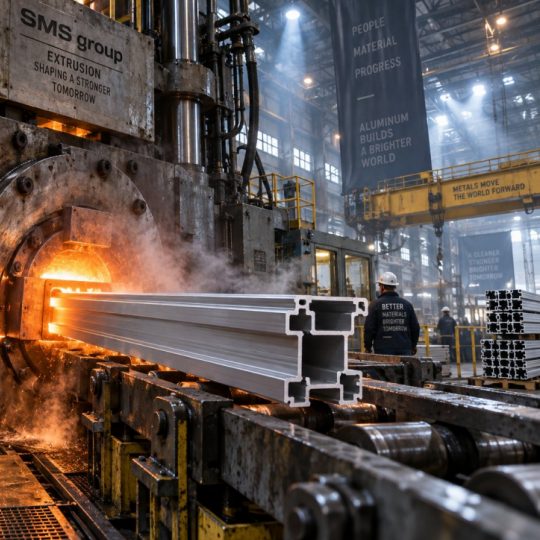
Aluminum Extrusion Design: From Alloy Selection To Production-Ready Profiles What Aluminum Extrusion Design Actually Means for Engineers Ever wondered how those precisely shaped aluminum profiles in window frames, electronic enclosures, or industrial machinery come to life? The answer lies in understanding aluminum extrusion design—a discipline that bridges creative engineering with manufacturing reality. Aluminum extrusion design is the engineering process of creating custom cross-sectional profiles by specifying how heated aluminum billets will be forced through shaped steel dies under high pressure, resulting in continuous shapes with consistent dimensions and properties. When you define extruded aluminum in practical terms, you're describing a manufacturing method similar to squeezing toothpaste through a tube—except the "tube" is a precision-engineered die, and the result is a structural component ready for real-world applications. This aluminum extrusion definition applies whether you're working with simple angles or complex architectural systems. The Core Principle Behind Profile Creation The fundamental process works like this: a cylindrical aluminum billet is heated to approximately 800-925°F, making it malleable without becoming molten. A hydraulic ram then applies immense pressure—sometimes up to 15,000 tons—forcing the softened metal through a custom die. What emerges is your designed profile, perfectly formed and ready for cooling, cutting, and finishing. For engineers, understanding this aluminium extrusion definition goes beyond the basic mechanics. Your design decisions directly influence die complexity, production speed, and ultimately, project costs. That's why this guide takes a design-centric approach rather than focusing solely on manufacturing operations. Why Designers Choose Extruded Aluminum Why do engineers across industries consistently specify aluminum extrusion profiles? Consider these compelling advantages: Design flexibility: Complex geometries can integrate multiple functions into a single extruded aluminum profile, reducing assembly steps Precision consistency: Once the die is created, every meter of extrusion maintains identical cross-sectional dimensions Material efficiency: The process minimizes waste compared to subtractive manufacturing methods Strength-to-weight ratio: Aluminum's inherent properties deliver structural performance without excessive mass From architectural curtain walls to automotive chassis components, from electronic heat sinks to renewable energy mounting systems, aluminum extrusion applications span virtually every industry. This guide provides the practical, actionable guidance you need to move from concept to production-ready profiles—covering alloy selection, dimensional constraints, manufacturability optimization, and effective manufacturer partnerships. Understanding Solid, Hollow, and Semihollow Profile Types Before diving into alloy chemistry or dimensional tolerances, you need to ma...
Read More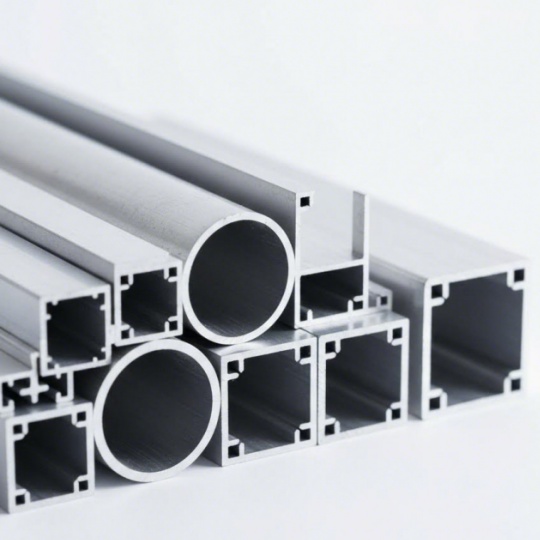
6063 Aluminum Extrusion: Why Engineers Pick It Over 6061 Understanding 6063 Aluminum Extrusion and Its Unique Composition Ever wondered why those sleek window frames, modern railings, and polished display fixtures all share a similar clean, refined appearance? The answer lies in 6063 aluminum extrusion—a material so widely trusted that engineers often call it the "architectural alloy." But what exactly makes this particular alloy stand out from dozens of other aluminum options? What Makes 6063 the Preferred Extrusion Alloy 6063 aluminum is a medium-strength alloy belonging to the 6xxx series, specifically engineered for the extrusion process. Unlike alloys designed primarily for casting or rolling, this material flows through extrusion dies with remarkable ease, emerging with smooth surfaces that require minimal finishing. According to Aalco's technical specifications, it offers high corrosion resistance, excellent weldability, and readily accepts anodizing—a combination that explains its dominance in architectural applications. When you need extruded aluminum profiles with intricate cross-sections and thin walls, 6063 delivers where other alloys struggle. Its popularity isn't accidental; it stems from a carefully balanced chemical composition that manufacturers have refined over decades. The Aluminum-Magnesium-Silicon Foundation So what's happening at the molecular level? The secret lies in how silicon and magnesium work together within the aluminum matrix. When heated during the extrusion process, these elements combine to form magnesium silicide (Mg₂Si)—a compound that gives the alloy its strength after heat treatment while maintaining excellent formability during processing. Here's what each key alloying element contributes: Silicon (approximately 0.6%): Lowers the melting point and improves fluidity during extrusion, enabling the alloy to flow smoothly through complex die geometries Magnesium (approximately 0.9%): Combines with silicon to form strengthening precipitates and enhances corrosion resistance without adding significant weight Iron (trace amounts): Present as a residual element that helps control grain structure during solidification Copper (minimal traces): Fine-tunes mechanical behavior while keeping the alloy highly responsive to anodizing This precise balance creates an alloy optimized specifically for the aluminum extrusion process. The relatively low alloy content means less resistance when pushing heated billets through dies, resulting in faster production speeds and reduced die wear. Meanwhile, the Mg₂Si precipitates that form during heat treatment provide sufficient strength for most structural and decorative applications. Unlike higher-strength alloys such as 6061 or 7075, 6063 prioritizes surface finish and extrudability over maximum tensile strength. This trade-off makes perfect sense for aluminium extrusions destined for visible architectural applications where appearance matters as much as performance. The result? Com...
Read More
Approved Document F Decoded: Ventilation Rules That Trip Up Builders What Is Approved Document F and Why Does It Matter Imagine you've just sealed up a new-build home with triple-glazed windows, insulated walls, and airtight membranes. The energy performance is outstanding, but within weeks the occupants notice streaming condensation on windows, musty smells in bathrooms, and a persistent stuffiness that no amount of opening the back door seems to fix. The culprit? A ventilation strategy that was either missing or poorly specified. This is exactly the scenario that Approved Document F exists to prevent. What Approved Document F Actually Is Approved Document F is the statutory guidance published by the UK government that explains how to meet the ventilation requirements set out in Part F of Schedule 1 to the Building Regulations 2010. In plain terms, it tells architects, builders, and specifiers how to provide adequate fresh air to buildings in England so that occupants stay healthy and building fabric stays protected. The document covers minimum ventilation provisions designed to control three key threats to indoor air quality: Excess moisture generated by cooking, bathing, showering, and drying clothes indoors Indoor pollutants released by furnishings, cleaning products, and building materials Carbon dioxide buildup from human respiration in occupied rooms It applies to both new and existing dwellings, as well as non-domestic buildings such as offices, schools, and retail premises. The guidance is split into two volumes: Volume 1 addresses dwellings, while Volume 2 covers buildings other than dwellings. Each volume contains detailed specifications for ventilation rates, system types, and commissioning procedures tailored to its building category. Statutory Guidance vs Legal Requirement Here's a distinction that trips up even experienced professionals. The building regulations approved document F is not the law itself. The legal requirement comes from Part F of Schedule 1 to the Building Regulations 2010, which states the functional requirement in deliberately broad language: F1.—(1) There shall be adequate means of ventilation provided for people in the building. (2) Fixed systems for mechanical ventilation and any associated controls must be commissioned by testing and adjusting as necessary to secure that the objective referred to in sub-paragraph (1) is met. That's it. The regulation doesn't tell you how many litres per second your kitchen extract fan must deliver or whether you need trickle vents in your bedroom windows. Those specifics live in Approved Document F, which provides one accepted way of satisfying Requirement F1. You'll notice the key word here is "one" way. Alternative approaches are entirely permissible provided they demonstrate compliance with the functional requirement. A designer could, for example, use computational fluid dynamics modelling or manufacturer-specific performance data to justify a ventilation strategy that de...
Read More


 online service
 0086 136 3563 2360
 sales@sxalu.com
 +86 136 3563 2360
 English
 français
 Deutsch
 русский
 español
 português
 العربية
 ไทย
ไทย Việt
Việt Українська