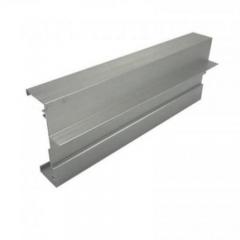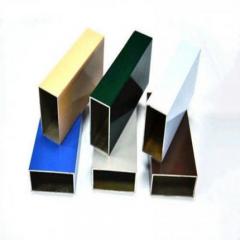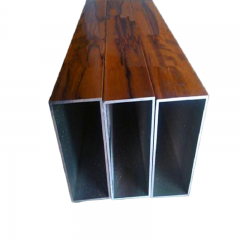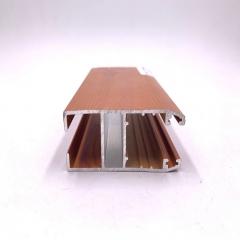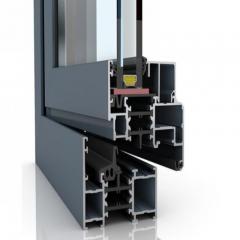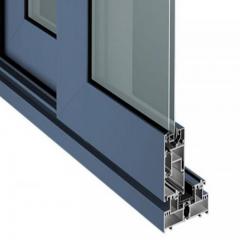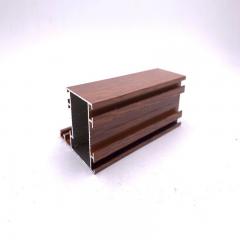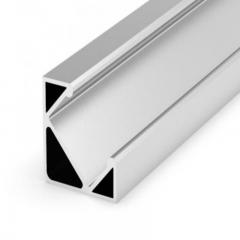
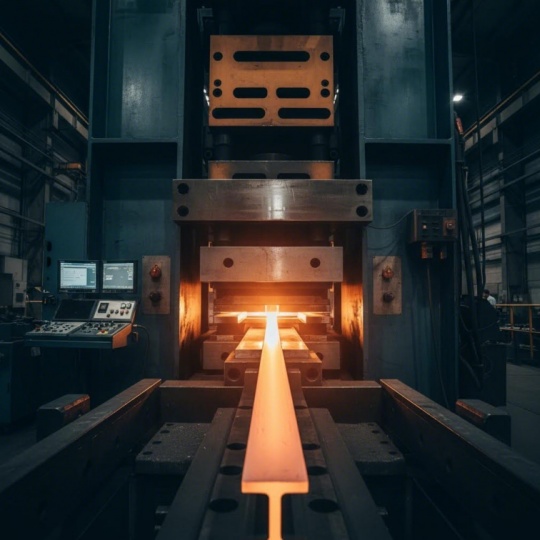
Aluminum Extrusion Processing Demystified: From Raw Billet To Finished Part What Is Aluminum Extrusion Processing and Why It Matters Ever squeezed toothpaste from a tube? You've already grasped the basic concept behind aluminum extrusion processing. Now imagine that same principle applied with hydraulic forces reaching up to 15,000 tons, temperatures exceeding 700°F, and precision-engineered steel dies—that's how manufacturers transform solid aluminum into the complex profiles surrounding us every day. So, what is aluminum extrusion exactly? It's a manufacturing technique where heated aluminum billets are forced through a shaped die opening to create continuous lengths of material with a uniform cross-section. The result is extruded aluminum profiles that can be solid, hollow, or semi-hollow—ranging from simple rectangular bars to intricate multi-channel designs that would be impossible to achieve through other forming methods. The Fundamental Principle Behind Metal Shaping To define extrude in manufacturing terms: it means pushing material through a die to create a specific shape. When we ask "what is extrusion?" in the context of metalworking, we're describing a process that converts a cylindrical aluminum ingot into a continuous length of precisely shaped material. Unlike machining, which removes material to create shapes, extrusion forms profiles by plastic deformation. The aluminum flows through the die opening much like modeling clay through a press—except under carefully controlled temperatures typically ranging from 700°F to 930°F (375°C to 500°C) depending on the alloy being processed. Aluminum is particularly well suited to the extrusion process due to its excellent plasticity at extrusion temperature. Only a minor degree of work-hardening takes place at this temperature, and sufficient hot work is performed to improve the metallurgical structure of the extruded shape. From Raw Billet to Precision Profile What is extruded aluminum in practical terms? It's the end product of this remarkable transformation—profiles that emerge from the die fully formed and ready for further processing. These shapes can incorporate features like tongue-and-groove connections, snap-fit joints, screw channels, and integrated structural reinforcements that would require complex assembly operations with other manufacturing methods. The versatility of aluminum extrusion explains its widespread adoption across industries. From architectural window frames to automotive structural components, from electronics heat sinks to industrial machinery frames, this process delivers solutions that combine design flexibility with manufacturing efficiency. In the sections ahead, you'll discover exactly how this process unfolds—from billet preparation through die design, alloy selection, quality control, and finishing operations. Whether you're an engineer evaluating manufacturing options or a procurement specialist sourcing custom profiles, understanding these fundamentals wi...
Read More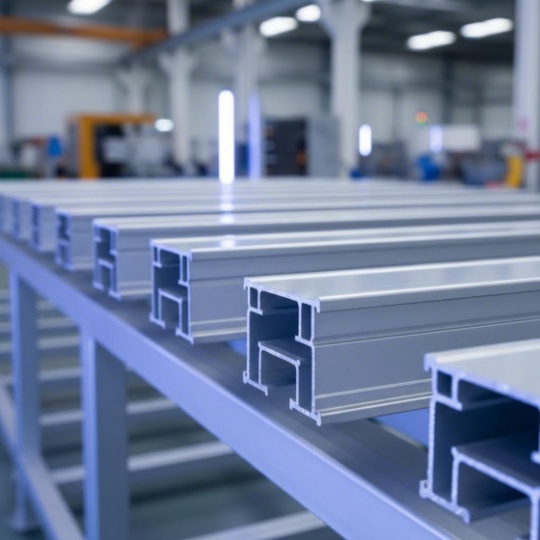
Solar Panel Frame Aluminum Extrusions: A Few Specs Installers Never Check Understanding Solar Panel Frame Aluminum Extrusions Ever wondered what keeps your solar panels securely mounted through decades of harsh weather? The answer lies in a component most installers overlook: solar panel frame aluminum extrusions. These precisely engineered profiles do far more than simply hold panels in place. They form the structural backbone of every photovoltaic system, protecting delicate cells while enabling efficient mounting and long-term performance. A solar panel frame is the sturdy perimeter structure that encases and protects the sensitive components within a PV module. According to Vishakha Renewables, these frames secure critical units including PV cells, tempered glass, back sheets, and EVA film. The quality of your solar module frame directly impacts system efficiency, making proper specification essential for any installation. What Makes Aluminum the Preferred Frame Material When comparing materials for PV panel frames, aluminum consistently outperforms alternatives like steel. But why has this lightweight metal become the industry standard? Consider the key advantages aluminum brings to solar applications: Structural support: Provides the necessary strength and stability for all panel components while remaining lightweight enough for rooftop installations Edge protection: Shields delicate solar cells from physical damage during handling, transport, and installation Mounting interface: Enables secure attachment to racking systems at optimal angles for maximum sunlight exposure Environmental sealing: Protects internal components from moisture, dust, and temperature fluctuations According to Zetwerk's analysis, aluminum doesn't rust like steel and offers superior natural corrosion resistance thanks to its built-in oxide film. While steel may seem stronger on paper, aluminum's remarkable strength-to-weight ratio makes it far more practical. Steel is approximately 2.5 times denser than aluminum, making it significantly heavier to handle and more expensive to ship. Research indicates that aluminum comprises more than 85% of the total mineral material used in manufacturing solar PV components. This dominance stems from its unique combination of properties: lightweight construction, excellent corrosion resistance, and outstanding recyclability. The Structural Role of Extrusions in PV Systems So how exactly are these frames manufactured? The extrusion process involves heating aluminum to a high temperature until it becomes molten. This softened metal is then pushed through a specially designed die, emerging as long, uniform profiles that form the solar panel frame structure. After extrusion, the profiles undergo shot blasting to smooth surfaces and remove imperfections. The critical final step is anodizing, where an electrochemical process creates a protective oxide layer that dramatically improves corrosion resistance. This treatment ensures frames can ...
Read More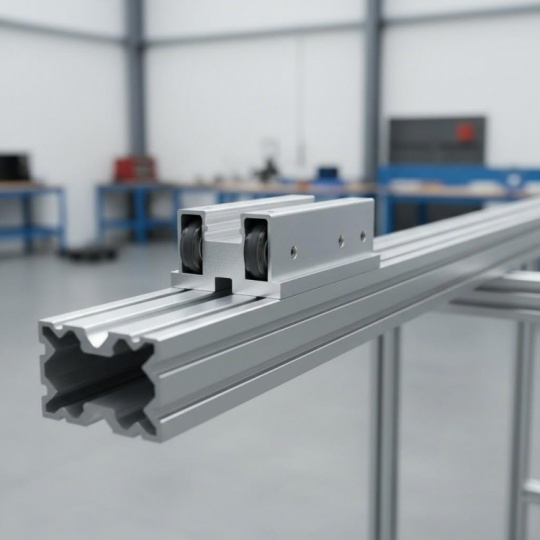
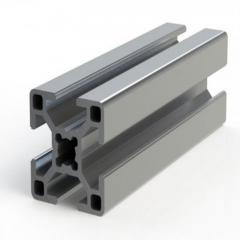
Linear Motion Aluminum Extrusion Demystified: From V-Slot Selection To Precision Assembly What Is Linear Motion Aluminum Extrusion and How Does It Work Ever wondered how CNC machines, 3D printers, and automated assembly lines achieve such precise, repeatable movement? The answer often lies in a deceptively simple technology: linear motion aluminum extrusion. At its core, this system consists of specially designed aluminum profiles that guide components along a single axis with remarkable smoothness and accuracy. Think of it like a high-performance train track system. The extruded aluminum rails provide the pathway, while bearing or wheel assemblies act as the train cars gliding effortlessly along that path. This combination delivers controlled, predictable motion that engineers and makers rely on for everything from hobby projects to industrial automation. The Engineering Principle Behind Linear Motion Systems Linear motion aluminum extrusion operates on a straightforward principle: constrain movement to one direction while minimizing friction and maintaining rigidity. When you push a standard object across a surface, it can drift, wobble, or require significant force to move. A properly designed linear rail eliminates these problems entirely. The aluminum extrusion rail serves as the structural backbone of this system. Manufacturers create these profiles by forcing heated aluminum through precision-shaped dies, producing consistent cross-sections with tight tolerances. The resulting rail alu profiles feature carefully engineered grooves or tracks that interface with rolling elements, whether wheels, ball bearings, or roller assemblies. What makes this approach so effective? The geometry of the extrusion rail creates multiple contact points between the moving carriage and the stationary rail. These contact points distribute loads evenly, reduce wear, and maintain alignment even under stress. You'll notice that quality extruded aluminum rails exhibit minimal deflection, meaning your motion system stays accurate throughout its operational life. Core Components That Enable Precision Movement Understanding how these systems work requires breaking them down into their essential elements. Every functional linear motion setup depends on three interconnected components working in harmony: The Rail Profile: This extruded aluminum foundation determines load capacity, mounting options, and compatible bearing types. The profile's cross-sectional shape, whether V-slot, T-slot, or proprietary designs, directly influences how the carriage interfaces with the rail. Quality aluminum extrusion rail profiles maintain dimensional consistency along their entire length, ensuring smooth travel without binding or rough spots. The Carriage/Bearing System: This moving assembly rides along the rail and carries your payload. Options range from simple V-wheels rolling in grooves to sophisticated recirculating ball bearing blocks. The bearing system you choose affects speed c...
Read More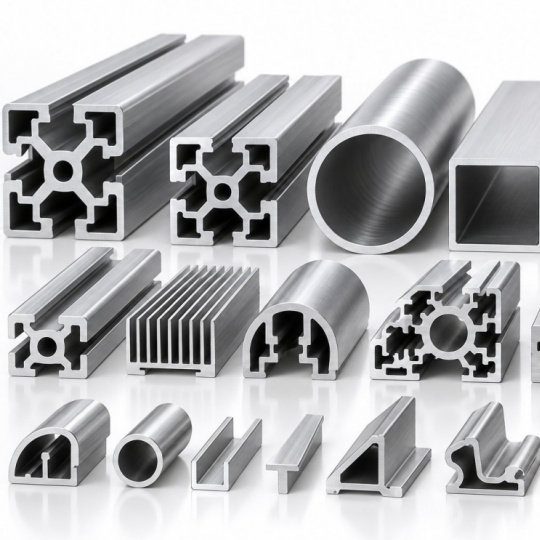
Aluminum Extrusion Material Specifications: From Alloy Selection To Final Finish Understanding Aluminum Extrusion Material Specifications What is aluminum extrusion, and why do its specifications matter so much? When you're sourcing extruded aluminum profiles for engineering or manufacturing projects, the difference between success and costly failure often comes down to one thing: understanding the specifications that govern your material. Aluminum extrusion material specifications represent the complete technical blueprint that defines every measurable characteristic of an extruded profile. These specifications encompass alloy composition, mechanical properties like tensile and yield strength, temper designations indicating heat treatment conditions, and dimensional tolerances that ensure proper fit and function. Together, they form the language engineers and procurement specialists use to communicate exact requirements to manufacturers. Why Material Specifications Drive Project Success Imagine ordering thousands of aluminum profiles for a structural application, only to discover they lack the strength your design requires. Or picture architectural extrusions arriving with surface qualities unsuitable for anodizing. These scenarios happen when specifications are overlooked or misunderstood. To define extruded aluminum properly, you must consider it as a shaped product formed by forcing heated aluminum alloy through a die opening under immense pressure—typically ranging from 1,000 to 15,000 tons according to industry sources. The aluminium extrusion definition extends beyond the process itself to include the precise material characteristics that determine whether your finished product performs as intended. Proper specification understanding prevents costly material selection errors that can derail projects, waste resources, and compromise structural integrity. The Specification Ecosystem Explained The world of aluminum specifications operates through interconnected standards. ASTM B221M serves as a crucial framework governing production and quality assurance, covering chemical composition, mechanical properties, heat treatment requirements, and dimensional tolerances as outlined by ASTM guidelines. Meanwhile, standards like ANSI H35.2M define permissible dimensional variations, ensuring components fit and function correctly in their intended applications. What is extruded aluminum worth to your project if you can't verify its properties? This is precisely why understanding specifications matters. The tensile strength of pure aluminum sits around 90 MPa, but heat-treatable alloys can exceed 690 MPa according to materials research. Knowing which alloy-temper combination delivers your required performance is essential. This guide bridges the gap between paywalled ASTM standards and practical application guidance. Whether you're an engineer selecting materials for aerospace components, a procurement specialist preparing RFQs, or a manufacturer optimi...
Read More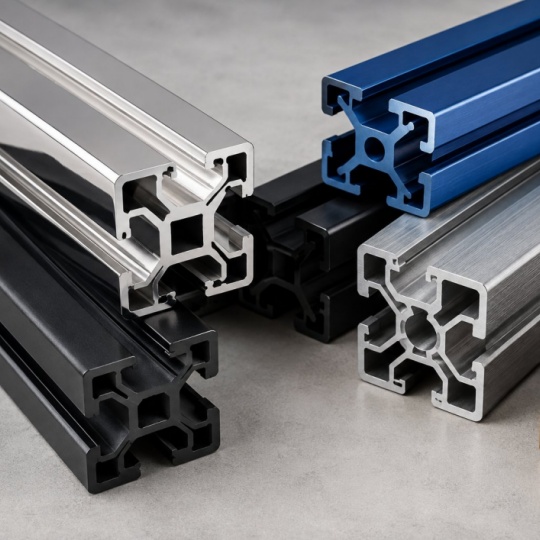
Aluminum Extrusion Finishing Secrets: Match Methods To Your Application Understanding Aluminum Extrusion Finishing and Why It Matters When you think about aluminum extrusions, you might picture the raw, silvery profiles fresh from the press. But here's the thing: that's only half the story. Aluminum extrusion finishing is the critical step that transforms those bare profiles into durable, visually appealing components ready for real-world applications. Without proper finishing, even the most precisely extruded profile won't reach its full potential. In this guide, you'll discover how different aluminum finishes protect your investment and enhance performance. We'll explore anodizing methods, powder coating options, mechanical finishing techniques, and specialized coatings like chromate conversion. By the end, you'll know exactly how to match the right finish to your specific application. What Aluminum Extrusion Finishing Actually Means So what exactly is aluminum extrusion finishing? It refers to any process applied to the surface of an extruded aluminum profile after it leaves the press. This includes both protective treatments and decorative applications. Think of it as the difference between raw ingredients and a finished dish: the finishing process is what makes everything come together. You'll often hear two terms used in this space: metal finish and surface finish. While they're sometimes used interchangeably, there's an important distinction. Metal finish typically describes the physical texture or appearance of the aluminum itself, like brushed or polished surfaces. Surface finish, on the other hand, encompasses the full range of treatments, including chemical processes and coatings that add protective or decorative layers. Understanding this difference helps you communicate more effectively with suppliers and specify exactly what you need. Why Surface Treatment Transforms Raw Profiles Here's something you might not realize: aluminum naturally forms a thin oxide layer when exposed to air. This layer offers some baseline protection against corrosion. However, it's only about 2 to 3 nanometers thick, far too thin to withstand aggressive environments like coastal areas with salt spray, industrial zones with chemical exposure, or regions with extreme temperature swings. That's where aluminum surface finishes step in. These treatments serve a dual purpose: protecting the metal from environmental degradation while achieving specific visual or functional requirements. Whether you need a sleek black anodized look for architectural panels or a tough powder-coated surface for outdoor furniture, the right aluminum finish makes all the difference. Proper finishing can extend an aluminum product's service life by decades while reducing maintenance costs and preserving critical specifications throughout its lifespan. Consider the real-world implications. An unfinished aluminum profile used in a humid coastal environment might show signs of pitting and ...
Read More


 online service
 0086 136 3563 2360
 sales@sxalu.com
 +86 136 3563 2360
 English
 français
 Deutsch
 русский
 español
 português
 العربية
 ไทย
ไทย Việt
Việt Українська