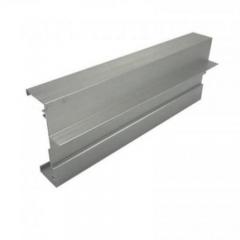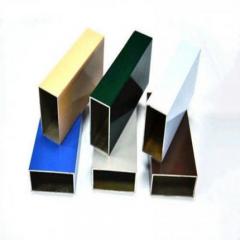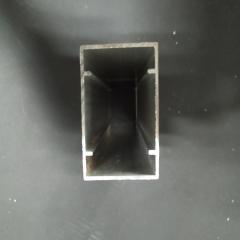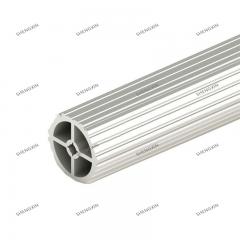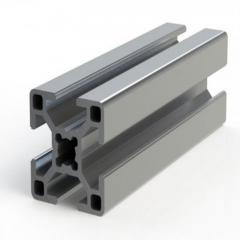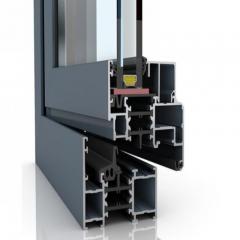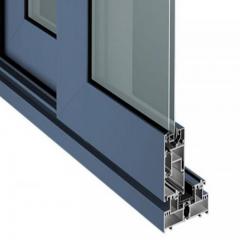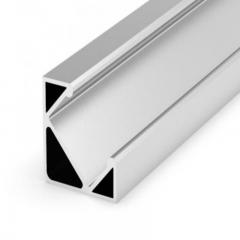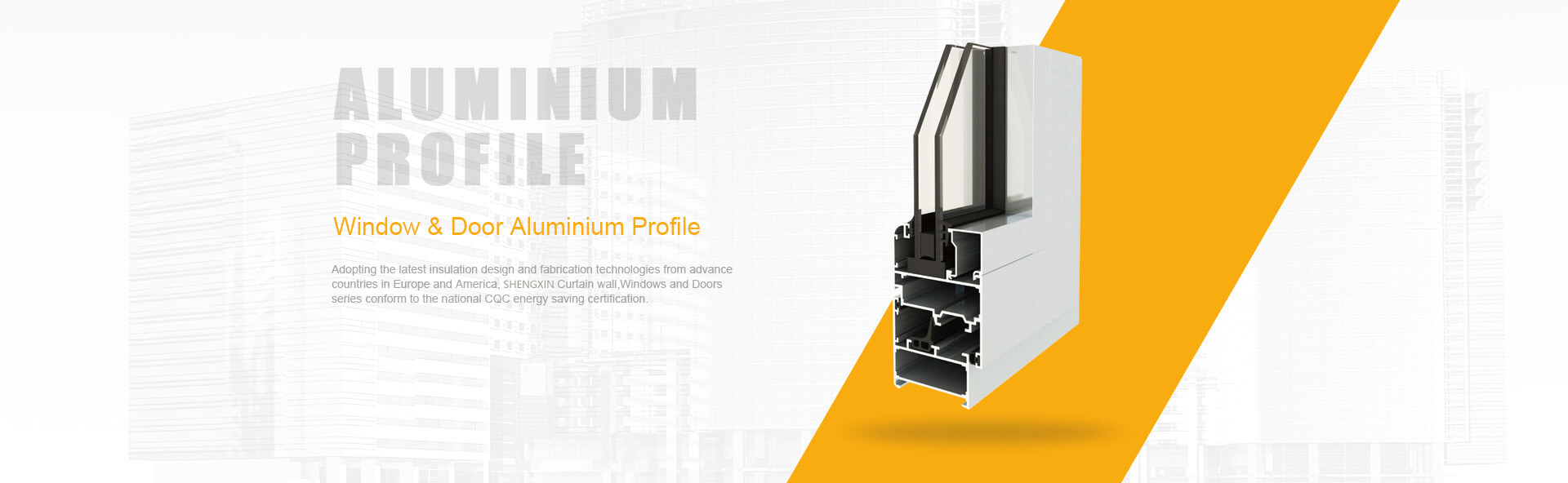
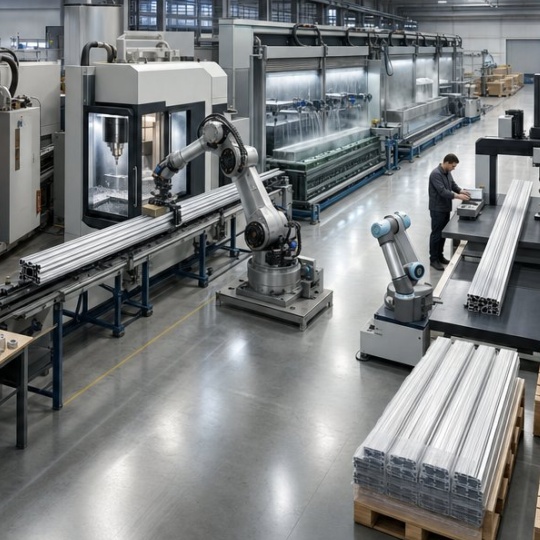
Aluminium Profile Processing: What Drives Cost, Quality And Lead Time What Aluminium Profile Processing Includes People often treat extrusion as the whole story. In practice, it is only one stage in a much longer manufacturing route. That distinction matters when you are comparing cost, quality, and supplier capability. What Aluminium Profile Processing Really Covers Aluminium profile processing is the complete route of turning an aluminium alloy into a usable profile, from design and die planning to extrusion, straightening, cutting, machining, finishing, inspection, and packing. If you are asking, what is aluminum profile, the basic definition is simple: it is a shaped product made from aluminum alloy through the extrusion process, as outlined by Profall. But a finished part usually needs far more than the aluminium extrusion process alone. A broader manufacturing view from Sinoextrud also places design, mould making, machining, surface treatment, quality control, and packaging in the same production chain. How Aluminum Profile Extrusion Fits the Full Production Chain Profile concept, drawing review, and manufacturability planning Die or mould design and trial production Aluminum profile extrusion of the raw alloy into shape Straightening, cutting, and length preparation Secondary operations such as drilling, tapping, or CNC machining Surface treatment, including anodizing or powder coating Inspection, traceability checks, and packaging That is why buyers researching aluminum profile extrusion or comparing profile extrusions should look beyond press capacity alone. Dimensional control, finish quality, and delivery reliability are influenced by decisions made before and after the press line. Even the phrase aluminum extrusions profiles, often used loosely in searches, usually refers to finished components rather than raw mill lengths. Where Profile Extrusions Deliver Practical Value Construction and architecture Transport and automotive applications Equipment, electronics, and thermal management General industrial frames, covers, rails, and assemblies The real production questions start inside the press shop, where billet, die, cooling, and handling choices begin shaping everything that follows. How the Aluminum Extrusion Process Works Inside the press shop, a raw billet becomes a long, usable shape through a controlled sequence rather than a single push through a die. Process outlines from Gabrian and American Douglas Metals show that the aluminum extrusion process includes tooling prep, billet heating, profile handling, cooling, straightening, cutting, and heat treatment before any machining or finishing begins. How Aluminum Extrusion Is Made Step by Step Die preparation. The die is designed for the target cross-section and readied for the press so metal can flow into the intended shape with controlled balance. Billet preheating. The billet is heated until it becomes workable while remaining solid. This helps the material move through the die ...
Read More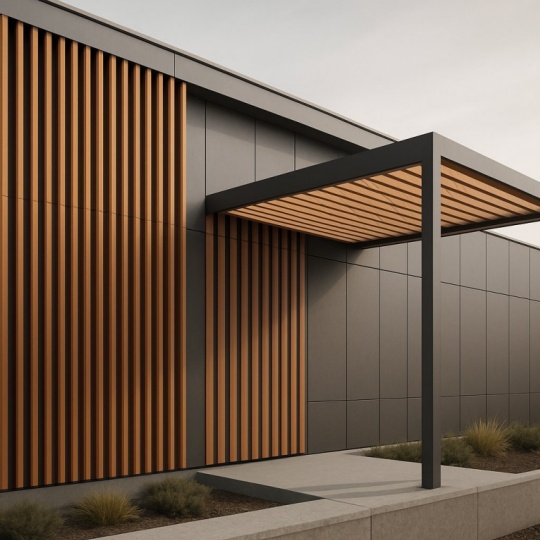
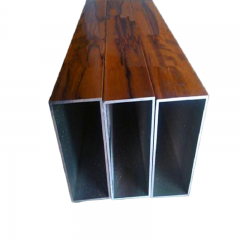
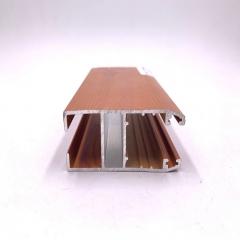
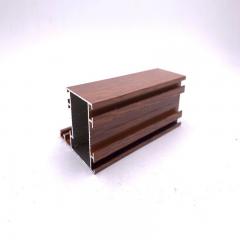
Wood Grain Aluminium Exposed: What Lasts, What Fits, What To Check What wood grain aluminium terms really mean Supplier pages often blur the line between a finish and a product. In most cases, wood grain aluminium is not a separate metal category. It is aluminum with a decorative surface treatment that imitates timber, commonly applied to shaped components such as profiles or battens. Wood grain aluminium usually means aluminum with a wood-look surface treatment. The wood pattern is the finish, while the aluminum remains the base material. What Wood Grain Aluminium Means Definitions published by Sino Extrud describe wood grain aluminum as an aluminium profile finished with heat-transfer film to mimic natural wood. Domadeco uses similar language for timber-effect aluminium battens. That is why buyers will see phrases like wood grain aluminum, aluminum wood, and metal that looks like wood used almost interchangeably. They usually point to the same idea: a wood-look appearance applied to an aluminum substrate. Finish Versus Product Form A simple way to decode supplier language is to separate the look from the shape. Wood grain finish: the decorative layer or transfer that creates the timber pattern. Wood-look aluminium: a broad market label for aluminum that has been finished to resemble wood. Profile or extrusion: the shaped aluminum base that receives the finish, such as a frame, trim, or slat. Batten: typically a narrow extrusion used where linear wood-style detailing is wanted. Sheet or panel listing: a flatter product description that still requires buyers to confirm the actual substrate and system. Common Terms Such as Extrusions Battens and Panels Extrusions and profiles usually refer to shaped sections. Battens are one common profile family. Panels are a broader label and may describe flatter or system-based products sold with the same visual effect. The key takeaway is that wood describes the appearance, not the core metal. That distinction matters because two items can look similar online yet be built through different finishing routes, which affects consistency, texture, and where each product fits best. How wood look aluminum finishes are made The timber effect does not come from the metal itself. It comes from a finishing sequence, and that sequence has a big influence on how realistic the surface looks and how well it performs outside. When buyers compare wood look aluminum products, the smarter question is not just which pattern is available. It is also how that pattern was created. Powder Coating as the Foundation In many systems, powder coating is the base layer. It provides the background color, corrosion protection, and the coating film that later receives the decorative image. Linetec describes its wood-grain process as a combination of specialty powders, inks, and films. Published process guidance from XtraMetal shows a typical metal base coat at about 60 to 80 microns, cured around 180 to 200 C. That foundation matters. If prep...
Read More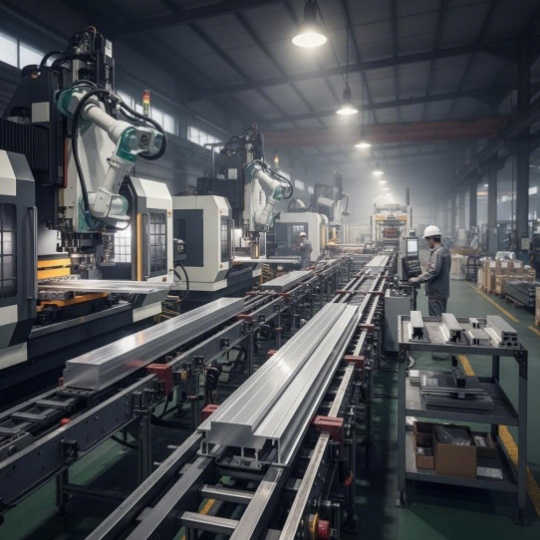
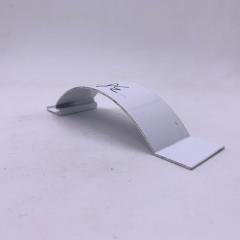
Fabricated Aluminum Extrusions: From Raw Profile To Finished Part What Are Fabricated Aluminum Extrusions When you order raw aluminum extrusion profiles, you receive long, uniform shapes that still need cutting, drilling, and finishing before they can serve any practical purpose. Fabricated aluminum extrusions, on the other hand, arrive ready to install. These are finished components that have undergone secondary operations—transforming basic extruded shapes into precision-engineered parts tailored to your exact specifications. Think of it this way: extrusion creates the raw material, while fabrication turns that material into a solution. This distinction matters because it directly impacts your project timeline, labor costs, and final product quality. From Raw Profile to Finished Component The journey from raw aluminum profiles to custom aluminum products involves a series of value-adding processes. After the initial extrusion—where heated aluminum is pushed through a die to create specific cross-sectional shapes—the real customization begins. Secondary operations like precision cutting, CNC machining, drilling, bending, welding, and surface finishing transform these basic shapes into components ready for immediate assembly. Consider a curved aluminum extrusion destined for an architectural facade. The raw profile emerges straight from the press, but fabrication bends it to precise radii, cuts it to length, drills mounting holes, and applies a durable anodized finish. What arrives at your facility isn't just aluminum—it's a purpose-built component. This integrated approach eliminates the need for in-house machining capabilities and reduces handling between multiple suppliers. You receive fabricated aluminum that slots directly into your assembly process. The Fabrication Difference Explained Why do engineers and procurement professionals increasingly specify fabricated extrusions over raw profiles or alternative manufacturing methods? The answer lies in three compelling advantages: Weight savings: Aluminum weighs approximately one-third as much as steel, making it ideal for transportation, aerospace, and any application where reducing mass improves performance or lowers shipping costs. This lightweight nature doesn't sacrifice strength—aluminum extrusion profiles can be engineered with varying wall thicknesses and internal reinforcement precisely where needed. Natural corrosion resistance: Unlike steel, aluminum doesn't rust. Its surface naturally forms a protective oxide layer, which can be enhanced through anodizing or other finishing processes. This inherent protection reduces long-term maintenance costs and extends component lifespan. Design flexibility: Bespoke aluminium profiles can incorporate complex geometries in a single piece, eliminating joints and fasteners that could loosen or leak over time. Combined with fabrication capabilities, designers gain tremendous freedom to optimize both form and function. Fabrication adds value beyond ba...
Read More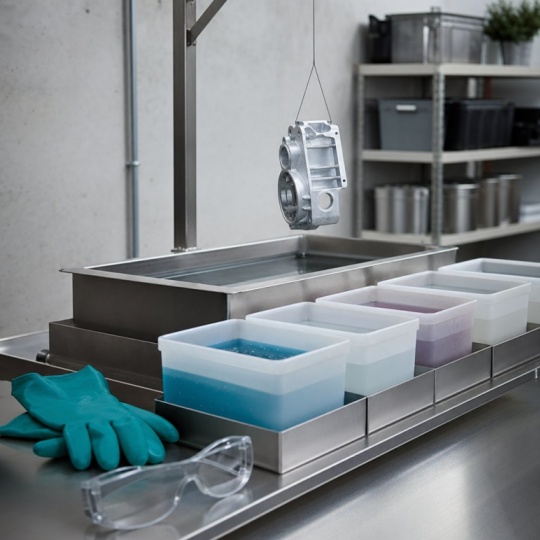
How to Anodize Aluminum Without Blotches, Burns, or Guesswork How to Anodize Aluminum Starts With Alloy and Finish Choice If you are learning how to anodize aluminum, the first decision is not the power supply or the chemicals. It is the metal itself. If you have ever asked what is anodizing or what is anodized aluminum, the short answer is this: anodization is a controlled electrochemical process that thickens aluminum's natural oxide layer. That oxide becomes more protective, more wear-resistant, electrically insulating, and porous enough to hold dye before sealing. At a basic level, how do you anodize aluminum? You clean the part, place it in an electrolyte as the anode, and use direct current to grow oxide on the surface, as outlined by Xometry. What Anodizing Does to Aluminum The finish is not paint sitting on top. It is part of the aluminum surface itself. For many decorative jobs, sulfuric acid anodizing is the most common route, and the Aluminum Anodizers Council notes that it typically produces a colorless, transparent coating on most alloys. That matters because success usually looks like a clean, even metallic appearance, not a perfectly identical color across every part. Check Alloy Suitability Before You Start Not every alloy reacts the same way. Xometry notes that 5xxx, 6xxx, and 7xxx alloys are generally the best candidates. Cast, machined, sheet, and extrusion parts can all be anodized, but appearance, dye uptake, and consistency still shift with alloy composition and surface condition. Even slight composition differences can change the final look, which is why anodization should be planned around the substrate first, not the dye chart. Choose Clear or Dyed Finish Goals Treat this as a process-control choice, not a color gamble. Clear decorative finishes aim for a transparent silver-gray look. Dyed decorative finishes use the porous oxide to add color. Wear-focused industrial finishes, such as thicker hardcoat styles, prioritize durability and abrasion resistance over bright cosmetics. Poor alloy choice often shows up later as dull tone, weak color, or mismatched parts. Finish goal Likely visual result DIY suitability When to shift to professional processing Clear decorative Transparent silver-gray, may vary by alloy Good for simple parts with realistic expectations When color match, gloss control, or batch consistency matter Dyed decorative Color in the oxide pores, but shade can drift Possible for small parts and test pieces When brand color, repeatability, or mixed alloys are involved Wear-focused industrial Usually thicker, darker, or more matte Less forgiving at home When hardness, thickness control, or demanding service life matter The finish goal is set. Whether you can hit it safely and repeatably depends on the workspace, the tanks, the power, and the handling discipline built before the first part ever touches a bath. How to Anodize Aluminum at Home With a Safe Setup A good finish starts long before the power supply turn...
Read More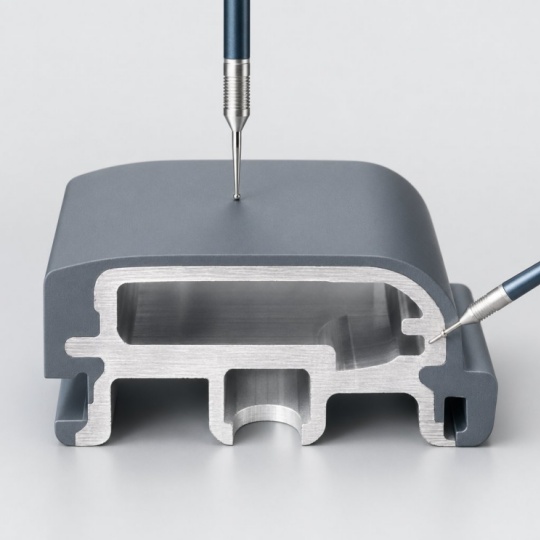
Is Anodized Aluminum Conductive? Don’t Spec It Blind Is Anodized Aluminum Conductive at the Surface? Yes and no. If you are asking is anodized aluminum conductive, the practical answer is this: the surface is usually non-conductive, but the aluminum underneath is still conductive metal. That difference matters a lot in real parts, especially when grounding, fastener contact, or electrical continuity is involved. Direct Answer to Is Anodized Aluminum Conductive In most standard applications, anodized aluminum should be treated as electrically insulating at the outer surface. Anodizing thickens aluminum's natural oxide film into a more durable layer. That oxide is aluminum oxide, or alumina, and alumina is widely used as an electrical insulator. Anodized aluminum does not conduct well through its finished surface, even though the base aluminum beneath that layer still conducts electricity. That is why a part can be made from conductive aluminum and still fail a simple continuity check across its anodized exterior. Surface behavior: Usually insulating because the anodic oxide layer blocks electrical contact. Substrate behavior: Still conductive because the core material is aluminum. Design implication: Electrical performance depends on where current must pass, not just what metal the part is made from. Why the Surface Insulates While the Core Conducts Here is the key nuance beginners often miss. Bare aluminum conducts electricity well. But anodizing changes the interface people actually touch, clamp, screw into, or test with a probe. The added oxide behaves more like a thin ceramic skin than exposed metal. Gabrian notes this is why anodized parts have much lower electrical conductivity than untreated aluminum, even though the bulk metal remains unchanged. So, is aluminum oxide conductive? In general, no. It is an insulating material. And what is anodized aluminum, then? It is aluminum whose natural oxide layer has been deliberately thickened through an electrolytic process to improve surface properties like corrosion resistance and wear performance. That simple split, conductive core and insulating skin, answers the search query fast. The more interesting question is how that skin forms, and why manufacturers choose it even when electrical contact may still matter. What Does Anodized Aluminum Mean? That insulating outer skin is not a separate film glued onto the part. It is a controlled oxide layer grown from the aluminum itself. In simple terms, that is what does anodized mean. What Does Anodized Mean What does anodized aluminum mean? It means the part has gone through an electrochemical process that thickens aluminum's natural oxide into a tougher surface. Xometry describes anodizing as a way to make that oxide layer thicker and more ordered, while Geomiq notes that the finish is formed from the aluminum substrate itself rather than applied like paint or plating. That distinction explains why anodizing is so widely used. The oxide layer helps impr...
Read More


 online service
 0086 136 3563 2360
 sales@sxalu.com
 +86 136 3563 2360
 English
 français
 Deutsch
 русский
 español
 português
 العربية
 ไทย
ไทย Việt
Việt Українська