
Window And Door Hardware Decoded: Stop Buying The Wrong Part What Window and Door Hardware Actually Includes Window and door hardware is the collection of functional parts that helps an opening move, close, lock, stay aligned, and resist air and weather. In simple terms, it is the working equipment behind everyday operation. People often think only of a handle or lock, but the category is broader than that. In Allwin's component overview and Rocky Mountain Hardware's guide, window hardware includes the mechanical and operative pieces such as hinges, handles, locks, latches, fasteners, operators, and rollers. For doors, the same idea applies: the essential working parts, not just the visible trim. What Counts as Window and Door Hardware A useful rule is this: if a part helps the unit function, it belongs in the hardware category. That includes many window parts and door hardware parts that homeowners do not notice until something sticks, sags, or stops locking. Decorative accessories are different. A cover plate, trim piece, or style accent may change the look. Functional hardware does the real work. Some pieces can do both, but appearance alone is not what makes them hardware for windows or doors. Core Jobs Performed by Window Hardware Movement: hinges, rollers, guides, operators, and handles help the unit open and close. Security: locks, latches, and keepers help it stay shut and resist forced entry. Support: hinges, stays, and balancing components help carry weight and hold position. Weather control: locking and closing hardware helps create a tighter seal for comfort and efficiency. How Door and Window Hardware Affects Safety and Comfort Performance is never one-size-fits-all. The right window hardware depends on opening style, frame material, how often the unit is used, and how much moisture, salt, heat, or wind it faces. A crank setup suited to a casement will not solve a problem on a slider. Good hardware for windows also has to match the sash weight, the frame, and the way the unit locks. That is why symptoms can be misleading. A hard-to-open unit, a draft, or a loose handle may involve very different parts depending on whether the opening is casement, sliding, awning, or double-hung. Window Hardware by Opening Style That difference shows up fast once you focus on how the sash moves. A general parts of a window diagram can label the frame, sash, rails, and stiles, but the working hardware changes with the opening style. The same complaint, such as a loose handle or a sash that drifts, points to different parts on a casement than on a slider or a double-hung unit. Marvin's window parts glossary is useful here because it separates style-specific pieces such as operating arms, balances, cam locks, keepers, and sash tilt pins. Casement and Awning Window Hardware Parts Casement and awning windows rely on an operating handle, often called a crank, working with an operating arm. Marvin notes that the arm attaches to the frame and sash, opens and ...
Read More
How To Clean Anodized Aluminum: The Safe Order Most People Miss Step 1: Check the Finish Before You Clean If you are figuring out how to clean anodized aluminum, do not start with a cleaner. Start with a diagnosis. That single step prevents a lot of damage, especially on parts that only look like anodized metal but are actually painted, polished, or bare aluminum. Confirm You Are Cleaning Anodized Aluminum Anodized aluminum has a hardened oxide layer built into the surface, not a coating that peels off. In many cases it looks even, satin-like, and less reflective than bare polished aluminum. Colored anodized finishes also tend to appear integrated into the metal rather than sitting on top like paint. Clear anodizing is trickier because it can resemble untreated metal, which is why visual checks alone are not always enough. Before cleaning anodized aluminum, run through this quick check: Look for a uniform matte or satin finish rather than mirror-like shine Check whether color appears built into the metal, not chipped like paint Avoid judging only one worn edge or machined spot Confirm your cloth, pad, or brush is non-abrasive before touching the visible face Set aside steel wool, harsh scrub pads, and aggressive chemicals Identify Dirt Grease Mineral Spots or Oxidation Not every mark needs the same response. Fingerprints, light soil, greasy film, adhesive residue, hard water spots, outdoor grime, chalky haze, and scratches can look similar at first glance. Anodizing defect patterns also show that fingerprints, water-like stains, white spots, scratches, and corrosion marks may have very different causes. That matters because cleaning removes contamination, but it will not repair a damaged finish. Use the gentlest cleaning step first. Remove loose soil and surface deposits before deciding whether you are dealing with stains, oxidation, or finish wear. Test One Hidden Area First Anyone asking, how do you clean anodized aluminum, should test before committing. Pick an inconspicuous area, apply your mildest method, and check for changes in color, sheen, or texture after drying. Linetec guidance also stresses identifying the finish first and avoiding excessive abrasive rubbing. Some dullness is not dirt at all. It may be weathering, staining, or a worn anodized layer. That distinction shapes every cleaner and tool you use next, which is exactly why cleaner selection matters more than most guides admit. Step 2: Gather Safe Tools and Cleaners Your test spot already proved something important: cleaner choice matters just as much as technique. For anodized surfaces, the best aluminum cleaner is usually the mildest one that actually removes the contamination. If the part maker provides care instructions, follow those first. General cleaning advice is a fallback, not a substitute for product-specific guidance. Choose Soft Tools That Will Not Scratch When people ask what to use to clean aluminum, start with tools that lift dirt without cutting into the finish...
Read More
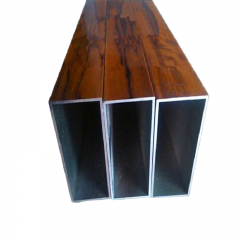
Aluminum Tube Decoded: Stop Costly Spec And Sourcing Errors What Aluminum Tube Means in Practice Before you compare suppliers or scan aluminum tube stock pages, it helps to answer one basic question clearly: what is this material, and why is it used so often? For first-time buyers, that definition prevents costly mix-ups. For technical readers, it sets up the more important decisions around shape, dimensions, and specification language. What Aluminum Tube Is Aluminum tube is a hollow aluminum product, commonly made through extrusion, drawing, or welding, and supplied in shapes such as round, square, or rectangular for lightweight, corrosion-resistant assemblies. In everyday terms, it is aluminum formed into a hollow section instead of a flat sheet, solid bar, or thick plate. A TACO Marine overview notes that tubes can be produced in multiple shapes, including round, square, and rectangular forms, which is one reason aluminum tubes appear across so many industries. You might see a round aluminum tube in rails, frames, or routed systems, while a square aluminum tube may be chosen when a project calls for a different profile. Why Engineers and Buyers Choose It The appeal is practical. Aluminum is widely valued for low weight, corrosion resistance, and a strong strength-to-weight balance. It also accepts paint and decorative finishes well. Continental Steel describes aluminum tubing as durable while being about one-third the weight of steel, which helps explain its popularity in transportation, framing, and general fabrication. The same combination also makes it relevant for marine exposure, recreation products, machine parts, and finish-sensitive work. Choose the profile that matches the job, not just what is in stock. Check the service environment, especially moisture and corrosion exposure. Think about finish needs early, including paint or decorative appearance. Match the hollow form to the assembly, whether it is framing, rails, or routed lines. Confirm whether off-the-shelf aluminum tube stock is enough or a more specific form is needed. Where Aluminum Tube Fits Among Metal Forms Among common metal forms, this product sits in a useful middle ground. It is lighter than a comparable solid section because of its hollow interior, yet it still supports many structural and fabrication tasks. It can serve in frames, racks, fuel and hydraulic line-related systems, marine hardware, and other fabricated assemblies where reduced weight matters. That said, not every hollow product is specified the same way. A round aluminum tube may look similar to pipe at a glance, but the naming, measurement, and quoting logic can differ enough to change the final purchase decision. How Tube Differs From Pipe and Other Forms That look-alike problem causes more quoting mistakes than many buyers expect. Two hollow sections can sit side by side, appear nearly identical, and still be specified in completely different ways. If the language on the drawing is off by just a litt...
Read More
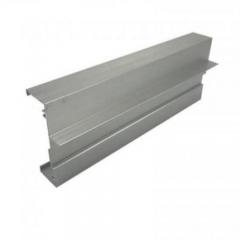
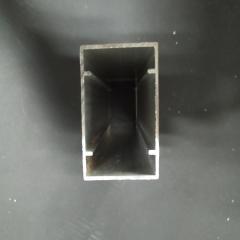
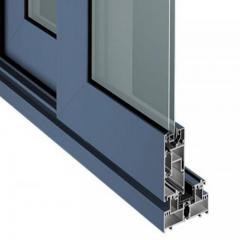
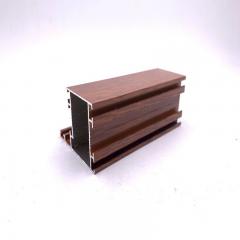
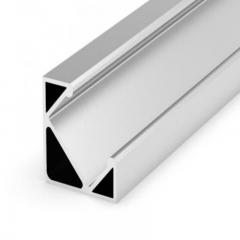
Aluminium Door Profile Red Flags That Cost More Than You Think What an Aluminium Door Profile Really Is Search results often blur one basic distinction. An aluminium door profile is not the whole door unit. It is the extruded aluminum cross-section used to make one or more parts of a door system, such as the fixed frame, the moving sash, the sliding track, or the glass-retaining bead. Confusing the profile with the full assembly is one of the fastest ways to compare the wrong products. Define Aluminium Door Profile in Plain Language An aluminium door profile is an extruded structural shape that forms a specific part of a door system, not the entire assembled door. That terminology is consistent across manufacturer-style references. Casal Aluminium separates the fixed frame from the movable sash, while Fortune Aluminum also distinguishes glazing-retaining parts from the main structural members. Hugh Aluminum describes the profile itself as the extruded cross-section that defines the frame shape. Frame Sash Track and Channel Explained Frame profile: the fixed perimeter member anchored to the wall or opening. Sash profile: the moving member that holds glass or a panel and connects to hinges, rollers, or pivots. Track: the upper or lower rail that guides sliding panels. Channel: a receiving profile, often U-shaped or similar, used for panels, seals, or guided movement. Glazing bead: a small retaining profile, also called a crimp in some catalogs, used to secure glass or infill. Furniture-scale profile: lighter sections used for cabinet, wardrobe, or interior glass doors. Where Door and Window Aluminium Terms Overlap Catalogs often group door and window families together, so searches like window door aluminium or alumi profile doors pull up shared terms such as frame, sash, mullion, bead, and channel. The vocabulary overlaps, but the systems are not identical. A full-size exterior entrance door, a sliding balcony door, and an aluminum door frame profile for a cabinet front may all be aluminum extrusions, yet they are chosen for different loads, infill types, hardware, and environmental exposure. That is why profile selection starts with role, not appearance, and why the opening method matters more than many buyers expect. Profile Types by Opening Method and Use Case A door profile only makes sense when it is tied to how the door opens. Manufacturer references commonly sort aluminum doors into sliding, bifold, hinged, French, and pivot families, while profile references separate fixed frames, moving sashes, glazing beads, and channels. That is why two products can both be called an aluminium door profile and still belong to completely different systems. Guidance from Apro and Casal Aluminium points to the same practical rule: start with the opening method, then identify which profile role you are actually selecting. Hinged Profiles for Entrance and Exterior Doors For a swing door, the decision usually starts with two main members: the fixed frame profi...
Read More
T5 Aluminum Decoded: When It Wins, Where It Fails, What To Spec What T5 Aluminum Actually Means Material callouts can look cryptic at first, especially if you keep seeing 6063-T5 aluminum on quotes or extrusion drawings. The shorthand matters because the letters and numbers describe both what the metal is made of and how it was processed. T5 aluminum is aluminum cooled from an elevated-temperature shaping process and then artificially aged. What T5 Means in Plain Language In the aluminum temper system, T-designations describe heat-treated conditions. Guidance on temper designations defines T5 as material cooled from a high-temperature shaping process and then artificially aged. In plain English, the part comes out of a hot process such as extrusion, cools, and is then aged to raise strength. Alloy tells you the chemistry, such as 6063 or 6061. Temper tells you the condition created by thermal or mechanical treatment, such as T4, T5, or T6. Where T5 Fits in the Temper System A quick t5 t6 comparison helps place it. T4 generally means solution heat treated and naturally aged. A common follow-up question is, what is T6 aluminum? T6 means the alloy was solution heat treated and then artificially aged. T5 skips that full solution heat treatment step, so it often lands in a practical middle ground between easier processing and higher strength. Why T5 Does Not Mean the Same Thing for Every Alloy T5 is not a universal performance grade. Properties depend on the alloy family and the product form, especially in extrusion work. For extruded 6063, the 6063 data sheet lists T4 at 130 MPa ultimate tensile strength and 70 MPa yield, 6063-T5 at 150 MPa ultimate and 110 MPa yield, and T6 at 205 MPa ultimate and 170 MPa yield within the stated thickness ranges. Notes from Engineering Express also highlight lower residual stress and better dimensional stability as common T5 advantages in 6063 extrusions. That is why 6063-T5 aluminum says much more than T5 alone, and why the full designation on a drawing is worth decoding carefully. How to Read Alloy and Temper Callouts A full material callout says more than the temper alone. When a print lists 6063-T5 or 6005-T5, the left side names the alloy and the right side names the condition created by processing. Reading both parts correctly helps buyers, engineers, and fabricators avoid bad assumptions before they ever compare performance. How to Read 6063 T5 and Similar Designations Start from left to right. In 6063-T5, 6063 is the wrought alloy number and T5 is the temper. In the AA system, suppliers may also write AA6063-T5 or AA6005-T5. Some catalogs drop the AA prefix. Others use a space instead of a hyphen. The formatting changes, but the logic does not. Designation Alloy family Temper meaning Common product context What still needs a datasheet check 6063-T5 6xxx wrought aluminum, Mg + Si Cooled from an elevated-temperature shaping process and artificially aged 6xxx extrusion and profile stock Strength by thickness, f...
Read More


 online service
 0086 136 3563 2360
 sales@sxalu.com
 +86 136 3563 2360
 English
 français
 Deutsch
 русский
 español
 português
 العربية
 ไทย
 Việt
 Українська