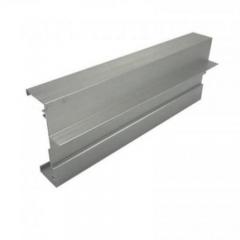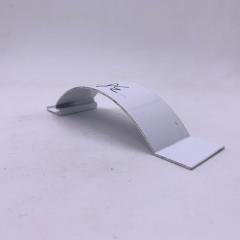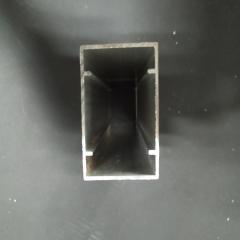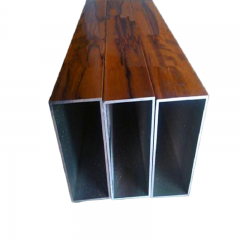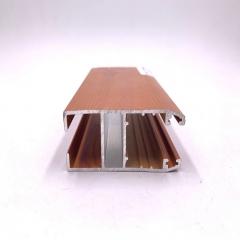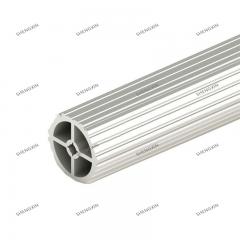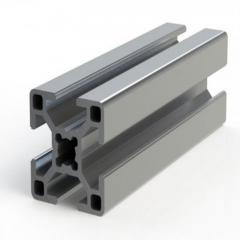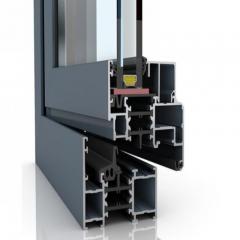

Understanding Trickle Vent Suppliers: Key Concepts What Trickle Vents Are and Why Buildings Need Them Ever noticed those small slotted openings at the top of your window frames? Those are trickle vents, and they play a surprisingly important role in keeping your home healthy. A trickle vent is a small, controllable ventilation opening integrated into windows, doors, or walls. It allows a steady flow of fresh air into a room while letting stale air escape, all without requiring you to open a window fully. These unassuming devices solve a real problem that many homeowners face: moisture buildup, condensation, and poor indoor air quality. When you cook, shower, breathe, or even just have houseplants, you generate water vapour. In older, draughtier homes, this moisture naturally escaped through gaps and cracks. But modern buildings are different, and that difference creates challenges. A well-insulated home keeps heat perfectly inside, but also keeps all the moisture that you and your family produce daily trapped within. Insulation without adequate ventilation is asking for trouble. What Are Trickle Vents and How Do They Work Trickle ventilation works on a beautifully simple principle: air pressure differentials. When there is a difference in air pressure between the inside and outside of your home, air naturally wants to move from the higher-pressure area to the lower-pressure one. Trickle vents create a controlled pathway for this movement. Imagine a narrow slot or aperture positioned in or above your window frame. When outdoor air pressure is higher than indoor pressure, fresh air flows in through the vent. When indoor pressure is higher, stale air flows out. This happens passively, without fans, motors, or any energy input whatsoever. You can adjust the vent's slats to increase or reduce airflow, giving you control over how much ventilation you receive. The result is continuous, low-level background ventilation that maintains indoor air quality without creating uncomfortable draughts. Sometimes called drip vents in windows or background ventilators, these devices typically provide airflow rates between 3,000 to 8,000 mm² equivalent area per vent, depending on the model and application. Why Modern Buildings Need Background Ventilation Here is the paradox of modern construction: the better we build, the more we need deliberate ventilation. Energy-efficient homes with tight building envelopes are excellent at keeping heat in and energy bills down. But they also trap everything else inside, including moisture, odours, and pollutants. Every day, you unconsciously create large quantities of water vapour through breathing, cooking, showering, washing, drying clothes, and even through your plants and pets. In less well-insulated homes, this moisture naturally escapes through natural ventilation via cracks and gaps. But in airtight homes, all that moisture remains trapped. When warm, humid indoor air meets cold surfaces like windows, external walls, or th...
Read More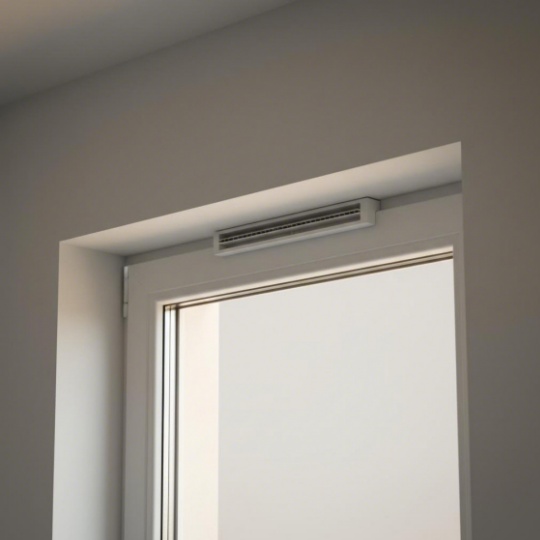
Replacement Window Trickle Vents: What the Regulations Won't Tell You What Trickle Vents Actually Do and Why Replacement Windows Need Them Ever wondered why your installer keeps mentioning those small slots at the top of your new windows? Those are trickle vents, and they play a more important role than most homeowners realise. When you upgrade to modern double or triple glazing, you're not just improving insulation. You're also sealing your home much tighter than before. A trickle vent is a small, controllable opening built into a window frame that allows continuous, low-level airflow into a room without needing to open the window itself. Sounds simple enough, right? But here's what most people miss: window trickle vents serve a completely different purpose than opening your windows. Understanding this distinction is key to making sense of current building regulations. What Is a Trickle Vent and How Does It Work So, what does a vent do in practical terms? Imagine your home as a sealed box. Older windows, with their gaps and imperfect seals, allowed air to trickle in naturally. You probably didn't notice it, but that incidental leakage kept fresh air circulating. When you install modern replacement windows, those gaps disappear. Your home becomes significantly more airtight. This creates a ventilation deficit. Without some form of controlled airflow, moisture builds up, air quality drops, and condensation becomes a real problem. Trickle vents for windows address this by providing a deliberate, controllable pathway for fresh air. They're typically positioned in the window frame's top rail and can be opened or closed as needed. The beauty of trickle vents lies in their passive operation. They don't require electricity or mechanical systems. Air moves through them naturally due to pressure differences between inside and outside your home. Background Ventilation vs Purge Ventilation Explained UK Building Regulations Part F recognises two distinct ventilation modes, and this is where things get interesting: Background ventilation: Continuous, low-level airflow that happens around the clock. This is what trickle vents provide. Think of it as your home breathing gently, all day, every day. Purge ventilation: Rapid air exchange achieved by fully opening windows. This is for clearing out cooking smells, paint fumes, or quickly freshening a stuffy room. Here's the critical point: trickle vents handle background ventilation only. They're not designed to replace openable windows, and they can't deliver the rapid air changes you need for purge ventilation. Both systems work together to keep your indoor environment healthy. When you're getting replacement windows fitted, this distinction matters. Your new windows still need to open for purge ventilation. But they also need trickle vents to maintain that steady background airflow your sealed, energy-efficient home now requires. UK Building Regulations Part F and the Ventilation Hierarchy So you understand what ...
Read More
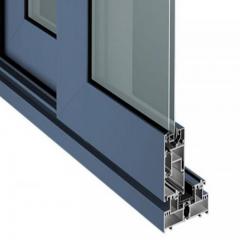
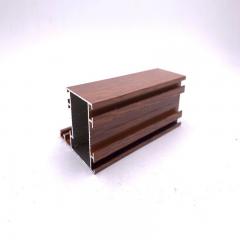
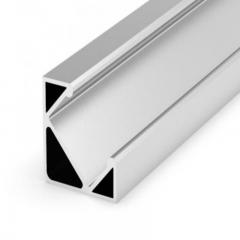
Aluminium Frame Profile Blind Spots Exposed Before You Specify Understanding Aluminium Frame Profile Basics An aluminium frame profile is a shaped aluminum section made to form the outer edge or supporting boundary of a frame. In plain English, it is the piece that creates the perimeter, holds infill such as glass or panels, and often provides places for hardware, seals, or connectors. That is narrower than a general aluminium profile, which can also mean channels, tubes, angles, trim pieces, or other non-framing shapes found across many supplier catalogs. An aluminium frame profile is a framing part first, while a general aluminum profile is any shaped aluminum section. What an Aluminium Frame Profile Really Means If you have searched what is aluminum profile, the answers can feel too broad. A frame profile is easier to picture. It is the member used to build a window surround, a partition edge, a cabinet door frame, or a picture frame. In window systems, window profiles are described as extruded sections that create the outer and inner framework, support glazing, and allow hardware integration. The same logic applies in many other assemblies, even when the shape changes. Profile: the extruded shape itself. Section: the cross-sectional form of that shape. Slot: a groove or channel used for panels, seals, or fastening. Frame member: an individual side or piece of the frame. Connector: a joining part that links members together. Fitting: hardware such as locks, hinges, rollers, or brackets. How It Differs From a General Aluminum Profile A general aluminum profile can be almost any shaped extrusion. In real catalogs, that may include angle, square tube, trim, rail, LED housing, or heat sink products. A frame profile is only one branch within that bigger family of aluminum profiles. So when a listing says aluminum profile or even profile aluminum, you still need to ask one basic question: is this shape meant to form a frame, or just serve another function? How Profile Based Framing Systems Work Some systems rely on modular grooves and fastening points so parts can be joined without welding. The item building kit system explains this through grooves, bore diameters, and compatible fasteners, while aluminum framing guidance highlights the same idea of quick assembly and reconfiguration. In practice, profiles become frames when members, connectors, panels, and fittings are designed to work together. That sounds simple, but catalog language often blurs the lines, which is why sorting the profile families matters next. Mapping Aluminum Profile Systems That broad definition gets messy the moment you open a supplier catalog. Similar shapes may sit under very different labels, and the label usually reflects intended use more than appearance alone. For specifiers, this is where a simple aluminium frame profile turns into a taxonomy problem. Understanding the main families makes it much easier to decode any aluminum profile type listing and compare aluminum p...
Read More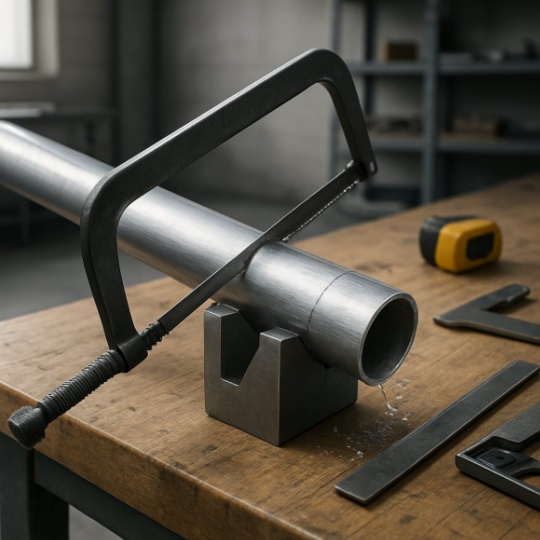
How To Cut Aluminum Pipe So Every Cut Lands Dead Square Step 1: Set up a safe cutting station Good results start before cutting aluminum ever begins. If you want clean cuts and square cuts, treat setup as part of the cut itself. Whether you searched for how to cut aluminum pipe or how to cut aluminium pipe, the first question is the same: are you working with thin-wall stock or heavier structural tube? Thin material can dent or flare if clamped too hard, while thicker tube usually needs firmer workholding and a tool with enough stability to stay on line. A solid bench, clear floor, and proper support do more for accuracy than pushing harder on the blade. Know the pipe before you cut Check the pipe or tube before it touches a tool. Measure the diameter, inspect the surface for damage or debris, and note the wall thickness. Home Depot's prep guide also stresses securing the work and marking around the circumference when possible, which helps produce a straighter, more repeatable cut. Long pieces need extra support so their own weight does not pull the material out of square. Build a stable cutting setup Round stock wants to roll, and even slight movement can turn a neat line into a wandering cut. Set the pipe on a stable workbench, then support both the workpiece and the offcut side with blocks or stands. Clamp close enough to the cut to limit vibration, but not so close that the clamp interferes with the blade or cutter frame. Eye protection, ideally a face shield or safety glasses for chips Hearing protection for saw-based cutting Gloves for handling sharp material, but not near rotating blades Clamps or a vise to stop rolling and shifting Support blocks or stands for long lengths Secure the pipe firmly before cutting, and keep your hands completely out of the blade path at all times. Wear the right protection and avoid common hazards This safety checklist notes the value of eye, hearing, hand, foot, and fitted-clothing protection, along with a clean, well-lit work area. If you wear corrective lenses, safety glasses frames for prescription can make protection easier to use consistently. The same goes for readers who prefer dedicated safety glasses frames for prescription instead of loose over-glasses styles. Keep chips under control, avoid loose sleeves, and never force the cut. The wall thickness you identified here will also narrow down which tool is easiest to control for the next step. Step 2: Best way to cut aluminum by tool type Wall thickness tells you a lot before the first mark is made. It affects how much clamping force the stock can take, how easily the cut stays square, and whether speed helps or hurts. For anyone learning how to cut aluminum pipe, the best way to cut aluminum is usually the method that matches the tube, not the fastest tool on the shelf. Guidance from SWA Forging points to the same core options most shops rely on: hacksaw, tube cutter, miter or chop saw, and bandsaw. Match the tool to wall thickness and cut quality I...
Read More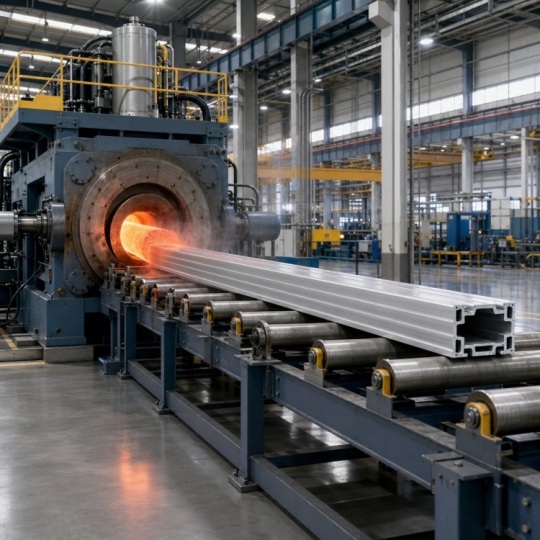
From Billet To Finished Profile: How Aluminum Extrusions Are Made What Is the Aluminum Extrusion Process? If you want the short answer to how aluminum extrusions are made, start with three things: a heated billet, a shaped die, and enough pressure to force solid aluminum into a continuous form. What Is the Aluminum Extrusion Process Aluminum extrusion is a manufacturing process in which a heated aluminum billet is pushed through a steel die so the metal comes out as a long profile with a fixed cross-section. Because the opening in the die stays the same, the shape stays the same too, which makes extrusion ideal for parts such as channels, tubes, frames, angles, and structural members. For readers searching what is aluminum extrusion process, a simple comparison helps. It works a bit like squeezing material through a shaped opening, except the material is aluminum alloy and the force comes from a powerful ram. This aluminum extrusion process explained in plain language also shows why the shape repeats consistently along the full length. How a Billet Becomes a Shaped Profile The billet starts as a solid aluminum log cut to length. It is heated until it is soft enough to flow under pressure without melting, then loaded into the press. A ram pushes the billet forward, the die controls the outline, and the emerging metal becomes the finished profile shape. Some buyers casually call this the aluminum extrusions process, but the core idea is always controlled metal flow through a die. Billet: the aluminum log fed into the press. Die: the tool with the shaped opening. Ram: the press component that applies force. Profile: the extruded shape coming out of the die. Quench: rapid cooling used after extrusion to help control properties. Why Extruded Aluminum Is Used So Widely Extrusion is different from casting, where molten metal is poured into a mold. It also differs from rolling, which reduces metal into simpler forms like sheet, and from machining, which removes material from solid stock. By contrast, the aluminum extrusion process creates near-net shapes with good surface finish and often less follow-up machining. That is why it is so common in window frames, heat sinks, rails, tubes, and structural systems. Simple on the surface, the real precision comes from the tightly managed stages wrapped around the press itself. Aluminum Extrusion Manufacturing Process Steps That simple picture of pushing a billet through a die only works because the line follows a tightly controlled sequence. Think of it as an aluminum extrusion process flow chart in motion. Each step prepares the metal for the next one. In practice, the aluminum extrusion manufacturing process is less like a single press stroke and more like a linked set of aluminum extrusion process steps where heat, pressure, and handling all affect the final profile. Billet Preparation and Preheating The journey starts before the press closes. First, the alloy is chosen to match the job, then the billet is cu...
Read More


 online service
 0086 136 3563 2360
 sales@sxalu.com
 +86 136 3563 2360
 English
 français
 Deutsch
 русский
 español
 português
 العربية
 ไทย
ไทย Việt
Việt Українська