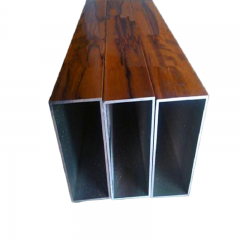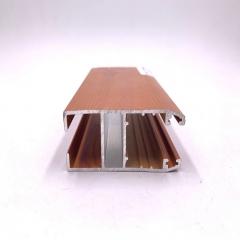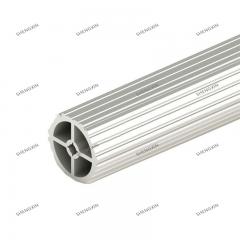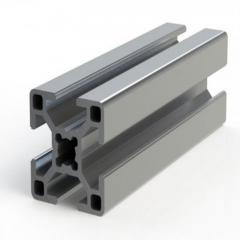
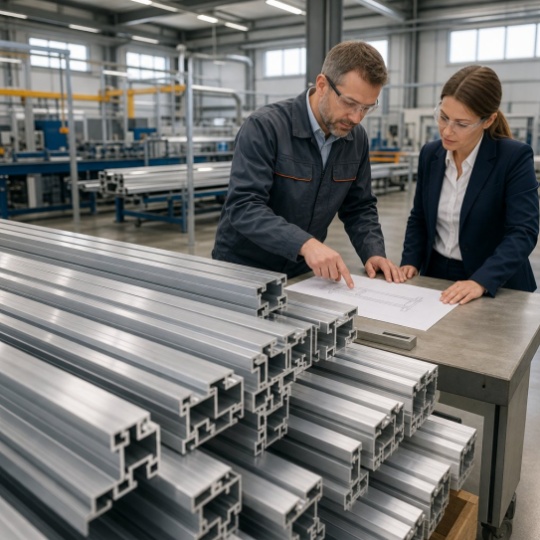
Aluminum Profile Manufacturer Secrets Buyers Need Before Your RFQ What an Aluminum Profile Manufacturer Actually Does An aluminum profile manufacturer turns aluminum into repeatable cross-section parts, then often supports the steps needed to make those profiles usable in real products, from drawing review and tooling to finishing, inspection, and shipment. Buyers often see factories, traders, and online catalogs blended together in search results. That can make an aluminum profile seem like a simple catalog item when it is really a process-driven product. In plain English, a true aluminum profile manufacturer is the source that actually makes the profile, not just a seller that lists it. Material from Okyanus reflects this broader role by highlighting production capability, engineering input, finishing support, and quality control. Core factory functions buyers should expect Drawing review: checking whether the requested section can be extruded and finished reliably. Die or tooling coordination: preparing a new die for custom aluminum extrusions or matching a request to existing tooling. Extrusion: forming the basic shape of aluminum extrusion profiles. Finishing: adding treatments such as anodizing or powder coating when required. Fabrication: services like cutting, CNC machining, drilling, or other machining support. Inspection: confirming dimensions, appearance, and batch consistency before release. Packing and shipment: protecting parts for domestic delivery or export movement. Supplier language often sounds broader than it is. "Factory direct" usually means you are dealing with the production source rather than a reseller. "Custom profile" usually means the section is made with dedicated tooling to your drawing. "Machining support" suggests the supplier can do more than raw aluminum extrusions, but buyers should still confirm which operations are handled in-house and which are outsourced. How this differs from stock sellers and resellers A distributor or directory can help you find products quickly, but it may not control extrusion, finishing, or inspection. Stock items usually mean common shapes such as angles, channels, tubes, and bars, a pattern visible in sourcing guidance from Paramount and standard profile listings from Orange Aluminum. Custom work is different. It starts with design intent and die planning, not shelf inventory. That distinction matters because the same supplier label can hide very different levels of control over tolerances, finish quality, and lead time. An aluminium profile manufacturer may offer far more technical input than a stock seller, but the real value shows up in how each production step is managed. That is where profile quality is shaped, and where smart buyers begin asking sharper questions. How Aluminum Extrusion Becomes a Finished Profile Factory capability becomes much easier to judge when you follow the metal through the line. The extrusion of aluminium is simple in principle, but the finished result...
Read More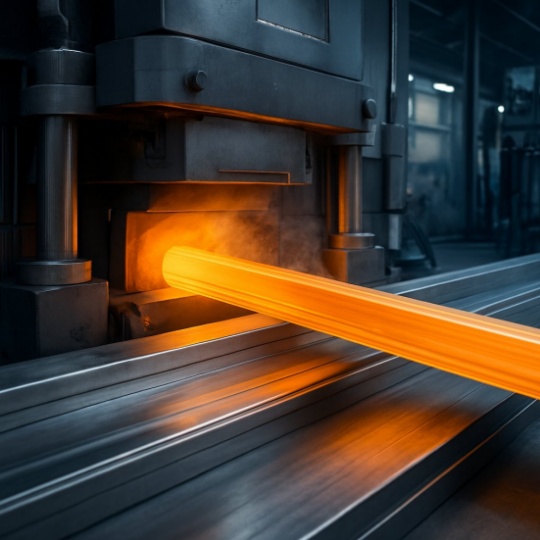
How Does Aluminum Extrusion Work? Why Profiles Succeed Or Fail What Is Aluminum Extrusion in Simple Terms? So, what is aluminum extrusion? In plain English, it is a manufacturing method for making long aluminum parts by pushing a heated billet through a steel die with a specific opening. The aluminum is not melted and poured. Instead, it stays solid, becomes soft enough to deform under pressure, and exits the die as a continuous shape with the same cross-section from end to end. Aluminum extrusion is the process of forcing a heated aluminum billet through a shaped die to produce a long profile with a consistent cross-section. What Aluminum Extrusion Means in Manufacturing The concept is straightforward, but a few terms make the process much easier to follow. A billet is the starting piece of aluminum alloy, usually cylindrical. A die is the hardened tool that gives the metal its shape. A ram is the press component that applies force and pushes the billet forward. The part that comes out is the profile, and one aluminum extrusion profile can later be cut into many finished components. Temper refers to the material condition after cooling and heat treatment, which affects strength and hardness. Billet: the aluminum stock loaded into the press. Die: the tool that forms the cross-section. Ram: the part of the press that supplies the pushing force. Profile: the long, uniform shape produced by extrusion. Temper: the final condition that influences mechanical properties. This is different from casting, where molten aluminum is poured into a mold, and from rolling, where aluminum is compressed into sheet or plate between rollers. Why Aluminum Extrusions Are Used So Widely Manufacturers choose aluminum extrusions because the process can create solid, hollow, and semi-hollow shapes efficiently, often with a smooth surface that works well for later finishing or fabrication. Aluminum is also valued for its low weight, and its natural oxide layer plus optional finishes can support strong corrosion resistance in service. That is why aluminum extrusions are common in window and door frames, heat sinks, machine framing, handrails, enclosures, and solar mounting systems. A well-designed aluminum extrusion profile can deliver repeatable geometry, useful strength, and efficient material use, but those results depend heavily on what happens inside the press, where heat, force, and metal flow start to decide success or failure. Aluminum Extrusion Process Step by Step Inside the Press Success or failure starts before the metal reaches the die. In a real aluminum extrusion process, each stage sets up the next one. If heat, tooling, or loading is off early, the profile can leave the press with poor flow, surface marks, or size variation that later steps can only partly fix. Process map: billet selection -> billet preheat -> die and container setup -> loading -> ram force -> die flow -> runout support. How the Aluminum Extrusion Press Starts the Process...
Read More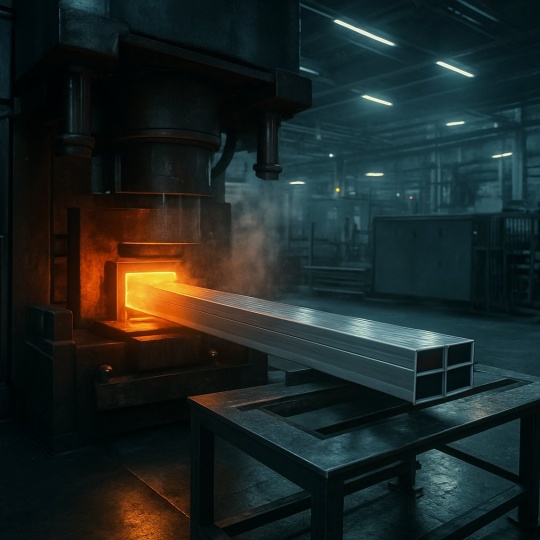
How Aluminum Extrusion Is Made: What Controls Shape, Fit, and Finish What Aluminum Extrusion Actually Means What Is Aluminum Extrusion Aluminum extrusion is the process of pushing a heated aluminum billet through a shaped steel die so the metal comes out as a long part with the same cross-section all along its length. If someone asks what is aluminum extrusion, the short answer is this: it is a practical way to make repeatable aluminum shapes efficiently and at scale. Aluminum extrusion forms a continuous profile by forcing softened, still-solid aluminum through a die opening. How the Aluminum Extrusion Process Works at a High Level Think of a heavy-duty dough press. The billet is the aluminum log fed into the machine. The die is the shaped opening that defines the part. The press is the hydraulic equipment that creates the force. The profile is the finished cross-section that exits the tool. In the process outlined by the AEC, the billet is preheated until it is soft but not molten, then pushed through the die to create an aluminum extrusion profile that keeps the same shape from end to end. Heat the billet. Load it into the press. Force the metal through the die. Guide and cool the emerging shape. Cut, straighten, and age the finished profile. Why Aluminum Extrusions Are Used Across Industries Manufacturers use aluminum extrusions when they need consistent cross-sectional parts for construction components, transport parts, equipment frames, enclosures, and many other products. The process can create simple channels and angles as well as more complex hollow sections, all while keeping the section consistent along the full length. One term worth learning early is extrusion ratio, which compares billet area to profile area and helps explain how difficult a shape is to produce. That detail matters because the final result is not controlled by the press alone. The metal has to start in the right form, and that means the billet and alloy choice deserve a closer look. How Billets and Alloys Shape Custom Aluminum Extrusions Before a profile ever reaches the die, a big part of its future is already decided. The billet is the starting stock prepared for the press, but the alloy inside that billet is what sets the direction for strength, corrosion resistance, surface appearance, and how well the part responds to later processing. In other words, raw material choice is not a background detail. It is one of the first quality decisions in how aluminum extrusion is made. How Aluminum Billets Prepare for Extrusion Extrusion plants do not begin with one universal aluminum grade. They begin with billets made to a defined alloy, because different chemistries flow differently and deliver different results after extrusion. The most common choices come from the 6000 series alloys, which use an aluminum-magnesium-silicon system that combines good extrudability, corrosion resistance, and heat-treatability. That matters right away. Easier-flowing alloys help create thi...
Read More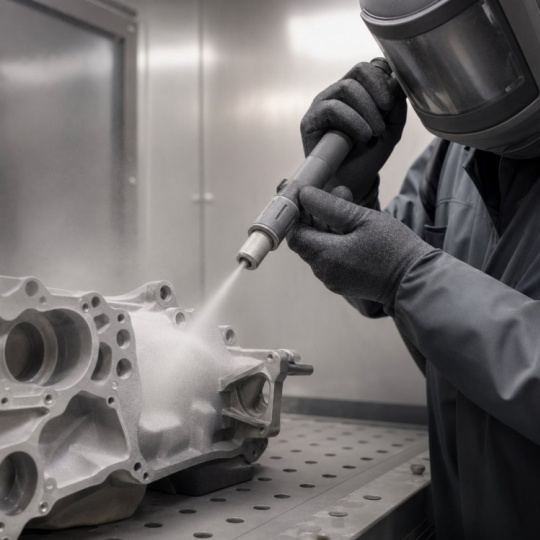
Sandblasted Aluminium: Stop Guessing The Finish, Media, And Method What Sandblasted Aluminium Really Means Sandblasted aluminium is aluminum whose surface has been cleaned, textured, or prepared by blasting it with controlled abrasive media. The goal may be to remove oxidation or old coatings, create a matte finish, smooth minor imperfections, or get the surface ready for painting, powder coating, or anodizing. That simple definition helps, but real-world results vary a lot. In this aluminum sandblasting guide, aluminum is described as softer and more pressure-sensitive than steel. So sandblasting aluminum is less about force and more about control. Media choice, blast pressure, nozzle distance, angle, and dwell time all shape the final look. What Is Sandblasted Aluminium At its core, this is a surface treatment. It can clean a dull part, strip a coating, or leave a uniform satin-to-matte texture. People usually search for sand blasting aluminium because they want one of four outcomes: Cleaning oxidation or grime Removing paint, powder, or other coatings Creating a cosmetic matte finish Preparing the surface for another finish Can You Sandblast Aluminum Without Damage Yes, but only if the process is tuned to the part. Thin sheet, decorative trim, and detailed profiles are easier to damage than thick castings. Too much intensity can cause warping, which means the part bends from heat and force. Overly aggressive media can leave pitting, or tiny craters in the surface. The wrong abrasive can also embed particles into the metal, which may hurt paint adhesion or lead to contamination issues later. Sandblasted Aluminum vs Brushed and Anodized Surfaces Sandblasted aluminum usually has a soft, even matte or satin appearance with no directional grain. Brushed aluminum looks different. It has visible linear lines and a stronger metallic pattern. A selection guide notes that sandblasted anodizing can also hide minor scratches or extrusion marks better, while brushed anodizing makes cross-grain scratches easier to notice. That contrast matters, because the right process starts with the finish you actually want, not the tool you happen to have. Choose the Finish Goal Before You Sandblast Aluminum Many blasting problems start with the wrong first question. People ask which setup is strongest, when the better question is what the aluminum needs to look like and do afterward. The Yajia guide describes abrasive blasting as a way to clean, strip, texture, or prepare aluminum for later finishing. Because aluminum is softer than steel, the target finish should lead every decision. A uniform matte cosmetic surface, a paint-ready profile, and an anodizing-ready surface are not the same job, even if the same machine is used. Choose the Surface Goal Before You Blast Start with the outcome in plain language. Are you removing light oxidation, stripping a failing coating, or trying to create a clean satin look? For paint stripping aluminium boat panels, removal speed matt...
Read More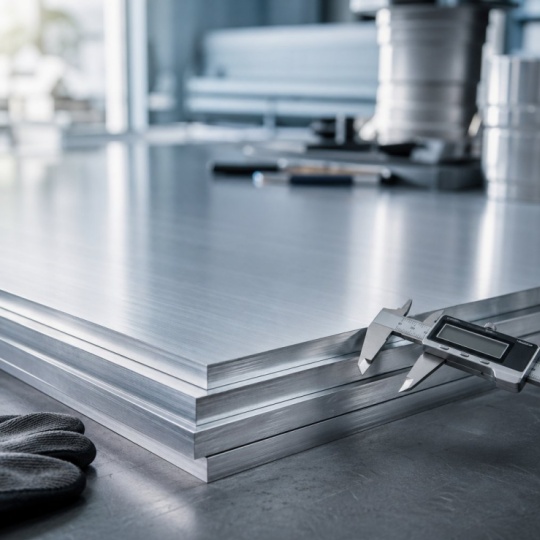
Aluminum Gauge Thickness Decoded: Stop Guessing, Start Specifying Understanding Aluminum Gauge Thickness If you have ever looked at a sheet spec and wondered what 14 gauge or 16 gauge actually means, you are not alone. Aluminum gauge thickness sounds technical, but the idea is simple: gauge is a naming system used to describe sheet thickness. It is a shorthand, not the thickness itself. Aluminum gauge thickness refers to the standard gauge number assigned to an aluminum sheet. In general, a lower gauge number means a thicker sheet, while a higher gauge number means a thinner one. What Aluminum Gauge Thickness Means When people try to define gauge, the easiest way to say it is this: it is an industry label that must be translated into a real measurement such as inches or millimeters. Sources such as RMFG and MakerVerse both present gauge charts that convert those labels into actual thickness values. You may also see gage vs gauge. Both spellings appear in industry use, but gauge is the more common form in general writing. Why Lower Gauge Numbers Are Thicker Here is the part that trips people up: the numbering runs backward. A 10 gauge aluminum sheet is thicker than a 20 gauge sheet. Just as important, the scale is not linear. The difference between two neighboring gauge numbers is not always the same amount of thickness, which is why guessing from memory can cause mistakes. Why Gauge Is Not Universal Across Metals This is where metal gauge thickness gets confusing fast. The same gauge number does not mean the same thickness in every metal. A 16 gauge aluminum sheet is not the same thickness as 16 gauge steel, stainless steel, or galvanized sheet, a point reinforced by All Metals Fabrication. Key takeaway: gauge is material-specific shorthand, so always pair the gauge number with the metal type and confirm the actual thickness. Do not assume one gauge number matches across different metals. Do not treat gauge as a direct unit like inches or millimeters. Do not expect the gauge scale to increase or decrease evenly. Do not rely on gauge alone when a drawing or order can list actual thickness. Those basics clear up most of the confusion. The practical value comes from reading the chart correctly, because that is where shorthand turns into usable numbers. Reading an Aluminum Gauge Chart A chart is where the shorthand turns into something you can actually order, cut, or draw. At first glance, an aluminum gauge chart can look like any other sheet metal gauge chart, but the key move is simple: find the aluminum entry, then read across to the real thickness. How to Read an Aluminum Gauge Chart Each gauge number is only a label. The useful part is the thickness listed beside it in decimal inches and, in many charts, millimeters. For example, 14 gauge aluminum is 0.0641 in, 16 gauge is 0.0508 in, and 18 gauge is 0.0403 in. That is why a gauge size chart should be treated as a lookup tool, not as the spec itself. Some shops also use common inch language such ...
Read More


 online service
 0086 136 3563 2360
 sales@sxalu.com
 +86 136 3563 2360
 English
 français
 Deutsch
 русский
 español
 português
 العربية
 ไทย
ไทย Việt
Việt Українська