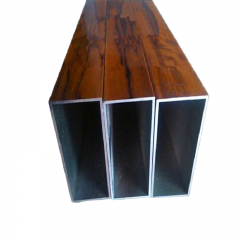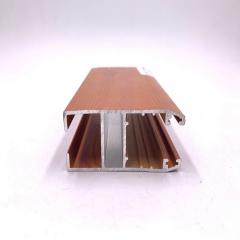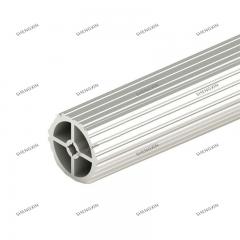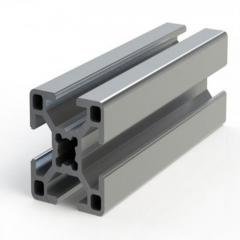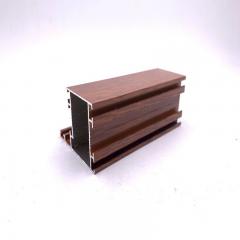

How Are Aluminum Extrusions Made? The Hidden Steps That Decide Quality How the aluminum extrusion process works How are aluminum extrusions made? In simple terms, a solid aluminum billet is heated until it becomes workable, then a powerful ram pushes it through a shaped steel die. The metal comes out as a long profile with the same cross-section as the die opening. After that, it is cooled, straightened, cut to length, and often heat treated or finished for its final use. Aluminum extrusion is the process of forcing heated aluminum alloy through a die to create a continuous shape with a fixed cross-section. What Aluminum Extrusion Means If you are asking what is aluminum extrusion, the short answer is that it is a shaping process. If you are asking what is extrusion more broadly, it means pushing a material through an opening so it takes that opening's shape. With aluminum extrusion, the material stays solid but becomes soft enough under heat and pressure to flow through the die. That also answers common beginner questions like what are aluminum extrusions and what is extruded aluminum. These are long aluminum parts with a consistent cross-section, such as channels, angles, bars, and tubes. If you have wondered what does extruded aluminum mean, it simply means the aluminum was pressure-formed through a die rather than made as a final shape in one cast piece. A Simple Start to Finish Sequence Heat the aluminum billet until it is malleable but still solid. Load the billet into the extrusion press container. Use the ram to push the billet through a precision die. Guide the emerging profile along the runout table. Cool or quench the extrusion. Straighten, cut, and prepare it for later treatment or finishing. Key Terms Every Reader Should Know Billet: the cylindrical aluminum stock used as the starting material. Die: the hardened steel tool whose opening creates the profile shape. Ram: the press component that applies force and pushes the billet forward. Profile: the long extruded shape that exits the die. Quenching: rapid cooling after extrusion to help control shape and properties. The basic sequence is easy to picture, but final quality depends on details most short overviews skip. The process may sound straightforward at first glance. In practice, the billet alloy, die geometry, and press setup can change the result dramatically, even before any metal starts moving. Starting with billet alloy and die design Before an aluminum extrusion press produces a usable shape, the real manufacturing work has already started. The same press can turn out a clean, accurate part or a troublesome one depending on four early decisions: billet condition, alloy choice, die geometry, and setup quality. That is why manufacturability begins long before the ram moves. Billets, Alloys, and Why They Matter Manufacturers use billets because they provide a uniform, semi-finished starting form that loads efficiently into the press container. In extrusion, billets are usually...
Read More
Aluminium Extrusions Before You Order: What Saves Time And Cost What Aluminium Extrusions Actually Are If you are new to this topic, the wording can get confusing fast. People often use aluminium extrusions, profiles, and framing systems as if they mean the same thing. They do not. Getting the terms right early makes drawings, quotes, and product searches much easier. What Aluminium Extrusions Are Aluminium extrusions are shapes made by forcing heated aluminum alloy through a die so the metal comes out with a continuous cross-section. That plain-language definition matches standard industry descriptions used by Hydro and the Eagle Aluminum glossary. In simple terms, think of an aluminum extrusion like squeezing dough through a shaped opening. Whatever shape is cut into the die becomes the shape of the finished part. The result can be solid, hollow, or semi-hollow, depending on the design. Extruded Aluminum Compared With Aluminum Profiles Extruded aluminum refers to material made by the extrusion process. A profile describes the cross-sectional shape itself. That means an aluminium profile is the shape, while extrusion is the manufacturing method. In everyday buying language, though, people often say aluminum profile when they mean an extruded part. The broader term aluminum profiles can also include shapes made by other processes, depending on the catalog or supplier. Framing systems are narrower still. They are usually pre-engineered parts, often T-slot based, designed to work with matching connectors, panels, and accessories. So, not every extrusion is a framing system, and not every profile listing is describing the same thing. Core Terms You Should Know First Billet: The solid aluminum alloy stock, usually cylindrical, that goes into the press. Die: The hardened tool with the opening that forms the shape. Profile: The finished cross-section of the part. Tolerance: The allowed amount of dimensional variation from the target size. Temper: The hardness and strength condition created by thermal or mechanical treatment. Anodizing: An electrochemical finish that creates a durable, corrosion-resistant oxide layer. T-slot: A type of profile with T-shaped grooves used for modular assembly. Those basic terms explain why two parts that look similar on a screen can differ in fit, finish, and function once they are made. The shape is only the start. How the metal moves through the die matters just as much. How the Aluminum Extrusion Process Works The shape on a drawing only tells part of the story. In practice, the route from billet to finished part helps explain why two similar-looking sections can behave very differently in production. That is especially true when buyers compare aluminum extrusion profiles by appearance alone. From Billet to Finished Profile The basic flow described by BOR USA is fairly easy to follow once you strip away the technical jargon. A heated billet is softened, pushed through a shaped die in an aluminum extrusion machine, then...
Read More
Custom Aluminum Profile Choices That Save Cost Before Tooling What a Custom Aluminum Profile Really Means If a project needs more than a basic angle, tube, or channel, a custom aluminum profile enters the picture. In simple terms, it is an extrusion designed around a specific cross-section instead of a pre-made catalog shape. That difference matters early, because geometry influences fit, assembly method, weight, finish quality, and even how easy the part is to source. A custom aluminum profile is an extruded aluminum cross-section made for a defined application, created by pushing heated aluminum billet through a die that matches the required shape. What a Custom Aluminum Profile Is Industry terminology from the AEC glossary defines extrusion as forcing a billet through a die under pressure. In practice, buyers use custom sections when a standard aluminum profile cannot deliver the exact mounting details, voids, wall layout, or visual lines a product needs. Common uses include facades, trims, electrical or electronic enclosures, machine guards, and structural members. How Aluminum Extrusion Profiles Differ From Stock Shapes Stock shapes are standardized and easier to source fast. Custom aluminum extrusion profiles are tailored. Guidance from Eleanor Aluminium highlights the core tradeoff: standard sections favor quick availability and lower setup commitment, while custom geometry gives more design freedom. That makes one aluminum profile type ideal for general framing, and another better for integrated fastening, cleaner appearance, or fewer assembled parts. Many aluminum profiles look similar at first glance, but the right profile type can remove brackets, covers, or machining later. Key takeaway: custom geometry can improve fit, reduce part count, trim weight, and create a cleaner finished look. Essential Extrusion Terms Buyers Should Know Billet: A cut length of extrusion ingot used as the starting material for extrusion. Die: The tool opening that forms the cross-section. Temper: The material condition created by aging and heat treatment history. Quench: Rapid cooling used to help retain desired properties. Hollow profile: A profile whose cross-section fully encloses one or more voids. Circumscribing size: The smallest circle that can fully contain the profile cross-section. Those basics make the later choices easier to evaluate, because the best profile is rarely just about shape alone. Choosing Stock Shapes, Existing Dies, or Full Custom Shape matters, but the buying path often decides whether a project stays agile or gets locked into tooling too soon. For many custom aluminum extrusions, the real question is less about possibility and more about commitment. A stock section, an existing die, and a fully custom aluminum profile can all reach production, but they do not offer the same balance of flexibility, lead time, and design control. Choosing Between Stock Shapes and Custom Extrusions Stock shapes are the practical starting point when a...
Read More
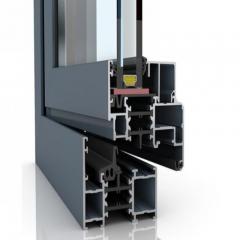
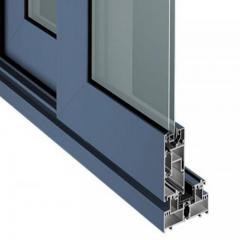
Aluminum Extrusion Window Frame Secrets Your Supplier Won't Tell You Understanding Aluminum Extrusion Window Frames An aluminum extrusion window frame is a structural component manufactured by forcing heated aluminum alloy through a precision-shaped die to create consistent, durable profiles used in residential and commercial window systems. This process delivers exceptional strength-to-weight ratios, corrosion resistance, and design flexibility that other materials simply cannot match. Have you ever wondered why modern buildings increasingly feature sleek, narrow window frames that seem to maximize glass while maintaining structural integrity? The answer lies in the remarkable properties of extruded aluminum. For over 45 years, architects and builders have relied on aluminum frame windows to achieve designs that balance aesthetics, performance, and longevity. What Makes Extruded Aluminum Ideal for Window Frames When you look at an aluminum window frame, you're seeing the result of a material perfectly suited to its purpose. Aluminum's exceptional malleability allows manufacturers to create complex profiles with precise dimensions, while its natural corrosion resistance ensures decades of reliable performance. Unlike bulky alternatives, an extruded aluminum window frame can achieve remarkably slim sightlines without sacrificing strength. This creates more visible glass area, essentially turning your windows into a glass showcase that floods interiors with natural light. The material's inherent durability also means these frames require minimal maintenance compared to wood or vinyl options. "Aluminium window and door profiles are the future of high-end design-led projects. The images of aluminium profiles speak for themselves - they are sharp, crisp, innovative, flexible and modern; everything we are looking for in a glazing framing system." - Vejay Lal, Architect, Unit One Architects Beyond aesthetics, aluminum extrusion offers sustainability advantages that matter increasingly to environmentally conscious builders. According to industry data, aluminum recycling provides energy savings of 95% compared to primary production, with approximately 95% of aluminum products in buildings being collected and recycled during renovations or demolitions. The Science Behind Aluminum Window Frame Manufacturing Imagine squeezing toothpaste through a tube, and you'll understand the basic concept behind aluminum extrusion. Of course, the industrial process is far more sophisticated, but the principle remains the same: forcing material through a shaped opening to create a consistent profile. The aluminum extrusion process begins with a solid aluminum billet, a cylindrical log of aluminum alloy. This billet is heated to between 800°F and 925°F, making it soft and malleable without becoming liquid. The heated billet is then transferred to a powerful hydraulic press. Here's where precision engineering comes into play. The press applies tremendous force, pushing the s...
Read More
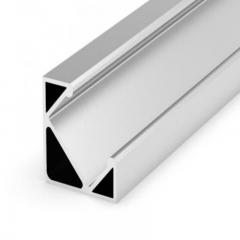
Aluminum Lightbox Extrusion Decoded: From Alloy Grades To Assembly Understanding Aluminum Lightbox Extrusion Fundamentals Ever wondered what gives those sleek, illuminated retail displays their clean lines and brilliant glow? The answer lies in aluminum lightbox extrusion, a specialized manufacturing process that creates the structural backbone for modern signage and display systems. Whether you're walking through a shopping mall, attending a trade show, or passing through an airport terminal, you're surrounded by these illuminated frames that combine functionality with visual appeal. Simply put, aluminum lightbox extrusion refers to precision-engineered aluminum profiles specifically designed to house LED lighting systems and display graphics. These extruded profiles form the structural framework that holds everything together, from the light source to the printed visual. Understanding how these components work together empowers you to make smarter purchasing decisions for your next display project. What Makes Aluminum the Ideal Lightbox Frame Material When you compare materials for illuminated display frames, aluminum stands out for several compelling reasons. First, it's remarkably lightweight. Aluminum has a density of approximately 2.71 g/cm³, making it about one-third the weight of steel. This means easier installation, reduced shipping costs, and less stress on mounting surfaces. But light weight doesn't mean weak. LED aluminum extrusions offer impressive structural rigidity when properly designed. You'll find that quality profiles maintain their shape and integrity even in demanding commercial environments. Here's another advantage you'll appreciate: aluminum naturally resists corrosion. When exposed to air, it forms a thin protective oxide layer that prevents rust and degradation. This makes these frames perfect for both indoor and outdoor applications, requiring minimal maintenance over their lifespan. Unlike steel alternatives that need protective coatings to survive humid or coastal environments, aluminum performs reliably without extra treatments. How Extrusion Technology Creates Precision Profiles Imagine pushing soft clay through a shaped opening to create a consistent form. That's essentially how extrusion technology works, but with solid aluminum heated to a malleable state. During manufacturing, aluminum billets are heated and forced through precision-engineered dies under tremendous pressure. The result? Perfectly consistent cross-sectional shapes that run the entire length of each profile. This process allows light boxes manufacturers to create complex geometries that would be impossible with other fabrication methods. Channels for LED strips, grooves for graphic tensioning systems, and precise mounting features can all be incorporated into a single extruded profile. The consistency you get from extrusion ensures seamless connections at corners and joints, which is critical for achieving that polished, professional appearance....
Read More


 online service
 0086 136 3563 2360
 sales@sxalu.com
 +86 136 3563 2360
 English
 français
 Deutsch
 русский
 español
 português
 العربية
 ไทย
 Việt
 Українська