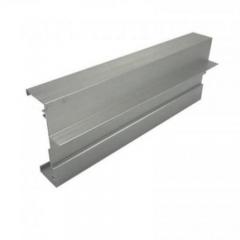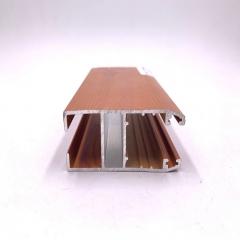
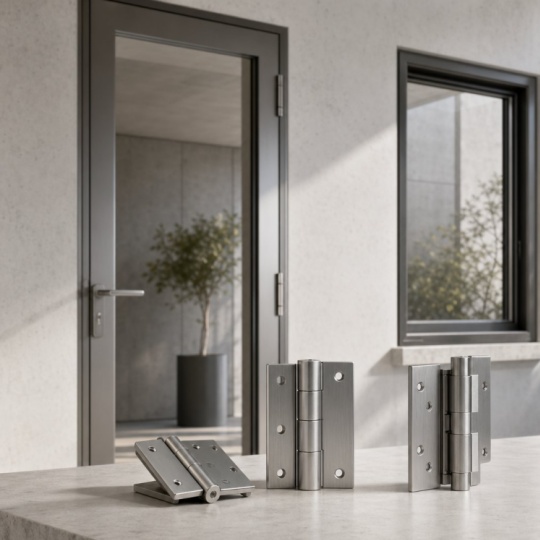
Aluminium Hinge Selection Starts With The Door, Not The Catalog What an Aluminium Hinge Really Is Hardware looks simple until a door sags, scrapes, or refuses to swing cleanly. That is where a basic understanding helps. What an aluminum hinge is and how it works An aluminium hinge is a pivoting connector that joins a door, window, screen, gate, or framed panel to its frame. Two flat parts called leaves fasten to the moving panel and the fixed frame. Their curled edges form the knuckle, and a pin runs through that knuckle so the panel can rotate. Aluminum is often chosen because it is lightweight, corrosion resistant, and easy to finish for a clean architectural look. If you search for an aluminum hinge, aluminum hinges, or aluminium hinges, the core idea is the same. In Made-in-China Insights, aluminum hinges are described as lightweight, rust-resistant, adaptable, and available in anodized or painted finishes, which helps explain their broad use in door and window hardware. Core benefits Good corrosion resistance for many indoor and outdoor settings. Lower weight than many other metal options, which can suit framed openings and make handling easier. Clean visual compatibility with aluminum doors, windows, and modern profiles. Finish flexibility, including anodized or painted surfaces, for different design goals. Common limitations Lower weight does not mean it is the best choice for every heavy or abuse-prone opening. Material alone cannot fix a poor mounting condition or wrong hinge style. Some high-security or impact-heavy applications may call for another material or a different hinge design. Exposure still matters, so finish and environment should never be treated as an afterthought. Where aluminum hinges are commonly used These hinges commonly appear on residential and commercial doors, aluminum-framed windows, screen and storm assemblies, light gates, cabinets, and framed access panels. They are especially appealing where moisture resistance, lower mass, and a neat appearance matter together. Key terms first-time buyers should know Mortise: A recessed cut in the door or frame so the leaf sits flush. Surface mount: A hinge leaf fastened on the face of the door or frame without a deep recess. Continuous hinge: A long hinge that runs along most or all of the opening height. Pin type: The central rod style, such as fixed or removable, that allows the hinge to pivot. Finish: The visible surface treatment that affects appearance and exposure performance. That vocabulary matters because the right choice usually starts with the opening itself. A screen door, a tall entry door, and a framed panel may all use aluminum, but they rarely use the same hinge family. Types of Aluminum Door Hinges by Application That family question matters more than most catalogs admit. A hinge that works beautifully on a storefront door can be the wrong fit for a screen panel, and a gate may need a completely different approach even if the finish looks similar. Choosing ...
Read More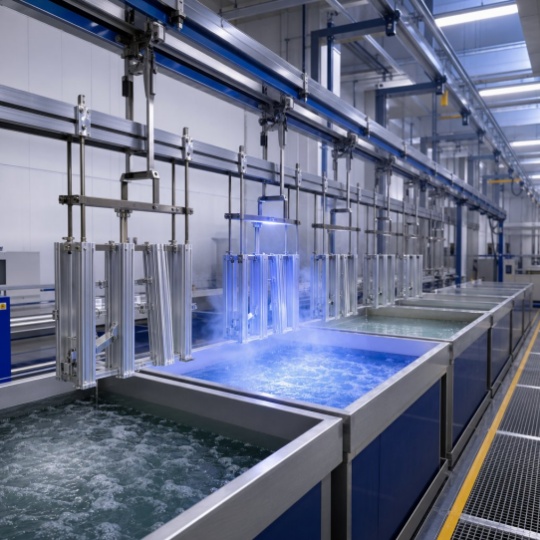
How Is Aluminum Anodized? The Make-Or-Break Steps And Variables How Is Aluminum Anodized? If you are asking how is aluminum anodized, the shortest useful answer is this: aluminum is placed in an acid electrolyte bath and exposed to electric current so its surface grows a controlled oxide layer. That basic idea explains both what is anodizing and why anodized parts behave differently from raw aluminum. Anodizing is an electrochemical conversion process that turns the outer surface of aluminum into a built-in aluminum oxide layer. Guidance from Valence Surface Technologies and its anodizing vs. plating overview makes one point especially clear: the finish is formed from the aluminum itself, not laid on top like paint or plating. That distinction sits at the heart of what is anodized aluminum. What Anodized Aluminum Means So, what does anodized aluminum mean in plain language? It means the metal has been intentionally oxidized in a controlled way to create a tougher, more corrosion-resistant surface. The resulting layer can also support decorative color and improve wear performance. In some applications, it also changes surface electrical behavior because aluminum oxide is much less conductive than bare metal. Why Anodizing Is Not Just a Surface Coating People often ask what is anodized and assume it is just coated aluminum. It is not. Paint, powder coating, and plating add a separate material onto the surface. Anodizing converts the surface into an anodic oxide structure that is integrated with the base metal, which helps explain its strong adhesion and resistance to chipping or peeling. Key benefits: better corrosion resistance, improved wear resistance, color options, metallic appearance, and low-maintenance durability. Tradeoffs: finish results depend heavily on alloy, preparation, and process control, and some anodized layers are more decorative than impact-tough. Common misconceptions: anodized aluminum does not get its protection from paint, and it does not mean the part is immune to all damage or all forms of corrosion. That is the meaning. The real quality difference shows up in the line itself, where cleaning, pretreatment, oxide growth, coloring, and sealing each shape the final result. How to Anodize Aluminum Step by Step Meaning matters, but the finish is shaped on the line. If someone asks how do you anodize aluminum in real production, the answer is not simply put it in one tank. The anodizing process is a controlled sequence of baths, rinses, and checks that takes a part from raw aluminum to a sealed surface. Guidance from AluConsult and Bonnell Aluminum points to the same lesson: each stage prepares the metal for the next, and poor rinsing discipline can carry contamination forward. From Raw Aluminum to Anodized Surface For readers searching how to anodize aluminum, the practical route usually looks like this: Clean and degrease the part to remove oils, fingerprints, and shop residue. Rinse thoroughly so cleaner does not conta...
Read More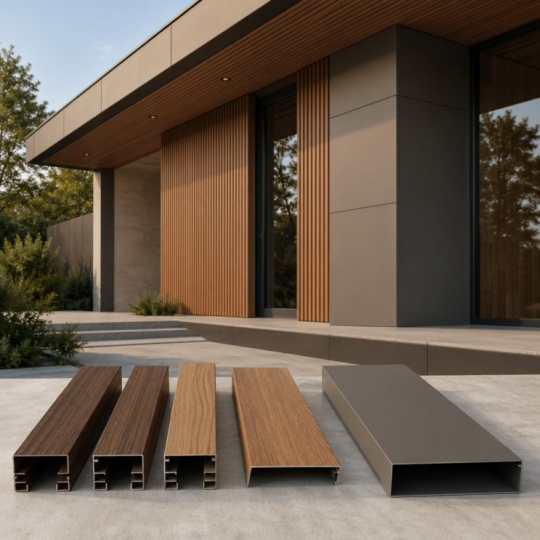
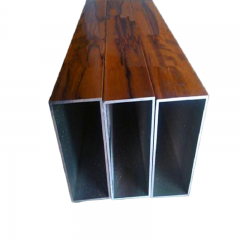
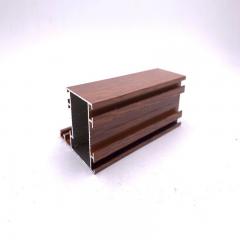
Wood Grain Aluminum Decoded Before You Buy The Wrong Finish What Wood Grain Aluminum Really Is At first glance, this material can be confusing. Some products are marketed as wood look aluminum, some as aluminum that looks like wood, and others as wood-effect metal. Those phrases overlap, but they do not always describe the same finish quality or process. What Wood Grain Aluminum Actually Means Wood grain aluminum is aluminum, usually a profile or panel, finished with a decorative wood pattern so it looks like timber while keeping the core properties of metal. In industry usage, the term usually refers to aluminum that receives a wood-pattern surface treatment rather than solid-color paint alone. Reference material from SinoExtrud describes it as an aluminum profile finished with heat-transfer film to imitate natural wood texture and appearance. Arexco similarly explains that wood-finish aluminium is created through a specialized finishing process, not by simply painting on a brown color. How It Differs From Real Wood and Plain Coated Metal Real wood is organic. It has natural variation, real depth, and true grain. It can also absorb moisture, warp, crack, split, or rot in demanding conditions. Aluminum with a wood finish is different. The base material is still metal, so you are buying wood appearance, not wood substance. It also differs from standard painted aluminum. Plain coated metal usually has a solid, uniform color. Wood grain aluminum adds pattern, tonal variation, and a more timber-like visual effect. Generic wood-look coatings sit in a broader category. Some are quite realistic. Others are simply printed or painted to resemble wood from a distance. That is why finish method matters, not just marketing language. Quick benefits: lower maintenance than real wood, better resistance to rot and pests, and a warm architectural look. Quick limitations: it is not authentic timber, close-up realism varies by supplier, and damage to the decorative layer is not the same as refinishing real wood. Key Terms Buyers Should Know Wood grain aluminum: the most common category term for aluminum with a timber-style pattern. Wood look aluminum: a casual search phrase that usually points to the same idea. Aluminum that looks like wood: plain-language wording often used by homeowners and first-time buyers. Wood-effect coating: a broad label that may include several finishing methods and quality levels. That distinction matters because two products can look similar in photos but be built very differently. The finish itself deserves a closer look, especially once layers, curing, and transfer methods enter the picture. How a Wood Grain Finish Is Made The warm timber look people notice first is only the top layer. Under that look is a manufacturing sequence of forming, cleaning, coating, transferring, curing, and checking. That is why a true wood grain finish is different from simply spraying aluminum brown. In practice, most systems described by industry guides u...
Read More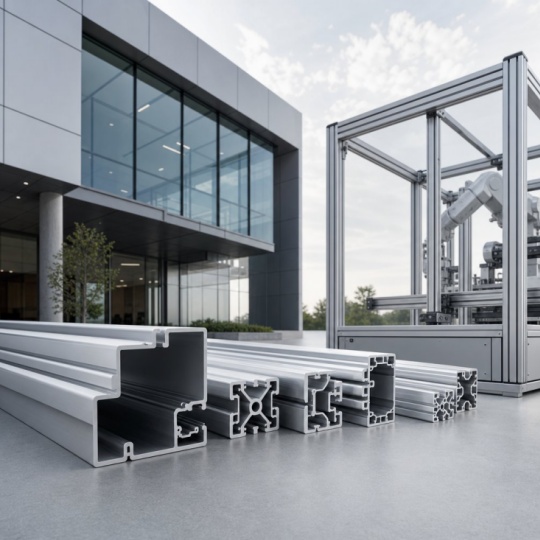
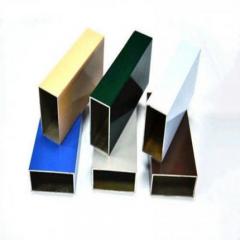
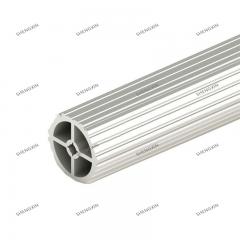
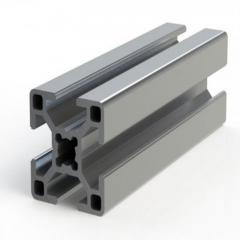
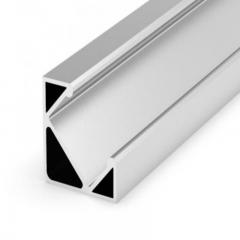
What Are Aluminum Extrusions? The Plain-English Path To Smarter Buying What Are Aluminum Extrusions in Plain English? If you have ever looked at a window frame, machine guard, heat sink, or rail and wondered what is extruded aluminum, the short answer is simple: it is aluminum that has been shaped into a long, consistent profile. Manufacturing guides from Flexi Profiles, JIH-I, and JM Aluminium all describe the same core idea: heated aluminum alloy is pushed through a shaped die to create a long part with the same cross-section from end to end. What Aluminum Extrusions Are in Plain English Aluminum extrusions are finished aluminum profiles made by forcing heated alloy through a shaped opening, so the metal comes out in a continuous, repeatable form. That distinction matters. What is aluminum extrusion? It is the manufacturing process. What are aluminum extrusions? They are the actual products that come out of that process, such as channels, tubes, angles, frames, and custom sections. In everyday terms, think of squeezing soft material through a shaped tip. The opening controls the shape, and the material comes out with that profile all along its length. So when someone asks what is aluminum extrusion, they may mean the method, while a buyer asking what are aluminum extrusions usually wants to understand the parts themselves. Why Extruded Profiles Are So Widely Used Lightweight strength: aluminum offers a strong strength-to-weight balance, which helps reduce load without giving up durability. Repeatable shapes: extrusion produces long profiles with a consistent cross-section, useful for systems, frames, and assemblies. Corrosion resistance: aluminum naturally forms a protective oxide layer, making it a solid choice for indoor and outdoor use. Design flexibility: simple trims and more intricate profiles can both be made with the same basic approach. Finish options: extruded profiles can also be cut, machined, anodized, coated, or otherwise refined for structural or visual goals. That mix of practicality and flexibility is why extrusions show up in both industrial equipment and polished architectural work. The language around them, though, gets technical fast, and a few basic shop-floor terms make the rest of the conversation much easier to follow. A Short Glossary to Define Aluminum Extrusion Terms Supplier conversations get clearer fast when a few shop terms stop sounding mysterious. For readers asking what is extrusion, what are extrusions, or trying to define aluminum extrusion in buyer-friendly language, this mini glossary does the heavy lifting. Common usage below follows the extrusion glossary from Eagle Aluminum, but the explanations are translated into plain English. Essential Extrusion Terms Decoded Term Plain-English Meaning Billet The solid piece of aluminum alloy loaded into the press as raw material. Die The hardened tool with the opening that gives the aluminum its cross-section. Profile The finished cross-sectional shape that comes o...
Read More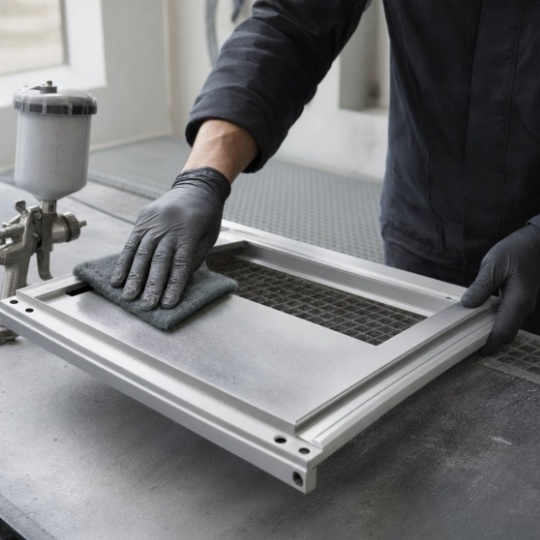
Can You Paint Anodized Aluminum? The Adhesion Fix Most Miss Can You Paint Anodized Aluminum? Short Answer and What Painting Over Anodizing Really Means Yes, anodized aluminum can be painted. The real issue is not whether paint can go on it, but whether it will stay there. If the oxide layer is heavily sealed, contaminated, or too smooth, paint may sit on the surface instead of bonding to it. Guidance from Products Finishing and this practical TheDieCasting guide points to the same conclusion: adhesion depends far more on surface condition and prep than on the topcoat alone. Yes, you can paint over anodized aluminum, but long-term success depends mostly on surface condition, sealing, and prep quality. Anodizing is an electrochemical treatment that builds a protective oxide layer on aluminum. In plain language, it makes the surface tougher and more corrosion-resistant. It also changes how coatings stick. So when people ask can you paint anodized aluminum, can anodized aluminum be painted, or can you paint over anodized aluminum, the honest answer is yes, but only if the surface is truly paint-ready. Why Some Painted Finishes Last and Others Peel Durable finishes usually get the basics right. Failed ones usually miss at least one. A slick sealed surface, residue from cleaners or sealing agents, or a mismatched primer can all undermine an anodised paint finish before the part ever sees weather, handling, or abrasion. Thorough cleaning that removes oils, dust, and residues Enough abrasion to give primer a mechanical grip Compatible primer and topcoat systems for anodized or non-ferrous metal What This Guide Helps You Decide Before You Start This is a decision-first guide, not a generic how-to. If you are a DIY reader repainting trim or a commercial buyer planning a repeatable finish for fabricated parts, you need to know whether painting makes sense, what risks the existing anodized layer creates, and what an anodised paint system needs to bond well. Much of that answer starts in the oxide layer itself, where surface chemistry and sealing quietly decide whether a finish holds or peels. Why Coating Anodized Aluminum Behaves Differently Paint failure on anodized aluminum usually starts below the paint film. Bare aluminum already forms a very thin natural oxide in air, measured in nanometers, but anodizing uses electric current to grow that oxide into a much thicker engineered layer. Research discussed by Finishing & Coating shows that anodic aluminum oxide is not just metal with color on it. It is a distinct surface with its own structure, pore pattern, and chemical sites. That is why coating anodized aluminum behaves differently from coating bare sheet or raw extrusion. How the Anodic Oxide Layer Changes the Surface Many decorative finishes, including what buyers often call clear anodized aluminium, are built on a porous oxide structure rather than smooth exposed metal. On unsealed anodized surfaces, those pores and charged sites can help later org...
Read More


 online service
 0086 136 3563 2360
 sales@sxalu.com
 +86 136 3563 2360
 English
 français
 Deutsch
 русский
 español
 português
 العربية
 ไทย
ไทย Việt
Việt Українська