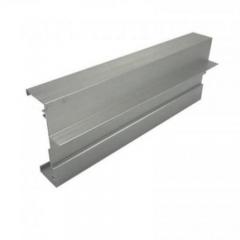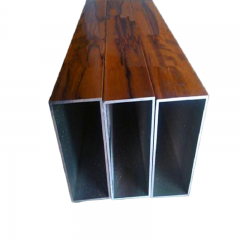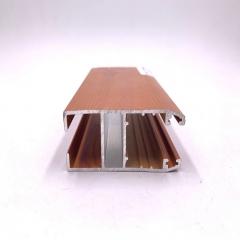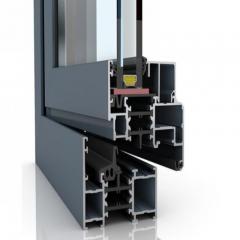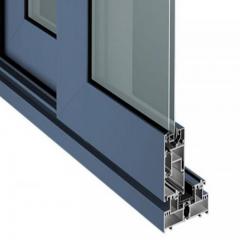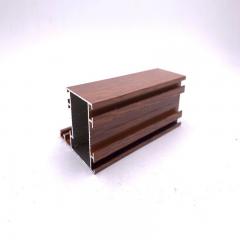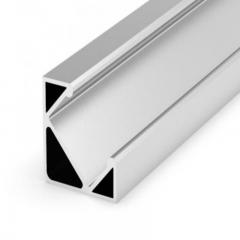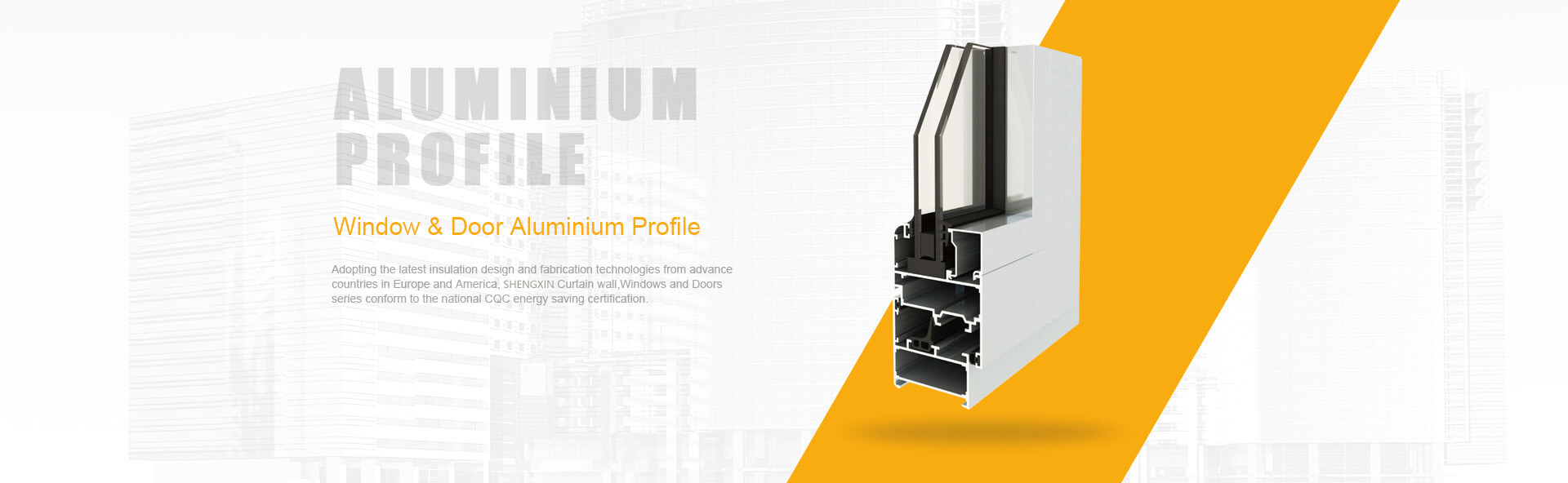
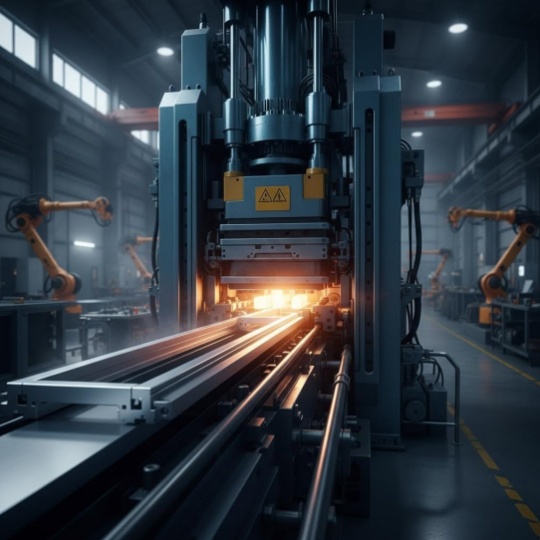
Aluminum Window Frame Extrusion: From Alloy Selection To Installation What Is Aluminum Window Frame Extrusion Ever wondered how those sleek, precisely shaped aluminum window frames come into existence? The answer lies in a fascinating manufacturing process called aluminum window frame extrusion. This technique transforms raw aluminum into the sophisticated profiles that frame millions of windows worldwide, delivering unmatched consistency and design possibilities. At its core, aluminum extrusion involves forcing heated aluminum billets through specially designed dies to create specific cross-sectional shapes. Think of it like squeezing toothpaste through a tube, except the "tube" opening is engineered to produce exact window frame profiles. This method allows manufacturers to create everything from simple rectangular frames to complex multi-chambered designs with remarkable precision. How Aluminum Becomes Your Window Frame The journey from raw aluminum to a finished extruded aluminum window frame involves several carefully controlled stages. Each step plays a critical role in determining the final product's quality, structural integrity, and performance characteristics. Here are the key stages in the aluminum extrusion process: Billet Preparation: Cylindrical aluminum logs (billets) are cut to specific lengths based on the desired profile and order requirements Heating: Billets are preheated to temperatures between 750-925°F (400-500°C), making the aluminum malleable enough to flow through the die Extrusion: A powerful hydraulic ram pushes the heated billet through a precision-engineered steel die, forming the window frame profile Cooling: The emerging profile is cooled using air or water quenching to stabilize its shape and begin the strengthening process Finishing: Profiles undergo stretching, cutting, heat treatment, and surface finishing to meet final specifications The Extrusion Process Explained What makes this manufacturing method so dominant in modern fenestration? The answer comes down to three compelling advantages. Dimensional Consistency: When you're installing dozens or hundreds of windows in a commercial building, every aluminum window frame must be identical. Extrusion delivers this consistency because each profile emerges from the same die under controlled conditions. Tolerances can be held to fractions of a millimeter across entire production runs. Design Flexibility: The extruded frame can incorporate complex geometries in a single piece. Channels for hardware, drainage pathways, thermal break cavities, and glazing pockets can all be integrated into one unified profile. This eliminates assembly steps and potential weak points found in fabricated alternatives. Material Efficiency: Unlike machining, which removes material to create shapes, extrusion uses nearly all the aluminum that enters the process. Scrap rates are minimal, and any excess material is fully recyclable. For architects and builders evaluating aluminum extrusions f...
Read More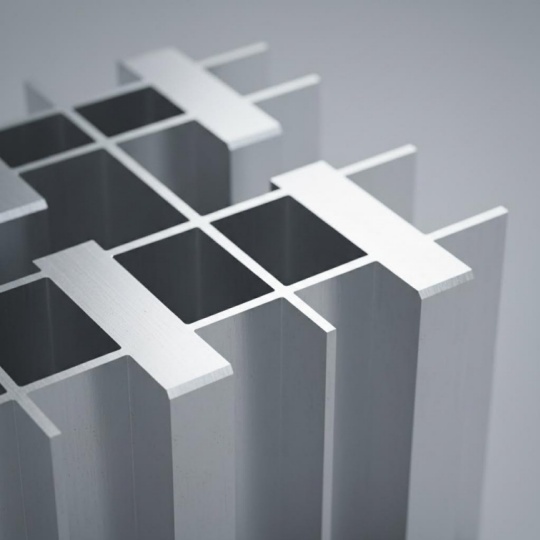
Clear Anodized Aluminum Extrusions: Why Alloy Choice Makes Or Breaks Your Finish What Are Clear Anodized Aluminum Extrusions Ever wondered how aluminum profiles maintain that sleek, metallic appearance while standing up to years of wear and harsh environments? The answer lies in a fascinating electrochemical transformation called clear anodizing. Unlike paint or powder coating that simply sits on top of the metal, this process actually converts the aluminum surface into a transparent, ceramic-like protective layer. Clear anodized aluminum extrusions are aluminum profiles that have undergone an electrochemical process to grow a hard, transparent layer of aluminum oxide (Al₂O₃) directly from the metal surface—creating protection that becomes an integral part of the material itself rather than an applied coating. This distinction matters more than you might think. Because the oxide layer grows from the aluminum rather than being applied to it, the finish won't chip, peel, or flake like conventional coatings. You're essentially looking at aluminum that has transformed its outer surface into a durable ceramic shield while keeping its natural metallic beauty fully visible. What Makes Clear Anodizing Different from Other Finishes When you compare anodized aluminum extrusions to alternatives, the differences become immediately apparent. Mill finish aluminum—the raw state straight from the extrusion press—relies only on a naturally occurring oxide layer that's extremely thin and easily damaged. It offers minimal protection against scratches, corrosion, and environmental exposure. Clear anodized aluminium takes a fundamentally different approach. Through controlled electrochemical processing, the protective oxide layer grows to thicknesses typically ranging from 5 to 25 micrometers—dramatically thicker than what nature provides. This enhanced layer delivers: Superior corrosion resistance that can withstand 336+ hours of salt-spray testing Hardness levels approaching ceramic materials for scratch protection UV stability that prevents fading or degradation from sunlight A non-conductive surface ideal for electrical applications Colored anodizing, including popular options like bronze anodized aluminum, uses the same basic process but adds pigments into the porous oxide structure before sealing. While visually striking, clear finishes preserve the authentic aluminum aesthetic that architects and designers often prefer. The Natural Aluminum Look with Enhanced Protection Imagine having the best of both worlds—the clean, modern appearance of natural aluminum combined with protection that can last 20 to 50 years or more. That's exactly what clear anodizing delivers. The transparent oxide layer allows the base metal's texture and character to show through while adding a uniform silver or light gray tone that enhances visual appeal. The final appearance depends on pre-treatment steps. You can achieve anything from a bright, reflective finish through polishing to a ...
Read More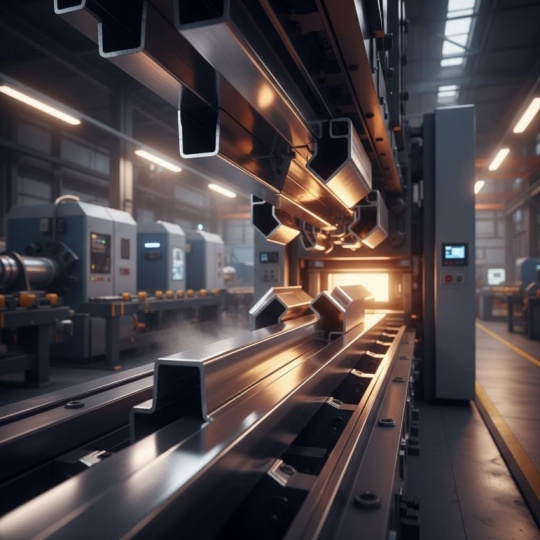
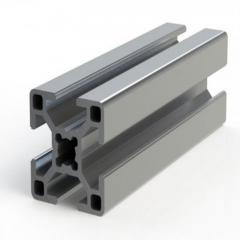
Custom 6105 Aluminum Extrusions: Why Engineers Choose This Alloy Understanding 6105 Aluminum Alloy Fundamentals When you're searching for the perfect aluminum alloy for your next project, the options can feel overwhelming. With over 110 registered alloys in the 6xxx series alone, how do you know which one delivers the ideal balance of performance and manufacturability? For many engineers and procurement specialists, the answer is 6105 aluminum—a heat-treatable alloy that has quietly become a go-to choice for custom aluminum extrusions requiring both structural integrity and design flexibility. So what exactly is 6105 aluminum? It's a wrought alloy belonging to the aluminum-magnesium-silicon family, commonly known as the 6000 series. This alloy is specifically designed for extrusion processes, meaning it's engineered to flow smoothly through dies to create complex cross-sectional shapes. The result? Custom extruded aluminum profiles that meet demanding specifications without sacrificing surface quality or mechanical performance. What Makes 6105 Aluminum Unique Imagine needing the surface finish quality of 6063 but with significantly higher mechanical strength. That's precisely where 6105 shines. According to Alfiniti, this alloy offers "a blend of 6063 surface finish with higher mechanical strength for durable architectural profiles." This combination makes it exceptionally valuable for precision extrusion applications where appearance matters just as much as structural performance. The primary alloying elements that give 6105 its distinctive properties include: Magnesium (Mg) – Enhances strength and enables heat treatability Silicon (Si) – Improves extrudability and contributes to corrosion resistance; 6105 contains more silicon than similar alloys like 6061 Trace elements – Including iron, copper, manganese, chromium, zinc, and titanium in controlled amounts to fine-tune performance characteristics What truly sets 6105 apart from its 6xxx siblings is its reduced sensitivity to quenching—the rapid cooling process after extrusion. This characteristic means aluminum extrusion companies can produce high-performance aluminum extrusions for industrial applications with greater consistency and fewer defects. The 6xxx Series Family Tree Understanding where 6105 fits within the broader 6xxx family helps explain why engineers specifically seek it out. The 6xxx series is defined by its magnesium and silicon content, which makes these alloys heat-treatable. As the Aluminum Extruders Council explains, increasing magnesium and silicon levels generally boosts strength—but there's a trade-off. Higher-strength alloys often become more difficult to extrude, driving up costs and limiting design possibilities. 6105 aluminum occupies a sweet spot in this family tree. It extrudes more easily than stronger alloys like 6061, yet delivers mechanical properties that exceed the highly extrudable 6063. This balance is exactly why engineers working on ladders, handrail tubi...
Read More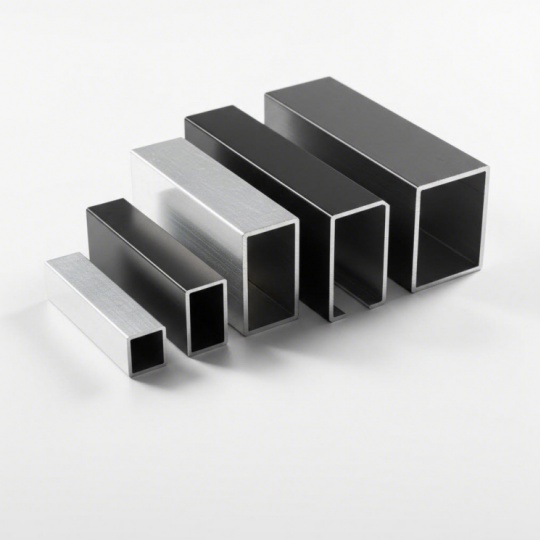
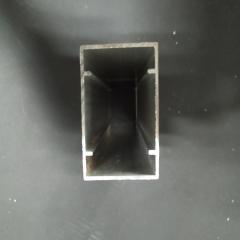
Aluminum Extrusion U Channel: 6061 vs 6063 Alloys Decoded What Is an Aluminum Extrusion U Channel When you're working on a construction project, designing custom furniture, or building an electronics enclosure, you'll likely encounter a versatile component that quietly holds everything together: the aluminum extrusion U channel. But what exactly is this profile, and why has it become a go-to solution across so many industries? An aluminum extrusion U channel is a structural profile with a distinctive U-shaped cross-section, manufactured by forcing heated aluminum billets through a precision-engineered die to create continuous, uniform lengths ideal for framing, edge protection, and mounting applications. This u shaped metal profile offers a perfect combination of strength, lightweight construction, and corrosion resistance—making it invaluable for both professional contractors and DIY enthusiasts alike. Let's explore how these profiles come to life and what makes extruded aluminum such an exceptional material choice. How Aluminum U Channels Are Made The manufacturing process behind an aluminum u channel is surprisingly elegant. Imagine pushing soft material through a cookie cutter, except the "material" is heated aluminum and the "cutter" is a precision-machined steel die. Here's how the extrusion process unfolds: Die preparation: A U-shaped die is preheated to 450-500°C to ensure even metal flow and maximize the die's lifespan. Billet heating: Cylindrical aluminum billets are heated in an oven to 400-500°C, making them malleable but not molten. Extrusion: A hydraulic ram applies up to 15,000 tons of pressure, forcing the softened aluminum through the die opening. Cooling: The emerging profile undergoes "quenching" via water bath or fans to cool evenly and maintain dimensional stability. Straightening: Stretchers correct any twists in the aluminum extruded profile, ensuring it meets precise specifications. Cutting and aging: Profiles are cut to standard lengths (typically 8-21 feet) and heat-treated to achieve the desired temper. This process allows manufacturers to create aluminum channel profiles with incredibly tight tolerances, complex geometries, and consistent quality throughout the entire length. Key Properties of Extruded Aluminum Profiles Why choose extruded aluminum over steel or plastic alternatives? The answer lies in aluminum's unique combination of properties that make it a "triple threat" for designers and engineers: Exceptional strength-to-weight ratio: Aluminum u-channel profiles are approximately one-third the weight of steel while maintaining impressive structural integrity. Natural corrosion resistance: Aluminum forms a protective oxide layer that shields it from environmental degradation—perfect for outdoor applications. High malleability: The extrusion process allows for complex shapes and precise dimensions that would be difficult or impossible with other metals. Excellent thermal and electrical conductivity: These properti...
Read More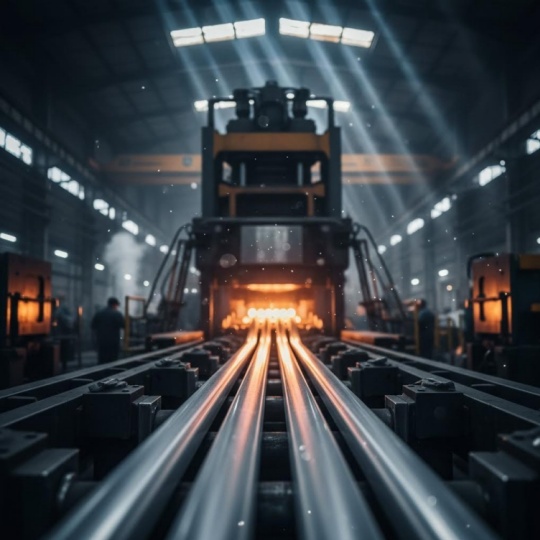
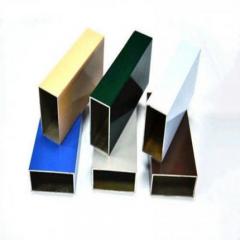
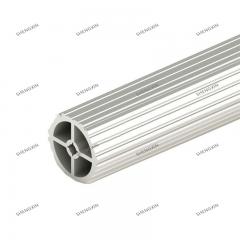
Aluminum Extrusion Tubing Decoded: Alloys, Shapes, And Sourcing Secrets What Is Aluminum Extrusion Tubing and How Is It Made Aluminum extrusion tubing refers to hollow, tubular profiles created by forcing heated aluminum alloy through a specially designed die. Unlike rolled or welded aluminum tubes, extruded aluminum tubing emerges as a seamless, one-piece profile with exceptional dimensional consistency. This manufacturing approach allows for precise wall thicknesses, uniform cross-sections, and complex hollow shapes that other fabrication methods simply cannot match. Sounds complex? Imagine squeezing toothpaste through a tube opening. The paste takes the exact shape of that opening as it exits. Aluminum extrusion works on the same principle—except you're working with softened metal and hydraulic presses capable of exerting up to 15,000 tons of pressure. How Aluminum Extrusion Creates Precision Tubing The tube extrusion process relies on specialized tooling called a hollow die. When creating an aluminum extrusion tube, the die contains both an outer opening that forms the tube's exterior diameter and an internal "mandrel" that shapes the hollow interior. As the heated aluminum flows through the die, it separates around the mandrel supports, then welds back together under immense pressure to form a seamless tubular profile. This al extrusion method produces superior results compared to welded tubing because there are no seams or joints that could compromise structural integrity. The extruded tube maintains uniform wall thickness throughout its length, ensuring consistent performance in demanding applications. From Billet to Finished Tube: The Manufacturing Journey The aluminum extrusion process follows a carefully controlled sequence that transforms raw material into precision tubing. Here's how extrusion aluminum manufacturers bring your tubing to life: Billet Preparation: The process begins with a cylindrical aluminum alloy billet cut from a larger log of material. Heating: Both the billet and die are preheated—the billet to 400-500°C (700-930°F), making it malleable but not molten, while the die reaches 450-500°C to ensure even metal flow. Extrusion: A hydraulic ram pushes the softened billet through the die opening, and the aluminum tubing emerges fully formed on the other side. Cooling (Quenching): The hot profile is rapidly cooled using fans or water baths to lock in its shape and begin developing mechanical properties. Stretching: The cooled extrusion is mechanically stretched to straighten any twists and bring it within dimensional specifications. Cutting: Finally, the extruded aluminum is cut to standard or custom lengths, typically between 8-21 feet. What makes this process remarkable is its repeatability. Once the die is created, manufacturers can produce thousands of identical aluminum tubing profiles with tight tolerances. Each extruded tube matches the next, which is why industries from aerospace to architecture rely on this method ...
Read More


 online service
 0086 136 3563 2360
 sales@sxalu.com
 +86 136 3563 2360
 English
 français
 Deutsch
 русский
 español
 português
 العربية
 ไทย
ไทย Việt
Việt Українська