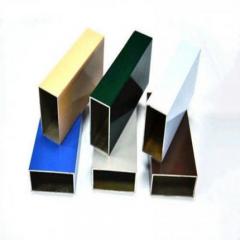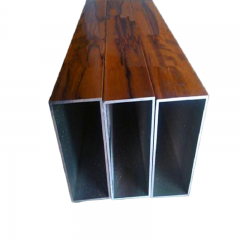
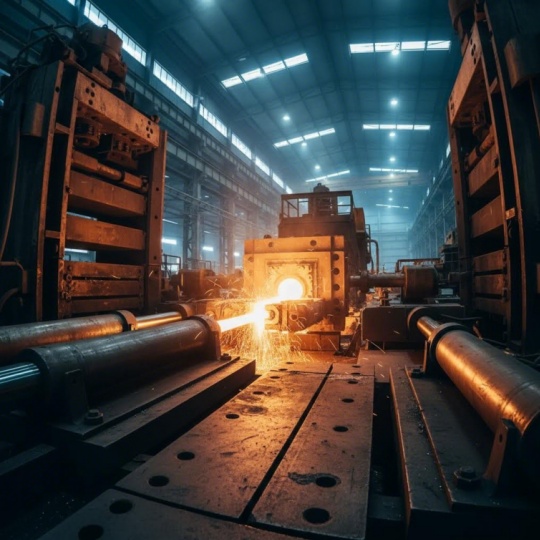
Extrusion Aluminum Prices Decoded: From Raw Alloy To Final Quote Understanding Extrusion Aluminum Prices and Why They Matter Whether you're sourcing materials for a construction project, manufacturing custom components, or selling scrap metal, extrusion aluminum prices directly impact your bottom line. But here's the thing—these prices aren't as straightforward as checking a single number on a commodity chart. They represent a complex interplay of raw material costs, manufacturing processes, market forces, and even global trade policies. Unlike commodities such as stainless steel price quotations that follow relatively predictable patterns, aluminum extrusion pricing operates on multiple levels. You need to understand both what you'll pay for new extruded aluminum and what your scrap will be worth at the end of its useful life. This dual perspective is something most buyers overlook, yet it's essential for calculating true project costs. What Drives Aluminum Extrusion Pricing Raw material costs form the foundation of every aluminum extrusion quote you receive. According to industry data, raw materials typically account for more than half of operating expenses in aluminum extrusion processing. The cost of aluminum itself has fluctuated between $1,500 and $3,500 per metric ton in recent years, creating significant price variability for end users. The London Metal Exchange (LME) aluminum benchmark serves as the starting point for virtually all extrusion pricing worldwide. Every quote you receive—whether for new profiles or scrap value—traces back to this global reference point. Beyond base metal costs, you're also paying for manufacturing complexity. Energy expenses alone can drive dramatic price shifts, since aluminum smelting requires approximately 13-15 megawatt-hours of electricity per ton. This makes it one of the most energy-intensive industrial processes, with power costs representing nearly 40% of total production expenses. The Two Sides of Extrusion Value Think of aluminum extrusion pricing as a lifecycle equation. On one side, you have the price of aluminum per pound when purchasing new profiles—currently hovering around $1.17 per pound before regional premiums. On the other side sits the aluminum scrap price you'll recover when recycling, which can range from $0.45 to over $1.20 per pound depending on grade and cleanliness. This recycling value matters more than most buyers realize. Premium alloy grades like 6063 and 6061—the workhorses of the aluminum extrusion industry—command higher prices both at purchase and at the scrap yard. Clean 6063 extrusions can fetch prices exceeding $1.21 per pound in favorable market conditions, potentially recovering a significant portion of your original investment. Market dynamics add another layer of complexity. Trade tariffs, currency fluctuations, and regional surcharges all influence what you'll actually pay. For instance, the Midwest Premium—a regional surcharge added to LME prices—reached $0.77 per...
Read More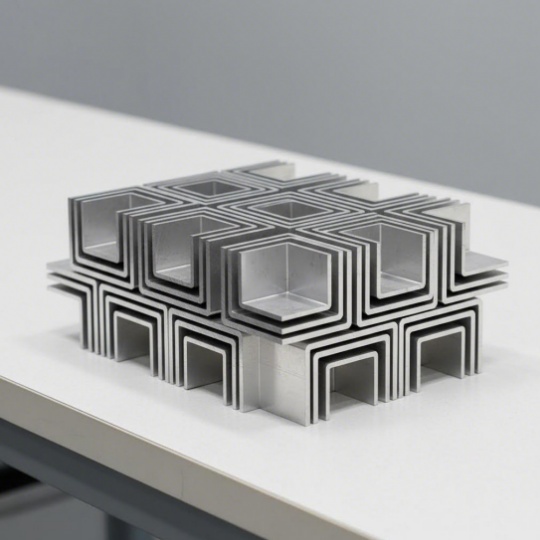
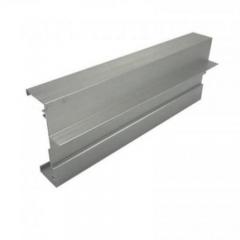
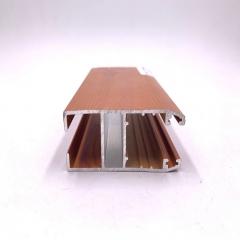
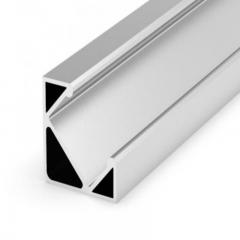
Double Angle Aluminum Extrusions: Load Specs Your Supplier Won't Share What Makes Double Angle Aluminum Extrusions Unique Ever wondered why some aluminum profiles seem built for heavy-duty structural work while others fall short? The answer often lies in the geometry. Double angle aluminum extrusions feature a distinctive profile with two perpendicular legs forming a V-shaped or L-shaped cross-section. Unlike single angle profiles that offer just one angular arm, these profiles provide two angular arms that can be equal or unequal in length—and that difference changes everything about how they perform under load. The Distinctive Double-Leg Profile Design Imagine holding two L-shaped brackets back-to-back. That's essentially what you're getting with an aluminum angle extrusion in the double configuration. The cross-section creates channels on both sides, allowing panels or components to slot directly into the profile rather than simply butting against it. This design isn't just about aesthetics—it fundamentally changes how the extrusion handles stress and connects to other materials. The dual-leg structure means these extruded aluminum corner profiles can accept panels from multiple directions simultaneously. For applications like road case construction, this translates to panels inserting directly into extrusion slots, with the entire frame riveting together in one streamlined process. Builders working on multiple cases or production runs find the time savings substantial compared to single angle alternatives. The double angle design distributes stress more evenly across both legs, offering over 30% higher load-bearing capacity compared to single angle profiles of equivalent material thickness. How Double Angles Differ From Standard L-Profiles When you compare these profiles to standard single angle extrusions, several practical differences emerge immediately. With single angle profiles, your panels are cut to match internal case dimensions—the extrusion sits outside the panel without interfering with sizing calculations. Simple enough, right? Double angle configurations require more precision. Since panels slot into the extrusion channels, you'll need to subtract the channel depth from your panel dimensions. This adds complexity, especially when working with tight tolerances or custom layouts. You'll typically need a side profile drawing from your supplier to calculate panel dimensions accurately—working backward from desired internal dimensions minus the space occupied by the extrusions themselves. However, this complexity comes with rewards. The aluminum corner extrusion design means fewer connectors are required during assembly, reducing both material costs and installation time for larger projects. The symmetrical configuration also provides balanced load distribution that single angles simply cannot match. Why 6063 Aluminum Alloy Matters for Structural Integrity Most quality double angle profiles are manufactured using 6063 aluminum alloy—a...
Read More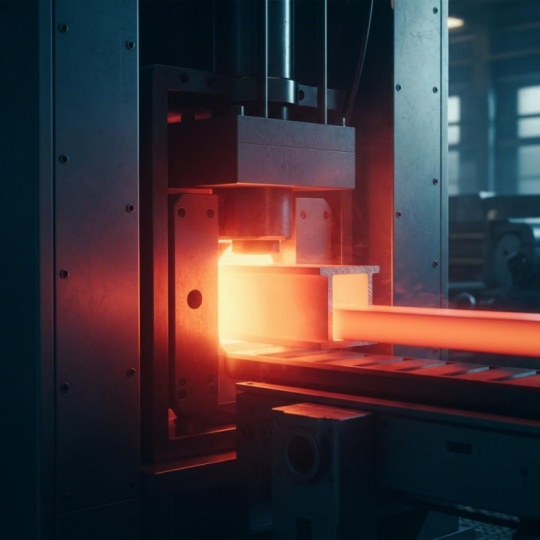
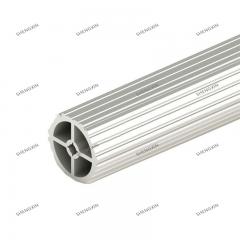
Extrusion Ratio For Aluminum: The Hidden Factor Killing Your Profile Quality What Extrusion Ratio Means for Aluminum Profiles Ever wondered why two aluminum profiles with identical dimensions perform completely differently in your application? The answer often lies in a single number that many engineers overlook: the extrusion ratio. This critical parameter shapes everything from grain structure to mechanical strength, yet it rarely gets the attention it deserves during the specification process. The extrusion ratio for aluminum is the numerical relationship between the cross-sectional area of the original billet and the cross-sectional area of the finished extruded profile. It quantifies how much the aluminum is compressed and deformed as it passes through the die. Understanding what is aluminum extrusion at a fundamental level means grasping this ratio. When you push a cylindrical aluminum billet through a shaped die opening, the metal undergoes severe plastic deformation. The meaning extrusion carries here directly relates to how dramatically the material transforms during this process. The Mathematical Foundation of Extrusion Ratio The formula itself is straightforward: Extrusion Ratio (ER) = Cross-sectional Area of the Billet ÷ Cross-sectional Area of the Profile Let's break this down with a practical example. Imagine you're working with a solid cylindrical billet that has a cross-sectional area of 500 cm². If your finished profile has an area of just 5 cm², your extrusion ratio becomes 100:1. This tells you the aluminum has been forced to reduce its cross-section by a factor of 100—a transformation that fundamentally changes the material's internal characteristics. For what is extruded aluminum in practical terms, this ratio typically ranges from as low as 10:1 for simple shapes to over 100:1 for complex, thin-walled profiles. The definition for extrusion parameters varies by application, but understanding this core calculation gives you the foundation for everything else. Why This Single Number Determines Profile Quality Here's where theory meets real-world performance. According to research published in PMC, the extrusion ratio is one of the most important factors affecting the service performance of aluminum profiles. The study on 7003 aluminum alloy demonstrated that different ratios (9, 20, and 56) produced dramatically different microstructures and mechanical behaviors. A higher extrusion ratio—typically above 20:1 for demanding applications—subjects the aluminum to greater deformation. This process: Refines the grain structure significantly Breaks up inclusions within the metal Improves overall density and structural integrity Enhances tensile strength and toughness The aluminium extrusion definition extends beyond simple shaping. It's a metallurgical transformation where intense deformation promotes finer, more uniform grain size. Following the Hall-Petch relationship in materials science, this directly increases yield strength. For...
Read More
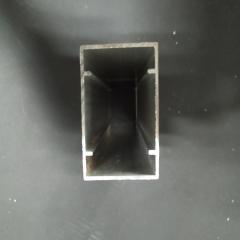
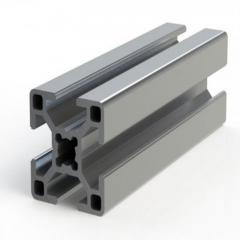
Customized Aluminum Extrusion Profiles: From Alloy Selection To Finished Part Understanding Customized Aluminum Extrusion Profiles What happens when standard aluminum shapes simply cannot meet your project requirements? This is where customized aluminum extrusion profiles come into play. These specialized components are manufactured by heating aluminum billets to approximately 800-925°F and forcing the softened metal through precision-engineered dies under immense pressure—sometimes reaching up to 15,000 tons. The result? Unique cross-sectional shapes that match your exact specifications. So, what is extrusion aluminum exactly? It refers to the process of pushing heated aluminum alloy through a shaped opening in a steel die, much like squeezing toothpaste through a tube. The aluminum emerges as a continuous profile with a consistent cross-section, ready for cooling, cutting, and finishing. This manufacturing method allows for remarkable design flexibility that other metalworking processes simply cannot match. Custom aluminum extrusion profiles exist for one fundamental reason: they solve problems that standard shapes cannot address. When off-the-shelf solutions fall short, custom extrusions deliver precise functionality tailored to your unique application requirements. How Custom Profiles Differ from Stock Extrusions Stock extrusions are pre-designed shapes readily available from distributors. You'll commonly find angles, channels, tubes, and I-beams in standard dimensions. These work perfectly for general-purpose applications where flexibility in design takes a backseat to availability and cost. Custom aluminum extrusions, however, are engineered specifically for your project. Imagine needing an aluminum profile that integrates a mounting channel, heat dissipation fins, and decorative facing—all in one piece. Standard stock simply cannot deliver this level of integration. With custom extruded profiles, you gain: Design freedom to create complex geometries matching precise functional requirements Part consolidation that reduces assembly steps and eliminates fasteners Optimized weight distribution for structural efficiency Seamless integration with other components in your assembly The shift toward custom solutions is accelerating across industries. As manufacturing demands grow more specialized, standard extrusions increasingly fall short of meeting performance, aesthetic, and efficiency requirements. The Die Design Foundation Every unique aluminum profile begins with a custom die—a thick steel disk featuring an opening that precisely matches your desired cross-section. According to industry standards, dies are typically produced from H13 steel and heat-treated to withstand the extreme pressures involved in the extrusion process. Three primary die types serve different profile requirements: Solid dies create profiles without enclosed voids—bars, angles, and channels Hollow dies produce shapes with fully enclosed openings, such as rectangular tube...
Read More
Designing Aluminum Extrusions: The Costly Mistakes Your Competitors Keep Making What Is Aluminum Extrusion Design and Why It Matters Ever watched a Play-Doh press squeeze dough through a shaped opening? That's essentially the aluminum extrusion definition in its simplest form. Of course, the industrial version involves significantly more heat, pressure, and precision—but the core concept remains identical. So, what is aluminum extrusions in technical terms? It's a manufacturing process where heated aluminum alloy billets are forced through a steel die with a specific cross-sectional profile. The result? Long, uniform shapes that can be solid, hollow, or semi-hollow—each tailored to exact specifications. The Extrusion Process Explained Simply When you define aluminum extrusion, you're describing a transformation process. Cylindrical aluminum billets are first preheated to temperatures between 400-480°C (750-900°F). At this range, the metal becomes soft and malleable without actually melting. A powerful hydraulic ram then pushes this softened aluminum through a precision-engineered die, much like toothpaste through a tube. The aluminium extrusion process unfolds in several key stages: Die preparation: Custom steel tooling is designed and manufactured to create your specific profile Billet preheating: Aluminum is heated to optimal extrusion temperature Extrusion: The ram forces material through the die at controlled speeds Cooling and stretching: Profiles are quenched and straightened Heat treatment: Parts achieve final mechanical properties (T5 or T6 tempers) Finishing: Cutting, machining, and surface treatments complete the part From Billet to Profile: How Aluminum Takes Shape Here's where things get interesting for designers. When creating aluminum extrusion profiles, you're not just drawing shapes—you're engineering metal flow. The aluminum separates around internal die features called mandrels, then welds back together under immense pressure to form hollow sections. This solid-state welding happens naturally during the process, creating seamless tubes and complex multi-void geometries. The beauty of aluminum extrusion design lies in its versatility. You can incorporate screw bosses, snap-fit connections, heat sink fins, and structural ribs—all in a single profile. This consolidates multiple parts into one, slashing assembly time and reducing potential failure points. Why Extrusion Design Matters for Your Project Understanding how aluminum extrusion actually works fundamentally changes how you approach CAD decisions. When you know that wall thicknesses need balance, that sharp corners create die stress, and that hollow sections require special tooling, you start designing smarter from the first sketch. Designers who understand extrusion constraints don't just avoid manufacturing problems—they unlock geometric possibilities their competitors never knew existed. This guide bridges the gap between basic introductions and dense technical references....
Read More


 online service
 0086 136 3563 2360
 sales@sxalu.com
 +86 136 3563 2360
 English
 français
 Deutsch
 русский
 español
 português
 العربية
 ไทย
ไทย Việt
Việt Українська