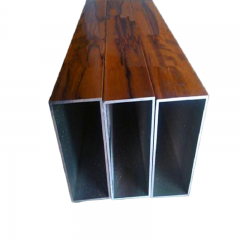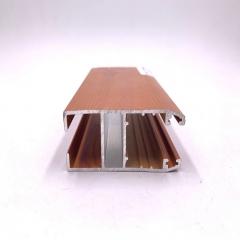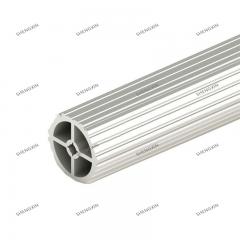
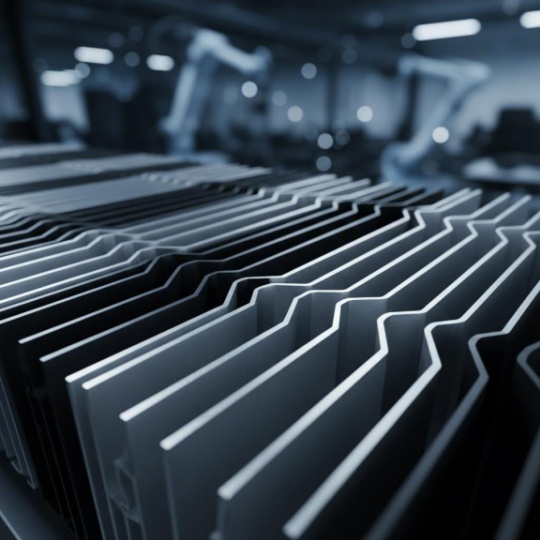
Customized Aluminum Extrusion Heatsink Manufacturers: What Buyers Miss Understanding Customized Aluminum Extrusion Heatsinks Ever wondered how your smartphone stays cool during a video call, or how LED streetlights operate for hours without burning out? The answer often lies in a deceptively simple component: the aluminum heat sink. More specifically, customized aluminum extrusion heatsinks have become the backbone of modern thermal management across countless industries. A customized aluminum extrusion heatsink is a thermally conductive component engineered to pull heat away from electronic devices and dissipate it into the surrounding environment. These components are manufactured by forcing heated aluminum through a specially designed die, creating long profiles with intricate fin patterns that maximize surface area. The result? Heat transfers away from sensitive components faster, keeping everything running at safe temperatures. But here's what many buyers overlook: not all heatsinks are created equal. Customization matters because every thermal challenge is unique. A power supply in a telecommunications tower faces vastly different conditions than an LED driver in a compact light fixture. Understanding how these extruded heatsinks work—and why aluminum dominates the market—gives you a significant advantage when sourcing from specialized manufacturers. What Makes Aluminum the Preferred Heatsink Material When comparing materials for thermal management, aluminum consistently outperforms alternatives in real-world applications. While copper boasts higher thermal conductivity at approximately 385 W/m·K compared to aluminum's 205 W/m·K, the practical advantages of aluminium heat sink material tell a different story. Consider the weight factor. Aluminum is roughly 60% less dense than copper (2.7 g/cm³ versus 8.9 g/cm³), making it ideal for weight-sensitive applications in automotive, aerospace, and portable electronics. This density difference translates to easier installation, reduced structural stress, and lower shipping costs. The key benefits of aluminum for heat sink applications include: Lightweight properties: Three times lighter than copper, reducing overall product weight and enabling more compact designs Excellent thermal conductivity: Approximately 205 W/m·K for 6063-T5 alloy, providing efficient heat dissipation across broad temperature ranges Cost-effectiveness: Significantly more economical than copper in both raw material and fabrication costs, especially at scale Design flexibility: Superior extrudability allows complex fin geometries, integrated mounting features, and application-specific profiles Natural corrosion resistance: Forms a protective oxide layer instantly, with performance enhanced further through anodizing How Extrusion Creates Superior Thermal Performance The magic of heat sink extrusion lies in its ability to create complex cross-sectional shapes that would be impossible or prohibitively expensive with other manufact...
Read More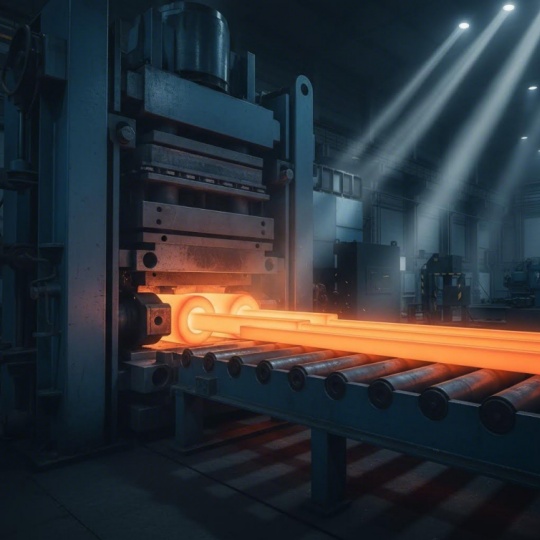
Design Aluminum Extrusion Right: Avoid Costly Mistakes Engineers Make What Aluminum Extrusion Design Really Means for Your Project When you design aluminum extrusion profiles, you're not just sketching shapes on paper. You're making decisions that will echo through every stage of manufacturing, from die creation to final delivery. Understanding this process from the start can save you thousands of dollars and months of frustration. The Science Behind Shaping Aluminum So, what exactly is aluminum extrusion? To define extruded aluminum simply: it's a manufacturing process where heated aluminum billets are forced through a specially shaped die opening under immense pressure, typically ranging from 1,000 to 15,000 tons. The aluminum emerges on the other side with a precise cross-sectional profile that matches the die's opening. Think of it like squeezing toothpaste through a shaped nozzle. The nozzle determines the shape, and once you've committed to that nozzle, there's no changing the outcome mid-squeeze. This aluminium extrusion definition captures the core challenge: the die determines everything about your final profile's geometry. The process itself involves preheating aluminum billets to around 700-930°F (370-500°C) to achieve the right plasticity. A hydraulic ram then pushes the softened metal through the die, creating profiles that can be solid, hollow, or semi-hollow depending on your design requirements. Why Design Decisions Matter Before Production Begins Here's what separates aluminum extrusion from other manufacturing methods: once your die is made, changing course becomes expensive. Unlike machining, where you can adjust dimensions on the fly, extrusion design requires upfront planning because every aspect of your profile is locked in at the die stage. Research from Carnegie Mellon University confirms that decisions made in the design process commit 70 to 80 percent of a product's total cost. For aluminum extrusion projects, this percentage can be even higher because die tooling represents a significant fixed investment. This is why successful aluminum extrusion design isn't just about creating an attractive profile. It's about understanding how your design choices cascade into production outcomes: Profile complexity directly affects die cost and manufacturing feasibility Wall thickness decisions impact extrusion speed and surface quality Alloy selection influences both strength and how easily the metal flows through the die Tolerance specifications determine whether you need standard or precision tooling Engineers, product designers, and procurement professionals who grasp this connection between design aluminum extrusion choices and production outcomes position themselves to communicate effectively with manufacturers. They ask better questions, provide clearer specifications, and ultimately receive profiles that match their expectations without costly redesigns. Understanding Aluminum Extrusion Shape Classifications Before you finali...
Read More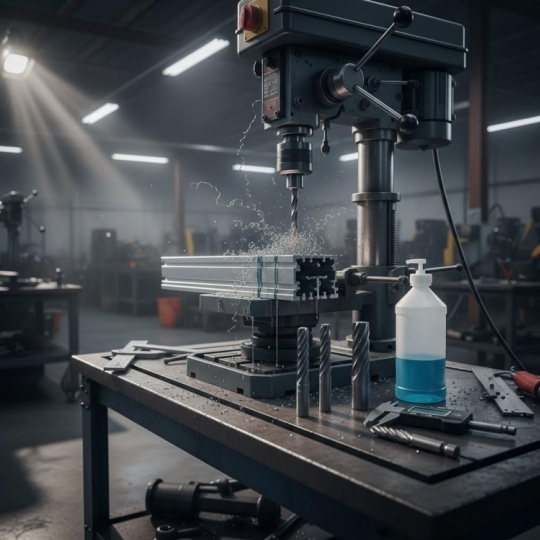
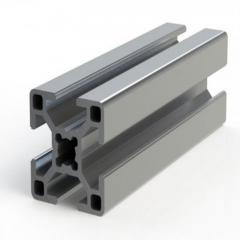
Drill And Tap Aluminum Extrusion Without Stripped Threads Or Crooked Holes Understanding Drill and Tap Fundamentals for Aluminum Extrusion Ever tried to create a threaded hole in your T-slot frame only to end up with stripped threads or a crooked connection? You're not alone. Learning to drill and tap aluminum extrusion properly is one of those skills that separates frustrating weekend projects from professional-quality builds. Whether you're constructing a machine enclosure, building a DIY 3D printer frame, or assembling industrial workstations, understanding how to create reliable threaded connections in aluminum profiles is essential. The good news? Once you grasp the fundamentals, you'll produce clean, strong threads consistently. Why Aluminum Extrusion Demands Special Attention Aluminum extrusion isn't like drilling into steel or hardwood. This soft metal behaves differently under cutting tools, and ignoring these differences leads to the problems you've probably already experienced. Here's what makes working with profiles like 80-20 aluminum unique: Soft material characteristics: Aluminum is significantly softer than steel, which means chips tend to stick to cutting tools rather than breaking away cleanly. This creates binding, heat buildup, and poor thread quality. Thin wall considerations: Most T-slot extrusions have hollow chambers with relatively thin walls. You're not tapping into solid material, so thread depth and engagement become critical factors. Anodized surfaces: Many extrusions come with a hard anodized coating that behaves differently than the underlying aluminum. Your tap must cut through this harder layer before reaching the softer core. According to GAP Engineering, drilling and tapping can be the most time-consuming part of any T-slot project, but with the right equipment and information, you can produce high-quality results every time. The Basics of Thread Creation in Soft Metals Before diving into techniques, let's clarify what we're actually doing when we drill and tap aluminum extrusion: Drilling creates the pilot hole, which is the foundation for everything that follows. The pilot hole diameter directly determines how your threads will form and how strong they'll be. Too small, and you'll break taps. Too large, and your threads won't have enough material engagement. Tapping is the process of cutting internal threads into that pilot hole. An aluminum tap cuts helical grooves that allow bolts or screws to thread securely into the extrusion. The tap for aluminum must be designed to handle the material's tendency to gall and stick. When working with aluminum threaded inserts or direct-tapped holes, understanding material behavior matters. As noted by Components for Industry, aluminum is generally softer than steel and brass alloys, making it potentially prone to thread stripping after repeated use. This is precisely why proper technique becomes so important. The challenge many DIY 3D printer builders and hobbyists face is...
Read More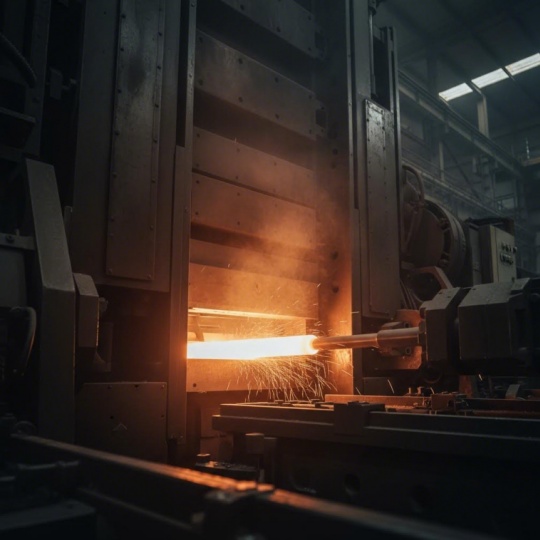
Extrusion Aluminum Alloy Selection: Match Your Project To The Perfect Grade Understanding Extrusion Aluminum Alloy Fundamentals What is an aluminum extrusion, and why does the specific alloy you choose matter so much? At its core, an extrusion aluminum alloy is a specially formulated metal composition designed to be forced through a shaped die under extreme pressure and heat, creating precise cross-sectional profiles. Think of it like pushing toothpaste through a tube—except the "toothpaste" is heated aluminum alloy reaching temperatures of 400-500°C, and the "tube opening" is a precision-engineered die that shapes the metal into everything from simple rods to complex hollow structures. How Hot Metal Becomes Precision Profiles The aluminum extrusion process transforms a solid cylindrical billet into intricate shapes through a fascinating combination of heat, pressure, and metallurgical science. When you heat an aluminum alloy billet to its optimal temperature range, it becomes malleable enough to flow through die openings under hydraulic pressures reaching up to 15,000 tons. The result? Extruded aluminum profiles that emerge fully formed, ready for cooling, straightening, and finishing. But here's what many engineers overlook: aluminum is an alloy, meaning pure aluminum gets combined with other elements like silicon, magnesium, copper, or zinc to achieve specific performance characteristics. Each alloy composition responds differently to the extrusion process and delivers distinct mechanical properties in the finished product. The Science Behind Shaping Aluminum Why does alloy selection fundamentally determine your project's success? Different aluminum alloys exhibit varying levels of strength, corrosion resistance, formability, and thermal conductivity. According to BRT Extrusions, high-strength alloys in the 6000 series offer excellent structural integrity for aerospace and automotive applications, while alloys in the 5000 series provide superior corrosion resistance for marine environments. Understanding the relationship between alloy composition, temper designation, and application requirements transforms aluminum extrusion from a simple manufacturing process into a strategic engineering decision that directly impacts product performance, longevity, and cost-effectiveness. This guide delivers what most resources lack: comprehensive coverage of all seven alloy series (1xxx through 7xxx), clear explanations of temper designations like T4, T5, and T6, detailed mechanical property comparisons, and practical application guidance. Whether you're designing architectural facades, automotive components, or industrial equipment, you'll discover exactly how to match your project requirements to the perfect extrusion aluminum grade. Complete Aluminum Alloy Series Breakdown Ever wondered why some aluminum extrusions flow effortlessly through a die while others require massive hydraulic pressure and specialized equipment? The answer lies in the aluminum al...
Read More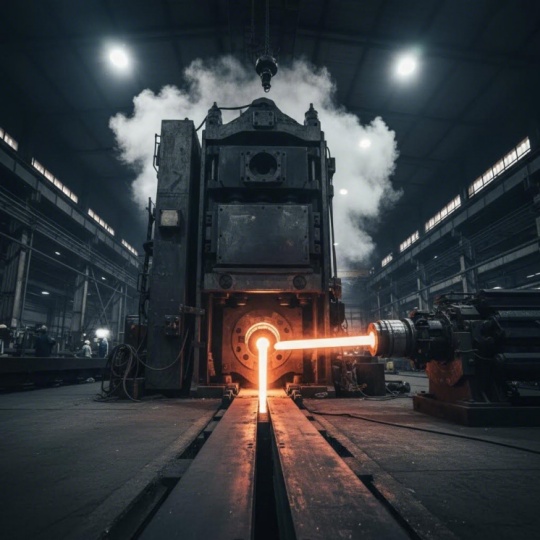
Extrusion Of Aluminum Profiles: From Raw Billet To Finished Part What Aluminum Extrusion Really Means for Modern Manufacturing Ever wondered how manufacturers create those intricate aluminum channels, tubes, and custom shapes you see in everything from window frames to automotive parts? The answer lies in a remarkably efficient process that has transformed modern manufacturing. Aluminum extrusion is a manufacturing process that forces heated aluminum alloy through a shaped die to create profiles with consistent cross-sections, much like squeezing toothpaste through a tube to achieve a uniform shape. So, what is aluminum extrusion in practical terms? Imagine pressing Play-Doh through a mold—except here, you're working with aluminum heated to temperatures between 375°C and 500°C (705°F to 932°F). The result? Perfectly uniform aluminum extrusion profiles that maintain their shape along the entire length, whether that's 8 feet or 24 feet. The Fundamental Principle Behind Aluminum Extrusion When asking "what is extrusion," think of it as a bulk-forming process where compressive forces reshape metal into desired forms. A hydraulic or mechanical ram pushes the heated aluminum billet—a solid cylindrical block—through a precision-engineered die opening. As the metal flows through, it takes on the exact cross-sectional shape of that die. What makes this process particularly powerful is its ability to produce solid, hollow, and semi-hollow shapes with remarkable precision. Need seamless tubes without welded seams? Extruded aluminum delivers that. Require complex architectural profiles with intricate details? This process handles that too—with minimal additional manufacturing cost. Why Aluminum Dominates the Extrusion Industry You might wonder: what is extruded aluminum's advantage over other metals? The answer comes down to aluminum's unique properties. With a density roughly one-third that of steel yet strength capabilities up to five times greater in certain alloys, aluminum offers an unmatched strength-to-weight ratio. To define extrude in the context of aluminum specifically means leveraging a metal that's naturally corrosion-resistant, highly conductive, and infinitely recyclable. These characteristics explain why the global aluminum extrusion market now exceeds $67 billion and continues growing at 3.8% annually. Understanding what is extrusions and their capabilities reveals why industries from construction to aerospace rely on this process. Whether you need lightweight automotive components, precision heat sinks for electronics, or architectural curtain walls, aluminum extrusion delivers complex geometries that would be impossible—or prohibitively expensive—to achieve through casting, machining, or other manufacturing methods. The Complete Aluminum Extrusion Process Explained Step by Step Now that you understand what aluminum extrusion is, let's walk through exactly how aluminum extrusion is made—from raw billet to finished profile. The extrusion man...
Read More


 online service
 0086 136 3563 2360
 sales@sxalu.com
 +86 136 3563 2360
 English
 français
 Deutsch
 русский
 español
 português
 العربية
 ไทย
ไทย Việt
Việt Українська