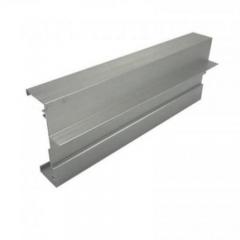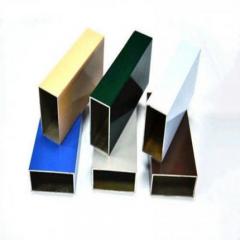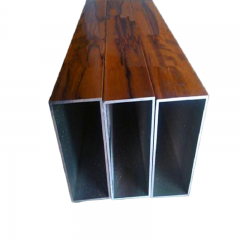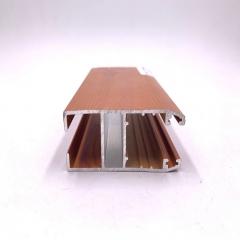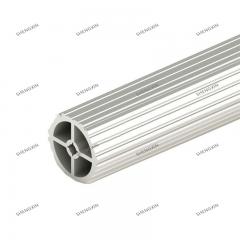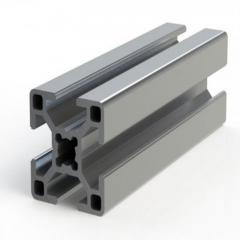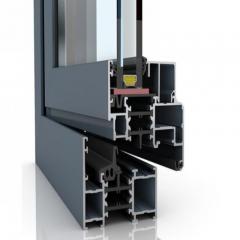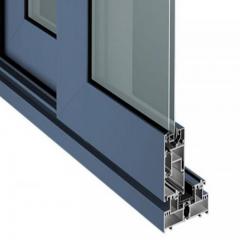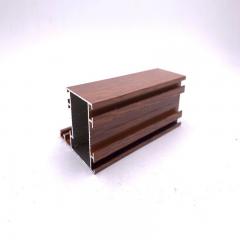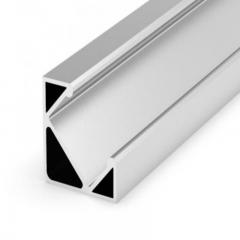

Tariff On Aluminum Extrusions From China: Layered Duties Decoded Understanding Aluminum Extrusions and Their Tariff Classification When you import aluminum products into the United States, how those goods are classified makes all the difference in what you pay at the border. Sounds straightforward? Here's where it gets tricky: the term "aluminum extrusion" carries a very specific meaning under U.S. tariff law, and getting it wrong can cost your business thousands in unexpected duties or compliance penalties. What Qualifies as an Aluminum Extrusion Under Tariff Law Under U.S. customs regulations, an aluminum extrusion refers to products created by forcing heated aluminum alloy through a die to produce shapes with a uniform cross-section along their entire length. According to the Harmonized Tariff Schedule of the United States, these products fall into two primary categories: profiles and bars/rods. The aluminum extrusions definition matters because these products face distinct duty structures compared to other aluminum goods. Profiles, for instance, are described as "rolled, extruded, drawn, forged or formed products, coiled or not, of a uniform cross section along their whole length, which do not conform to any of the definitions of bars, rods, wire, plates, sheets, strip, foil, tubes or pipes." This technical distinction separates extrusions from other aluminum products that undergo different manufacturing processes and carry different duty rates. HTS Classification Codes That Determine Your Duty Rates The Harmonized Tariff Schedule assigns specific codes to aluminum extrusions that directly impact your landed costs. Two critical HTS codes define the aluminum extrusion case for most importers: 7604.21.00 - Hollow profiles of aluminum alloys (base duty rate: 1.5%) 7604.29.10 - Other profiles of aluminum alloys (base duty rate: 5%) These codes represent just the starting point. When importing from China, additional duties layer on top of these base rates, which later sections of this article will explore in detail. Products that qualify as aluminum extrusions include: Window and door frames Structural framing components Heat sinks for electronics Custom architectural profiles Industrial machine parts with uniform cross-sections Products that do NOT qualify as aluminum extrusions: Aluminum sheets and plates (HTS 7606) Aluminum foil (HTS 7607) Cast aluminum products Aluminum wire (HTS 7605) Forged aluminum components without uniform cross-sections Why does this classification matter so much? Misclassifying your imports can trigger audits, penalties, and retroactive duty assessments. Staying current with aluminum news and trade developments helps importers anticipate changes that could affect their classification strategy. As you'll discover in the following sections, the tariff on aluminum extrusions from China involves multiple overlapping duty mechanisms that make accurate classification essential for cost management and compliance. Historical Ti...
Read More
Aluminum Gooseneck Trailer: Buy For Payload, Not Hype Know the Aluminum Gooseneck Trailer Basics An aluminum gooseneck trailer is a truck-bed-connected trailer built with aluminum in key structural or deck components instead of all-steel construction. The gooseneck part refers to the long curved front section that reaches over a pickup bed and locks onto a hitch mounted above the rear axle. That layout differs from a bumper-pull trailer, which connects at the back of the vehicle. In practice, buyers usually look at this trailer type when they want heavier-duty towing manners, better corrosion resistance, and the potential benefit of a more lightweight aluminum trailer design for outdoor use. What an Aluminum Gooseneck Trailer Is A standard gooseneck trailer is designed for a pickup truck, not just any tow vehicle. Industry buying guides from Big Tex Trailer World and Advanced Trailer Mfg describe the hitch as bed-mounted and positioned over the rear axle, which helps the trailer carry larger, heavier loads with more control than many bumper-pull setups. Aluminum matters because it is rust-resistant and lighter than steel, though the exact benefit depends on how the trailer is built. How Gooseneck Design Changes Towing Behavior That truck-bed connection changes the feel on the road. With more load carried over the rear axle, gooseneck designs are widely valued for improved stability, reduced sway, and a tighter turn radius. Big Tex also notes that proper weight distribution is a core advantage of this style, which is one reason many aluminum gooseneck trailers are considered for equipment, livestock, and other demanding loads. Core Trailer Terms Buyers Should Understand GVWR: The maximum allowed weight of the loaded trailer. Axle: The component that carries trailer wheels and supports weight. Coupler: The trailer-side connection point that locks onto the hitch ball. Tongue weight: The portion of trailer weight carried at the hitch. Best fit: Buyers who tow with a pickup, want steadier heavy-load handling, and value corrosion resistance for long-term outdoor ownership. That sounds simple on paper. The harder part is deciding whether aluminum actually earns its premium over steel in daily ownership. Choose Aluminum With Open Eyes Material choice shapes ownership more than a spec sheet headline. For many buyers, the real question is not whether aluminum sounds premium. It is whether the tradeoffs fit the way the trailer will actually live, work, and age. Aluminum vs Steel What Actually Changes In plain terms, aluminum usually helps reduce empty trailer weight, while steel usually brings a lower purchase price and broader repair access. Both reference guides from KOC Outdoors and Trident Trailer describe aluminum as lighter and more corrosion-resistant, while steel is heavier, stronger in heavy-duty use, and often easier to repair locally. That matters on a flatbed gooseneck trailer just as much as it does on enclosed or utility designs. A lighter tra...
Read More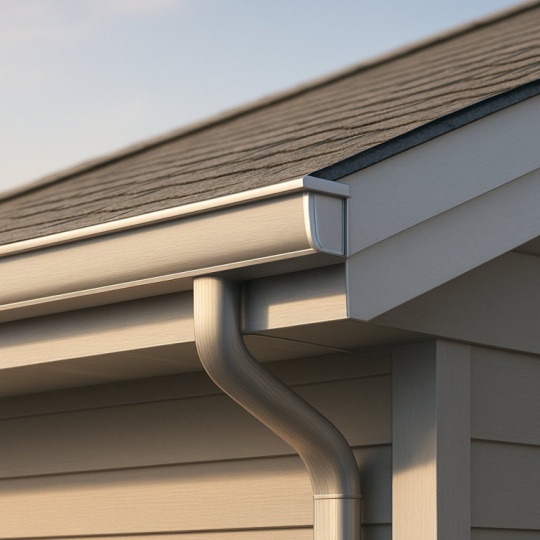
Aluminum Fascia Material: Avoid Costly Mismatches At The Roof Edge What Aluminum Fascia Material Actually Does People often look at the roof edge and call every visible trim piece "fascia." That is where the confusion begins. At this narrow strip of the exterior, the fascia board, the aluminum covering on it, the soffit below it, and the drip edge above it can all sit close together. What Aluminum Fascia Material Means Aluminum fascia material is the metal trim or wrap installed at the roof edge to cover and protect the fascia area, often over a wood fascia board, while creating a finished line for gutters. In simple terms, the roof fascia board is the board at the edge of the roof. Aluminum fascia, often sold as fascia trim, is usually the visible metal layer at that same location. Intafloors describes it as a metal covering that wraps the fascia board, and The Spruce notes that fascia boards may be aluminum-wrapped. So when a homeowner says the "fascia on house" needs repair, they may mean the outer trim, the board behind it, or both. Where Fascia Sits on a House Fascia runs along the outer roof edge where the roof meets the top of the exterior wall. Guides from Worthouse and The Spruce place it on the face of the roof structure, below the roof edge and above the soffit. It covers exposed rafter or truss ends and helps close off the roof cavity from weather. Homeowners mix it up with nearby parts because the pieces work side by side. The soffit is the horizontal panel underneath the roof overhang. The drip edge is a separate metal flashing above the fascia that helps direct water into the gutter. They belong to the same roof-edge assembly, but they are not the same thing. How Fascia Works With Soffit and Gutters This is why fascia on house is not just decorative. It sits at a busy transition point where roofing, ventilation, and drainage meet. Worthouse and The Spruce both describe fascia as a protective barrier and a common mounting surface for gutters, which is why damaged boards can lead to gutter alignment or attachment problems. Edge protection: helps shield the roof edge and the material behind the trim from moisture and pests. Gutter support: provides the attachment zone that helps keep gutter lines aligned. Finished appearance: covers rafter ends for a cleaner exterior look. System coordination: works with the soffit below and water-shedding pieces above. That clears up the terminology. The trickier part shows up during buying and planning, because this material comes in different forms, finishes, and profile shapes, and not every option fits the same roof edge. Common Aluminum Fascia Trim Forms and Finish Options With aluminum fascia material, the differences show up fast in product listings. One seller may use aluminum fascia trim as the broad category, while another separates an aluminum fascia cover from a factory-made profile. For buyers, the useful question is not the label alone. It is whether the piece will be bent on site, arri...
Read More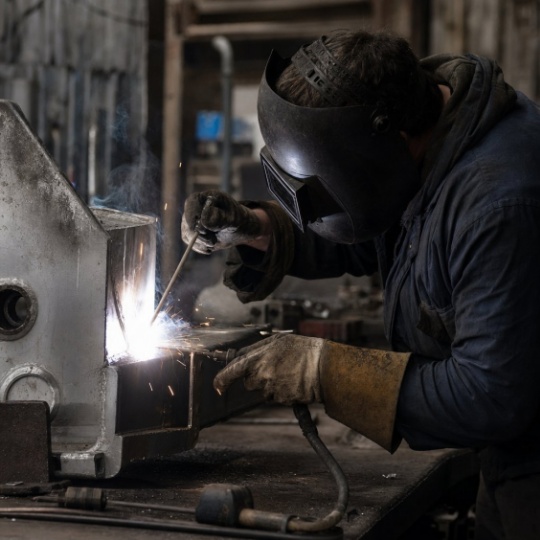
Welding Aluminum With Stick Welder: Yes, But Only on the Right Jobs Welding Aluminum With Stick Welder Short answer: Welding aluminum with stick welder means using SMAW, or stick welding, with a flux-coated consumable rod to join aluminum. Yes, it can work, but it is usually a fallback process for repair work on thicker sections, not the first choice for clean, repeatable fabrication. Can You Stick Weld Aluminum Yes. If you are asking, can you weld aluminum with a stick welder, the honest answer is yes, but with real tradeoffs. Aluminum behaves very differently from steel. It moves heat away fast, forms a tough oxide layer almost as soon as it meets air, and gives very few visual clues as it heats up. That makes the arc feel less forgiving, especially for anyone used to welding steel. Expect more difficulty with puddle control, more slag to remove, and a rougher finish than you would normally see from MIG or TIG. Some readers search for this as MMA welding aluminium, but the practical message stays the same: doable, yes; easy, no. Stick welding aluminum is best treated as a practical backup for maintenance and field repair, not a shortcut to pretty welds. Acceptable use cases: thicker aluminum, outdoor work, remote repairs, and situations where other aluminum-capable processes are not available. Common limitations: messy bead appearance, fast heat spread, tricky arc control, and extra cleanup after welding. Who should keep reading: repair welders, maintenance crews, and budget-minded hobbyists deciding whether this method is worth the effort. Why Welding Aluminum With Stick Welder Is Usually a Repair Method That reputation comes from the compromise itself. Stick welding is portable and does not rely on shielding gas, which makes it useful when conditions are rough or equipment choices are limited. Still, aluminum is often selected for light weight, corrosion resistance, and appearance, and stick welding does not serve those goals especially well. If your question is can you weld aluminium with a stick welder, think of the answer as, "yes, when the job can tolerate the limitations." What matters most is not whether it can be done, but whether your repair is the kind of job that should be done this way. Use a Repair-First Framework for Aluminum Stick Jobs Practical jobs separate this process from wishful thinking. Both UTI and field-focused MMA guidance treat aluminum stick welding as workable, but rarely as the first pick for clean fabrication. For field repair users, remote maintenance crews, and budget-minded hobbyists, the value is simple: portability, no shielding gas, and a setup that can travel. If you are asking, "how can i weld aluminum" with the machine already in your garage or service truck, that matters a lot. If you want neat beads on thin material, the best way to weld aluminum is usually still TIG or MIG. When Stick Welding Aluminum Makes Sense This method earns its keep when function matters more than finish. So, can aluminum be we...
Read More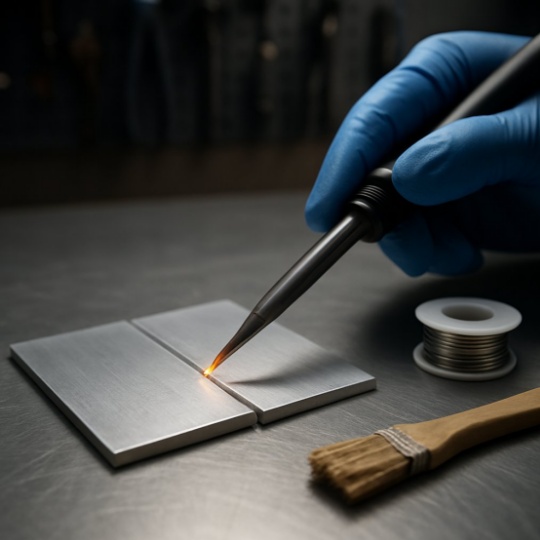
Soldering Aluminum That Actually Holds: Tools, Heat, Fixes Soldering Aluminum Soldering aluminum means joining aluminum by melting a filler metal onto the surface without melting the aluminum itself. Yes, can aluminum be soldered? Yes, but usually for the right kind of job, not every job. It fits best for light-duty joints, conductive connections, thin parts, and repairs where lower heat matters more than maximum strength. If the part must handle heavy loads, constant vibration, or structural stress, brazing or welding is usually the better choice. That is why many people searching for soldering aluminum are actually comparing several different joining methods without realizing it. What Soldering Aluminum Really Means In true soldering, only the filler melts. The base metal stays solid. With the right flux and filler, Superior Flux notes that aluminum soldering is possible, but it is much less forgiving than soldering copper or brass. You will also see torch videos, repair rods, and brazing demos described with the same language. That creates confusion fast. Some products sold as aluminum solder are really low-temperature repair alloys or brazing-style rods, not soft solder in the classic electronics sense. Soldering vs Brazing vs Welding If you have ever asked, what's the difference between welding and soldering, the short answer is simple: welding melts the base metal, soldering does not. In plain terms, what is the difference between welding and soldering for your project? Mostly heat, joint strength, and how the filler behaves. The UTI guide places soldering below 840 F and brazing above 840 F, while welding fuses the parent metal itself. Process category General heat level Filler behavior Common use cases Major limitations Soldering Lower heat Filler melts, aluminum stays solid Light-duty seams, electrical work, heat-sensitive parts Lower strength, demanding surface prep Brazing Moderate to high heat Filler melts and flows into joint, base metal stays solid Stronger mechanical joints, some dissimilar-metal work More heat input, more risk of distortion or coating damage Welding Very high heat Base metal melts and fuses, often with filler Structural fabrication, thick sections, high-stress parts Greater skill, higher distortion risk, not ideal for delicate pieces Low-temperature repair rods Varies, often torch-heated Rod flows over heated surface, marketing terms vary Quick repairs and hobby fixes Often mislabeled, strength and process type can be misunderstood Aluminum can be joined, but oxide control and realistic strength expectations matter more than the name on the package. That decision-first view keeps this aluminum soldering guide practical. You will get the chemistry behind the process, the setup that prevents frustration, the exact workflow, the common failure points, and a clear way to choose between soldering, brazing, welding, or walking away from the repair. The biggest obstacle is not the label. It is the oxide skin that forms a...
Read More


 online service
 0086 136 3563 2360
 sales@sxalu.com
 +86 136 3563 2360
 English
 français
 Deutsch
 русский
 español
 português
 العربية
 ไทย
ไทย Việt
Việt Українська