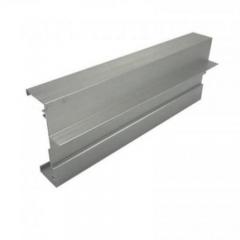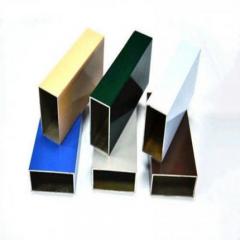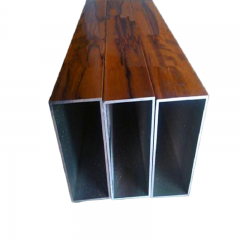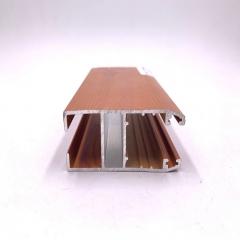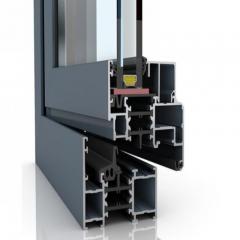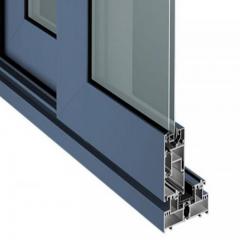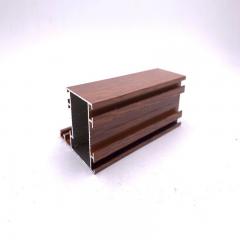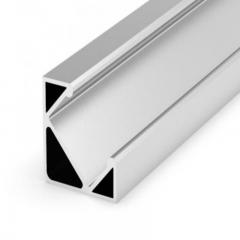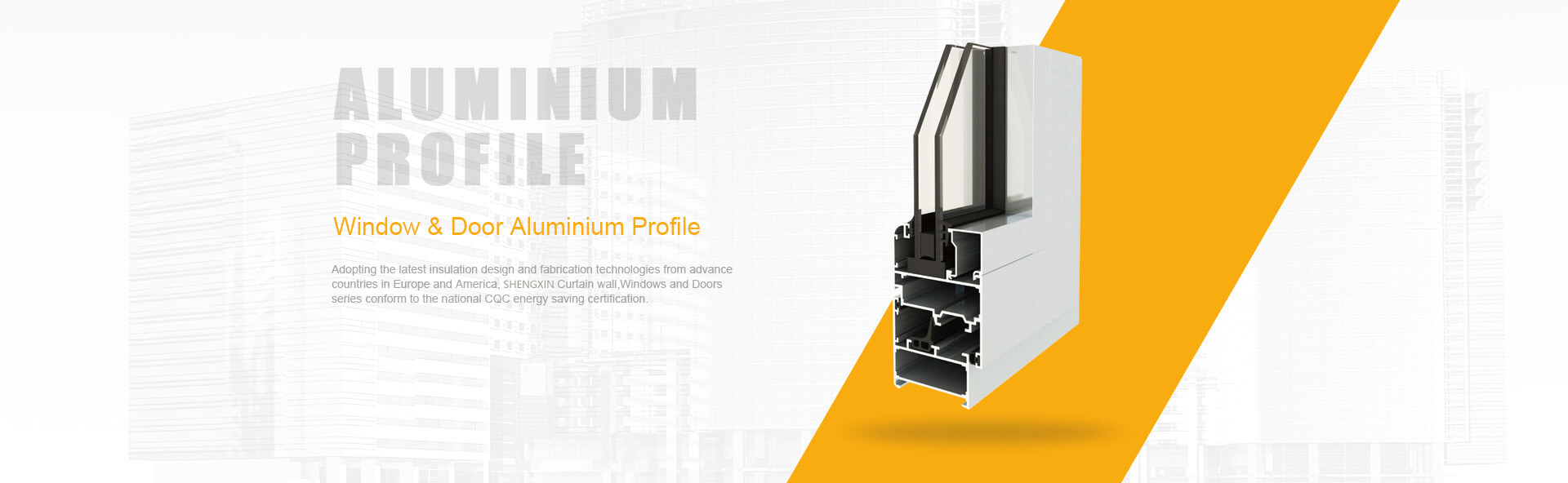
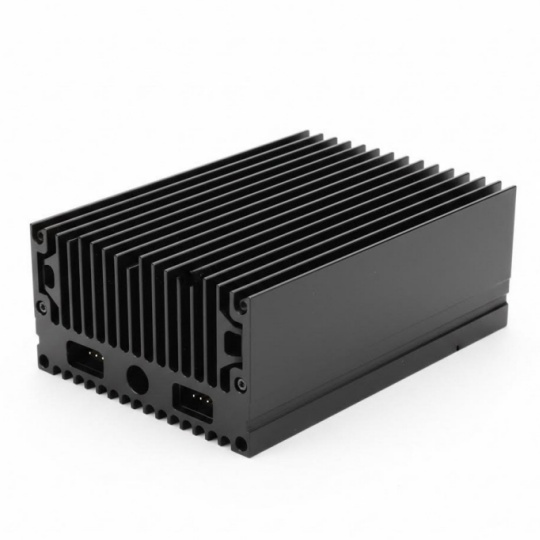
Durable Customized Aluminum Extrusion Enclosures: From Alloy To IP Rating Understanding Durable Customized Aluminum Extrusion Enclosures When you need to protect sensitive electronics from harsh environments, standard off-the-shelf enclosures often fall short. That's where durable customized aluminum extrusion enclosures come into play. These precision-manufactured protective housings offer a unique combination of strength, thermal management, and design flexibility that generic options simply cannot match. But what exactly sets these enclosures apart? Unlike mass-produced boxes that force you to adapt your design, an aluminum extrusion enclosure is engineered to meet your exact specifications. Whether you're dealing with outdoor telecom installations facing rain and extreme temperatures or industrial automation systems requiring vibration resistance, these tailored solutions address specific environmental challenges head-on. What Makes Aluminum Extrusion Enclosures Different The fundamental distinction lies in how they're made and what they can become. Standard enclosures come in fixed sizes and shapes. You get what's available. Extruded aluminum enclosures, however, start as custom profiles that can be modified, machined, and finished to your precise requirements. Think of it this way: when comparing aluminium vs aluminum enclosure options globally, the extrusion process remains consistent. Heated aluminum billets are forced through specially designed dies, creating continuous profiles with exact cross-sectional shapes. This method produces remarkably consistent dimensions throughout the entire length of the profile. The result? Enclosures that fit perfectly, assemble smoothly, and protect reliably. The Engineering Behind Extruded Aluminum Cases The extrusion manufacturing process transforms raw aluminum into sophisticated protective housings through several key stages. First, aluminum alloy billets are heated until pliable. Then, tremendous pressure forces the material through a die opening, creating profiles that can range from simple rectangular shapes to complex configurations with integrated mounting channels and heat sink fins. After extrusion, profiles can undergo heat treatment to enhance their mechanical properties. For example, heat-treated 6061 aluminum achieves a tensile strength of 310 MPa compared to 241 MPa in its untreated state. This significant strength improvement directly impacts enclosure durability. Unlike aluminum sheets that require extensive bending and welding, extruded profiles arrive with consistent wall thickness and structural integrity built in. The profiles can then be cut, machined, drilled, and finished to create complete enclosure systems. Why does durability matter so much for electronics protection? Consider the challenges your equipment faces: Environmental factors: Temperature extremes, humidity, dust, UV exposure, and chemical contact can degrade components over time Mechanical stress: Vibration, impact, ...
Read More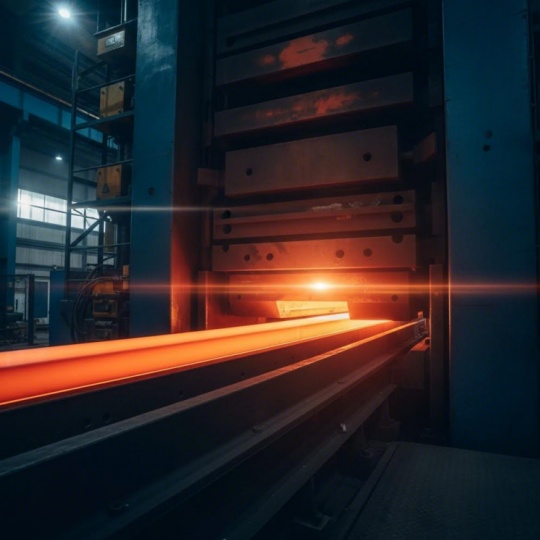
Extrusion Aluminum Process Demystified: From Raw Billet To Finished Profile What Is Aluminum Extrusion and Why It Matters Ever wondered how manufacturers create those perfectly uniform aluminum channels, tubes, and intricate profiles you see in everything from window frames to industrial machinery? The answer lies in a remarkably efficient manufacturing technique that transforms raw metal into precisely shaped components. Aluminum extrusion is a manufacturing process that forces heated aluminum alloy through a shaped die opening to create profiles with consistent cross-sections. Think of it like squeezing toothpaste through a tube - except the "tube" is a precision-engineered steel die, and the result is a continuous metal profile that maintains its exact shape throughout its entire length. So, what is extrusion in practical terms? When you define extrude as a process, you're describing the act of pushing material through a specific opening to achieve a desired shape. This technique enables the creation of solid, hollow, and semi-hollow profiles that would be impossible or prohibitively expensive to produce through other methods like machining or casting. Understanding what is aluminum extrusion matters because it directly impacts your material selection and project planning decisions. Whether you're designing structural frameworks, thermal management systems, or decorative architectural elements, knowing how extruded aluminum is formed helps you specify the right profiles for your application. The Core Mechanics of Aluminum Extrusion The extrusion aluminum process begins with a cylindrical billet - essentially a solid log of aluminum alloy. This billet gets heated to temperatures that make the metal soft and pliable without melting it completely. A powerful hydraulic ram then pushes this heated material through a precision-machined steel die. What emerges on the other side? A continuous profile that exactly matches the die opening's shape. The extruded aluminum naturally forms a thin layer of aluminum oxide on its surface, providing built-in corrosion resistance and added durability. What is extrusions capable of producing? The possibilities are extensive: Solid profiles - Rods, angles, and bars ideal for applications requiring strength and simplicity Hollow profiles - Square tubes, rectangular tubes, and pipes offering lightweight strength with internal space Semi-hollow profiles - Partially enclosed designs balancing strength with reduced weight Custom profiles - Complex cross-sections tailored to specific project requirements Why Extrusion Dominates Metal Shaping You might be asking: what is extruded aluminum's advantage over other manufacturing methods? The answer comes down to versatility, efficiency, and precision. Unlike machining, which removes material to create shapes, aluminum extrusion builds the exact profile you need in a single pass. This eliminates waste and reduces production costs significantly. Compared to casting, extrusion d...
Read More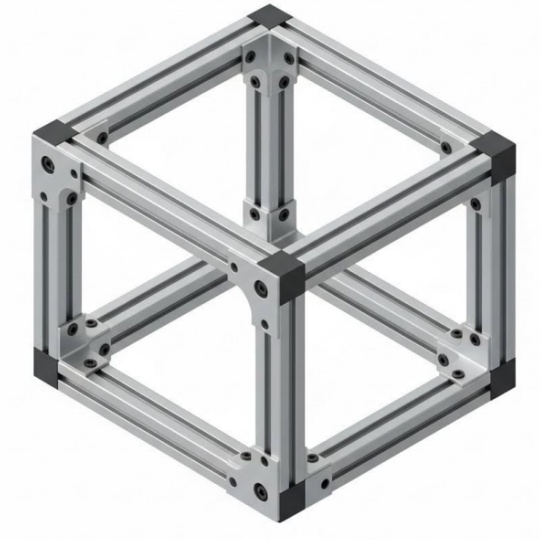
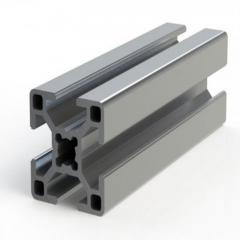
Extrusions For Aluminum T-Slotted Framing: 9 Essential Points To Build Smarter Understanding T-Slotted Aluminum Framing Fundamentals Imagine building a sturdy workstation, machine frame, or safety enclosure—and then easily modifying it next month without cutting, welding, or starting over. That's the power behind t-slotted framing, a system that has transformed how industries approach structural design and assembly. At its core, t-slotted aluminum framing consists of extruded aluminum profiles featuring distinctive T-shaped channels running along their lengths. These precision-engineered slots accept specialized fasteners like T-nuts and bolts, allowing components to slide into position and lock securely anywhere along the profile. The result? A modular aluminum framing system that functions like industrial-grade building blocks for engineers, designers, and makers alike. What Makes T-Slotted Aluminum Different from Traditional Framing Traditional framing methods—welding steel, drilling holes, or permanent bolting—create rigid structures that resist change. Need to relocate a support beam on a welded frame? You're looking at cutting, re-welding, grinding, and repainting. That's time, money, and specialized skills you might not have available. Profile extrusions with T-slots flip this approach entirely. According to 80/20 Inc., aluminum extrusion t-slots are modular, allowing you to easily adjust them, add connections, and join profiles as necessary—all with simple hand tools. There's no welding required, no heat distortion to worry about, and no specialized certifications needed for assembly. The aluminum extrusion process itself creates these advantages. A heated aluminum billet (typically 6063 alloy) is forced through a precisely shaped die, producing long lengths with consistent T-shaped channels. This manufacturing method delivers tight tolerances and smooth surfaces right from the start, often with a protective anodized finish already applied. The Modular Building Block Approach to Structural Design Think of extruded aluminum profiles as structural LEGOs for professional applications. The aluminum t channel design allows components to attach anywhere along the profile's length—not just at pre-drilled holes. This flexibility opens up possibilities that fixed-hole systems simply can't match. Structures built with T-slotted framing can be assembled, modified, expanded, and completely disassembled without permanent alterations—preserving both the components and your investment for future projects. Understanding the basic anatomy of a T-slot profile helps you work with these systems confidently: Slot Opening: The narrow gap at the profile surface where fastener heads or accessories insert Slot Width: The wider channel beneath the opening that captures T-nut heads (common sizes include 6mm, 8mm, and 10mm) Profile Dimensions: The overall cross-section size, typically noted in millimeters (like 20x20mm or 40x40mm) or fractional inches Wall Thickness...
Read More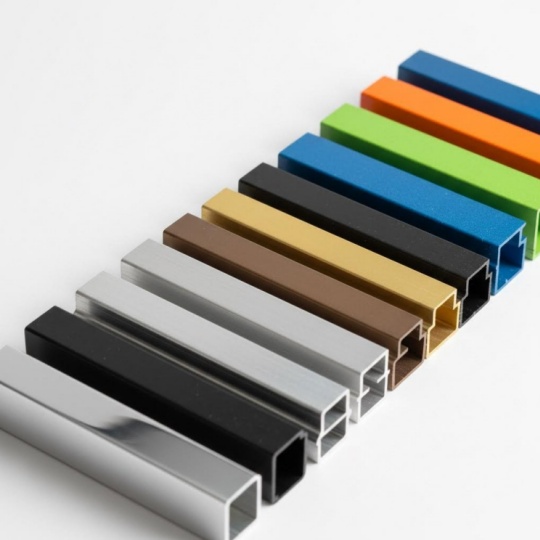
Finishes For Aluminum Extrusions: Match Your Project To The Right Coating Understanding Aluminum Extrusion Finishes and Why They Matter When you're specifying aluminum extrusions for your next project, the shape and alloy might grab your attention first. But here's what many engineers and architects discover too late: the finish you select can make or break your product's performance. Whether you're designing architectural curtain walls, automotive components, or precision electronics housings, your aluminum finishes directly influence durability, visual appeal, and long-term maintenance costs. So what exactly constitutes a "finish" for aluminum extrusions? In manufacturing terms, it refers to any surface treatment applied to improve appearance, durability, corrosion resistance, or functionality. These treatments protect raw metal from oxidation, enhance mechanical strength, and deliver specific aesthetic styles—from sleek matte textures to high-gloss metallic sheens. Why Your Finish Choice Shapes Product Success Imagine specifying beautiful aluminum window frames for a coastal building, only to watch them deteriorate within years because you selected the wrong protective coating. The right surface treatments don't just make products look better—they fundamentally transform how aluminum performs in real-world conditions. High-quality aluminum coatings provide critical protective qualities that raw material simply cannot offer. Proper finishing enhances resistance to corrosion, UV radiation, scratches, and chemical exposure. For industries like marine, automotive, and construction where durability is non-negotiable, effective aluminum coating solutions determine whether components last five years or fifty. The right aluminum finish can extend product lifespan by 3 to 5 times under corrosive conditions, transforming a good component into a great long-term investment. The Difference Between Surface Preparation and Applied Coatings Understanding finishes for aluminum extrusions starts with recognizing two distinct categories: mechanical surface finishes and applied coatings. Mechanical surface finishes physically alter the aluminum's texture through processes like brushing, polishing, or bead blasting. These treatments remove imperfections, create uniform appearances, and often prepare surfaces for subsequent coating aluminum processes. Applied coatings add protective or decorative layers onto the aluminum surface. Anodizing, powder coating, and PVDF finishes fall into this category—each offering different levels of protection and aesthetic possibilities. But wait—what does aluminum look like before any finishing occurs? In its raw mill state, aluminum displays a metallic gray color with visible machining marks and a somewhat dull, industrial appearance. The surface roughness typically ranges from Ra 0.8 to 3.2 µm depending on the extrusion process. While dimensionally accurate, this natural surface offers limited corrosion resistance without further...
Read More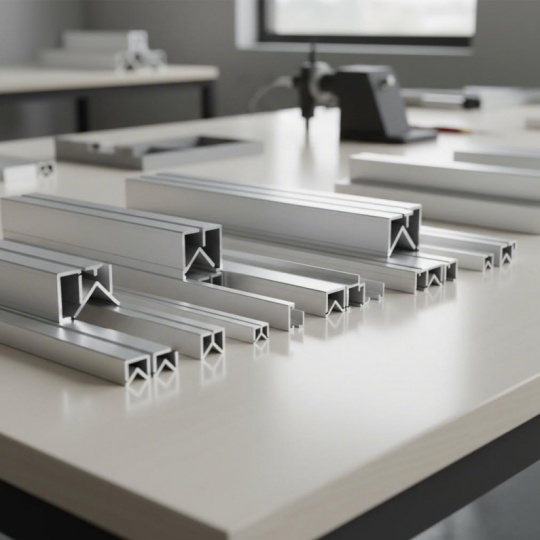
Flight Case Aluminum Extrusions: Several Essential Points For Stronger Builds What Are Flight Case Aluminum Extrusions Ever wondered what gives professional flight cases their remarkable ability to protect expensive equipment while remaining surprisingly lightweight? The answer lies in a critical component that most people overlook: flight case aluminum extrusions. These specialized aluminum profiles serve as the structural backbone of every professional protective case, forming the rigid framework that defines both strength and functionality. The Structural Foundation of Professional Flight Cases At its core, an aluminum extrusion is a length of aluminum that has been pushed through a shaped die to create a specific cross-sectional profile. Think of it like squeezing toothpaste through a nozzle, but with molten aluminum and precisely engineered dies. The result? Consistent, uniform profiles that can be cut to exact lengths for case construction. In flight case applications, these extruded aluminum components do far more than simply hold panels together. They create the essential framework that absorbs impacts, distributes stress loads, and maintains structural integrity under demanding conditions. According to Penn Elcom, these extrusions are specifically designed to meet the demands of touring, events, AV production, and transportation, offering exceptional options for custom case builds. The aluminum extrusion case construction method has become the industry standard for good reason. Unlike welded or bolted frame alternatives, extruded profiles provide: Consistent wall thickness and dimensional accuracy Built-in channels for rivets, screws, and panel attachment Smooth edges that reduce wear on contents and handlers Repeatable manufacturing for replacement parts Why Aluminum Extrusions Matter for Equipment Protection When you're transporting sensitive audio equipment, medical devices, or professional instruments, the case aluminium framework becomes your first line of defense. But these aren't just simple metal strips. Each aluminium extrusion case profile is an engineered component designed for specific mechanical functions. Consider what happens when a flight case takes an impact. The extruded aluminum frame channels that force away from the contents, distributing stress across the entire structure rather than concentrating it at a single point. This is possible because extrusion profiles can incorporate complex geometries, including internal ribs, interlocking channels, and reinforced corners, all in a single piece of material. The characteristic strength-to-weight ratio of aluminum makes it ideal for this application. As noted by industry sources, aluminum offers a high strength-to-weight ratio that allows cases to withstand significant impacts while remaining resistant to corrosion. This means your cases protect valuable equipment without adding unnecessary bulk that increases shipping costs or makes handling difficult. What truly sets pro...
Read More


 online service
 0086 136 3563 2360
 sales@sxalu.com
 +86 136 3563 2360
 English
 français
 Deutsch
 русский
 español
 português
 العربية
 ไทย
ไทย Việt
Việt Українська