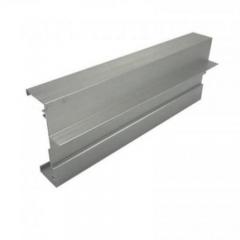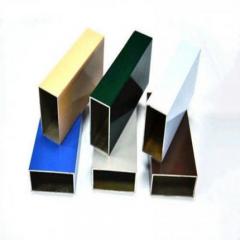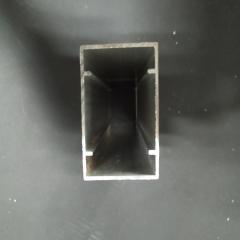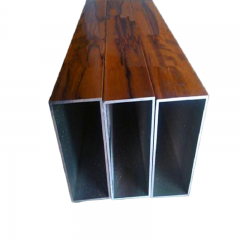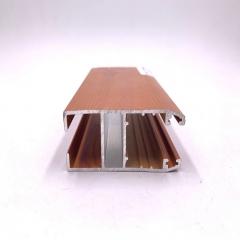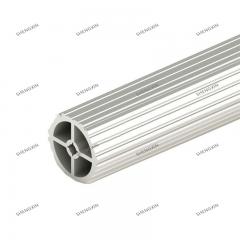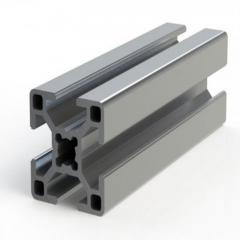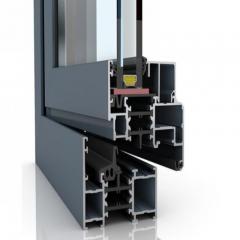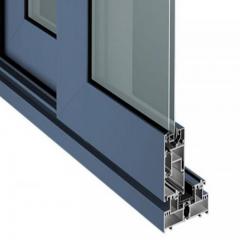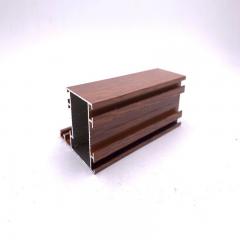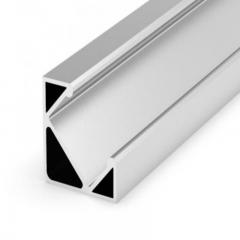
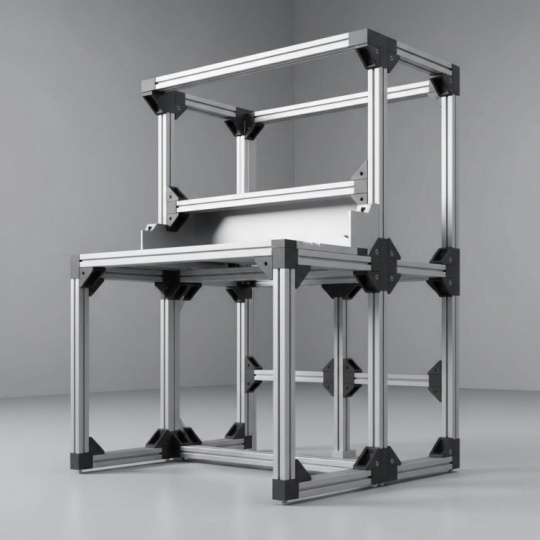
Aluminum Structural Extrusions: Steel-Beating Strength At Half The Weight What Are Aluminum Structural Extrusions and How Are They Made When you think about building a machine frame, workstation, or industrial enclosure, you might immediately picture heavy steel components. But what if you could achieve comparable—or even superior—load-bearing performance at roughly half the weight? That's exactly where aluminum structural extrusions come into play. Aluminum structural extrusions are engineering-grade aluminum profiles manufactured through the extrusion process, specifically designed for load-bearing applications requiring precise dimensional tolerances, verified mechanical properties, and predictable performance under stress. Unlike decorative trim or general-purpose aluminum extrusion profiles used for aesthetic applications, these structural components must meet rigorous specifications. They're engineered to handle compressive forces, support dynamic loads, and maintain dimensional stability over time—making them fundamentally different from standard aluminum shapes you might find in picture frames or window casings. The Extrusion Process Explained Imagine squeezing toothpaste through a shaped nozzle—that's essentially the aluminum extrusion process in its simplest form. However, the actual manufacturing involves considerably more engineering precision. The process begins with a cylindrical aluminum billet, which is a cast log of extrusion feedstock. This billet gets preheated in a furnace to temperatures between 700°F and 930°F (375°C to 500°C), depending on the specific alloy. At these temperatures, the aluminum becomes soft and malleable—but remains solid. Here's what happens next: A powerful hydraulic press (capable of exerting 100 to 15,000 tons of pressure) forces the heated billet against a steel die The softened aluminum has nowhere to go except through the die's shaped opening The material emerges on the other side as a fully formed extruded aluminum profile The hot extrusion is then quenched, aged, and treated to achieve desired mechanical properties For hollow profiles—like square tubes commonly used in structural framing—the process involves a die with an internal mandrel. The aluminum actually separates and "welds" back together under pressure as it flows around the mandrel supports, creating seamless hollow aluminium extrusion shapes. Structural vs Standard Profiles So what distinguishes structural aluminum extrusions from standard decorative profiles? The differences go far beyond simple labeling. Structural profiles typically use specific alloys—most commonly from the 6000 series—that have been heat-treated to achieve maximum strength. The 6061-T6 grade, for example, delivers tensile strength around 45,000 psi with yield strength of 40,000 psi. That's strong enough for aerospace brackets and heavy machinery frames. Standard extrusions, by contrast, might prioritize surface finish quality or ease of fabrication over raw strength...
Read More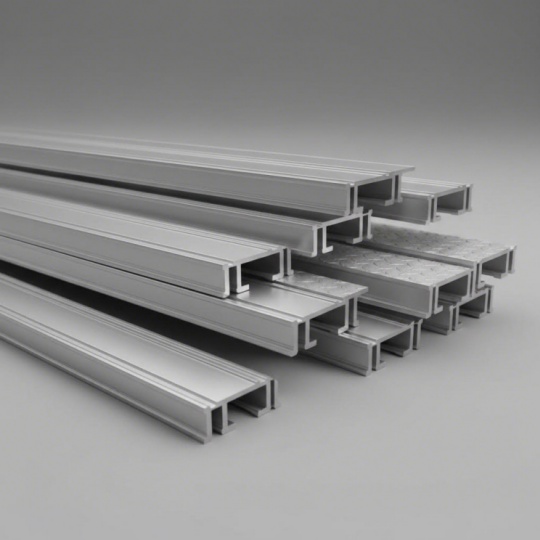
Aluminum Trailer Floor Extrusions: Which Alloy Won't Fail You? Understanding Aluminum Trailer Floor Extrusions and How They Work When you're shopping for trailer flooring, you'll quickly encounter the term "aluminum trailer floor extrusions." But what exactly are they? Simply put, these are precision-engineered aluminum planks created through a specialized manufacturing process that pushes heated aluminum through custom-shaped dies. The result? Strong, lightweight flooring components with consistent cross-sectional profiles designed specifically for trailer applications. Imagine squeezing toothpaste through a tube - that's essentially how extrusion works, just with superheated aluminum instead. Manufacturers heat aluminum billets to around 900°F, then force the softened metal through a steel die using tremendous hydraulic pressure. As the aluminum emerges, it takes on the exact shape of the die opening, creating long sections with identical profiles. This process allows for complex shapes that would be impossible to achieve through other manufacturing methods. This extruded aluminum trailer flooring has become the go-to choice for utility, enclosed, and flatbed trailers. Why? The combination of reduced weight, exceptional durability, and resistance to rot and corrosion makes it vastly superior to traditional wood flooring. Fleet operators particularly appreciate how the lighter aluminum floor translates directly into increased payload capacity and improved fuel economy. What Makes Extruded Aluminum Different from Sheet Metal You might wonder why manufacturers don't simply use flat aluminum sheets for trailer floors. The answer lies in structural efficiency. Sheet metal requires extensive cutting, bending, and welding to create usable flooring - a labor-intensive process that introduces potential weak points at every weld joint. According to industry experts, when certain grades of aluminum sheet metal are welded, the metal loses its strength, compromising product integrity. Extruded aluminum trailer flooring, on the other hand, emerges from the die as a single, continuous piece with built-in structural features. There's no welding required for the profile itself, meaning no heat-affected zones that weaken the material. The extrusion process also allows for complex internal geometries - like hollow chambers and support ribs - that maximize strength while minimizing weight. This makes extruded planks ideal for high-stress applications, from trailer corner sections to the main walking surface. The Anatomy of a Trailer Floor Extrusion Profile A quality trailer floor extrusion isn't just a flat piece of aluminum. It's a carefully engineered component with multiple functional features integrated into a single profile. Understanding these elements helps you evaluate different products and choose the right aluminum floor for your specific needs. Top Surface: The walking and cargo-bearing surface, often featuring textured patterns (diamond plate, ribbed, ...
Read More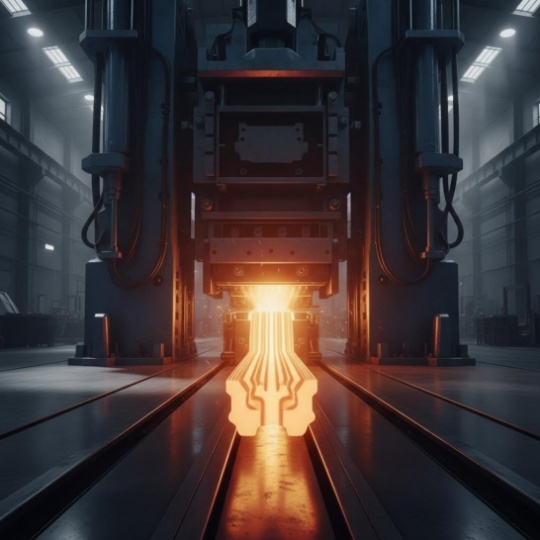
Cost Of Custom Aluminum Extrusion: Budget Surprises Nobody Warns You About Understanding What Really Drives Custom Aluminum Extrusion Costs Ever asked a manufacturer how much is a aluminum extrusion going to cost, only to receive the frustrating answer: "It depends"? You're not alone. Unlike off-the-shelf products with fixed price tags, custom aluminum extrusions carry pricing that shifts based on dozens of interconnected variables. Understanding these factors isn't just helpful—it's essential for protecting your project budget from costly surprises. The custom aluminum extrusion cost you'll ultimately pay reflects a complex equation. According to industry data for 2025, standard aluminum extrusion ranges between $2.50 and $3.80 per kilogram, but custom work can swing dramatically higher based on your specific requirements. Raw aluminum ingot pricing alone accounts for 60-75% of your total cost, yet that's just the starting point. Why Custom Extrusion Pricing Defies Simple Answers When you request a quote for custom aluminum extrusions, you're really asking about five separate cost streams that interact in unexpected ways. A simple design change—say, adding an extra hollow chamber to your profile—can trigger cascading effects across tooling, processing time, and even finishing costs. This interconnection explains why two seemingly similar projects can carry vastly different price tags. Think about it this way: ordering a custom extrusion isn't like buying raw material by the pound. You're paying for engineering expertise, precision tooling, specialized equipment time, surface treatments, and logistical handling. Each element responds to different market forces and project specifications. The True Scope of Extrusion Investment Before diving into detailed breakdowns, let's map out the primary cost categories that shape your aluminum extrusion cost: Tooling and Die Investment: The upfront cost of creating custom dies, ranging from approximately $400 to $2,000+ depending on complexity and press size requirements Raw Material Pricing: Aluminum commodity costs that fluctuate based on global markets, with LME rates currently around $2.52-$2.53 per kilogram Processing and Manufacturing: Heating, extrusion, cooling, and cutting operations that add 15-25% to base material costs Surface Finishing: Anodizing, powder coating, or specialty treatments contributing 5-15% of final pricing Logistics and Handling: Packaging, shipping, and potential import duties that can add unexpected expenses Custom extrusion costs vary dramatically based on project specifications—from profile complexity and alloy selection to order volume and finishing requirements. Without understanding these variables, buyers risk budget overruns that could have been avoided through informed decision-making. This guide takes a buyer-centric approach to custom aluminum extrusion pricing. Rather than justifying what manufacturers charge, we'll focus on helping you understand, compare, and negoti...
Read More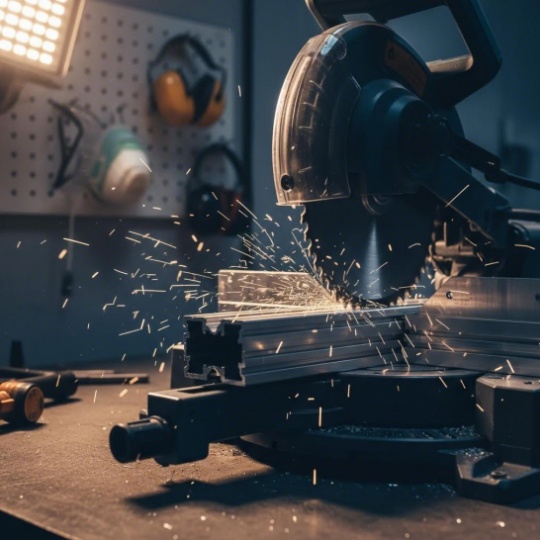
Cutting Aluminum Extrusions Without Burrs: 4 Methods That Actually Work Understanding Aluminum Extrusion Cutting Fundamentals Have you ever picked up a beautiful piece of aluminum extrusion, only to ruin it with a rough, burr-laden cut? You're not alone. Cutting aluminum extrusion cleanly requires more than just grabbing the nearest saw and hoping for the best. Whether you're building a custom 3D printer frame, assembling modular furniture, or tackling a professional fabrication project, understanding how to cut aluminum extrusion properly makes the difference between frustration and flawless results. Unlike solid bar stock or simple sheet metal, extruded aluminum profiles present unique challenges. These components are created by forcing heated aluminum through specially shaped dies, resulting in profiles that feature hollow sections, varying wall thicknesses, and intricate channel designs. The best way to cut aluminum depends entirely on understanding these characteristics before you make your first cut. What Makes Aluminum Extrusions Different from Sheet Metal When you're cutting aluminum in sheet form, you're dealing with a uniform thickness throughout. Extrusions are a different story entirely. T-slot and V-slot configurations—the workhorses of DIY robotics, CNC machines, and modular construction—feature complex cross-sections with internal channels and grooves running their entire length. T-slot profiles contain those distinctive T-shaped channels that accept specialized nuts and hardware, while V-slot extrusions feature precision V-shaped grooves designed for integrated linear motion systems. Both types demand cutting approaches that account for their hollow interiors and thin walls. A technique that works perfectly for solid aluminum bar might cause a hollow profile to deform, vibrate excessively, or produce jagged edges. Why Proper Cutting Technique Matters for Your Project Understanding how to cut aluminium correctly isn't just about aesthetics—though clean cuts certainly look more professional. Poor cutting techniques can compromise the structural integrity of your assembly, prevent proper hardware insertion into slots, and create safety hazards from sharp burrs. For precision applications like aluminum miter joints in frame construction, even small deviations from square can cascade into significant alignment problems. Before selecting your cutting method, evaluate these key factors: Profile type: Hollow tubes, T-slot rails, L-shaped angles, and solid bars each require different support and blade considerations Precision requirements: Hobbyist projects may tolerate ±1mm variance, while precision assemblies demand ±0.25mm or tighter Volume: Single cuts favor hand tools, while production runs justify power tool setup time Available tools: Your workshop equipment determines which methods are practical for your situation In the sections ahead, you'll discover four proven methods for achieving burr-free cuts—from power saws that deliver sp...
Read More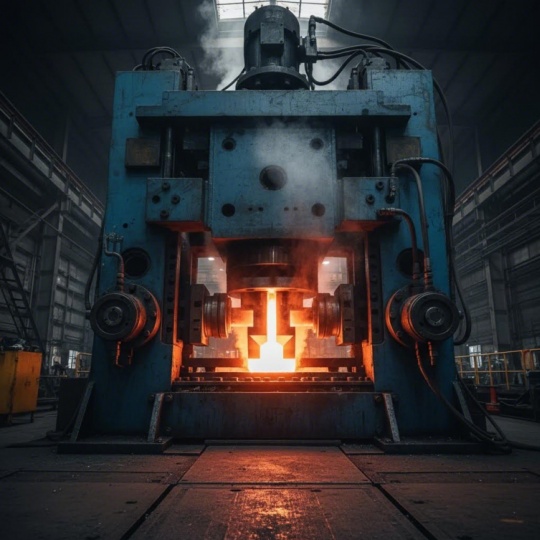
Custom Aluminum Extrusions Florida: Beat Salt Air Corrosion Forever Understanding Custom Aluminum Extrusions in the Florida Market Ever wondered how those perfectly shaped aluminum window frames, boat rails, or solar panel mounts come to life? The answer lies in a fascinating manufacturing process that transforms solid aluminum into virtually any cross-sectional shape you can imagine. For Florida buyers, understanding this process opens the door to solutions specifically engineered for the Sunshine State's unique challenges. Custom aluminum extrusions are aluminum profiles manufactured to your exact specifications rather than pulled from a standard catalog. The process works like a sophisticated play-dough press: cylindrical aluminum billets are preheated to 400-500°C until malleable, then a hydraulic ram applies up to 15,000 tons of pressure to force the material through a specially designed die. What emerges is a continuous length of aluminum shaped precisely to the die's cross-sectional profile. What Makes Aluminum Extrusion Custom The magic happens in the die itself. Unlike off-the-shelf profiles, custom extruded aluminum starts with your unique design requirements. Whether you need an unusual channel shape for marine applications or a complex thermal break profile for hurricane-resistant windows, manufacturers create a die specifically for your project. The process involves several critical stages: Die preheating to 450-500°C to ensure even metal flow and maximize die longevity Billet preparation with lubricants to prevent sticking during extrusion Precision quenching using water baths or fans for uniform cooling Stretching to correct any twists and achieve exact dimensional specifications Heat treatment (aging) to reach the desired temper, typically T5 or T6 This level of control means your custom aluminum extrusions can incorporate features impossible to achieve with standard shapes—integrated screw channels, snap-fit connections, or optimized wall thicknesses that reduce weight without sacrificing strength. Florida's Growing Demand for Specialized Profiles Florida has emerged as a significant hub for aluminum extrusion manufacturing and consumption. Hydro Extrusion North America operates a fully integrated extrusion and fabrication facility in Hydro St Augustine, featuring an on-site cast house that provides reliable aluminum supply and easier access to customized alloys. This facility offers advanced capabilities including spiral extrusions, 6063 drawn tubing, and extensive CNC machining. The state's demand continues to grow. According to industry reports, Keymark Corporation recently opened a 76,000-square-foot coating facility in Lakeland, bringing their total Florida production space to over 330,000 square feet. This expansion reflects the architectural and residential fenestration markets driving regional demand. Companies like Benada Aluminum Products LLC represent the diverse supplier landscape serving Florida's specialized needs. ...
Read More


 online service
 0086 136 3563 2360
 sales@sxalu.com
 +86 136 3563 2360
 English
 français
 Deutsch
 русский
 español
 português
 العربية
 ไทย
ไทย Việt
Việt Українська