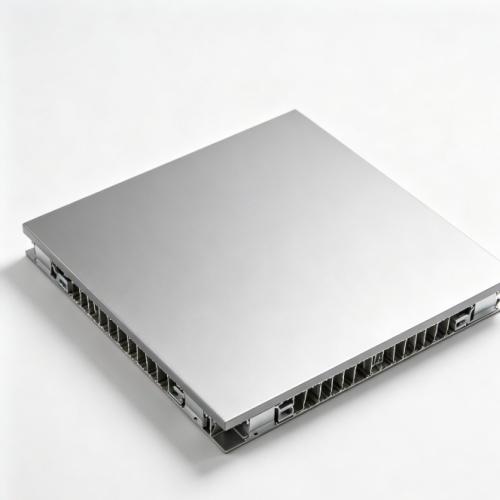
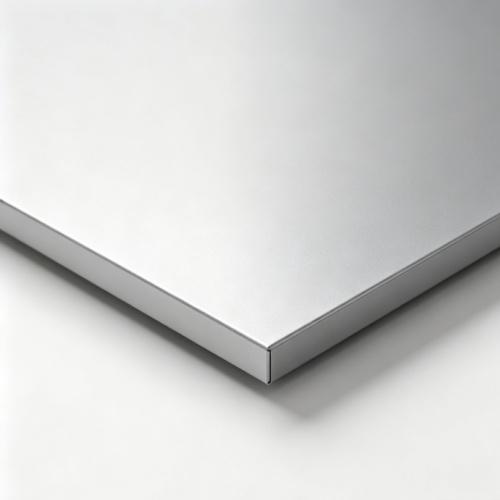
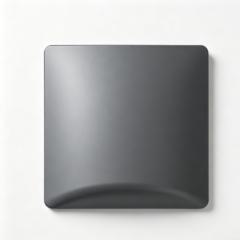
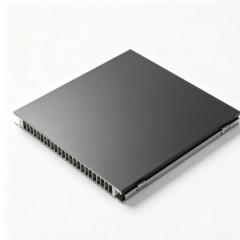
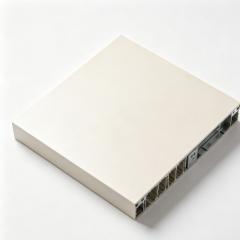
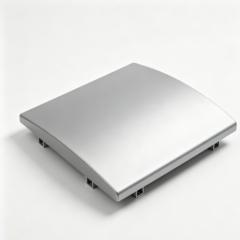
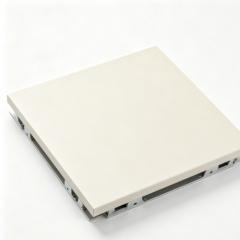
Aluminium Composite Panel Curtain Walls occupy a specific position in the facade market: they deliver the flat, modern appearance of a premium cladding system at a lower cost per square metre than solid aluminium or honeycomb panels. An ACP is a sandwich — two thin aluminium skins bonded to a core material — and that construction gives it excellent flatness, low weight, and good rigidity at a price point that makes it viable for large commercial elevations, retail centres, and budget-conscious projects where a solid panel would be over-specified.
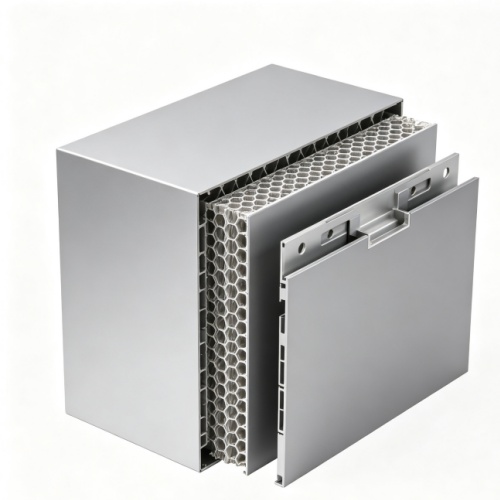
The core material is the defining variable. Standard ACP uses a polyethylene core, which is lightweight and economical but combustible. For projects subject to fire regulations — and increasingly, that means most commercial buildings — we supply ACP with a mineral-filled or fire-retardant core that achieves Class B or Class A2 fire classification per EN 13501-1. This allows the same flat, seamless appearance to be specified on buildings where a standard polyethylene-core panel would not comply. The skins are typically 0.3–0.5 mm aluminium, and the overall panel thickness ranges from 3 mm to 6 mm, with 4 mm being the most common for facade applications.
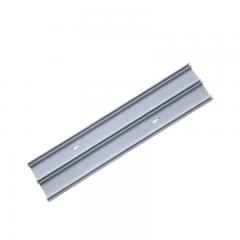
Shengxin has over 30 years of aluminium extrusion expertise and manufactures ACP curtain wall systems in-house, including the composite panels, the extruded edge profiles, and the support sub-frame. We apply the finish ourselves, so the coating is formulated to bond to the aluminium skin and flex with the panel without cracking at the fold. Where a project demands the stiffness of a bonded honeycomb core rather than a composite core, our aluminium honeycomb curtain wall panels provide that higher-performance option.
Features & Benefits
-
Excellent flatness at lower cost: The composite construction holds the skins flat, eliminating the waviness of thin solid sheet, at a price point well below solid or honeycomb aluminium panels.
-
Lightweight large-format cladding: A 4 mm ACP weighs approximately 5.5 kg/m², reducing facade dead load and making installation faster and less labour-intensive.
-
Fire-retardant core options: Mineral-filled and fire-retardant cores achieve Class B or Class A2 fire classification per EN 13501-1, meeting the requirements of most commercial building codes.
-
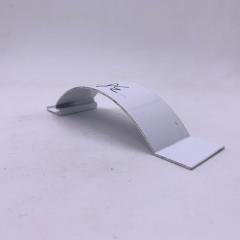
Design flexibility: Panels can be routed and folded to form cassettes, trays, and column covers, with concealed fixings that create clean, uninterrupted surfaces.
-
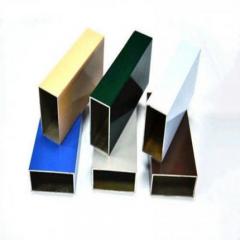
Wide finish range: PVDF coating to AAMA 2605, powder coating to AAMA 2604, and anodizing to Qualanod standards — all applied in-house with full colour documentation.
-
Durable and low maintenance: The coated aluminium skins resist weather, pollution, and UV exposure, requiring only occasional cleaning to maintain their appearance.
Core Types & Fire Performance
The core material determines the panel's fire classification and its suitability for different building types. Use this table to match the core to your project requirements.
|
Core Type
|
Fire Classification
|
Typical Weight (4 mm)
|
Best Application
|
|
Polyethylene (PE)
|
Class E / F (combustible)
|
~5.5 kg/m²
|
Interior, low-rise, signage
|
|
Fire-retardant (FR)
|
Class B-s1,d0
|
~6.0 kg/m²
|
Commercial facades, mid-rise
|
|
Mineral-filled (A2)
|
Class A2-s1,d0
|
~7.5 kg/m²
|
High-rise, public buildings, strict codes
|
Always confirm the required fire classification with your local building authority before specifying the core type.
Technical Specifications
|
Panel Construction
|
Aluminium skins (0.3–0.5 mm) + core + aluminium skins
|
|
Panel Thickness
|
3 mm – 6 mm (4 mm standard for facade)
|
|
Maximum Panel Size
|
1500 mm × 4000 mm (larger by assembly)
|
|
Weight (4 mm panel)
|
Approx. 5.5 – 7.5 kg/m² (depending on core)
|
|
Surface Finish
|
PVDF (AAMA 2605), powder coating (AAMA 2604), anodizing (Qualanod)
|
|
Fire Classification
|
Class B to Class A2 per EN 13501-1 (core dependent)
|
|
Bond Strength
|
Verified per EN 14024; peel tests on every batch
|
|
Applicable Standards
|
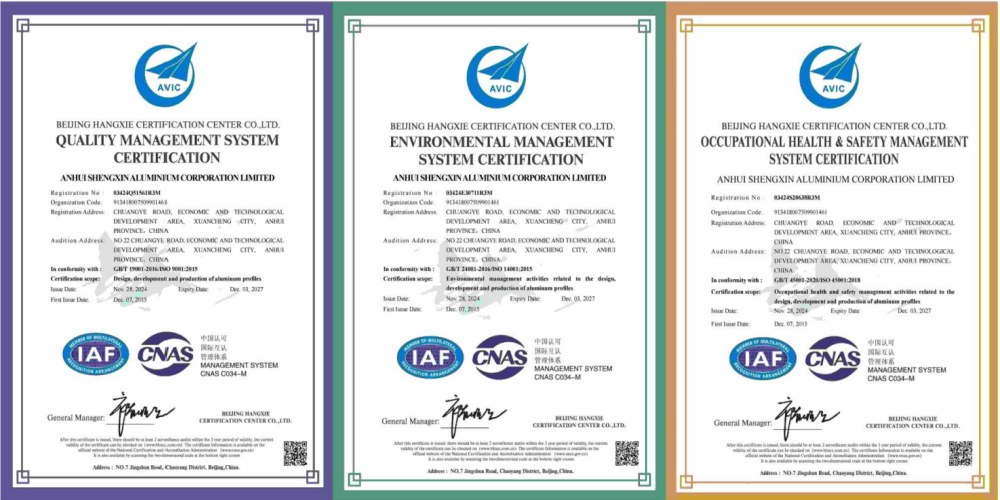
AAMA 2605, AAMA 2604, Qualanod, EN 13501-1, EN 755
|
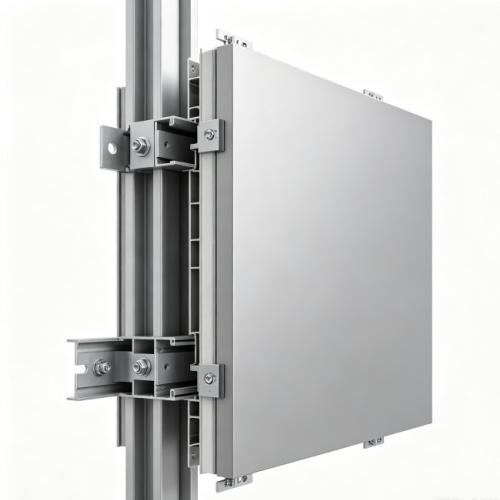
These composite panels sit alongside our wider aluminum wall panels range, which includes solid cladding, perforated systems, and honeycomb panels. For elevations where flatness must be maintained on high-rise buildings, the same composite construction can be finished with fluorocarbon coated aluminium skins for maximum colour retention.
Applications of Aluminium Composite Panel Curtain Walls
-
Retail and commercial facades: ACP is the workhorse of retail cladding — flat, economical, and available in a wide colour range, making it ideal for shopping centres, showrooms, and office frontages.
-
Petrol stations and service buildings: The combination of flatness, durability, and cost-effectiveness makes ACP the default choice for forecourt canopies and roadside retail buildings.
-
Interior and exterior signage: The flat surface and easy machinability of ACP make it suitable for large-format signage, fascia panels, and branded cladding elements.
-
Mid-rise residential facades: Where fire regulations permit, ACP provides a lightweight, flat cladding for apartment buildings and mixed-use developments.
-
Column covers and feature panels: ACP can be routed and folded into three-dimensional shapes, making it suitable for column enclosures, bulkheads, and architectural feature elements.
Customisation & Supply Options
|
Service
|
Capability
|
|
Panel Dimensions
|
Custom sizes to suit facade module and installation sequence
|
|
Core Type
|
PE, fire-retardant, or mineral-filled core selected per fire requirement
|
|
Edge & Routing
|
Cassette returns, shadow gaps, or open joints routed and folded to your design
|
|
Finish Options
|
In-house powder coating, PVDF, anodizing; full RAL and custom colours
|
|
Bespoke Die Design
|
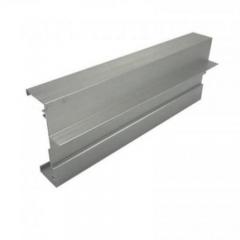
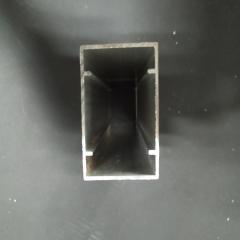
When standard edge profiles do not match your design, our aluminium profile development service creates custom dies and produces trial sections for approval
|
|
Packaging & Delivery
|
Protective interleaving, custom pallets, labelled per facade zone
|
Why Choose Shengxin for Aluminium Composite Panel Curtain Walls?
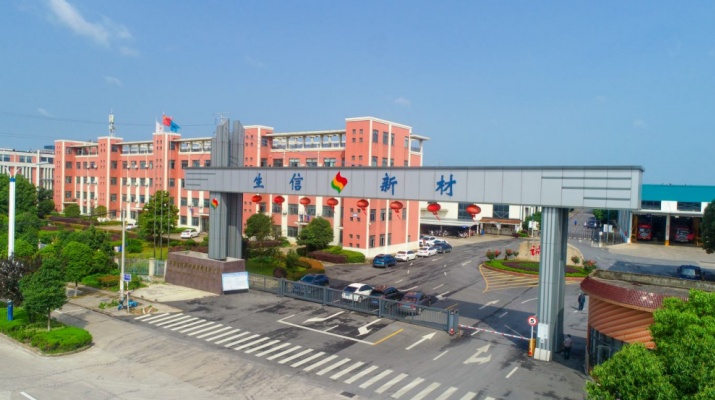
ACP is a bonded product, and the bond between the aluminium skins and the core is what determines whether the panel stays flat and weather-tight over decades. Shengxin has over 30 years of aluminium manufacturing experience and performs all panel lamination, edge routing, and coating in-house. This means we control the surface preparation, the adhesive or bonding film, the curing cycle, and the final finish — every variable that affects panel performance. For projects where the composite cladding must extend across a large commercial elevation, we can supply the complete aluminium facade cladding system, including the support sub-frame and fixing brackets. With $120 million in assets and exports to 97 countries, we have the capacity and experience to deliver ACP facade projects of any scale.
In-House Lamination
Panel bonding, edge routing, and coating are all performed in our factory, with peel testing on every production batch.
Fire-Retardant Core Options
FR and mineral-filled cores achieve Class B to A2 fire classification, supporting compliance with commercial building codes.
Architectural Finish Quality
PVDF, powder coating, and anodizing lines with AAMA and Qualanod certification, plus custom colour matching to architect specifications.
Global Manufacturing Scale
100,000-ton annual capacity, 5,000-ton warehouse, 5 container loading platforms. We deliver ACP projects worldwide.
Aluminium Composite Panel Curtain Wall FAQ
Q: How do aluminium composite panels differ from standard aluminum wall panels?
A: Standard aluminum wall panels are solid aluminium sheet. ACP is a composite — two thin aluminium skins bonded to a core material. The composite construction delivers better flatness and lower weight at a lower cost than solid sheet, but with lower structural stiffness. For high-wind or high-rise applications, solid or honeycomb panels may be more appropriate.
Q: Can ACP create a large-format aluminum great wall panel effect?
A: Yes. We manufacture large ACP sheets up to 1500 mm × 4000 mm, and can coordinate joint positions and cassette routing to create a continuous aluminum great wall panel effect across a commercial elevation. The flatness of the composite construction ensures the surface reads as a seamless plane.
Q: What fire classification does your ACP achieve?
A: Our ACP is available with PE, fire-retardant (Class B-s1,d0), and mineral-filled (Class A2-s1,d0) cores. The required classification depends on your building type and local regulations. We provide fire test certificates for each core option and can advise on the appropriate specification.
Q: Can ACP panels be routed and folded on site?
A: ACP is designed to be routed and folded, but for facade applications we recommend factory routing and folding to ensure consistent quality and edge finish. Our in-house CNC routing produces clean, accurate folds that maintain the panel's weather performance.
Q: Are ACP panels suitable for coastal environments?
A: Yes, with the correct finish. PVDF coating to AAMA 2605 or anodizing to Qualanod standards provides excellent resistance to salt spray and UV exposure. We recommend PVDF for projects within 500 metres of the coast.
Custom Aluminium Composite Panel Solutions
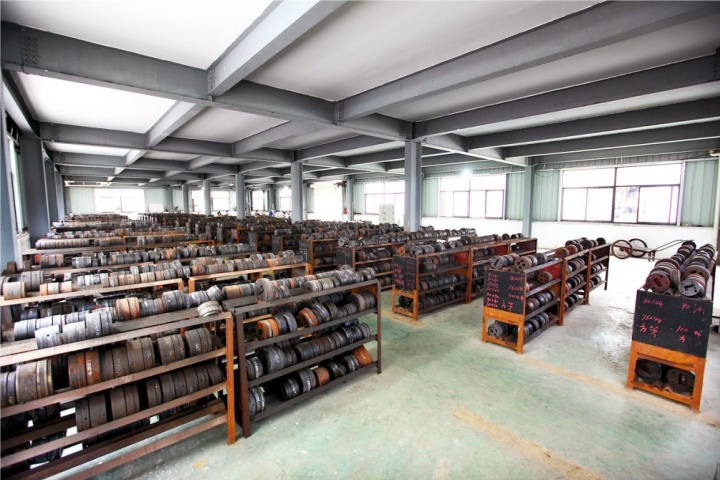
If your facade design requires a specific panel thickness, a fire-rated core, or a custom cassette routing profile, Shengxin's custom fabrication service can manufacture panels to your exact drawings.
How It Works:
-
Send your design — architectural drawings showing panel dimensions, core specification, and finish requirements.
-
Our engineers review — we assess flatness requirements, core type, and edge routing, then suggest optimisations.
-
Receive a quotation — including lamination, routing, finish cost, and lead time.
-
Approve a sample — we produce a sample panel with your finish for approval.
-
Full production — consistent flatness and finish across every panel, delivered on schedule.
⚠️ Important Note: All panel images and dimensional drawings on this page are for reference only. Final dimensions, core specification, finishes, and edge profiles will be confirmed based on your approved production drawings and sample panels. Please contact our engineering team to discuss your specific requirements before placing an order.
Please note: The production timelines discussed are typical estimates based on smooth design approvals and current scheduling. Actual lead times may be longer if design changes are required, multiple sample iterations are needed, or production capacity is temporarily at high demand. Your dedicated project engineer will provide updated timelines at each stage, and final delivery dates will be confirmed in your order confirmation.
← Back to Architectural Aluminium Profiles category


 English
 français
 Deutsch
 русский
 español
 português
 العربية
 ไทย
ไทย Việt
Việt Українська


 online service

