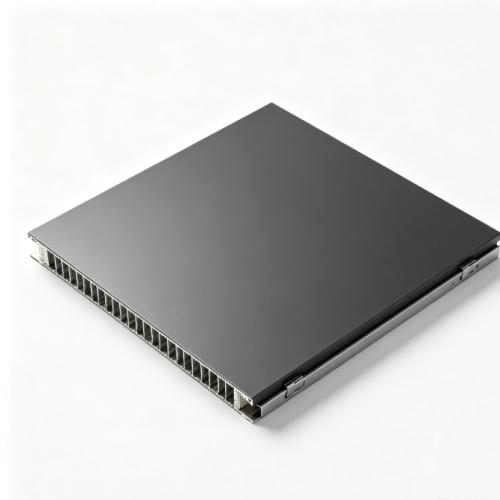
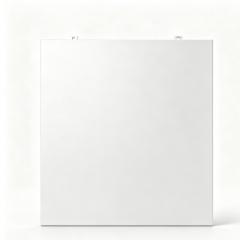
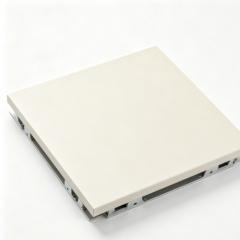
Aluminium Honeycomb Panel Curtain Walls solve a problem that solid aluminium panels cannot: how to achieve a perfectly flat, large-format surface on a high-rise facade without the panel bowing, oil-canning, or reflecting distorted images. A honeycomb panel is a composite — two thin aluminium skins bonded to a lightweight honeycomb core — and that sandwich construction gives it extraordinary stiffness-to-weight ratio. A 25 mm honeycomb panel can span further, resist wind load better, and remain flatter than a 4 mm solid aluminium sheet at a fraction of the weight. On a tall building, where every kilogram of facade adds structural cost and installation time, that difference matters.
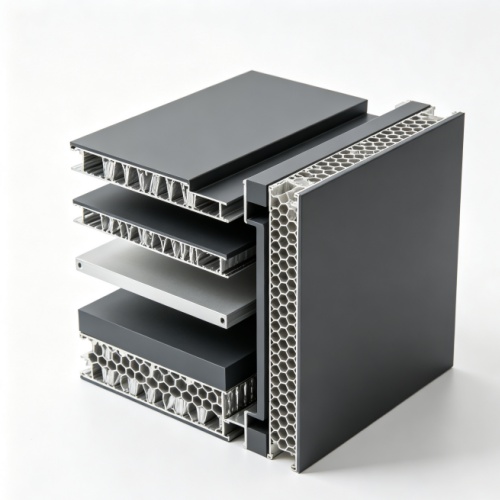
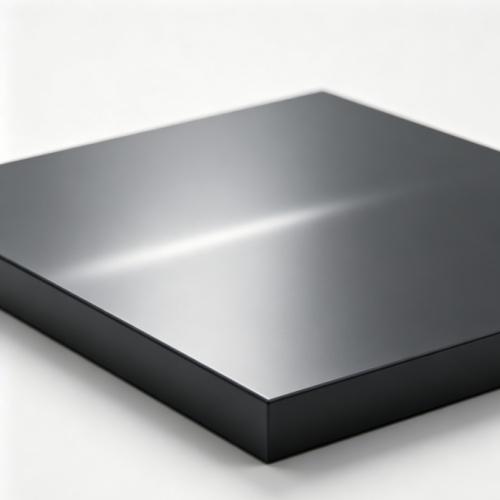
The flatness advantage is what makes honeycomb panels the default choice for premium curtain wall elevations. Solid aluminium panels, even when carefully tension-levelled, will show subtle waves and distortions under raking light — particularly on dark, glossy finishes. Honeycomb panels eliminate this because the core holds the skins in a fixed plane, preventing the local buckling that causes oil-canning. The result is a facade that reads as a true architectural surface: crisp reflections, consistent shadow lines, and a level of finish quality that clients notice immediately. The panels also provide acoustic insulation, thermal break potential, and fire performance that solid panels cannot match.
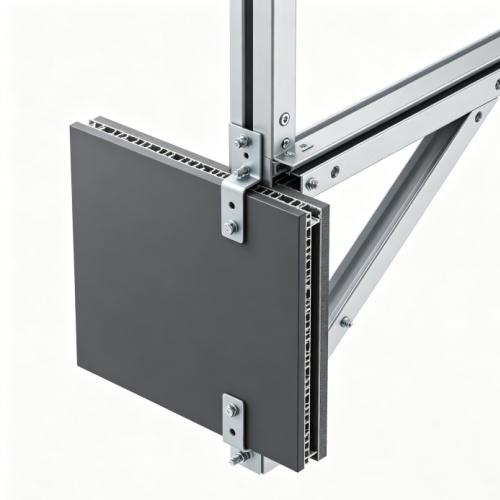
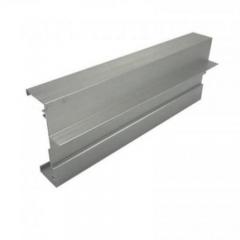
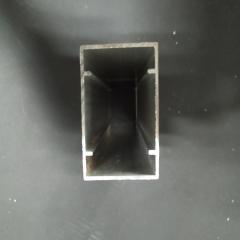
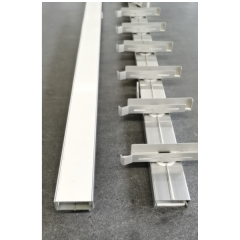
Shengxin has over 30 years of aluminium extrusion expertise and manufactures honeycomb panels entirely in-house, from skin fabrication and core bonding to edge profiling and final coating. The edge profiles that close the panel and interface with the sub-frame are extruded on our own lines, drawn from the same mullion and transom system used across our aluminium curtain wall profile systems. We provide flatness data, bond strength test reports, and full structural documentation for facade engineers.
Features & Benefits
-
Exceptional flatness: The honeycomb core holds the aluminium skins in a fixed plane, eliminating the oil-canning and waviness that affect solid panels under raking light — critical for dark or glossy finishes.
-
High stiffness-to-weight ratio: A honeycomb panel achieves greater rigidity than a solid sheet of equivalent weight, reducing facade dead load while maintaining wind load performance.
-
Large-format capability: Panels up to 1500 mm × 4000 mm can be produced without the mid-span deflection that would require additional stiffeners in a solid panel.
-
Acoustic and thermal performance: The honeycomb core provides sound insulation and can be combined with insulation to improve the facade's thermal performance.
-
Fire performance: Aluminium honeycomb panels with mineral-filled cores achieve Class A1/A2 fire classification per EN 13501-1 (non-combustible).
-
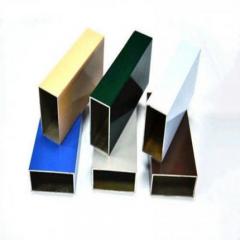
Architectural finish quality: PVDF coating to AAMA 2605, powder coating to AAMA 2604, and anodizing to Qualanod standards — all applied in-house after panel assembly.
Honeycomb Panel vs. Solid Aluminium Panel
The structural difference between honeycomb and solid panels determines their suitability for different facade applications.
|
Property
|
Honeycomb Panel
|
Solid Aluminium Panel
|
|
Flatness
|
Excellent — core prevents oil-canning
|
Good, but prone to waviness under raking light
|
|
Stiffness
|
Very high — sandwich construction
|
Moderate — depends on thickness
|
|
Weight
|
Low — approx. 5–8 kg/m² for 25 mm panel
|
Higher — approx. 8–11 kg/m² for 3 mm sheet
|
|
Max Panel Size
|
1500 × 4000 mm without stiffeners
|
Limited by thickness and wind load
|
|
Acoustic Insulation
|
Good — core absorbs sound
|
Minimal
|
For premium facades where flatness and large panel sizes are specified, honeycomb panels are the preferred choice.
Technical Specifications
|
Panel Construction
|
Aluminium skins (0.8–1.5 mm) + honeycomb core + aluminium edge profile
|
|
Panel Thickness
|
10 mm – 50 mm (25 mm standard for facade)
|
|
Maximum Panel Size
|
1500 mm × 4000 mm (larger by assembly)
|
|
Weight (25 mm panel)
|
Approx. 5.5 – 8.0 kg/m² (depending on skin thickness)
|
|
Surface Finish
|
PVDF (AAMA 2605), powder coating (AAMA 2604), anodizing (Qualanod)
|
|
Fire Classification
|
Class A1/A2 per EN 13501-1 with mineral-filled core
|
|
Bond Strength
|
Verified per EN 14024; flatwise tensile and peel tests on every batch
|
|
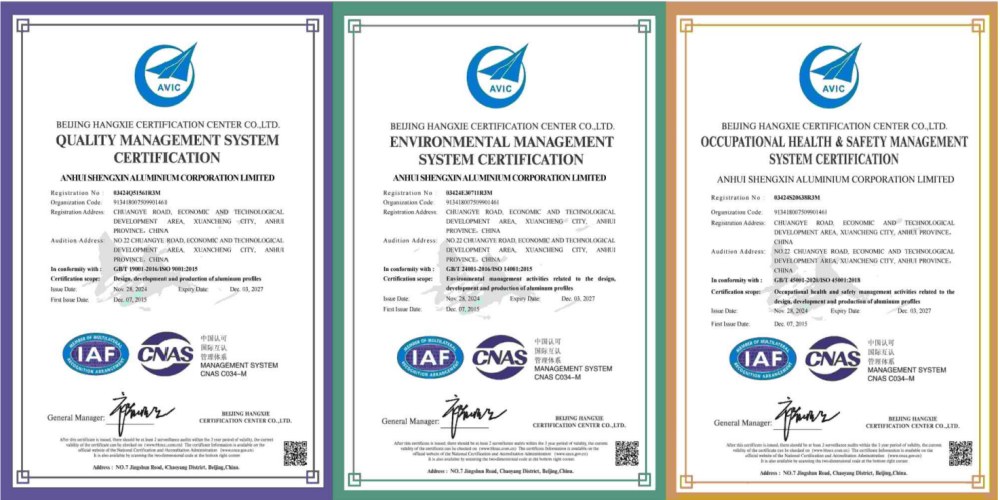
Applicable Standards
|
AAMA 2605, AAMA 2604, Qualanod, EN 13501-1, EN 755
|
These honeycomb panels complement our wider aluminum wall panels range, which includes solid cladding, perforated systems, and bespoke facade solutions. Where a project requires a fluorocarbon finish for maximum colour retention on exposed elevations, the same honeycomb construction can be supplied with PVDF coated aluminium facade panels.
Applications of Aluminium Honeycomb Panel Curtain Walls
-
High-rise commercial facades: Honeycomb panels are specified where large, flat, premium surfaces are required, and where reducing facade weight lowers structural cost and installation time.
-
Premium retail and brand environments: The flawless flatness of honeycomb panels makes them ideal for facades where reflections, lighting, and brand presentation demand a perfect surface.
-
Airport and transport terminals: Large-format honeycomb panels clad the expansive elevations of modern terminals, with acoustic and thermal performance that solid panels cannot match.
-
Cultural and civic buildings: Museums, galleries, and public buildings use honeycomb panels where the facade is a considered architectural element and flatness is part of the design intent.
-
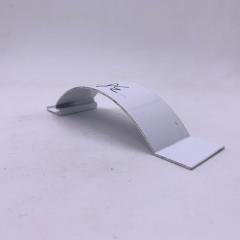
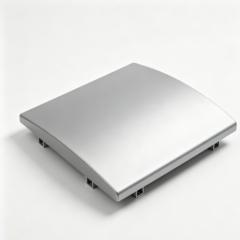
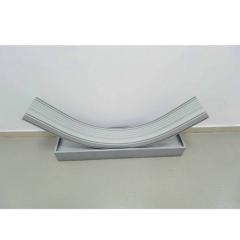
Curved and complex geometry: Honeycomb panels can be formed to gentle curves and folded at the edges, allowing large-format flatness to be combined with architectural form.
Customisation & Supply Options
|
Service
|
Capability
|
|
Panel Dimensions
|
Custom sizes to suit facade module and installation sequence
|
|
Core Type
|
Aluminium honeycomb or mineral-filled core for enhanced fire performance
|
|
Edge Profile
|
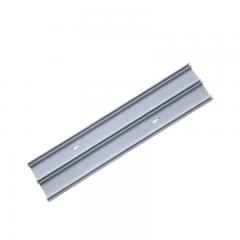
Custom extruded edge profiles for interlocking, shadow gap, or open joint
|
|
Finish Options
|
In-house powder coating, PVDF, anodizing; full RAL and custom colours
|
|
Bespoke Die Design
|
When standard edge profiles do not match your design, our custom aluminium extrusion service develops bespoke dies and produces trial sections for approval
|
|
Packaging & Delivery
|
Protective interleaving, custom pallets, labelled per facade zone
|
Why Choose Shengxin for Honeycomb Curtain Wall Panels?
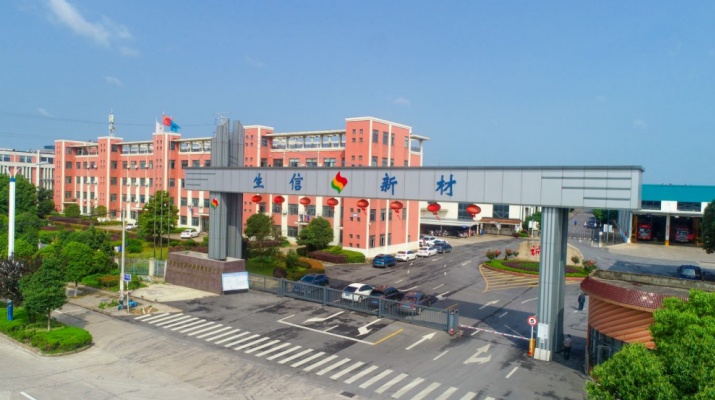
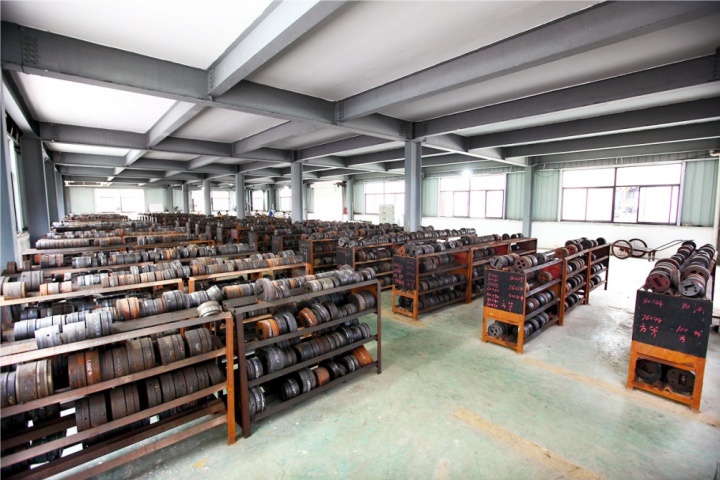
Honeycomb panels are a bonded assembly, and the bond is only as reliable as the process that creates it. Shengxin has over 30 years of aluminium manufacturing experience and performs all panel lamination, edge profiling, and coating in-house. This means we control the surface preparation of the skins, the adhesive application, the curing cycle, and the final finish — every variable that determines whether the panel remains flat and structurally sound for decades. For facade projects where flatness must be maintained across a substantial high-rise aluminium facade system, we can coordinate panel joints and edge profiles across the full surface. With $120 million in assets and exports to 97 countries, we have the capacity and experience to deliver honeycomb panel projects of any scale.
In-House Lamination
Panel bonding, edge profiling, and coating are all performed in our factory, with bond strength testing on every production batch.
Flatness Verification
Every honeycomb panel is checked for flatness against architectural tolerances before dispatch, ensuring a level facade surface.
Architectural Finish Quality
PVDF, powder coating, and anodizing lines with AAMA and Qualanod certification, plus custom colour matching to architect specifications.
Global Manufacturing Scale
100,000-ton annual capacity, 5,000-ton warehouse, 5 container loading platforms. We deliver honeycomb panel projects worldwide.
Aluminium Honeycomb Panel Curtain Wall FAQ
Q: How do honeycomb panels differ from standard aluminum wall panels?
A: Standard aluminum wall panels are solid sheets. Honeycomb panels are a composite assembly — two thin aluminium skins bonded to a lightweight honeycomb core. That sandwich construction delivers far greater flatness and stiffness at lower weight, making honeycomb the preferred choice for large-format, high-specification facades where solid panels would show waviness.
Q: Can honeycomb panels create a large-format aluminum great wall panel effect?
A: Yes. We manufacture large honeycomb panels up to 1500 mm × 4000 mm, and can coordinate joint positions and edge profiles to create a continuous aluminum great wall panel effect across a prominent elevation. The flatness of the honeycomb core ensures the surface reads as one seamless plane rather than a series of individual panels.
Q: Are honeycomb panels heavier than solid panels?
A: No, they are typically lighter. A 25 mm honeycomb panel with 1 mm skins weighs approximately 5.5–8.0 kg/m², while a 3 mm solid aluminium panel weighs 8–11 kg/m². The honeycomb core is mostly air, so the panel delivers greater stiffness at lower weight.
Q: What is the maximum panel size available?
A: Our standard maximum is 1500 mm × 4000 mm. Larger facades are achieved by assembling multiple panels with matching edge profiles and consistent joint widths, maintaining the flatness and alignment across the full elevation.
Q: Can honeycomb panels be used in coastal environments?
A: Yes. With PVDF coating to AAMA 2605 or a minimum 20-micron anodized finish, honeycomb aluminium panels provide excellent resistance to salt spray and UV exposure, making them suitable for coastal facades and marine environments.
Custom Aluminium Honeycomb Panel Solutions
If your facade design requires a specific panel thickness, a custom edge profile, or a honeycomb core configuration to meet fire or acoustic requirements, Shengxin's custom fabrication service can manufacture panels to your exact drawings.
How It Works:
-
Send your design — architectural drawings showing panel dimensions, core specification, and finish requirements.
-
Our engineers review — we assess flatness requirements, core type, and edge profile, then suggest optimisations.
-
Receive a quotation — including lamination, edge fabrication, finish cost, and lead time.
-
Approve a sample — we produce a sample panel with your finish for approval.
-
Full production — consistent flatness and finish across every panel, delivered on schedule.
⚠️ Important Note: All panel images and dimensional drawings on this page are for reference only. Final dimensions, core specification, finishes, and edge profiles will be confirmed based on your approved production drawings and sample panels. Please contact our engineering team to discuss your specific requirements before placing an order.
Please note: The production timelines discussed are typical estimates based on smooth design approvals and current scheduling. Actual lead times may be longer if design changes are required, multiple sample iterations are needed, or production capacity is temporarily at high demand. Your dedicated project engineer will provide updated timelines at each stage, and final delivery dates will be confirmed in your order confirmation.
← Back to Architectural Aluminium Profiles category


 English
 français
 Deutsch
 русский
 español
 português
 العربية
 ไทย
ไทย Việt
Việt Українська


 online service

