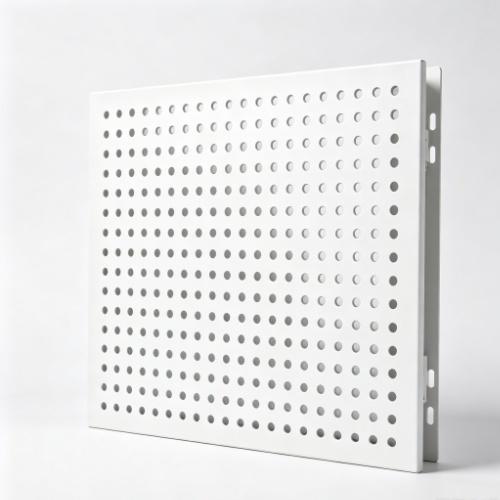
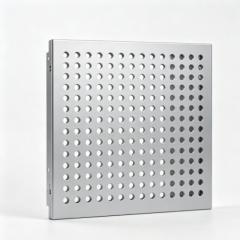
Perforated Aluminium Curtain Wall Panels solve a problem that solid cladding cannot: how to screen a facade without sealing it off. The perforated pattern allows air to move, light to filter, and views to remain partially open, while still providing solar shading, privacy, and a distinctive architectural identity. Whether the pattern is a dense micro-perforation for a subtle texture or a bold geometric cut-out for a statement facade, the panel becomes both a functional building envelope component and a design feature in its own right.
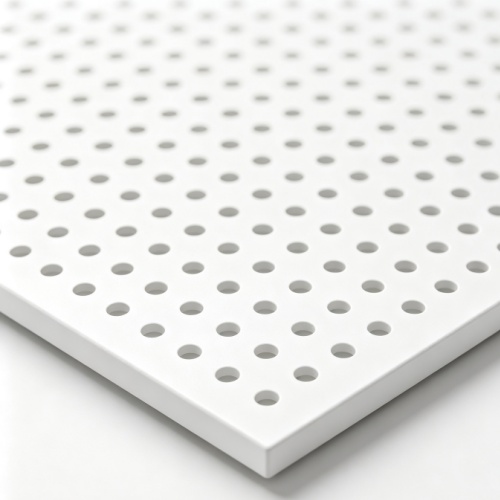
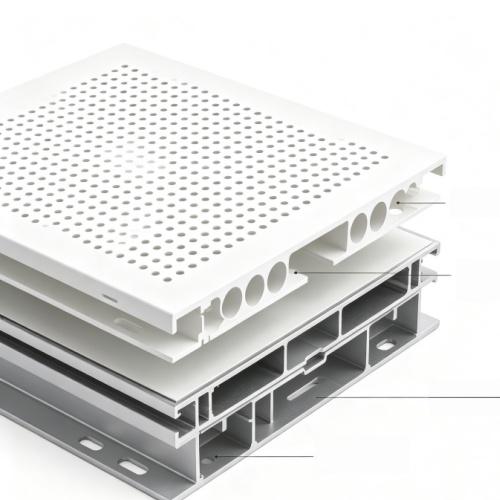
Each panel is fabricated from 6063-T5 aluminium extrusions and sheets, with the perforation pattern produced on CNC punching equipment. Hole size, spacing, and pattern geometry are fully customisable, and we can develop patterns from your architect's drawing, a photograph, or even a logo. The panels are then finished in-house — powder coated in any RAL colour, anodized for a metallic sheen, or PVDF coated for high-UV and coastal exposure. The aluminium substrate is non-combustible and fully recyclable, contributing to green building certification targets.
Shengxin has over 30 years of aluminium extrusion expertise and manufactures these panels entirely in-house, from profile extrusion to perforation, framing, and final coating. This vertical integration ensures the pattern density, frame alignment, and finish quality are consistent across every panel in the facade. For solid cladding alternatives, see our curtain wall profile system. For custom panel geometry, explore our custom extrusion service.
Features & Benefits
-
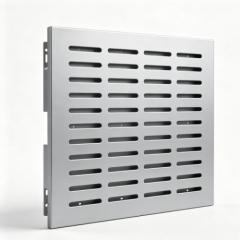
Custom perforation patterns: Hole size, spacing, and arrangement are fully configurable. Choose from standard round, square, slotted, or bespoke geometric patterns developed from your design intent.
-
Solar control and shading: The perforated pattern reduces direct solar gain while maintaining daylight transmission, lowering cooling loads and improving occupant comfort in glazed facades.
-
Ventilation and airflow: Unlike solid cladding, perforated panels allow air movement behind the facade, reducing heat build-up in the cavity and improving the performance of rainscreen systems.
-
Lightweight and structurally efficient: Aluminium panels are significantly lighter than equivalent steel or stone cladding, reducing structural loads and installation time.
-
Durable architectural finishes: Powder coating to AAMA 2604, PVDF coating to AAMA 2605, or anodizing to Qualanod standards — all applied in-house with documented colour and gloss retention.
-
Non-combustible and recyclable: Aluminium achieves Class A1/A2 fire classification and is 100% recyclable at end of life, supporting LEED and BREEAM credits.
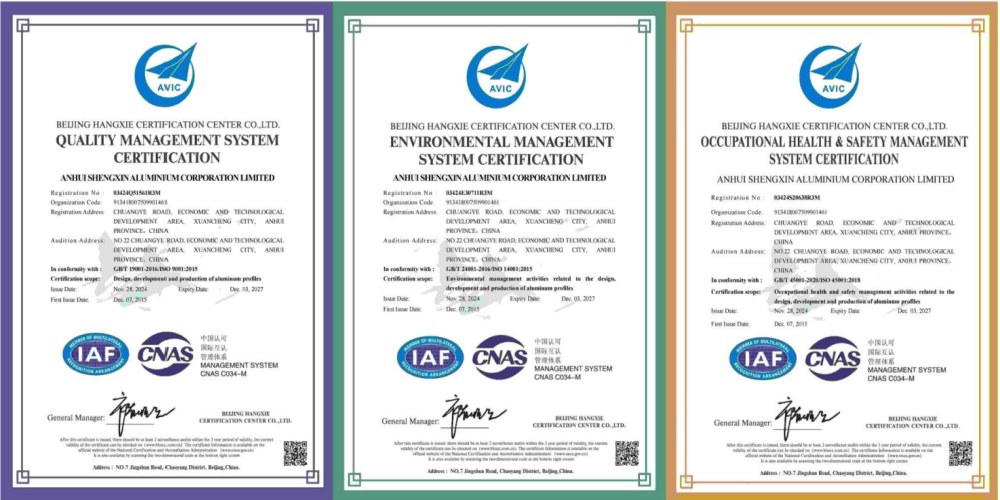
Perforation Patterns & Open Area Reference
The open area percentage determines the balance between screening, shading, and airflow. Use this table as a guide for pattern selection.
|
Pattern Type
|
Open Area
|
Shading Effect
|
Typical Application
|
|
Dense micro-perforation
|
20 – 35%
|
High screening, subtle texture
|
Feature facades, privacy screens
|
|
Medium pattern
|
35 – 50%
|
Balanced screening and airflow
|
Office facades, car parks
|
|
Open decorative pattern
|
50 – 70%
|
Light screening, high airflow
|
Plant screens, ventilation louvres
|
Custom patterns can be developed from any reference image, logo, or geometric specification.
Technical Specifications
|
Base Material
|
6063-T5 aluminium extrusions and sheets
|
|
Panel Thickness
|
2.0 mm – 4.0 mm (sheet); frame sections per design
|
|
Maximum Panel Size
|
Up to 1500 mm × 3000 mm (larger by assembly)
|
|
Perforation Method
|
CNC punching; custom patterns from drawing or image
|
|
Surface Finish
|
Powder coating (RAL), PVDF (AAMA 2605), anodizing (Qualanod)
|
|
Fire Classification
|
Class A1/A2 per EN 13501-1 (non-combustible)
|
|
Corrosion Resistance
|
≥1000 hours salt spray (ASTM B117) with PVDF or AA20 anodizing
|
|
Applicable Standards
|
AAMA 2604/2605, Qualanod, EN 13501-1, EN 755
|
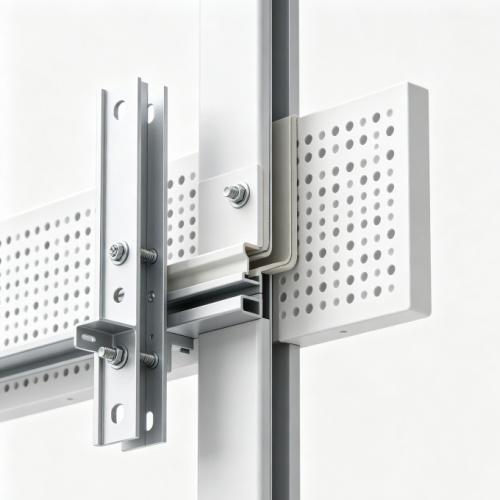
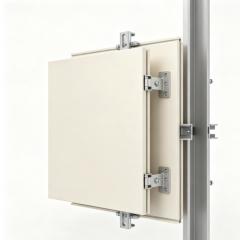
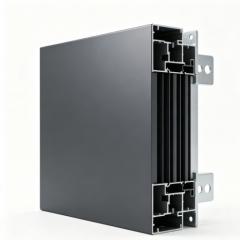
These perforated aluminum wall panels can be specified as part of a complete rainscreen or curtain wall assembly, with matching solid panels, trims, and support profiles available from the same production facility.
Applications of Perforated Aluminium Curtain Wall Panels
-
Commercial building facades: Perforated panels provide solar shading and visual depth on office towers, hotels, and mixed-use developments without blocking daylight entirely.
-
Car park ventilation screens: The open-area pattern allows exhaust fumes to disperse while concealing vehicles and structure behind an attractive architectural screen.
-
Plant and equipment screening: Rooftop mechanical plant, cooling towers, and service equipment can be hidden behind perforated panels that maintain essential airflow.
-
Staircase and atrium cladding: Decorative perforated panels add texture and light play to internal and external circulation spaces, with patterns that complement the building's design language.
-
Sunshade and brise-soleil systems: Perforated aluminium panels used as fixed or adjustable shading elements reduce solar heat gain while maintaining outward views.
Customisation & Supply Options
|
Service
|
Capability
|
|
Pattern Design
|
Custom perforation patterns developed from architectural drawings, images, or logos
|
|
Panel Dimensions
|
Custom sizes to suit your facade module and installation sequence
|
|
Finish Options
|
In-house powder coating, PVDF, anodizing; full RAL colour range
|
|
Framing & Support
|
Matching aluminium frames, support rails, and fixing brackets
|
|
Bespoke Die Design
|
Custom dies — see our extrusion design service
|
|
Packaging & Delivery
|
Protective interleaving, custom pallets, labelled per facade zone
|
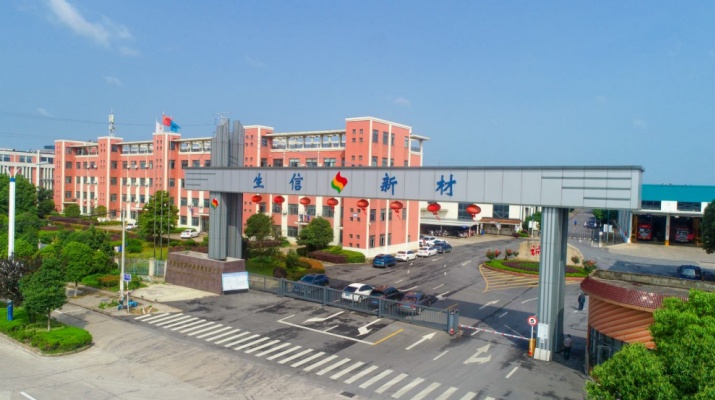
Why Choose Shengxin for Perforated Facade Panels?
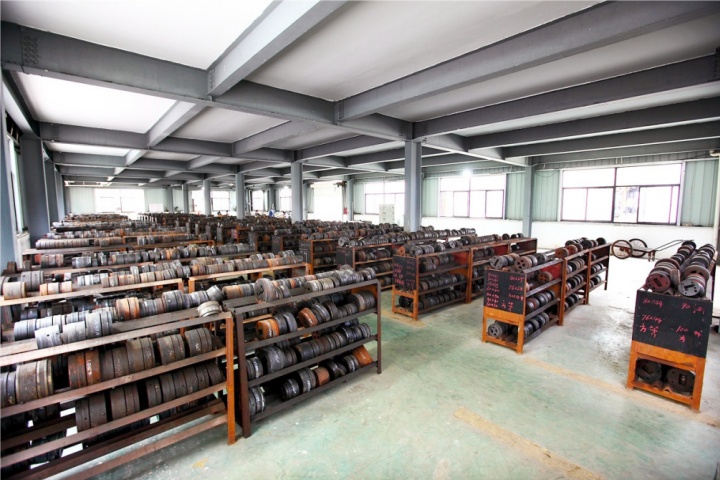
Perforated panels are a precision product: the hole pattern must be consistent across every panel, the frame alignment must be exact, and the finish must match across the entire facade. Shengxin has over 30 years of aluminium manufacturing experience and controls every step — extrusion, CNC punching, framing, and coating — in-house. This means we can guarantee pattern repeatability and colour consistency from the first panel to the last, no matter how large the order.
CNC Pattern Precision
Computer-controlled punching delivers identical hole spacing and alignment on every panel, ensuring a visually seamless facade installation.
Complete In-House Finishing
Powder coating, PVDF, and anodizing lines are all on-site, with full colour documentation and AAMA/Qualanod certification.
Design Development Support
Send us your concept, and our team will help translate it into a production-ready perforation pattern with open-area and structural calculations.
Global Manufacturing Scale
$120 million in assets, 100,000-ton annual capacity, exports to 97 countries. We deliver facade panel projects of any scale.
Related Facade Solutions: For structural mullions and transoms, see our curtain wall profile range. For high-rise applications, consider our high-rise facade profiles. 5 container loading platforms ensure on-time dispatch.
Perforated Aluminium Curtain Wall Panels FAQ
Q: Can you produce perforated panels in the same finish as solid aluminum wall panels?
A: Yes. We manufacture both perforated and solid aluminum wall panels in the same facility, using identical powder coating or PVDF processes. This ensures a seamless colour and gloss match when both panel types are used together on the same facade.
Q: Can the perforation pattern be used to create an aluminum great wall panel effect?
A: Yes. Bold geometric or repeating patterns can be developed into a large-scale feature panel — effectively an aluminum great wall panel — for statement facades, entrance features, or cultural buildings. Send us your design reference, and we will develop a production-ready pattern.
Q: How does perforation affect the structural strength of the panel?
A: The perforation reduces the effective section of the panel, but our engineers calculate the remaining load capacity based on the open-area percentage, panel thickness, and support spacing. For large panels or high wind zones, we can use a thicker sheet or add a reinforcing frame.
Q: What is the maximum panel size you can produce?
A: Our standard maximum is 1500 mm × 3000 mm per panel. Larger assemblies can be achieved by combining multiple panels with matching frames and concealed fixing systems.
Q: Do perforated panels require special maintenance?
A: No more than solid cladding. The perforations may collect dust over time, so occasional cleaning with a soft brush and mild detergent is recommended. PVDF-coated panels are particularly easy to clean and resistant to staining.
Custom Perforated Aluminium Panel Solutions
If your facade design requires a unique perforation pattern, a specific open-area percentage, or a bespoke panel size, Shengxin's custom fabrication service can develop and manufacture panels to your exact drawings, delivered with full finish documentation.
How It Works:
-
Send your design — a sketch, image, CAD drawing, or logo showing the pattern intent.
-
Our engineers review — we assess pattern feasibility, open-area calculation, and structural requirements.
-
Receive a quotation — including pattern development, panel fabrication, finish cost, and lead time.
-
Approve a sample — we produce a sample panel with your pattern and finish for approval.
-
Full production — consistent pattern and finish across every panel, delivered on schedule.
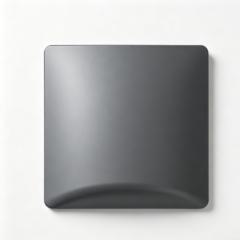
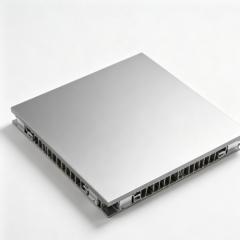
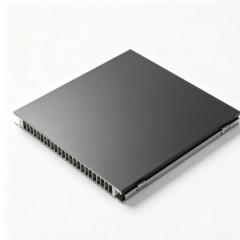
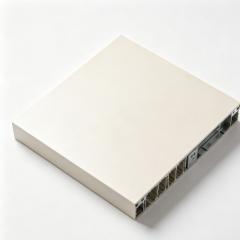
⚠️ Important Note: All panel images and dimensional drawings on this page are for reference only. Final dimensions, perforation patterns, open-area percentages, and surface finishes will be confirmed based on your approved production drawings and sample panels. Please contact our engineering team to discuss your specific requirements before placing an order.
Please note: The production timelines discussed are typical estimates based on smooth design approvals and current scheduling. Actual lead times may be longer if design changes are required, multiple sample iterations are needed, or production capacity is temporarily at high demand. Your dedicated project engineer will provide updated timelines at each stage, and final delivery dates will be confirmed in your order confirmation.
← Back to Architectural Aluminium Profiles category
| Related: Curtain Wall Aluminium Profiles


 English
 français
 Deutsch
 русский
 español
 português
 العربية
 ไทย
ไทย Việt
Việt Українська

 online service

